How we make this list: we compare pricing pages, product documentation and public user reviews. Rankite is independent; if a vendor ever pays for a featured spot, that listing is clearly labeled Partner.
Key takeaways
- Ethereum remains the most battle-tested smart contract platform with the deepest developer ecosystem.
- Solana, Avalanche and BNB Chain compete on speed and low fees for high-throughput applications.
- Polygon scales Ethereum with lower costs, suiting apps that want Ethereum compatibility.
- Cardano and Algorand appeal to methodical, research-driven development.
- Hyperledger Fabric, now under LF Decentralized Trust, serves permissioned enterprise blockchains.
Smart contract platforms are blockchains that run programmable agreements. These nine cover the leading public networks plus the enterprise permissioned option.
Quick comparison
| Tool | Best for | Starting price | Free plan |
|---|
 Ethereum Ethereum | Most battle-tested ecosystem | Free | Yes |
 Solana Solana | High-speed low-fee apps | Free | Yes |
 Polygon Polygon | Ethereum-compatible scaling | Free | Yes |
 BNB Chain BNB Chain | Exchange-ecosystem apps | Free | Yes |
 Cardano Cardano | Research-driven development | Free | Yes |
 Avalanche Avalanche | Customizable subnets | Free | Yes |
 Algorand Algorand | Fast finality, low fees | Free | Yes |
 Tron Tron | High-throughput content apps | Free | Yes |
 Hyperledger Fabric Hyperledger Fabric | Permissioned enterprise chains | Free | Yes |
Is your product missing or out of date?
We review this list regularly. Vendors can request a listing, send updated pricing or ask about featured placement.
Starting priceFree
Free planYes
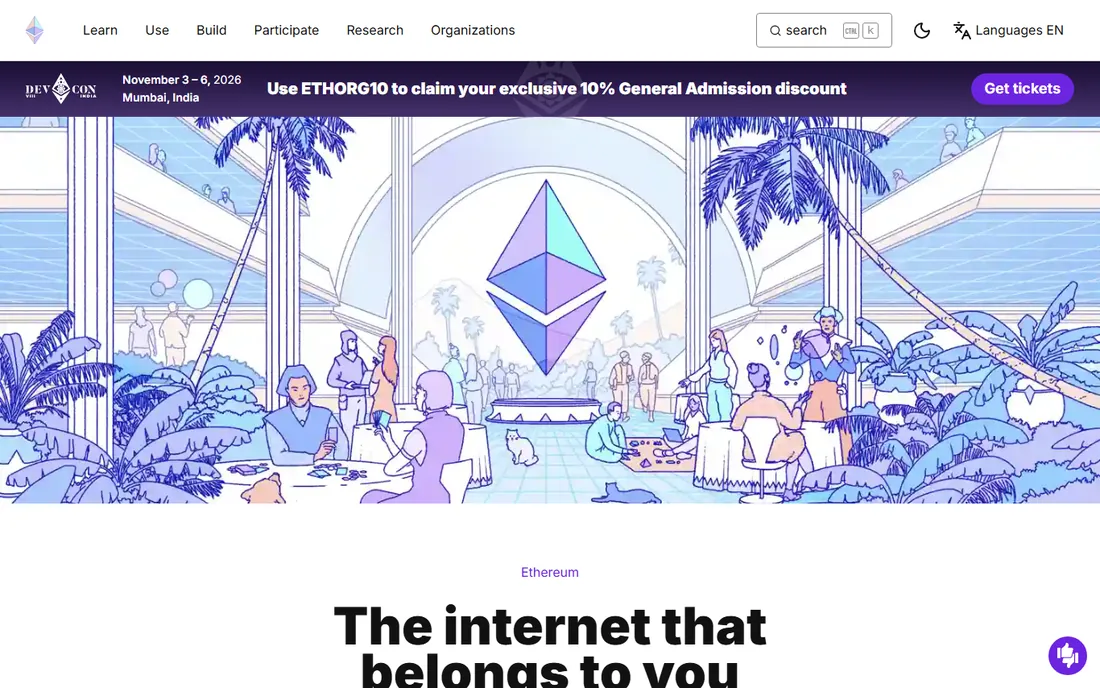
Ethereum invented the smart contract platform category and still anchors it: the most developers, tooling, audits and DeFi activity. Layer 2 networks handle scale while settling to Ethereum.
Mainnet fees spike with congestion. For security-critical applications with the most eyes on the code, Ethereum remains first.
Ethereum developers should learn the gas optimization patterns early; deployment costs punish inefficiency. Use the testnets extensively before mainnet. The tooling maturity, Hardhat and Foundry, accelerates development.
What we like- Deepest developer ecosystem
- Most audited contracts
- Layer 2 scaling
Watch out for- Mainnet gas fees
- Complexity for beginners
Starting priceFree
Free planYes
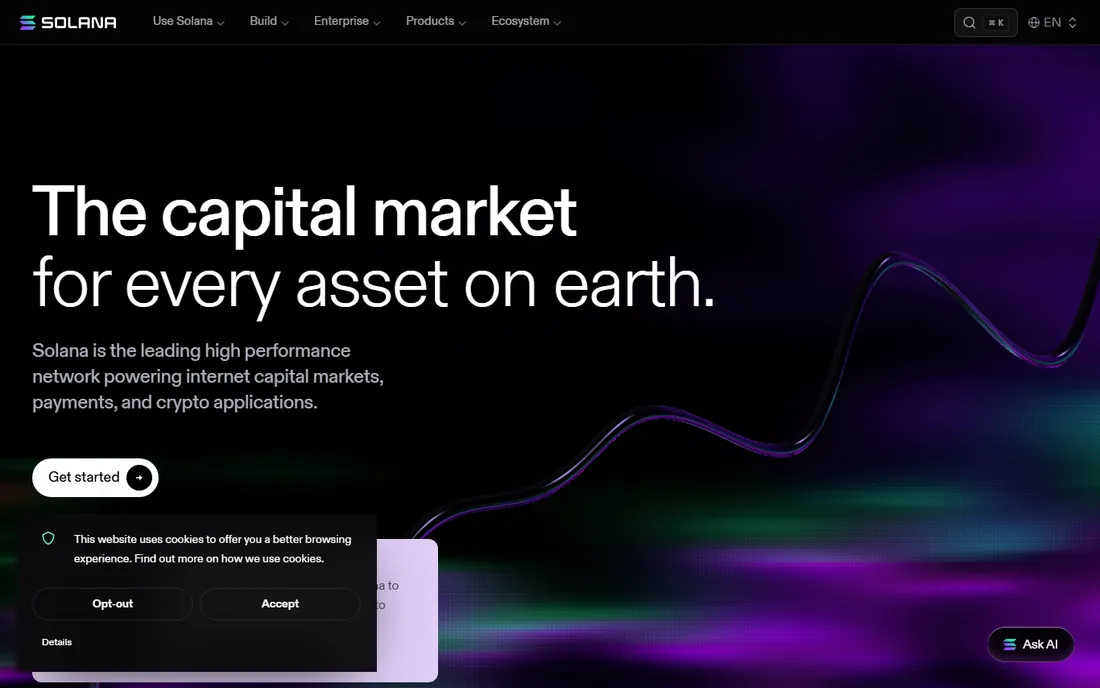
Solana processes transactions at speeds and costs other chains cannot match, powering consumer crypto apps, DePIN and high-frequency DeFi. The ecosystem rebounded strongly.
Outage history makes some enterprises cautious. For performance-first applications, the throughput is unmatched.
Solana developers should account for network reliability history in their architecture; design for graceful degradation. The speed enables use cases impossible elsewhere. Use the ecosystem tooling rather than fighting it.
What we like- Very high throughput
- Tiny fees
- Strong consumer app ecosystem
Watch out for- Past network outages
- Validator concentration concerns
Starting priceFree
Free planYes
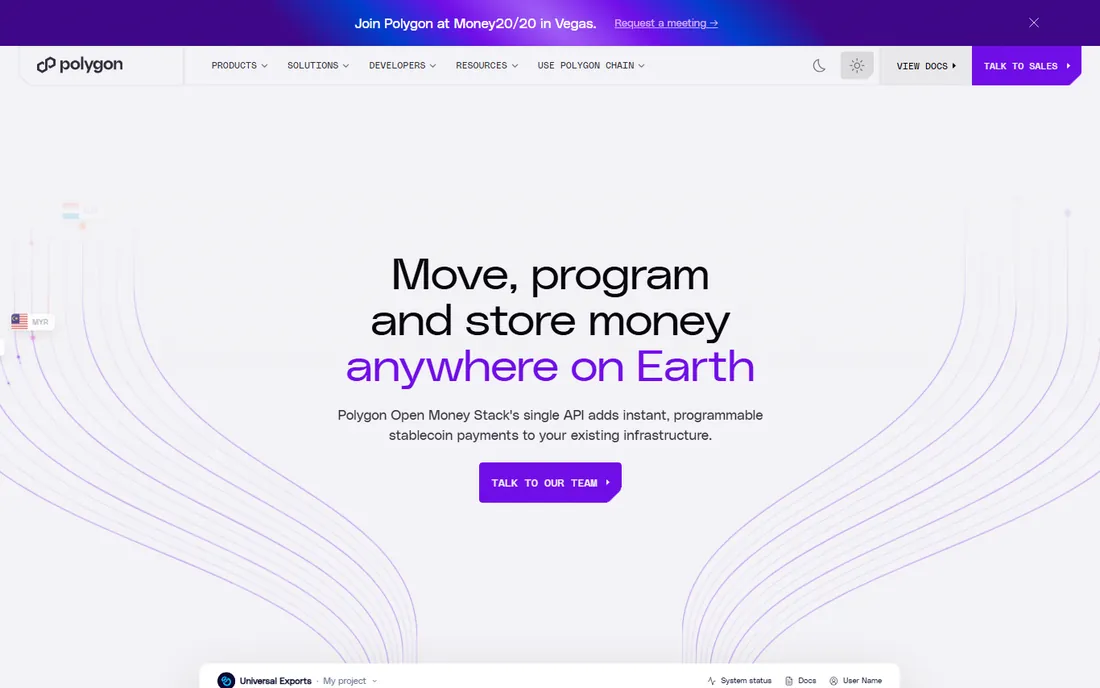
Polygon scales Ethereum with fast, cheap transactions while staying EVM-compatible, so Ethereum developers deploy without relearning. Enterprise adoption is a strength.
The roadmap has shifted over time. For Ethereum-aligned scaling today, it is proven.
Polygon developers should choose between the PoS chain and zkEVM based on their security needs; the options confuse newcomers. The Ethereum compatibility eases migration. It suits apps needing low fees with Ethereum tooling.
What we like- Ethereum compatibility
- Low fees
- Enterprise partnerships
Watch out for- Evolving architecture
- Competition from other L2s
Starting priceFree
Free planYes
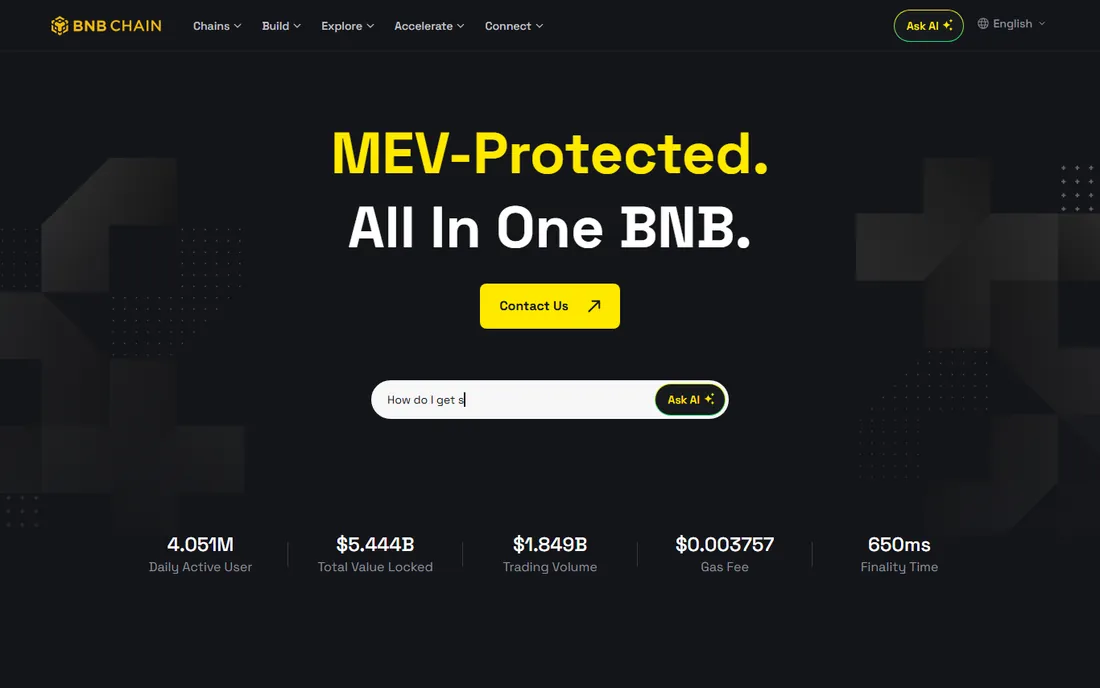
BNB Chain offers fast, cheap EVM-compatible smart contracts backed by the Binance ecosystem's enormous user base. Developers reach users easily.
Decentralization purists object to the validator structure. For reach and low costs, the tradeoff works for many.
BNB Chain developers get low fees and fast blocks with real usage; the centralization trade-offs should be acknowledged honestly. The exchange listings provide liquidity. It suits consumer apps prioritizing cost.
What we like- Low fees
- Huge user base via Binance
- EVM compatible
Watch out for- Centralization concerns
- Regulatory exposure
Starting priceFree
Free planYes
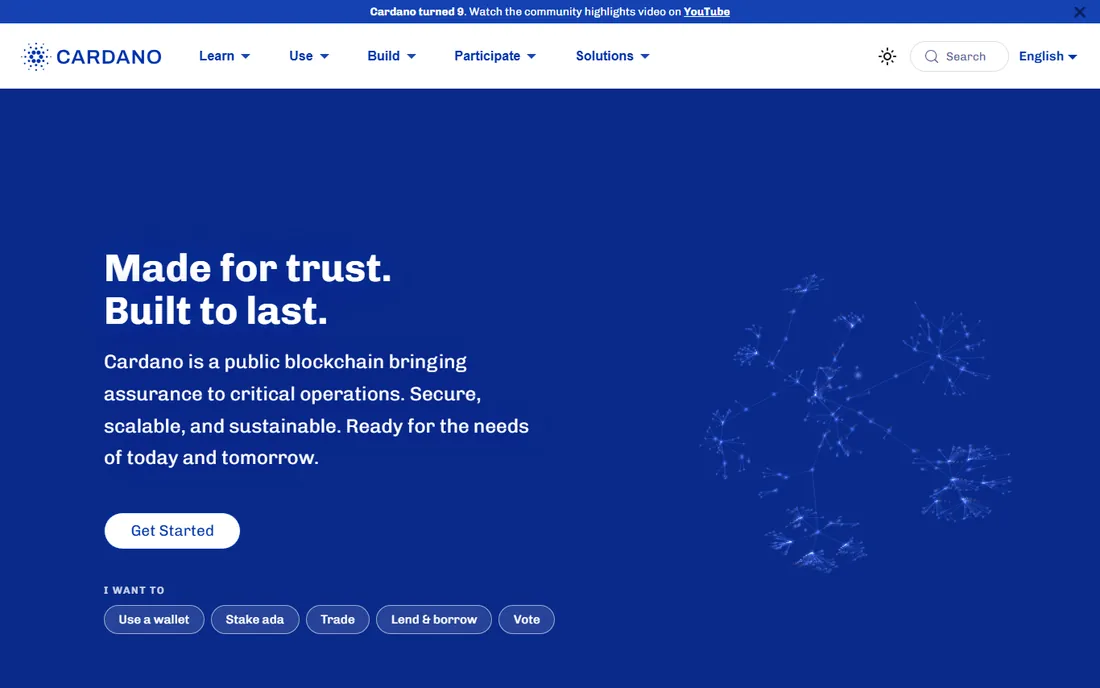
Cardano builds methodically with peer-reviewed research, producing a secure proof-of-stake platform with a passionate community. The deliberate pace prioritizes correctness.
DeFi depth trails Ethereum and Solana. For long-horizon, security-first projects, the rigor appeals.
Cardano developers should embrace the eUTXO model fully; fighting it with account-based patterns causes pain. The formal methods community provides strong tooling. Patience with the methodical development pace pays off.
What we like- Peer-reviewed approach
- Strong community
- Sustainable design
Watch out for- Slower feature rollout
- Smaller DeFi ecosystem
Starting priceFree
Free planYes

Avalanche lets organizations launch custom subnets, tailored blockchains with their own rules, on fast finality infrastructure. Enterprises and game studios like the flexibility.
The platform is complex. For custom chain requirements with speed, subnets are distinctive.
Avalanche developers should use subnets for application-specific chains; the architecture is the differentiator. The consensus speed suits latency-sensitive applications. Check the current avalanche.com resources.
What we like- Subnet customization
- Fast finality
- Institutional interest
Watch out for- Complexity
- Competition intense
Starting priceFree
Free planYes

Algorand delivers fast finality and negligible fees with elegant pure proof-of-stake technology. Developers get a clean, capable platform.
Ecosystem momentum trails the leaders. For technology-first builders who value the protocol design, it merits attention.
Algorand developers should use the Python and TypeScript SDKs for accessibility; the developer experience is genuinely good. The instant finality suits payment applications. It is underrated for enterprise pilots.
What we like- Instant finality
- Minimal fees
- Clean technology
Watch out for- Ecosystem smaller
- Visibility lower
Starting priceFree
Free planYes
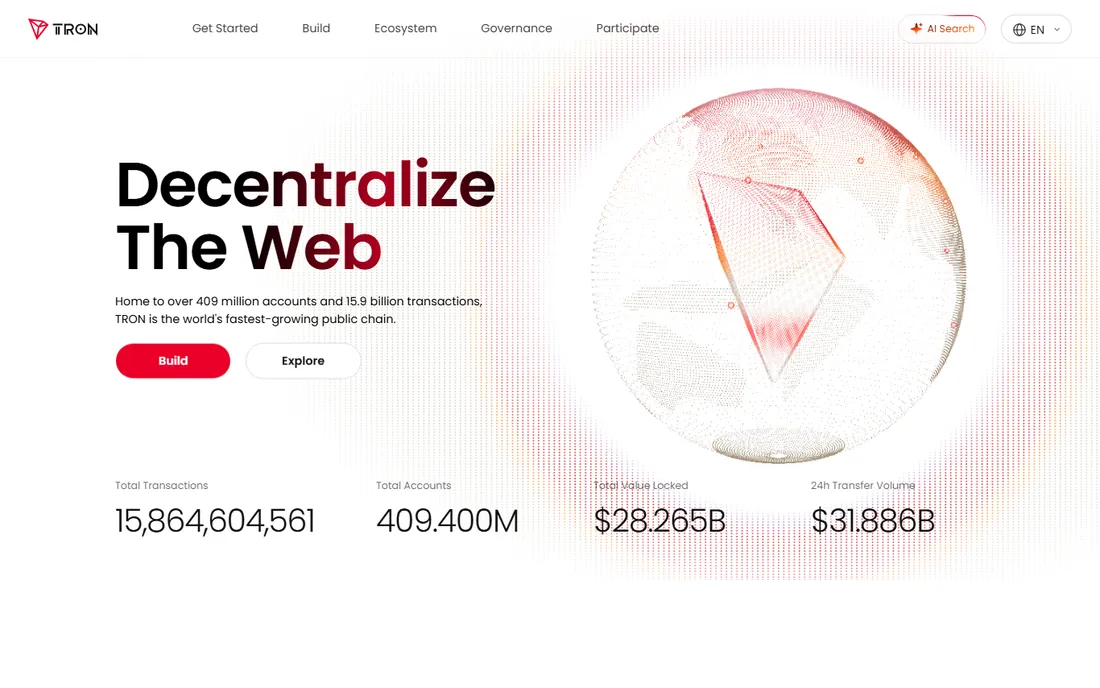
Tron processes huge transaction volumes cheaply, dominating stablecoin transfers and content applications in Asian markets. The throughput is real.
Critics cite centralization and the founder's controversies. For high-volume, low-value transactions, the economics work.
Tron developers should understand the network's specific characteristics honestly; the high throughput comes with trade-offs. The stablecoin volume is the real story. It suits specific Asian market applications.
What we like- Very high throughput
- Low fees
- Strong in Asia markets
Watch out for- Centralization criticism
- Reputation mixed
Starting priceFree
Free planYes
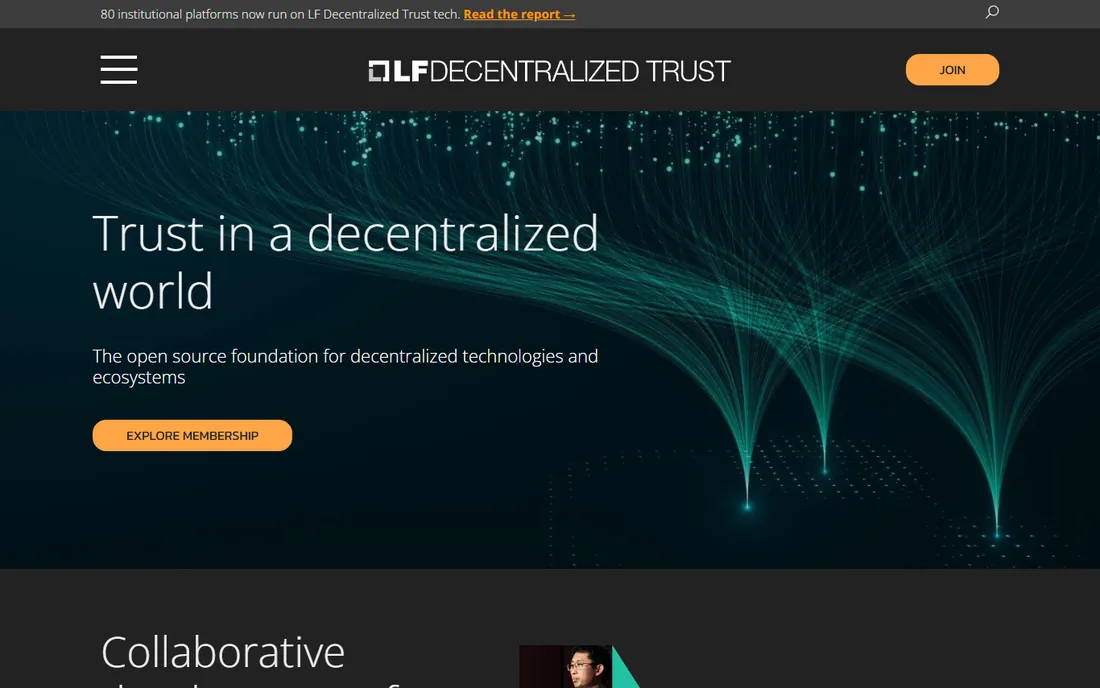
Hyperledger Fabric, under the Hyperledger Foundation now renamed LF Decentralized Trust, builds permissioned blockchains for enterprises: supply chain, trade finance and identity without public-network exposure.
It is not for DeFi or public apps. For enterprise consortia needing controlled smart contracts, it is the standard.
Fabric enterprises should note the LF Decentralized Trust stewardship and plan the network governance before coding. Permissioned networks need participant agreements. The modular architecture suits regulated consortia.
What we like- Enterprise permissioned design
- Modular
- No cryptocurrency needed
Watch out for- Not a public network
- Complexity for newcomers
How we chose
We verified each project's homepage and current branding, noting Avalanche's move to avalanche.com and the Hyperledger Foundation's rename to LF Decentralized Trust. We kept the nine most relevant smart contract platforms and excluded dead or test-only chains. All are open and free to build on.
What to get right before you buy
Match the chain to the application. DeFi wants Ethereum or Solana; enterprise consortia want Fabric; custom chains want Avalanche subnets.
Evaluate the ecosystem, not just the tech. Developer tools, audits, wallets and users decide success more than throughput numbers.
Consider fee economics. Who pays transaction fees, and how do they scale with your application's growth?
Frequently asked questions
What is a smart contract platform?
A blockchain that executes programmable contracts automatically when conditions are met, enabling DeFi, NFTs and decentralized apps.
Which blockchain is best for smart contracts?
Ethereum for ecosystem depth and security; Solana for speed and cost. The right choice depends on your application's needs.
Are smart contract platforms free to use?
Building is free and open source; deploying and transacting costs network fees that vary enormously by chain.
What is the difference between Layer 1 and Layer 2?
Layer 1s are base blockchains like Ethereum; Layer 2s like Polygon process transactions faster and cheaper while settling to Layer 1.
Do enterprises use public blockchains?
Increasingly, but many use permissioned platforms like Hyperledger Fabric for control and privacy.
How do I learn smart contract development?
Start with Ethereum's Solidity documentation and testnets, which are free. The ecosystem has the most tutorials and tooling.
Smart contract security: the non-negotiable checklist
Smart contract bugs lose real money irreversibly, so security is not optional. The first rule is to use audited, battle-tested libraries like OpenZeppelin rather than writing standard functionality from scratch. Custom code for tokens, access control and upgrades invites bugs that libraries already solved.
The second rule is independent audits before mainnet. No audit guarantees safety, but unaudited contracts handling value are reckless. Budget for the audit in the project plan, choose reputable firms, and fix every finding, including the informational ones. The audit report itself becomes a trust asset.
The third rule is testing beyond unit tests. Fuzz testing, invariant testing and mainnet-fork simulations catch the edge cases that unit tests miss. Test the upgrade paths, the pause mechanisms and the failure modes. The attacker's creativity exceeds the developer's test plan.
The fourth rule is access control and upgradeability discipline. Who can upgrade the contract, who can pause it, and what happens if keys are compromised: these questions need answers before deployment. Multi-signature admin and timelocks are the baseline for anything holding significant value.
Finally, plan the incident response before the incident. Monitoring for anomalous transactions, pause procedures, and communication plans should exist on day one. The teams that survive exploits are the ones that rehearsed. In smart contracts, security is a process, not a milestone.
Gas fees and cost planning
Every smart contract interaction costs gas, and poor planning makes dApps unusable. Start by understanding what drives costs: computational complexity, storage writes and network congestion. Storage is the most expensive operation; design contracts to minimize on-chain data.
Choose the network deliberately for the use case. High-value DeFi tolerates Ethereum mainnet fees; consumer apps and gaming need low-fee chains or layer twos. The fee environment shapes what applications are viable. Test transaction costs on testnets during development.
Optimize the contract code for gas. Pack storage variables, use events instead of storage where possible, and batch operations. Gas golfing, the practice of minimizing transaction costs, is a real engineering discipline. Audit the gas costs as seriously as the security.
Plan for fee volatility. Network congestion spikes fees unpredictably; applications need graceful handling of high-fee periods. Meta-transactions and gas abstraction can shield users from the complexity. Never assume today's fees persist.
Finally, communicate costs to users honestly. Unexpected wallet prompts for large fees destroy trust. Show estimated costs before transactions and explain what the fees pay for. Transparent cost design is part of good dApp UX.
Choosing between public and permissioned chains
Public and permissioned blockchains serve different needs. Public chains offer openness and composability: anyone can build, assets move freely, and the ecosystem provides liquidity. They suit consumer applications and open finance.
Permissioned chains offer control and privacy. Known participants, private transactions and governance by agreement suit enterprise consortia and regulated use cases. The trade-off is reduced openness and network effects.
Consider the trust model honestly. Public chains replace institutional trust with cryptographic guarantees; permissioned chains encode existing institutional trust in software. Choose the model matching the actual relationships between participants.
Cost structures differ fundamentally. Public chains charge per transaction with volatile fees; permissioned chains cost infrastructure and operations. High-volume enterprise workflows often run cheaper permissioned; unpredictable consumer volumes suit public chains.
Finally, regulatory posture matters. Data privacy regulations, financial compliance and industry rules constrain the choice. Permissioned chains simplify compliance conversations with regulators. Consult legal counsel early; the architecture decision is hard to reverse.
Hybrid architectures are increasingly common: sensitive logic on a permissioned chain, settlement or audit anchors on a public one. This combines privacy with public verifiability. The added complexity needs clear justification, but for regulated consortia wanting external auditability, the hybrid model often fits best in practice.
Sources we checked (9)
- https://ethereum.org/
- https://solana.com/
- https://polygon.technology/
- https://www.bnbchain.org/en
- https://cardano.org/
- https://www.avalanche.com/
- https://algorand.co/
- https://tron.network/
- https://www.lfdecentralizedtrust.org/
Is your product missing or out of date?
We review this list regularly. Vendors can request a listing, send updated pricing or ask about featured placement.

Shihab Mia · Founder, Rankite
Shihab has spent more than a decade helping SaaS and e-commerce brands grow through search. He writes Rankite's software buying guides from pricing pages, documentation and public user reviews. More about Shihab.