How we make this list: we compare pricing pages, product documentation and public user reviews. Rankite is independent; if a vendor ever pays for a featured spot, that listing is clearly labeled Partner.
Key takeaways
- Honeywell Forge, Siemens, Schneider Electric EcoStruxure and Johnson Controls OpenBlue are the enterprise building platform leaders.
- 75F, Verdigris, BrainBox AI and CopperTree Analytics bring focused energy optimization and analytics.
- Switch Automation offers an integration platform unifying building systems.
- AI-driven HVAC optimization is the fastest-growing capability in the category.
- Expect enterprise sales cycles; most platforms price per building or per square foot.
Smart building software manages HVAC, lighting, energy and occupancy: optimizing comfort, cutting energy costs and enabling predictive maintenance. These nine range from industrial giants to AI-focused specialists.
Quick comparison
Is your product missing or out of date?
We review this list regularly. Vendors can request a listing, send updated pricing or ask about featured placement.
The best smart building software
Starting priceSee website
Free planNo
Honeywell Forge brings building systems into one enterprise platform: energy management, predictive maintenance and occupant experience across portfolios. Large owners standardize on it.
Smaller buildings will find it heavy. For enterprise portfolios, the breadth and backing matter.
Honeywell Forge users should start with one building system, usually HVAC, and expand once the data proves value. The enterprise scale needs executive sponsorship. Integrate with existing BMS rather than replacing it.
What we like- Enterprise building suite
- Energy and occupant experience
- Global scale
Watch out for- Enterprise pricing
- Implementation complexity
Starting priceSee website
Free planNo
Siemens Building X is the cloud platform for smart buildings, connecting Desigo systems with AI applications for energy, comfort and maintenance. Siemens buildings get a coherent digital layer.
Standalone buyers get less integration value. For Siemens-equipped portfolios, it is the natural platform.
Siemens customers should use the Building X suite approach for portfolio-wide standardization; the value compounds across buildings. The digital twin capabilities need good BIM data. Plan the rollout building by building.
What we like- Cloud building platform
- Desigo integration
- AI applications
Watch out for- Best inside the Siemens ecosystem
- Enterprise cost

#3
Schneider Electric EcoStruxure
Best for: Energy-focused building management
Visit se.com
Starting priceSee website
Free planNo
Schneider Electric's EcoStruxure spans building management with energy at its core: power monitoring, building automation and sustainability reporting. Energy managers get deep capability.
The portfolio is vast. Organizations prioritizing energy and sustainability find the focus right.
Schneider Electric users should connect the power and building systems for the full energy picture; the electrical expertise is the differentiator. The EcoStruxure architecture suits phased deployments. Start with metering for quick wins.
What we like- Energy management depth
- Broad product range
- Sustainability focus
Watch out for- Portfolio breadth can confuse
- Enterprise sales
Starting priceSee website
Free planNo
Johnson Controls OpenBlue is a complete platform for digital buildings: HVAC, fire, security and energy unified with AI optimization. Healthy-building features gained prominence.
The commitment is enterprise-grade. JCI customers get the most coherent experience.
Johnson Controls customers should explore the OpenBlue AI features for predictive maintenance; the data scale enables it. The acquisition history means confirming current product names. Large portfolios get the most value.
What we like- Full building lifecycle platform
- Metasys integration
- Healthy buildings focus
Watch out for- Enterprise scope
- JCI ecosystem alignment
Starting priceSee website
Free planNo

75F offers wireless building automation with zone-level sensing and control, designed for retrofits without rewiring. Commercial buildings get smart controls with modest disruption.
Industrial facilities need more. For commercial retrofits, the wireless approach lowers barriers.
75F users should let the out-of-the-box sensors do the work; the hardware-software bundle is the point. Smaller commercial buildings get enterprise-style optimization affordably. The installation simplicity suits retrofit projects.
What we like- Wireless retrofit-friendly
- Zone-level control
- Fast payback claims
Watch out for- Smaller vendor
- Commercial focus
Starting priceSee website
Free planNo
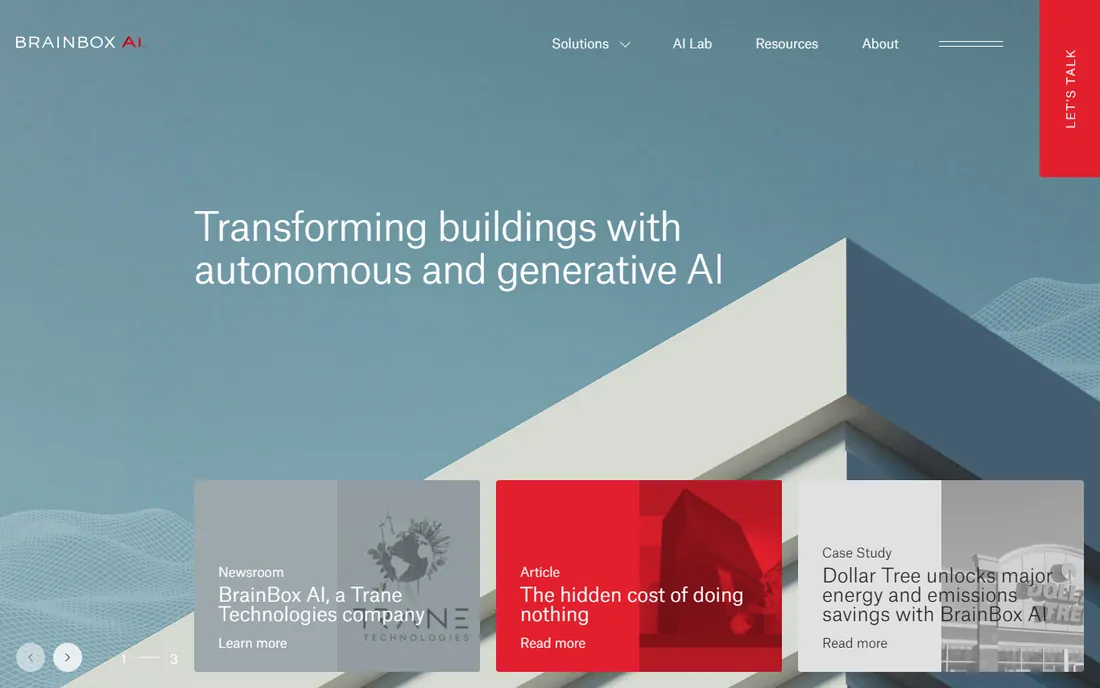
BrainBox AI applies artificial intelligence to HVAC systems, autonomously optimizing for energy savings and comfort on top of existing building management systems. The energy claims attract owners.
It optimizes rather than replaces BMS. Buildings wanting AI-driven efficiency without rip-and-replace should evaluate it.
BrainBox AI users should give the autonomous HVAC control time to learn the building; the AI improves over weeks. Monitor the energy reports to verify savings. It suits buildings with existing BMS infrastructure.
What we like- Autonomous HVAC optimization
- Energy savings focus
- Works with existing BMS
Watch out for- AI-specific scope
- Newer vendor
Starting priceSee website
Free planNo
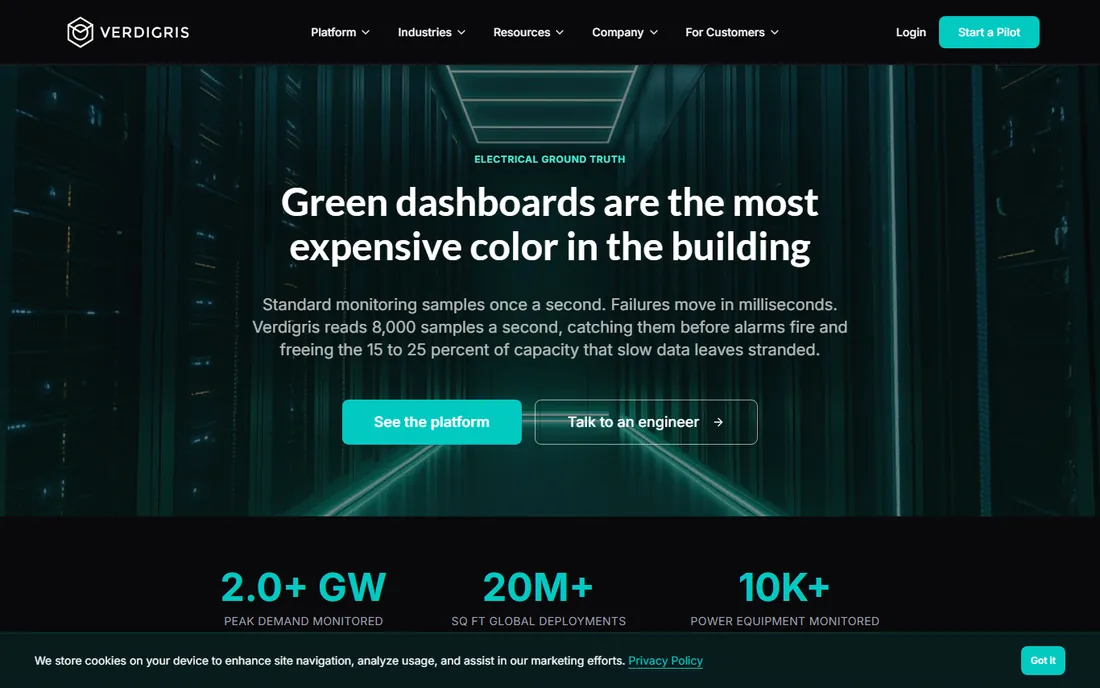
Verdigris delivers circuit-level electrical monitoring with AI analytics, now emphasizing AI data centers alongside commercial buildings. Energy waste hides at the circuit level; Verdigris finds it.
Full building automation needs more. For electrical intelligence and energy analytics, it is specialized and strong.
Verdigris users should use the circuit-level data to find the specific equipment wasting energy; the granularity is the value. The AI alerts need tuning to avoid noise. Share the insights with maintenance teams directly.
What we like- Circuit-level energy intelligence
- AI analytics
- Data center strength
Watch out for- Electrical focus
- Narrower than full BMS
Starting priceSee website
Free planNo
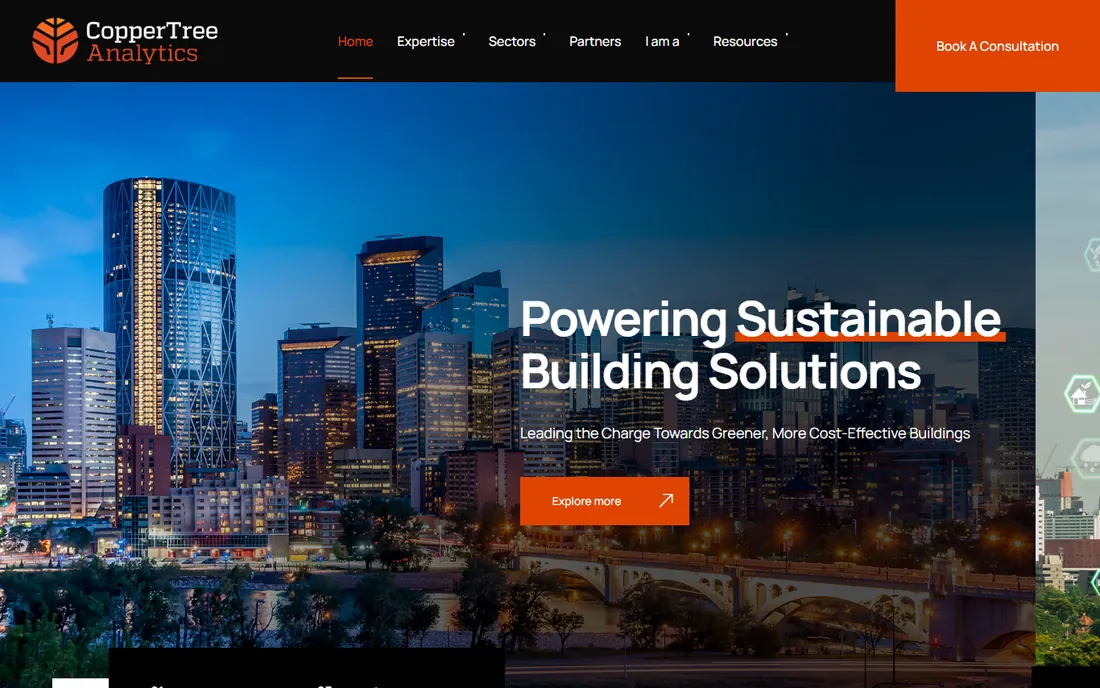
CopperTree Analytics combines building analytics with automated optimization: fault detection, energy analytics and continuous commissioning. Portfolio managers get visibility across buildings.
The profile is smaller than the giants. For analytics-led optimization without enterprise overhead, it is a fair pick.
CopperTree users should integrate the analytics with their existing building systems; the overlay approach avoids rip-and-replace. Portfolio managers get the benchmarking value. Keep the data feeds reliable.
What we like- Analytics plus automated optimization
- Fault detection
- Good for portfolios
Watch out for- Smaller vendor
- Brand quieter
Starting priceSee website
Free planNo
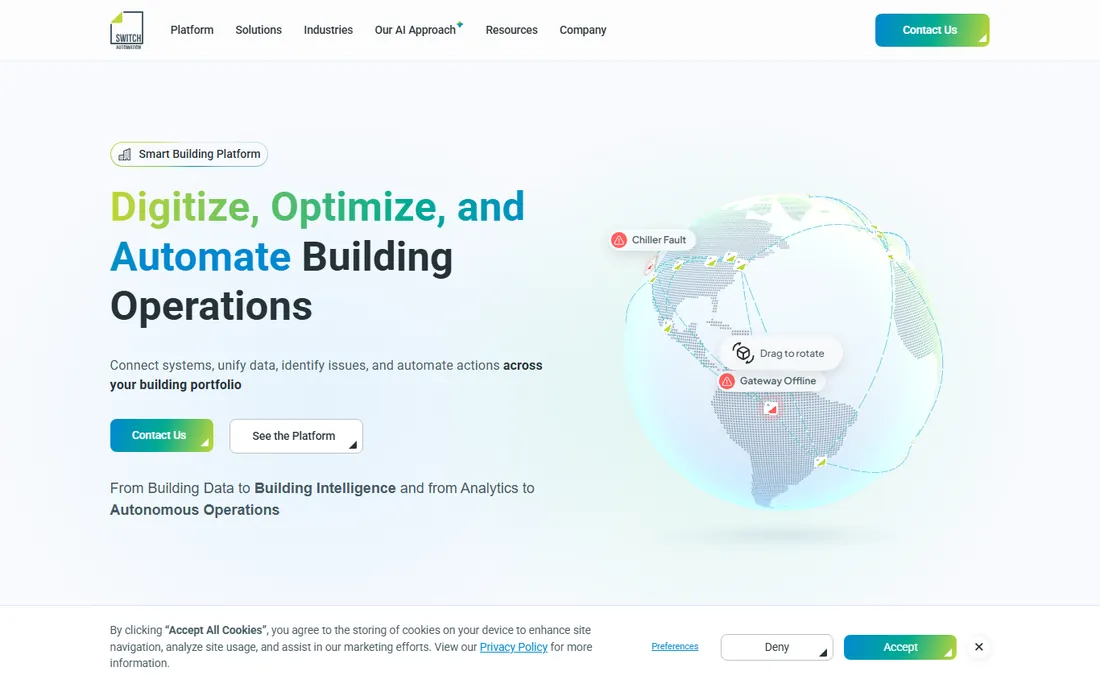
Switch Automation integrates disparate building systems into one smart building platform: BMS, meters, sensors and workplace tools unified. Owners with mixed-vendor buildings get coherence.
IT involvement is needed. For portfolios struggling with siloed systems, the integration layer pays.
Switch Automation users should use the digital twin features for portfolio standardization; the consistency helps multi-site operators. The integration breadth suits diverse building stocks. Start with the highest-energy buildings.
What we like- Unifies disparate building systems
- Integration-first
- Portfolio visibility
Watch out for- Platform play needs IT involvement
- Pricing not published
How we chose
We verified each vendor's homepage and kept platforms with genuine smart building capability, from BMS suites to AI optimizers. We excluded pure IoT sensor companies without building software. Pricing is enterprise and quote-based.
What to get right before you buy
Audit your existing systems. The best platform integrates what you own; rip-and-replace is rarely the first answer.
Define the outcome. Energy savings, comfort, maintenance and sustainability need different measurements; pick the metric before the vendor.
Pilot one building. Prove savings and operations value on a single site before portfolio rollout.
Frequently asked questions
What is smart building software?
Software that monitors and controls building systems, HVAC, lighting, energy, occupancy, to optimize comfort, cost and sustainability.
How much energy can smart buildings save?
Typically 10 to 30 percent of HVAC and lighting energy, depending on baseline efficiency and measures implemented.
Do I need new equipment for smart building software?
Often not. Many platforms integrate existing BMS and add wireless sensors where needed; full retrofits are the exception.
What is the difference between BMS and smart building platforms?
BMS controls equipment; smart building platforms add analytics, AI optimization and portfolio visibility on top.
How is pricing structured?
Usually per building, per square foot or per point, through enterprise quotes. Pilots are commonly offered.
Can AI really optimize HVAC?
Yes, within limits. AI adjusts setpoints and schedules based on occupancy and weather patterns, typically saving energy while maintaining comfort.
The building data problem: BAS integration reality
Smart building software lives or dies on integration with existing building automation systems. The first reality is protocol diversity: BACnet, Modbus, LonWorks and proprietary protocols coexist in most portfolios, and no software speaks all of them natively. Audit the installed BAS inventory before vendor selection, not after.
The second reality is data quality from legacy systems. Old sensors drift, some points are mislabeled, and commissioning records are missing. The analytics platform will surface these issues embarrassingly. Budget for sensor verification and point-mapping as part of the project.
The third reality is IT and OT convergence politics. Building systems sit with facilities, networks sit with IT, and the integration needs both. Get both teams involved early, agree on network architecture and cybersecurity requirements upfront. Projects stall more often on org charts than on technology.
The fourth reality is the cybersecurity review. Connected building systems expand the attack surface, and IT security teams will scrutinize the vendor. Prepare the vendor's security documentation early: SOC 2, encryption standards, update policies. The review takes weeks, so start it during procurement.
Finally, plan for ongoing commissioning, not just installation. Buildings drift: setpoints get overridden, schedules change, equipment degrades. The software's value is continuous optimization, which needs someone watching the analytics and acting on them. Assign that ownership explicitly or the savings fade within a year.
Retrofit versus new construction
Smart building software deploys differently in retrofits versus new construction. Retrofits start with constraints: existing BAS equipment, limited budgets and occupied buildings. The software must integrate with what is there. Wireless sensors and overlay analytics minimize disruption. Phase the rollout floor by floor to manage risk.
New construction offers a clean slate but demands early decisions. The BAS specification, sensor placement and network architecture get locked during design. Involve the software vendor during the design phase, not after handover. Commissioning the smart systems alongside the building prevents the common gap where new buildings run dumb for years.
Cost structures differ significantly. Retrofits pay for integration labor; new construction pays for equipment. The software value proposition is faster in retrofits, where waste is visible immediately, but larger in new construction over the building lifecycle.
Data quality starts better in new construction with modern sensors and documented points. Retrofits need the sensor verification effort described earlier. Either way, plan the data foundation deliberately.
Finally, the business case differs. Retrofits sell on payback periods from energy savings; new construction sells on asset value, tenant experience and future-proofing. Frame the investment in the terms each audience uses.
Measuring ROI on smart building tech
Smart building investments need measured returns. Start with the energy baseline: twelve months of utility data by system before the project. Without a baseline, savings claims are guesses. Weather-normalize the data for honest comparison.
Track the direct savings categories separately. Energy reduction, maintenance avoidance, extended equipment life and reduced occupant complaints each contribute. The monitoring software quantifies most of these; assign someone to compile the quarterly report.
Include the soft benefits honestly but separately. Tenant satisfaction, sustainability certifications and asset value matter, but mixing them with hard savings muddies the business case. Report both, labeled clearly.
Measure the costs completely too. Software licenses, sensors, integration labor, training and ongoing management all count. The three-year total cost versus three-year savings is the honest ROI frame. Most projects pay back, but the timeline varies.
Finally, share the results with stakeholders visibly. Dashboards in lobbies, reports to ownership, recognition for the facilities team. Visible wins fund the next phase. The buildings that measure well invest more; the ones that do not measure stall.
Sources we checked (9)
- https://www.honeywell.com/us/en
- https://www.siemens.com/
- https://www.se.com/
- https://www.johnsoncontrols.com/
- https://www.75f.io/
- https://brainboxai.com/en/
- https://verdigris.co/
- https://www.coppertreeanalytics.com/
- https://www.switchautomation.com/
Is your product missing or out of date?
We review this list regularly. Vendors can request a listing, send updated pricing or ask about featured placement.

Shihab Mia · Founder, Rankite
Shihab has spent more than a decade helping SaaS and e-commerce brands grow through search. He writes Rankite's software buying guides from pricing pages, documentation and public user reviews. More about Shihab.
 Honeywell Forge
 Siemens Building X
 Johnson Controls OpenBlue
 75F
75F BrainBox AI
 Verdigris
 CopperTree Analytics
 Switch Automation