How we make this list: we compare pricing pages, product documentation and public user reviews. Rankite is independent; if a vendor ever pays for a featured spot, that listing is clearly labeled Partner.
Key takeaways
- Avast and Malwarebytes offer capable free tiers, making them the cheapest starting point.
- Bitdefender and Kaspersky consistently deliver top protection at competitive renewal prices.
- Norton and McAfee bundle identity protection and VPNs, justifying higher prices for some.
- ESET and Trend Micro suit users wanting light, no-nonsense protection.
- TotalAV competes aggressively on introductory pricing; check renewal rates before committing.
Antivirus pricing is a maze of introductory discounts, renewal jumps and device-count tiers. This comparison focuses on value: what protection you get for what you actually pay year after year.
Quick comparison
| Tool | Best for | Starting price | Free plan |
|---|
 Bitdefender Bitdefender | Best protection per dollar | See website | Free trial |
 Avast Avast | Best free antivirus | Free | Yes |
 Malwarebytes Malwarebytes | Free cleanup plus premium | Free | Yes |
 Kaspersky Kaspersky | Strong protection, fair pricing | See website | Free trial |
 ESET ESET | Lightweight protection | See website | Free trial |
 Norton Norton | Bundled security suite | See website | Free trial |
 McAfee McAfee | Multi-device value | See website | Free trial |
 Trend Micro Trend Micro | No-nonsense protection | See website | Free trial |
 TotalAV TotalAV | Aggressive introductory pricing | See website | Free trial |
Is your product missing or out of date?
We review this list regularly. Vendors can request a listing, send updated pricing or ask about featured placement.
The best price antivirus software
Starting priceSee website
Free planFree trial
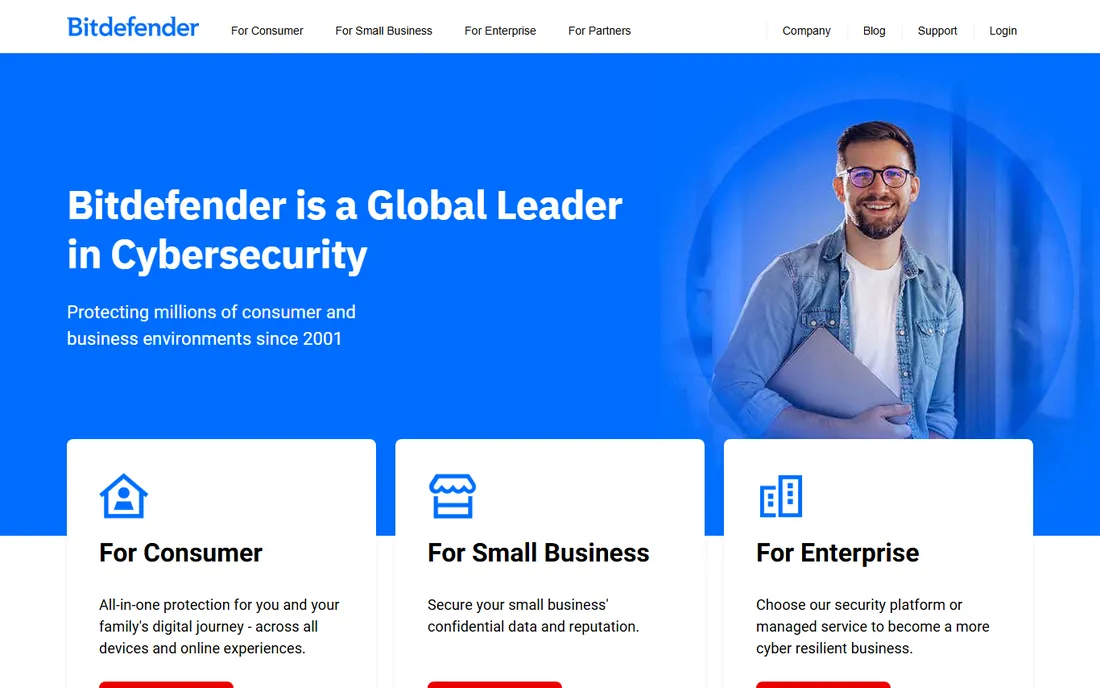
Bitdefender consistently earns top marks from independent labs while pricing below Norton and McAfee. The protection-per-dollar ratio is the best in the industry.
Watch the renewal jump from introductory pricing. For pure value in paid antivirus, it is the benchmark.
Bitdefender users should enable the autopilot mode and let it handle decisions; the defaults are well tuned. Run the vulnerability scan quarterly to catch outdated software. The multi-device plans cover the household economically.
What we like- Top test scores
- Competitive pricing
- Light system impact
Watch out for- Renewal prices higher than intro
- Upsells in app
Starting priceFree
Free planYes
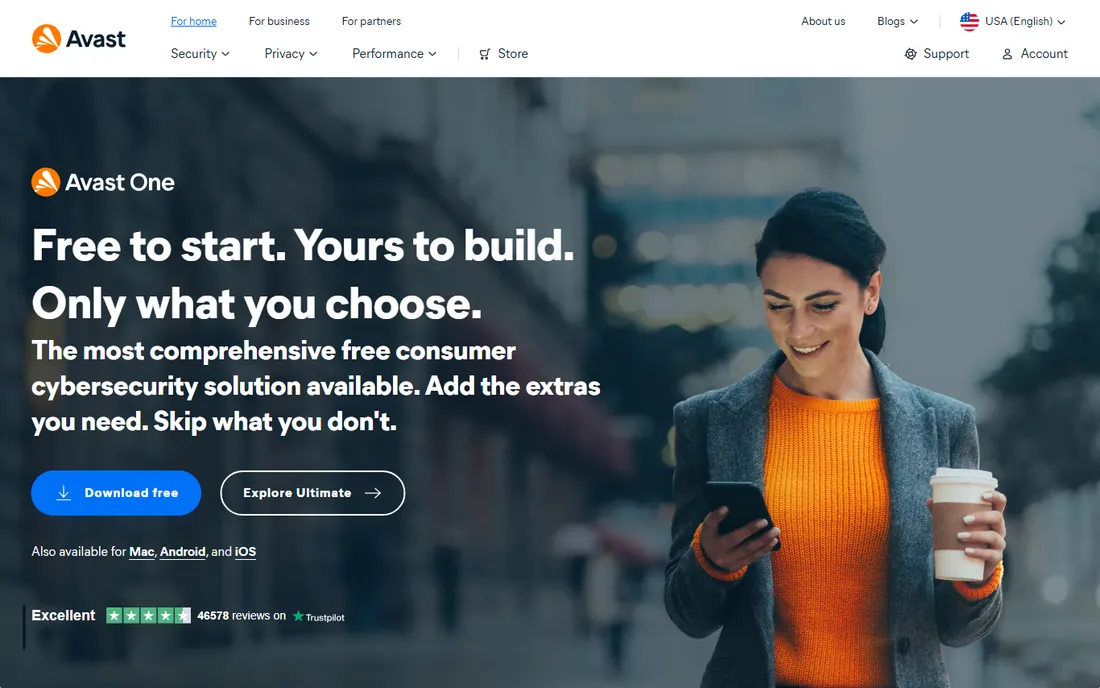
Avast's free antivirus protects genuinely well without paying, funded by upsells to premium tiers. Budget users get real protection free.
The upsell prompts annoy, and past privacy controversies linger. For free protection from an established vendor, it leads.
Avast free users should review the privacy settings during installation; the defaults share more data than necessary. The free tier protects well without paying. Ignore the upsell prompts calmly.
What we like- Fully free tier
- Solid protection
- Huge user base
Watch out for- Upsell prompts
- Privacy concerns past
- Premium needed for extras
Starting priceFree
Free planYes
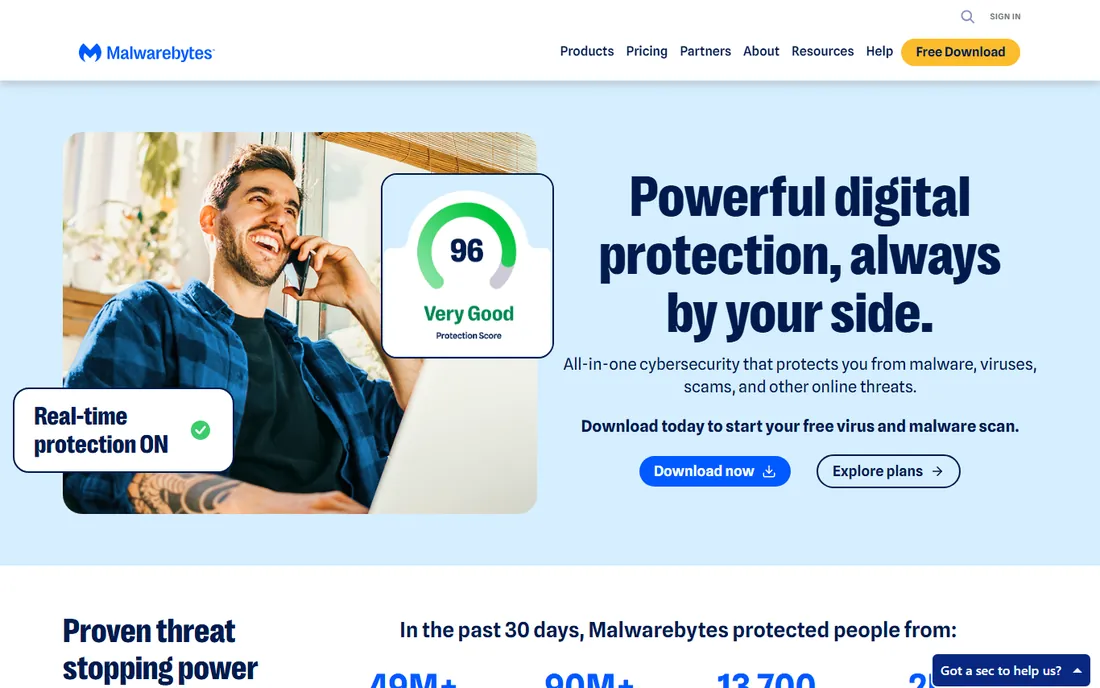
Malwarebytes Free is the cleanup tool technicians reach for: superb at removing existing infections. Premium adds real-time protection, VPN and scam guard.
Free does not prevent, only cleans. As a second-opinion scanner it is essential; as primary protection, consider premium.
Malwarebytes users should run it alongside their main antivirus rather than instead of it; the layered approach is the design. The browser guard extension blocks malicious sites effectively. Scan on schedule, not just on suspicion.
What we like- Excellent free scanner
- Strong remediation
- Premium adds real-time
Watch out for- Free tier is on-demand only
- Premium pricier per device
Starting priceSee website
Free planFree trial
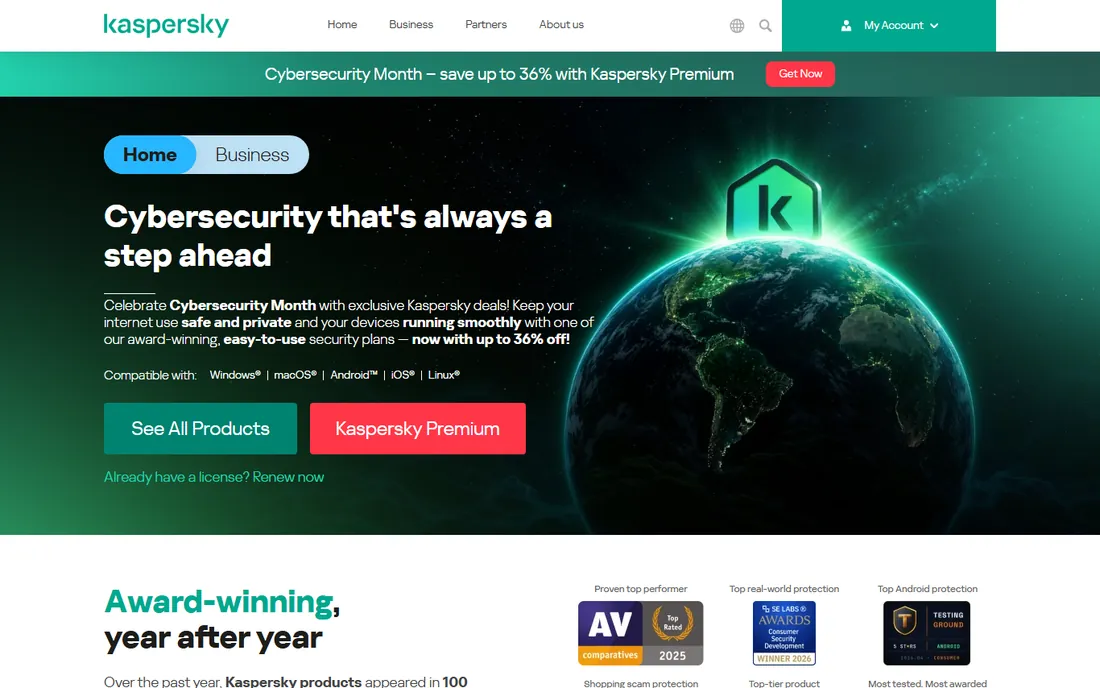
Kaspersky's protection consistently ranks at the top with fair pricing and low system impact. The value proposition is strong on technical merit.
US government restrictions and geopolitical concerns affect some buyers' decisions. Check current regulations in your country before buying.
Kaspersky buyers should weigh the geopolitical considerations honestly alongside the technical merits; the labs consistently rate the protection highly. The decision is personal and contextual. Evaluate the current ownership and jurisdiction facts.
What we like- Excellent test results
- Fair pricing
- Light performance
Watch out for- Geopolitical concerns for some buyers
- US restrictions apply
Starting priceSee website
Free planFree trial
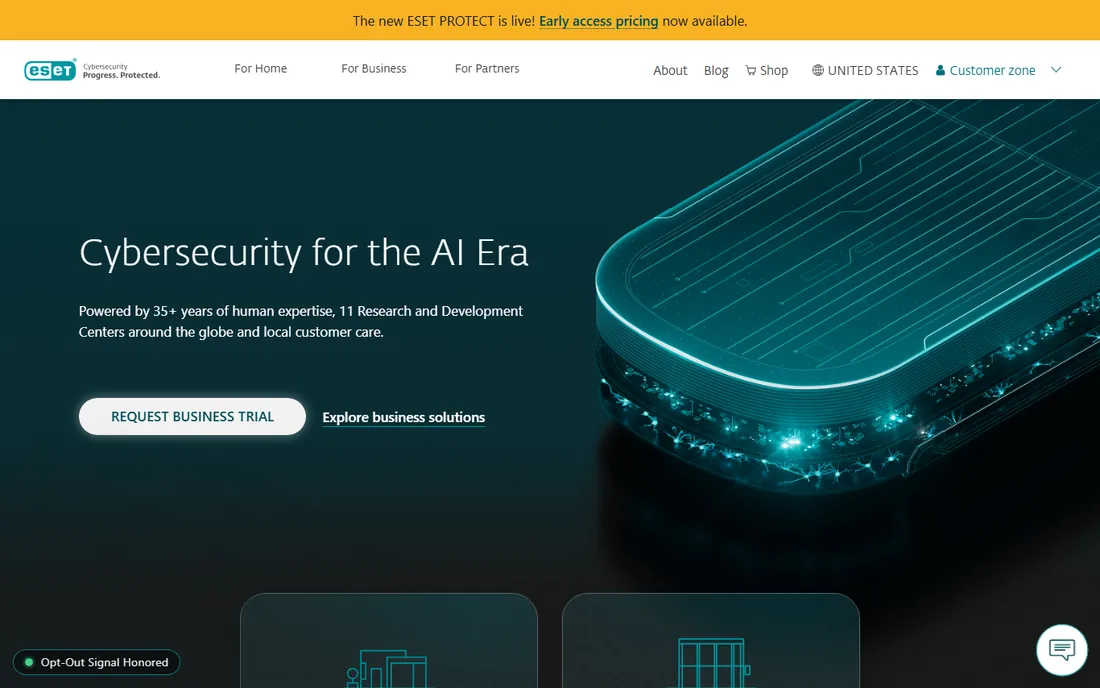
ESET protects without slowing your machine: minimal footprint, quiet operation and strong detection. Gamers and older PCs benefit most.
Do not expect bundled VPNs or identity suites. For lean, effective protection, the focus is the feature.
ESET users should explore the advanced settings gradually; the defaults suit most people. The low system impact is the reason to choose it. Gamers and older hardware benefit most.
What we like- Very light on system resources
- No-nonsense
- Good for gamers
Watch out for- Interface utilitarian
- Fewer bundled extras
Starting priceSee website
Free planFree trial
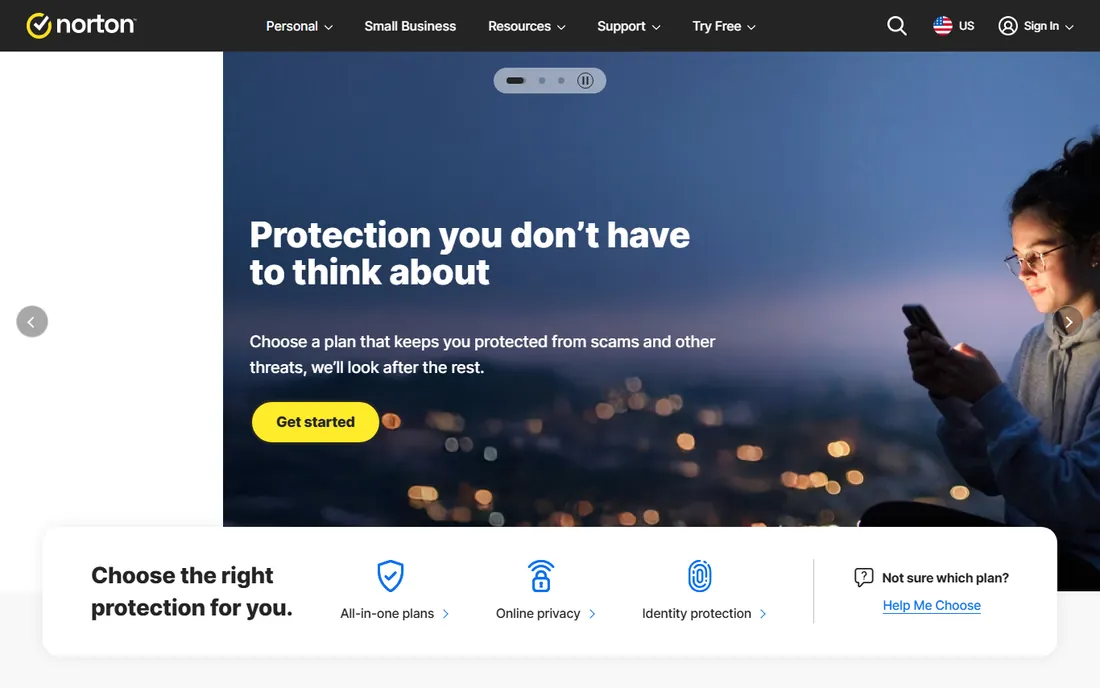
Norton bundles antivirus with VPN, cloud backup, identity protection and optional LifeLock. Buyers wanting one security subscription get everything.
The price reflects the bundle, and renewals jump. For all-in-one digital safety, the completeness justifies it for many.
Norton subscribers should use the included VPN and password manager; the bundle value exceeds the antivirus alone. The dark web monitoring adds genuine utility. Renew at retail rather than auto-renewal prices.
What we like- Comprehensive bundles
- Identity protection
- LifeLock options
Watch out for- Higher prices
- Renewal jumps notable
Starting priceSee website
Free planFree trial
McAfee's higher tiers cover unlimited devices, making it the value pick for households with many gadgets. Identity monitoring adds breadth.
The software feels heavier than rivals. For whole-household coverage on one subscription, the math works.
McAfee users should take advantage of the unlimited device plans for large households. The identity protection features complement the antivirus. Check renewal pricing before auto-renewal hits.
What we like- Unlimited devices on some plans
- Identity protection
- Family plans
Watch out for- Interface heavy
- Renewal pricing steep
Starting priceSee website
Free planFree trial

Trend Micro delivers solid antivirus without drama: good detection, fair pricing and unobtrusive operation. The value tiers suit budget buyers.
It lacks a signature standout feature. For dependable protection at a fair price, it is a quiet contender.
Trend Micro users should enable the ransomware protection specifically; it is a standout feature. The pay guard browser protects financial transactions. It suits security-conscious mainstream users.
What we like- Straightforward protection
- Good value tiers
- Quiet operation
Watch out for- Fewer standout features
- Brand quieter
Starting priceSee website
Free planFree trial
TotalAV wins on introductory pricing: the first year costs little for reasonable protection with system tune-up tools. Price-sensitive buyers notice.
Renewals jump substantially, so the lifetime value is worse than it first appears. For cheap year-one coverage with eyes open, it works.
TotalAV buyers should compare the renewal price against first-year pricing carefully; the introductory discounts are steep. The feature set is broad for the price. Verify the protection ratings from independent labs.
What we like- Very cheap first year
- Decent protection
- Simple
Watch out for- Renewal rates much higher
- Upsell-heavy
How we chose
We verified each vendor's homepage and focused on consumer value: real protection at honest long-term prices. We excluded business-only endpoint platforms. Pricing in antivirus changes constantly with promotions, so entries show "See website"; always check the renewal price, not just the intro offer.
What to get right before you buy
Compare renewal prices, not intro prices. The first-year discount means nothing if year two triples.
Count your devices. Per-device pricing punishes gadget-heavy households; unlimited-device plans change the math.
Try free first. Avast and Malwarebytes Free cover many users completely; pay only for features you will use.
Frequently asked questions
What is the cheapest good antivirus?
Avast Free and Malwarebytes Free cost nothing and protect well. Among paid options, Bitdefender and ESET offer the best value.
Is free antivirus enough?
For careful users, yes. Free tiers lack extras like VPNs and identity monitoring but cover core malware protection.
Why do antivirus renewals cost more?
Introductory discounts attract buyers; renewals revert to list price. Some vendors let you negotiate or repurchase as a "new" customer.
How many devices do I need to cover?
Count phones, tablets and computers. Unlimited-device plans suit households; per-device plans suit individuals.
Do I need antivirus on a Mac?
Macs face growing malware. Lightweight options like ESET or Malwarebytes add protection without the Windows-centric bloat.
Is Windows Defender enough?
Windows Security is genuinely decent now. Third-party tools add features, better phishing protection and cross-device coverage, but careful users can rely on Defender.
Antivirus pricing traps: renewal rates and upsells
Antivirus pricing is designed to confuse, so buy with eyes open. The first trap is the introductory discount: year one at 70 percent off, renewal at full price, often with auto-renewal enabled silently. Note the renewal price before buying and set a calendar reminder to renegotiate or switch before it hits.
The second trap is the upsell ladder. Basic antivirus, internet security, total protection, ultimate: the tiers blur together and the checkout pushes upward. Most users need the middle tier at most; the top tiers add VPNs and utilities of varying quality. Buy for your actual needs.
The third trap is device-count math. Plans priced per device versus unlimited devices change the value equation for households. Count your actual devices, including phones and tablets, before choosing. Family plans often beat individual ones even for couples.
The fourth trap is free-trial conversions. Trials that require credit cards convert silently; trials without them expire honestly. Prefer vendors whose trials do not demand payment details upfront. Check the cancellation process before subscribing, not when you want out.
Finally, verify protection independently of price. Cheap antivirus with poor lab scores is expensive in the worst way. Check AV-TEST and AV-Comparatives results for the specific product and year. The best value is strong protection at a fair renewal price, not the lowest first-year number.
Free antivirus versus paid
Free antivirus protects surprisingly well against common threats. The core scanning engines in free products often match their paid siblings; independent labs confirm this regularly. For careful users with good habits, free protection plus common sense covers the basics.
Paid versions add layers beyond scanning. Firewalls, ransomware protection, password managers, VPNs and identity monitoring address threats that signatures miss. The value depends on your risk profile: online banking, remote work and family devices justify the extras.
Consider the business model behind free products. Some monetize through upsells, others through data collection. Read the privacy policy of free antivirus carefully; the product is sometimes your data. Paid products align incentives better.
Performance matters more than most buyers check. Run the trial and measure boot time, scan impact and background CPU usage on your actual hardware. The best protection is the one that stays installed; annoying software gets uninstalled.
Finally, layer your defenses regardless of tier. Antivirus is one layer: add automatic updates, backups, a password manager and phishing awareness. No single product, free or paid, replaces good security habits. The paid decision is about convenience and extra layers, not basic safety.
Antivirus for small business teams
Business antivirus differs from consumer products in management, not just protection. Centralized consoles let one person deploy, monitor and update every device. Without central management, business protection depends on each employee's diligence, which fails.
Start with an honest device inventory. Company laptops, personal phones accessing email, tablets in the field: every endpoint needs coverage. Count them before buying; per-device pricing punishes undercounting.
Enforce policies centrally. USB restrictions, web filtering and application control need consistent application across the team. Consumer products leave these to individual users. The admin console is the real business feature.
Plan the rollout in phases. Pilot with the IT-friendly group, resolve the conflicts with existing software, then deploy company-wide. Antivirus conflicts with developer tools and specialized software are common; the pilot surfaces them safely.
Finally, pair the software with basic security training. Phishing awareness beats any antivirus feature for the most common attacks. Fifteen minutes of training quarterly outperforms expensive tools alone. Protection is a system, not a product.
Sources we checked (9)
- https://www.bitdefender.com/en-us/
- https://www.avast.com/en-us/index
- https://www.malwarebytes.com/
- https://www.kaspersky.com/
- https://www.eset.com/us/
- https://us.norton.com/
- https://www.mcafee.com/
- https://www.trendmicro.com/en_us/business.html
- https://www.totalav.com/
Is your product missing or out of date?
We review this list regularly. Vendors can request a listing, send updated pricing or ask about featured placement.

Shihab Mia · Founder, Rankite
Shihab has spent more than a decade helping SaaS and e-commerce brands grow through search. He writes Rankite's software buying guides from pricing pages, documentation and public user reviews. More about Shihab.