How we make this list: we compare pricing pages, product documentation and public user reviews. Rankite is independent; if a vendor ever pays for a featured spot, that listing is clearly labeled Partner.
Key takeaways
- Fashion PLM splits into enterprise platforms (Centric, Lectra, PTC FlexPLM), mid-market cloud (WFX, Aptean, Delogue) and focused tools (ApparelMagic, Techpacker).
- Centric PLM is the market leader for fashion and retail; Lectra pairs PLM with its cutting-room heritage.
- Techpacker solves one painful problem, tech packs, brilliantly; it complements rather than replaces full PLM.
- WFX now operates from worldfashionexchange.com; the product continues under the same company.
Quick comparison
Is your product missing or out of date?
We review this list regularly. Vendors can request a listing, send updated pricing or ask about featured placement.
The best PLM software for fashion
Starting priceSee website
Free planNo
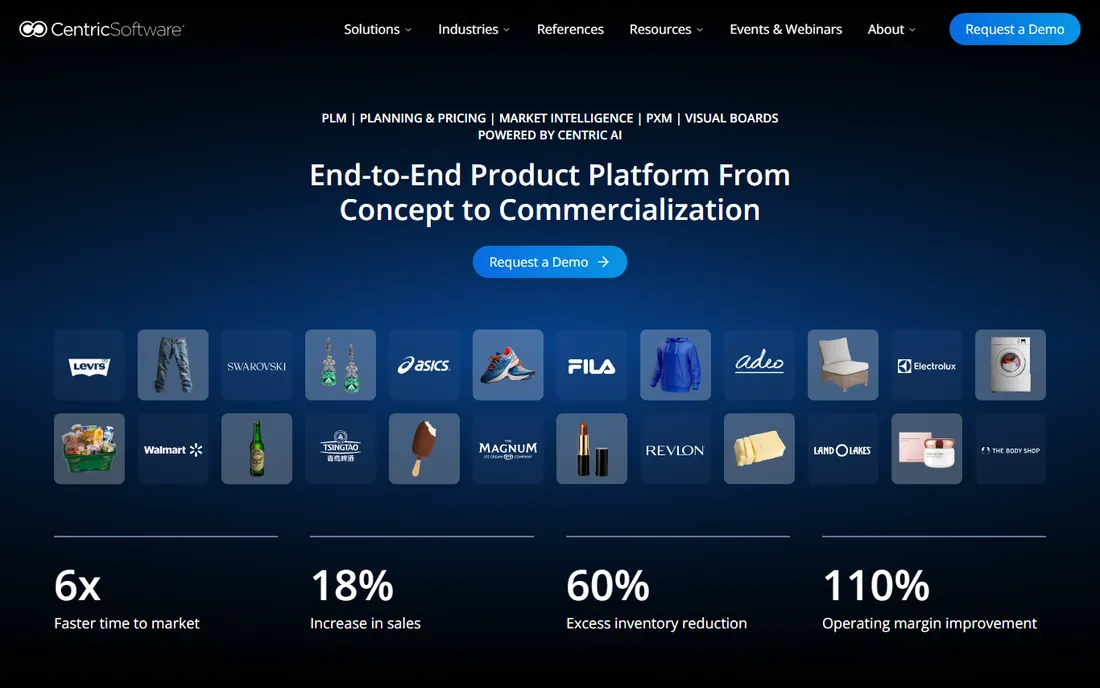
Centric PLM is the product lifecycle management platform that fashion, retail, footwear and luxury brands standardize on. It manages the product from concept through design, sourcing, production and go-to-market: tech packs, bills of materials, costing, sampling, supplier collaboration and calendar management in one system.
The market position is the story. The biggest names in apparel run on Centric, which means the workflows reflect real industry practice and the supplier network already knows the system. The merchandising and assortment planning tools connect the creative side to the commercial side, which is where fashion PLM earns its keep.
The honest catch is the enterprise nature. Pricing, implementation and the change management are enterprise-grade; this is a six-figure decision for most brands. Small labels should look at Techpacker, Delogue or ApparelMagic. For brands with real product development organizations, Centric is the benchmark.
What we like- The fashion PLM market leader
- Broad retail and brand adoption
- Strong merchandising tools
Watch out for- Enterprise pricing
- Implementation is a major project
Starting priceSee website
Free planNo
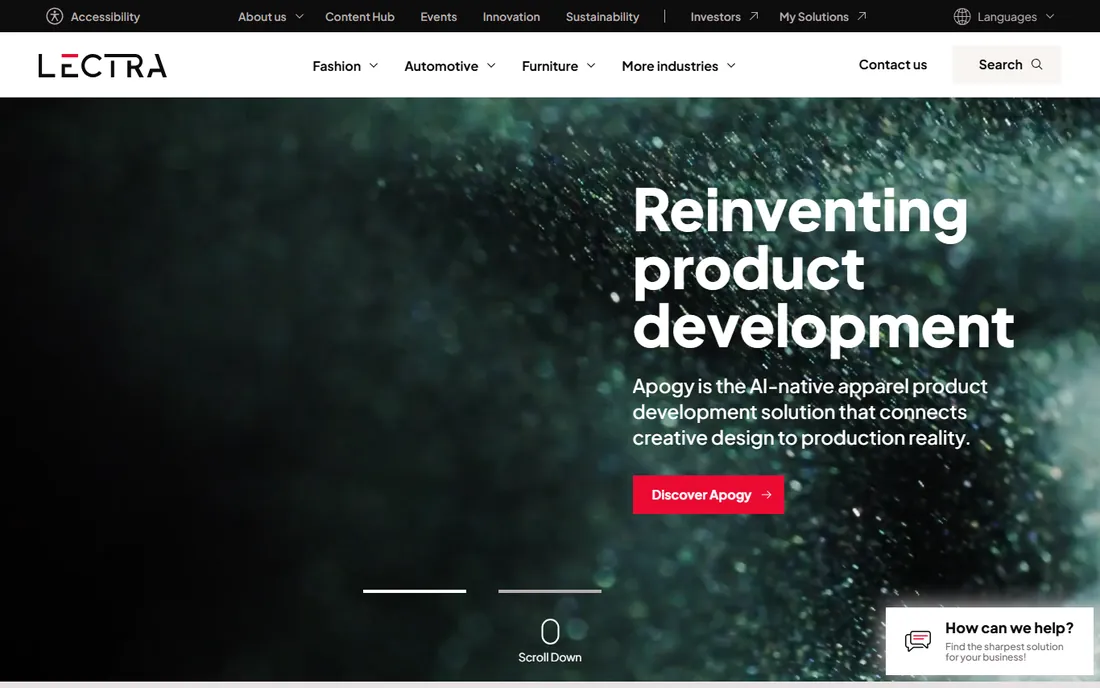
Lectra pairs its PLM offering, Kubix Link, with the company's heritage in fashion manufacturing technology: pattern making, cutting room systems and fabric optimization. The result is PLM that connects design decisions to production reality, which matters for brands that manufacture or work closely with factories.
The manufacturing link is the differentiator. Where pure PLM systems hand off to production, Lectra's ecosystem spans the cutting room, so material utilization, marker efficiency and production constraints feed back into product development. The fashion expertise runs deep after decades in the industry.
The trade-off is focus and price. Brands without manufacturing operations get less value from the production side, and the pricing is enterprise. It competes with Centric at the top of the market. For vertically integrated brands and manufacturers, the connected story is compelling.
What we like- PLM connected to cutting and manufacturing
- Deep fashion expertise
- Kubix Link platform
Watch out for- Enterprise pricing
- Strongest for brands with manufacturing operations
Starting priceSee website
Free planNo
PTC FlexPLM is the retail and fashion PLM that some of the world's largest brands run on, built on PTC's Windchill PLM foundation. It covers line planning, tech packs, materials, sourcing, costing and compliance with the process rigor that global enterprises demand.
The enterprise pedigree is the argument. Companies with complex global supply chains, strict compliance requirements and thousands of SKUs need PLM with real governance, and FlexPLM delivers it. The PTC backing means integration with the broader product development ecosystem.
The honest limits are complexity and modernity. Implementation is a serious enterprise project, and the interface reflects the platform's heritage rather than modern SaaS design. Mid-market brands will find Centric or WFX more approachable. For the largest enterprises already in the PTC world, it is the natural choice.
What we like- Proven at the largest brands
- Deep retail PLM functionality
- PTC enterprise backing
Watch out for- Enterprise complexity
- Interface reflects its heritage
Starting priceSee website
Free planNo
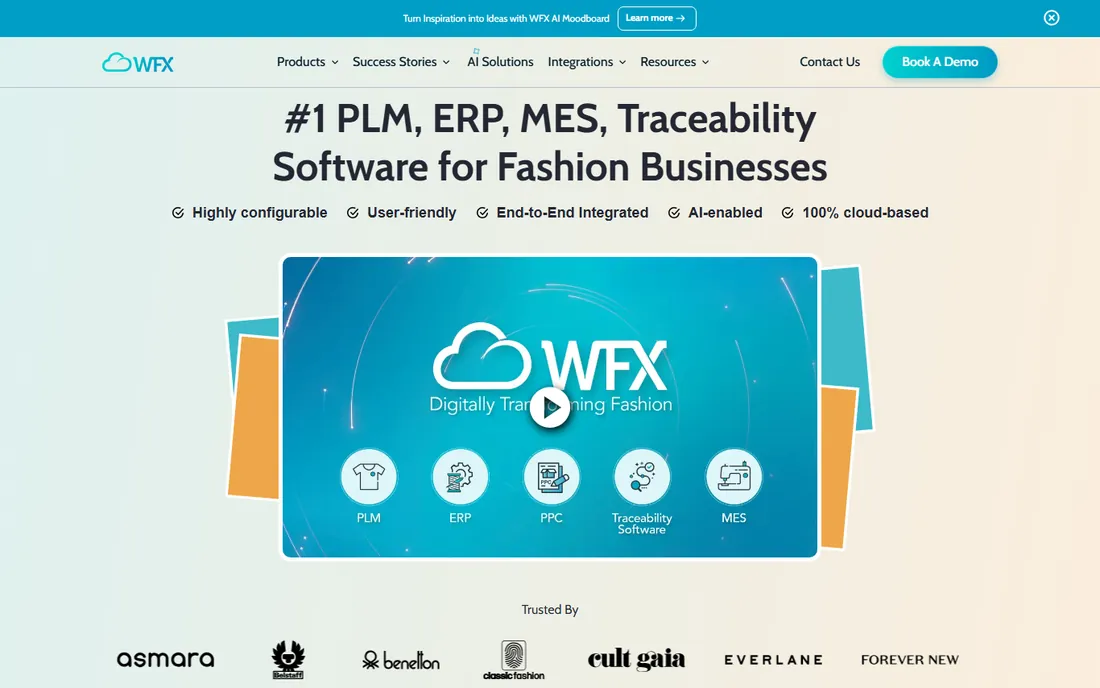
World Fashion Exchange, known as WFX, is the cloud PLM for mid-market fashion brands: product development, tech packs, sourcing, production tracking and quality management in a system priced and packaged for companies that cannot justify Centric. The site now operates from worldfashionexchange.com.
The mid-market fit is the pitch. Brands get real PLM workflows, supplier collaboration and production visibility without the enterprise price tag or year-long implementation. The cloud model means faster onboarding and lower IT burden.
The trade-off is depth. Complex global enterprises will find the functionality thinner than Centric or FlexPLM, and the partner ecosystem is smaller. For the growing brand that has outgrown spreadsheets and needs real product development discipline, WFX hits the sweet spot.
What we like- Cloud PLM for mid-market brands
- Good value
- Faster implementation
Watch out for- Less depth than enterprise leaders
- Smaller ecosystem
Starting priceSee website
Free planNo
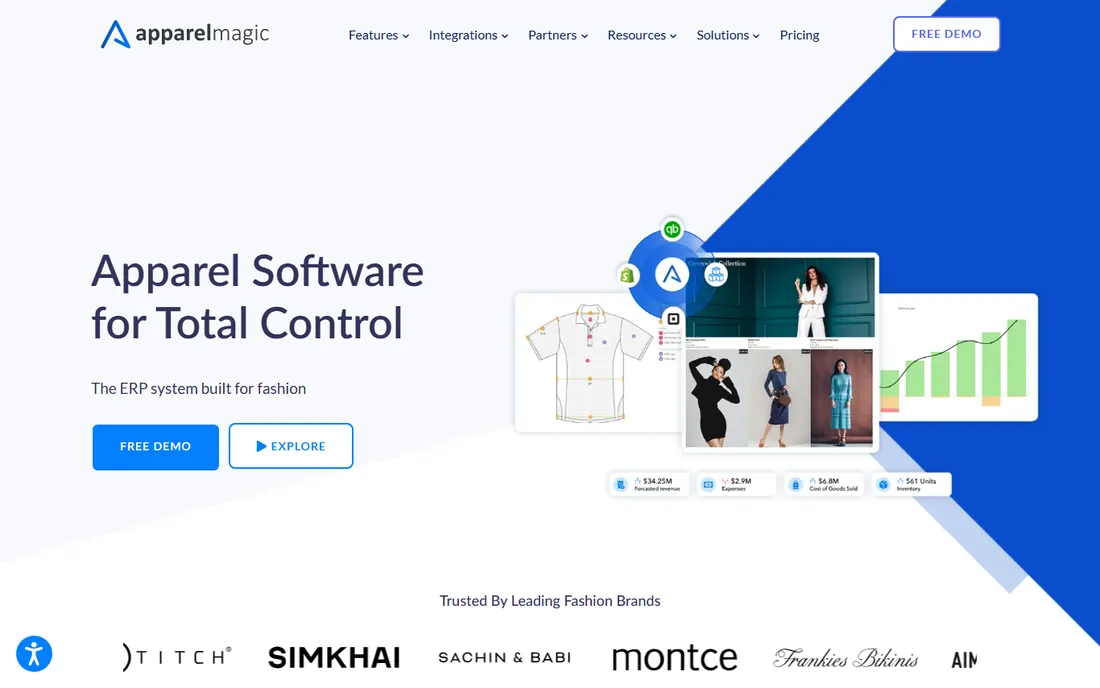
ApparelMagic is the apparel business system that combines PLM-style product development with ERP depth: styles, tech packs, costing, inventory, order management and accounting integration for fashion wholesalers and brands. It suits companies that need the business operations as much as the product development.
The wholesale fit is the strength. Where pure PLM systems focus on development, ApparelMagic carries the product into inventory, sales orders and fulfillment, which is the daily reality for wholesale brands. The costing and production tracking reflect apparel industry practice.
The honest limits are the interface and positioning. The design is dated, and as a PLM it is less deep than the specialists. Brands choosing purely on product development should compare Centric or Delogue. For the wholesale apparel business that wants one system for product and operations, it is a practical choice.
What we like- Apparel-specific ERP plus PLM
- Good for wholesalers
- Inventory depth
Watch out for- Interface dated
- Less pure-PLM focus
Starting priceSee website
Free planFree trial
Techpacker does one thing exceptionally well: creating the tech packs that communicate designs to factories. Build detailed specification sheets with measurements, materials, construction details and annotations in a visual editor, then share them with suppliers who can comment and confirm. It is the industry's favorite tech pack tool.
The focus is the virtue. Instead of a PLM suite's tech pack module, you get a purpose-built tool that designers actually enjoy using. The collaboration features cut the email chains and version confusion that plague factory communication. Pricing is accessible for small brands and freelancers.
The boundary is clear: this is not PLM. There is no sourcing management, costing workflow or production tracking. It complements full PLM systems or serves small brands that only need the tech pack problem solved. For that problem, nothing here beats it.
What we like- The best tech pack tool
- Easy supplier collaboration
- Affordable
Watch out for- Not full PLM
- Focused on one workflow
Starting priceSee website
Free planNo
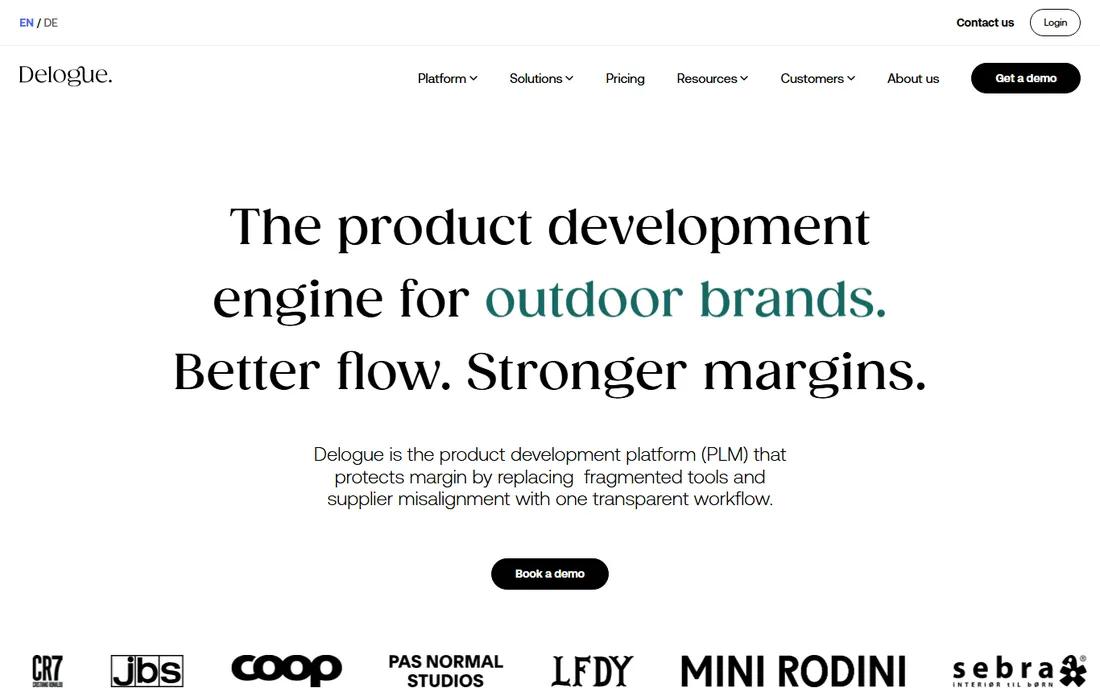
Delogue is the collaborative PLM for fashion brands that want modern software without enterprise overhead: product data management, tech packs, supplier collaboration and workflow in a clean cloud interface. It targets small to mid-size brands, particularly in the European market.
The usability is the differentiator. Teams adopt it quickly because it looks and feels like modern SaaS, not enterprise software. The collaboration features keep designers, product developers and suppliers aligned without heavy process. Pricing is accessible for growing brands.
The trade-off is scale. Large enterprises with complex compliance and global sourcing need more than Delogue offers. The market presence is smaller, which means fewer pre-trained users and partners. For the emerging brand that wants real PLM without the enterprise project, it is an attractive option.
What we like- Modern collaborative interface
- Good for small teams
- Affordable
Watch out for- Less depth than enterprise PLM
- Smaller market presence
Starting priceSee website
Free planNo
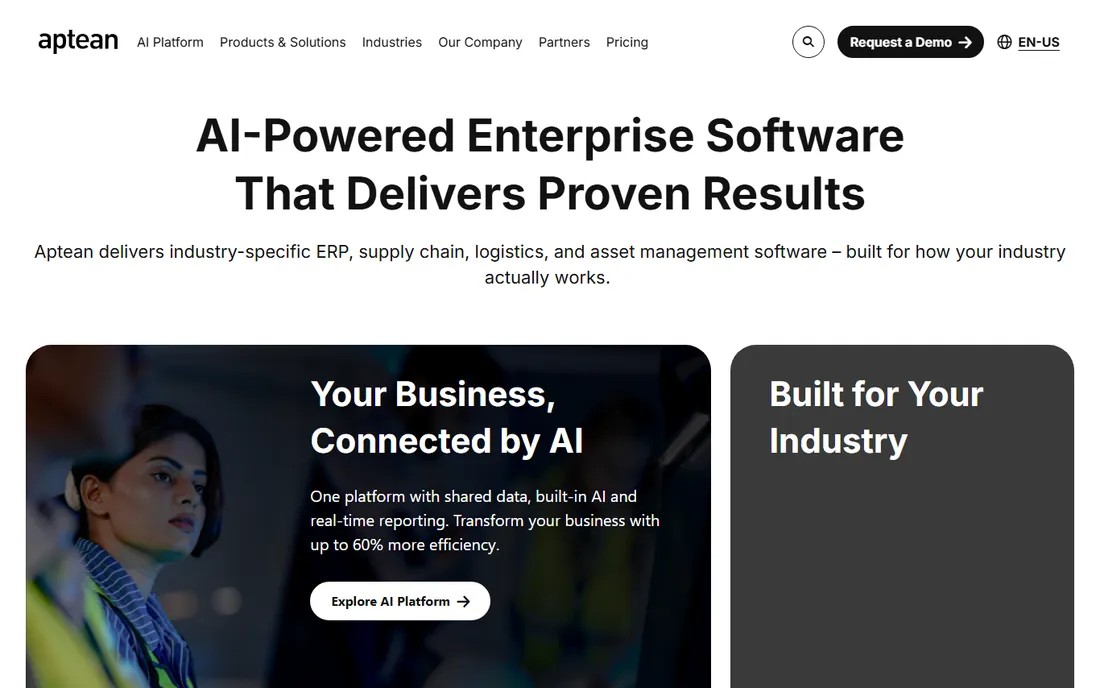
Aptean's apparel ERP includes product lifecycle management as part of a complete industry system: design and development through sourcing, manufacturing, inventory, sales and finance. For apparel companies that want one vendor for the entire business, the PLM module sits inside a coherent whole.
The ERP integration is the argument. Product data flows from development into costing, production, inventory and financials without integration projects. The industry-specific functionality reflects decades of apparel software experience across the Aptean portfolio.
The honest assessment is the ERP-first nature. Buyers choosing purely on PLM capability should evaluate the specialists; Aptean wins when the decision is the whole business system. The enterprise sales process and implementation reflect that scope. For the apparel company standardizing on one platform, it is a proven choice.
What we like- Full apparel ERP including PLM
- Industry-specific depth
- Stable vendor
Watch out for- ERP-first, PLM is one module
- Enterprise sales process
These get confused constantly. PLM (Centric, Lectra, FlexPLM, WFX, Delogue) manages the product's life: design, development, sourcing, sampling. ERP (Aptean, ApparelMagic's business side) manages the business: inventory, orders, finance. Tech pack tools (Techpacker) solve one communication problem: telling the factory what to make.
Most growing brands need PLM first, because product development chaos is the immediate pain. The ERP decision comes when operations outgrow accounting software. Techpacker fits anywhere as a point solution. Buying ERP when you need PLM, or full PLM when you need tech packs, wastes money. Match the category to the pain.
What to check before you buy
Start with your product development pain: tech pack chaos, costing accuracy, supplier collaboration or calendar management. Different tools lead with different strengths. Second, count your SKUs and suppliers; the enterprise platforms justify themselves at scale and crush small teams with overhead.
Third, trial the supplier collaboration workflow, because adoption by factories determines success. Fourth, check the costing and materials management against your actual process. Fifth, verify integrations with your ERP, 3D design tools and accounting. Finally, budget the implementation honestly: PLM changes how the product team works, and the software is the smaller half of that change.
How we chose
We compared vendor product pages, industry coverage and public review sources, then confirmed every homepage was live in October 2026. WFX now redirects to worldfashionexchange.com, which we list as the current URL. PTC's site returned a bot-block response but the domain is live, so we kept the URL as-is. Where we could not verify a vendor-published price we say so. Nothing here reflects hands-on testing; assessments come from documentation, feature lists and public user feedback.
Frequently asked questions
What is PLM software for fashion?
Product lifecycle management software for apparel manages a product from concept through design, sourcing, production and sale: tech packs, materials, costing, samples, supplier collaboration and calendars in one system.
Do small fashion brands need PLM?
Not full enterprise PLM. Small brands usually need tech packs (Techpacker), organized product data and supplier communication, which lighter tools like Delogue or ApparelMagic handle. Graduate to Centric or Lectra when the product team and SKU count demand it.
How much does fashion PLM cost?
Tech pack tools cost tens of dollars monthly. Mid-market cloud PLM is quote-based but accessible. Enterprise platforms like Centric and Lectra are six-figure decisions including implementation. Always get a quote for your team size and scope.
What is a tech pack?
A tech pack is the specification document sent to factories: technical drawings, measurements, materials, construction details, colors and trims. It is the contract for what gets made. Bad tech packs cause bad production; good ones prevent most factory disputes.
Can PLM replace ERP?
No. PLM manages the product; ERP manages the business operations (inventory, orders, finance). They integrate but solve different problems. Some vendors (Aptean, ApparelMagic) offer both in one system, which suits companies wanting a single platform.
Sources we checked (8)
- https://www.centricsoftware.com
- https://www.lectra.com
- https://www.ptc.com
- https://www.worldfashionexchange.com
- https://apparelmagic.com
- https://techpacker.com
- https://www.delogue.com
- https://www.aptean.com
Is your product missing or out of date?
We review this list regularly. Vendors can request a listing, send updated pricing or ask about featured placement.

Shihab Mia · Founder, Rankite
Shihab has spent more than a decade helping SaaS and e-commerce brands grow through search. He writes Rankite's software buying guides from pricing pages, documentation and public user reviews. More about Shihab.
 Centric PLM
 Lectra
 PTC FlexPLM
 World Fashion Exchange
 ApparelMagic
 Techpacker
 Delogue
 Aptean