How we make this list: we compare pricing pages, product documentation and public user reviews. Rankite is independent; if a vendor ever pays for a featured spot, that listing is clearly labeled Partner.
Key takeaways
- Creative management splits into creative automation for ads (Celtra, Smartly, Bannerflow, Hunch, Abyssale) and design platforms with brand control (Canva, Figma, Snappa).
- Celtra leads enterprise creative automation; Smartly dominates paid social creative at scale.
- Canva is the design platform most marketing teams actually use, with brand kits bridging into creative management.
- The buying question is volume: high ad-creative volume justifies automation platforms; lower volume suits design tools.
Quick comparison
| Tool | Best for | Starting price | Free plan |
|---|
 Celtra Celtra | enterprise creative automation | See website | No |
 Smartly Smartly | paid social creative at scale | See website | No |
 Bannerflow Bannerflow | display ad creative management | See website | No |
 Hunch Hunch | creative automation for paid social | See website | No |
 Abyssale Abyssale | affordable creative automation | See website | Free trial |
 Canva Canva | team design with brand control | See website | Yes |
 Figma Figma | design collaboration | See website | Yes |
 Snappa Snappa | quick ad and social creative | See website | Yes |
Is your product missing or out of date?
We review this list regularly. Vendors can request a listing, send updated pricing or ask about featured placement.
Starting priceSee website
Free planNo
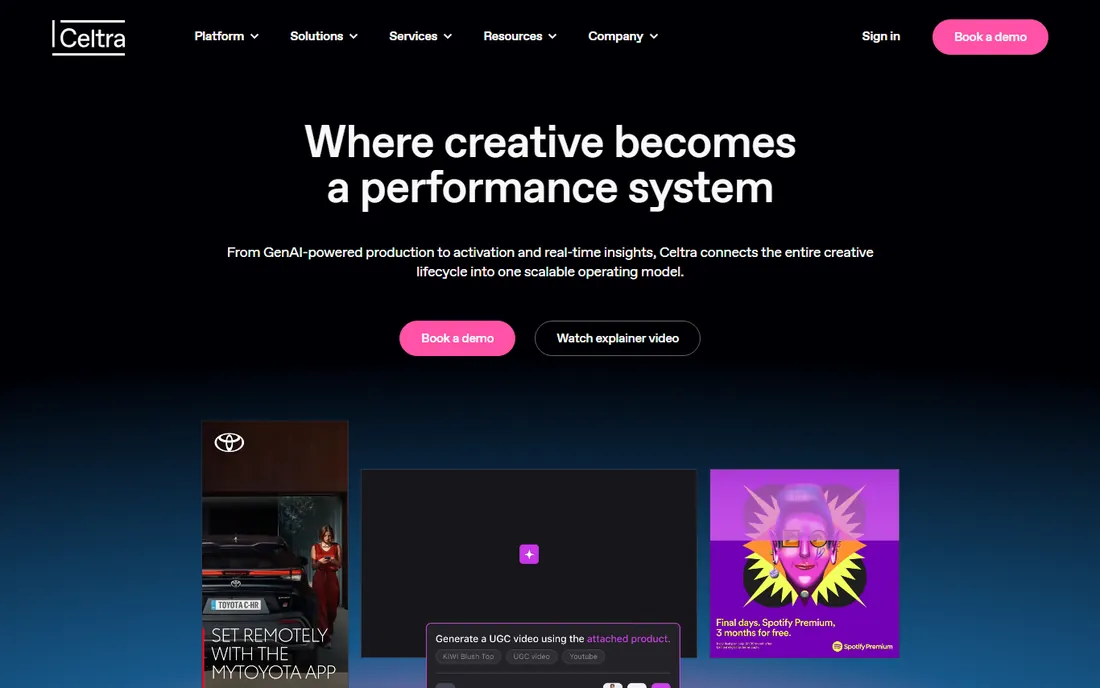
Celtra is the creative automation platform that large brands and agencies use to produce ad creative at scale: design master templates, automate variations across sizes, formats and markets and distribute to every channel from one system.
The enterprise automation is the story. Global campaigns that once needed hundreds of manual banner builds now generate from data-driven templates, with brand governance enforced automatically. The analytics connect creative variations to performance.
The honest requirements are scale and maturity. Pricing is enterprise, and the platform needs creative operations discipline to pay off. Brands producing serious ad volume get transformative efficiency. Smaller advertisers should look at the accessible tools below.
What we like- The enterprise creative automation standard
- Omnichannel output
- Strong analytics
Watch out for- Enterprise pricing
- Needs creative operations maturity
Starting priceSee website
Free planNo
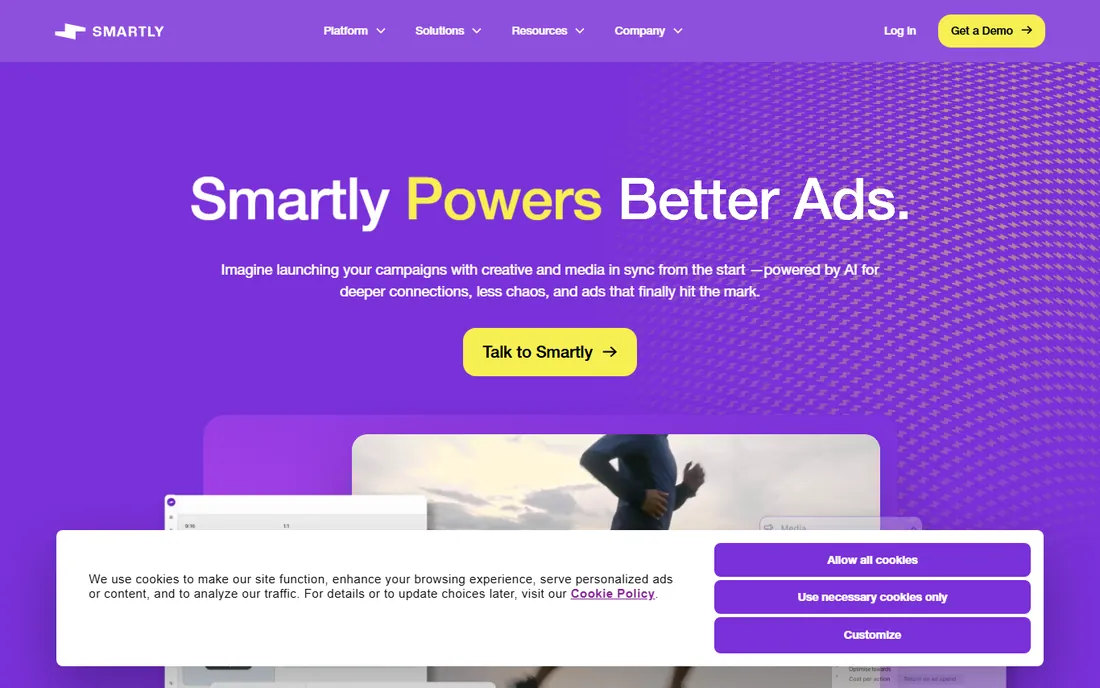
Smartly is the creative and media platform for paid social at scale: automate creative production, test thousands of variations and manage media buying across Meta, TikTok, Pinterest and Snap from one system. Performance advertisers standardize on it.
The creative-plus-media combination is the differentiator. Creative automation feeds directly into campaign management, so winning variations scale instantly and losers die fast. The templates and AI features accelerate production for performance teams.
The trade-off is price and focus. Enterprise pricing suits serious ad spenders; small advertisers get less value. The heritage is paid social, though the platform has broadened. For the performance team spending real money on social, it is the standard.
What we like- The paid social creative leader
- Automation plus media buying
- Strong templates
Watch out for- Enterprise pricing
- Meta-centric heritage
Starting priceSee website
Free planNo
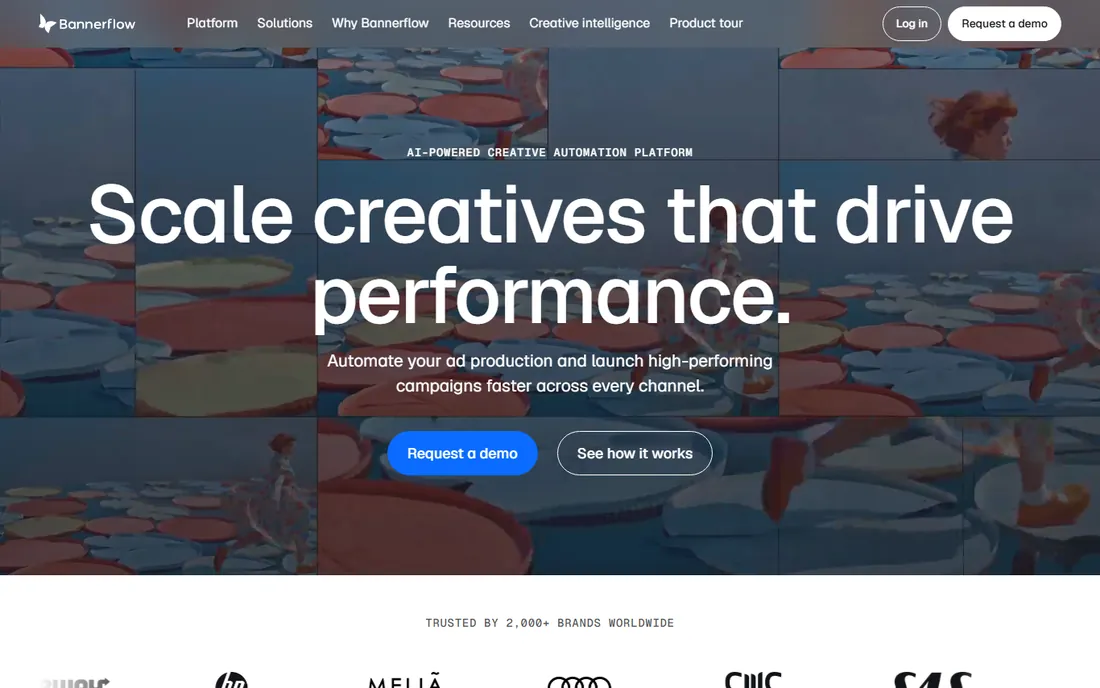
Bannerflow is the creative management platform for HTML5 display advertising: design once, publish everywhere, update live campaigns without re-trafficking and collaborate across teams and markets. Display advertisers get the control they need.
The live-update capability is the killer feature. Change creative in running campaigns instantly across publishers, which transforms how display teams operate. The design tools produce proper HTML5, not static images pretending to be banners.
The honest scope is display. Paid social and video are secondary; this is the display specialist. Enterprise pricing reflects the audience. For the brand or agency running serious display programs, it is purpose-built.
What we like- Excellent HTML5 display ads
- Real-time campaign updates
- Good collaboration
Watch out for- Display-focused
- Enterprise pricing
Starting priceSee website
Free planNo
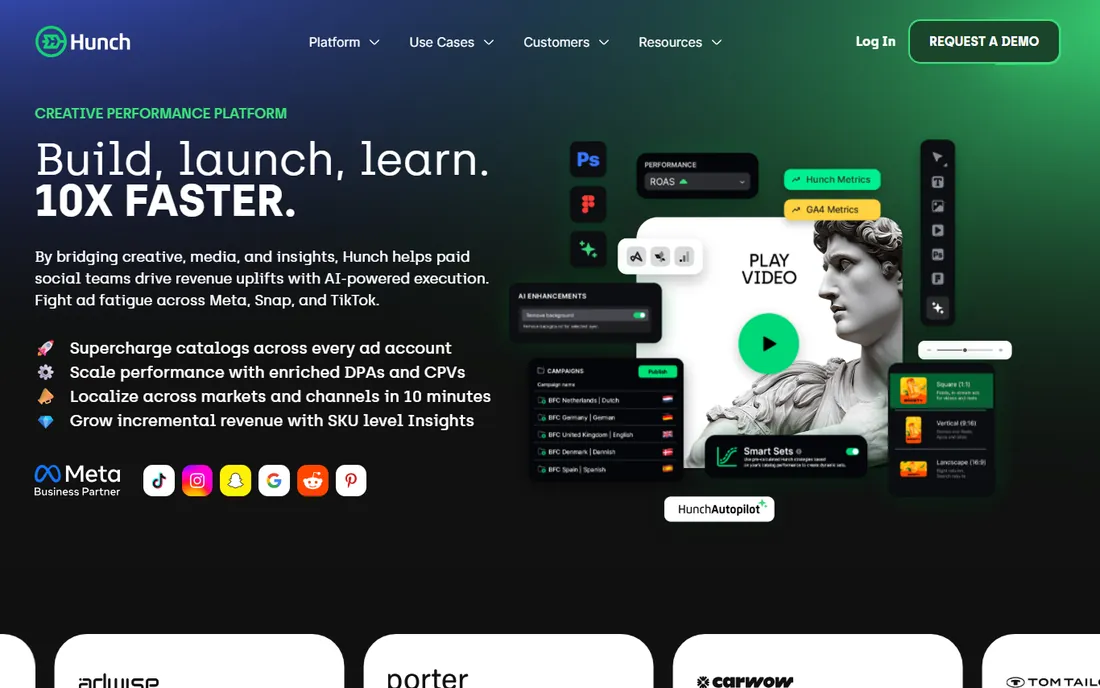
Hunch is the creative automation platform for paid social advertisers: generate ad variations from product feeds and templates, automate creative refresh and scale what works. E-commerce advertisers get dynamic creative without design bottlenecks.
The feed-driven automation suits retail. Product catalogs become endless creative variations automatically, keeping ads fresh without designer time. The platform handles the production pipeline from template to published ad.
The trade-off is vendor scale. Hunch is smaller than Celtra or Smartly, with a thinner ecosystem. But the focus and agility appeal to mid-market advertisers. For feed-driven social creative, it deserves evaluation.
What we like- Strong creative automation
- Good for e-commerce
- Dynamic product ads
Watch out for- Smaller vendor
- Less ecosystem than leaders
Starting priceSee website
Free planFree trial
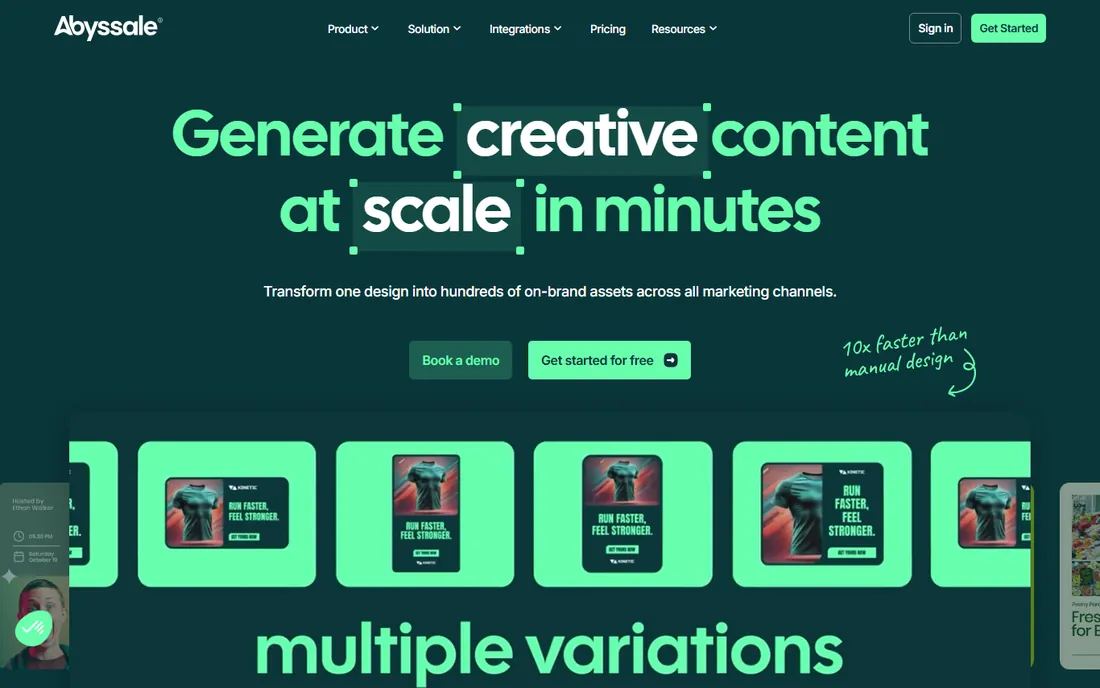
Abyssale brings creative automation to the mid-market: build templates, generate banner and social ad variations automatically and distribute across formats without enterprise budgets. Smaller teams get automation that was once enterprise-only.
The accessibility is the pitch. Straightforward template building, sensible pricing and a free trial lower the barrier dramatically. Marketing teams produce professional variations without designers for every size.
The honest limits are depth. Enterprise features, advanced governance and massive-scale operations trail the leaders. But for the team that needs automation now at a fair price, Abyssale is the accessible answer.
What we like- Accessible pricing
- Good template automation
- Easy to start
Watch out for- Less depth than enterprise leaders
- Newer vendor
Starting priceSee website
Free planYes
Canva is the design platform marketing teams actually use: millions of templates, drag-and-drop design and Brand Kits that lock logos, colors and fonts so non-designers stay on brand. The free plan covers generous usage.
The democratization is the story. Marketing teams produce social posts, presentations, ads and documents without waiting for designers, while brand controls prevent chaos. The collaboration and content planner features support team workflows.
The honest boundary is automation depth. Canva does not do data-driven creative automation like Celtra; it makes design accessible. For creative management at the team level, the brand controls suffice. For industrial-scale ad production, pair it with an automation platform.
What we like- Everyone can design
- Brand kits enforce consistency
- Huge template library
Watch out for- Not true creative automation
- Advanced design needs pros
Starting priceSee website
Free planYes
Figma is where professional design happens collaboratively: interface design, prototyping and design systems in a multiplayer tool that designers love. Marketing teams use it for the design system that governs all creative.
The design system capability is the creative management angle. Components, styles and variables enforce brand consistency across everything the organization produces, and developers get specs directly. The ecosystem of plugins extends it enormously.
The honest audience is designers. Marketers do not build ads in Figma; they receive the system it produces. For the organization investing in design maturity, it is foundational. For ad production automation, look at the platforms above.
What we like- The design collaboration standard
- Excellent for teams
- Strong ecosystem
Watch out for- Designer tool, not marketer tool
- Not creative automation
Starting priceSee website
Free planYes
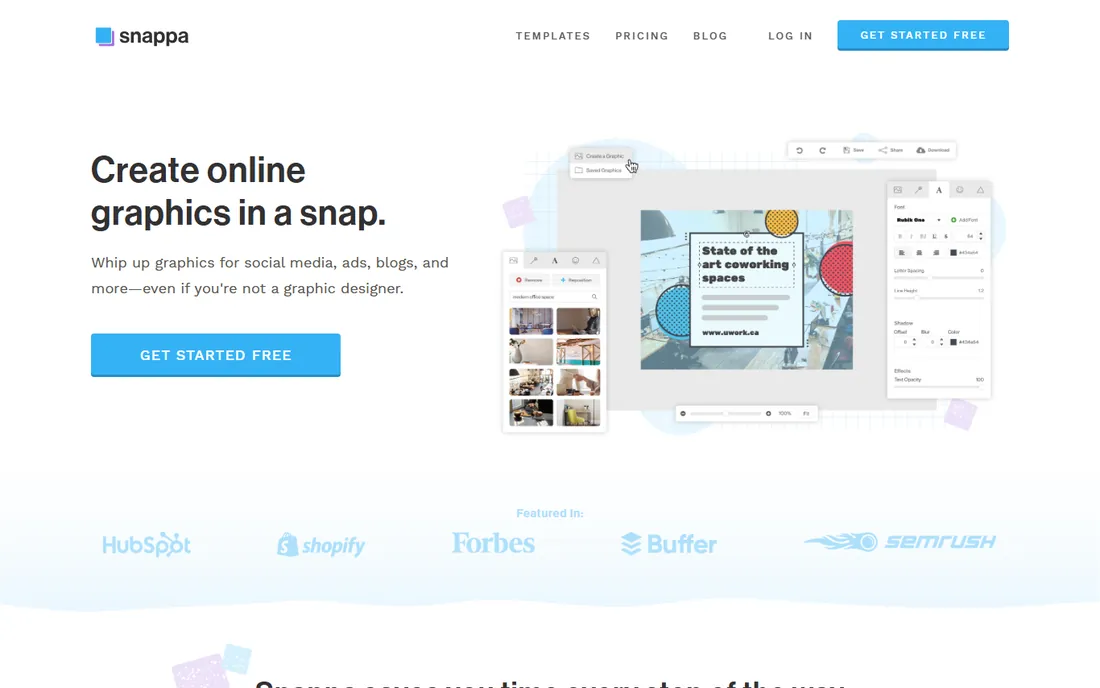
Snappa is the quick-graphics tool for marketers who need social images and simple ads in minutes: templates, stock photos and one-click resizing in an interface anyone masters instantly. The free plan covers light usage.
The speed is the whole point. A blog header, social post or simple ad takes minutes, not a design ticket. Small teams and solo marketers get professional-looking graphics without skills or budget.
The honest limits are ambition. Complex design, brand systems and automation are beyond it. For quick graphics at speed, it excels. For the design operation, the tools above fit better.
What we like- Very fast simple graphics
- Free plan
- No learning curve
Watch out for- Basic features
- Not for serious design
These solve different problems. Creative automation platforms (Celtra, Smartly, Bannerflow, Hunch, Abyssale) industrialize ad production: templates plus data produce thousands of on-brand variations automatically. Design tools (Canva, Figma, Snappa) make individual creative pieces faster and more consistent.
The volume threshold decides. Producing dozens of ad variations monthly suits design tools. Producing thousands across markets, sizes and products needs automation. Many organizations use both: designers create the master concepts in Figma, automation platforms explode them into variations.
What to check before you buy
Start with creative volume and variety: count the monthly variations across channels, sizes and markets. Second, assess the team's design capacity; automation multiplies designers, it does not replace strategy. Third, verify channel coverage for your media mix.
Fourth, check the data connections for dynamic creative; feed quality determines output quality. Fifth, trial with a real campaign, because template building effort varies enormously. Finally, confirm brand governance features match your compliance needs.
How we chose
We compared vendor product pages, marketing technology coverage and public review sources, then confirmed every homepage was live in October 2026. Where we could not verify a vendor-published price we say so. Nothing here reflects hands-on testing; assessments come from documentation, feature lists and public user feedback.
Frequently asked questions
What is a creative management platform?
Software that streamlines ad creative production: template-based design, automated variation generation, brand governance and multi-channel distribution. It industrializes what designers once did manually.
How much does creative automation cost?
Mid-market tools start at hundreds monthly. Enterprise platforms (Celtra, Smartly) are quote-based and significant. Design tools range from free (Canva, Snappa) to per-editor subscriptions (Figma). Match the spend to creative volume.
Can AI replace creative designers?
No. AI and automation accelerate production and variation; strategy, concepting and brand judgment remain human. The winning model is designers directing automation, not automation replacing designers.
Do I need creative automation or just Canva?
If your team produces tens of creatives monthly, Canva suffices. If you need hundreds or thousands of variations across markets and formats, automation platforms pay for themselves in saved production time.
What is dynamic creative optimization?
Automatically assembling ad variations from components (images, headlines, CTAs) and serving the best-performing combinations. The automation platforms here all support DCO; it is the core use case for creative management.
How do I measure creative performance?
Track variation-level metrics: CTR, conversion rate and cost per result by creative, not just by campaign. The automation platforms report creative analytics natively. Run structured tests with clear hypotheses rather than random variations, and give tests enough spend to reach significance before declaring winners.
Should creative production be in-house or outsourced?
It depends on volume and brand control needs. High-volume advertisers usually bring production in-house with automation platforms for speed and cost. Campaign-based or highly conceptual work suits agencies. Many brands do both: in-house automation for performance variations, agencies for brand campaigns and big ideas.
How do creative management platforms handle brand compliance?
Through locked templates, approval workflows and asset libraries: designers define what can change (text, images, prices) and what cannot (logos, fonts, colors), and every variation inherits the rules. Regulated industries add legal review steps. The result is thousands of variations that all stay on brand without manual checking.
What is the difference between creative automation and generative AI?
Creative automation assembles approved brand assets into variations using templates and data. Generative AI creates new assets (images, copy) from prompts. The platforms here focus on automation; many now add AI generation as a feature. The safest model uses AI for drafts and automation for production, keeping humans in the approval loop for anything customer-facing.
How long does implementation take?
Design tools deploy in days. Automation platforms take weeks to months: template building, feed integration, brand governance setup and team training. Budget the creative operations work honestly; the software installs fast, but the template library and workflows that make it valuable take real effort to build and refine over the first few campaigns you run.
Sources we checked (8)
- https://celtra.com
- https://www.smartly.io
- https://www.bannerflow.com
- https://www.hunchads.com
- https://www.abyssale.com
- https://www.canva.com
- https://www.figma.com
- https://snappa.com
Is your product missing or out of date?
We review this list regularly. Vendors can request a listing, send updated pricing or ask about featured placement.

Shihab Mia · Founder, Rankite
Shihab has spent more than a decade helping SaaS and e-commerce brands grow through search. He writes Rankite's software buying guides from pricing pages, documentation and public user reviews. More about Shihab.