How we make this list: we compare pricing pages, product documentation and public user reviews. Rankite is independent; if a vendor ever pays for a featured spot, that listing is clearly labeled Partner.
Key takeaways
- Most "influencer platforms" serve brands finding creators, not creators finding deals. Creator.co, Collabstr and Intellifluence flip that and serve creators directly.
- Grin, Upfluence and Aspire are brand-side platforms; creators join them to be discoverable, not to browse deals.
- Heepsy and HypeAuditor are search and vetting tools: useful for creators researching their own market value and audience authenticity.
-
paid (Hashtag Paid) curates brand-creator matches, which suits established creators tired of pitching.
Quick comparison
| Tool | Best for | Starting price | Free plan |
|---|
 Creator.co Creator.co | Creators actively seeking brand deals | See website | Free to join |
 Collabstr Collabstr | Simple marketplace for sponsored content | See website | Free to join |
 Intellifluence Intellifluence | New creators getting first sponsorships | See website | Free to join |
 Grin Grin | Creators wanting ecommerce brand partnerships | See website | Free for creators |
 Upfluence Upfluence | Creators seeking data-driven brand matches | See website | Free for creators |
 Aspire Aspire | Creators wanting ambassador relationships | See website | Free for creators |
 #paid #paid | Creators wanting curated matches | See website | Free for creators |
 Heepsy Heepsy | Researching your market and competitors | See website | Free tier |
 HypeAuditor HypeAuditor | Proving your audience is real | See website | Free trial |
 Influence.co Influence.co | Creator profiles and industry networking | See website | Free tier |
Is your product missing or out of date?
We review this list regularly. Vendors can request a listing, send updated pricing or ask about featured placement.
Starting priceSee website
Free planFree to join
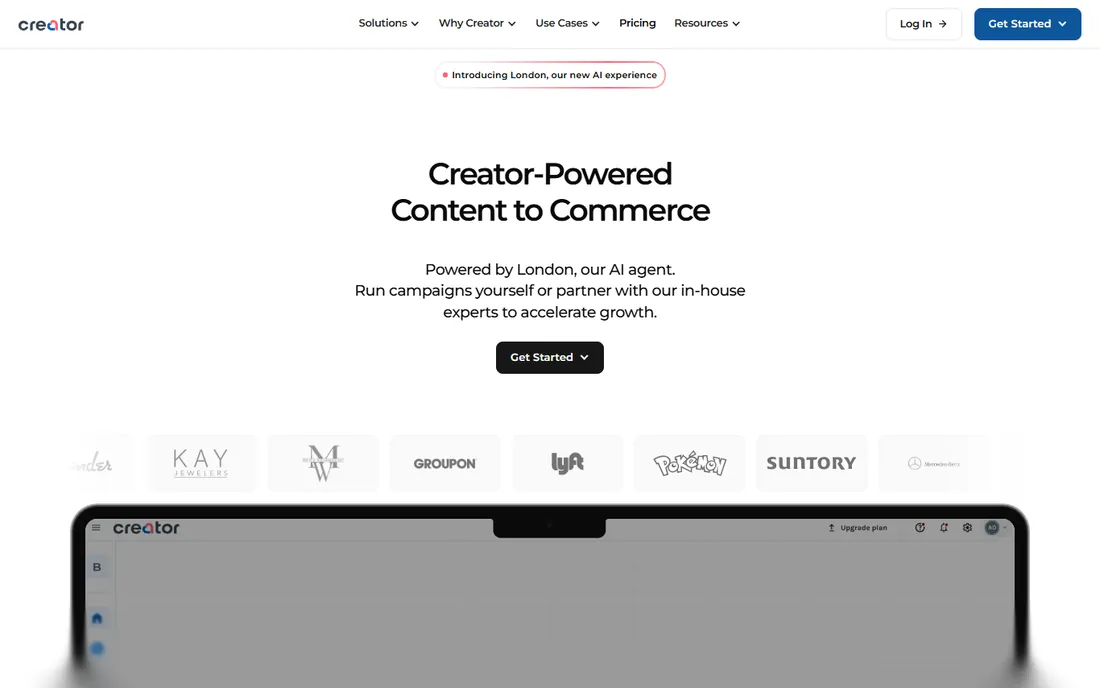
Creator.co is built for the creator side of the marketplace: browse brand campaigns, apply, negotiate and get paid through the platform. Micro and mid-tier creators get access to deals that would never reach their inbox otherwise. The self-serve model suits creators comfortable pitching.
Established creators with inbound deal flow will find the campaigns small. But for creators building their brand-deal portfolio from zero, Creator.co provides the on-ramp.
What we like- Marketplace where creators find campaigns
- Self-serve deal flow
- Good for micro-influencers
Watch out for- Competition for campaigns is high
- Smaller brands dominate listings
Starting priceSee website
Free planFree to join
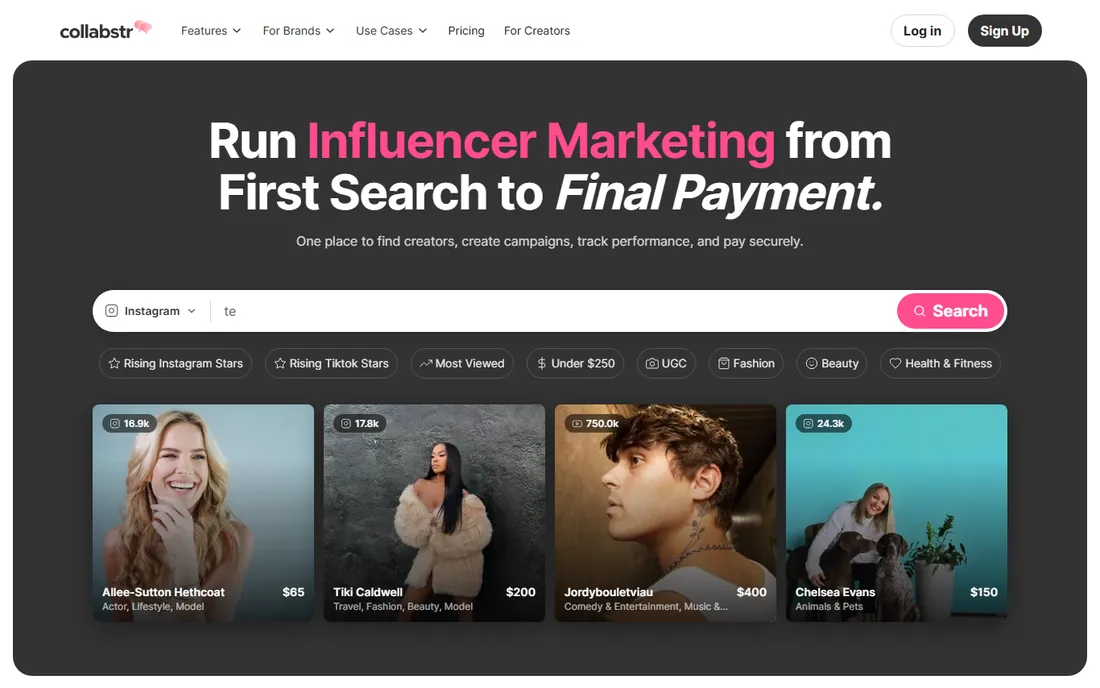
Collabstr works like a freelance marketplace for influence: creators list their channels with prices, brands browse and buy. The transparency helps new creators understand market rates, and protected payments remove the "brand ghosted after posting" risk.
The marketplace dynamic pushes prices down, and brand quality is mixed. But as a starting point for monetizing an audience, Collabstr's simplicity beats complex platforms.
What we like- Easy to list services
- Transparent pricing
- Payments protected
Watch out for- Price competition drives rates down
- Quality of brands varies
Starting priceSee website
Free planFree to join
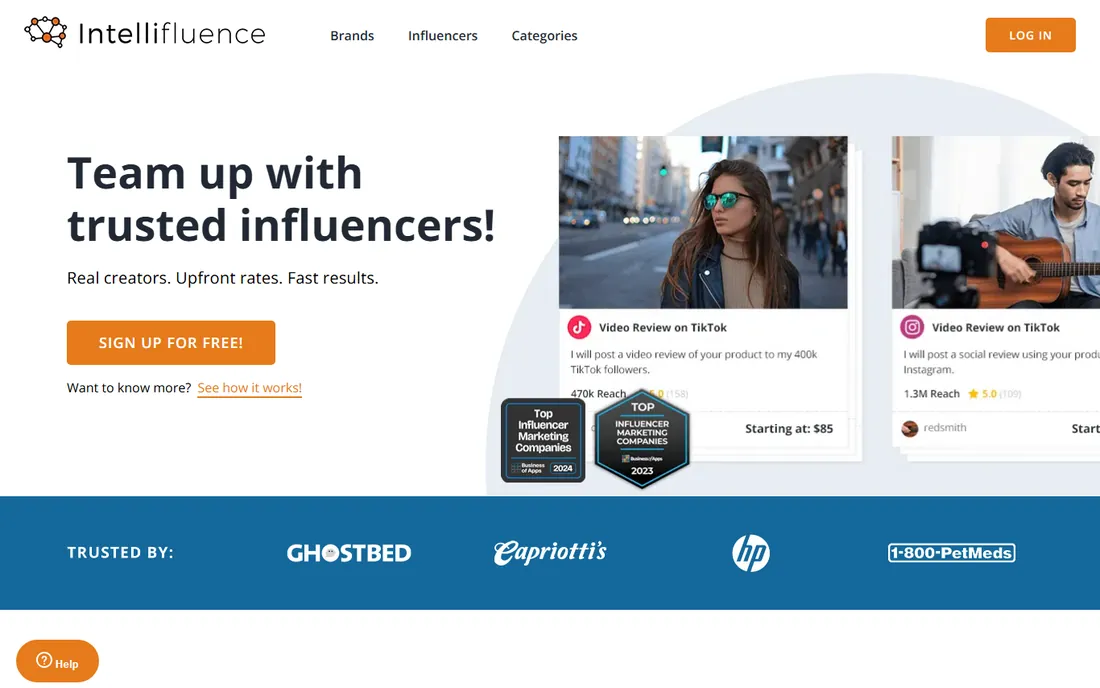
Intellifluence welcomes creators bigger platforms ignore, with plenty of small-brand campaigns for product reviews and sponsored posts. New creators build their media kit and testimonial base here before pitching larger deals.
Budgets are modest; nobody funds a career on Intellifluence alone. Treat it as the training ground: learn to deliver sponsored content professionally, then graduate to bigger platforms.
What we like- Low barrier to entry
- Many small-brand opportunities
- Good for building a portfolio
Watch out for- Mostly small budgets
- Limited big-brand campaigns
#4
Grin
Best for: Creators wanting ecommerce brand partnerships
Visit grin.co
Starting priceSee website
Free planFree for creators
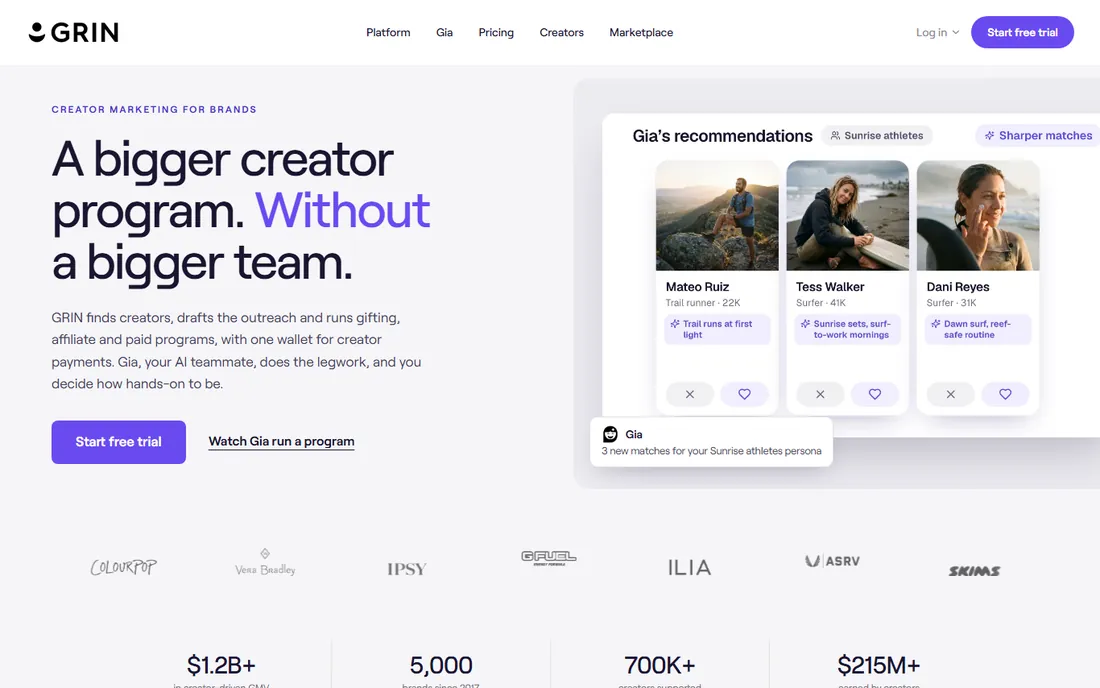
Grin is the influencer platform for direct-to-consumer brands, managing creator relationships, product seeding, discount codes and affiliate tracking. Creators join to be discoverable by the hundreds of ecommerce brands running programs on it.
You cannot browse deals; brands find you. Optimize your profile and grow an engaged audience in ecommerce-friendly niches. For creators in beauty, fashion, fitness and lifestyle, Grin is where the brand budgets live.
What we like- Deep ecommerce integrations
- Long-term relationship focus
- Professional campaign management
Watch out for- Brand-side tool
- Creators wait to be found
Starting priceSee website
Free planFree for creators
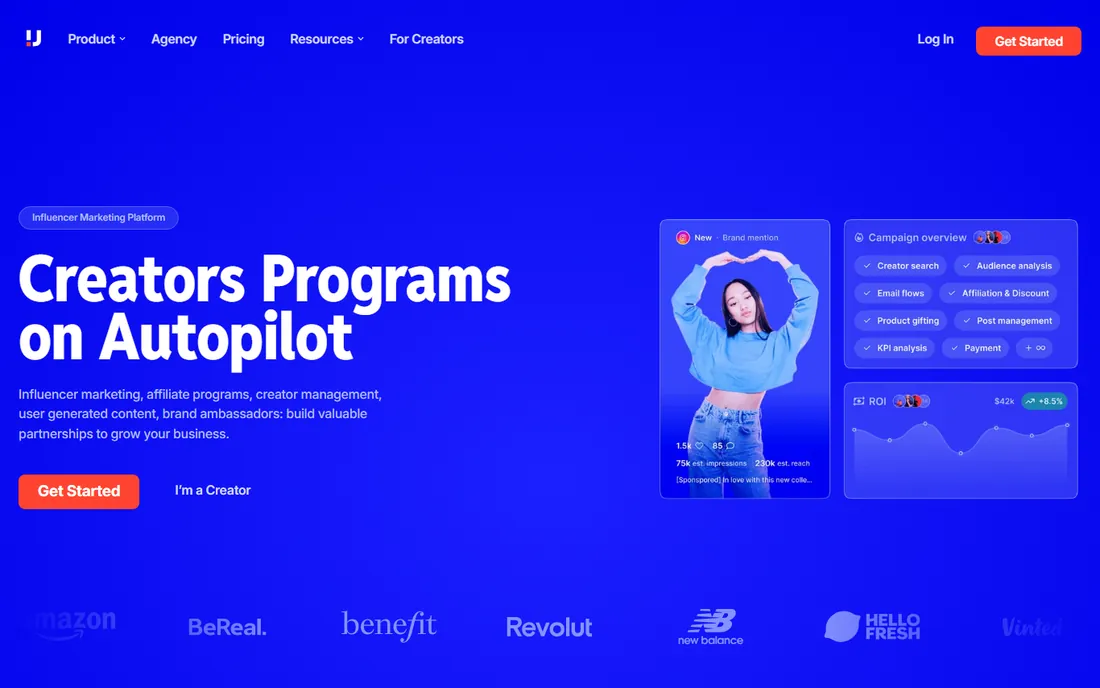
Upfluence gives brands a huge searchable creator database with performance data, plus campaign management and payments. Creators benefit by being listed where serious brands shop, particularly in ecommerce and Shopify ecosystems.
Like Grin, it serves brands first. Creators should claim and polish their profiles, then focus on the metrics brands filter by: engagement rate, audience demographics and content quality.
What we like- Large creator database brands search
- Ecommerce integrations
- Affiliate and payment handling
Watch out for- Brand-side platform
- Less creator community
#6
Aspire
Best for: Creators wanting ambassador relationships
Visit aspire.io
Starting priceSee website
Free planFree for creators
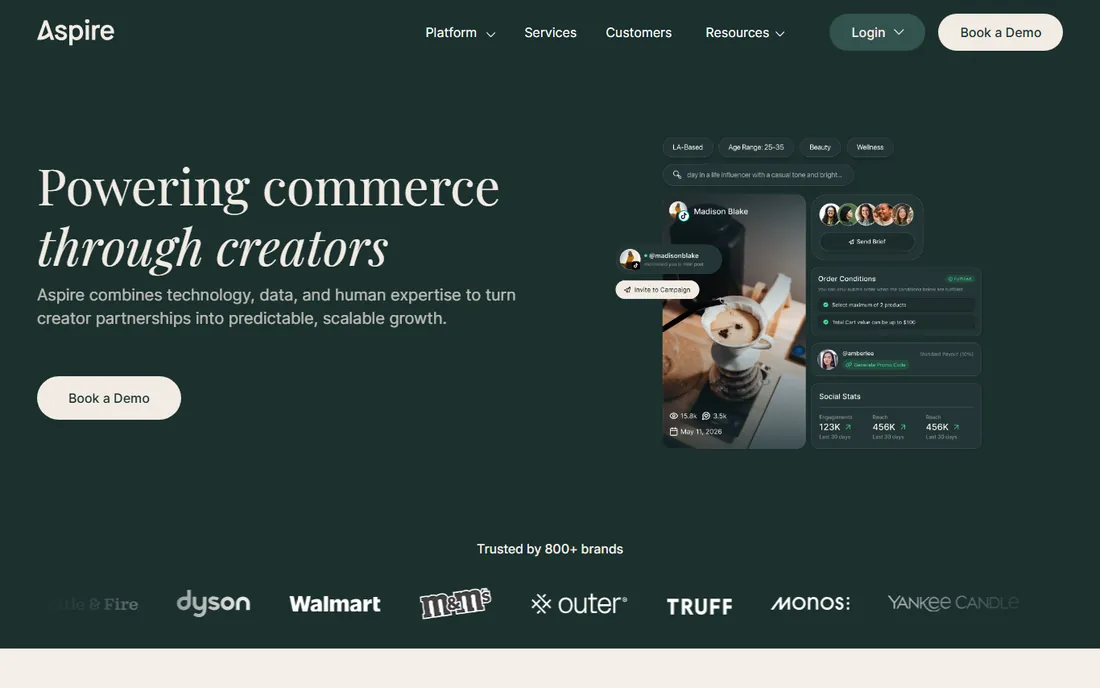
Aspire (formerly AspireIQ) emphasizes ongoing creator relationships over one-off posts: ambassador programs, affiliate partnerships and long-term collaborations. Brands here invest in creators as channels, which means steadier income for those selected.
The bar is higher; brands want proven creators. But for established influencers tired of transactional sponsored posts, Aspire's relationship model is more lucrative and more sustainable.
What we like- Focus on long-term partnerships
- Good for lifestyle creators
- Professional tools
Watch out for- Selective brand base
- Creators need established audiences
Starting priceSee website
Free planFree for creators
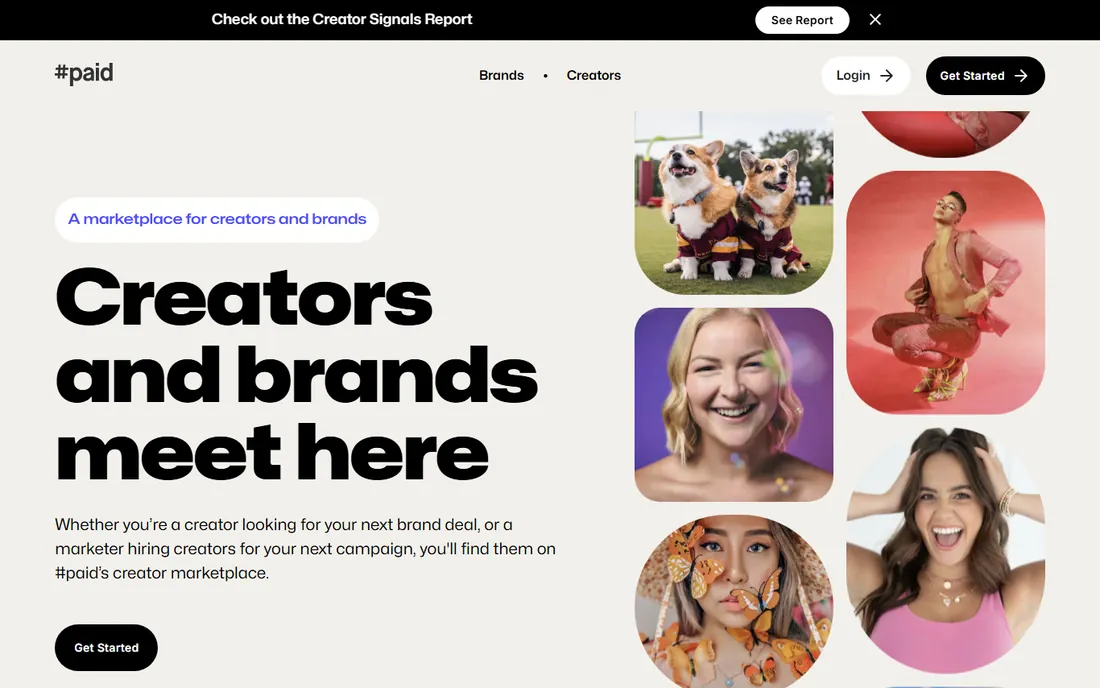
paid (Hashtag Paid) curates matches between creators and brands rather than running an open marketplace. Creators get fewer, better-fitting opportunities with less pitching effort. The curation suits creators who value their time and feed aesthetics.
Volume is the trade: you will see fewer deals than on Collabstr. But creators who would rather do four perfect partnerships than forty random ones will prefer the curated approach.
What we like- Hand-matched brand partnerships
- Quality over quantity
- Less pitching
Watch out for- Selective
- Fewer opportunities than marketplaces
Starting priceSee website
Free planFree tier
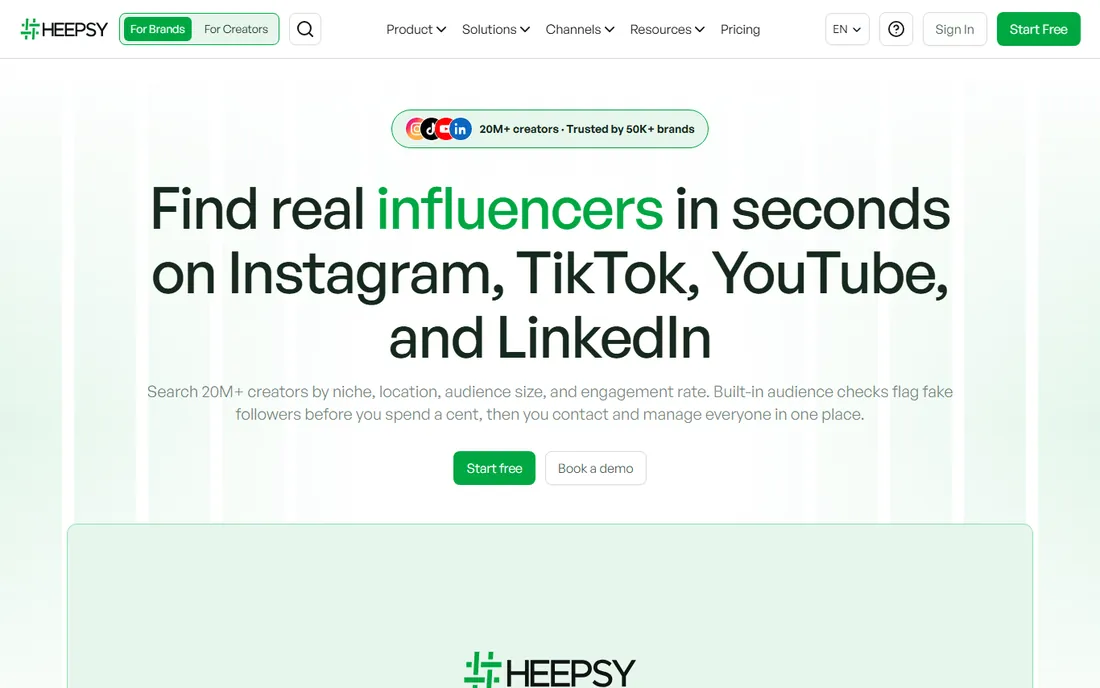
Heepsy is an influencer search engine brands use to find creators, but creators can use it in reverse: research competitors, benchmark rates, check audience authenticity and find your positioning. The free tier allows meaningful exploration.
The data is less deep than HypeAuditor's. But for creators treating their channel as a business, knowing your competitive set is basic market research, and Heepsy makes it cheap.
What we like- Search influencers by niche and metrics
- Audience authenticity data
- Affordable
Watch out for- Brand-side tool
- Data depth trails HypeAuditor
Starting priceSee website
Free planFree trial
HypeAuditor's fraud detection and audience quality analysis set the standard brands trust. Creators can run reports on their own accounts and share them with prospective partners, which short-circuits the "are your followers real" conversation. In a market full of fake engagement, proof has value.
The pricing targets professional users. But a creator pitching serious brand deals armed with a HypeAuditor report negotiates from strength.
What we like- Best-in-class fraud detection
- Audience quality scores
- Reports creators can share with brands
Watch out for- Priced for brands and agencies
- Overkill for casual use
Starting priceSee website
Free planFree tier
Influence.co offers creators free profiles showcasing their work, plus community features and brand discovery. It functions partly as a portfolio, partly as a network, helping creators get found and connect with peers.
It is less of a deal machine than Collabstr or Creator.co. But a polished public profile costs nothing and compounds: brands researching creators find you, and the network effects build over time.
What we like- Free creator profiles
- Community and networking
- Brand discovery
Watch out for- Less transactional than marketplaces
- Platform evolution has been slow
Understand which side you are on. Marketplaces (Creator.co, Collabstr, Intellifluence) let creators find deals actively. Brand platforms (Grin, Upfluence, Aspire, #paid) require being discovered; your job is a great profile and a great audience. Analytics tools (Heepsy, HypeAuditor) inform your strategy.
Most working creators use several: a marketplace for deal flow, profiles on brand platforms for discovery, and analytics for negotiation strength. No single platform covers the whole business.
How we chose
We compared platforms on creator-side value: deal access, profile quality, payment protection, analytics usefulness and cost to creators. We verified each vendor's homepage and current positioning, reviewed creator feedback on industry forums, Reddit and review sites, and distinguished brand-side from creator-side tools honestly. We did not run influencer campaigns on these platforms.
Contracts and payment terms every creator should demand
The brand deal handshake means nothing without a written agreement. At minimum, your contract should specify the deliverables (how many posts, which platforms, what format), the usage rights (how long the brand can reuse your content, and where), the exclusivity terms (what competitors you cannot work with, and for how long), and the payment terms (how much, when, and what triggers payment).
Usage rights are where creators lose the most money. A brand paying for one Instagram post but reusing your face in paid ads for a year is buying far more than they paid for. Price usage separately: organic posting fees, paid amplification rights, and extended terms should each have a number. Perpetuity usage should cost accordingly.
Exclusivity deserves the same scrutiny. A 30-day exclusivity in your direct niche is reasonable; a six-month blanket ban on adjacent categories is not, unless the money reflects it. Read every exclusivity clause as lost income from competitors, and price it that way.
On payment, get 50 percent upfront for new brand relationships, with the balance due on delivery or within 30 days. Late fees belong in the contract. And keep records of everything: briefs, approvals, published links and payment receipts. Professional creators run the business side as carefully as the creative side, because the business side is what gets them paid.
Mistakes new creators make with brand deals
The classic error is accepting every offer. Early creators say yes to anything, promoting products they would never use to audiences who notice. One inauthentic partnership costs more in trust than it pays in cash. Turn down the deals that do not fit; your audience is the asset, and the asset compounds only if protected.
Second is underpricing from ignorance. Without market data, creators accept the first number offered, often far below what the brand budgeted. Research rates on marketplaces, ask peers privately, and remember that the brand's first offer is a starting point. Negotiating is expected; accepting instantly signals you do not know your value.
Third is vague deliverable agreements. "A post about our product" leads to disputes about format, timeline, revisions and usage. Get everything in writing before creating: exact deliverables, deadlines, revision rounds, usage terms and payment schedule. The awkward conversation upfront prevents the painful one later.
Fourth is ignoring the FTC disclosure rules. Sponsored content must be clearly disclosed, and the requirements are real and enforced. Use clear language like "paid partnership" or "sponsored," place it where viewers will see it, and do not rely on buried hashtags. Compliance protects both you and the brand.
Finally, failing to track performance. Save the metrics for every partnership: reach, engagement, clicks, conversions. This data is your negotiating power for the next deal and your proof of value when brands ask why your rates went up. Creators who measure get paid more than creators who guess.
Frequently asked questions
Do creators pay for these platforms?
Most are free for creators; brands pay. Marketplaces may take a commission on deals. Be wary of any platform charging creators significant upfront fees.
How do I get brand deals as a small creator?
Join marketplaces like Creator.co, Collabstr and Intellifluence, keep profiles current on Grin and Upfluence, and pitch brands directly. Micro-influencers with engaged niche audiences get deals at surprisingly small follower counts.
What should I charge brands?
Rates vary wildly by niche, platform and deliverable. Marketplaces show going rates; HypeAuditor-style data supports your negotiation. Start with market rates and raise them as demand grows.
How do I prove my audience is authentic?
Share analytics screenshots, use HypeAuditor reports, and keep engagement genuine. Brands increasingly check for fraud before paying.
Should I join every platform?
Join the free ones relevant to your niche, but focus energy on two or three. A great profile on the right platforms beats thin presence everywhere.
What about TikTok and Instagram's own creator marketplaces?
The platforms' native marketplaces (TikTok Creator Marketplace, Instagram's branded content tools) matter and are worth joining. Third-party platforms add brands and deal types the native tools miss.
Sources we checked (10)
- https://creator.co/
- https://collabstr.com/
- https://www.intellifluence.com/
- https://www.grin.co/
- https://www.upfluence.com/
- https://www.aspire.io/
- https://www.hashtagpaid.com/
- https://www.heepsy.com/
- https://hypeauditor.com/
- https://influence.co/
Is your product missing or out of date?
We review this list regularly. Vendors can request a listing, send updated pricing or ask about featured placement.

Shihab Mia · Founder, Rankite
Shihab has spent more than a decade helping SaaS and e-commerce brands grow through search. He writes Rankite's software buying guides from pricing pages, documentation and public user reviews. More about Shihab.