How we make this list: we compare pricing pages, product documentation and public user reviews. Rankite is independent; if a vendor ever pays for a featured spot, that listing is clearly labeled Partner.
Key takeaways
- Proofpoint and Mimecast remain the enterprise email security standards, with the broadest threat protection portfolios.
- Abnormal Security leads the AI-native wave: API-based protection that learns your organization's communication patterns.
- KnowBe4 and Cofense attack the human layer with phishing simulation and training, which technology alone cannot fix.
- Cloudflare's Area 1 acquisition brought phishing protection to its network, while Hornetsecurity (now part of Proofpoint) serves the MSP and SMB market.
Quick comparison
| Tool | Best for | Starting price | Free plan |
|---|
 Proofpoint Proofpoint | Large enterprises needing complete email security | See website | No |
 Mimecast Mimecast | Email security plus continuity and archiving | See website | Free trial |
 Barracuda Barracuda | Mid-market email protection | See website | Free trial |
 Abnormal Security Abnormal Security | AI-native behavioral email defense | See website | No |
 Ironscales Ironscales | Automated phishing incident response | See website | Free trial |
 Cofense Cofense | Phishing defense centered on humans | See website | Free trial |
 KnowBe4 KnowBe4 | Security awareness training at scale | See website | Free trial |
 Check Point Check Point | API-based email security for cloud mail | See website | Free trial |
 Cloudflare Cloudflare | Network-level phishing and web protection | See website | Free tier |
 Hornetsecurity Hornetsecurity | MSP-delivered email security for SMBs | See website | Free trial |
Is your product missing or out of date?
We review this list regularly. Vendors can request a listing, send updated pricing or ask about featured placement.
The best phishing protection software
Starting priceSee website
Free planNo
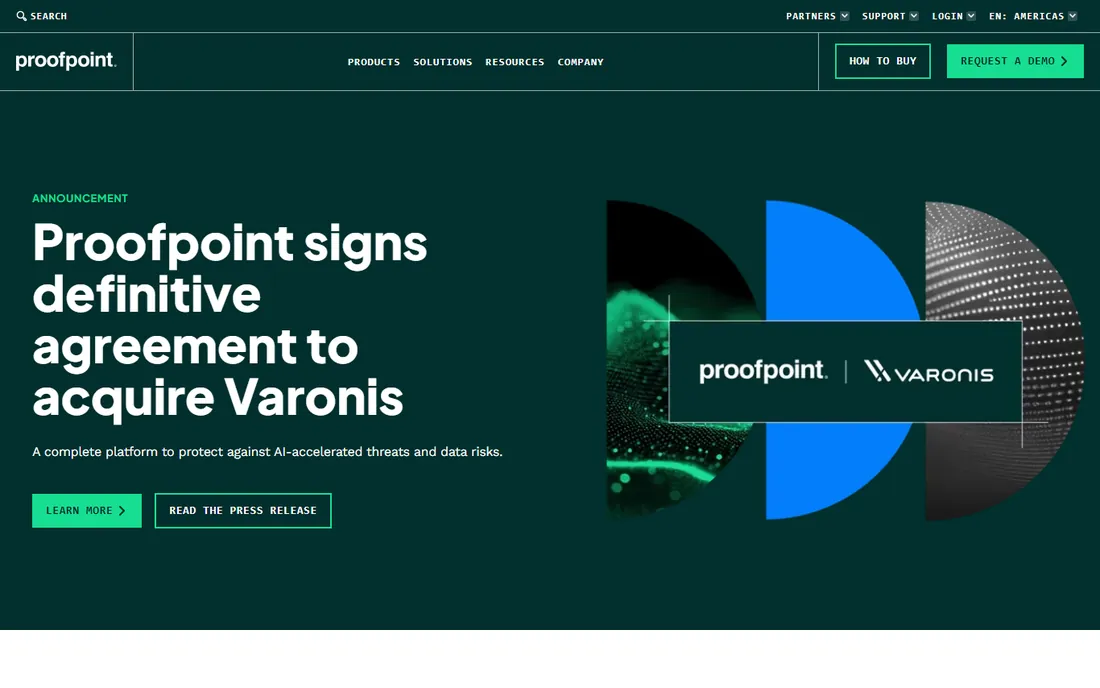
Proofpoint is the enterprise email security leader: inbound threat protection, BEC defense, supply chain risk, data loss prevention and security awareness in one portfolio. The threat intelligence operation is among the industry's best. The Hornetsecurity acquisition extended its reach into MSPs and SMBs.
The platform assumes security maturity: pricing, implementation and operation suit organizations with dedicated staff. But for enterprises where email is the primary attack vector, Proofpoint's depth is the standard.
What we like- Broadest email threat protection
- Excellent threat intelligence
- Strong BEC and supply chain defenses
Watch out for- Enterprise pricing and complexity
- Best with dedicated security staff
Starting priceSee website
Free planFree trial
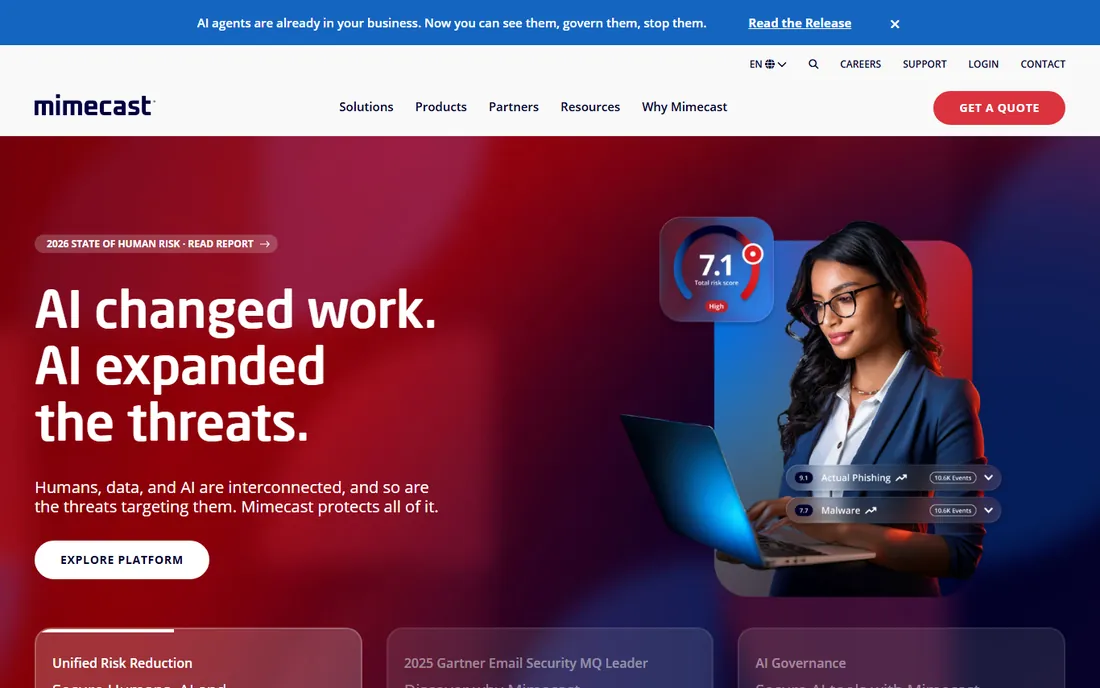
Mimecast combines email security with continuity and archiving: when your mail server fails, Mimecast keeps email flowing. The phishing protection covers impersonation, malicious URLs and attachments with sandboxing. Awareness training rounds out the human layer.
Tuning the policies takes effort, and false positives need management. But organizations wanting security, continuity and compliance from one vendor will find Mimecast's bundle compelling.
What we like- Strong anti-phishing with URL and attachment defense
- Email continuity
- Integrated archiving
Watch out for- Can be complex to tune
- Pricing is enterprise
Starting priceSee website
Free planFree trial
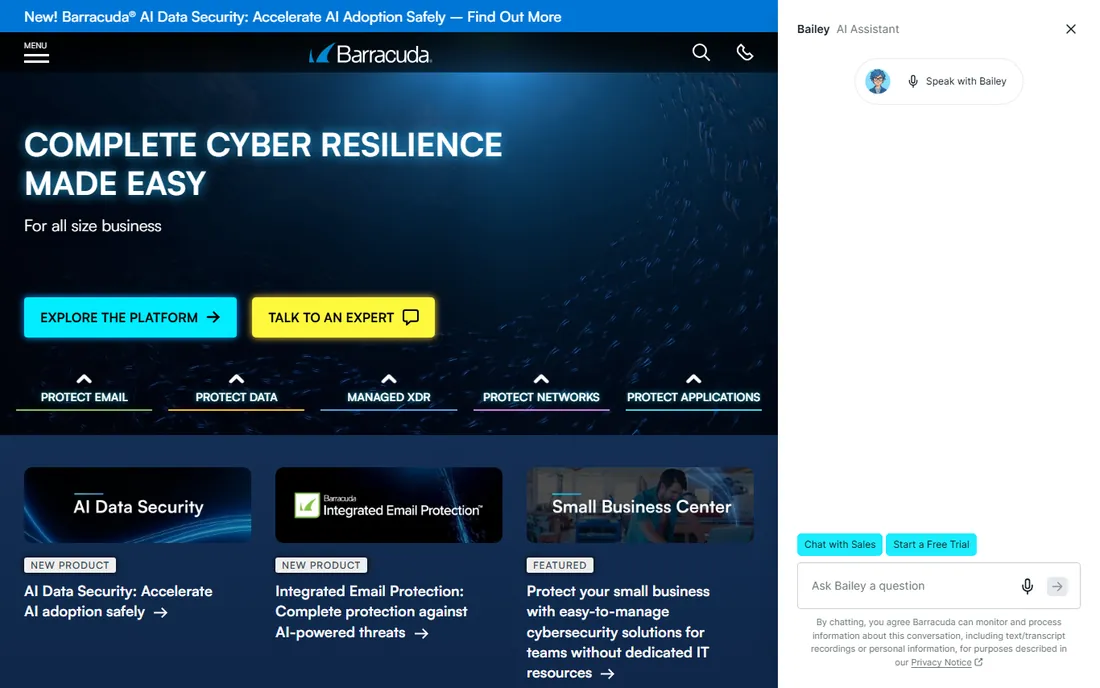
Barracuda's email protection brings AI-driven phishing, spear-phishing and BEC defense to mid-market prices. The Impersonation Protection and incident response tools punch above the price point. Deployment is straightforward for Microsoft 365 and Google Workspace.
Enterprises with the most sophisticated threats will want Proofpoint's depth. But mid-size companies get serious anti-phishing without enterprise cost or complexity.
What we like- Good phishing and impersonation protection
- Affordable for mid-market
- AI-based detection
Watch out for- Less depth than Proofpoint at the high end
- Interface varies
Starting priceSee website
Free planNo
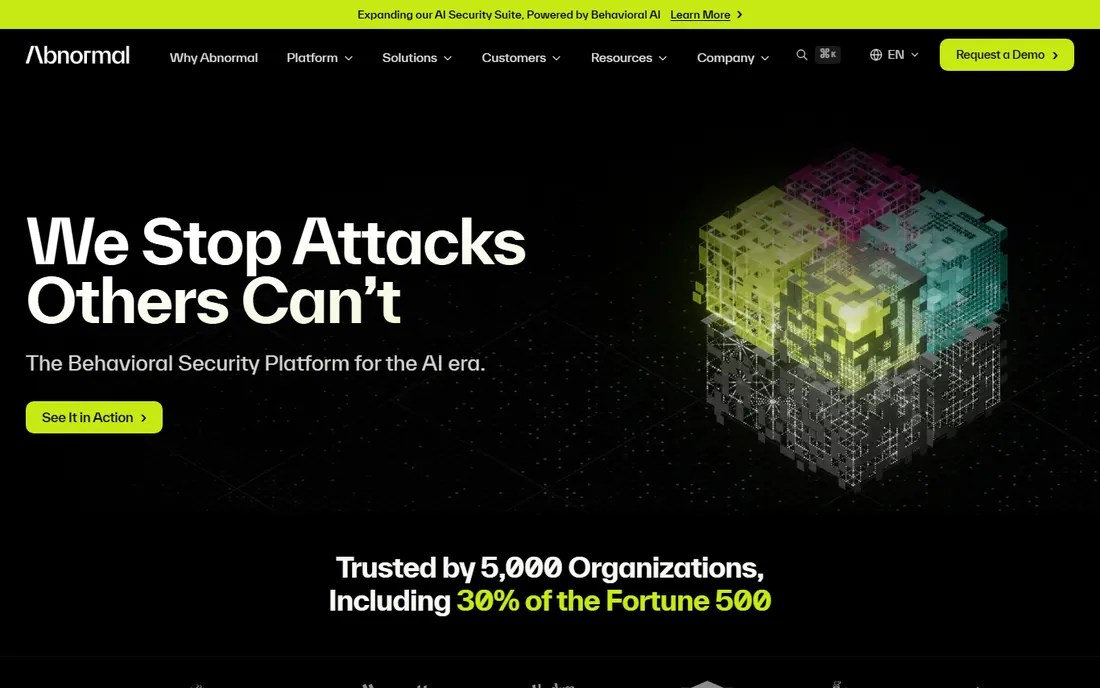
Abnormal Security takes the AI-native approach: connect via API, learn how your organization actually communicates, and flag the anomalies that indicate phishing, BEC and account takeover. No mail routing changes, no appliances. The behavioral detection catches attacks that signature-based tools miss.
The pricing is premium and the vendor is younger than the incumbents. But security teams fighting sophisticated BEC will find the behavioral approach catches what gateways miss.
What we like- Learns normal communication to catch anomalies
- API-based with no MX changes
- Excellent BEC detection
Watch out for- Premium pricing
- Newer vendor with less track record
Starting priceSee website
Free planFree trial
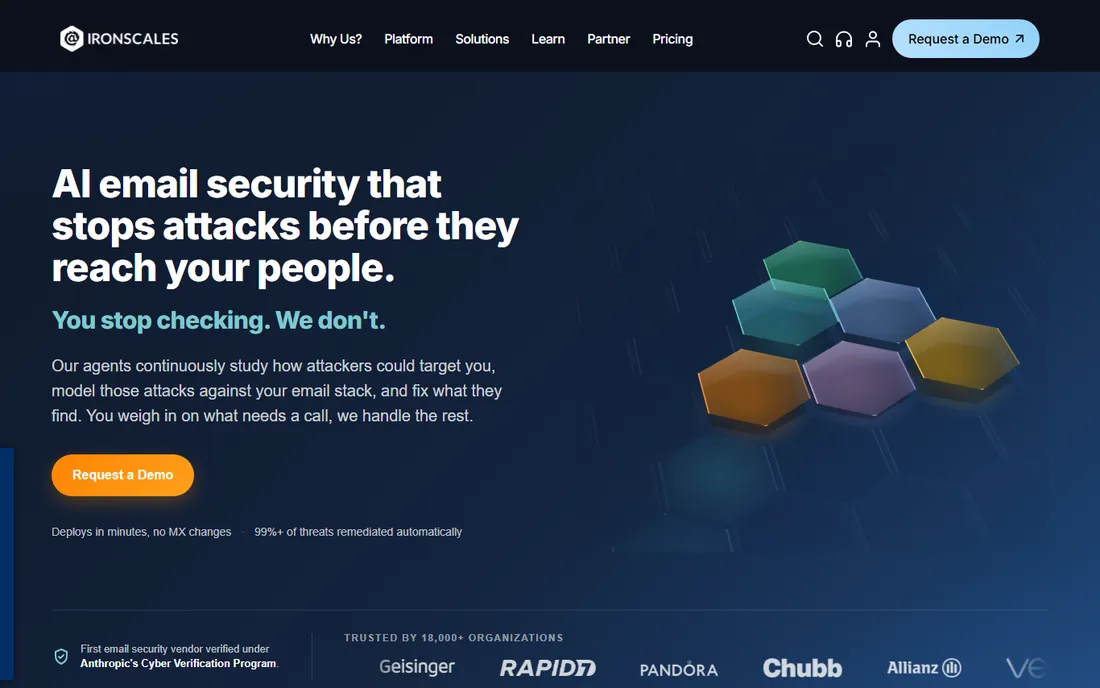
Ironscales automates what happens after detection: reported phishes get analyzed, remediated across mailboxes and learned from automatically. The combination of simulation, training and automated response suits lean security teams.
The threat intelligence operation is smaller than Proofpoint's. But for teams drowning in phishing reports, the automation of response is the differentiator.
What we like- Automates phishing response and remediation
- Good simulation and training
- Fast deployment
Watch out for- Smaller vendor
- Less threat intel than giants
Starting priceSee website
Free planFree trial
Cofense built its reputation on the human sensor network: train employees with realistic simulations, let them report phishes with one click, and turn those reports into threat intelligence and automated response. The approach treats people as detectors, not just risks.
It works best where leadership backs the culture change. But organizations serious about the human layer will find Cofense's methodology proven.
What we like- Excellent phishing simulation
- Crowd-sourced threat intelligence
- Strong incident response
Watch out for- Human-centric approach needs cultural buy-in
- Less gateway depth
Starting priceSee website
Free planFree trial
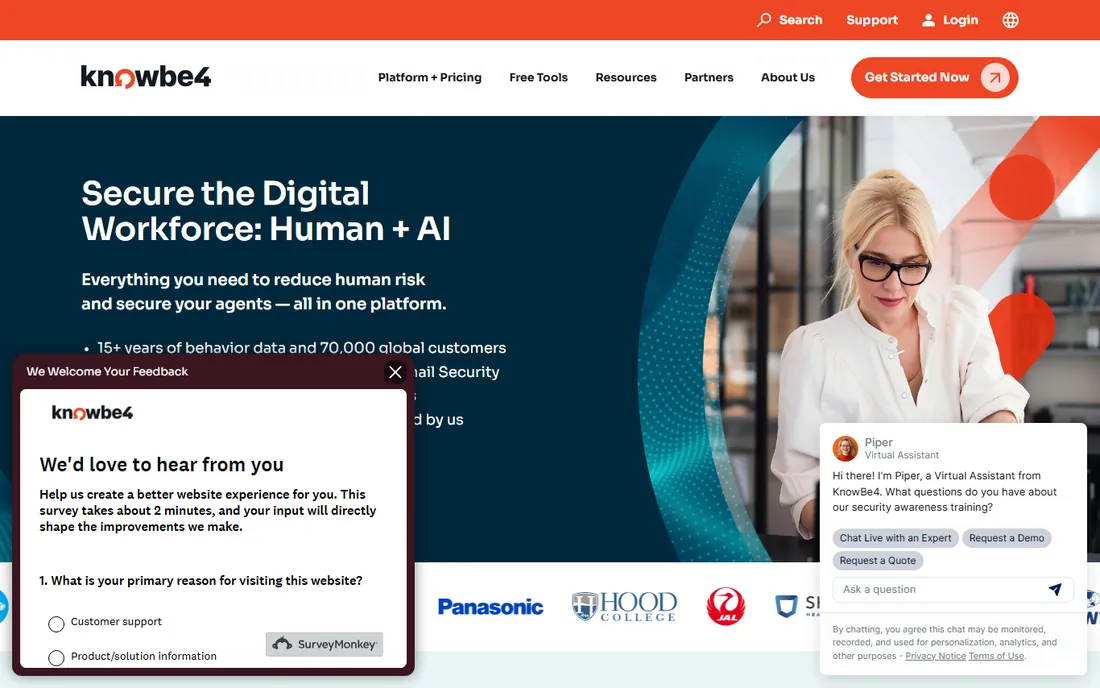
KnowBe4 is the security awareness training standard: simulated phishing campaigns, a huge training content library and compliance reporting that satisfies auditors and cyber insurers. The new-school approach makes training engaging rather than punitive.
Training alone does not stop phishing; it must pair with technical controls. But as the human-layer component of a defense strategy, KnowBe4 is the most complete option.
What we like- Largest training content library
- Excellent simulated phishing
- Good reporting for compliance
Watch out for- Training only
- Needs pairing with technical controls
Starting priceSee website
Free planFree trial
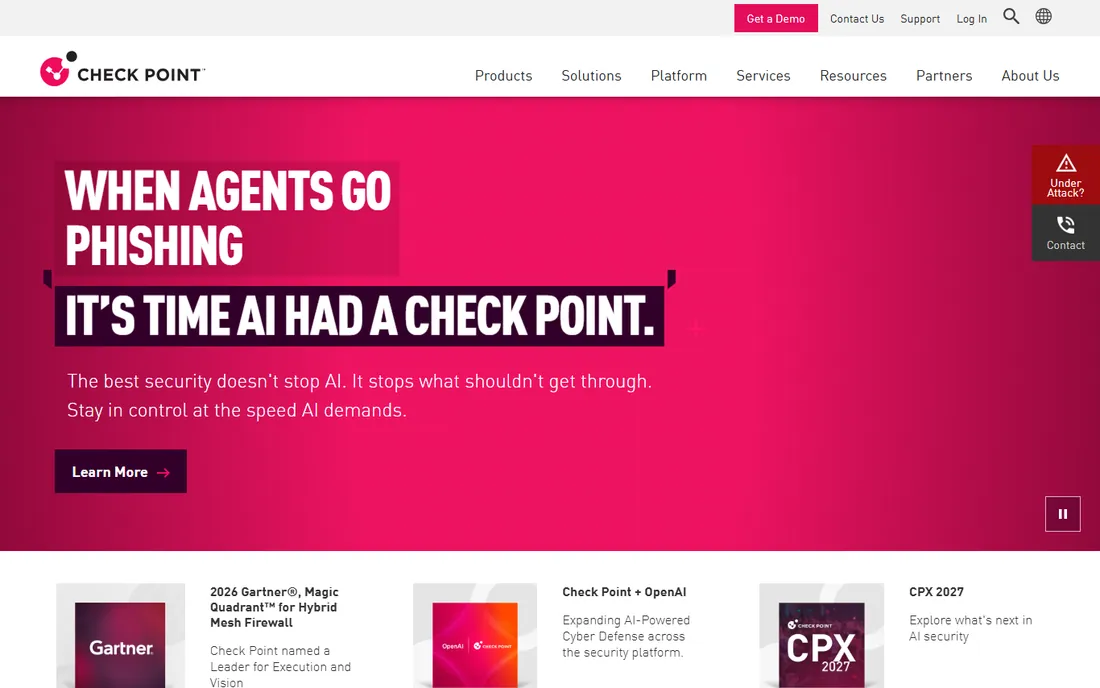
Check Point's email security (built on the Avanan acquisition) protects cloud email via API: scan internal, inbound and outbound mail without rerouting anything. The inline prevention stops threats before delivery, and the broader Check Point suite covers the rest of the attack surface.
Standalone buyers get less ecosystem value. But Microsoft 365 and Google Workspace shops wanting API-based protection from a major vendor will find it strong.
What we like- Avanan's API approach needs no MX changes
- Inline prevention
- Part of Check Point's suite
Watch out for- Best within Check Point ecosystem
- Newer integration still maturing
Starting priceSee website
Free planFree tier
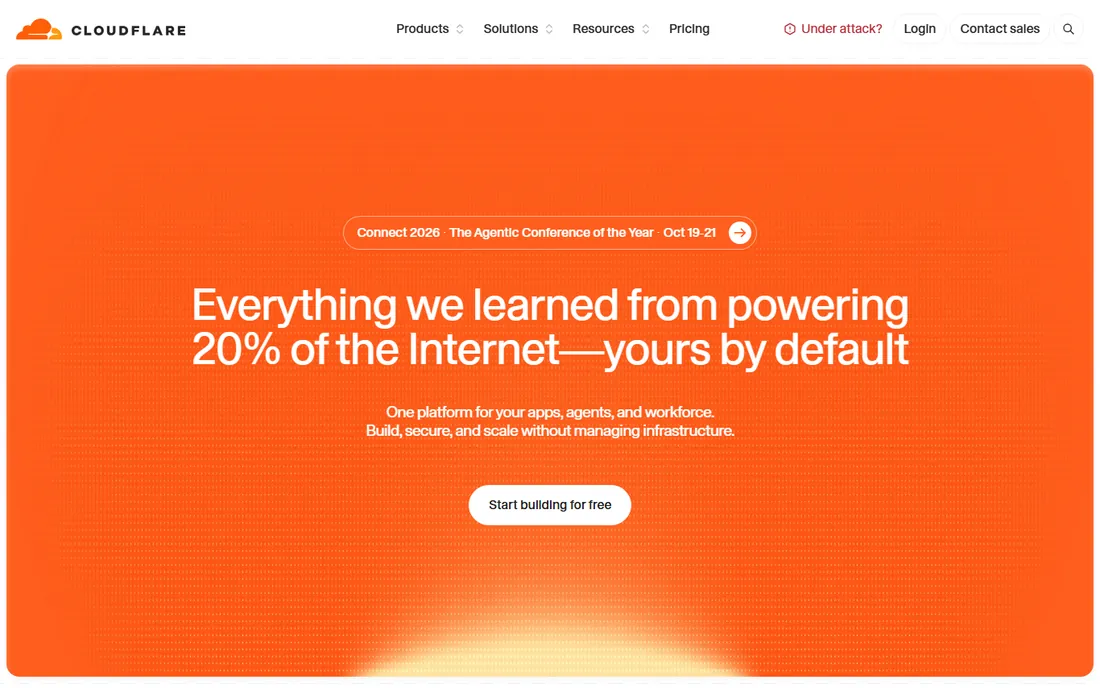
Cloudflare's Area 1 acquisition added cloud email security to its network platform: phishing protection alongside the DNS filtering, web security and Zero Trust tools many companies already use. The free tier covers meaningful protection.
Pure email security depth trails Proofpoint and Abnormal. But organizations standardizing on Cloudflare get phishing protection as part of a coherent security platform.
What we like- Area 1 email security plus DNS and web filtering
- Generous free tier
- Massive network
Watch out for- Email depth trails specialists
- Best as part of broader Cloudflare use
Starting priceSee website
Free planFree trial
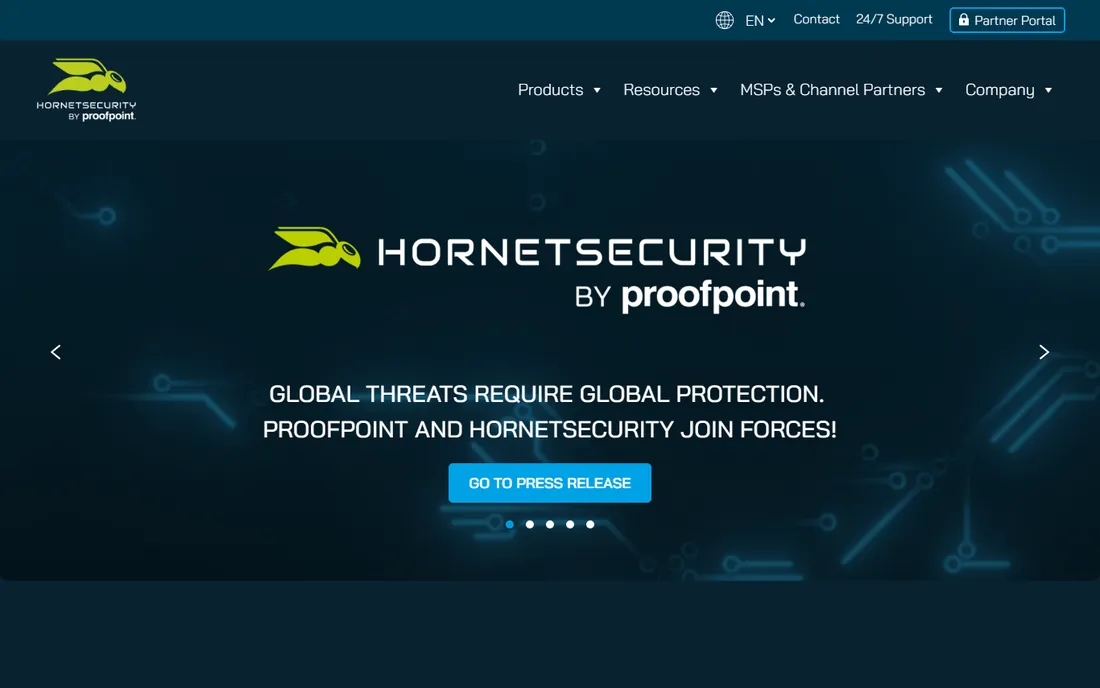
Hornetsecurity built the email security platform for MSPs: multi-tenant management, comprehensive Microsoft 365 protection, backup and compliance in one. SMBs get enterprise-grade anti-phishing through their provider. The Proofpoint acquisition brought resources and threat intelligence.
Direct enterprise buyers should look at Proofpoint itself. But for the MSP-served SMB market, Hornetsecurity's channel-native design is exactly right. Note that GreatHorn, an earlier innovator in this space, was absorbed into Hornetsecurity.
What we like- Built for MSP multi-tenancy
- Comprehensive M365 protection
- Now backed by Proofpoint
Watch out for- MSP-channel focus
- Direct enterprise features trail Proofpoint
Technology plus training beats either alone
Phishing defense needs both layers. Technical controls (gateways, AI detection, URL rewriting) stop most attacks. Training and simulation (KnowBe4, Cofense) prepare people for the ones that get through. Organizations buying only one layer leave half the problem unsolved.
Measure both. Track technical metrics (phish caught, BEC blocked) and human metrics (report rates, click rates on simulations). Improvement on both trend lines is what a mature anti-phishing program looks like.
How we chose
We compared tools on phishing detection effectiveness, BEC protection, deployment model, incident response, training quality and pricing. We verified each vendor's homepage and current positioning, reviewed security practitioner feedback on industry forums and analyst coverage, and noted acquisitions reshaping the market. We did not test detection rates in live environments.
When phishing succeeds: incident response basics
Prevention eventually fails, so plan the response now. The first hour decides the damage: isolate the affected mailbox, revoke sessions and tokens, and check for mailbox rules the attacker may have created to hide their activity. Attackers routinely set up forwarding rules to maintain access; finding them early limits the blast radius.
Determine what the attacker accessed. Review login logs, check sent items and deleted folders, and identify any data the compromised account could reach: customer lists, financial systems, internal documents. The scope assessment drives every subsequent decision, including whether you have a breach notification obligation.
Reset credentials properly. The compromised account needs a new strong password plus re-enrollment of multi-factor authentication, since attackers often register their own MFA methods. Check for OAuth app consents granted during the compromise window; malicious app authorizations survive password resets.
Communicate carefully. Notify affected internal parties quickly and factually, without speculation. If customer data was exposed, involve legal counsel before notifying anyone externally; breach notification laws have specific timelines and requirements that vary by jurisdiction.
Learn from every incident. Was it a novel technique your tools missed, or a known pattern someone clicked anyway? Feed the answer back into both layers: tune the technical controls and target the training at the specific failure. Organizations that treat incidents as tuition improve; those that treat them as embarrassment repeat them.
Phishing defense mistakes to avoid
The biggest is relying on technology alone. Even the best filters miss some attacks, and one clicked credential phish can bypass every control. Pair technical defenses with training and simulation; the organizations that get breached are usually the ones that bought tools but skipped the human layer.
Second is punishing employees who fail simulations. Shame-based security training teaches people to hide mistakes instead of reporting them. Celebrate reporters, coach clickers privately, and make the culture one where raising the alarm is always safe. A reported phish is a victory, not an embarrassment.
Third is ignoring the BEC problem specifically. Traditional filters catch malware and spam well; business email compromise, which uses no malicious payload, slips through. If your defenses do not include behavioral analysis or out-of-band verification for payment requests, the most expensive attacks have an open lane.
Fourth is slow incident response. The difference between a contained phish and a breach is usually measured in hours. Have the playbook ready: who isolates, who investigates, who communicates. Teams that improvise during incidents make the mistakes that turn bad days into disasters.
Finally, treating phishing as an IT problem. Finance teams wire the money, executives get impersonated, HR handles the sensitive data. Phishing defense needs ownership across departments, with security enabling rather than dictating. The whole organization is the attack surface, so the whole organization owns the defense.
Frequently asked questions
What is the difference between phishing protection and email security?
Email security is the broader category (spam, malware, data loss). Phishing protection specifically targets deceptive emails: impersonation, credential theft and BEC. Most tools here do both.
Can phishing be stopped completely?
No. Technical controls catch the vast majority, but some sophisticated attacks reach inboxes. Training ensures people handle the remainder safely. Defense in depth is the only honest answer.
How much does phishing protection cost?
Per-user pricing typically runs a few dollars per user per month for mid-market tools; enterprise platforms are quote-based. Training adds per-user costs. Model your user count.
Do we need to change our mail flow?
Gateway tools require MX record changes. API-based tools (Abnormal, Check Point Avanan, Ironscales) connect without rerouting mail, which simplifies deployment.
What is BEC and why is it dangerous?
Business email compromise impersonates executives or vendors to trigger fraudulent payments. It uses no malware, just deception, making it hard for traditional filters. Behavioral AI tools specialize in catching it.
How do we measure phishing program success?
Track simulation click rates (should fall), report rates (should rise), mean time to remediate, and real incidents. Report trends to leadership quarterly.
Sources we checked (10)
- https://www.proofpoint.com/
- https://www.mimecast.com/
- https://www.barracuda.com/
- https://www.abnormalsecurity.com/
- https://www.ironscales.com/
- https://www.cofense.com/
- https://www.knowbe4.com/
- https://www.checkpoint.com/
- https://www.cloudflare.com/
- https://www.hornetsecurity.com/
Is your product missing or out of date?
We review this list regularly. Vendors can request a listing, send updated pricing or ask about featured placement.

Shihab Mia · Founder, Rankite
Shihab has spent more than a decade helping SaaS and e-commerce brands grow through search. He writes Rankite's software buying guides from pricing pages, documentation and public user reviews. More about Shihab.