How we make this list: we compare pricing pages, product documentation and public user reviews. Rankite is independent; if a vendor ever pays for a featured spot, that listing is clearly labeled Partner.
Key takeaways
- eToro is the best-known copy trading platform and the simplest starting point, with a huge trader community and a clean mobile app, though availability and features vary by country.
- ZuluTrade, DupliTrade and Myfxbook AutoTrade plug into your existing MT4 or MT5 broker account, which suits traders who already have a broker they trust.
- cTrader Copy is the strongest option inside the cTrader ecosystem, with transparent strategy stats and sensible risk controls built in.
- Collective2 takes a different model: pay a subscription per strategy, connect your own broker, and keep full visibility into the track record.
- Costs are never just the subscription. Spreads, commissions, strategy fees and slippage decide whether copied returns survive in your account.
Quick comparison
| Tool | Best for | Starting price | Free plan |
|---|
 eToro eToro | Beginners wanting the simplest copy trading | See website | Demo account |
 ZuluTrade ZuluTrade | Copying into your own MT4/MT5 broker | See website | Demo account |
 DupliTrade DupliTrade | Automated strategy copying via partner brokers | See website | Demo account |
 NAGA NAGA | Social trading with an active community | See website | Demo account |
 cTrader Copy cTrader Copy | cTrader users who want transparent strategy stats | See website | Demo account |
 Myfxbook AutoTrade Myfxbook AutoTrade | Copying from the Myfxbook trader community | See website | Demo account |
 AvaTrade AvaTrade | Copy trading inside a large regulated broker | See website | Demo account |
 Collective2 Collective2 | Subscription-based strategies with verified records | See website | Demo account |
 Pepperstone Pepperstone | Low-cost broker with copy trading integrations | See website | Demo account |
Is your product missing or out of date?
We review this list regularly. Vendors can request a listing, send updated pricing or ask about featured placement.
The best copy trading software
#1
eToro
Best for: Beginners wanting the simplest copy trading
Visit etoro.com
Starting priceSee website
Free planDemo account

eToro built the mainstream copy trading category. Its CopyTrader feature lets you allocate funds to mirror another trader's positions proportionally, and trader profiles show history, risk scores, drawdown and portfolio breakdown. The social feed around it means you can read a trader's reasoning, not just their numbers. For a beginner, the experience is the most polished in the industry.
The caveats are structural. Which assets and features you can access depends on where you live; US clients operate under different rules from European ones, and copy trading of certain products is restricted in some jurisdictions. Costs sit in spreads and withdrawal or inactivity fees rather than a visible subscription, so calculate the all-in number. And the platform's own performance charts make it easy to chase last year's winner. Use the demo account first and treat the risk score as a starting point for research, not a verdict.
What we like- Largest copy trader community with detailed public profiles
- CopyTrader is genuinely one-click
- Clean app with stocks, crypto and more alongside
Watch out for- Copy trading availability varies by country and US users face limits
- Spreads and fees add up for active copiers
- Past performance data invites overconfidence
Starting priceSee website
Free planDemo account

ZuluTrade is the veteran of the space and takes the marketplace approach: thousands of signal providers publish their strategies, you browse rankings by profit, drawdown, weeks traded and followers, then connect copying to your own broker account. Because it integrates with MT4 and MT5 brokers, traders who already have an account they like do not need to move funds to a new platform.
That openness is also the risk. Anyone can become a provider, so due diligence falls on you: check how long the track record runs, whether it spans different market conditions, and how the provider behaves in drawdowns. ZuluTrade's guard features, including automatic protection that watches your copied positions, help, but they do not replace position sizing. It suits self-directed traders who want copying as a tool inside their existing setup.
What we like- Works with your existing broker account on MT4 and MT5
- Large marketplace of signal providers with ranking tools
- ZuluGuard and margin-call protection features
Watch out for- Strategy quality varies enormously across providers
- Fee structures differ by broker and account type
- Interface feels dated next to newer platforms
Starting priceSee website
Free planDemo account
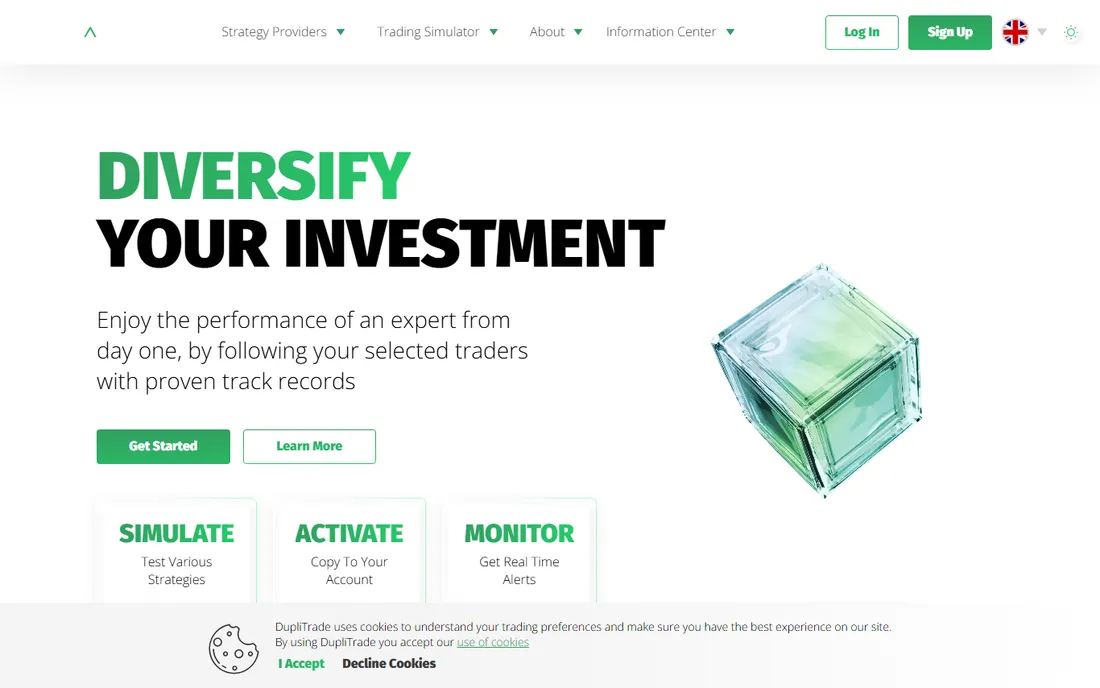
DupliTrade positions itself between eToro's simplicity and ZuluTrade's open marketplace. It offers a smaller, curated roster of strategy providers and connects through partner brokers, with AvaTrade among them. Once you pick a strategy and set your parameters, copying runs automatically in your account.
Curation cuts both ways. Fewer providers means less noise and, in theory, better vetting, but it also means fewer choices and dependence on DupliTrade's selection holding up. Because you trade through a partner broker, compare that broker's spreads and regulation with alternatives before committing. It fits traders who want automation without building their own shortlist from thousands of anonymous providers.
What we like- Curated set of strategy providers rather than an open flood
- Integrates with partner brokers including AvaTrade
- Fully automated once configured
Watch out for- Limited to partner brokers, so less choice of where your money sits
- Fewer providers than open marketplaces
- Transparency depends on the provider
#4
NAGA
Best for: Social trading with an active community
Visit naga.com
Starting priceSee website
Free planDemo account

NAGA blends a trading platform with a social network. Traders publish their activity to feeds, others discuss and follow, and the autocopy function mirrors chosen traders with settings you control. The community aspect is more active than on most competitors, which helps beginners learn the vocabulary of strategy evaluation faster.
Like most social trading platforms, the core products are forex and CFDs, so availability follows local derivatives regulation and US traders are effectively excluded from the main offering. Read the fee schedule closely: spreads, swaps and any copier-specific costs compound over time. The social feed is useful but noisy; treat popular traders as case studies to investigate, not recommendations to follow.
What we like- Strong social layer with trader feeds and discussions
- Autocopy feature with adjustable settings
- Multi-asset platform beyond forex
Watch out for- Heavily forex and CFD focused, which restricts some regions
- Fee structure needs careful reading
- Community hype can drown out sober analysis
#5
cTrader Copy
Best for: cTrader users who want transparent strategy stats
Visit ctrader.com
Starting priceSee website
Free planDemo account
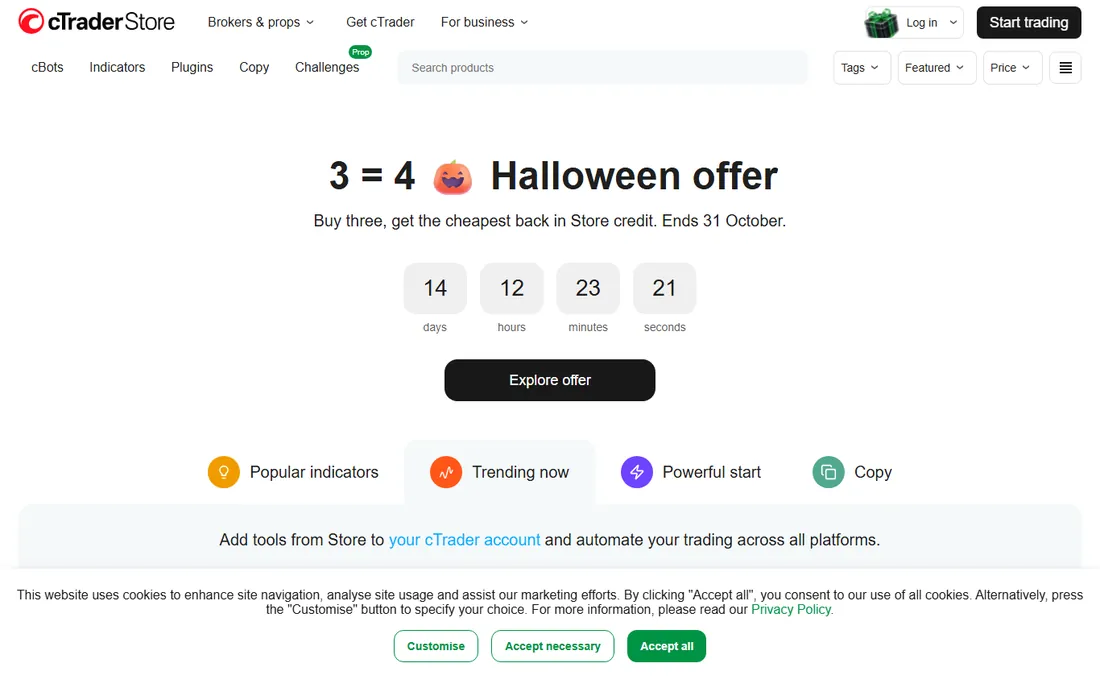
cTrader Copy is Spotware's built-in copy system inside the cTrader platform, which many forex and CFD brokers offer. Strategies show detailed statistics: equity curves, drawdown, trade history and fees charged by the strategy provider. Copying can mirror the provider's risk exactly or scale to your equity, and you can set stop-loss protection on the copied strategy.
Because it lives inside cTrader, the experience is cohesive: charting, manual trading and copying share one account and one interface. The limitation is ecosystem: your broker must support cTrader, and the strategy marketplace, while quality-filtered, is smaller than the giant open ones. For traders already on cTrader, it is the natural choice. For everyone else, it is a reason to consider a cTrader broker.
What we like- Deep strategy analytics including equity charts and drawdown
- Flexible risk controls like equity-to-equity copying
- Built into the cTrader platform many brokers offer
Watch out for- Only useful if your broker offers cTrader
- Strategy marketplace is smaller than ZuluTrade's
- Still requires you to evaluate providers yourself
#6
Myfxbook AutoTrade
Best for: Copying from the Myfxbook trader community
Visit myfxbook.com
Starting priceSee website
Free planDemo account
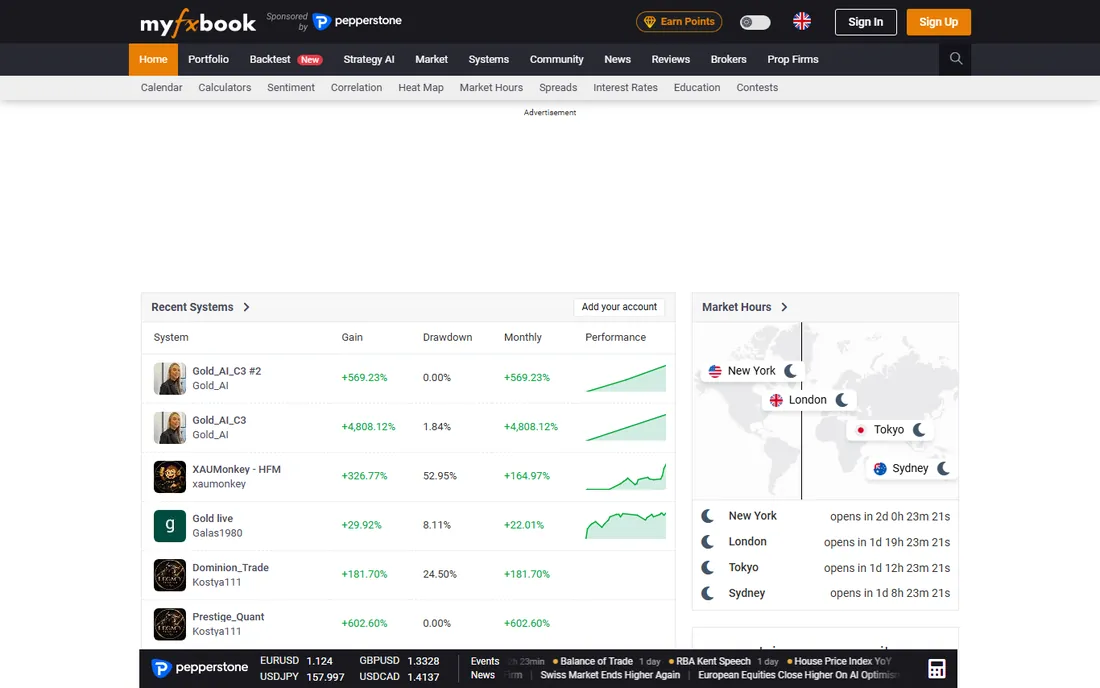
Myfxbook started as trade analytics and verification, which gives its AutoTrade copying a useful foundation: the track records you evaluate are the same verified accounts the community has scrutinized for years. You connect your own broker account and subscribe to systems whose verified history you have actually inspected.
That verification culture is the differentiator. Myfxbook users tend to read drawdown, sample size and strategy descriptions skeptically, and the platform's data makes that possible. The interface will not win design awards, and broker choice is limited to participants. It suits analytical traders who already live in Myfxbook's data and want copying attached to records they trust.
What we like- Builds on Myfxbook's verified track-record system
- Connects to your own broker
- Familiar to traders who already use Myfxbook analytics
Watch out for- System selection needs care as with any marketplace
- Interface is utilitarian
- Dependent on participating brokers
Starting priceSee website
Free planDemo account
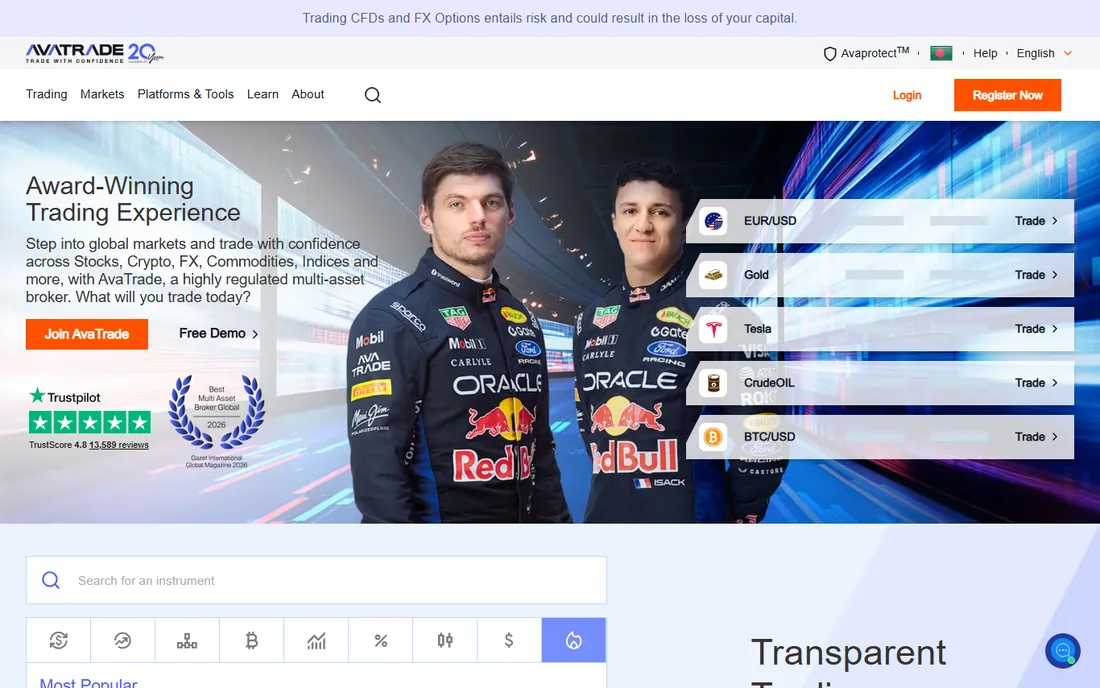
AvaTrade approaches copy trading as a broker first: open an account with a large, multi-regulated firm, then choose how to copy. Options have included its own AvaSocial app, plus integrations with ZuluTrade and DupliTrade, giving clients several copying styles under one roof. Asset coverage spans forex, CFDs, and in some regions more.
The broker-first model simplifies custody: your money stays with AvaTrade rather than moving to a separate platform. But the exact copy products available depend on which regulated entity serves your country, so confirm what is offered in your region before judging the lineup. As with every broker on this list, regulation is entity-specific, and the marketing makes copying sound easier than it is. Evaluate it as a broker that offers copying, not as a copying service.
What we like- Multiple copy options including AvaSocial and third-party integrations
- Long-established broker with wide regulation
- Broad asset coverage
Watch out for- Copy features vary by region and entity
- Spreads differ across account types
- Marketing emphasizes ease over the real risks
Starting priceSee website
Free planDemo account

Collective2 runs the most transparent model in copy trading. Strategy developers publish systems with fully verified track records, you pay a monthly subscription per strategy, and trades are mirrored into your own brokerage account. The verification is the product: hypothetical and real-money records are marked clearly, and the statistics go deep.
This structure suits US traders better than most, because it connects to mainstream US brokers and covers stocks, options and futures alongside forex. The honest math is the subscription cost: follow three strategies and you pay three subscriptions before any trading profit. As always, a verified record describes the past. Use Collective2's data to reject bad strategies quickly rather than to find guaranteed winners.
What we like- Pay-per-strategy subscriptions with clear pricing
- Extensive verified track records across stocks, futures, forex and options
- Connects to many US-friendly brokers
Watch out for- Subscription fees stack if you follow multiple strategies
- Good records still do not guarantee future results
- Platform is US-centric in its broker list
Starting priceSee website
Free planDemo account
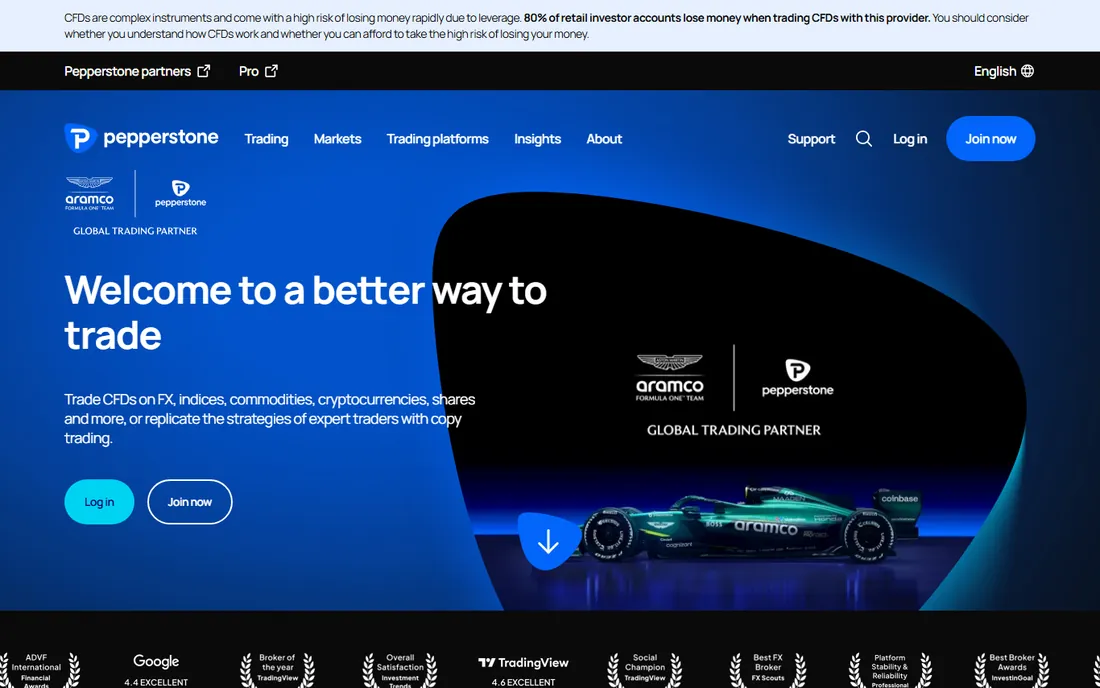
Pepperstone is a broker, not a copy trading platform, and that is its pitch: bring your preferred copying tool to a low-cost account. It supports cTrader Copy natively, MetaTrader signal copying, and integrations with services like DupliTrade and Myfxbook AutoTrade. Tight spreads matter more in copy trading than in manual trading, because every mirrored position pays the spread, and costs compound across hundreds of copied trades.
The trade-off is fragmentation. There is no single Pepperstone copy experience; you assemble one from third-party pieces, each with its own fees and interface. Research which copying tool fits your style first, then check that Pepperstone's entity in your region supports it. For cost-sensitive copiers who know which tool they want, it is a strong account to run it on.
What we like- Competitive spreads that keep copying costs down
- Supports cTrader Copy, MetaTrader signals and third-party tools
- Well-regarded execution
Watch out for- No proprietary copy platform of its own
- Copy features depend on the third-party tool you choose
- Availability follows regional regulation
How we chose
We covered the three architectures of copy trading: built-in platforms like eToro and NAGA, broker-agnostic marketplaces like ZuluTrade and Collective2, and broker-integrated options like cTrader Copy and Pepperstone. We checked each vendor's own site for how copying works, what it costs and where it is available, read trader forum discussions about slippage and strategy failures, and excluded anything defunct or merged. We did not rank by advertised returns, because past performance in copy trading is the least reliable signal in the data.
The costs beyond the spread
Copy trading has four cost layers and most marketing mentions one. First, the broker's spread and commission on every mirrored trade. Second, any subscription or performance fee charged by the strategy or platform. Third, slippage: your fills will differ from the provider's fills, especially in fast markets, and the difference is always against you on average. Fourth, the strategy's own trading costs, which its advertised returns are quoted after, but which your account pays again on its own fills.
Before copying anyone, add all four for a typical month of that strategy's trade frequency. A strategy returning 2 percent a month with 200 trades can easily cost more than it makes in a retail account. Demo-copy for at least a month and compare your demo equity curve against the provider's published curve; the gap between them is your real cost structure talking.
What to check before you copy anyone
Start with the track record's length and conditions. Twelve months spanning trending and choppy markets tells you more than three spectacular months. Look at maximum drawdown, not just returns: a strategy that made 80 percent and lost 40 percent along the way will test your nerve at the worst moment. Check whether the record is real money or hypothetical, and whether the provider trades the same strategy they publish.
Then check your controls. Can you set a maximum allocation per strategy, scale position sizes to your account, and stop copying instantly? cTrader Copy, ZuluTrade and Collective2 all offer versions of these; make sure yours are actually enabled. Never allocate money you cannot afford to lose to a single strategy, and never copy using borrowed funds or margin settings you do not understand.
Finally, check the boring details: which legal entity holds your funds, what regulator covers it, how withdrawals work, and whether copy trading is even offered to residents of your country. US traders in particular should verify availability directly with the vendor, since CFD-based copy trading is broadly restricted for US residents. An afternoon of verification beats a month of unwinding a bad setup.
Frequently asked questions
Is copy trading profitable?
It can be, but the base rates are unforgiving. Most copied strategies underperform their advertised records once spreads, slippage, subscriptions and mistimed entries are included. Treat it as a way to participate in strategies you understand, not as passive income. Anyone promising consistent monthly returns is selling something.
How much money do I need to start copy trading?
Minimums vary by platform and broker, from small demo-friendly deposits to four-figure minimums for some strategies. More important than the minimum is position sizing: copying a strategy with 5 percent of a small account produces noise, not income. Start on a demo, then fund an amount whose full loss would not hurt you.
Can US residents use copy trading platforms?
It depends on the platform and the products. CFD-based copy trading, which covers eToro's international offering, ZuluTrade and NAGA, is generally not available to US residents. Collective2 connects to US brokers for stocks, options and futures strategies. Always verify current availability with the vendor for your state and product before opening an account.
What is the difference between copy trading and social trading?
Social trading is the broader category: following traders, discussing ideas and sharing analysis. Copy trading is the automated subset where their positions are mirrored in your account without manual action. eToro and NAGA do both; ZuluTrade and Collective2 focus on the copying mechanics.
How do I evaluate a strategy provider?
Look for a long verified track record across different market conditions, modest drawdowns relative to returns, consistent position sizing, and a strategy description that makes sense. Be wary of martingale-style recovery patterns, where losing positions are doubled: they produce smooth equity curves until they blow up. Check third-party verification rather than screenshots.
Do I need MetaTrader for copy trading?
Not necessarily. eToro, NAGA and Collective2 work without it. ZuluTrade, DupliTrade and Myfxbook AutoTrade integrate with MT4 or MT5, and cTrader Copy needs a cTrader broker. If you already trade on MetaTrader, the integrated options keep everything in one place. If not, there is no reason to adopt it just for copying.
Sources we checked (9)
- https://etoro.com
- https://zulutrade.com
- https://duplitrade.com
- https://naga.com
- https://ctrader.com
- https://myfxbook.com
- https://avatrade.com
- https://collective2.com
- https://pepperstone.com
Is your product missing or out of date?
We review this list regularly. Vendors can request a listing, send updated pricing or ask about featured placement.

Shihab Mia · Founder, Rankite
Shihab has spent more than a decade helping SaaS and e-commerce brands grow through search. He writes Rankite's software buying guides from pricing pages, documentation and public user reviews. More about Shihab.