How we make this list: we compare pricing pages, product documentation and public user reviews. Rankite is independent; if a vendor ever pays for a featured spot, that listing is clearly labeled Partner.
Key takeaways
- Most vendors charge a percentage of recovered revenue (typically 15 to 25 percent), which means the pricing model itself tells you how confident the vendor is in its win rate.
- Verifi and Ethoca are not competitors to the rest of this list. They are the alert networks (owned by Visa and Mastercard) that most of these tools plug into for prevention.
- Self-serve automation fits stores doing dozens of disputes a month. Once you pass a few hundred chargebacks monthly, the enterprise vendors with dedicated analysts start to pay off.
- Alerts and representment solve different problems. Alerts keep your chargeback ratio down. Representment gets money back. A serious setup runs both.
Quick comparison
| Tool | Best for | Starting price | Free plan |
|---|
 Chargebacks911 Chargebacks911 | Enterprise dispute prevention and recovery | See website | No |
 Chargeflow Chargeflow | DTC and Shopify brands that want automation | 25% of recovered chargebacks | Yes |
 Justt Justt | Mid-market and enterprise automated representment | See website | No |
 Chargeback Gurus Chargeback Gurus | Merchants wanting analyst-led representment | See website | No |
 Disputifier Disputifier | Small stores that want automation without contracts | 20% of recovered chargebacks | Free trial (7 days) |
 Chargeblast Chargeblast | Fast-growing brands with subscription billing | See website | No |
 Verifi Verifi | Visa dispute prevention at the network level | See website | No |
 Ethoca Ethoca | Mastercard dispute alerts and issuer collaboration | See website | No |
Is your product missing or out of date?
We review this list regularly. Vendors can request a listing, send updated pricing or ask about featured placement.
The best chargeback management software
Starting priceSee website
Free planNo
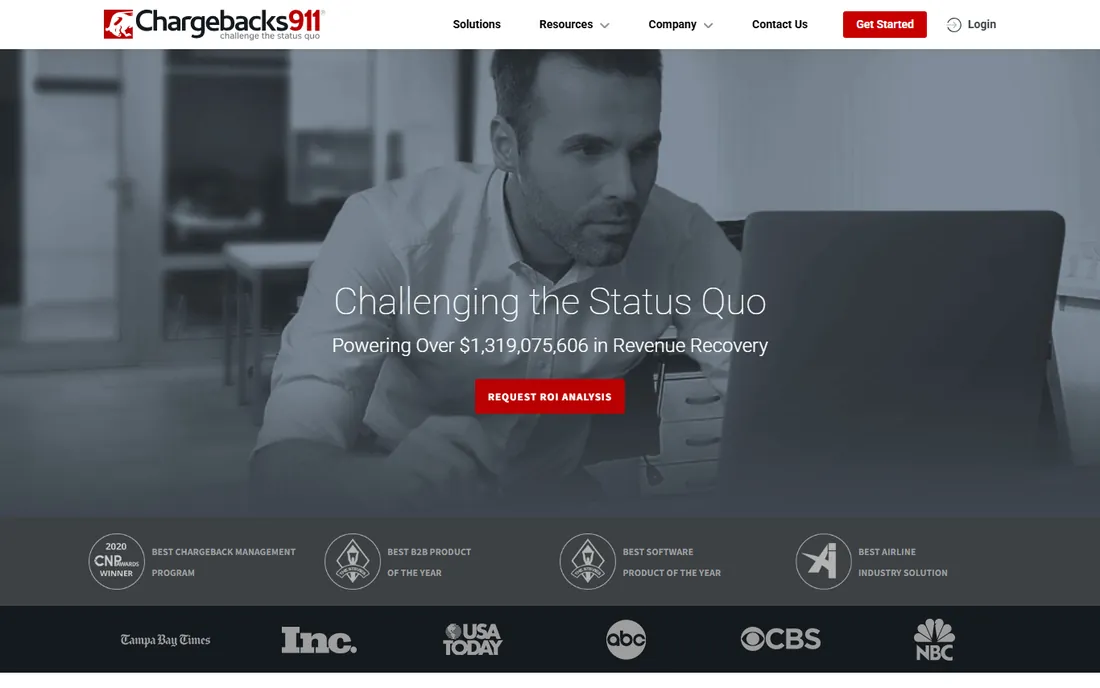
Chargebacks911 is the oldest name in this space, and it shows in the depth of the product. It covers the full dispute lifecycle: prevention alerts, representment, analytics, and consulting on the operational changes that reduce friendly fraud in the first place. Large merchants like it because the platform connects to everything and the team has seen every dispute pattern there is.
The honest catch is that this is not a tool you sign up for on a Tuesday and configure by Friday. It is a managed service with a technology platform, which means demos, scoping calls, and an integration project. For a store doing 30 chargebacks a month, that is overkill. For a business doing 3,000, it is exactly the kind of firepower you need, because at that volume the difference between a 40 percent and a 60 percent win rate is a full-time salary or two.
What we like- End-to-end platform for merchants and banks
- Deep integrations with processors and CRMs
- Long track record with large retail brands
Watch out for- Pricing is quote-based and built for volume
- Onboarding requires integration work with your systems
Starting price25% of recovered chargebacks
Free planYes
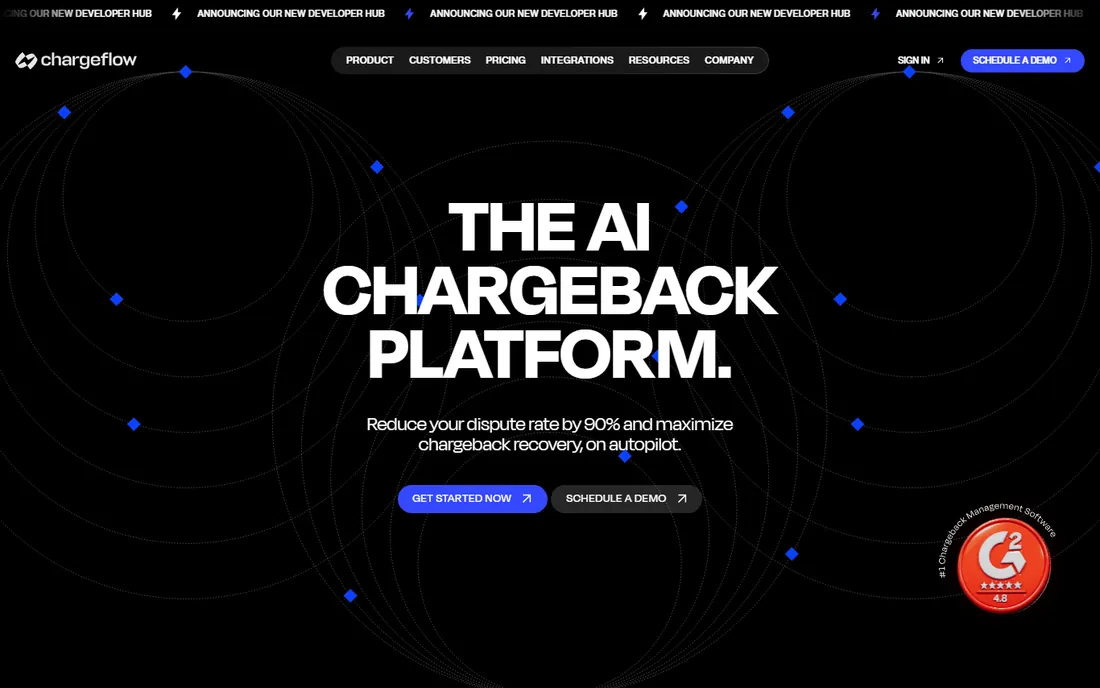
Chargeflow built its reputation on Shopify, where its app holds strong ratings and processes disputes end to end without manual work. The AI collects order data, delivery records and customer communication, then builds and submits the evidence package. Its alerts product taps the Visa and Mastercard networks to flag disputes before they post, and a fraud screening add-on scores transactions before they ship.
Pricing is published and simple: 25 percent of what it recovers, plus per-event fees for alerts and fraud screening, with a free analytics tier. That transparency is rare in this category and makes Chargeflow easy to evaluate. The downside of success-based pricing at 25 percent is that once your dispute volume gets large, a flat-fee or in-house process can cost less. Until then, paying only when you win is about as risk-free as vendor pricing gets.
What we like- Fully automated evidence gathering and filing
- Prevention, alerts and analytics in one dashboard
- No setup fees or long-term contracts
Watch out for- The 25 percent success fee adds up at high volumes
- Best suited to Shopify and Stripe workflows rather than custom stacks
#3
Justt
Best for: Mid-market and enterprise automated representment
Visit justt.ai
Starting priceSee website
Free planNo
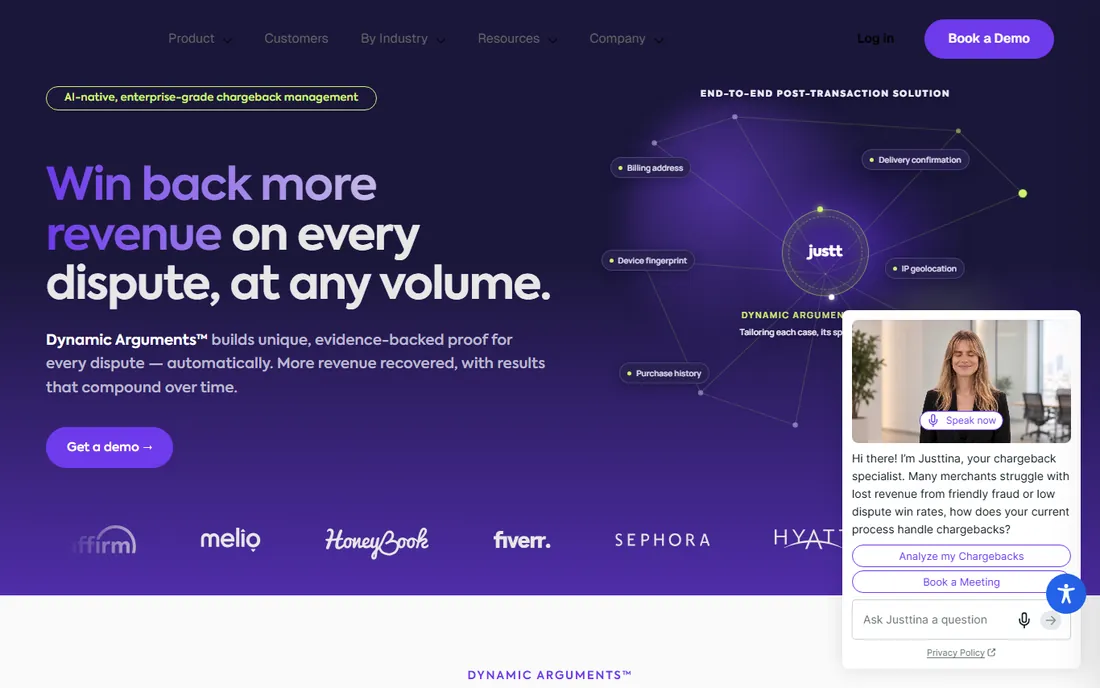
Justt takes the opposite approach from the managed-service vendors: everything runs through machine learning, and the system keeps testing its own arguments to improve win rates over time. It connects to your processors, pulls transaction data automatically, and builds a unique evidence package for every dispute instead of filling in templates.
This appeals to finance teams that want chargebacks handled without hiring a disputes team. The platform covers all chargeback types, including friendly fraud and subscription disputes, and its dashboards unify reporting across multiple processors. The trade-off is transparency on price and control: you will negotiate a success fee on a call, and you hand the keys to an AI that decides which cases are worth fighting. For most merchants that is a fair trade. For control freaks, less so.
What we like- AI-generated evidence tailored to each dispute
- Works across 70+ payment processors
- Strong enterprise security and compliance posture
Watch out for- Pricing is behind a sales call
- The fully automated model means less control over individual cases
Starting priceSee website
Free planNo
Chargeback Gurus sits between pure software and pure consultancy. Its Smart Chargeback Representment platform analyzes your disputes, builds custom evidence packages per case, and reports back on the operational root causes behind your chargebacks. The company publishes detailed guides and reason-code documentation, which tells you something about how seriously it takes the education side.
This is a good fit when your disputes have patterns that software alone will not fix: unclear billing descriptors, weak delivery confirmation, or subscription cancellation flows that generate complaints. The analysts dig into that. The flip side is that you are buying a relationship, not just a login. Expect onboarding calls, data sharing, and a pricing structure with more line items than a percentage-only vendor.
What we like- Data-driven representment with custom dispute packages
- Strong reporting on root causes
- Prevention services alongside recovery
Watch out for- Service-heavy model means longer onboarding
- Pricing combines fees with a retainer
Starting price20% of recovered chargebacks
Free planFree trial (7 days)
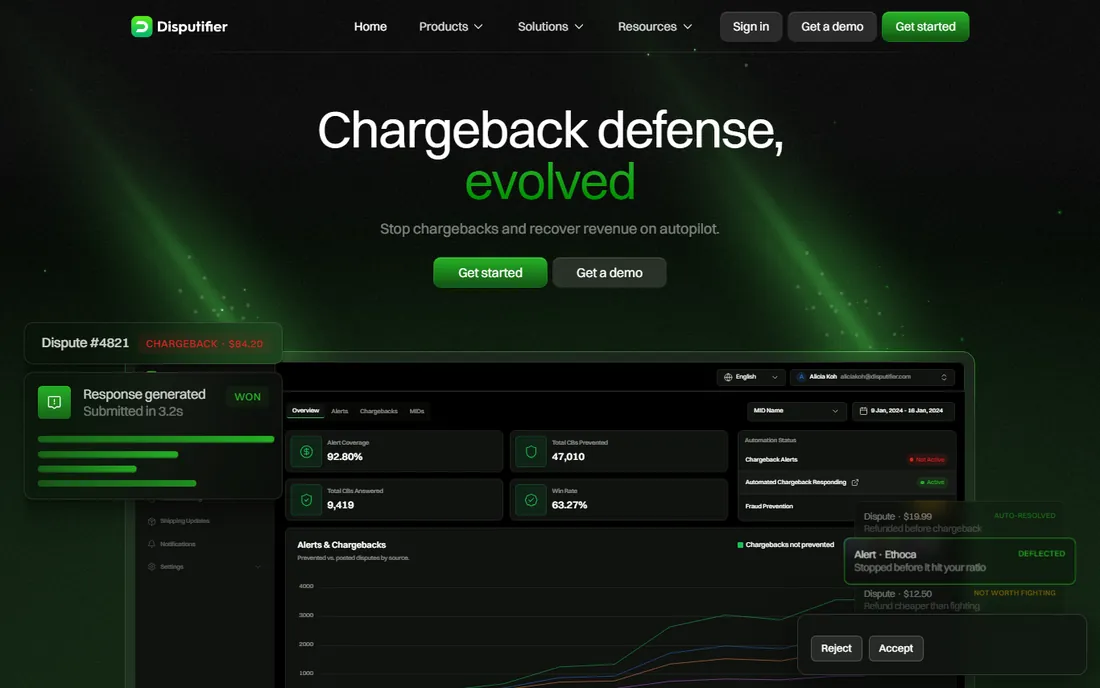
Disputifier is built for the merchant who is currently doing nothing about chargebacks because every option felt too enterprise. It plugs into your store, validates card BIN data on orders, resolves network alerts automatically, and builds evidence responses for disputes that get through. The whole pitch is set-and-forget.
At 20 percent of recovered amounts, with nothing paid upfront, the math is easy to justify for a small store. The machine learning improves as it sees more of your dispute history, and the dashboards track ratios and win rates without needing a payments expert to read them. The limitation is scale: if you are processing tens of thousands of orders with complex multi-processor setups, the enterprise vendors have deeper tooling. For everyone else, this is the accessible end of the market done well.
What we like- End-to-end automation with BIN intelligence
- Connects to Ethoca and Verifi alerts automatically
- Free trial to test it
Watch out for- Younger company with a smaller track record than the enterprise vendors
- Feature depth is geared to SMBs
Starting priceSee website
Free planNo
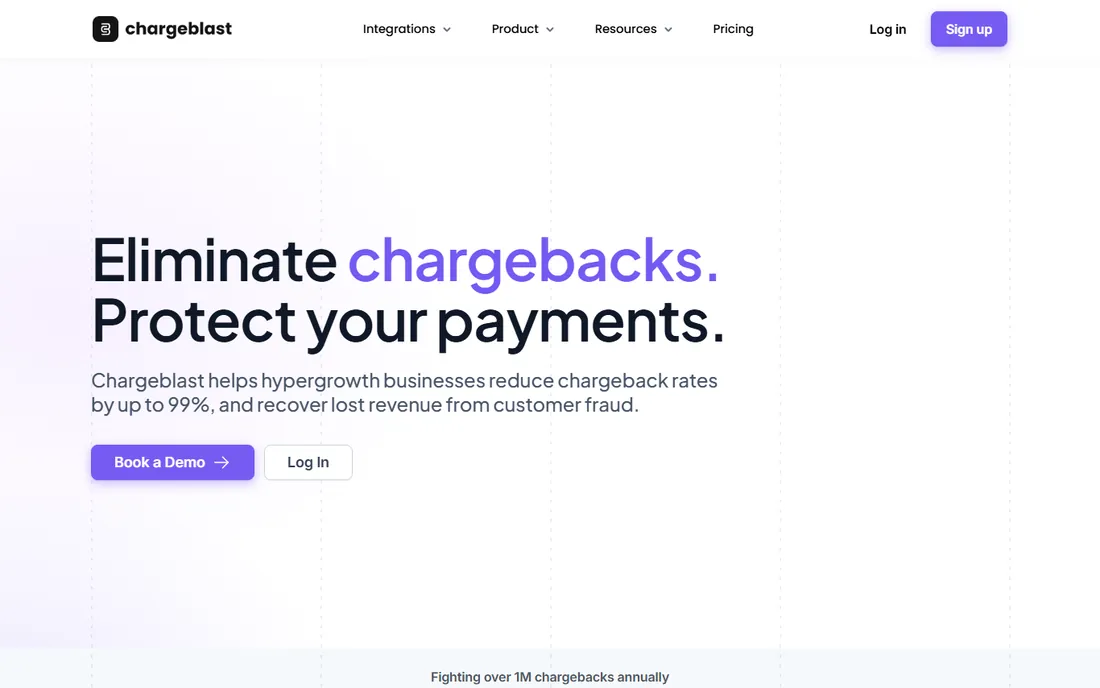
Chargeblast aims at the hypergrowth end of ecommerce: brands scaling fast on subscriptions, apps, and digital products, where chargebacks spike before the team has time to build a disputes process. Its suite covers alerts, AI-driven recovery, subscription deflection, and digital receipts that surface merchant details in banking apps to stop confusion-driven disputes.
The company reports fighting over a million chargebacks a year and publishes strong reduction figures. Setup is quick (the site claims minutes to sign up), and there are no setup fees or retainers. The honest caveat is vendor age: founded in 2023, it does not have the decade of case studies that Chargebacks911 or Chargeback Gurus can show. For a growing brand that values speed and modern tooling over a long paper trail, that is an acceptable trade.
What we like- Alerts plus recovery plus digital receipts in one suite
- Subscription-specific deflection tools
- No setup fees or monthly retainers
Watch out for- Newer vendor, so long-term case studies are thinner
- Pricing details require a conversation
#7
Verifi
Best for: Visa dispute prevention at the network level
Visit verifi.com
Starting priceSee website
Free planNo
Verifi is the reason half the tools on this list can offer prevention at all. Acquired by Visa in 2019, it runs the networks that warn merchants about pending disputes: CDRN routes the alert to you for a manual refund decision, RDR resolves matching disputes automatically on rules you define, and Order Insight shares transaction details with issuers at the inquiry stage.
Most merchants will never contract with Verifi directly. You get its products through your processor or through vendors like Chargeflow, Chargeblast, and Disputifier, which bundle the alerts into their platforms. It belongs on this list because understanding the network layer explains what you are actually buying when a vendor sells you "prevention." If your card mix is Visa-heavy, make sure whatever you buy includes Verifi coverage.
What we like- Direct access to Visa's CDRN alerts, Rapid Dispute Resolution and Order Insight
- Stops disputes before they become chargebacks
- Backed by Visa
Watch out for- Not a standalone merchant tool, enrollment usually runs through a partner
- Covers Visa, with limited non-Visa coverage
#8
Ethoca
Best for: Mastercard dispute alerts and issuer collaboration
Visit ethoca.com
Starting priceSee website
Free planNo
Ethoca is the Mastercard-side mirror of Verifi. Acquired by Mastercard in 2019, it connects issuers and merchants so that confirmed fraud and dispute signals reach you in minutes instead of weeks. That window is what lets you stop fulfillment or issue a refund before the dispute becomes a chargeback that counts against your ratio.
Its Consumer Clarity product pushes rich purchase details into cardholders' banking apps, which attacks the large share of disputes caused by simple transaction confusion. Like Verifi, most merchants access Ethoca through a partner rather than directly. The practical takeaway: if Mastercard makes up a meaningful share of your sales, confirm your prevention stack includes Ethoca alerts, not just Visa coverage.
What we like- Near real-time fraud and dispute alerts from issuers
- Consumer Clarity reduces confusion-driven disputes
- Mastercard reported 39M+ chargebacks prevented in 2025
Watch out for- Mastercard-focused, so Visa volume needs separate coverage
- Enrollment typically goes through a partner
How we chose
We evaluated these tools from vendor pricing pages, product documentation, public review platforms (G2, Capterra, the Shopify App Store), and payments industry publications. We checked that every product is actively sold today, noted which ones were acquired or rebranded (Verifi and Ethoca are now Visa and Mastercard companies), and favored vendors that publish pricing or pricing models over those that hide everything behind sales calls. We did not run test transactions or claim hands-on testing.
What to check before you sign
Start with your dispute mix, not the vendor list. Pull the last 90 days of chargebacks and split them by reason code and card brand. If most of your disputes are true fraud on Mastercard, alert coverage matters more than representment. If they are friendly fraud on subscriptions, you need a vendor that fights those cases well and helps you fix the cancellation flow that causes them.
Ask every vendor four questions. First, which networks and reason codes are covered, and what happens to the ones that are not. Second, whether alert fees apply per alert received or per alert that actually prevents a chargeback (the difference can double your bill). Third, what your win rate looks like in your industry specifically, not across the vendor's whole client base. Fourth, what the contract requires: minimums, term length, and who owns the integrations if you leave.
One more thing buyers miss: a won representment returns the money, but the dispute still counted against your chargeback ratio. Fighting disputes never lowers the ratio that puts your merchant account at risk. Only prevention does that. Budget for both.
Pricing models, explained
This category has four pricing shapes, and each one changes your incentives. Percentage of recovered revenue (Chargeflow at 25 percent, Disputifier at 20 percent) costs nothing when you lose and gets expensive when you win big. Flat monthly fees are predictable but can feel wasteful in quiet months. Per-alert fees charge you every time the network sends a signal, so ask how duplicates and false positives are credited. Enterprise retainers plus success fees are the most expensive to start and often the cheapest per dispute at very high volumes.
Watch for the extras that do not appear in the headline number: onboarding fees, per-processor connection charges, and minimum monthly commits. Get the total cost modeled at your actual dispute volume before you sign, not at the vendor's example volume.
Frequently asked questions
What is chargeback management software?
It is software that handles payment disputes on a merchant's behalf. It pulls transaction and delivery data, submits evidence to issuers during representment, manages prevention alerts from the card networks, and reports on dispute trends. Some products are fully automated, others pair software with human analysts.
How much does chargeback management software cost?
Most vendors charge either a percentage of recovered revenue (commonly 15 to 25 percent) or a per-alert fee for prevention (often in the $25 to $40 range per alert). Enterprise services add retainers or monthly minimums. Self-serve tools for small merchants start with no upfront cost.
What is the difference between alerts and representment?
Alerts warn you about a pending dispute so you can refund it before it becomes a chargeback. Representment fights a chargeback that was already filed, submitting evidence to reverse it. Alerts protect your chargeback ratio. Representment recovers money. You need both for full coverage.
What is friendly fraud?
Friendly fraud is when a real cardholder disputes a legitimate purchase, either by mistake (not recognizing the billing descriptor) or on purpose (claiming an item never arrived when it did). Industry estimates put friendly fraud at the majority of chargebacks, and it is the hardest type to fight because the transaction itself was authorized.
Can I manage chargebacks myself without software?
Yes, up to a point. Your processor's dashboard lets you respond to individual disputes, and that works when you get a handful per month. It breaks down when volume grows, deadlines get missed, or disputes span multiple processors. That is usually when merchants start shopping for software.
Do chargeback alerts cover all card brands?
No. Verifi (Visa) and Ethoca (Mastercard) cover the two networks behind most disputes. American Express has no equivalent third-party alert network, so Amex disputes cannot be deflected the same way. Check your card mix before budgeting for alerts.
Sources we checked (11)
- https://chargebacks911.com
- https://www.chargeflow.io/smb-demo-v1
- https://justt.ai/frequently-asked-questions/
- https://www.chargebackgurus.com
- https://www.disputifier.com/post/what-are-chargebacks-on-shopify
- https://chargeblast.com
- https://verifi.com/
- https://ethoca.com/
- https://www.osfin.ai/blog/chargeback-management-software
- https://www.chargemate.tech/chargeback-management-service
- https://www.mastercard.com/us/en/news-and-trends/Insights/2026/how-ethoca-helps-prevent-chargebacks-reduce-revenue-loss-and-improve-customer-experience.html
Is your product missing or out of date?
We review this list regularly. Vendors can request a listing, send updated pricing or ask about featured placement.

Shihab Mia · Founder, Rankite
Shihab has spent more than a decade helping SaaS and e-commerce brands grow through search. He writes Rankite's software buying guides from pricing pages, documentation and public user reviews. More about Shihab.