How we make this list: we compare pricing pages, product documentation and public user reviews. Rankite is independent; if a vendor ever pays for a featured spot, that listing is clearly labeled Partner.
Key takeaways
- Jira remains the scrum standard for software teams, with depth no competitor matches.
- monday.com, ClickUp, and Shortcut offer friendlier paths for teams that find Jira heavy.
- Azure DevOps suits Microsoft-centric engineering organizations.
- Taiga, Zoho Sprints, and Digital.ai cover open-source, budget, and scaled-agile needs.
Quick comparison
| Tool | Best for | Starting price | Free plan |
|---|
 Jira Jira | software teams, scrum depth | See website | Free trial |
 monday.com monday.com | visual agile workflows | See website | Free trial |
 ClickUp ClickUp | all-in-one productivity | See website | Free trial |
 Azure DevOps Azure DevOps | Microsoft engineering orgs | See website | Free trial |
 Taiga Taiga | open-source agile | Free | Yes |
 Zoho Sprints Zoho Sprints | affordable scrum for small teams | See website | Free trial |
 Shortcut Shortcut | streamlined sprint management | See website | Free trial |
 Digital.ai Digital.ai | scaled agile (SAFe) | See website | No |
Is your product missing or out of date?
We review this list regularly. Vendors can request a listing, send updated pricing or ask about featured placement.
The best agile scrum software
Starting priceSee website
Free planFree trial
Jira is the tool most software teams mean by scrum software. Backlogs, sprint planning, boards, burndown charts, velocity tracking, and release management are all here with a depth refined over two decades. The workflow customization handles virtually any process.
The ecosystem is unmatched: thousands of apps extend Jira into test management, time tracking, roadmapping, and more. Integration with Bitbucket, GitHub, and CI systems ties code to issues automatically.
The depth is also the complaint. Poorly configured Jira becomes a bureaucratic maze, and small teams often find it heavier than their process needs. But configured well, with disciplined administration, Jira scales from startup to enterprise without replacement.
What we like- The deepest scrum feature set
- Massive ecosystem
- Scales to thousands
Watch out for- Complex to configure well
- Can feel heavy for small teams
Starting priceSee website
Free planFree trial
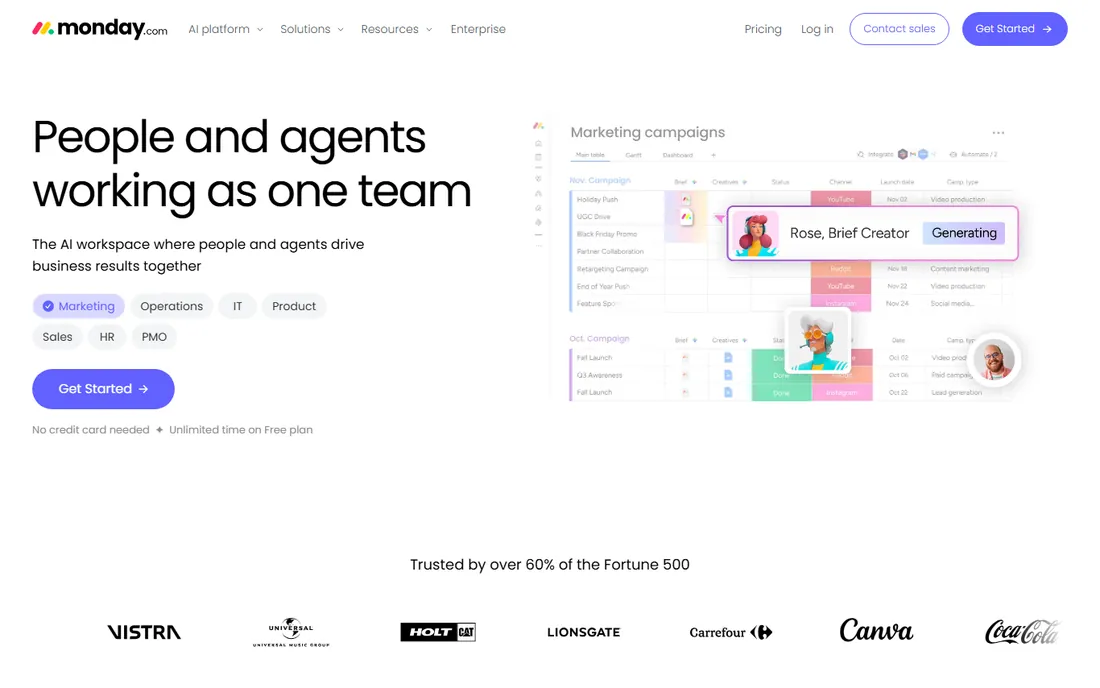
monday.com brings its visual, colorful approach to agile work. Sprint boards, backlogs, and dashboards are easy to build and pleasant to use, which drives the adoption that heavier tools struggle with.
The flexibility is the appeal: teams shape boards to their actual process rather than conforming to rigid scrum templates. Automations handle the routine status changes and notifications, and the dashboard views give stakeholders clarity without Jira training.
Scrum purists note the shallower agile-specific features: sprint analytics and agile reporting trail Jira. Per-user pricing adds up for larger teams. But for teams that want agile workflows people actually enjoy using, monday.com's approachability wins.
What we like- Beautiful and intuitive
- Flexible boards
- Good automations
Watch out for- Scrum features less deep
- Costs add up
Starting priceSee website
Free planFree trial
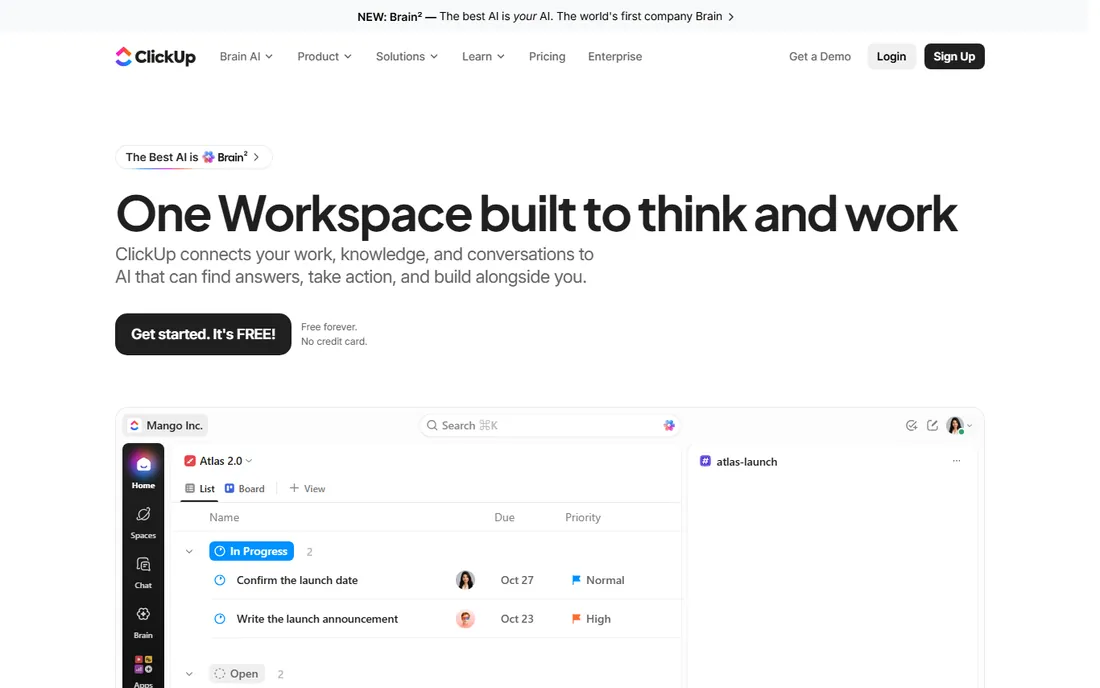
ClickUp's pitch is replacing your entire productivity stack: tasks, docs, goals, time tracking, and scrum boards in one platform. Agile teams get sprint planning, backlogs, burndown charts, and velocity tracking alongside everything else the team does.
The free tier is remarkably generous, making it the easiest tool to try seriously. Customization runs deep: custom fields, statuses, and views adapt to any process. For startups consolidating tools, the value is obvious.
Feature sprawl is the real complaint; the interface offers so much that newcomers feel lost. Performance occasionally lags under heavy use. But teams that commit to the platform and configure it thoughtfully get an unusual breadth of capability for the price.
What we like- Everything in one place
- Generous free tier
- Highly customizable
Watch out for- Feature sprawl overwhelms
- Performance occasionally lags
Starting priceSee website
Free planFree trial
Azure DevOps (formerly VSTS) is Microsoft's application lifecycle suite: Boards for scrum planning, Repos for Git, Pipelines for CI/CD, Test Plans, and Artifacts. Engineering organizations on Microsoft stacks get an integrated platform from planning to deployment.
The scrum support is solid: backlogs, sprint planning, boards, and burndown charts with the process customization enterprises expect. Integration with the Microsoft ecosystem, Teams, and Azure, works well.
The interface carries enterprise software DNA, and non-Microsoft shops find less to love. But for .NET teams and Microsoft-centric organizations, the integrated ALM story, with a generous free tier for small teams, is compelling.
What we like- Full ALM suite
- Excellent for .NET teams
- Generous free tier
Watch out for- Interface feels enterprise
- Less appealing outside Microsoft stacks
Starting priceFree
Free planYes
Taiga is the open-source agile platform that proves free software can be beautiful. Scrum boards, kanban, backlogs, epics, and burndown charts come in a clean interface that rivals commercial tools, with the code available for self-hosting.
Agile purists appreciate the thoughtful design: user stories, points, and sprints work the way the methodology intends. The community is active, and the hosted version offers a managed option for teams that prefer not to self-host.
The ecosystem is smaller than Jira's, with fewer integrations and plugins. Self-hosting means operational responsibility. But for teams that value open source, or need agile tooling without budget, Taiga is the genuine article.
What we like- Free and open source
- Clean scrum and kanban
- Self-hostable
Watch out for- Smaller ecosystem
- You manage hosting
#6
Zoho Sprints
Best for: affordable scrum for small teams
Visit zoho.com
Starting priceSee website
Free planFree trial
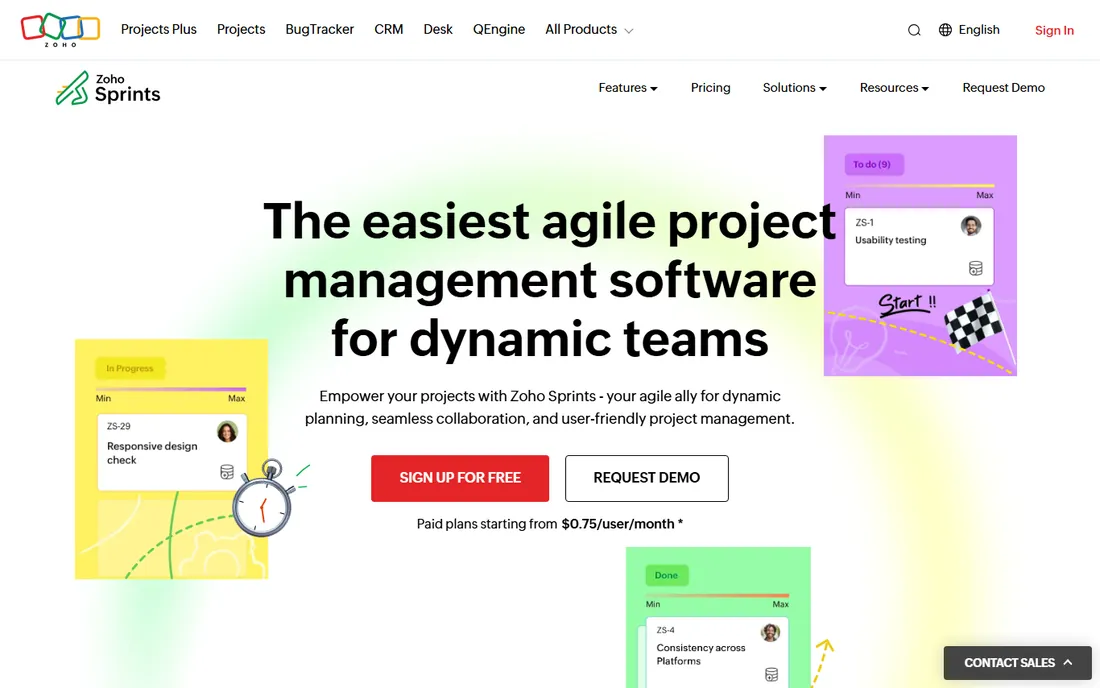
Zoho Sprints brings straightforward scrum tools at Zoho's characteristically fair pricing. Backlogs, sprint planning, boards, and burndown charts cover the methodology essentials without the configuration burden of heavier tools.
Zoho ecosystem users benefit most: the integration with Zoho Projects, CRM, and other Zoho apps creates continuity. Small teams get professional scrum tooling at prices that respect small budgets.
Depth trails Jira for complex needs, and the community is smaller. But for small teams that want to do scrum properly without enterprise software weight, Zoho Sprints hits the practical middle.
What we like- Affordable
- Clean scrum workflows
- Zoho ecosystem integration
Watch out for- Less depth than Jira
- Smaller community
Starting priceSee website
Free planFree trial
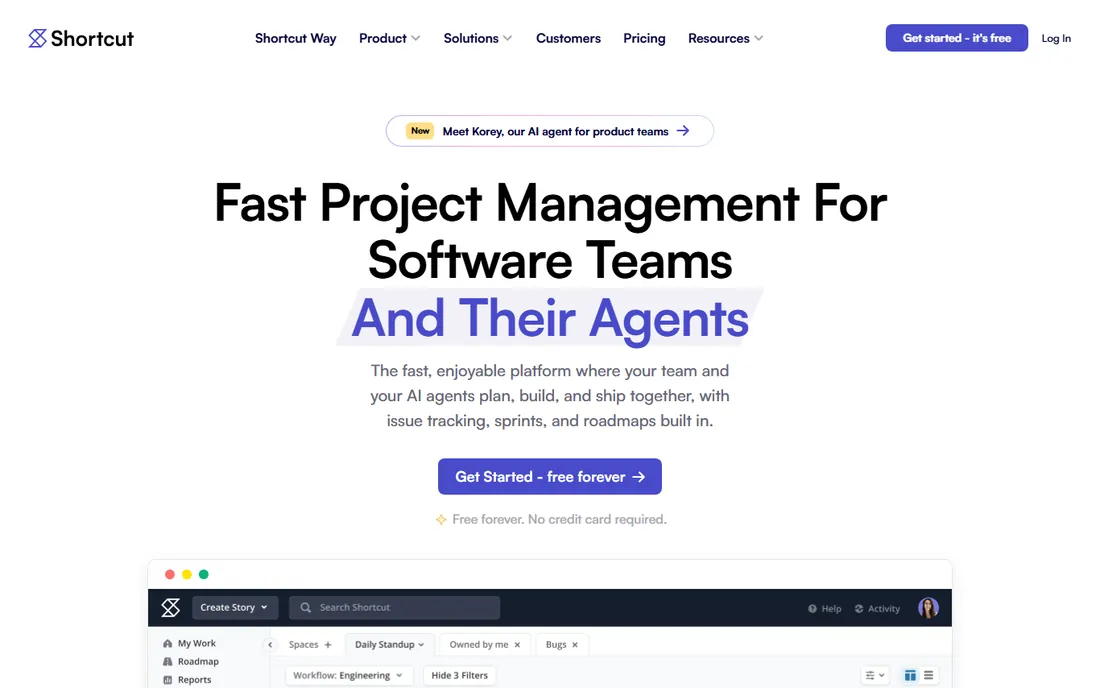
Shortcut (formerly Clubhouse) is scrum software for teams that found Jira exhausting. The interface is fast, the workflows are opinionated in good ways, and sprint planning, backlogs, and iteration tracking work without configuration projects.
Software teams appreciate the developer-centric details: GitHub integration, iteration analytics, and keyboard-driven speed. The product makes deliberate choices so teams do not have to, which most teams experience as relief.
Customization is intentionally limited; teams with unusual processes may chafe. The ecosystem is smaller than Atlassian's. But for software teams that want scrum tooling that stays out of the way, Shortcut's focus is refreshing.
What we like- Fast and focused
- Great for software teams
- Thoughtful UX
Watch out for- Less customizable
- Smaller ecosystem
Starting priceSee website
Free planNo
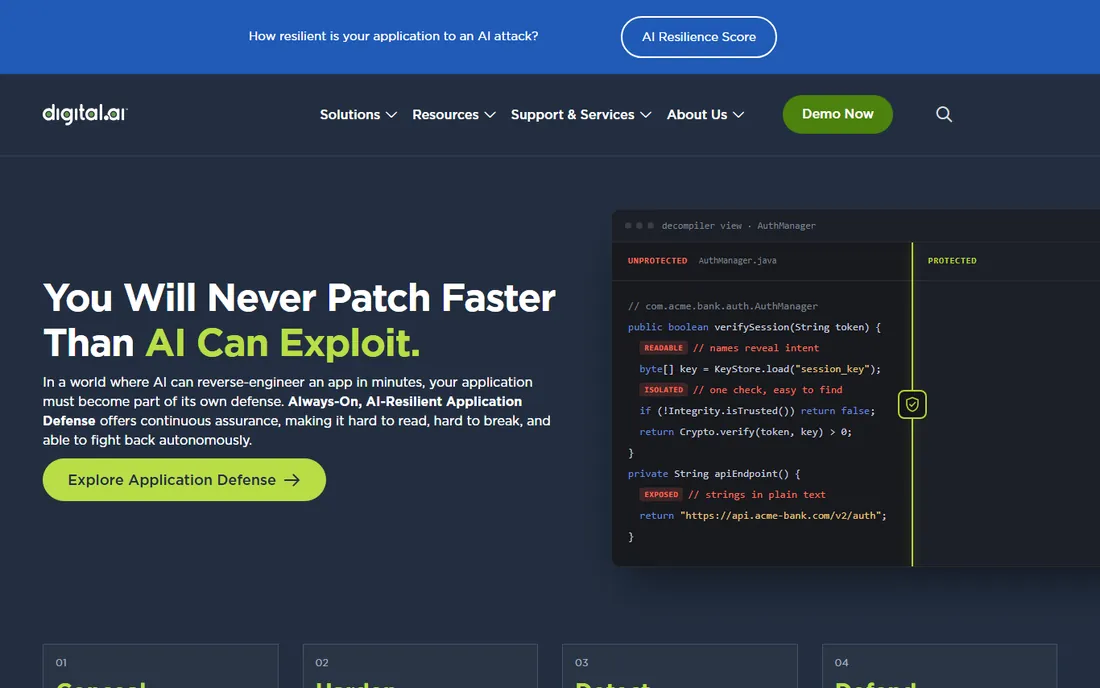
Digital.ai (which absorbed VersionOne) serves organizations practicing scaled agile: SAFe program increments, portfolio kanban, and coordination across many teams. Where single-team tools manage sprints, Digital.ai manages the planning events that align dozens of teams.
Enterprises running SAFe get purpose-built support: PI planning, program boards, dependency management, and the metrics that scaled frameworks require. The platform reflects deep experience with large agile transformations.
Single teams should look elsewhere; this is enterprise software with enterprise pricing. But for organizations where agile happens at the level of trains and portfolios, Digital.ai is built for exactly that scale.
What we like- Built for SAFe at scale
- Strong portfolio management
- Enterprise proven
Watch out for- Enterprise pricing
- Overkill for single teams
The tool never fixes a broken process. Teams with unclear backlogs, absent product owners, or skipped retrospectives get the same dysfunction in Jira as on sticky notes. Before evaluating software, confirm the team actually practices scrum.
That said, good tooling removes friction from good process. The right tool makes backlog refinement easy, sprint planning fast, and progress visible. Evaluate tools against your actual ceremonies: can the product owner groom the backlog efficiently, can the team plan a sprint in the tool, does the board reflect reality during standup.
Start with the simplest tool that supports your process. Complexity should follow need, not precede it. Many teams thrive on Taiga or Shortcut for years before needing anything more.
The metrics that matter
Velocity helps teams forecast; it is not a performance metric. Comparing velocity across teams or using it to pressure developers corrupts the data and the culture. Track it for planning, not for judgment.
Burndown charts show sprint health at a glance. Cumulative flow diagrams reveal bottlenecks. Cycle time measures real delivery speed. These three views tell you more about team health than any dashboard of vanity metrics.
The most important metric is qualitative: does the team ship reliably and improve continuously? No chart captures that, but retrospectives do. Tooling supports the conversation; it does not replace it.
Running better retrospectives
The retrospective is the highest-impact scrum ceremony, and most teams waste it. Structure it simply: what worked, what did not, one improvement to try next sprint. The tools track the action items; the conversation produces them.
Focus on systems, not people. "The deploy broke" leads to fixing the deploy pipeline; "Dave broke the deploy" leads to Dave hiding mistakes. Blameless retrospectives surface real causes and get honest participation.
Follow through visibly. Nothing kills retrospectives faster than action items that vanish. Review last sprint's improvements at the start of each retro, and celebrate the ones that worked. The team needs to see that speaking up changes things.
Backlog refinement that works
A healthy backlog is the product owner's gift to the team. Refine regularly: break large stories into sprint-sized pieces, clarify acceptance criteria, and keep two sprints of ready work at the top. The tools make this visible; the discipline makes it real.
Involve the team in estimation, not just the product owner. Planning poker or team discussion surfaces misunderstandings early, when they are cheap to fix. Stories everyone understands get built faster with fewer surprises.
Prune ruthlessly. Backlogs accumulate stale ideas that will never ship. Quarterly, delete or archive anything that no longer matters. A backlog of 50 relevant stories beats a backlog of 500 forgotten ones.
How we chose
We compared software that agile teams use for scrum: sprint planning, backlog management, and agile reporting, based on documentation, community adoption, and reviews on G2, Capterra, and developer forums. We covered the standard (Jira), friendlier alternatives, Microsoft's suite, open-source, budget, streamlined, and scaled-agile options. Pricing is typically tiered, so we link to vendors for current numbers.
Frequently asked questions
Do we need scrum-specific software or will a task manager work?
Task managers handle simple team coordination, but scrum's ceremonies, backlog estimation, sprint planning, velocity tracking, need purpose-built support as teams grow. Small teams can start simple; graduate when the process outgrows the tool.
How do we migrate from our current tool?
Export what you can, but expect manual cleanup. The bigger work is process: configure the new tool to your actual workflow, not the old tool's structure. Migrate between sprints, train the team, and run a retrospective after the first sprint on the new system.
Should the whole company use one agile tool?
Engineering usually needs depth that other departments do not. A common pattern: engineering on Jira or Shortcut, with other departments on lighter tools, connected by integrations. Forcing everyone onto one tool often satisfies nobody.
What about kanban vs. scrum tooling?
Most tools here support both. Scrum adds sprints, estimation, and planning ceremonies; kanban focuses on flow. Choose the methodology first, then confirm the tool supports it well. Many teams blend both.
How do we keep Jira from becoming a mess?
Governance: standardize project templates, limit custom fields, assign a Jira administrator, and review configurations quarterly. The tool's flexibility is the risk; discipline is the fix. Most Jira messes are organizational, not technical.
Sources we checked (8)
- https://www.atlassian.com/software/jira
- https://monday.com/
- https://clickup.com/
- https://azure.microsoft.com/en-us/products/devops
- https://taiga.io/
- https://www.zoho.com/sprints
- https://www.shortcut.com/
- https://digital.ai/
Is your product missing or out of date?
We review this list regularly. Vendors can request a listing, send updated pricing or ask about featured placement.

Shihab Mia · Founder, Rankite
Shihab has spent more than a decade helping SaaS and e-commerce brands grow through search. He writes Rankite's software buying guides from pricing pages, documentation and public user reviews. More about Shihab.