How we make this list: we compare pricing pages, product documentation and public user reviews. Rankite is independent; if a vendor ever pays for a featured spot, that listing is clearly labeled Partner.
Key takeaways
- ANY.RUN and Joe Sandbox lead interactive malware analysis with detailed behavioral reports.
- Hybrid Analysis offers free community-powered sandboxing backed by CrowdStrike intelligence.
- VMRay provides agentless detection that evades malware's anti-analysis techniques.
- FortiSandbox, Palo Alto WildFire, and Check Point SandBlast integrate sandboxing into security platforms.
- Cuckoo Sandbox remains the open-source option for teams wanting full control.
Detonate first, ask questions later
Malware analysis faces a fundamental challenge: understanding what malicious code does without letting it harm real systems. Sandboxes solve this by executing suspicious files in isolated virtual environments, monitoring every action: files created, registry changes, network connections, processes spawned. The behavioral report reveals the malware's intent without risking production infrastructure.
Modern sandboxes go beyond basic detonation. They defeat evasion techniques malware uses to detect virtual environments. They integrate with security operations, automatically analyzing attachments and URLs. They share threat intelligence across communities. And they scale to handle the volume modern SOCs face.
We compared eight sandbox platforms on analysis depth, evasion resistance, integration capabilities, and fit for different security teams. The evaluation emphasized real-world effectiveness against modern threats rather than marketing specifications, since the sandbox arms race rewards actual capability over claimed features.
Quick comparison
Is your product missing or out of date?
We review this list regularly. Vendors can request a listing, send updated pricing or ask about featured placement.
The best malware sandbox software in 2026
Starting priceSee website
Free planYes
ANY.RUN changed malware analysis with interactivity: analysts control the sandbox in real time, clicking through malware behavior as it happens rather than waiting for automated reports. The interface makes complex analysis accessible, and the community shares samples and insights. The free tier provides genuine capability for researchers and students.
Public submissions are visible to all, which concerns some organizations. Private options cost more. But the interactive approach teaches malware behavior intuitively, making ANY.RUN as much an educational tool as an analysis platform. The threat intelligence from community submissions benefits everyone.
For SOC analysts, researchers, and students, ANY.RUN's combination of power and accessibility is unmatched. The interactive model reveals malware behavior that automated reports miss, because analysts can probe and explore dynamically. The TI Lookup and YARA search capabilities help analysts connect samples to known campaigns and threat actors.
What we like- Interactive analysis, Great UI, Good free tier, Active community
Watch out for- Public submissions visible, Limited private options free, Can be slow at peak
Starting priceSee website
Free planNo
Joe Sandbox provides some of the deepest behavioral analysis available, with detailed reports covering every aspect of malware execution. The multi-platform support analyzes Windows, macOS, Linux, Android, and iOS. Enterprises and government agencies trust the thoroughness for serious threat analysis.
The depth comes with cost and complexity. But for organizations where understanding advanced threats matters, Joe Sandbox's comprehensiveness justifies the investment. The evasion resistance defeats sophisticated malware that detects lesser sandboxes.
Security researchers value the detailed API and the ability to customize analysis. Joe Sandbox is the professional's choice for deep malware understanding. The comprehensive reporting includes MITRE ATT&CK mapping, which helps teams understand adversary techniques in a standardized framework.
What we like- Extremely detailed reports, Good evasion resistance, Multiple platforms, Trusted by enterprises
Watch out for- Expensive, Complex, Overkill for simple needs
Starting priceFree
Free planYes
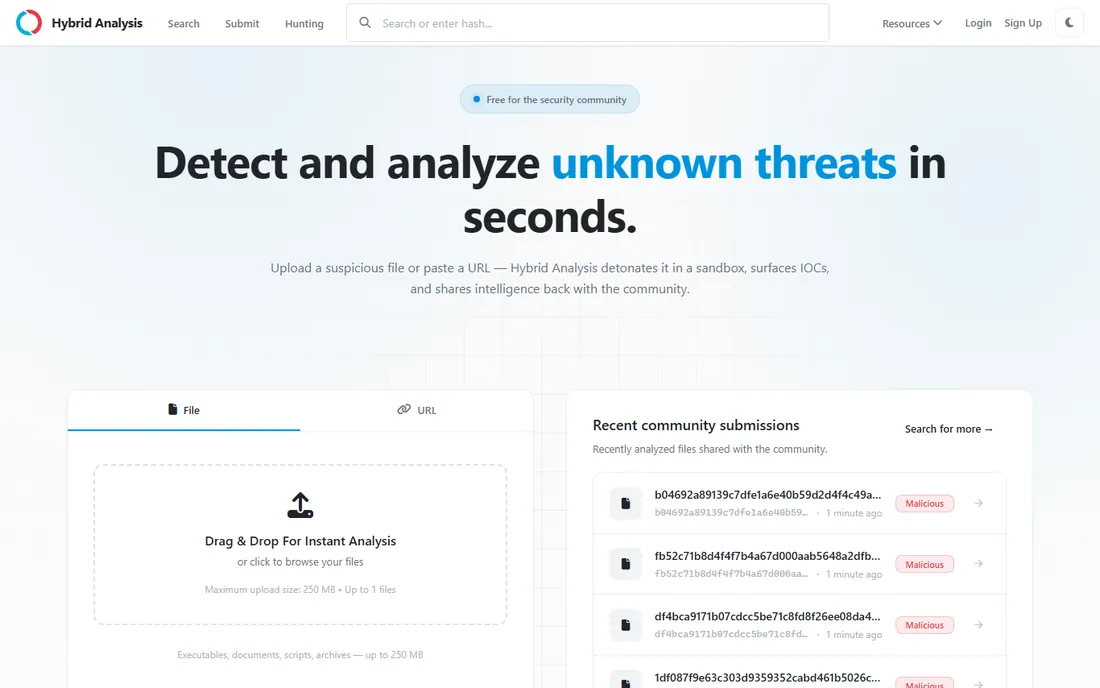
Hybrid Analysis, powered by CrowdStrike, offers free malware sandboxing with solid behavioral reports. The community contributes samples, building a large database of analyzed threats. For quick triage of suspicious files, the free service is invaluable.
Submissions are public by default, limiting sensitive use. But for general threat research and quick checks, Hybrid Analysis delivers professional results free. The CrowdStrike backing ensures quality and continued operation.
Every security team should know this resource. The free tier handles the common case of checking a suspicious attachment quickly. The integration with VirusTotal and other intelligence sources provides additional context for triage decisions.
What we like- Free to use, CrowdStrike backed, Good reports, Large sample database
Watch out for- Public by default, Less interactive, Limited private options
Starting priceSee website
Free planNo
VMRay's agentless approach monitors malware from the hypervisor level, invisible to the malicious code. This defeats the anti-analysis techniques that detect traditional sandboxes. Advanced persistent threats that evade other tools get caught by VMRay's stealth.
The technology commands premium pricing and requires expertise. But for organizations facing sophisticated adversaries, the evasion resistance is essential. When malware knows it is being watched, it behaves; VMRay ensures it does not know.
Government and enterprise security teams dealing with targeted attacks need this capability. The investment reflects the threat level. VMRay's ability to analyze without agents means even kernel-level malware cannot detect the monitoring, which is critical for advanced threat analysis.
What we like- Agentless monitoring, Excellent evasion resistance, Detailed analysis, Enterprise grade
Watch out for- Expensive, Complex deployment, Overkill for basic needs
Starting priceSee website
Free planNo
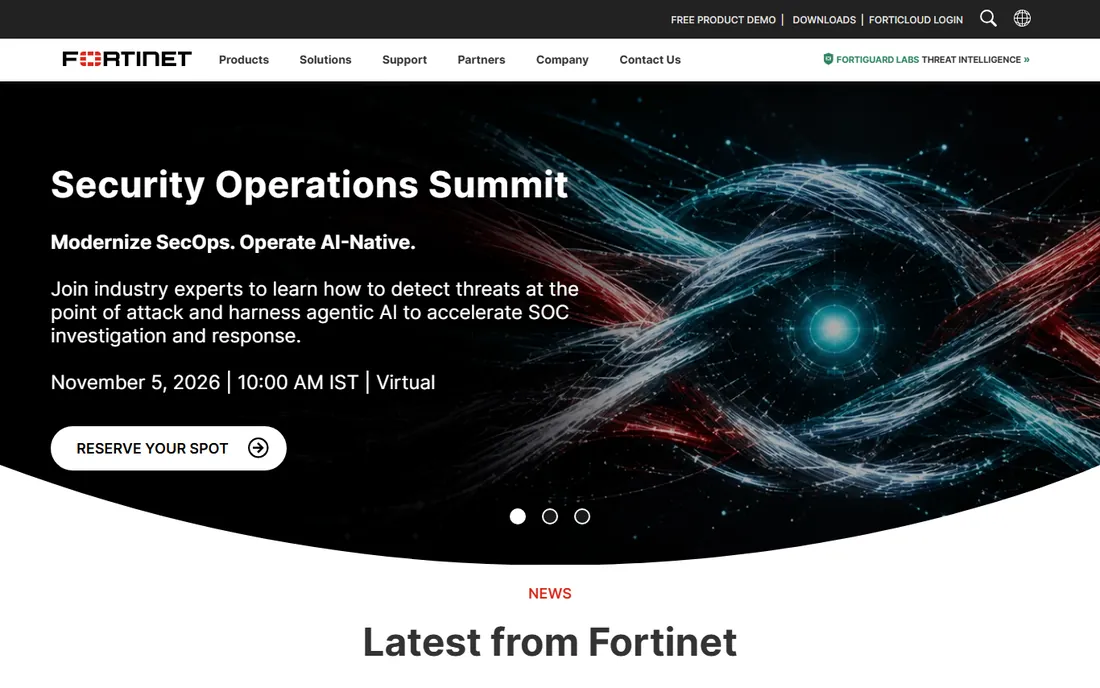
FortiSandbox integrates malware analysis into Fortinet's security fabric, automatically detonating suspicious files from firewalls, email, and endpoints. The ecosystem integration means threats detected anywhere get analyzed centrally. Fortinet shops get sandboxing that works natively with their existing infrastructure.
Standalone value is limited; the product shines within Fortinet deployments. But the automated pipeline from detection to analysis to response is powerful. Security operations become more efficient. Fortinet shops get integrated sandboxing that works with their existing infrastructure.
For Fortinet enterprises, FortiSandbox is the natural sandbox choice. The integration eliminates manual handoffs. The inline blocking mode can hold suspicious files until verdicts arrive, which prevents patient-zero infections in enterprise networks.
What we like- Fortinet ecosystem, Good automation, Solid analysis, Enterprise support
Watch out for- Fortinet-centric, Less standalone, Complex licensing
Starting priceSee website
Free planNo
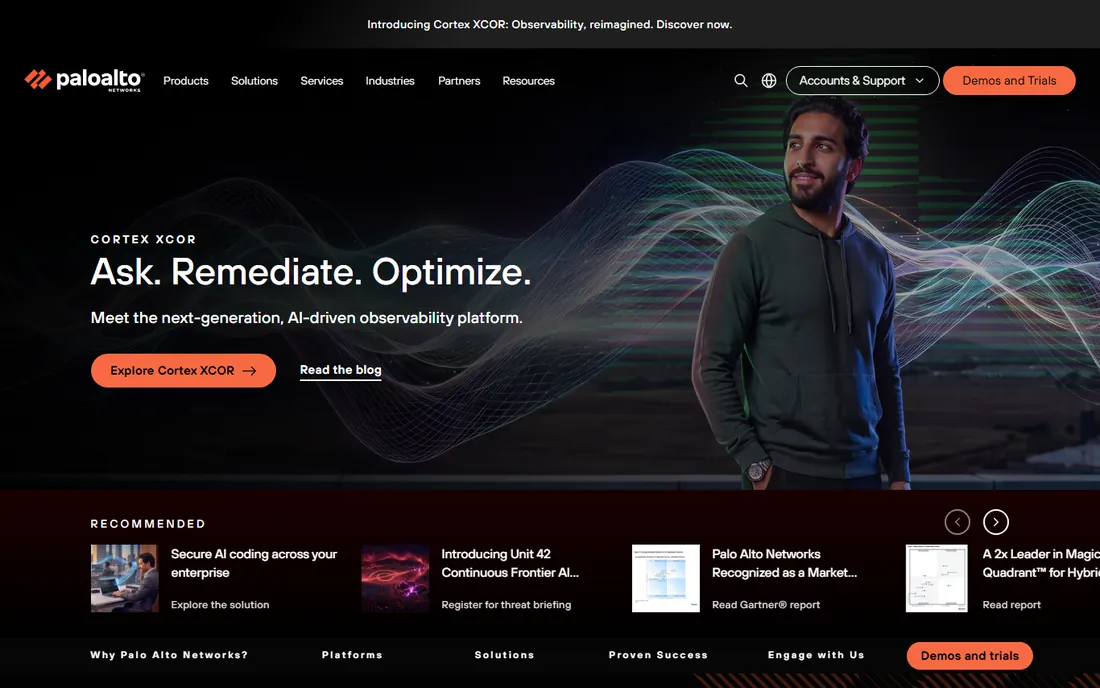
WildFire provides cloud-based malware analysis tightly integrated with Palo Alto Networks products. Suspicious files from firewalls and endpoints detonate automatically, with verdicts distributed across the ecosystem in minutes. The scale of Palo Alto's deployment generates massive threat intelligence.
Non-Palo Alto shops gain less. But within the ecosystem, WildFire's automation and intelligence sharing are excellent. The cloud architecture scales effortlessly.
Palo Alto customers should enable WildFire; the protection improvement is significant for minimal effort. The global intelligence network means a file analyzed anywhere protects everyone, which creates powerful collective defense.
What we like- Excellent integration, Cloud-scale analysis, Good intelligence, Trusted
Watch out for- Palo Alto centric, Costs add up, Less for non-customers
Starting priceSee website
Free planNo
SandBlast brings sandboxing to Check Point deployments, with threat extraction that delivers safe file versions while analysis completes. The integration with Check Point's security architecture provides coordinated defense. Enterprises standardized on Check Point get capable sandboxing.
The ecosystem binding limits broader appeal. But Check Point customers benefit from the tight integration. The threat extraction feature uniquely balances security and productivity.
For Check Point shops, SandBlast completes the security architecture logically. The emulation technology inspects files before they reach users, which prevents the initial compromise that leads to breaches.
What we like- Good Check Point fit, Threat extraction, Solid analysis, Enterprise proven
Watch out for- Ecosystem bound, Less standalone appeal, Complex
Starting priceFree
Free planYes
Cuckoo Sandbox is the open-source malware analysis system, giving teams complete control over their sandboxing. Researchers customize every aspect, integrate with their workflows, and avoid vendor costs. The community contributes improvements and signatures.
The expertise requirement is significant; deployment and maintenance need skilled staff. But the control and cost, free, appeal to research teams and budget-conscious organizations. Cuckoo powers many custom analysis pipelines.
For teams with the skills to run it, Cuckoo Sandbox provides professional capability without licensing costs. The modular architecture allows custom analysis packages for specific threat types, which researchers value for specialized investigations.
What we like- Free and open source, Fully customizable, Great for research, Community
Watch out for- Requires expertise, Manual setup, Less polished
How we chose
We evaluated analysis depth, evasion resistance, and practical usability. Tools were judged on their ability to handle modern malware with anti-analysis techniques. Integration with security operations mattered for enterprise tools.
We weighted real detection effectiveness over feature lists. The community and intelligence aspects counted for the shared platforms. We also considered the quality of API documentation and integration options, since sandboxes deliver most value when embedded in automated security workflows.
Using sandboxes effectively
Start with triage discipline. Not every file needs deep analysis; use the sandbox for genuinely suspicious items. The free tools handle quick checks, while deep analysis serves confirmed threats. Establish clear criteria for escalation so analysts know when to invest in thorough investigation.
Then integrate with your security stack. Automated submission from email gateways and endpoints multiplies the sandbox's value. Manual uploads catch only what analysts notice. The integration should include automatic verdict sharing so detection systems learn from analysis results without human intervention.
Finally, share intelligence responsibly. Community platforms improve with contributions, but sanitize sensitive samples. The collective defense benefits everyone when done carefully. Establish clear policies about what can be submitted to public sandboxes versus what requires private analysis.
One practical tip: pricing pages change often, so confirm the current plan details on the vendor's own site before you commit. Most of the tools above offer a free trial or a free tier, and running a short pilot with your real data is the fastest way to judge fit.
Frequently asked questions
What is malware sandboxing?
Executing suspicious files in isolated environments to observe behavior safely. The sandbox monitors actions like file changes and network connections, revealing malicious intent without risking real systems.
Can malware detect sandboxes?
Yes, sophisticated malware uses evasion techniques. Modern sandboxes like VMRay and Joe Sandbox specifically counter these. The arms race continues, favoring advanced tools. Regular testing of your sandbox against known evasive samples helps ensure it remains effective. Threats evolve constantly, so sandbox capabilities require periodic reassessment. What worked against last year's malware may miss new evasion techniques. Budget for sandbox evaluation as part of your annual security review cycle to maintain effectiveness against evolving threats year after year.
Do we need a sandbox if we have antivirus?
Yes for serious security. Antivirus catches known threats; sandboxes analyze unknown files behaviorally. The combination provides defense in depth. Modern attacks specifically target gaps between signature detection and behavioral analysis, which is exactly where sandboxes add value.
How do sandboxes integrate with SOC workflows?
Through APIs and security platform integrations. Suspicious files from alerts automatically detonate, with verdicts feeding back into SIEM and response workflows. The best integrations enrich alerts with behavioral context that helps analysts prioritize effectively.
Is free sandboxing safe?
Reputable free services like Hybrid Analysis and ANY.RUN are safe for general use. Avoid uploading highly sensitive files to public services; use private options for confidential analysis. Check the terms of service to understand data retention and sharing policies before submitting samples.
Sources we checked (8)
- https://www.any.run/
- https://www.joesandbox.com/
- https://www.hybrid-analysis.com/
- https://www.vmray.com/
- https://www.fortinet.com/
- https://www.paloaltonetworks.com/
- https://www.checkpoint.com/
- https://www.cuckoosandbox.org/
Is your product missing or out of date?
We review this list regularly. Vendors can request a listing, send updated pricing or ask about featured placement.

Shihab Mia · Founder, Rankite
Shihab has spent more than a decade helping SaaS and e-commerce brands grow through search. He writes Rankite's software buying guides from pricing pages, documentation and public user reviews. More about Shihab.
 ANY.RUN
 Joe Sandbox
 Hybrid Analysis
 VMRay
VMRay FortiSandbox
 Palo Alto WildFire
 Check Point SandBlast
 Cuckoo Sandbox