How we make this list: we compare pricing pages, product documentation and public user reviews. Rankite is independent; if a vendor ever pays for a featured spot, that listing is clearly labeled Partner.
Key takeaways
- Tenable One and Qualys lead for continuous exposure assessment.
- CrowdStrike Falcon Exposure Management ties exposures to endpoint context.
- Wiz dominates cloud exposure management for cloud-native teams.
- Palo Alto's Cortex Xpanse covers external attack surface plus exposures.
- Rapid7, XM Cyber, and Balbix round out strong specialist options.
What exposure management means
Exposure management is the continuous practice of finding every way an attacker could reach your critical assets, then fixing the riskiest paths first. It unifies vulnerability management, attack surface monitoring, and security validation into one program, often called Continuous Threat Exposure Management.
The shift from periodic scans to continuous management matters because environments change constantly: new cloud resources, new code, new identities. Point-in-time assessments miss what continuous platforms catch.
Pricing is quote-based and enterprise-grade. Demos and proof-of-value pilots are the standard path.

#1
Tenable One
Best for: Enterprises standardizing exposure management
Visit tenable.com
Starting priceSee website
Free planNo, demo available
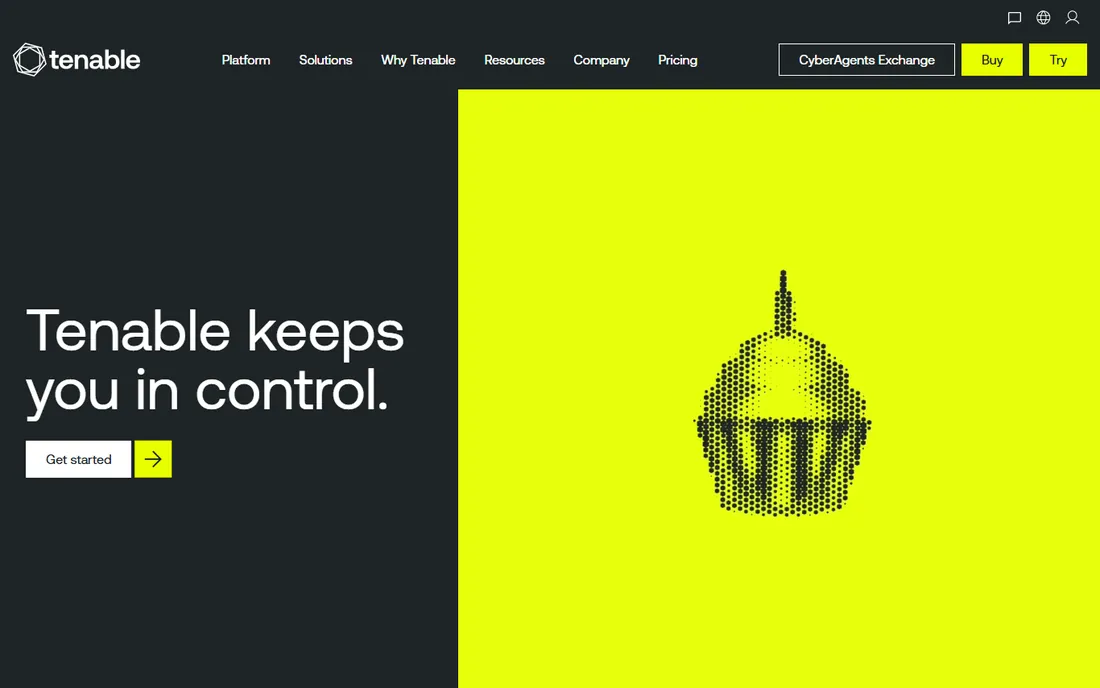
Tenable One unifies vulnerability management, cloud security, and attack surface data into exposure scores that tell teams what to fix first. The prioritization, weighing exploitability against asset criticality, is the core value.
Coverage spans IT, cloud, OT, and identities, which suits complex enterprises. The Nessus heritage means the scanning depth is proven.
It is an enterprise purchase in price and effort. For organizations standardizing exposure management, Tenable One is the category reference.
What we like- Broadest asset coverage
- Strong vulnerability heritage
- Good prioritization
- Large customer base
Watch out for- Enterprise pricing
- Can be complex
- The platform breadth needs learning

#2
CrowdStrike Falcon Exposure Management
Best for: CrowdStrike customers adding exposure context
Visit crowdstrike.com
Starting priceSee website
Free planNo, demo available
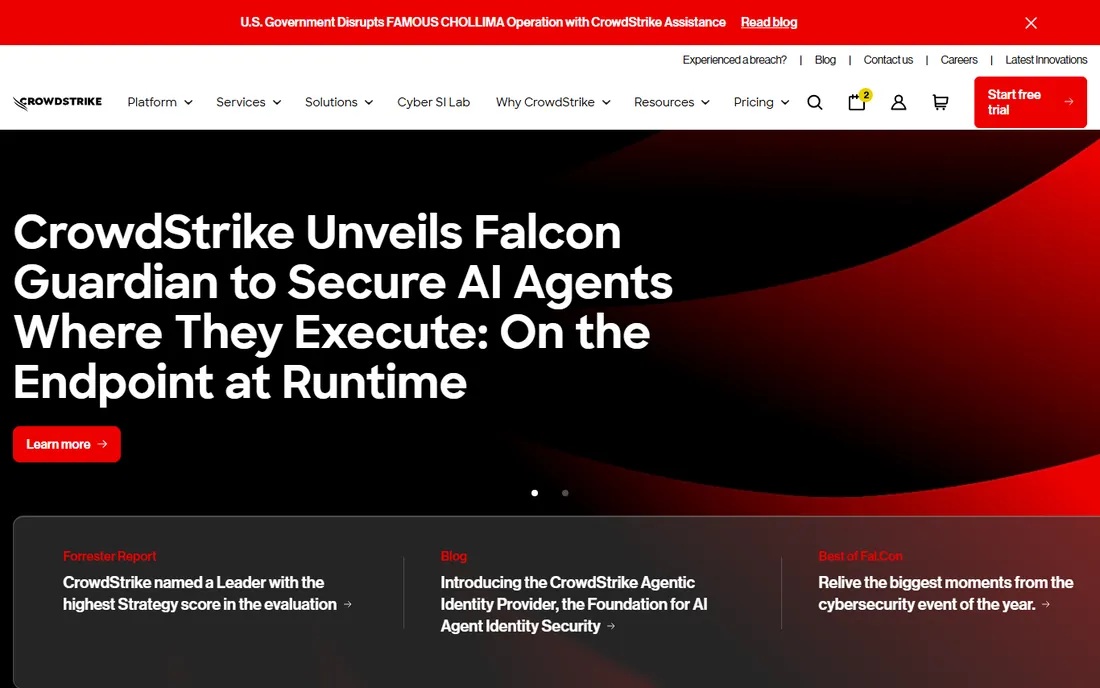
Falcon Exposure Management layers exposure assessment onto CrowdStrike's endpoint platform, showing which vulnerabilities actually matter given real endpoint context and threat intelligence. Attack path analysis reveals how exposures chain toward critical assets.
For Falcon customers, the integration means exposures appear alongside detections in one console. The threat intelligence connection prioritizes what attackers actually exploit.
Outside the Falcon ecosystem the value proposition thins. Inside it, the context makes prioritization dramatically better.
What we like- Rich endpoint context
- Attack path analysis
- Integrates with Falcon platform
- Strong threat intelligence
Watch out for- Best inside CrowdStrike ecosystem
- Pricing is enterprise-grade
- Standalone value less

#3
Wiz
Best for: Cloud-native teams managing cloud exposures
Visit wiz.io
Starting priceSee website
Free planNo, demo available
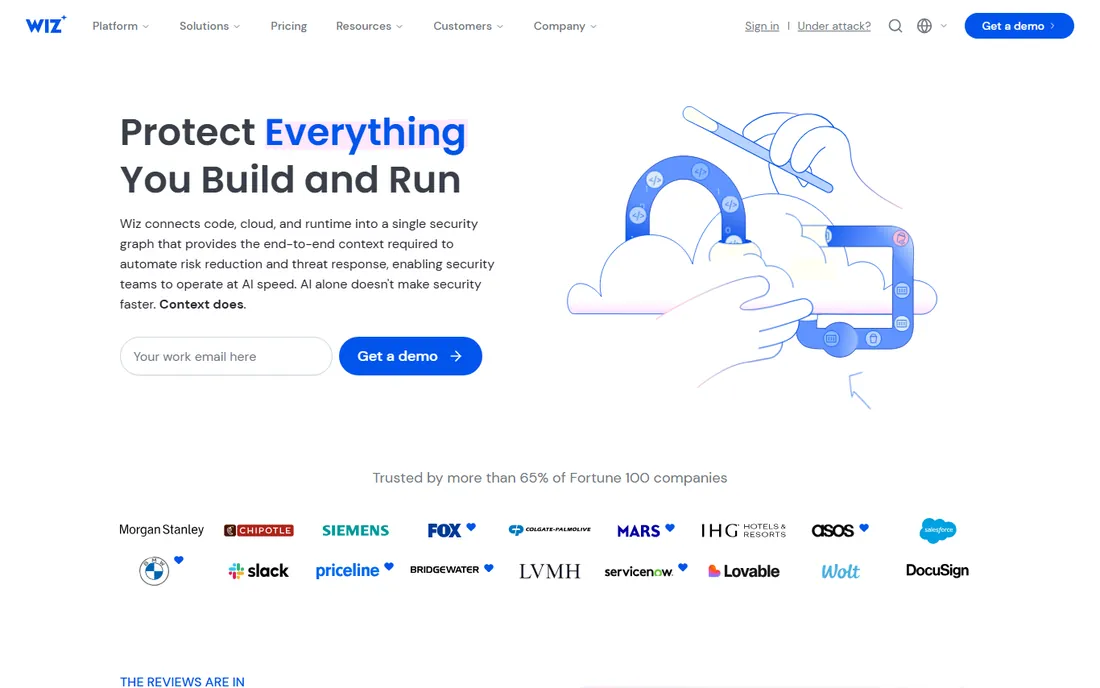
Wiz gives cloud teams complete visibility without agents: connect cloud accounts and see every resource, vulnerability, misconfiguration, and identity risk in one graph. The toxic combination detection, finding risky paths attackers could chain, is the standout.
Deployment takes hours, not months, which is why cloud-native companies adopted it so fast. Prioritization cuts through the noise of thousands of findings.
On-premise estates need other tools. For cloud exposure management, Wiz defined the modern approach.
What we like- Agentless cloud visibility
- Excellent risk prioritization
- Fast deployment
- Loved by cloud teams
Watch out for- Cloud-focused, less for on-prem
- Pricing scales with cloud spend
- Google acquisition context
Starting priceSee website
Free planNo, demo available

Cortex Xpanse continuously discovers internet-facing assets, including the shadow IT nobody told security about, and manages exposures from the outside-in perspective attackers actually use. Unknown assets get found and assessed automatically.
Remediation workflows assign exposures to owners with context, and the Cortex platform integration connects external findings to internal security operations. The approach complements inside-out vulnerability management.
Pricing is enterprise and the full value comes with Palo Alto adoption. For attack surface management, Xpanse is a leader.
What we like- Excellent external attack surface discovery
- Strong remediation workflows
- Part of Cortex platform
- Global threat intel
Watch out for- Enterprise pricing
- Best as part of Palo Alto stack
- Complexity
Starting priceSee website
Free planNo, demo available
Qualys built the cloud vulnerability management category and extended into full exposure management with attack surface and prioritization. The cloud agent model gives continuous visibility without scan windows.
Compliance and policy auditing are strong, which matters for regulated industries. The TruRisk scoring prioritizes by business impact.
The interface feels older than Wiz or Tenable One. For organizations wanting proven VM depth with exposure management on top, Qualys remains formidable.
What we like- Deep vulnerability management
- Broad cloud agent coverage
- Good compliance features
- Long track record
Watch out for- Interface dated
- Enterprise pricing
- The suite can overwhelm
Starting priceSee website
Free planNo, demo available
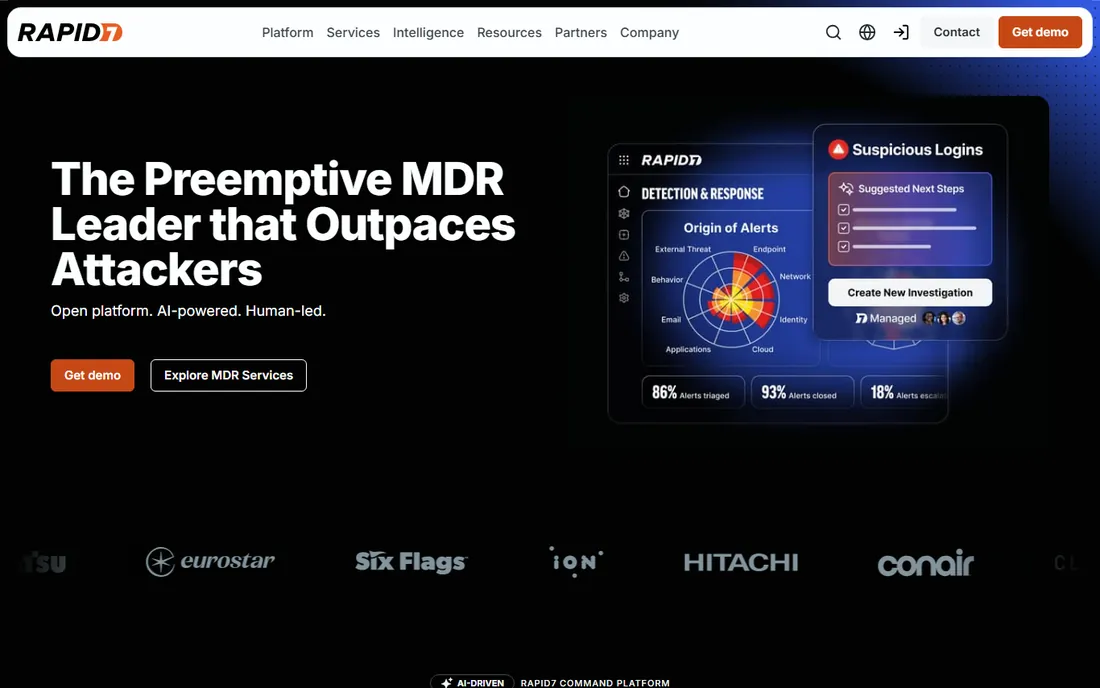
Rapid7's Insight platform combines vulnerability management, attack surface monitoring, and detection in one place. InsightVM's risk scoring and automation suit teams that want exposure management without enterprise-suite complexity.
The mid-market positioning makes it accessible to companies that find Tenable or Qualys heavy. Automation and integrations keep lean teams productive.
The deepest specialists go further in their niches. As a balanced exposure platform, Rapid7 is the pragmatic choice.
What we like- Good InsightVM foundation
- Attack surface and ASM
- Reasonable for mid-market
- Solid automation
Watch out for- Depth trails top specialists
- Pricing is quote-based
- The suite breadth needs navigation
Starting priceSee website
Free planNo, demo available
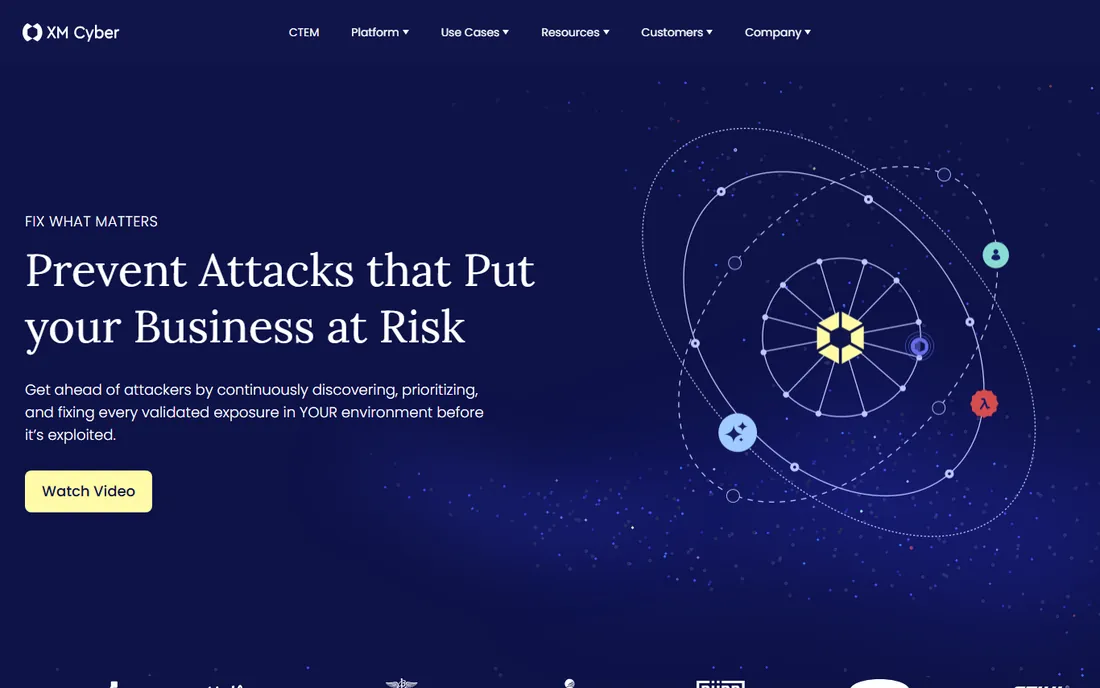
XM Cyber models attack paths continuously: given current vulnerabilities, misconfigurations, and identities, which routes could attackers actually take to crown jewels. That path-centric view prioritizes fixes by real risk.
The platform validates exposures rather than just listing them, cutting the false-positive fatigue of traditional scanning. Enterprise security teams use it to focus remediation where it matters.
It is an enterprise tool with enterprise process needs. For attack path management specifically, it is among the best.
What we like- Excellent attack path modeling
- Continuous validation
- Good for prioritizing
- Schwarz Group backing
Watch out for- Enterprise focus
- Pricing is quote-based
- Needs integration effort
Starting priceSee website
Free planNo, demo available
Balbix applies AI to unify asset inventory and prioritize exposures by predicted breach risk, with reporting that translates technical findings into business risk language boards understand. The automation reduces analyst toil.
The risk modeling goes beyond CVSS scores to consider exploitability and business context. CISOs like the executive-ready view of the program.
As a smaller vendor, reference customers matter. For AI-driven prioritization with board reporting, Balbix is innovative.
What we like- Strong AI risk modeling
- Good board-level reporting
- Unified asset inventory
- Innovative approach
Watch out for- Smaller vendor
- Pricing is quote-based
- Ecosystem less mature
Quick comparison
| Tool | Best for | Starting price | Free plan |
|---|
| Tenable One | Enterprises standardizing exposure management | See website | No, demo available |
| CrowdStrike Falcon Exposure Management | CrowdStrike customers adding exposure context | See website | No, demo available |
| Wiz | Cloud-native teams managing cloud exposures | See website | No, demo available |
 Palo Alto Networks (Cortex Xpanse) Palo Alto Networks (Cortex Xpanse) | External attack surface plus exposure management | See website | No, demo available |
 Qualys Qualys | Comprehensive VM plus exposure management | See website | No, demo available |
 Rapid7 Rapid7 | Mid-market to enterprise exposure programs | See website | No, demo available |
 XM Cyber XM Cyber | Attack path management and validation | See website | No, demo available |
 Balbix Balbix | AI-driven exposure prioritization | See website | No, demo available |
Is your product missing or out of date?
We review this list regularly. Vendors can request a listing, send updated pricing or ask about featured placement.
How we chose
We selected platforms with real exposure management products and security teams running them in production. We looked for continuous assessment, risk-based prioritization, and attack path or surface coverage.
We covered cloud-native, endpoint-centric, and traditional VM approaches because environments differ. We weighed prioritization quality, since finding issues is easy and ranking them is hard. Vendor claims were checked against documentation.
How to evaluate exposure management
Start with your environment. Cloud-native teams should pilot Wiz. CrowdStrike shops should evaluate Falcon Exposure Management. Traditional estates should compare Tenable One and Qualys. External surface worries point to Xpanse.
Run a proof-of-value on your real infrastructure and judge the prioritization: does the top-ten fix list match your security team's instincts. The platform that best focuses limited remediation time wins.
Exposure management mistakes
The fundamental mistake is treating the platform as the program. Buying exposure management software does not create an exposure management practice. Define ownership, remediation SLAs, and escalation paths first. The tool finds exposures; the program fixes them.
Second, drowning in findings without prioritization. Continuous assessment generates thousands of issues, and teams that try to fix everything fix nothing. Trust the risk-based prioritization, focus remediation on the top exposures to critical assets, and accept that some low-risk findings wait. Perfect is the enemy of protected.
Third, ignoring the remediation side. Security teams excel at finding problems and underinvest in fixing them: no patch windows, no owner accountability, no tracking of mean time to remediate. Measure and incentivize fixing with the same rigor as finding.
Fourth, neglecting identities and misconfigurations. Teams fix CVEs while overprivileged accounts and open storage buckets sit untouched. Modern exposures are as often configuration as code. Ensure the program covers all exposure types, not just vulnerabilities.
Finally, reporting technical metrics to the board. Executives need business risk language: which critical assets are exposed, what is the trend, what does remediation cost. Translate findings into decisions. The platform that best supports that translation earns its renewal.
Frequently asked questions
What is the difference between vulnerability management and exposure management?
Vulnerability management finds and patches flaws. Exposure management adds attack surface, identities, misconfigurations, and attack paths, prioritizing by real-world risk to critical assets.
What is CTEM?
Continuous Threat Exposure Management, Gartner's framework for the ongoing cycle of scoping, discovery, prioritization, validation, and mobilization that these platforms implement.
How much do exposure management platforms cost?
Enterprise contracts typically start in the low six figures annually and scale with asset count. Cloud-native tools often price on cloud spend or workloads.
Do we still need penetration testing?
Yes. Platforms find known exposure patterns continuously; pen testers find novel attack chains and business logic flaws. They complement each other.
How long does deployment take?
Cloud-native tools like Wiz deploy in hours to days. Enterprise suites typically take weeks to months for full rollout across complex estates.
How often should we reassess our exposures?
Continuously, which is the entire point of these platforms. Asset inventories change daily as cloud resources spin up and down, code deploys, and identities change. Point-in-time assessments go stale within weeks. The platforms above monitor continuously and reprioritize as the environment changes. Your team's cadence should match: review the top exposures weekly, track remediation SLAs, and report trends monthly. Annual penetration tests still have value, but they complement continuous management rather than replacing it.
What is the difference between attack surface management and exposure management?
Attack surface management discovers and monitors your exposed assets, especially internet-facing ones. Exposure management goes further: it assesses which exposures actually threaten critical assets, models attack paths, and prioritizes remediation by real risk. Think of ASM as the map and exposure management as the battle plan. Most platforms above do both, which is why the categories blur. If you only have budget for one, choose the one that tells you what to fix first, not just what exists.
How do we get IT and security teams to cooperate on remediation?
With shared ownership and clear SLAs. Security identifies and prioritizes exposures; IT owns the systems where fixes happen. Define remediation timeframes by risk level, track them visibly, and review misses together without blame. Include remediation capacity in IT planning so fixes compete fairly with other work. The programs that succeed treat remediation as a joint operational metric, not as security handing tickets over a wall.
Start with your most critical assets, prove the remediation rhythm there, and expand coverage as the process matures.
Sources we checked (0)
Is your product missing or out of date?
We review this list regularly. Vendors can request a listing, send updated pricing or ask about featured placement.

Shihab Mia · Founder, Rankite
Shihab has spent more than a decade helping SaaS and e-commerce brands grow through search. He writes Rankite's software buying guides from pricing pages, documentation and public user reviews. More about Shihab.