How we make this list: we compare pricing pages, product documentation and public user reviews. Rankite is independent; if a vendor ever pays for a featured spot, that listing is clearly labeled Partner.
Key takeaways
- KnowBe4 remains the market leader for large-scale simulated phishing and training libraries.
- Proofpoint, Mimecast, and Fortra suit teams that want simulations tied to email security data.
- Hoxhunt and SoSafe focus on adaptive, behavior-driven training rather than one-size-fits-all campaigns.
- Cofense specializes in phishing detection and response alongside simulation.
- Phished is a solid mid-market option with a free trial for smaller teams.
Why phishing simulation belongs in your security program
Most breaches still start with a person clicking something they should not. Phishing simulation platforms let you test that risk safely: they send realistic fake phishing emails, measure who clicks, and turn failures into short, targeted training moments.
The better platforms do more than count clicks. They adapt difficulty to each employee, pull real threat intelligence into their templates, and integrate with your email security stack so simulated attacks reflect the ones actually hitting your inbox.
Pricing is almost always per user per year and quoted rather than published, so expect a sales conversation. The comparisons below note where free trials or demos are available.
How we chose
We picked platforms with a dedicated phishing simulation product, a current customer base, and enough public documentation to evaluate fairly. We looked for realistic template libraries, automated campaign management, and reporting that goes beyond click rates to show behavior change over time.
We also weighed integrations with email security tools and identity providers, since simulation works best when it reflects real threats. Ease of rollout mattered too, because a platform nobody configures helps nobody. Vendor claims were checked against product documentation and independent reviews.

#1
KnowBe4
Best for: Large organizations running security awareness at scale
Visit knowbe4.com
Starting priceSee website
Free planNo, demo available
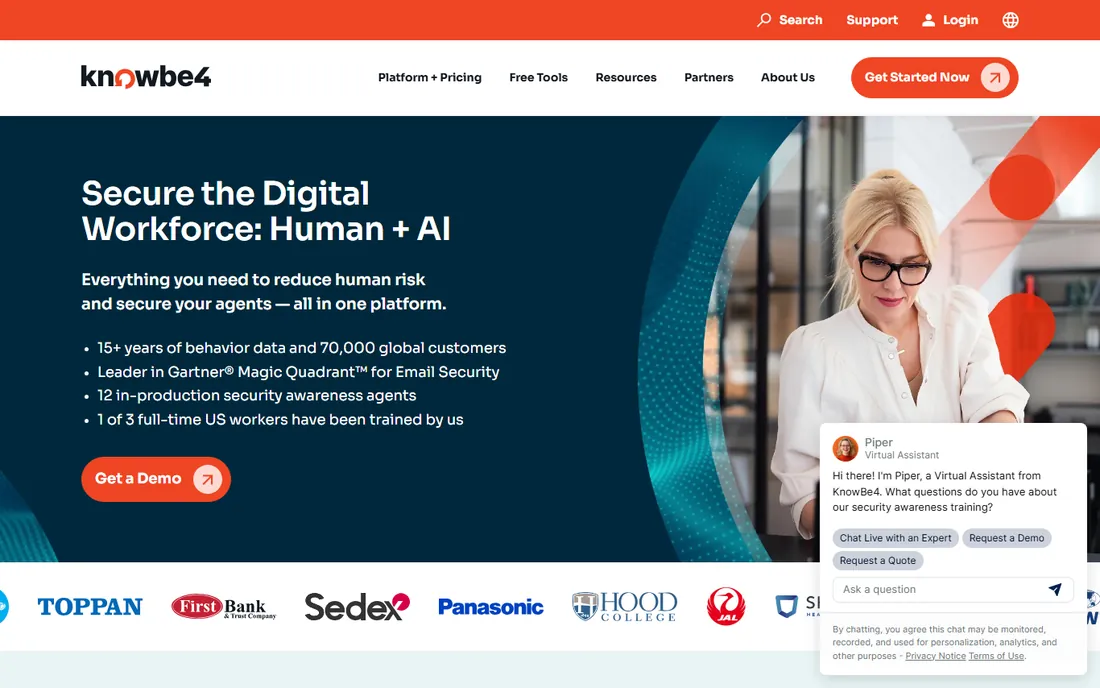
KnowBe4 is the best-known name in security awareness training, and its phishing simulation engine is the core of the platform. Admins can run automated campaigns with thousands of templates modeled on real attacks, from credential harvesting to QR code phishing.
The platform scores each user on risk and assigns training automatically, so the riskiest people get the most attention. Reporting rolls up to department and company levels, which helps security teams show progress to leadership.
The main drawback is cost and complexity. KnowBe4 is priced for enterprises and the breadth of features takes time to learn. If you have a dedicated security awareness role, it is the safest pick in the category.
What we like- Huge template and training content library
- Automated simulated phishing campaigns
- Detailed reporting on user risk
- Integrations with major email and identity platforms
Watch out for- Pricing is quote-based and can be steep
- The admin console has a learning curve
- Smaller teams may find it more than they need

#2
Proofpoint Security Awareness
Best for: Teams already using Proofpoint email security
Visit proofpoint.com
Starting priceSee website
Free planNo, demo available
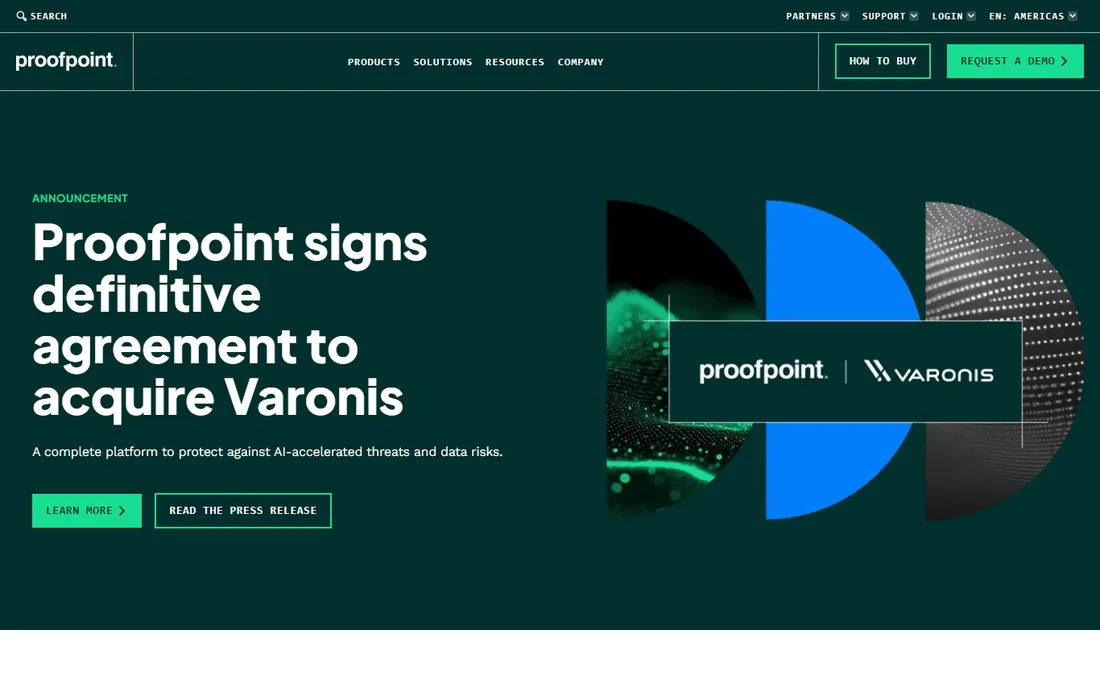
Proofpoint builds its awareness training on the same threat intelligence that powers its email security products. That means simulated phishing templates reflect the attacks Proofpoint actually sees in the wild, including targeted business email compromise.
The platform identifies your most attacked people and assigns them focused training automatically. If your organization already runs Proofpoint for email security, the combined data gives a fuller picture of human risk than either product alone.
As a standalone purchase it is harder to justify against specialists, but inside a Proofpoint shop the integration advantage is real and worth pricing out.
What we like- Simulations informed by real threat intelligence
- Tight integration with Proofpoint email protection
- Targeted training for high-risk users
- Strong enterprise reporting
Watch out for- Best value requires the Proofpoint ecosystem
- Pricing is enterprise-grade
- Less standalone content than KnowBe4

#3
Mimecast Awareness Training
Best for: Mimecast customers wanting human risk analytics
Visit mimecast.com
Starting priceSee website
Free planNo, demo available
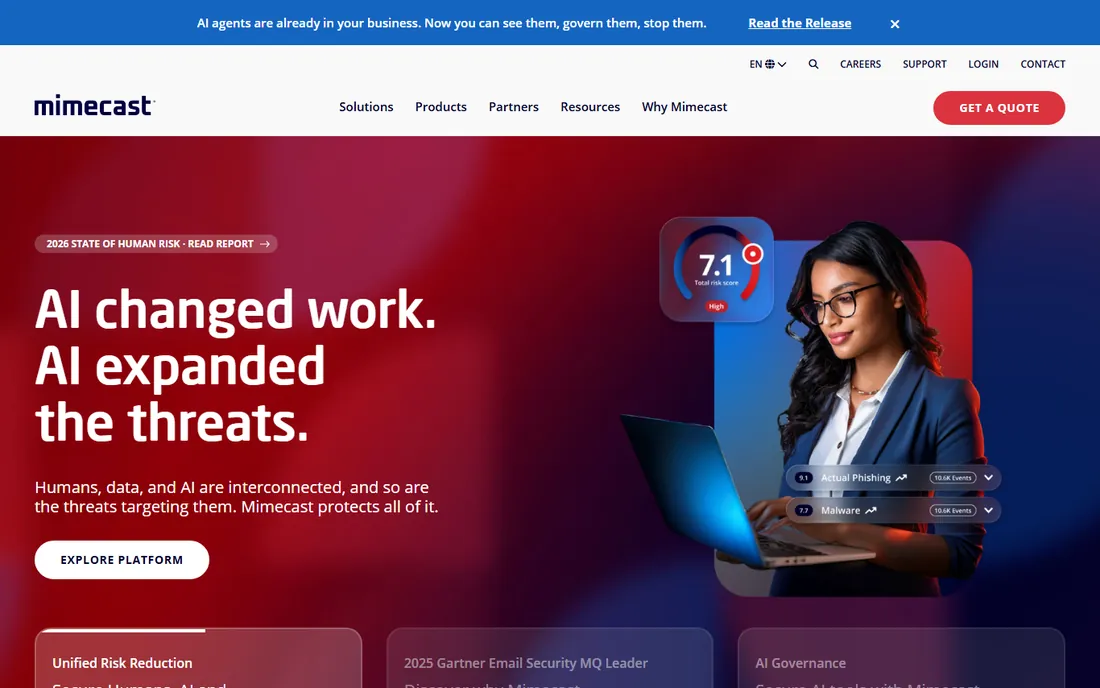
Mimecast pairs simulated phishing with short video-based training modules designed to hold attention. Its differentiator is the human risk score, which combines simulation results with real email behavior to rank employees by risk.
Campaigns can be tuned by department, region, or risk level, and managers get dashboards that highlight where coaching is needed. The content is regularly updated to cover new attack styles like collaboration app phishing.
Organizations not on Mimecast email security can still use it, but the risk scoring is richest when both sides feed the same dataset. Pricing follows the usual per-user annual model.
What we like- Connects awareness data with email security telemetry
- Short, engaging training modules
- Risk scoring per employee
- Works well for mid-market and enterprise
Watch out for- Deepest value inside the Mimecast suite
- Template variety trails the leaders
- Pricing is quote-based

#4
Cofense
Best for: Teams focused on phishing detection and response
Visit cofense.com
Starting priceSee website
Free planNo, demo available
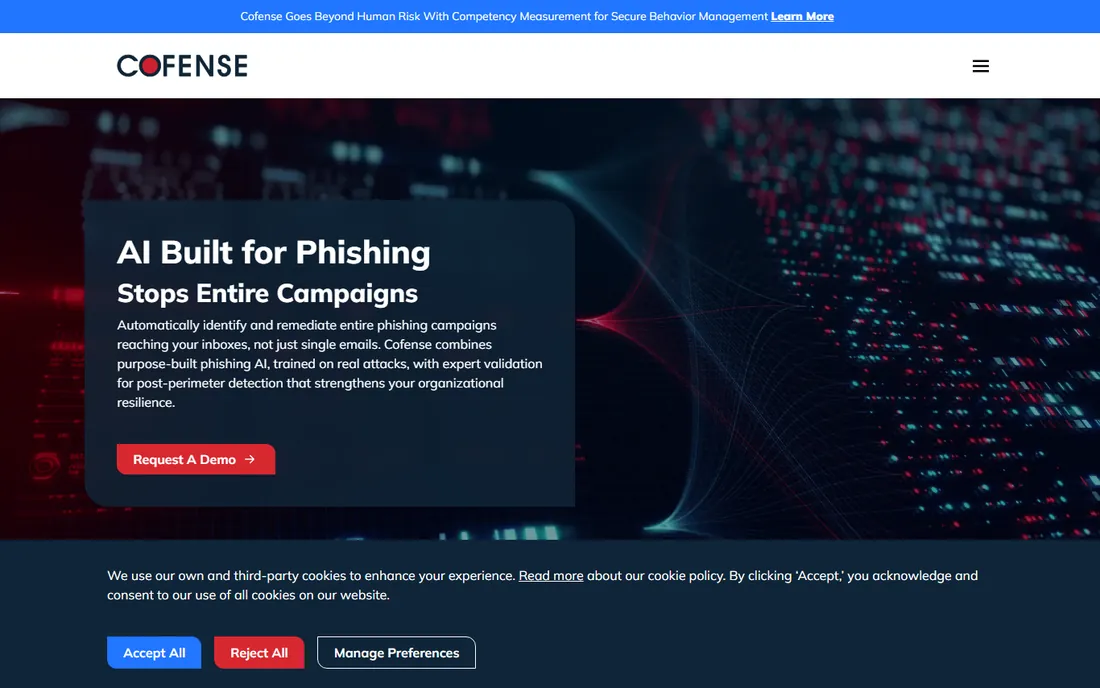
Cofense approaches the problem from the response side. Its platform trains employees to report suspicious emails with one click, then routes those reports into a triage workflow where security teams can confirm real attacks and remove them from inboxes.
Simulation is part of the package, but the emphasis is on turning the workforce into a detection network rather than just measuring clicks. That makes Cofense a natural fit for organizations with a SOC that wants user reports feeding real incident response.
If your priority is training content volume rather than detection workflow, other platforms on this list will feel like a better fit.
What we like- Strong on phishing reporting and incident response
- Simulation tied to real attack data
- Good for maturing security operations
- Respected in enterprise SOCs
Watch out for- More operations-oriented than training-oriented
- Interface feels built for analysts
- Pricing reflects the enterprise focus

#5
Hoxhunt
Best for: Companies wanting adaptive, personalized training
Visit hoxhunt.com
Starting priceSee website
Free planNo, demo available
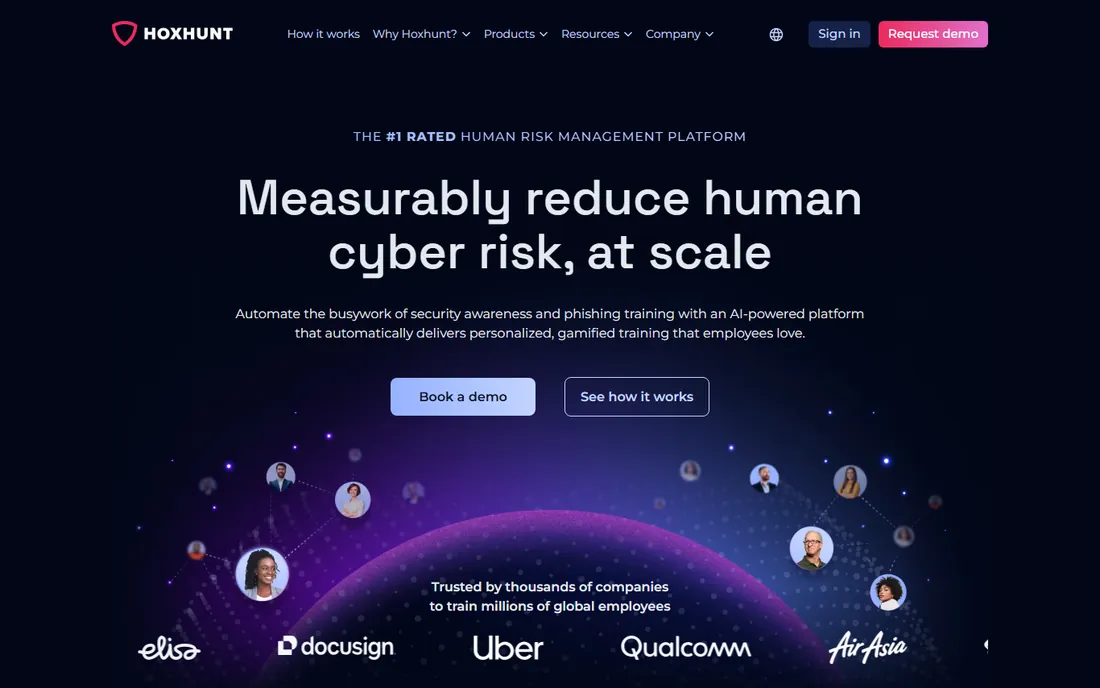
Hoxhunt uses automation to personalize phishing simulations for each employee. Instead of everyone getting the same campaign, difficulty and themes adapt to how each person has performed, which keeps training challenging without being unfair.
The platform requires little ongoing administration, a selling point for lean security teams. Employees report suspicious emails through a simple button, and the system tracks improvement in reporting rates as the headline metric.
It is priced at the premium end, and admins who like to hand-craft campaigns will find the automation opinionated. For behavior change with minimal staff time, it is one of the strongest options.
What we like- AI-driven personalization per employee
- Realistic, current attack simulations
- Low admin overhead once running
- Strong behavior-change metrics
Watch out for- Premium pricing
- Less control for admins who want manual campaigns
- Smaller template library than KnowBe4
Starting priceSee website
Free planNo, demo available
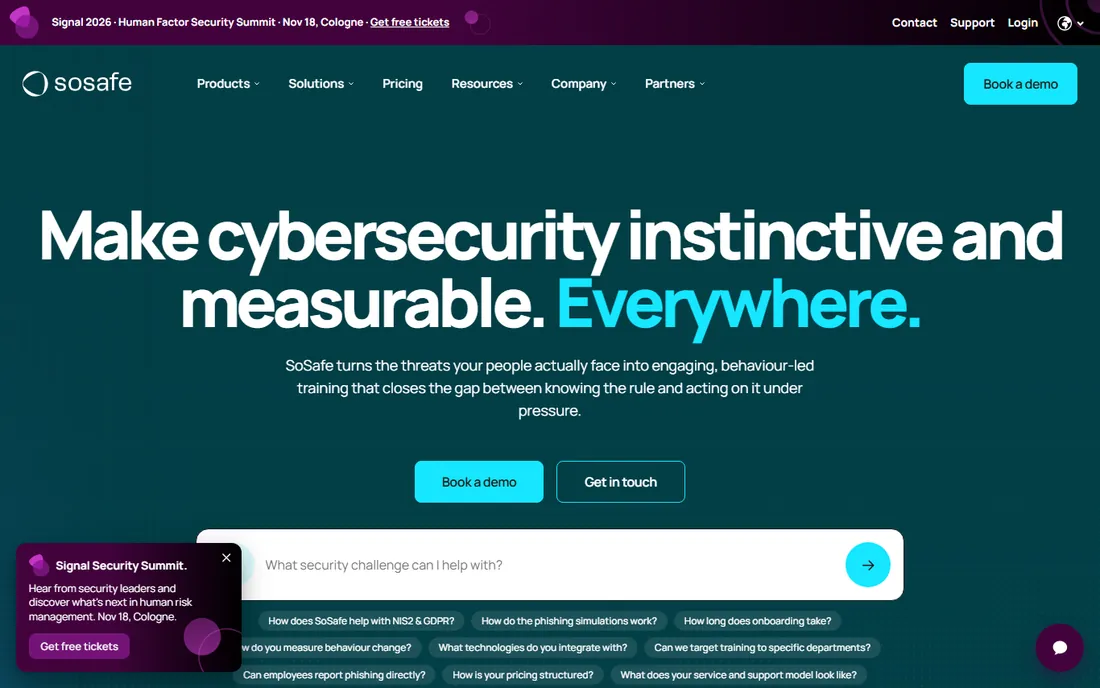
SoSafe is a European leader in security awareness, built around behavioral science rather than fear-based training. Its phishing simulations adapt to the learner, and the content library is fully multilingual, which matters for organizations operating across countries.
GDPR compliance is handled natively, including data residency options that US-centric vendors sometimes lack. The platform covers the full awareness cycle from baseline testing through ongoing campaigns and reporting.
US buyers should check integration coverage with their specific stack, but for European headquarters or multinational workforces, SoSafe deserves a place on the shortlist.
What we like- Strong European presence and GDPR alignment
- Behavioral science based training
- Multilingual content
- Good mid-market fit
Watch out for- Smaller US footprint
- Fewer third-party integrations than US leaders
- Pricing is quote-based

#7
Fortra (formerly Terranova Security)
Best for: Teams wanting awareness training inside a broader security platform
Visit fortra.com
Starting priceSee website
Free planNo, demo available
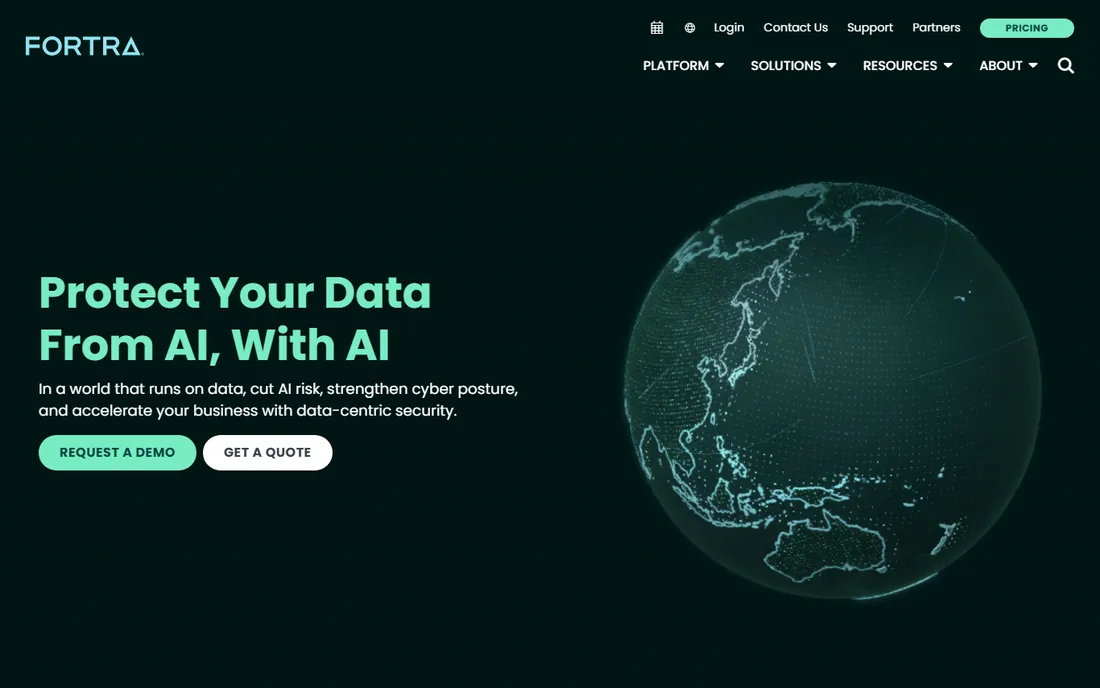
Terranova Security is now part of Fortra, and its awareness training lives inside Fortra's larger security portfolio. The platform offers phishing simulation plus modular training that can be assigned by role, which suits regulated industries with specific compliance training needs.
Administration is straightforward, and the content is practical rather than flashy. For organizations already buying Fortra products, bundling awareness training simplifies procurement and support.
As a standalone simulation engine it is not the deepest on this list, so evaluate it on the strength of the bundle rather than the simulator alone.
What we like- Part of the wider Fortra security portfolio
- Practical, role-based training content
- Good for regulated industries
- Straightforward administration
Watch out for- Rebrand from Terranova may confuse buyers
- Simulation depth trails specialists
- Best as part of a Fortra bundle

#8
Phished
Best for: Small and mid-sized teams getting started with simulation
Visit phished.io
Starting priceSee website
Free planYes, free trial available
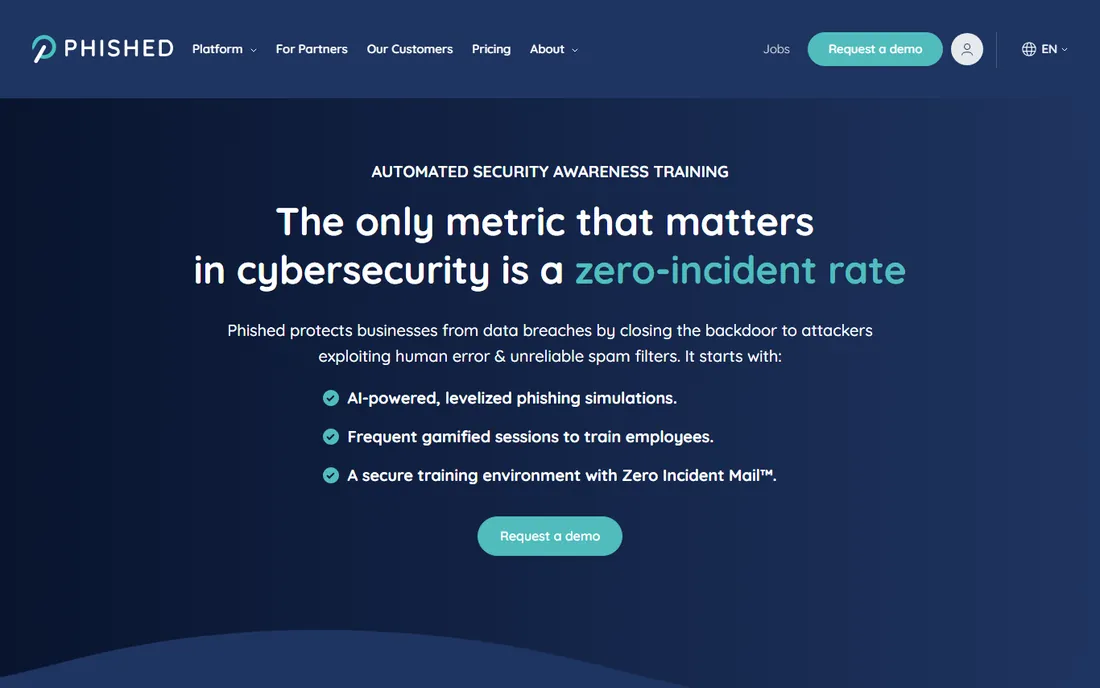
Phished targets the mid-market with an automated approach: the platform runs phishing simulations and follow-up training with minimal setup, aimed at teams without a dedicated awareness manager.
A free trial makes it easy to evaluate on your own workforce before committing. Reporting focuses on the metrics that matter, click rates and improvement over time, without the enterprise dashboards smaller teams never open.
Larger or highly regulated organizations will eventually want the depth of KnowBe4 or Proofpoint, but as a first simulation platform Phished is a sensible, low-friction starting point.
What we like- Approachable for smaller teams
- Automated phishing and training flows
- Free trial to evaluate
- Clear reporting without enterprise complexity
Watch out for- Less depth than enterprise leaders
- Smaller content library
- Limited advanced integrations
Quick comparison
| Tool | Best for | Starting price | Free plan |
|---|
| KnowBe4 | Large organizations running security awareness at scale | See website | No, demo available |
| Proofpoint Security Awareness | Teams already using Proofpoint email security | See website | No, demo available |
| Mimecast Awareness Training | Mimecast customers wanting human risk analytics | See website | No, demo available |
| Cofense | Teams focused on phishing detection and response | See website | No, demo available |
| Hoxhunt | Companies wanting adaptive, personalized training | See website | No, demo available |
 SoSafe SoSafe | European and GDPR-conscious organizations | See website | No, demo available |
| Fortra (formerly Terranova Security) | Teams wanting awareness training inside a broader security platform | See website | No, demo available |
| Phished | Small and mid-sized teams getting started with simulation | See website | Yes, free trial available |
Is your product missing or out of date?
We review this list regularly. Vendors can request a listing, send updated pricing or ask about featured placement.
Start by defining the outcome you want. If the goal is compliance checkboxes, any reputable platform works. If the goal is fewer real clicks, prioritize adaptive difficulty and reporting on behavior change, not just click rates.
Consider your existing stack. Proofpoint, Mimecast, and Fortra buyers get more from the matching awareness product, while everyone else should compare KnowBe4, Hoxhunt, and SoSafe on content quality and admin effort. Run a trial with a real department before signing, because template quality and user experience only show themselves in practice.
Mistakes that weaken phishing programs
The biggest mistake is treating simulation as a gotcha exercise. When employees feel tricked and punished, they resent the security team instead of learning from the experience. Frame every campaign as training, share aggregate results openly, and never tie individual failures to performance reviews. Culture decides whether the program changes behavior or just breeds cynicism.
Second, running the same difficulty for everyone. New hires, finance staff, and executives face different threats and start from different baselines. Platforms with adaptive difficulty exist for a reason: use them, or at least segment campaigns by role and risk level. One-size-fits-all training bores the skilled while overwhelming newcomers, and neither group learns much.
Third, measuring clicks without measuring reporting. A low click rate means little if nobody reports the phish. The metric that predicts real resilience is the report rate, the share of employees who flag suspicious mail. Tune the program to reward reporting: provide a one-click button, acknowledge reports visibly, and celebrate the catches.
Fourth, failing to follow up failures with timely training. The teachable moment lasts days, not quarters. When someone clicks a simulated phish, they should receive a short, relevant lesson within 48 hours explaining exactly what gave the attack away. Annual training months later wastes the moment when curiosity is highest.
Finally, letting templates go stale. Attackers evolve constantly, and last year's templates teach last year's threats. Refresh simulations quarterly with current attack styles, QR code phishing, collaboration app lures, and AI-written spear phishing, so training tracks the real inbox your people face every morning.
Frequently asked questions
How often should we run phishing simulations?
Monthly campaigns are the common cadence, with difficulty increasing over time. More important than frequency is the follow-up: every failure should trigger short, relevant training within days.
Will employees resent being phished by their own company?
Some will, which is why communication matters. Frame the program as training, not entrapment, share aggregate results openly, and never use results punitively. Most workforces accept it when the intent is clear.
What is a good click rate for simulated phishing?
First campaigns often see 20 to 30 percent click rates. Mature programs typically get below 5 percent, with reporting rates above 60 percent considered strong. Track the trend, not a single number.
Do these platforms integrate with Microsoft 365 and Google Workspace?
Yes. All the platforms above support allowlisting their simulation emails in Microsoft 365 and Google Workspace, and most integrate with identity providers for user sync.
Can phishing simulation replace security awareness training?
No. Simulation measures behavior, training changes it. The best results come from pairing realistic simulations with short, regular training modules, which is why most platforms bundle both.
Sources we checked (0)
Is your product missing or out of date?
We review this list regularly. Vendors can request a listing, send updated pricing or ask about featured placement.

Shihab Mia · Founder, Rankite
Shihab has spent more than a decade helping SaaS and e-commerce brands grow through search. He writes Rankite's software buying guides from pricing pages, documentation and public user reviews. More about Shihab.