How we make this list: we compare pricing pages, product documentation and public user reviews. Rankite is independent; if a vendor ever pays for a featured spot, that listing is clearly labeled Partner.
Key takeaways
- CrowdStrike, SentinelOne, and Microsoft Defender for Endpoint bring proven EDR to OT-adjacent assets like HMIs and engineering workstations.
- Claroty, Dragos, and Nozomi Networks are OT-native platforms that understand industrial protocols and prioritize asset safety over quarantine speed.
- Palo Alto Cortex XDR and Trend Micro bridge IT and OT with unified detection across both domains.
- In OT, the wrong automated response can halt production or endanger people, so response playbooks matter more than detection speed alone.
- Look for passive discovery, protocol-aware detection, and integrations with your existing SOC workflow before comparing detection claims.
When the endpoint runs a factory
In IT security, the playbook is simple: detect the threat, isolate the endpoint, investigate, remediate. In operational technology, step two can shut down a production line, spoil a batch worth millions, or create a safety incident. The endpoints in question are not laptops. They are human-machine interfaces, engineering workstations, historians, and data diodes sitting next to programmable logic controllers that run physical processes.
EDR for OT has to respect that reality. The best tools in this space detect malicious behavior on Windows-based OT assets without disrupting deterministic processes, and they feed context to analysts who understand both malware and Modbus. Some vendors come from the IT EDR world and extended downward into OT. Others were born in industrial security and think in terms of zones, conduits, and safety instrumented systems.
We compared eight options across that spectrum. The right choice depends on where your risk sits: the IT/OT boundary, the engineering workstations, or deep inside the control network itself.
Quick comparison
Is your product missing or out of date?
We review this list regularly. Vendors can request a listing, send updated pricing or ask about featured placement.
The best EDR software for OT environments in 2026
Starting priceSee website
Free planFree trial
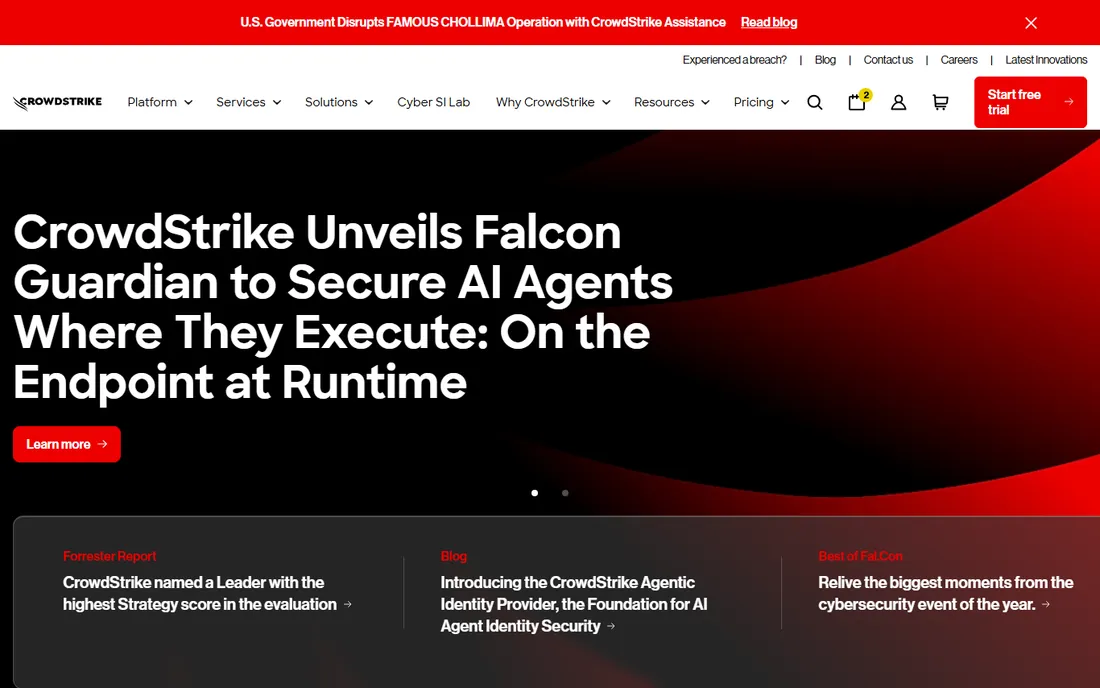
CrowdStrike's Falcon platform is the best-known EDR in IT, and its OT push is serious rather than cosmetic. Falcon for OT covers the Windows-based assets that attackers actually target in industrial environments: engineering workstations, HMIs, and servers at the IT/OT boundary. The lightweight agent matters here, because OT systems cannot tolerate the performance hit of heavy security software.
The threat intelligence is a genuine advantage. CrowdStrike tracks adversary groups that specifically target industrial sectors, and that context flows into detections. Pricing is enterprise and the OT capabilities come through specific modules, so scope carefully. But if your SOC already runs Falcon, extending it to OT assets is the lowest-friction path to coverage.
What we like- Falcon platform with OT-specific offerings, Lightweight agent suits constrained systems, Strong threat intelligence, Large customer base for benchmarking
Watch out for- Enterprise pricing, OT features need the right modules, Full value needs Falcon ecosystem
Starting priceSee website
Free planNo
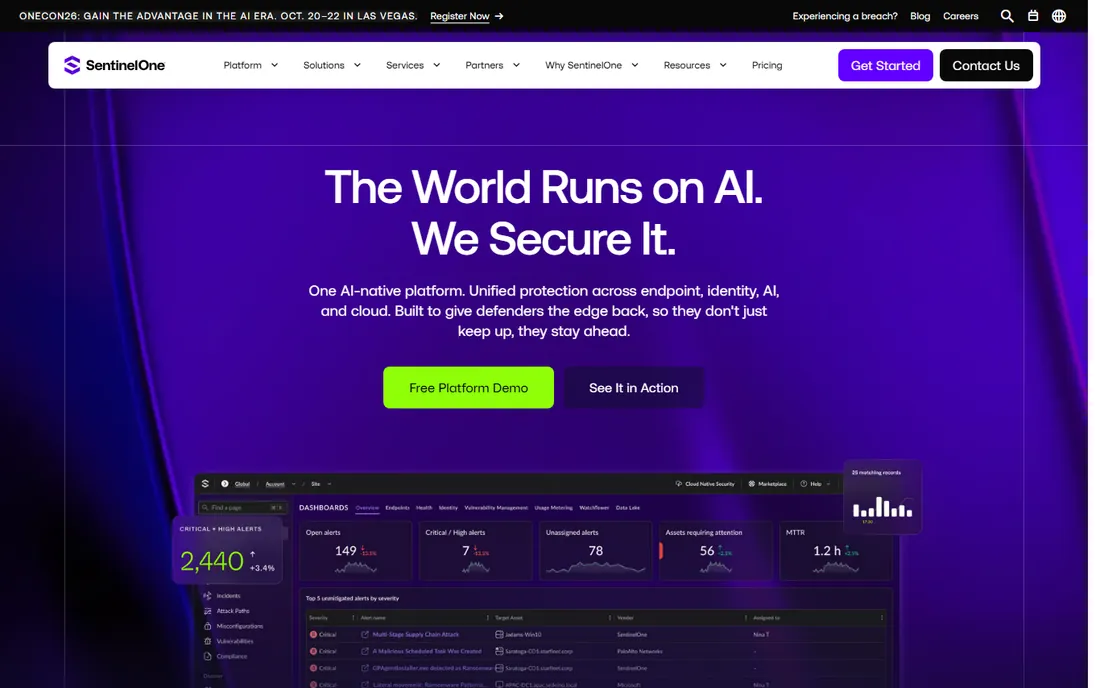
SentinelOne's pitch is autonomy: the agent detects and responds to threats on its own, including rolling back ransomware encryption. In IT that is a staffing win. In OT it demands caution, because an autonomous quarantine of the wrong asset has physical consequences. The good news is that SentinelOne's policies are granular enough to run in detect-and-alert mode on critical OT assets while responding actively elsewhere.
The behavioral AI approach suits OT, where signature updates may lag and legacy systems run old software. For organizations with mixed IT/OT estates and lean security teams, the autonomous model reduces the alert burden. Just make sure the response policies for OT assets are designed with operations, not just security, at the table.
What we like- Autonomous response reduces analyst load, Behavioral AI works without signatures, Good for remote and distributed sites, Singularity platform unifies data
Watch out for- Autonomous actions need careful tuning in OT, Pricing not published, OT depth less than native vendors

#3
Microsoft Defender for Endpoint
Best for: Microsoft-centric OT asset protection
Visit microsoft.com
Starting priceSee website
Free planFree trial
If your OT environment runs Windows and your enterprise runs Microsoft 365, Defender for Endpoint is the pragmatic choice. It is already on the machines, the management is familiar, and the incremental cost is low or zero depending on your licensing. Microsoft's Defender for IoT adds OT network monitoring and integrates with the same Sentinel SIEM many enterprises use.
The OT-specific depth trails the native vendors: protocol awareness and industrial threat content are thinner. But for the large middle of the market, where the goal is solid EDR on OT-adjacent Windows assets without a new vendor, Defender is the value play. Evaluate it honestly against your actual OT risk before assuming you need a specialist.
What we like- Included or cheap for Microsoft shops, Deep Windows integration, Defender for IoT extends to OT, Strong enterprise management
Watch out for- Best inside the Microsoft ecosystem, OT-specific features less mature, Complex licensing
Starting priceSee website
Free planNo
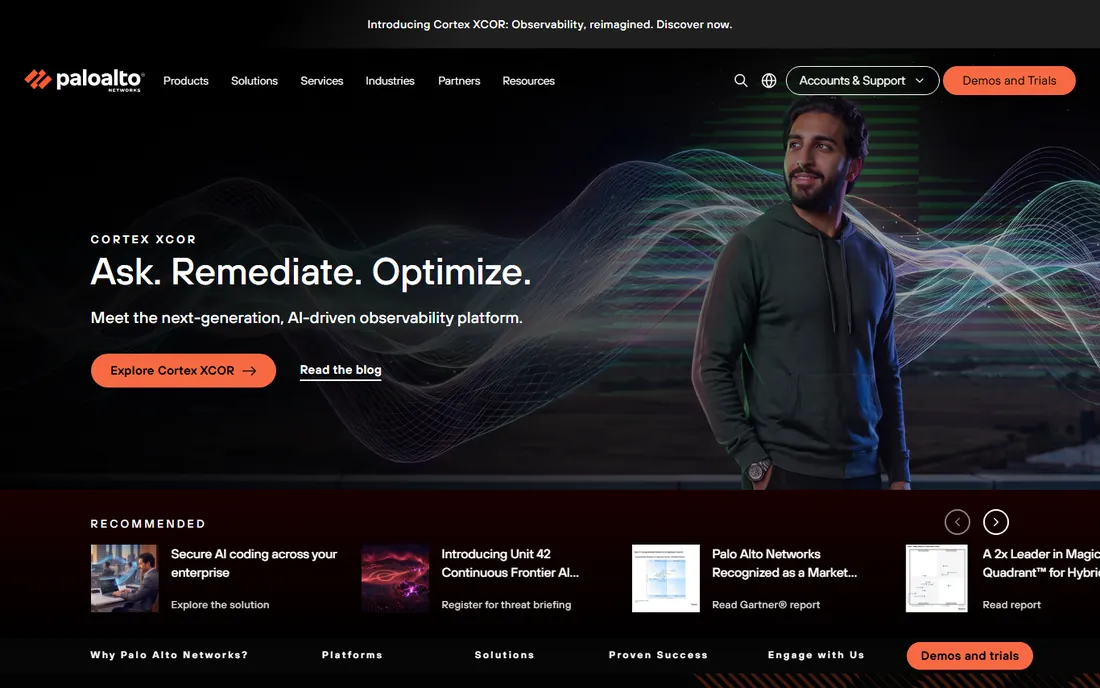
Cortex XDR's strength is correlation: it stitches together endpoint, network, and cloud data to tell the story of an attack that crosses from IT into OT. Since most OT intrusions start with IT compromise, that cross-domain view is exactly what OT defenders need. Palo Alto's firewall heritage gives it credible network visibility at the IT/OT boundary.
The platform is enterprise in price and complexity, and the deepest value comes when you run more of the Palo Alto stack. OT protocol coverage is good but not the focus the way it is for Claroty or Dragos. Choose Cortex XDR when your priority is seeing the whole attack path across domains, managed by a SOC that already thinks in XDR terms.
What we like- XDR correlates across IT and OT, Strong network visibility heritage, Good automation playbooks, Enterprise-grade platform
Watch out for- Expensive and complex, Full value needs Palo Alto stack, OT protocol depth varies
Starting priceSee website
Free planNo
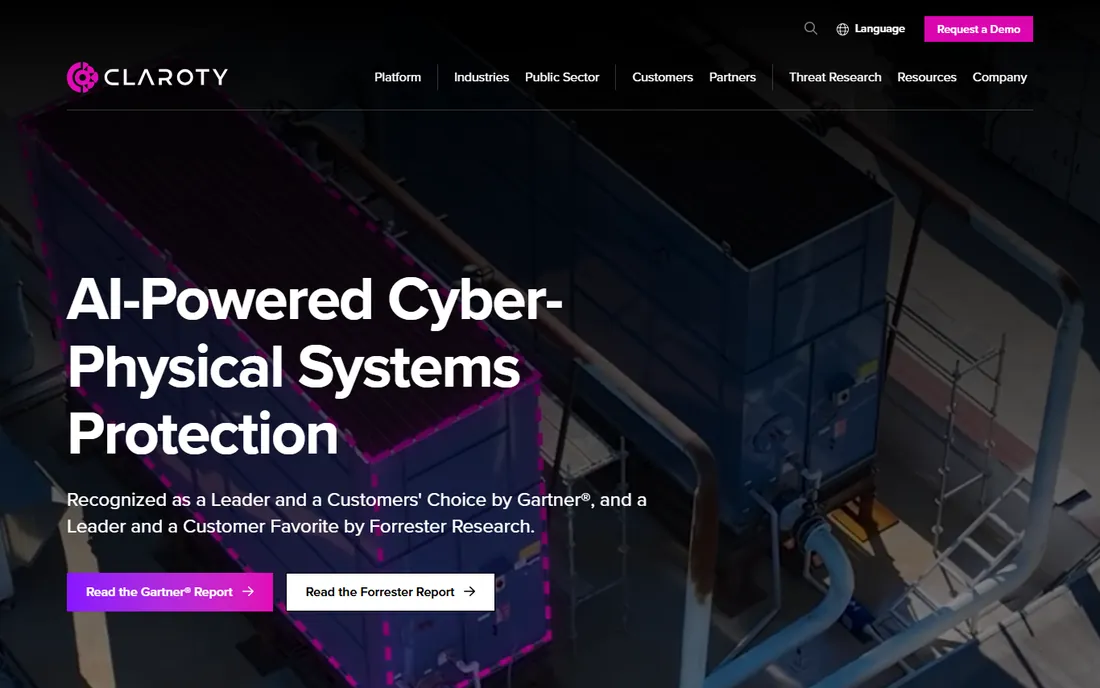
Claroty thinks like an OT engineer, not an IT analyst. Its platform discovers every asset in the control network passively, understands industrial protocols natively, and prioritizes risks by their operational impact rather than generic severity scores. The exposure management approach tells you which vulnerabilities actually matter given your network segmentation and compensating controls.
This is not EDR in the agent-on-every-endpoint sense. Claroty's strength is network-level visibility and risk prioritization across OT, IoT, and BMS assets. Pair it with an EDR agent on the Windows assets for full coverage. For organizations whose OT risk centers on the control network itself, Claroty is the reference platform.
What we like- Deep OT protocol understanding, Passive discovery safe for control networks, Exposure management for OT, Strong industrial customer base
Watch out for- Enterprise pricing, Endpoint protection is not the focus, Needs OT expertise to operate
Starting priceSee website
Free planNo
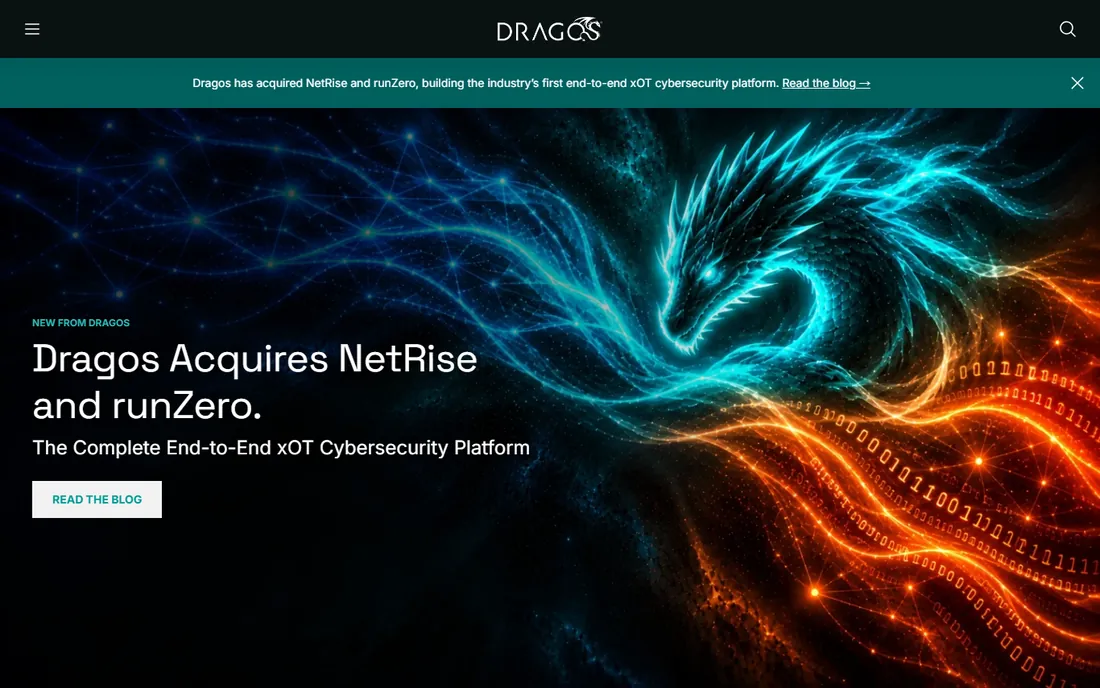
Dragos was founded by people who defend industrial systems for a living, and the product reflects that. Its threat intelligence on ICS-targeting adversaries is widely considered the best available, and the platform is built around how OT incidents actually unfold. The company also fields one of the top industrial incident response teams, which matters because OT incidents are rare enough that most companies have never handled one.
The focus is deliberately narrow: OT and ICS, full stop. You will still need IT security elsewhere. Pricing reflects the specialist positioning. But if your organization runs critical infrastructure and the question is who understands threats to your specific industrial process, Dragos is the name that comes up first.
What we like- ICS threat intelligence is best in class, Built by industrial security practitioners, Strong incident response services, Focused purely on OT
Watch out for- Premium pricing, Narrow scope by design, Services-heavy engagement
Starting priceSee website
Free planNo
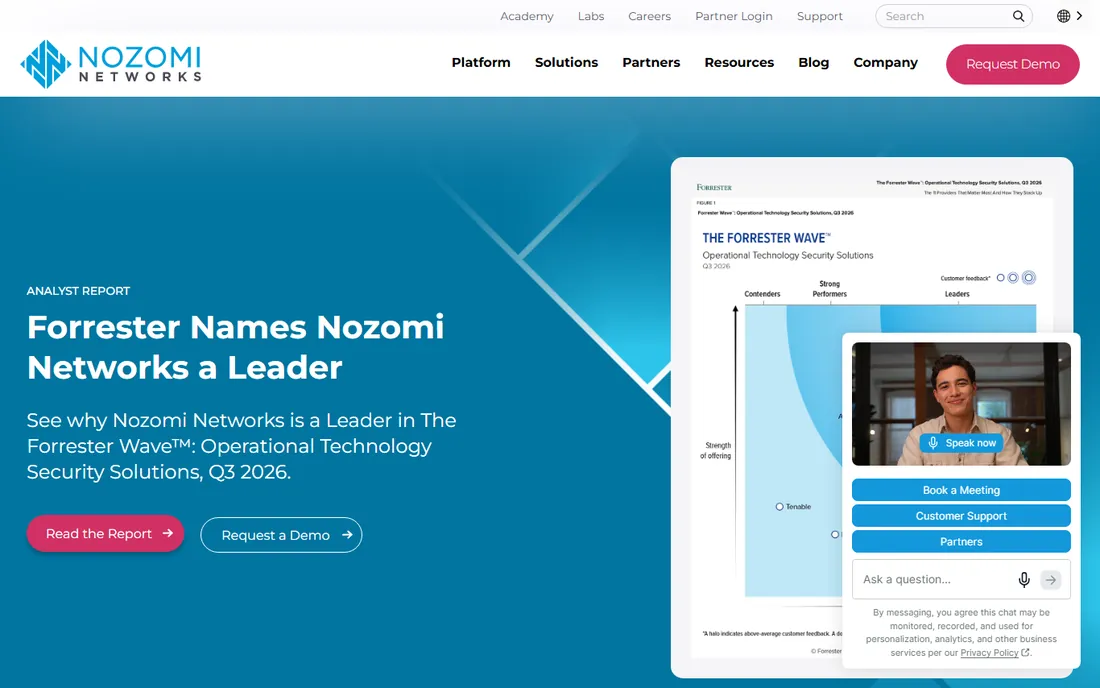
Nozomi Networks pioneered passive OT monitoring: sensors that watch industrial network traffic without touching the control systems. The asset discovery is excellent, building a live inventory of devices, connections, and protocols that most OT operators have never fully mapped. Anomaly detection flags the deviations that indicate compromise or misconfiguration.
Like Claroty, this is network visibility rather than endpoint protection. The two compete directly, and the choice often comes down to existing partnerships and specific protocol coverage. For greenfield OT visibility where you cannot install agents on control assets, passive monitoring is the safe starting point, and Nozomi is one of the two leaders.
What we like- Passive monitoring safe for sensitive networks, Good asset discovery and visualization, Scales to large industrial estates, Strong partner ecosystem
Watch out for- Network-centric, limited endpoint view, Enterprise pricing, Needs tuning for alert quality
Starting priceSee website
Free planFree trial
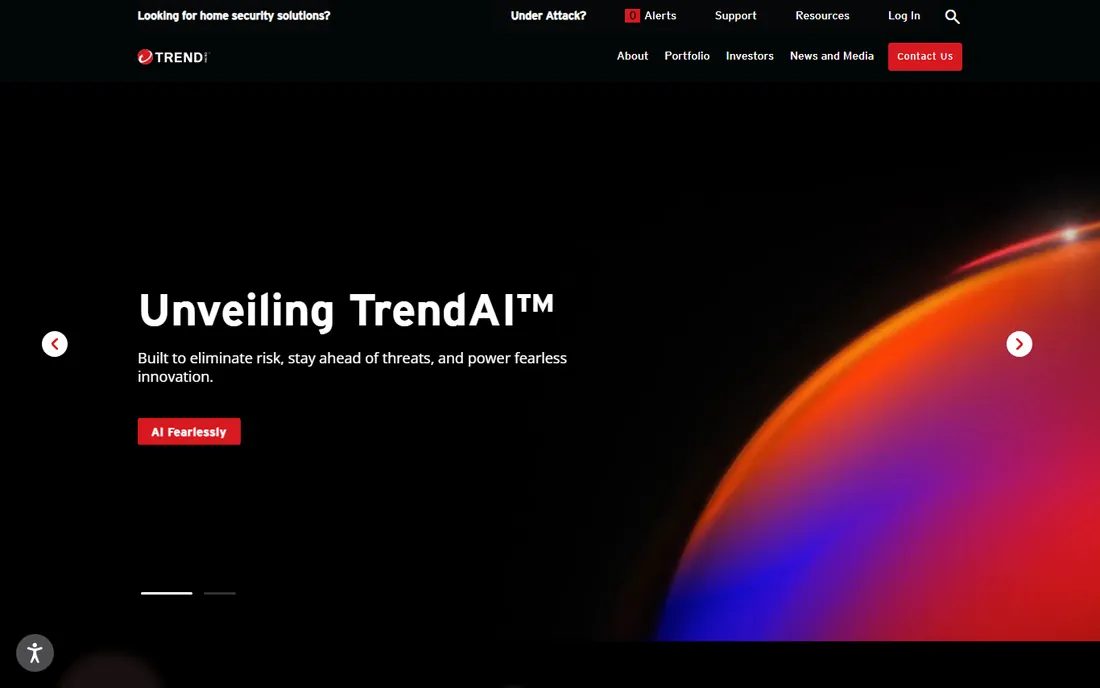
Trend Micro's security platform spans endpoints, networks, and cloud, with OT-aware capabilities for industrial environments. It will not match Claroty or Dragos on industrial protocol depth, but for mid-market manufacturers that need credible protection across IT and OT from one vendor, the breadth has real appeal. The pricing is typically more approachable than the enterprise OT specialists.
Think of Trend Micro as the consolidation play: one vendor, one console, coverage from office laptops to plant-floor workstations. Organizations with dedicated OT security teams will want a native platform. Everyone else should evaluate whether Trend Micro's cross-domain coverage meets their actual risk.
What we like- Broad platform from endpoint to network, OT-aware features in the suite, Good value for mid-market, Long security track record
Watch out for- OT depth less than specialists, Suite complexity, Brand less associated with OT
How we chose
We selected vendors with genuine OT capabilities, not IT EDR products with an OT slide in the pitch deck. That meant looking for industrial protocol support, passive discovery options, OT-specific threat intelligence, and customer bases that include industrial operators. We included both IT EDR vendors extending into OT and OT-native platforms, because buyers approach from both sides.
We weighted safety-aware design heavily: the ability to run in monitoring mode, granular response policies, and respect for OT operational constraints. Detection claims were treated skeptically across the board, since every vendor claims the best detection. What differentiates these products is how they behave in an environment where a false positive can stop production.
What to evaluate before you commit
Start with a network and asset inventory, or rather, the lack of one. Most OT security projects discover that nobody knows everything connected to the control network. A passive discovery phase with Claroty or Nozomi often pays for itself in findings before you buy any protection. Do not skip this step: you cannot protect what you cannot see.
Then define response authority. Who is allowed to isolate an OT asset, under what conditions, with whose approval? Write the playbook before you configure the tool, and test it in a tabletop exercise with operations in the room. The vendors that force this conversation are doing you a favor.
Finally, plan for the IT/OT seam. Attacks cross it in one direction, and your visibility must cross it too. Whether that means one XDR platform or an EDR plus an OT monitor feeding the same SOC, make sure someone is watching the boundary. The most expensive OT security failure is the IT compromise nobody connected to the plant floor.
Frequently asked questions
What is the difference between IT EDR and OT EDR?
IT EDR prioritizes fast automated containment. OT EDR must weigh containment against operational safety, since isolating the wrong asset can halt production or create hazards. OT tools add industrial protocol awareness, passive discovery, and response modes designed for control environments.
Can I install EDR agents on control system assets?
Sometimes. Modern Windows-based HMIs and engineering workstations can usually run lightweight agents. PLCs, RTUs, and embedded controllers cannot run agents at all, which is why passive network monitoring exists. Always test agent impact in a lab before deploying to production OT.
Do I need an OT-native vendor or will my IT EDR work?
Your IT EDR covers the Windows assets at the IT/OT boundary reasonably well. It does not understand industrial protocols, cannot see agentless control devices, and lacks OT threat intelligence. Most serious OT programs end up with both: EDR on the endpoints and an OT-native platform for the network.
What are the biggest OT security risks in 2026?
Ransomware groups targeting industrial firms, supply chain compromise of OT software and vendors, and the expanding attack surface from remote access and IT/OT convergence. The common thread is that attackers enter through IT and pivot to OT, which is why boundary visibility matters most.
How much does OT security software cost?
OT-native platforms are enterprise-priced, typically starting in the mid five figures annually and scaling with asset count. Extending an existing IT EDR to OT assets is cheaper but covers less. Budget for services too: OT deployments need expertise most IT teams do not have in-house.
Sources we checked (8)
- https://www.crowdstrike.com/
- https://www.sentinelone.com/
- https://www.microsoft.com/
- https://www.paloaltonetworks.com/
- https://claroty.com/
- https://www.dragos.com/
- https://www.nozominetworks.com/
- https://www.trendmicro.com/
Is your product missing or out of date?
We review this list regularly. Vendors can request a listing, send updated pricing or ask about featured placement.

Shihab Mia · Founder, Rankite
Shihab has spent more than a decade helping SaaS and e-commerce brands grow through search. He writes Rankite's software buying guides from pricing pages, documentation and public user reviews. More about Shihab.
 CrowdStrike
 SentinelOne
 Palo Alto Cortex XDR
 Claroty
 Dragos
 Nozomi Networks
 Trend Micro