How we make this list: we compare pricing pages, product documentation and public user reviews. Rankite is independent; if a vendor ever pays for a featured spot, that listing is clearly labeled Partner.
Key takeaways
- Techpacker is the most focused tech pack tool for small brands and freelancers, with a dedicated tech pack builder that replaces Illustrator and Excel chaos.
- Bamboo Rose (which absorbed Backbone PLM) and Centric PLM are the enterprise picks, built for brands running dozens of styles across multiple factories.
- Delogue is the strongest mid-market option, especially for European brands that want supplier collaboration without a heavy implementation.
- If you also sell wholesale, Surefront and ApparelMagic combine tech packs with line sheets and order management in one system.
- Repsketch is the budget-friendly starting point for designers who need professional flat sketches for their tech packs before investing in full PLM.
Quick comparison
| Tool | Best for | Starting price | Free plan |
|---|
 Techpacker Techpacker | small brands and freelance technical designers | See website | See website |
 Bamboo Rose Bamboo Rose | growing DTC brands scaling their product lines | See website | No |
 Delogue Delogue | mid-size brands that work closely with suppliers | See website | No |
 Centric PLM Centric PLM | large brands and retailers with complex lines | See website | No |
 WFX WFX | brands and manufacturers on one platform | See website | No |
 ApparelMagic ApparelMagic | brands that want ERP and tech packs together | See website | No |
 Surefront Surefront | wholesale brands sharing tech packs with buyers and factories | See website | No |
 Repsketch Repsketch | designers who need professional flat sketches quickly | See website | See website |
 Foursource Foursource | brands that need to find factories and share tech packs with them | See website | See website |
Is your product missing or out of date?
We review this list regularly. Vendors can request a listing, send updated pricing or ask about featured placement.
The best tech pack software
Starting priceSee website
Free planSee website
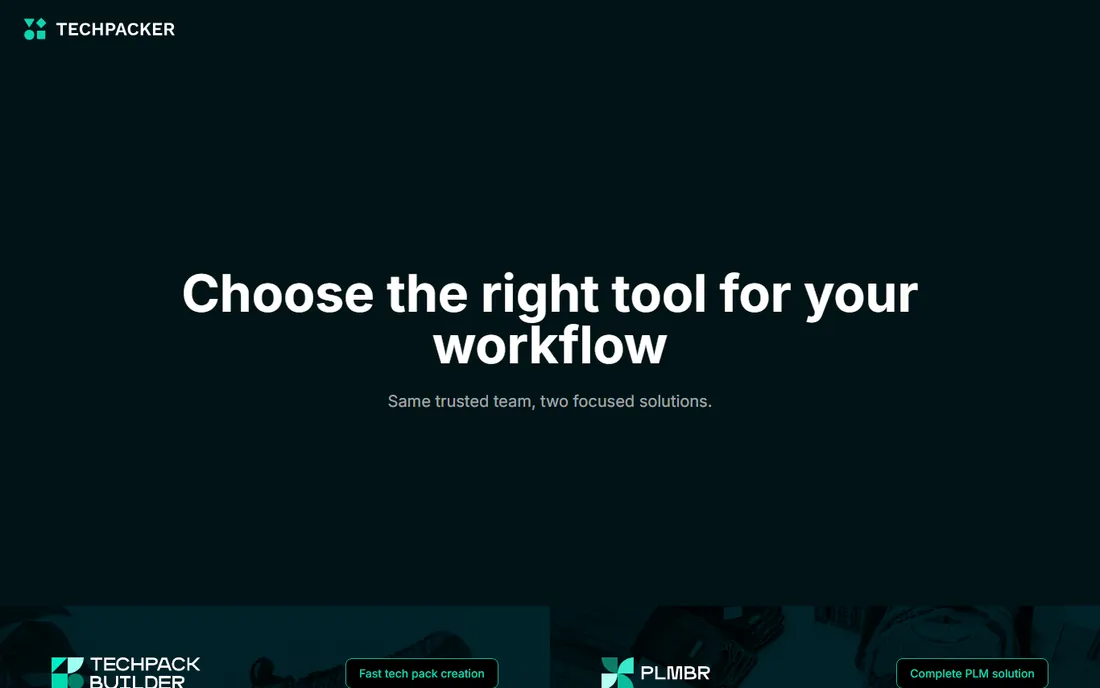
Techpacker is the only tool on this list that was designed around the tech pack itself rather than the broader product lifecycle. Its Techpack Builder is a local editor for organizing specs: sketches, measurements, construction details, bills of materials and trims, all in one structured document. For a freelance technical designer or a startup brand, it replaces the classic mess of an Illustrator file plus five spreadsheet tabs.
The company has recently split its offering into the Techpack Builder for fast tech pack creation and PLMBR, a fuller PLM for scaling brands. That split is good news for buyers, because you can start with just the builder and move up when your line grows. The honest limitation is collaboration: if your factory needs to comment, revise and approve inside the system, Delogue or Bamboo Rose handle that loop better. For creating clean, professional tech packs quickly, Techpacker is the fastest path.
What we like- Built specifically for tech packs, not generic PLM
- Local-first tech pack builder
- Much faster than Illustrator plus Excel workflows
Watch out for- Smaller feature set than full PLM suites
- Collaboration features are lighter than Delogue
- Pricing is per user, which adds up for teams
Starting priceSee website
Free planNo
Backbone PLM was one of the best-known tech pack platforms for DTC fashion brands, and it is now part of Bamboo Rose TotalPLM. Existing Backbone customers are fully supported, and new buyers get the combined platform. The core strength survives the acquisition: tech packs pull from live, connected product data, so a measurement updated once appears everywhere. The company claims tech packs that took hours in Excel now take minutes.
The Adobe Illustrator plugin is a genuine time saver for designers who sketch in Illustrator and hate re-entering data. Changes on the artboard sync into the product libraries and tech packs without manual copying. This is not budget software, and the 50-day average implementation the company cites tells you it is a real project, not a signup-and-go tool. For a brand moving from ten styles to a hundred, though, that structure is exactly what prevents sampling errors.
What we like- Tech packs generated from live product data in minutes
- Adobe Illustrator plugin syncs designs directly
- Now backed by the larger Bamboo Rose platform
Watch out for- Enterprise-leaning pricing
- Implementation takes weeks
- The Backbone rebrand may confuse buyers researching older reviews
#3
Delogue
Best for: mid-size brands that work closely with suppliers
Visit delogue.com
Starting priceSee website
Free planNo
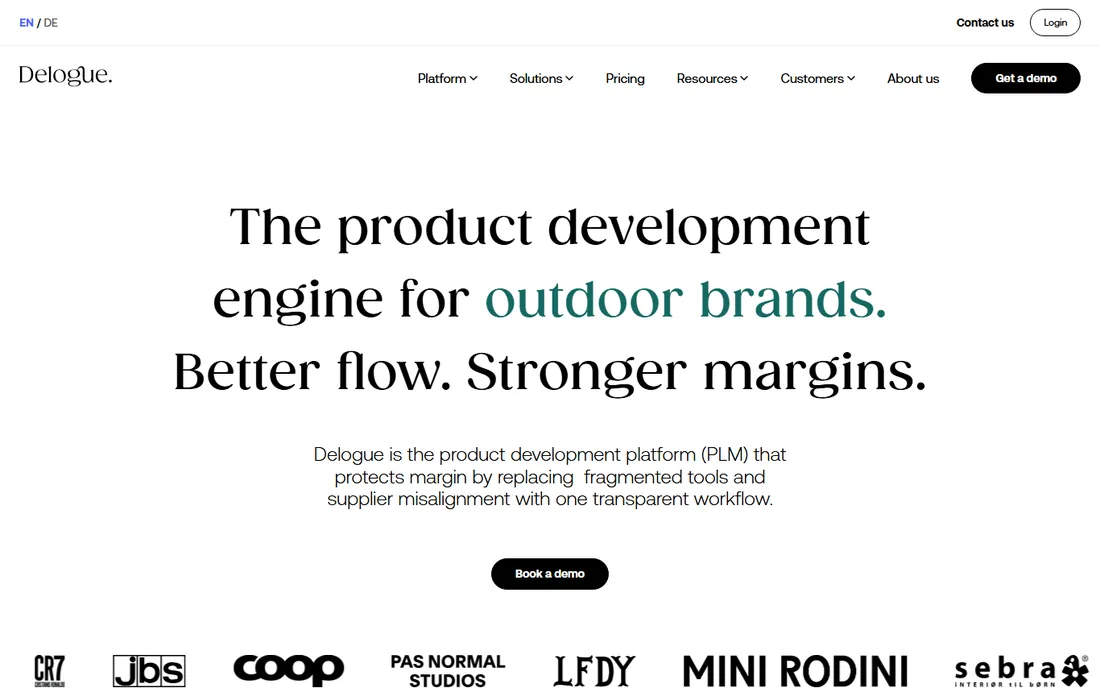
Delogue earns its spot by being the PLM that suppliers actually log into. Many platforms claim collaboration, but Delogue built its reputation on a shared workflow where factories see the same tech pack, measurements and comments as the brand team. That single source of truth cuts the email chains where errors breed. Tech packs, line planning, materials and quality management all live in one place.
Implementation is deliberately fast compared with legacy PLM, and users consistently praise how little training the system needs. The tradeoff is depth: if you need complex financial planning or multi-category retail management, Bamboo Rose or Centric go further. For apparel, footwear and accessories brands that want professional tech packs and smooth factory communication without a six-month IT project, Delogue hits the sweet spot.
What we like- Intuitive interface with a short learning curve
- Strong supplier collaboration portal
- Used by 300+ fashion brands across 74 countries
Watch out for- No public pricing
- Reporting is lighter than enterprise PLM
- Best suited to apparel and lifestyle, less so for hard goods
Starting priceSee website
Free planNo
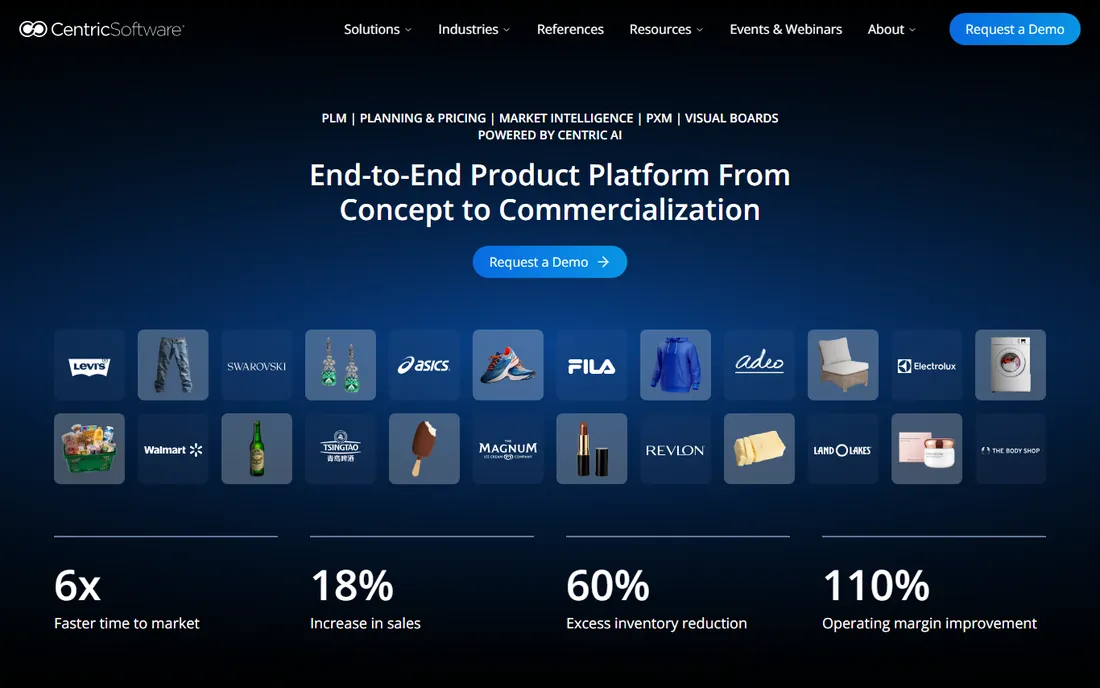
Centric is the heavyweight of fashion PLM, and its tech pack capabilities sit inside a much larger platform covering planning, pricing, sourcing and product experience management. For a large brand, the tech pack is not a document but a living record connected to costing, compliance and supplier scorecards. Changes propagate, approvals are tracked, and nothing lives in someone's inbox.
That power comes with enterprise reality: pricing is quote-based, onboarding is a project, and a small team will drown in features built for organizations with hundreds of users. Centric also keeps expanding through AI, with generative tools that draft product content from PLM data. If you are a growing brand reading this list, Centric is the destination you may reach in five years, not the tool you buy today. If you are already there, it is the benchmark everything else is measured against.
What we like- Market-leading depth for product development
- Strong AI-assisted workflows
- Proven at very large scale across 60+ countries
Watch out for- Enterprise pricing and sales process
- Overkill for brands under $10M revenue
- Implementation is a major project
Starting priceSee website
Free planNo
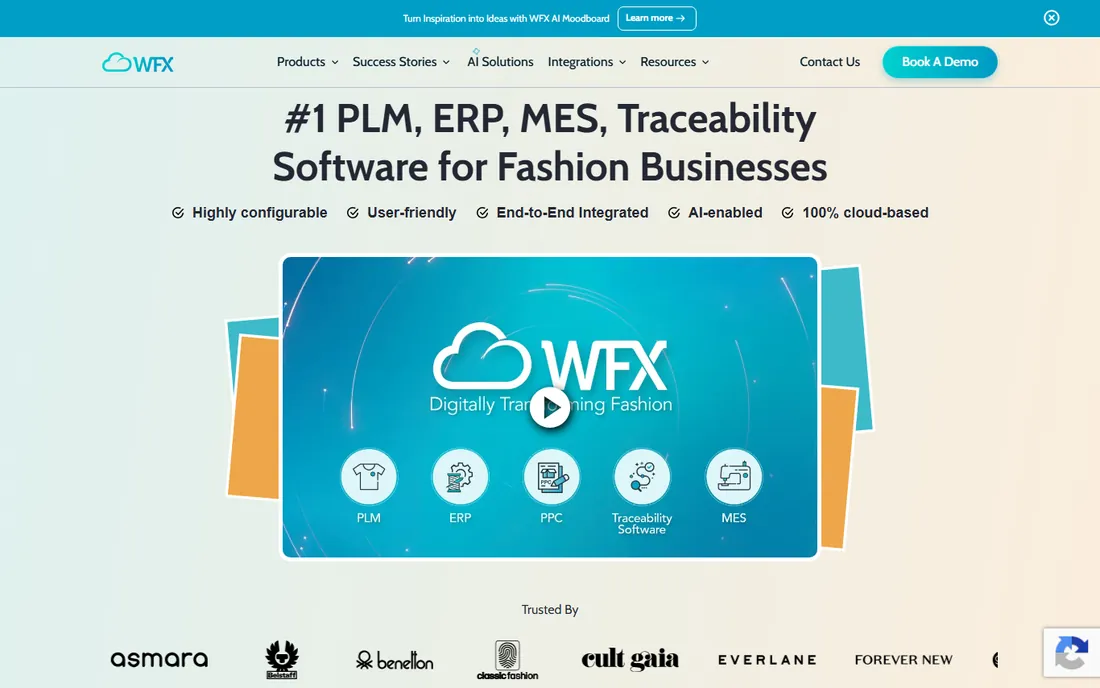
WFX takes an unusual and useful position: it sells to both fashion brands and apparel manufacturers. That matters for tech packs because the document exists to be read by a factory. When both sides work in WFX, the tech pack moves from design to sampling to production without export-import friction, and the vendor portal keeps communication attached to the product record instead of scattered across email.
The platform covers the full arc from PLM to ERP to factory-floor MES, which suits vertically integrated companies. Its traceability tools also help brands map supply chains for sustainability compliance, an increasingly real requirement rather than a nice-to-have. WFX is less polished than Delogue and less famous than Centric, but for companies that both design and manufacture, the two-sided network is a genuine differentiator.
What we like- Serves both brands and factories, so both sides speak the same language
- 100% cloud with mobile apps
- Strong in traceability and compliance
Watch out for- Interface is functional rather than beautiful
- Smaller community than Centric
- Sales-led onboarding
Starting priceSee website
Free planNo
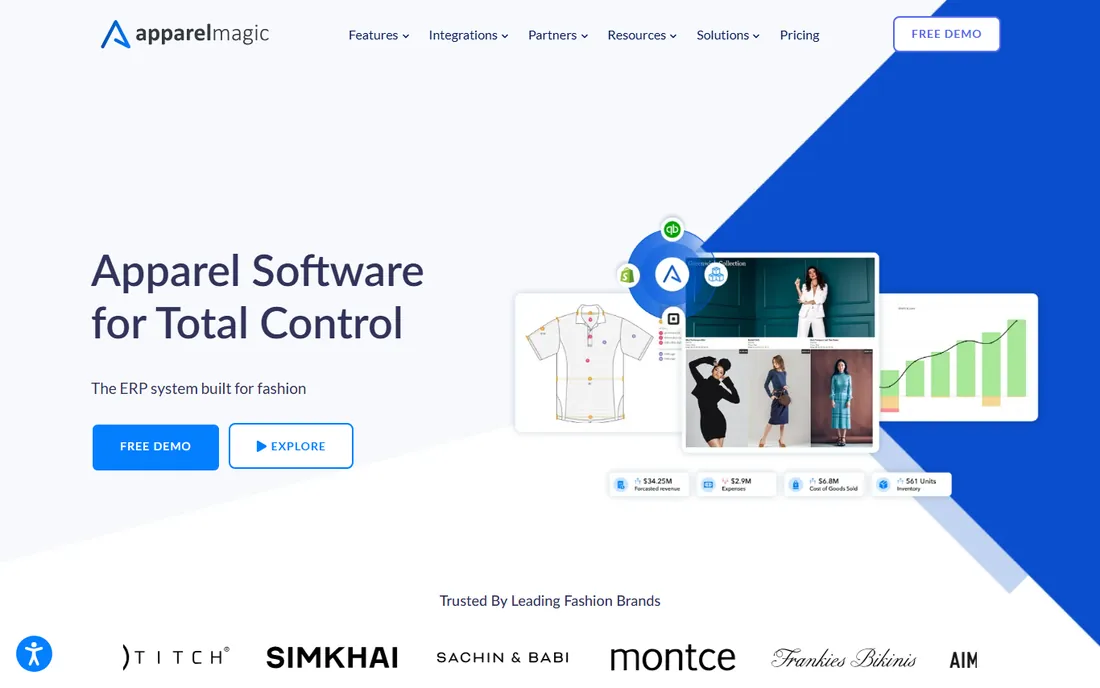
Most brands eventually need more than tech packs: inventory, orders, accounting, customer management. ApparelMagic bundles all of it into one system built only for apparel, which means the tech pack connects naturally to costing, production orders and warehouse data. A style's bill of materials flows into purchasing without re-entry, and that is where the real time savings appear.
The company emphasizes affordability and ease of use, positioning against both spreadsheets and expensive enterprise PLM. Training, onboarding videos and phone support come with the subscription rather than as add-on fees. The tradeoff is specialization: if tech pack creation is your entire job, Techpacker or Repsketch give you finer design control. If you are running the business side too, ApparelMagic's breadth wins.
What we like- Combines PLM, ERP, CRM and inventory in one affordable system
- No installation, runs in the browser
- Strong training and support included
Watch out for- Tech packs are good but not the deepest on this list
- Design tools are lighter than Techpacker
- Advanced users may want more customization
#7
Surefront
Best for: wholesale brands sharing tech packs with buyers and factories
Visit surefront.com
Starting priceSee website
Free planNo
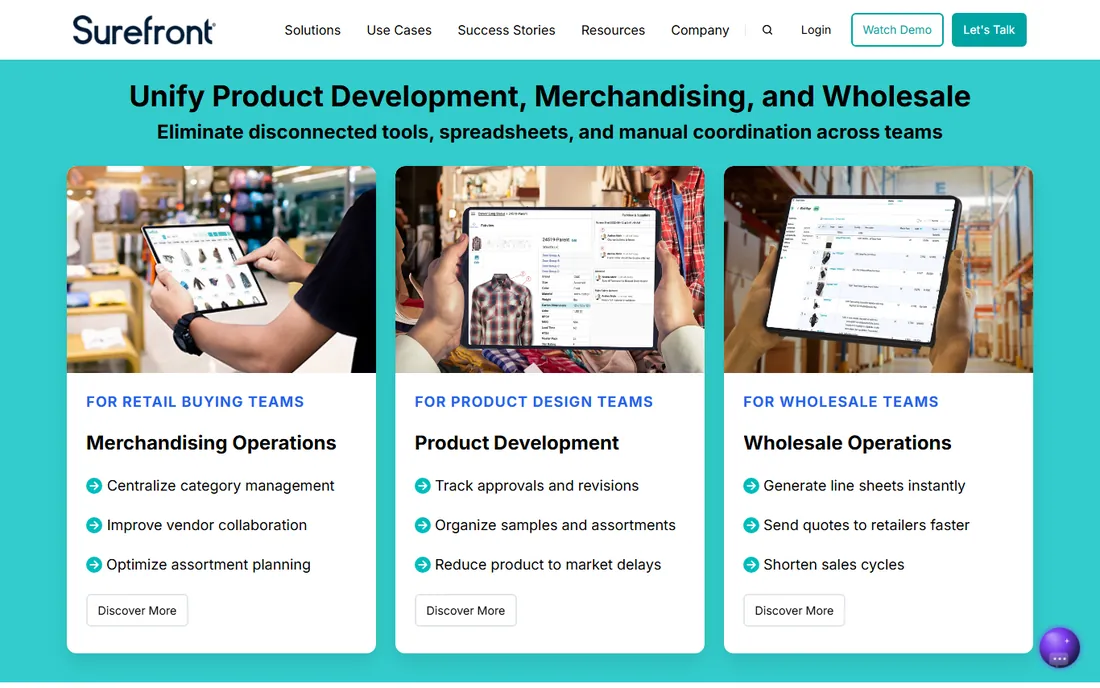
Surefront sits at the intersection of product development and wholesale, which matches how many brands actually work: the tech pack goes to the factory, the line sheet goes to the buyer, and both need the same product data. Surefront generates tech packs for manufacturer partners while also producing line sheets, quotes and purchase orders, so the product record serves the whole commercial cycle.
The collaboration model is the selling point. Internal teams, suppliers and customers can interact around product attributes in one place instead of forwarding PDFs. That reduces the version-control disasters where a factory sews from tech pack v3 while the buyer approved v5. Surefront is less known than the PLM giants, so ask for customer references in your category before committing. For wholesale-driven brands, the combined workflow is worth a serious look.
What we like- Tech packs plus line sheets plus wholesale orders in one flow
- Strong collaboration between internal teams and vendors
- Well reviewed on G2
Watch out for- Broader than pure tech pack software
- Pricing requires a sales conversation
- Smaller vendor with a narrower track record
#8
Repsketch
Best for: designers who need professional flat sketches quickly
Visit repsketch.com
Starting priceSee website
Free planSee website
Every tech pack starts with the flat sketch, and Repsketch exists to make that step fast. Instead of drawing garment flats from scratch in Illustrator, you start from thousands of premade vector sketches and remix them in a fashion-specific editor. The result is a clean technical drawing you can drop into your tech pack, portfolio or mood board. It even offers AI tools that convert rough sketches into polished visuals.
Be clear about what this is: Repsketch handles the artwork, not the specs, measurements or factory communication. Pair it with Techpacker or a PLM and you have a complete pipeline at a fraction of the usual cost. For students, freelancers and startup designers, it is the cheapest way to make tech packs look like they came from an established brand.
What we like- Huge library of premade vector fashion flats
- Purpose-built vector editor for technical sketches
- Very affordable entry point
Watch out for- A sketch tool, not a full tech pack system
- No BOM or measurement management
- You will still need somewhere to assemble the final pack
#9
Foursource
Best for: brands that need to find factories and share tech packs with them
Visit foursource.com
Starting priceSee website
Free planSee website
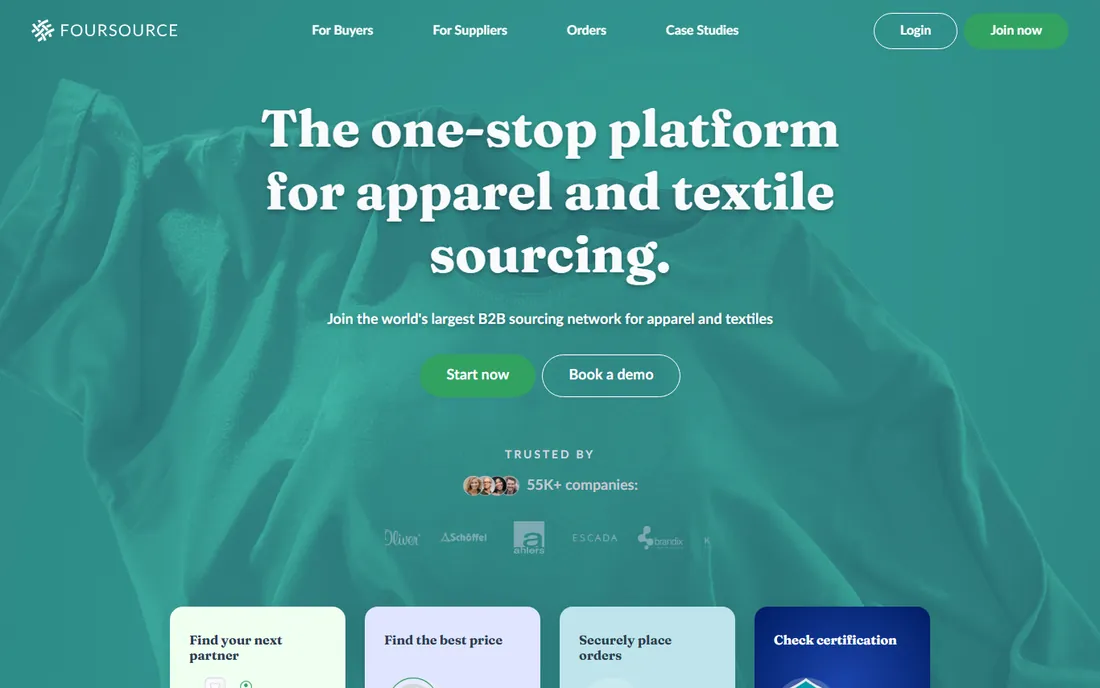
Foursource approaches the tech pack from the factory side. Its B2B network connects brands with over a thousand suppliers across apparel and textiles, and your tech pack becomes the document that starts the sourcing conversation. Instead of emailing PDFs to factories found through middlemen, you share specs inside a platform where suppliers are verified and comparable.
Do not buy Foursource expecting a Techpacker replacement. Its tech pack capabilities serve sourcing workflows: sharing, comparing and discussing specs with potential manufacturers. But for a new brand, that combination is powerful. Finding a reliable factory is often harder than writing the tech pack, and Foursource puts both problems in one place. Start with a free account to explore the supplier network before committing.
What we like- Network of 55,000+ apparel companies to source from
- Digital profiles replace trade-show hunting
- Tech packs move directly into sourcing conversations
Watch out for- A sourcing platform first, tech pack tool second
- Serious PLM features are limited
- Free tier has restricted access
How we chose
We researched this category through vendor websites and documentation, fashion industry press, and public reviews on G2, Capterra and SourceForge. We prioritized tools that exist today and genuinely handle tech pack creation or the product development workflow around it, from dedicated builders like Techpacker to full PLM suites like Centric and Bamboo Rose. We excluded generic project tools and dead products (one well-known name, Zedonk, now resolves to a parked domain). No vendor paid for placement, and we did not claim hands-on testing.
What to check before you commit
Match the tool to your actual bottleneck. If writing the tech pack is the pain, a focused builder like Techpacker or a sketch tool like Repsketch solves it for the least money. If the pain is version chaos between you and three factories, you need the collaboration layer of Delogue, Bamboo Rose or Surefront. If you are also managing inventory and wholesale orders, ApparelMagic's combined system beats stitching tools together.
Ask about implementation honestly. Delogue and Techpacker can be running in days or weeks; Bamboo Rose cites an average 50-day implementation; Centric is longer. Ask what data migration looks like, because your existing Excel tech packs and Illustrator files do not move themselves. And check the per-user pricing math for your whole team plus any factory seats, since a low headline price multiplies fast.
Finally, test the factory handoff before you buy. The whole point of a tech pack is that someone in another country can manufacture from it without calling you. Send a sample tech pack from each shortlisted tool to your actual factory contact and ask what is unclear. The tool whose output your factory understands with the fewest questions is the right one, regardless of feature lists.
Mistakes that make factories hate your tech packs
The most expensive tech pack mistakes are not software problems, but software cannot fix them either. The classic one is measurements without tolerances: a chest width of 21 inches means nothing if the factory does not know whether plus or minus half an inch is acceptable. Another is burying construction details in email instead of the tech pack, so the document the sewer actually reads is incomplete.
Version control is the third killer. When revisions live in email threads, the factory inevitably sews from an old version. This is the strongest argument for a collaboration platform: one live tech pack that everyone sees. And keep your sketches honest. A beautiful flat that hides a difficult seam sets up a sampling round that fails, which costs far more than the time you saved drawing it. Good software makes these disciplines easier, but the discipline still has to come from you.
Frequently asked questions
What is a tech pack in fashion?
A tech pack is the technical blueprint a designer gives a factory to manufacture a garment. It typically includes flat sketches, measurements with tolerances, a bill of materials, fabric and trim details, construction notes, stitching specifications, labeling and packaging instructions. Without it, factories guess, and guessing produces bad samples.
How much does tech pack software cost?
Dedicated tools like Techpacker are the most affordable, with per-user monthly pricing. Mid-market PLM platforms like Delogue and Bamboo Rose cost more and are usually quote-based. Enterprise suites like Centric are priced for large organizations. Always calculate per-user cost for your full team, since headline prices multiply quickly.
Can I just use Excel and Illustrator for tech packs?
You can, and many small brands still do. The problem is scale: version control breaks down, measurements get retyped (and mistyped), and factories receive conflicting files. Dedicated tech pack software pays for itself once you manage more than a handful of styles or work with more than one factory.
What is the difference between a tech pack tool and a PLM?
A tech pack tool focuses on creating the document itself: sketches, specs and measurements. A PLM (product lifecycle management) system manages everything around it: materials libraries, costing, supplier collaboration, approvals and revisions. Techpacker is the former; Centric, Bamboo Rose, Delogue and WFX are the latter.
Do factories need a login to view my tech pack?
It depends on the tool. Collaboration platforms like Delogue, Surefront and Bamboo Rose give suppliers portal access to the live tech pack. Simpler tools export PDFs you email. Portal access reduces version errors, but some factories prefer email, so ask yours before deciding.
Which tech pack software is best for startups?
Techpacker is the most direct fit: affordable, focused on the document, and fast to learn. Pair it with Repsketch for professional flat sketches on a budget. Move to Delogue or Bamboo Rose when supplier collaboration and revision tracking become the bottleneck, usually once you pass 20 to 30 styles per season.
Sources we checked (11)
- https://techpacker.com/
- https://bamboorose.com/
- https://delogue.com/
- https://centricsoftware.com/
- https://wfxondemand.com/
- https://apparelmagic.com/
- https://surefront.com/
- https://repsketch.com/
- https://foursource.com/
- https://www.globenewswire.com/en/news-release/2022/04/11/2420002/0/en/Backbone-PLM-Unveils-Backbone-Lite-for-Fashion-Apparel-Startups-on-Shopify.html
- https://www.newfoundr.com/software/techpacker
Is your product missing or out of date?
We review this list regularly. Vendors can request a listing, send updated pricing or ask about featured placement.

Shihab Mia · Founder, Rankite
Shihab has spent more than a decade helping SaaS and e-commerce brands grow through search. He writes Rankite's software buying guides from pricing pages, documentation and public user reviews. More about Shihab.