How we make this list: we compare pricing pages, product documentation and public user reviews. Rankite is independent; if a vendor ever pays for a featured spot, that listing is clearly labeled Partner.
Key takeaways
- Budget plates from MERACH and LifePro cost $120 to $400 and cover the basics well for home use.
- Power Plate and Hypervibe sit at the premium end ($3,700 to $5,750), aimed at serious home gyms and commercial settings.
- Weight capacity matters more than marketing claims: check the maximum user weight before anything else.
- Oscillation plates suit beginners; 4D and tri-mode machines add movement patterns for more experienced users.
Quick comparison
Is your product missing or out of date?
We review this list regularly. Vendors can request a listing, send updated pricing or ask about featured placement.
Most vibration plates sold online are the same generic hardware with a different logo slapped on top. The eight machines below are different: they come from real manufacturers with real product pages, published specifications, and warranty terms you can actually read before buying. That distinction matters when you are spending anywhere from $120 to nearly $6,000.
Starting price$199.99 one-time
Free planNo
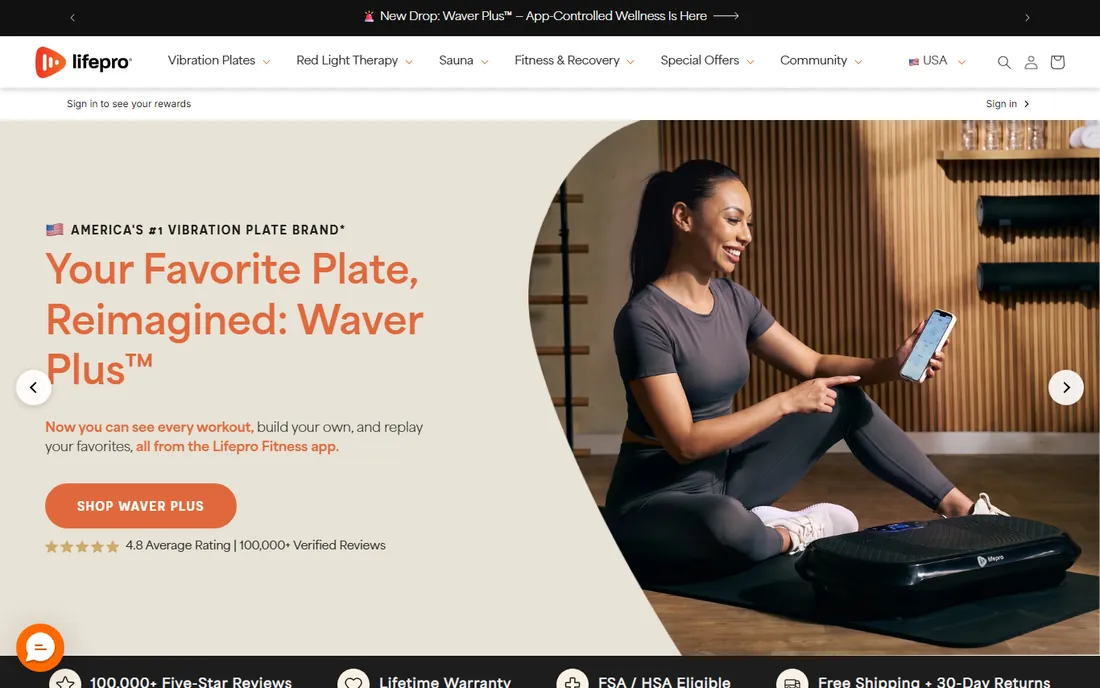
The LifePro Waver is the entry point that does not feel like a compromise. It offers 99 speed settings, which is far more granular than most budget plates, so you can start gentle and increase intensity as you get comfortable. The weight capacity reaches 440 pounds, unusually generous at this price, and the platform measures roughly 5.6 by 20.5 inches. For a first machine, that combination of adjustability and capacity is hard to beat.
What you give up at $199.99 is movement variety. The Waver uses standard oscillation, meaning the plate rocks side to side, without the linear or pulsation modes found on pricier machines. It includes a remote control and resistance bands for upper-body work, and LifePro backs it with lifetime support, which is rare in this category. Assembly is minimal since the unit ships mostly put together. If you want to try whole-body vibration without a big commitment, this is the sensible starting point.
What we like- 99 speed settings for fine control
- 440 lb weight capacity
- Lifetime customer support included
Watch out for- Basic oscillation only, no 4D modes
- Platform surface is on the smaller side
Starting price$119.99 one-time
Free planNo
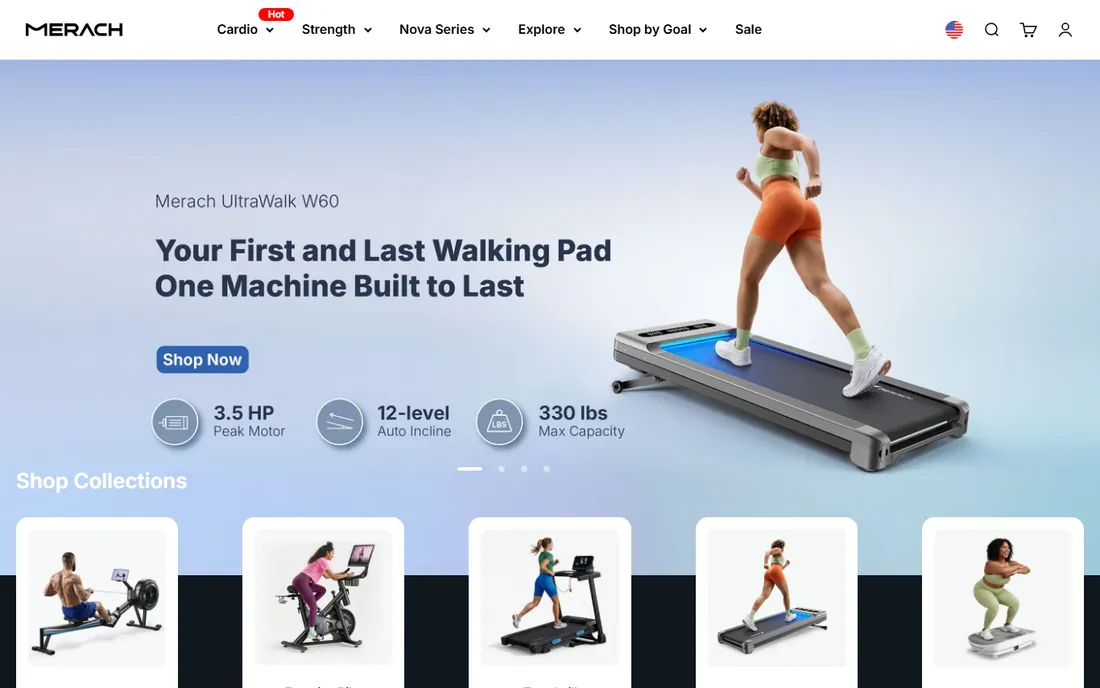
At $119.99 on MERACH's own product page, the CV30 Pro is the cheapest machine in this guide from a manufacturer with a verifiable US store. It is a straightforward oscillation plate: stand on it, pick a speed with the remote, and follow the timer on the LED display. There is nothing fancy here, and that is the point. It does the core job without asking you to pay for modes you may never use.
The trade-offs are what you would expect at this price. Speed options are more limited than the LifePro Waver's 99 settings, and there are no 4D movement patterns or app-connected workouts. The compact footprint suits apartments, though taller users may find the platform snug. MERACH covers its products with a standard warranty and offers 30-day returns, which lowers the risk of trying it. Buy this if your budget is tight and you want a simple plate from a company that actually exists.
What we like- Lowest price from a real manufacturer
- LED display with remote control
- Compact footprint
Watch out for- Fewer speed options than rivals
- Limited advanced features
Starting price$299.99 one-time
Free planNo
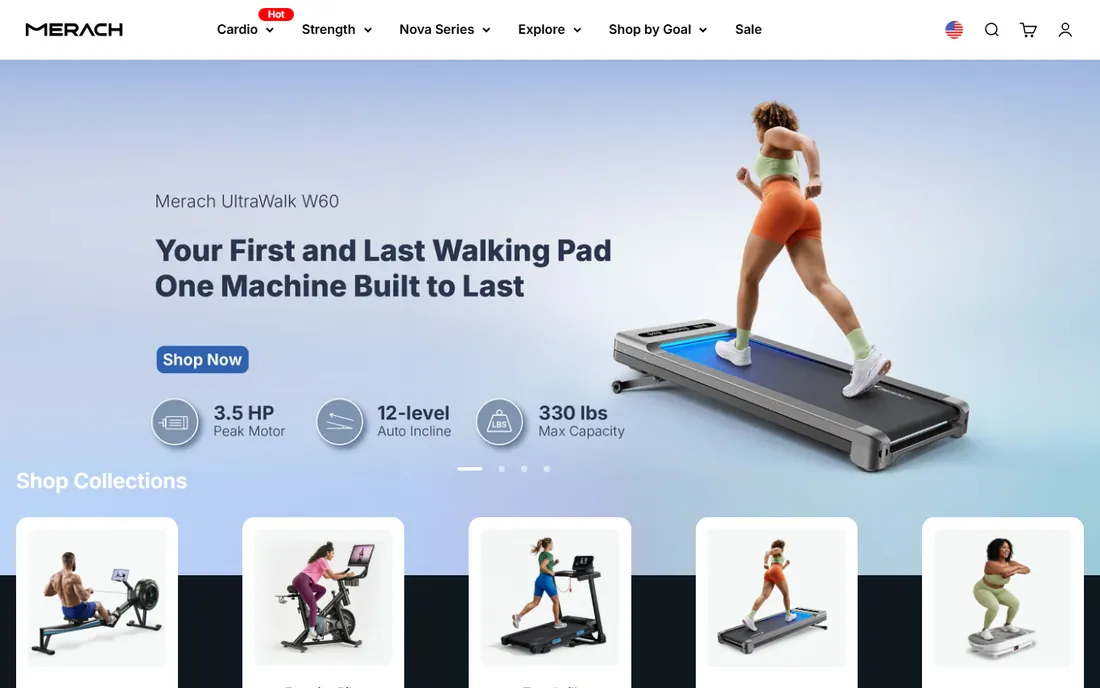
The CV61 4D is MERACH's answer for buyers who want more than basic oscillation without jumping to premium prices. At $299.99 on the company's product page, it adds 4D tri-mode vibration, meaning the plate can move in multiple patterns rather than just rocking side to side. That variety gives you more workout options and a more interesting session, which matters if you plan to use the machine several times a week.
Compared with the CV30 Pro, you get a more capable machine with broader speed and mode controls. Compared with the LifePro Rumblex Plus 4D at $399.99, you save about $100 while getting a similar class of features. The build is still home-grade rather than commercial, so heavy daily use by multiple people may wear it faster than a gym-quality unit. Like other MERACH products, it comes with 30-day returns and warranty coverage. It is the value pick for buyers who want 4D movement on a mid-range budget.
What we like- 4D tri-mode vibration at a mid-range price
- Larger feature set than the CV30 Pro
- Same 30-day returns
Watch out for- Still a home-grade build, not commercial
- App and content ecosystem is thin
Starting price$399.99 one-time
Free planNo
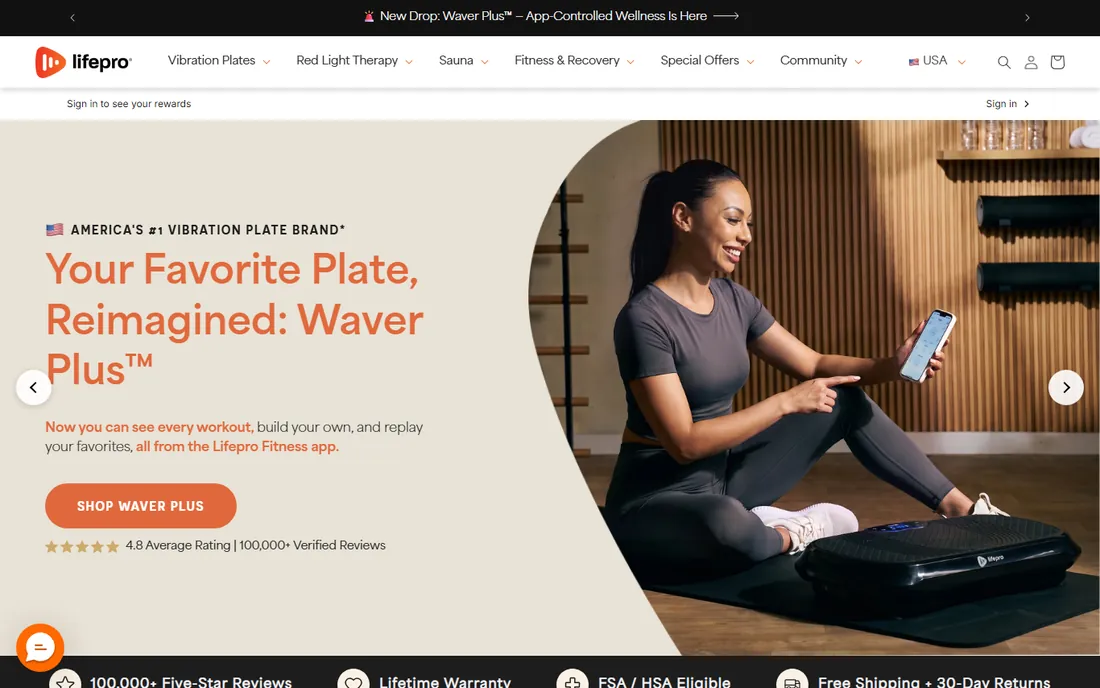
The Rumblex Plus 4D is LifePro's flagship home machine, and the spec sheet explains the $399.99 price. It combines three vibration patterns (oscillation, linear, and pulsation) into what the company calls 4D motion, with 7 preset training modes and 60 speed settings. The maximum user weight is 330 pounds. It ships with resistance bands, a remote, and access to LifePro's training content, and the company includes lifetime support.
In practice, this is the machine for someone who has used a basic plate and wants more. The preset modes take the guesswork out of programming a session, and the variety of motion patterns keeps workouts from feeling repetitive. The downsides are size and price: it is bulkier than the Waver and costs twice as much. If you are buying your first plate and are unsure how much you will use it, start cheaper. If you already know vibration training is part of your routine, the Rumblex Plus 4D is the more satisfying long-term choice.
What we like- 4D motion with oscillation, linear, and pulsation modes
- 7 training modes and 60 speeds
- 330 lb capacity
Watch out for- Costs twice the Waver
- Larger and heavier to store
Starting priceSee website
Free planNo
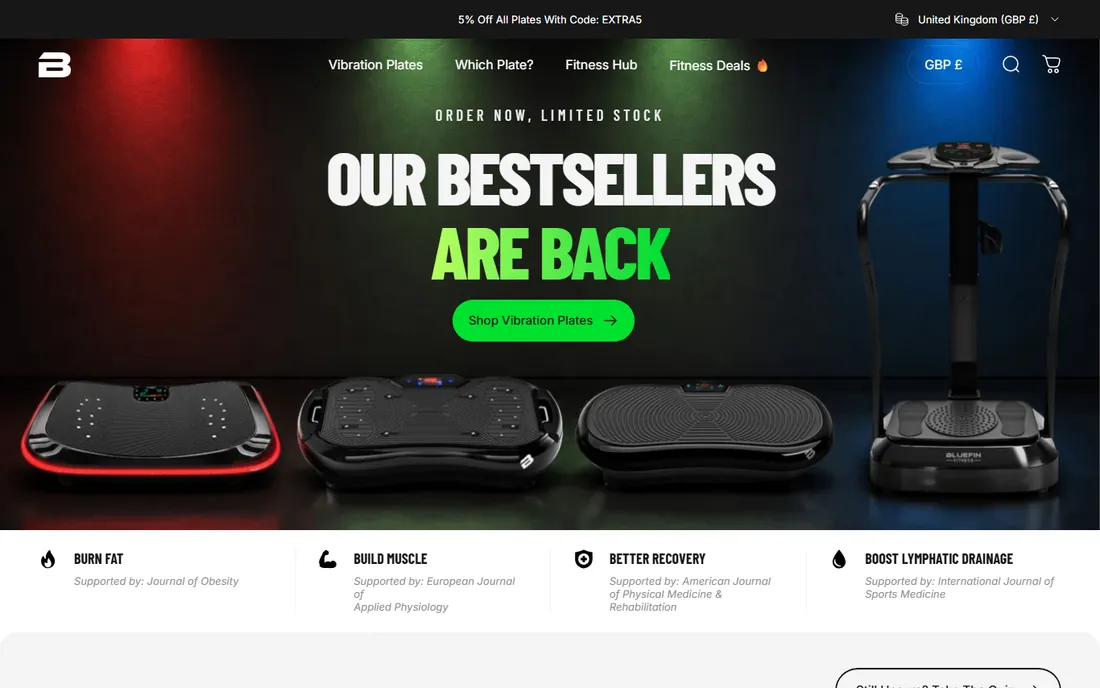
Bluefin Fitness is a UK-based brand with a strong European following, and the 4D is its flagship plate. The machine offers several vibration modes, including vertical movement, horizontal movement, and micro-oscillation at higher frequencies, plus magnetic wellness beads built into the platform surface. Stabilization handles come in the box, which helps new users feel secure, and the package includes the accessories most rivals sell separately.
Pricing is the awkward part for US buyers. Bluefin's European store lists the 4D at 379.99 euros, but the main site does not publish a US dollar price, so check the current figure before comparing. Shipping times and warranty handling differ by region, which is worth confirming if you order from outside Europe. The machine itself is well regarded for build quality and the breadth of its programs. Buy it if you want a European-engineered plate and are comfortable with the regional pricing situation.
What we like- Multiple vibration modes including micro-oscillation
- Stabilization handles included
- All-inclusive accessory package
Watch out for- US pricing is not published on the main site
- Shipping and support vary by region
Starting priceSee website
Free planNo
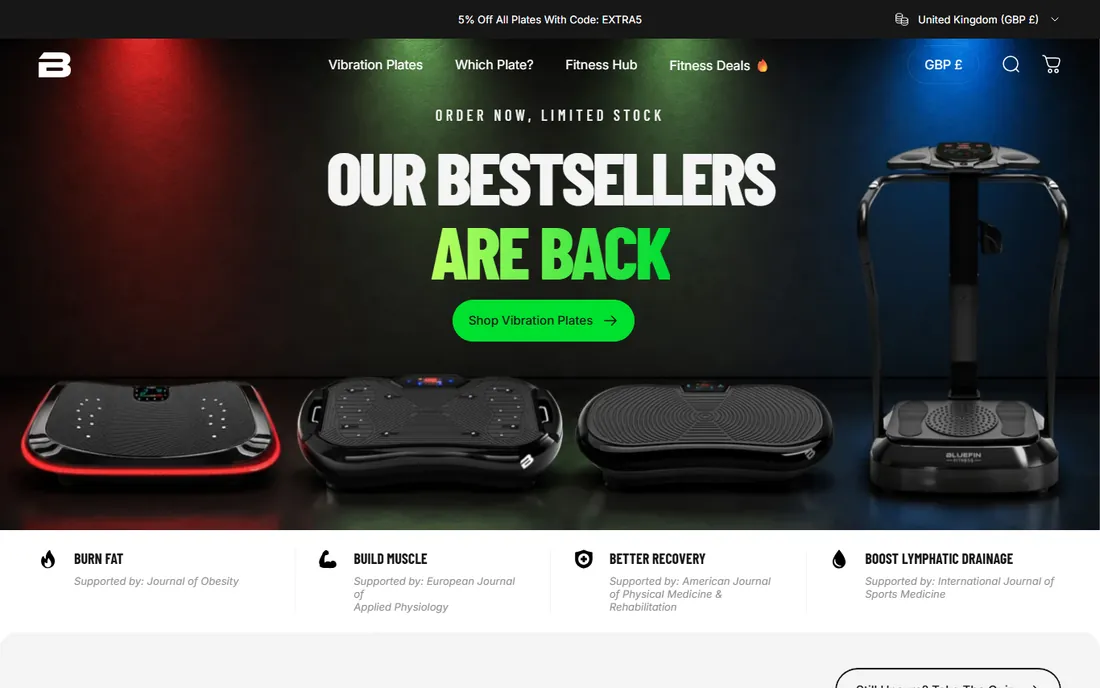
The Ultra Slim answers the most common objection to vibration plates: where do I put it? Bluefin designed this model to be compact and light enough to slide under a bed or stand in a closet, which makes it practical for apartments. It still offers 180 intensity levels for workout customization, and the company emphasizes quiet operation, a real consideration when you share walls with neighbors.
The small platform is the compromise. You can stand comfortably, but wide stances and dynamic exercises are limited compared with full-size plates. Like the 4D, US pricing is not published on the main site, so confirm the current price before buying. For a second machine, a travel-friendly option, or a first plate in a tight living space, the Ultra Slim fills a niche the bigger machines ignore.
What we like- Compact and lightweight enough to store under a bed
- 180 intensity levels
- Quiet operation for shared walls
Watch out for- Smaller platform limits stance options
- No published US price
Starting price$3,720 one-time
Free planNo
Power Plate is the brand that defined the category, and the MOVE is its home-focused model. It uses the company's PrecisionWave technology, delivering vibration at 30 to 40 Hz through a dual-sync motor, with a 300-pound user capacity. The machine is registered with the US FDA as a Class 1 device, a credential no budget plate in this list holds. Build quality is commercial-adjacent: steel construction, a 77-pound frame, and a finish that looks at home in a proper gym.
The price is the conversation. At $3,720 list (the company's site frequently discounts it), the MOVE costs more than ten MERACH CV30 Pros. What you get for that is proven engineering, a company with over two decades in the space, and a machine that holds up under daily use. Power Plate also sells to pro sports teams and medical facilities, which speaks to durability if not to value. This is the pick for a serious home gym where the plate gets used daily and needs to last a decade.
What we like- PrecisionWave technology at 30 to 40 Hz
- 300 lb capacity
- FDA-registered Class 1 device
Watch out for- Costs more than ten budget plates
- Heavy at 77 lbs, not easy to move
Starting price$5,749 one-time
Free planNo
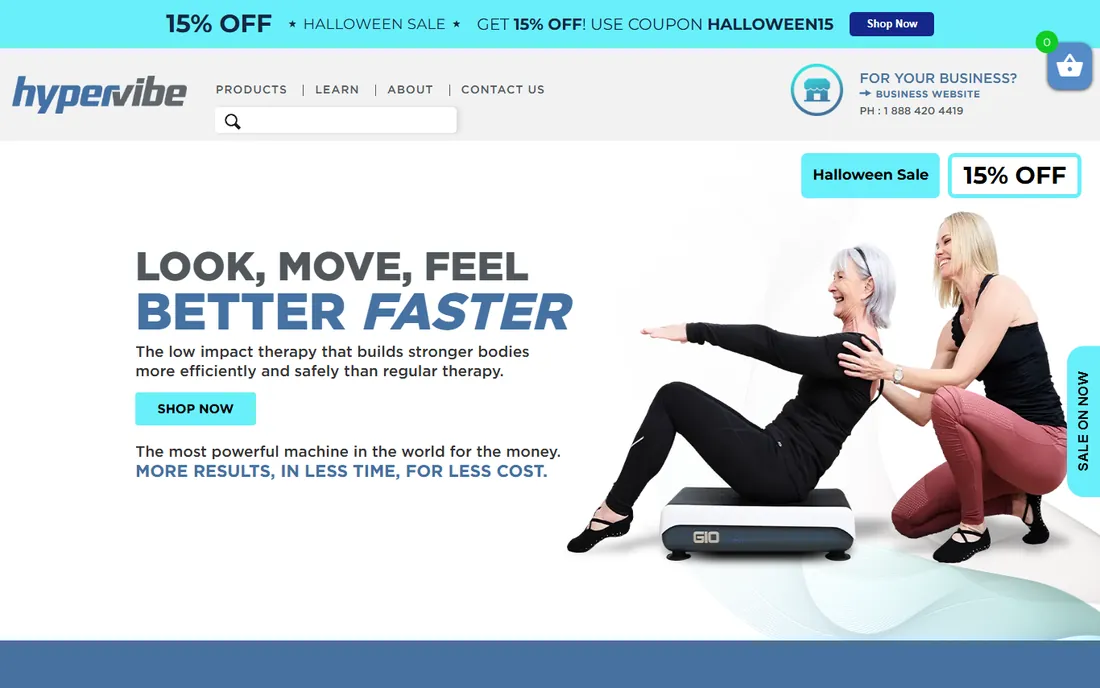
The Hypervibe G17 Pro V2 sits at the top of this list on price and on power. At $5,749 on the company's US product page, it is a commercial-grade machine built around pivotal oscillation, the see-saw motion pattern favored in training and therapy settings. Hypervibe counts professional sports teams and medical organizations among its customers, and the G17 is the model those buyers choose. The company backs it with a long warranty and US-based phone support.
For home buyers, the honest question is whether you need it. A casual user doing 10-minute sessions three times a week will not feel $5,000 worth of difference over a good mid-range plate. But for a personal training studio, a clinic, or a home gym where the machine runs for hours a day, the build quality and power headroom justify the cost. Hypervibe runs frequent promotions (a 15% coupon was active on the US site at the time of writing), so the street price is often lower than list.
What we like- Highest power output in this list
- Pivotal oscillation design
- Trusted by pro sports organizations
Watch out for- The most expensive option here by far
- Overkill for casual home use
How we chose
We limited this guide to whole-body vibration plates from manufacturers with real, reachable product pages and published specifications. For each machine we checked the manufacturer's own product page for price and specs, read the warranty and returns terms, and reviewed public buyer feedback on retail and review sites. We compared price, weight capacity, vibration modes, speed settings, platform size, included accessories, and warranty coverage. We did not claim hands-on testing, and we avoided repeating marketing claims about health outcomes; every fact here comes from manufacturer pages and public sources.
What to check before you buy a vibration plate
A vibration plate is a chunk of hardware that lives in your home for years. These checks matter more than any single feature bullet.
Weight capacity and platform size
Check the maximum user weight first, then the platform dimensions. Budget plates range from 220 to 440 pounds of capacity, and a platform under 20 inches long can feel cramped for taller users. If two people will share the machine, buy for the heavier person and the larger shoe size.
Vibration type and speed range
Basic plates use oscillation, a side-to-side rocking motion. Mid-range machines add linear (up-down) and pulsation modes, marketed as 3D or 4D. More speed settings give finer control over intensity, which matters if you are new to vibration training or sharing the machine with someone less fit. None of this replaces professional guidance on how to use the machine.
Warranty, returns, and support
A 30-day return window is the minimum you should accept on a machine you have never tried. Look for at least a one-year warranty on parts, and check whether support is US-based or email-only. LifePro's lifetime support stands out in this list; most rivals offer standard limited warranties.
Noise and space
Vibration plates hum, and cheaper motors hum louder. If you live in an apartment, look for models marketed as quiet and check buyer reviews for noise complaints. Measure your storage space too: full-size plates are heavy and awkward to move daily, which is why slim models exist.
Setting up and using your machine safely
Setup is simple for every machine here: unbox, place on a flat hard floor, plug in, and attach any handles. Most units ship nearly assembled. Put a mat underneath if you have hard floors you care about, and leave clearance around the platform so you cannot hit furniture if you lose balance.
Start with the lowest speed and short sessions, typically under 10 minutes, until you know how your body responds. Use the handles or a wall for balance at first. Stand with soft knees rather than locked joints, and stop if you feel dizzy or uncomfortable. People with certain medical conditions, including pregnancy, recent surgery, or implanted devices, should talk to a doctor before using a vibration plate. Keep children and pets away from the machine while it runs.
Frequently asked questions
Are vibration platform machines safe?
For most healthy adults they are generally considered low-risk when used as directed, starting with short sessions at low intensity. That said, they are not suitable for everyone. If you are pregnant, have a recent injury or surgery, or use an implanted medical device, check with your doctor first.
How often should you use a vibration plate?
Manufacturers typically suggest 2 to 4 sessions per week of 10 to 15 minutes, but guidance varies by machine and intensity. Start with less and build up. There is no benefit to marathon sessions, and overuse can leave you sore.
Will a vibration plate help me lose weight?
No machine on its own drives meaningful weight loss. Vibration plates are marketed as a complement to exercise and diet, not a replacement. Treat any dramatic before-and-after claims in ads with skepticism and focus on consistent overall activity.
What is the difference between oscillation and 4D vibration?
Oscillation rocks the plate side to side like a see-saw. So-called 3D and 4D machines add vertical movement and pulsation patterns, giving more variety in how the vibration reaches your body. More modes mean more workout options, not necessarily better results.
Do I need special shoes or clothing?
Most manufacturers recommend using the plate barefoot or in socks on machines with textured surfaces, and athletic shoes on others. Check your model's manual. Comfortable workout clothing is fine; nothing special is required.
How much space does a vibration plate need?
The plate itself is roughly the size of a carry-on suitcase, but allow a few feet of clearance on all sides for safe mounting and dismounting. Slim models store under a bed; full-size units weigh 40 to 77 pounds and are best given a permanent spot.
Sources we checked (5)
- https://lifeprofitness.com/
- https://merachfit.com/
- https://powerplate.com/
- https://www.hypervibe.com/us/
- https://bluefinfitness.com/
Is your product missing or out of date?
We review this list regularly. Vendors can request a listing, send updated pricing or ask about featured placement.

Shihab Mia · Founder, Rankite
Shihab has spent more than a decade helping SaaS and e-commerce brands grow through search. He writes Rankite's software buying guides from pricing pages, documentation and public user reviews. More about Shihab.
 LifePro Waver
 MERACH CV30 Pro
 MERACH CV61 4D
 LifePro Rumblex Plus 4D
 Bluefin Fitness 4D
 Bluefin Fitness Ultra Slim
 Power Plate MOVE
 Hypervibe G17 Pro V2