How we make this list: we compare pricing pages, product documentation and public user reviews. Rankite is independent; if a vendor ever pays for a featured spot, that listing is clearly labeled Partner.
Key takeaways
- UltraTax CS and Lacerte lead for firms preparing many fiduciary returns, with deep Form 1041 support and integration.
- Drake Tax offers professional 1041 preparation at prices small firms can afford.
- CCH Axcess Tax suits larger firms standardized on the Wolters Kluwer ecosystem.
- TaxSlayer Pro and TaxAct Professional cover 1041 filing for smaller practices and seasonal preparers.
- TurboTax Business serves trustees and small firms handling a handful of straightforward fiduciary returns.
Quick comparison
Is your product missing or out of date?
We review this list regularly. Vendors can request a listing, send updated pricing or ask about featured placement.
The best tax software for estates and trusts
Starting priceSee website
Free planNo
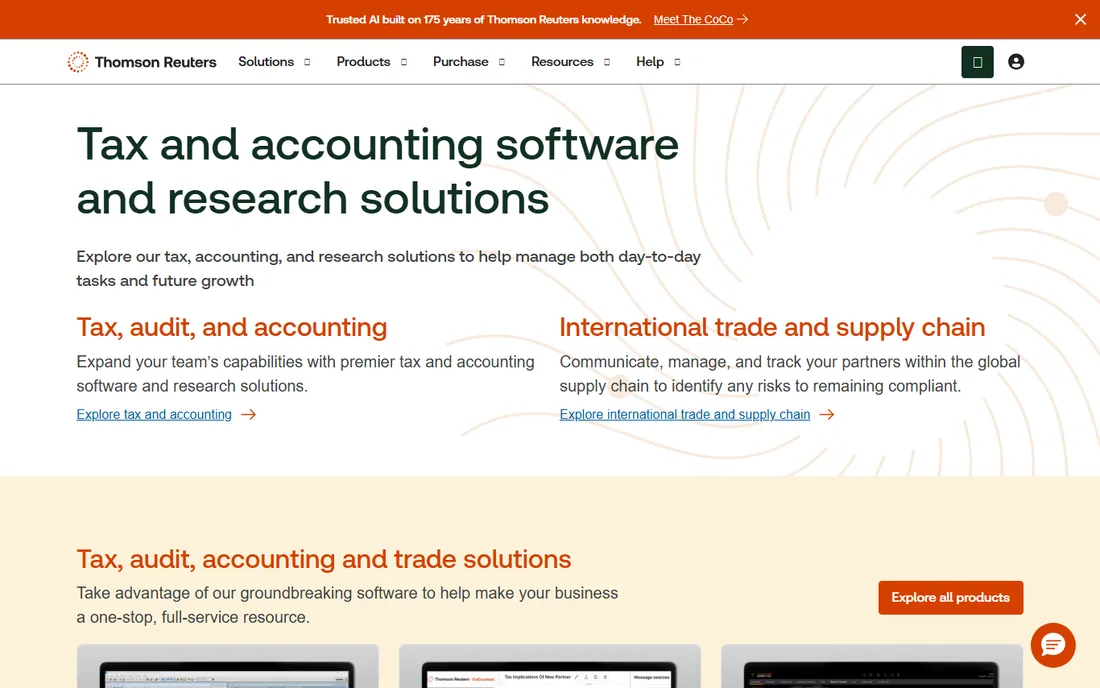
UltraTax CS is the power tool for fiduciary tax preparation. Its 1041 module handles complex estates and trusts: distributable net income calculations, tier distributions, depreciation, and multi-state filings, with diagnostics that catch errors before filing. Integration with the Thomson Reuters CS suite shares data across tax, accounting, and practice management.
Pricing is premium and modular, which suits firms preparing dozens of fiduciary returns annually. Smaller practices may find it more than they need. But for firms where estates and trusts are a real practice area, UltraTax's depth and the CS ecosystem integration justify the investment.
What we like- Deepest 1041 functionality
- Integrates with CS suite
- Strong diagnostics
Watch out for- Premium pricing
- Learning curve
Starting priceSee website
Free planNo
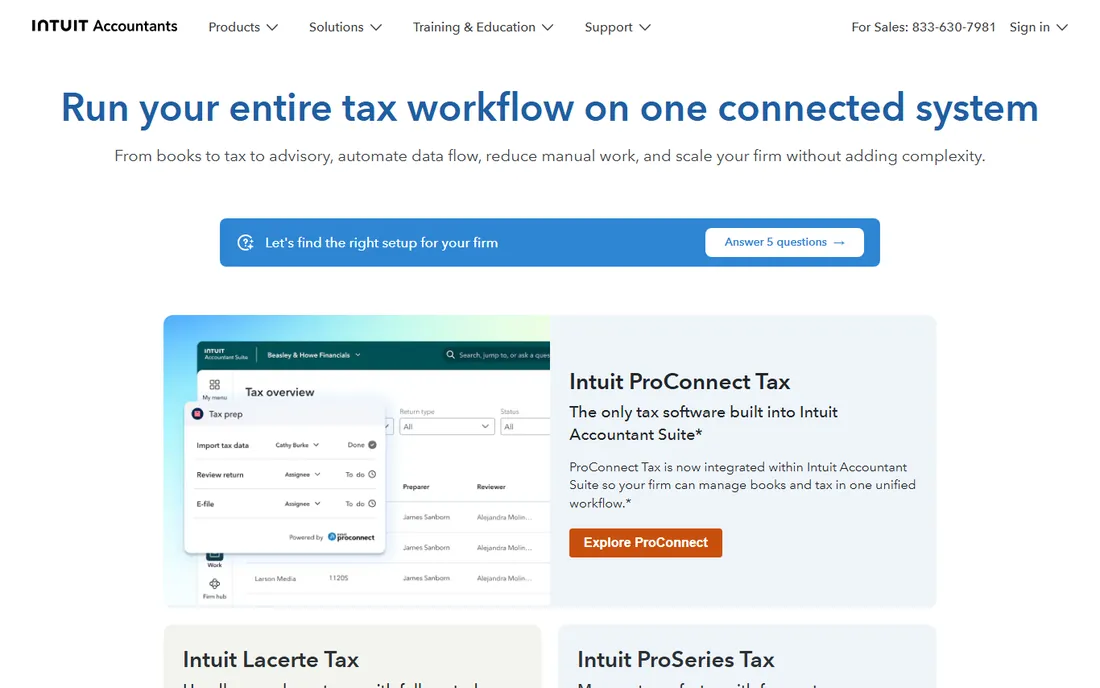
Lacerte has prepared fiduciary returns for decades, and its 1041 module reflects that experience. Complex trust scenarios, grantor trust reporting, and estate filings work reliably, with the diagnostic review catching common mistakes. Firms standardized on Intuit get integration with QuickBooks and ProConnect-adjacent workflows.
It remains primarily desktop software, which some firms now see as a limitation. Per-return pricing accumulates for high-volume practices. But Lacerte's installed base means staff know it, which reduces training costs that newer platforms impose.
What we like- Trusted by thousands of firms
- Strong 1041 support
- Intuit ecosystem
Watch out for- Desktop-based
- Pricing per return adds up
Starting priceSee website
Free planFree trial
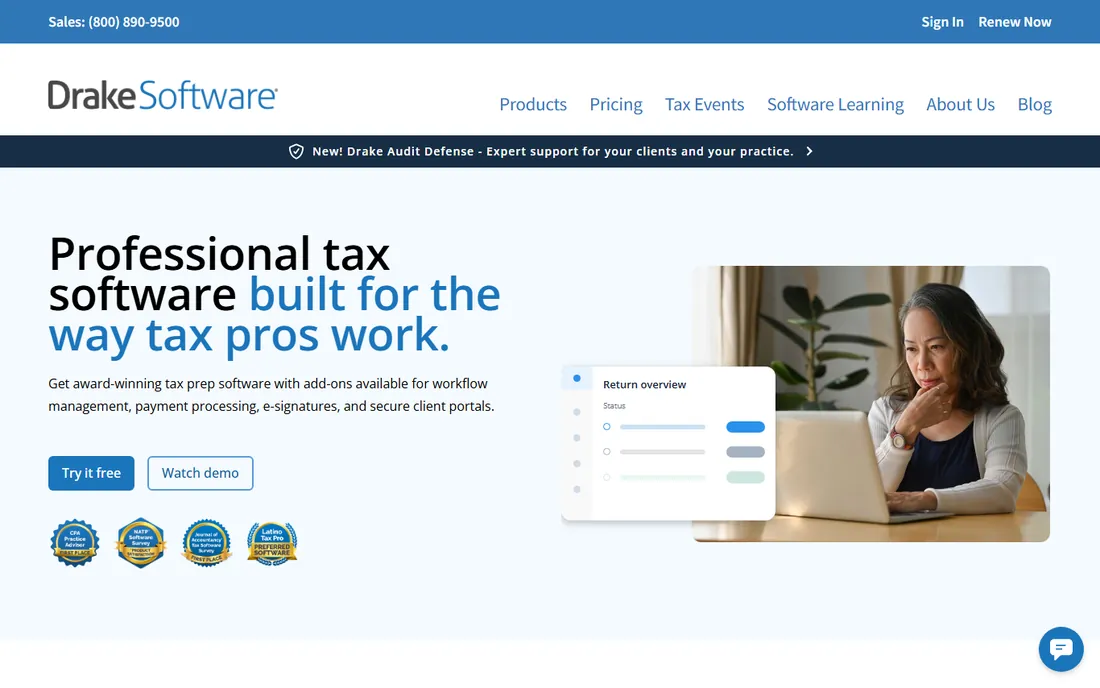
Drake Tax's pricing model is its superpower: one price includes every module, including 1041, with unlimited e-filing. Small firms and solo practitioners get professional-grade fiduciary preparation without per-return fees or module upsells. The 1041 support covers the forms estates and trusts actually need.
The interface is famously utilitarian, and integrations trail the bigger ecosystems. But Drake users are famously loyal for a reason: the software does the job at a price that respects small-firm economics. For practices preparing a moderate number of fiduciary returns, the value is unmatched.
What we like- All modules included in price
- Strong 1041 support
- Loyal user base
Watch out for- Interface dated
- Fewer integrations
Starting priceSee website
Free planNo

CCH Axcess Tax brings fiduciary preparation into Wolters Kluwer's cloud platform, with the tax research integration that distinguishes CCH: answers from the IntelliConnect library sit alongside the return. Large firms value the workflow management, review tools, and multi-office capabilities.
Pricing and complexity target larger practices. Solo preparers will find it excessive. But firms already invested in the Wolters Kluwer ecosystem get 1041 preparation that shares data with planning, research, and practice management in one cloud environment.
What we like- Cloud-based
- Deep tax research integration
- Strong for large firms
Watch out for- Enterprise pricing
- Complexity
Starting priceSee website
Free planFree trial

TaxSlayer Pro brings consumer-software usability to professional preparation at prices well under the legacy vendors. The 1041 module handles standard estate and trust returns competently, and preparers learn it quickly. Seasonal practices and smaller firms get professional filing without enterprise budgets.
Highly complex fiduciary situations may exceed its depth; firms specializing in estates should evaluate UltraTax or Lacerte. But for the large middle of straightforward 1041 filings, TaxSlayer Pro's combination of price and usability is compelling.
What we like- Affordable pro pricing
- Includes 1041
- Easy to learn
Watch out for- Less depth for complex estates
- Smaller firm community
Starting priceSee website
Free planFree trial
TaxAct Professional covers 1041 preparation for practices handling modest fiduciary volume. The interface is straightforward, pricing is accessible, and the basics work reliably. Small firms adding occasional estate returns to an individual-tax practice find it approachable.
Advanced fiduciary scenarios and high-volume workflows belong on professional-grade platforms. But not every practice needs those; many need to file a dozen competent 1041s a year without a second mortgage on software. TaxAct Professional serves exactly that need.
What we like- Affordable
- Straightforward interface
- Good for small volumes
Watch out for- Limited advanced features
- Support thinner
Starting priceSee website
Free planNo

TurboTax Business lets trustees and small firms prepare straightforward fiduciary returns without professional software. The interview format guides non-specialists through 1041 preparation, and the price suits occasional use. Simple trusts with basic income get filed correctly.
Complex estates need a professional. No multi-user review, no practice management, limited diagnostics. But for the trustee administering a simple family trust, or the small firm filing a handful of basic 1041s, TurboTax Business is the pragmatic choice over professional suites.
What we like- Familiar interview format
- Handles simple 1041s
- No pro license needed
Watch out for- Not for complex estates
- No professional workflow tools
Starting priceSee website
Free planNo
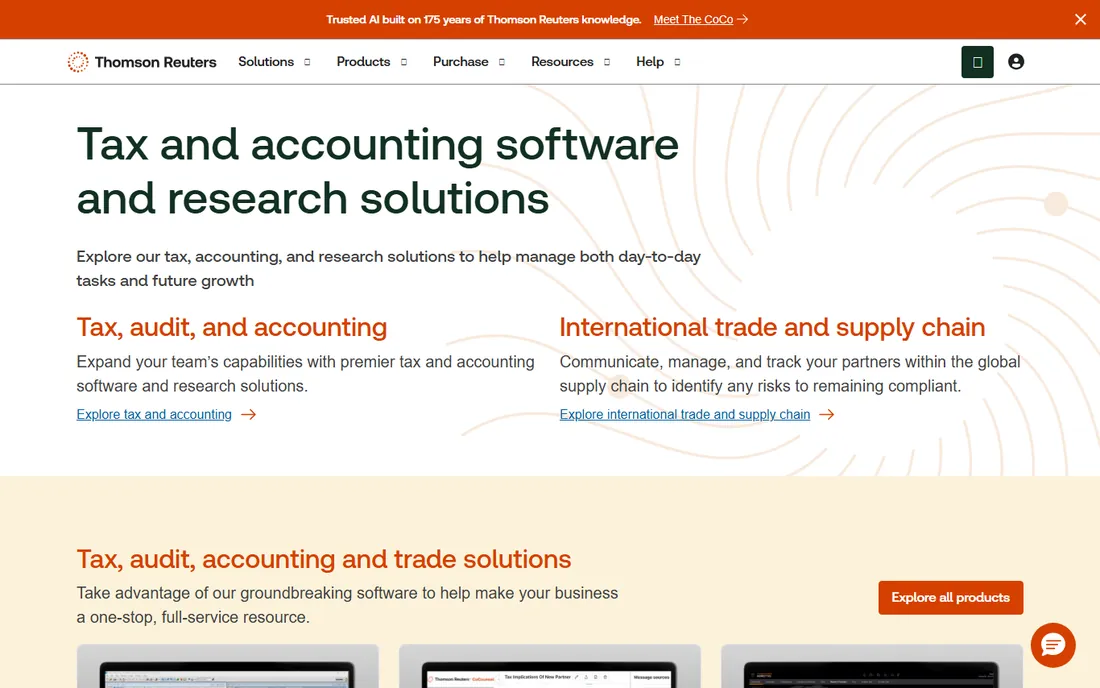
Beyond UltraTax itself, the CS Professional Suite wraps fiduciary preparation in a complete practice platform: tax, accounting, practice management, and document storage sharing one database. Firms running the suite get 1041 workflows connected to everything else the practice does.
This is a platform commitment with premium pricing to match. Firms should evaluate the suite, not just the 1041 module. But practices that live in the Thomson Reuters world get fiduciary preparation as part of an integrated whole rather than a standalone application.
What we like- Full practice integration
- 1041 plus planning
- Single vendor
Watch out for- Premium pricing
- Commitment to the ecosystem
What fiduciary preparation demands
Form 1041 is not Form 1040 with a different cover. Distributable net income, income distribution deductions, tier systems, and grantor trust rules create complexity that punishes generic tax software. Verify the software handles your specific scenarios: complex trusts, estates with fiscal years, multi-state filings, and generation-skipping transfer tax where relevant.
Diagnostics matter more here than in individual prep. The best tools flag DNI errors, distribution mismatches, and missed elections before filing. During the trial, run a prior-year complex return through the software and compare against the filed original. Discrepancies reveal whether the tool understands fiduciary taxation or just renders the forms.
Pricing models, explained
Professional tax software prices three ways: per-module suites (UltraTax, CCH), per-return fees (Lacerte), and all-inclusive pricing (Drake Tax). High-volume fiduciary practices should model total cost at their actual return counts; the cheapest sticker price is rarely the cheapest at fifty 1041s.
Watch for e-filing fees, state module costs, and renewal increases. And factor training: staff who know Lacerte or UltraTax represent human capital that switching vendors destroys. The software decision is a multi-year commitment; price it that way.
Frequently asked questions
What tax form do estates and trusts file?
Estates and trusts file Form 1041, the U.S. Income Tax Return for Estates and Trusts. It reports the entity's income, deductions, and distributions to beneficiaries, who receive Schedule K-1. Simple trusts with minimal income may have simpler requirements, but most need full 1041 preparation.
Can I prepare Form 1041 myself as a trustee?
For simple trusts, yes, using tools like TurboTax Business. Complex estates with business interests, multi-state issues, or significant assets warrant a CPA or attorney. The cost of professional preparation is small next to the cost of fiduciary mistakes.
How much does professional 1041 software cost?
It varies widely. Drake Tax and TaxSlayer Pro offer professional preparation at accessible prices, often under a couple thousand annually all-inclusive. UltraTax, Lacerte, and CCH Axcess cost more, scaling with modules and return volume. Most vendors quote based on firm size and needs.
Do I need different software for estates versus trusts?
No. Form 1041 covers both estates and trusts, and all the tools here handle both. The differences are in the tax rules applied, which the software manages. Choose based on complexity and volume, not entity type.
What is the difference between a simple and complex trust for tax purposes?
A simple trust must distribute all income annually and cannot make charitable contributions; a complex trust can accumulate income and has more flexibility. The distinction affects DNI calculations and distribution deductions. Professional software handles both, but the preparer must classify correctly.
Common 1041 mistakes to avoid
Fiduciary returns punish small errors disproportionately. The distributable net income calculation trips up even experienced preparers: miscomputing DNI distorts the income distribution deduction and misstates beneficiary K-1s. Double-check DNI whenever distributions approach total income.
Filing deadlines confuse trustees new to fiduciary duty: calendar-year estates and trusts face April 15 like individuals, but fiscal-year estates follow their year-end. Estimated payment requirements apply to trusts and estates too, and the penalties surprise first-time filers. Grantor trust reporting elections, basis adjustments at death, and the separate treatment of principal versus income round out the traps. Professional software catches mechanical errors, but the preparer must understand which elections apply. When in doubt, the cost of specialist review is trivial next to amended returns and penalties.
Working with trustees and executors
Fiduciary tax preparation is as much client management as computation. Trustees and executors are often grieving family members with no tax background, suddenly responsible for complex filings. Explain obligations in plain language: what must be filed, when, and what happens if deadlines slip. Patience here prevents the panic-driven mistakes that create more work later.
Set expectations about information early. Provide organizers listing exactly what documents you need: prior returns, asset inventories, distribution records, expense receipts. Follow up systematically; fiduciaries juggling estates deprioritize paperwork without reminders. And document your advice in writing, especially around discretionary decisions like fiscal year elections and distribution timing. The professional protection of written advice matters more in fiduciary work, where beneficiaries can challenge decisions years later.
How we chose
We focused on professional fiduciary preparation: Form 1041 depth, diagnostics, and practice fit. We verified each vendor's current site, compared pricing models and module structures, and weighed practitioner feedback from tax professional communities. We covered premium suites, value options, and simple-return tools. No vendor paid for placement, and we did not claim hands-on testing.
What records should trustees keep for tax purposes?
Trustees should maintain complete records of all income received, expenses paid, and distributions made, with dates and supporting documents. Keep prior-year returns, the trust instrument, asset inventories with valuations, and correspondence with beneficiaries. Good records make 1041 preparation straightforward and protect the trustee if beneficiaries question decisions. Digital copies with backups beat shoeboxes; start organized from day one.
Sources we checked (7)
- https://tax.thomsonreuters.com
- https://accountants.intuit.com
- https://www.drakesoftware.com
- https://www.wolterskluwer.com
- https://www.taxslayerpro.com
- https://www.taxact.com
- https://turbotax.intuit.com
Is your product missing or out of date?
We review this list regularly. Vendors can request a listing, send updated pricing or ask about featured placement.

Shihab Mia · Founder, Rankite
Shihab has spent more than a decade helping SaaS and e-commerce brands grow through search. He writes Rankite's software buying guides from pricing pages, documentation and public user reviews. More about Shihab.
 UltraTax CS
 Lacerte
 Drake Tax
 CCH Axcess Tax
 TaxSlayer Pro
 TaxAct Professional
 TurboTax Business
 Thomson Reuters CS Professional Suite