How we make this list: we compare pricing pages, product documentation and public user reviews. Rankite is independent; if a vendor ever pays for a featured spot, that listing is clearly labeled Partner.
Key takeaways
- CrowdStrike Falcon and SentinelOne lead modern endpoint protection with AI-driven detection and strong enterprise adoption.
- Microsoft Defender for Endpoint suits Microsoft-centric organizations, bundling capable protection with existing licenses.
- Sophos, Bitdefender, ESET, and Trend Micro offer proven protection at competitive prices for the mid-market.
- Palo Alto Cortex XDR extends endpoint protection into full extended detection and response.
- Malwarebytes serves smaller teams needing effective protection without enterprise complexity.
Quick comparison
Is your product missing or out of date?
We review this list regularly. Vendors can request a listing, send updated pricing or ask about featured placement.
The best enterprise antivirus software
Starting priceSee website
Free planNo
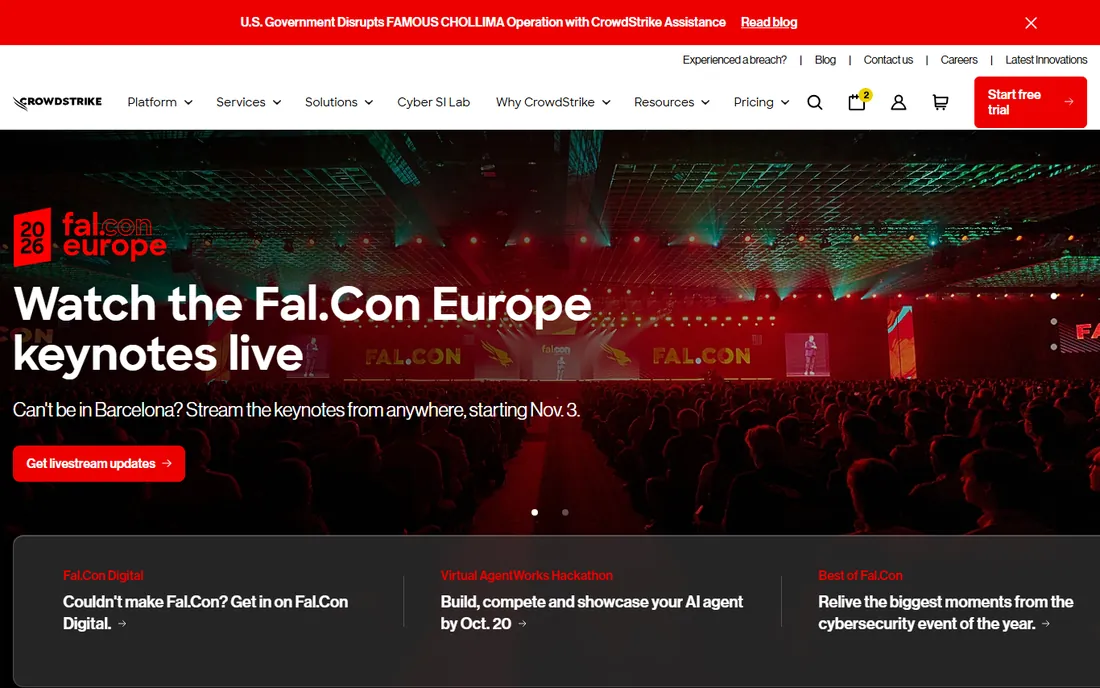
CrowdStrike Falcon defined modern endpoint protection: a lightweight cloud-native agent, behavioral AI detection, and threat intelligence from monitoring millions of endpoints. Enterprises choose it for protection that stops breaches, not just malware. The platform extends into identity protection and log management.
Pricing is premium and the July 2024 faulty update that crashed millions of Windows machines damaged trust industry-wide. But the technology remains excellent and the company has invested heavily in safeguards since. Security teams evaluate CrowdStrike on its protection record, which stays strong.
What we like- Cloud-native architecture
- Excellent threat intelligence
- Proven at scale
Watch out for- Premium pricing
- July 2024 outage hurt trust
Starting priceSee website
Free planNo
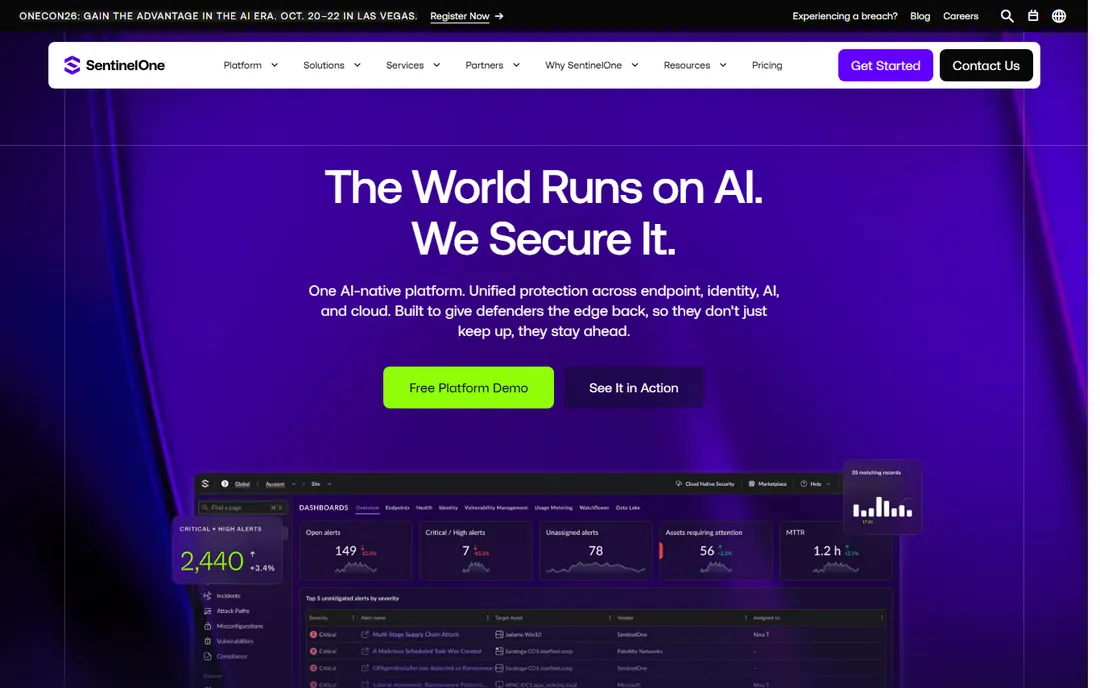
SentinelOne built its reputation on autonomous endpoint protection: AI that detects and remediates threats without waiting for analysts, including ransomware rollback that restores encrypted files. Organizations wanting strong protection with lean security teams get automation that works.
The ecosystem and threat intelligence network are smaller than CrowdStrike's, though growing fast. Pricing typically undercuts the market leader. For mid-market and enterprise buyers who want modern EDR without premium pricing, SentinelOne's autonomous approach is compelling.
What we like- Autonomous response
- Strong ransomware rollback
- Competitive pricing
Watch out for- Smaller ecosystem than CrowdStrike
- Support experiences vary
Starting priceSee website
Free planNo
Defender for Endpoint turned from joke to contender: built into Windows, integrated with Microsoft 365 security, and increasingly effective in independent tests. Organizations on Microsoft E5 licenses get capable EDR essentially included, which resets the value equation for the whole category.
The best capabilities require premium Microsoft licensing, and non-Windows environments get less. But for the vast Microsoft installed base, Defender's integration advantages, single agent, unified console, native OS hooks, are real. Many organizations now standardize on it and redirect budget elsewhere.
What we like- Bundled with Microsoft licenses
- Deep OS integration
- Improving rapidly
Watch out for- Best inside Microsoft ecosystem
- Advanced features need higher plans
Starting priceSee website
Free planFree trial
Sophos Intercept X protects mid-market businesses with anti-ransomware technology that includes crypto-guard rollback, plus synchronized security linking endpoints with Sophos firewalls. The value proposition is strong: serious protection at prices smaller IT budgets afford.
Management interface complexity draws complaints, and the largest enterprises outgrow it. But the mid-market is Sophos's home turf, and the ransomware protection specifically earns praise. Businesses with small IT teams get enterprise-grade anti-ransomware without enterprise overhead.
What we like- Strong anti-ransomware
- Synchronized security
- Good value
Watch out for- Interface complexity
- Enterprise features limited
Starting priceSee website
Free planFree trial
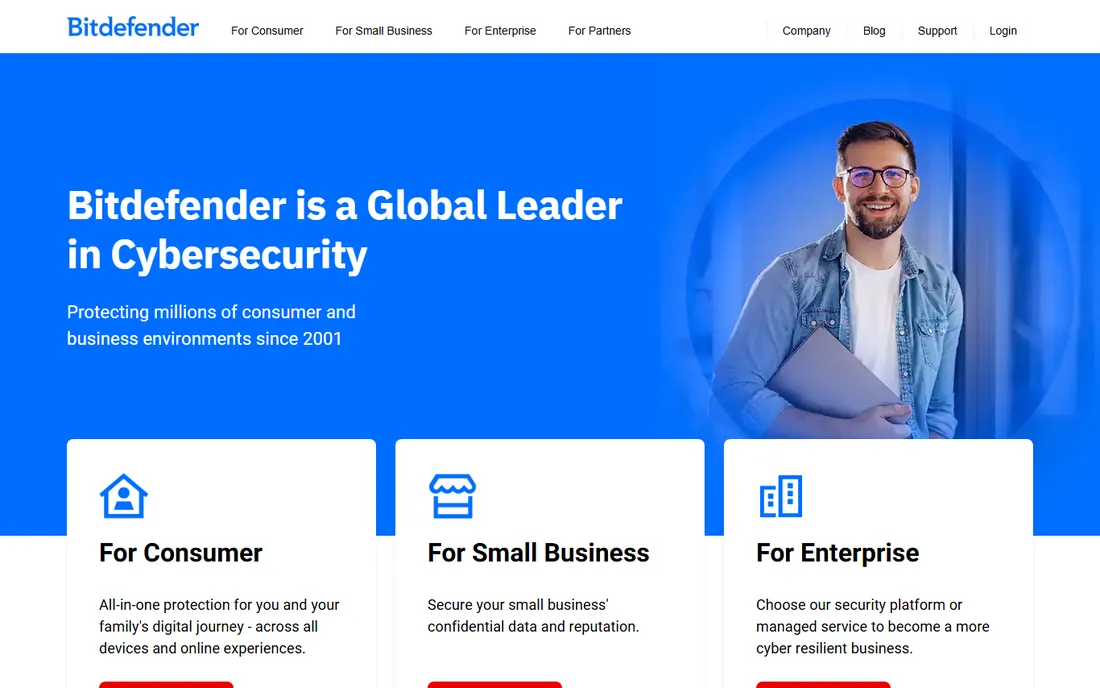
Bitdefender consistently tops independent antivirus tests while pricing below the market leaders. GravityZone's business platform covers endpoints, servers, and virtual environments with a lightweight agent that users barely notice. The protection-per-dollar ratio is the best here.
Support experiences vary by region, and the management console takes learning. But the core product, stopping malware, is excellent by every independent measure. Budget-conscious organizations that refuse to compromise on protection quality choose Bitdefender.
What we like- Top test scores
- Competitive pricing
- Lightweight agent
Watch out for- Support responsiveness varies
- Console learning curve

#6
ESET PROTECT
Best for: lightweight business protection
Visit eset.com
Starting priceSee website
Free planFree trial
ESET's calling card is lightness: protection that does not slow machines, which matters for older hardware fleets and performance-sensitive users. The heuristics engine catches threats effectively, and the PROTECT platform manages policies across the organization affordably.
Advanced EDR and response automation trail the leaders; ESET is antivirus-first in an EDR world. But many organizations need exactly that: reliable, light, affordable protection without security-team overhead. For those buyers, ESET's decades of refinement show.
What we like- Very light system impact
- Strong heuristics
- Affordable
Watch out for- EDR features less advanced
- Interface dated
Starting priceSee website
Free planFree trial

Trend Micro has protected enterprises for decades, and Apex One brings that experience to modern endpoint security with EDR capabilities. Hybrid cloud-and-on-premises environments get consistent policy, and the broader Trend Micro platform covers email, network, and cloud workloads.
The pace of innovation trails cloud-native competitors, and the interface reflects its heritage. But long-term customers value stability and the breadth of the platform. Organizations wanting one vendor across security domains find Trend Micro's coverage practical.
What we like- Long enterprise track record
- Good for hybrid environments
- Broad platform
Watch out for- Interface dated
- Innovation pace slower
Starting priceSee website
Free planNo
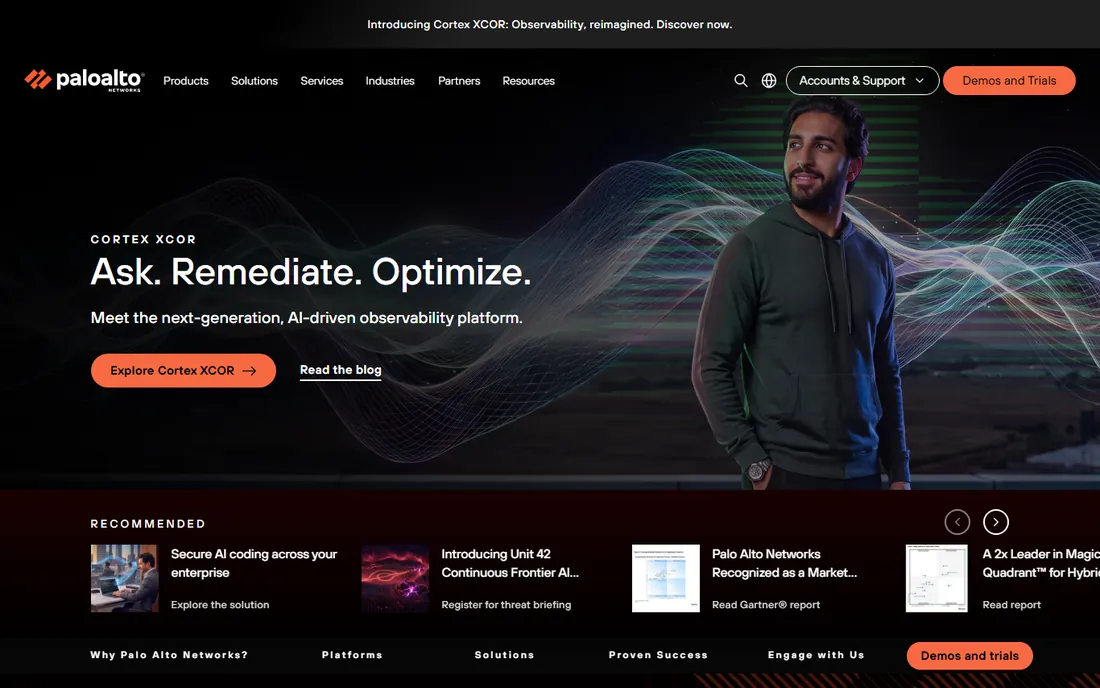
Cortex XDR extends protection beyond endpoints into network, cloud, and identity data, correlating everything for security operations. Organizations in the Palo Alto ecosystem get detection and response across their entire infrastructure in one platform. The analytics depth suits mature SOCs.
Pricing and complexity are enterprise-grade, and the value multiplies inside the Palo Alto stack. But the XDR concept, endpoints as one data source among many, represents where enterprise security is heading. Buyers planning SOC modernization evaluate Cortex seriously.
What we like- Full XDR beyond endpoints
- Strong analytics
- Palo Alto ecosystem
Watch out for- Enterprise pricing and complexity
- Best with Palo Alto stack
Starting priceSee website
Free planFree trial
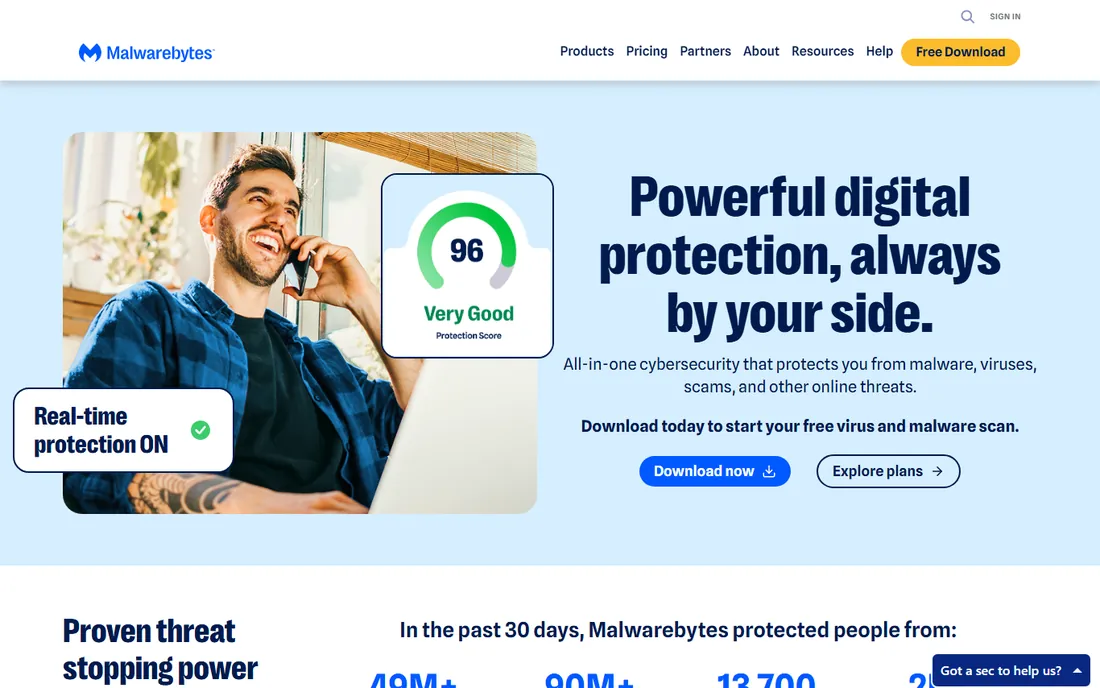
Malwarebytes built its name on cleaning infected machines, and its business platform brings that remediation strength to prevention. Deployment takes minutes, management stays simple, and the protection handles the threats small businesses actually face. IT generalists manage it without security expertise.
Enterprise EDR depth is not here. But most small businesses do not need it; they need protection that works without a security team. Malwarebytes' simplicity is the feature, and its remediation heritage means it handles the infections that slip through.
What we like- Easy to deploy and manage
- Effective remediation
- Affordable
Watch out for- Enterprise features limited
- Smaller business focus
Beyond antivirus: what enterprises need
Modern endpoint security means EDR at minimum: detection, investigation, and response capabilities, not just signature blocking. Evaluate automated response, threat hunting tools, and managed detection options for teams without 24/7 SOC coverage.
Consider the full attack surface: email, identity, and cloud workloads need protection too. Platform vendors (Microsoft, Palo Alto, Trend Micro, CrowdStrike) bundle these; point vendors integrate. The buying decision is increasingly platform-shaped, not product-shaped.
Deployment notes
Pilot with a representative device mix before full rollout: different OS versions, remote workers, and specialized hardware reveal compatibility issues. Plan the agent deployment in phases, and establish exclusion policies for line-of-business applications that conflict.
Measure performance impact on real workloads, not just benchmarks. And test the response workflow: when the platform detects a real threat, does your team know what to do? The best detection in the world fails without an incident response plan behind it.
Frequently asked questions
What is the difference between antivirus and EDR?
Traditional antivirus blocks known malware with signatures. EDR, endpoint detection and response, monitors behavior, detects unknown threats, and provides investigation and remediation tools. Modern enterprise products combine both; buyers should require EDR capabilities as standard.
How much does enterprise antivirus cost?
Per-endpoint pricing typically ranges from a few dollars monthly for basic business protection to $8-15+ monthly for full EDR platforms, with enterprise volumes discounted. Platform bundles and license agreements change the math significantly. Most vendors quote based on endpoint count and term.
Is Windows Defender enough for business?
Microsoft Defender for Endpoint, the enterprise version, is capable protection for Microsoft-centric organizations, especially on E5 licenses. The consumer Windows Security app alone lacks centralized management and advanced EDR. Businesses need the enterprise version or a third-party platform, not just built-in antivirus.
Which enterprise antivirus is best for ransomware?
CrowdStrike, SentinelOne, and Sophos all offer specific anti-ransomware capabilities including behavioral detection and file rollback. But technology is only half the defense: backups, patching, and user training matter as much as the endpoint product. No vendor prevents ransomware alone.
Can I manage endpoint security without a SOC?
Yes, through managed detection and response (MDR) services that most vendors here offer. MDR provides 24/7 monitoring and response by the vendor's analysts. Small IT teams should evaluate MDR alongside the product; the service often matters more than feature differences.
Layered defense beyond the endpoint
Endpoints are one layer, and breaches rarely respect layer boundaries. Email remains the top initial attack vector, which makes email security as important as endpoint protection. Identity attacks bypass endpoints entirely: phishing-resistant MFA and conditional access policies stop the credential theft that EDR cannot see. Network segmentation limits how far an intruder moves after the initial compromise.
Backups are the ultimate ransomware defense. Immutable, tested, offline backups recover operations when prevention fails, and no endpoint product substitutes for them. Patch management closes the vulnerabilities attackers exploit most. The organizations that survive incidents well treat endpoint protection as one component of a program covering email, identity, network, backup, and user training. Budget across the layers rather than over-investing in any single one.
Your ransomware response plan
Assume ransomware will eventually test your defenses, and plan the response before it happens. The first hour decides the outcome: isolate affected systems immediately, preserve logs for investigation, and activate the incident response team. Pre-written playbooks beat improvisation under pressure; every minute of confusion lets encryption spread.
Know your recovery path in advance. Identify which systems restore first, verify backup integrity regularly with test restores, and document the decision process for ransom payment (law enforcement advises against paying, and it rarely guarantees recovery). Designate a single spokesperson and prepare holding statements; ransomware incidents become public fast. Then rehearse: tabletop exercises twice yearly turn the plan from document into reflex. The organizations that recover quickly are not the ones with the best prevention but the ones with the best preparation.
How we chose
We ranked for enterprise endpoint protection: detection effectiveness, response capabilities, and operational fit. We verified each vendor's current site, compared platform depth and pricing models, and weighed independent test results and practitioner feedback. We covered cloud-native leaders, platform bundles, and value options. No vendor paid for placement, and we did not claim hands-on testing.
Should small businesses use enterprise antivirus?
Most small businesses do fine with business-grade protection from Bitdefender, ESET, or Malwarebytes rather than full enterprise EDR. The deciding factors are regulatory requirements, which may mandate specific capabilities, and whether anyone will monitor alerts. EDR without monitoring is just expensive antivirus; pair it with managed detection services if no security staff exists.
Sources we checked (9)
- https://www.crowdstrike.com
- https://www.sentinelone.com
- https://www.microsoft.com
- https://www.sophos.com
- https://www.bitdefender.com
- https://www.eset.com
- https://www.trendmicro.com
- https://www.paloaltonetworks.com
- https://www.malwarebytes.com
Is your product missing or out of date?
We review this list regularly. Vendors can request a listing, send updated pricing or ask about featured placement.

Shihab Mia · Founder, Rankite
Shihab has spent more than a decade helping SaaS and e-commerce brands grow through search. He writes Rankite's software buying guides from pricing pages, documentation and public user reviews. More about Shihab.
 CrowdStrike Falcon
 SentinelOne
 Microsoft Defender for Endpoint
 Sophos Intercept X
 Bitdefender GravityZone
 Trend Micro Apex One
 Palo Alto Cortex XDR
 Malwarebytes