How we make this list: we compare pricing pages, product documentation and public user reviews. Rankite is independent; if a vendor ever pays for a featured spot, that listing is clearly labeled Partner.
Key takeaways
- Cloudflare is the easiest win: its free tier alone blocks a huge share of common attacks for any website.
- Zscaler and Cisco Umbrella take the zero-trust route, protecting users and apps without a traditional VPN.
- CrowdStrike, Fortinet, and Sophos cover the endpoint and firewall side for companies that still run their own network edge.
- Snort remains the free, open-source intrusion detection standard for teams with the skills to run it.
Quick comparison
| Tool | Best for | Starting price | Free plan |
|---|
 Cloudflare Cloudflare | websites and apps, fast setup | Free | Yes |
 Zscaler Zscaler | zero-trust for remote teams | See website | Free trial |
 Fortinet Fortinet | firewalls and network security | See website | No |
 Cisco Umbrella Cisco Umbrella | cloud-delivered DNS security | See website | Free trial |
 CrowdStrike CrowdStrike | endpoint-led network defense | See website | Free trial |
 Sophos Sophos | SMB firewall and endpoint bundles | See website | Free trial |
 Snort Snort | free intrusion detection | Free | Yes |
 Twingate Twingate | VPN replacement for private apps | See website | Free trial |
Is your product missing or out of date?
We review this list regularly. Vendors can request a listing, send updated pricing or ask about featured placement.
The best network protection software
Starting priceFree
Free planYes
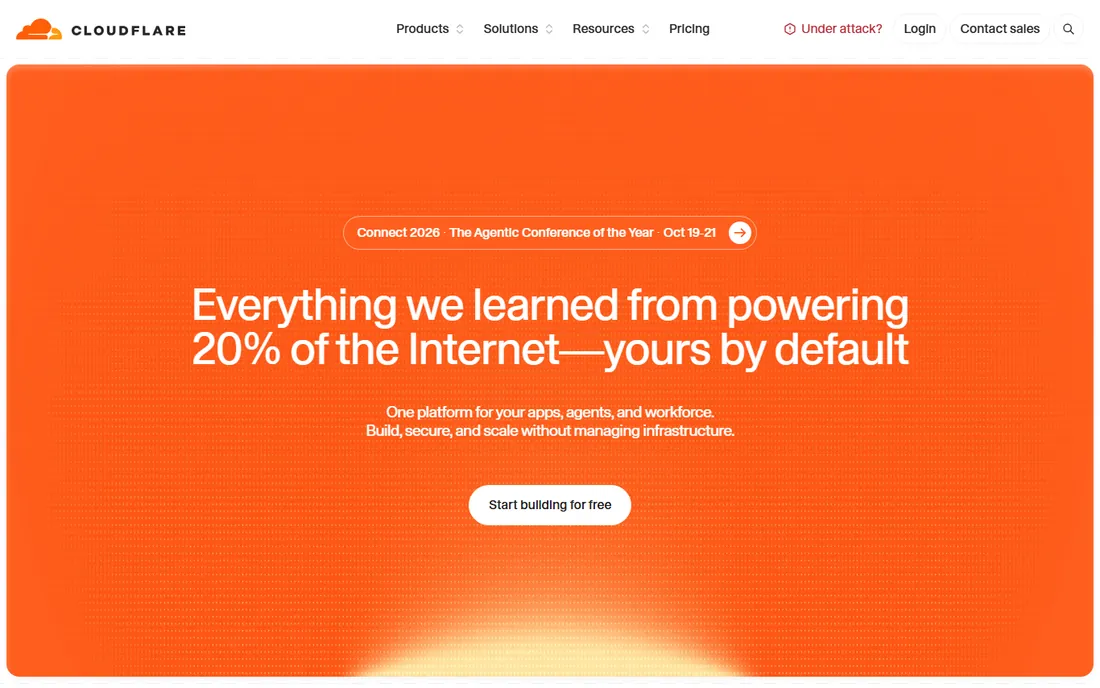
Cloudflare sits in front of your website and absorbs the internet's hostility. DDoS attacks, bot traffic, and common exploits hit Cloudflare's network first, and the free tier alone handles an impressive share of it. Setup is a DNS change, and protection starts within minutes.
The free plan is genuinely useful, not a teaser: unmetered DDoS mitigation, a web application firewall with managed rules, and SSL come standard. Paid tiers add deeper bot management, advanced firewall rules, and the Zero Trust suite for protecting internal apps and remote users.
The catch is that the most sophisticated protections sit behind higher tiers, and free-tier support means community forums. But as a first step in network protection, nothing else delivers this much security for this little effort.
What we like- Generous free tier
- Massive global network
- DDoS protection included
Watch out for- Advanced security needs paid plans
- Support on free tier is community-based
Starting priceSee website
Free planFree trial
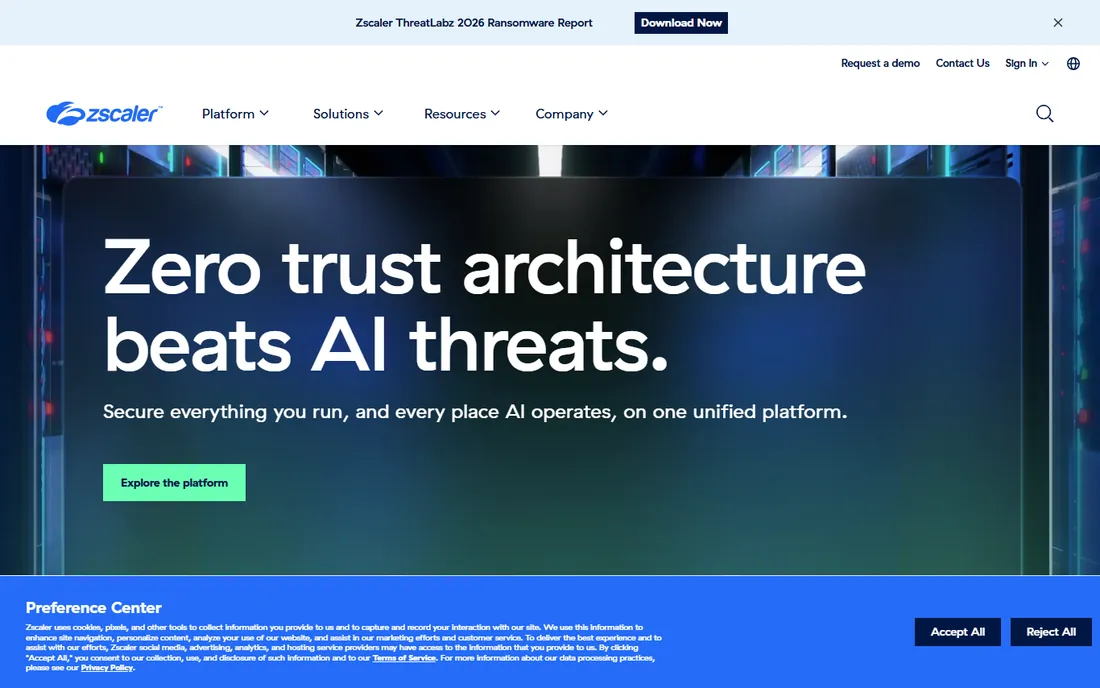
Zscaler pioneered the idea that remote workers should not VPN into a network at all. Instead, users connect to the nearest Zscaler cloud, which brokers secure access to applications based on identity and policy. There is no network to attack because there is no exposed network.
The security model inspects all traffic, including encrypted traffic, for threats and data loss. IT teams get consistent policy whether the user is in the office, at home, or in a coffee shop. Scaling means adding licenses, not shipping firewall appliances to branch offices.
This is enterprise software with enterprise pricing and a real architecture migration. Companies with a traditional VPN-and-firewall setup need a plan to transition. But for organizations going zero-trust, Zscaler is the reference implementation.
What we like- No VPN needed
- Inspects all traffic in the cloud
- Scales without appliances
Watch out for- Enterprise pricing
- Architecture shift requires planning
Starting priceSee website
Free planNo
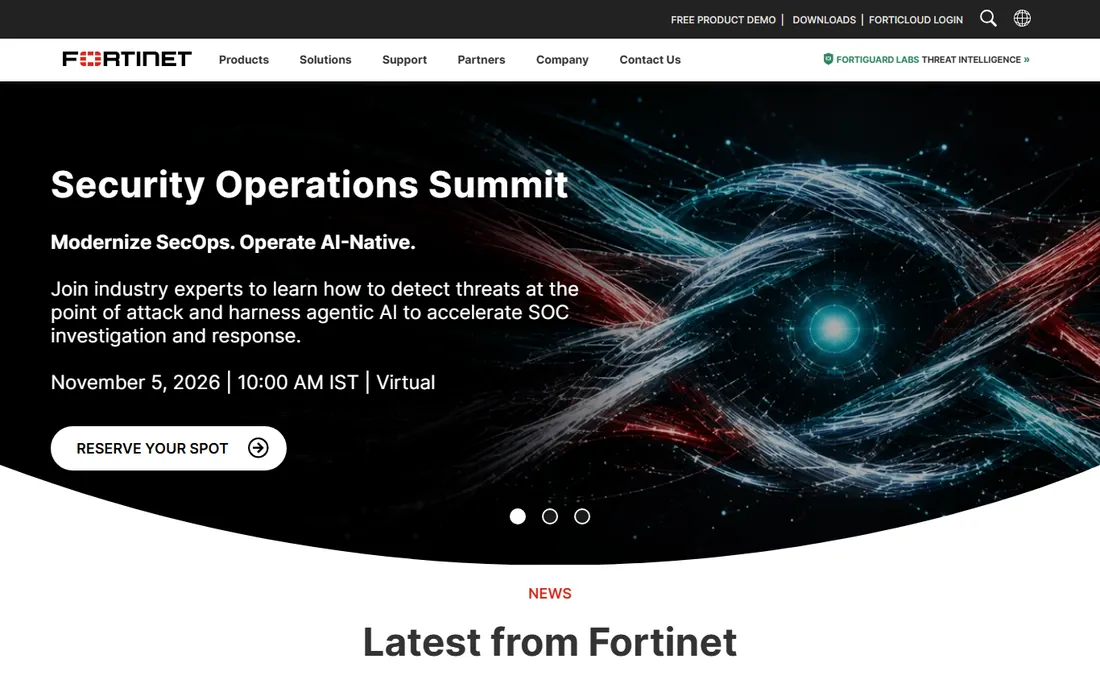
Fortinet's FortiGate firewalls are everywhere for a reason: they deliver serious throughput at prices that undercut the traditional enterprise vendors. The Security Fabric ties firewalls, endpoints, email security, and cloud protection into one managed system.
For companies that still run their own network edge, offices, data centers, retail locations, Fortinet is the pragmatic choice. The hardware lineup spans from small branch offices to carrier-grade data centers, and the centralized management keeps large deployments sane.
The management interfaces have a learning curve, and the full fabric vision means buying into multiple Fortinet products with their own licenses. But for firewall-led network protection, the performance per dollar is hard to beat.
What we like- Purpose-built firewall hardware
- Broad security fabric
- Strong price to performance
Watch out for- Interface complexity
- Licensing across products adds up
Starting priceSee website
Free planFree trial
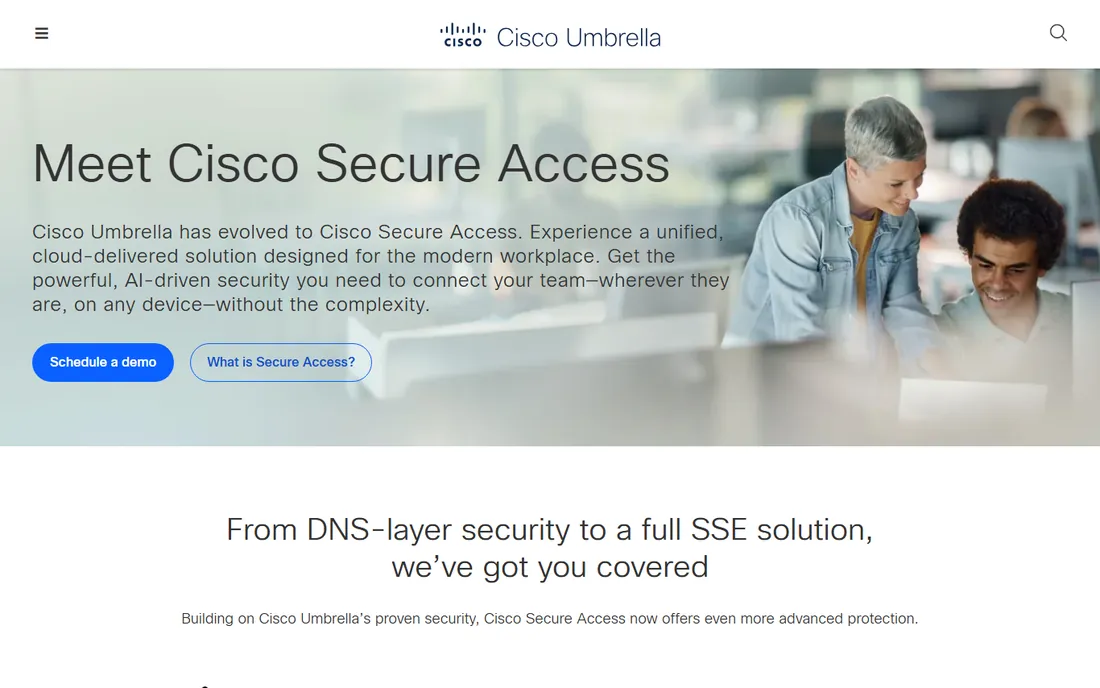
Cisco Umbrella protects at the DNS layer: when a user or device tries to reach a malicious domain, Umbrella blocks the lookup before any connection happens. Because it works at DNS, it protects users on and off the network with no hardware and minimal setup.
Deployment is famously fast. Point your DNS to Umbrella, and you immediately gain protection against malware, phishing, and command-and-control callbacks. The roaming client extends that protection to laptops anywhere.
DNS-layer blocking is the foundation, not the whole house; sophisticated attacks need the higher tiers' firewall and inspection features. But as a first cloud security layer, especially for companies without security staff, Umbrella's simplicity is its strength.
What we like- Stops threats at DNS layer
- Deploys in minutes
- No hardware
Watch out for- DNS-layer only for base protection
- Full value needs higher tiers
Starting priceSee website
Free planFree trial

CrowdStrike approaches network protection from the endpoint inward. The Falcon agent watches every device for malicious behavior, and the cloud platform correlates signals across the fleet to catch attacks that span machines. When something malicious happens, containment is one click.
The threat intelligence is the differentiator. CrowdStrike's visibility into real attacks worldwide feeds detections that generic antivirus misses, and the managed threat hunting service gives smaller teams access to expert analysts.
It is priced like the premium product it is, and the platform's full value comes from stacking modules. Companies that want endpoint-led protection with minimal performance impact consistently rank it at the top, and the incident response reputation is well earned.
What we like- Best-in-class threat intelligence
- Lightweight agent
- Fast incident response
Watch out for- Premium pricing
- Full platform requires multiple modules
Starting priceSee website
Free planFree trial
Sophos built its reputation on making enterprise-grade security manageable for smaller IT teams. The synchronized security concept links the XG firewall with Intercept X endpoints: when the endpoint detects malware, it tells the firewall to isolate the machine automatically.
For small and mid-size businesses without dedicated security staff, that automation matters. The central management console is genuinely usable, pricing is friendlier than the enterprise giants, and the product range covers firewall, endpoint, email, and encryption.
Very large enterprises tend to outgrow it, and the most advanced detection features trail CrowdStrike and Palo Alto. But in the SMB space, Sophos's combination of capability and manageability is difficult to beat.
What we like- Synchronized security between firewall and endpoint
- SMB-friendly pricing
- Easy management
Watch out for- Less suited to very large enterprises
- Advanced features trail leaders
Starting priceFree
Free planYes
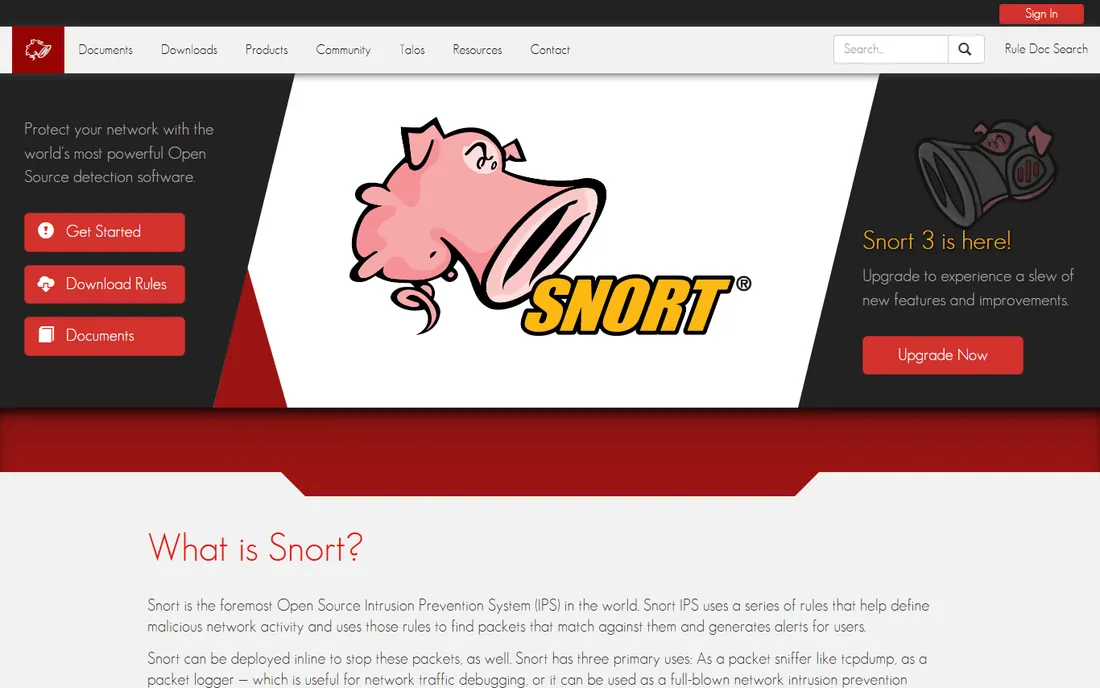
Snort is the open-source intrusion detection and prevention system that has guarded networks for over two decades. It inspects traffic against a vast library of rules, catching exploits, malware callbacks, and policy violations in real time.
The rule ecosystem is the asset. Talos, Cisco's threat intelligence team, maintains the official ruleset, and the community contributes constantly. For teams with security skills, Snort delivers detection quality that rivals commercial products at zero license cost.
The price is expertise. Installing Snort is easy; tuning it to your network without drowning in false positives is skilled work that never really ends. Organizations without security staff should buy a managed product instead. But as the free standard for intrusion detection, Snort remains essential.
What we like- Free and open source
- The industry standard IDS
- Huge rule community
Watch out for- Requires real expertise
- Tuning takes ongoing effort
Starting priceSee website
Free planFree trial
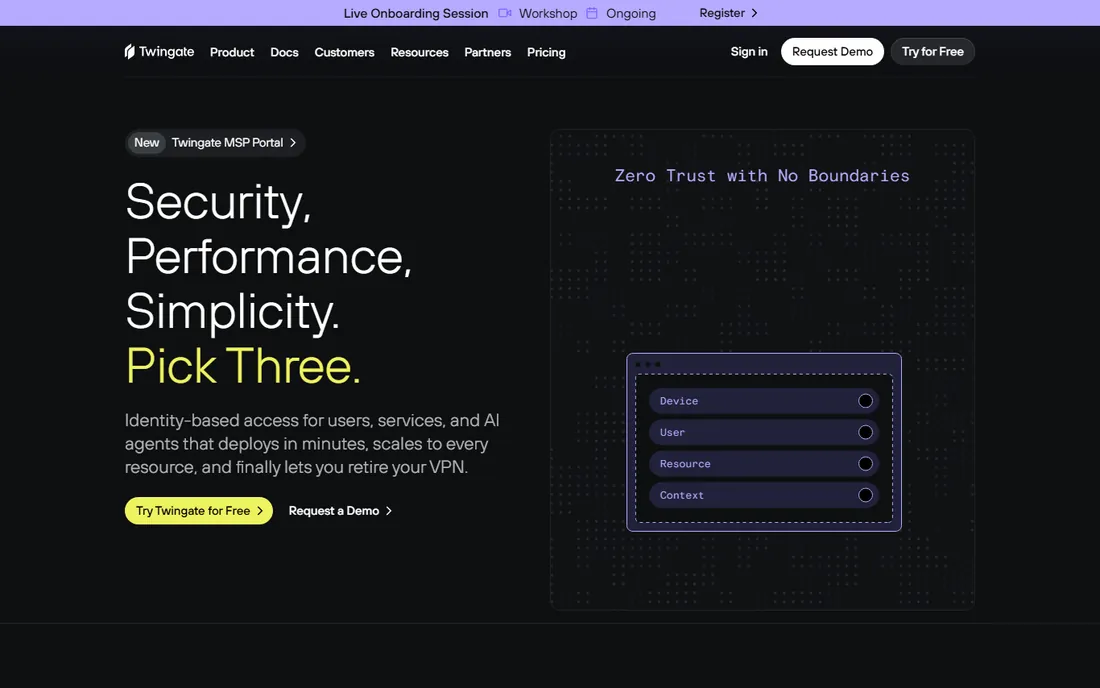
Twingate replaces the corporate VPN with zero-trust network access that users barely notice. Instead of joining a network, users get encrypted connections to specific applications they are authorized to use. Nothing else is visible, and there are no inbound ports open to the internet.
The user experience is the selling point. No VPN client to remember, no connection drops when switching networks, no full-tunnel slowdowns. IT gets per-application access control and detailed logs without managing VPN infrastructure.
It solves remote access, not the whole security stack; you still need endpoint protection and DNS filtering. But for the specific pain of VPN management, Twingate is the most elegant replacement available, and teams that switch rarely go back.
What we like- Invisible to users
- Per-app access control
- No open inbound ports
Watch out for- Covers remote access, not full network security
- Smaller ecosystem
Building layers, not buying products
No single tool on this list is a complete security strategy. Real network protection is layered: DNS filtering catches the easy stuff, a firewall guards the edge, endpoint protection catches what gets through, and zero-trust access limits what attackers can reach.
A sensible small-business stack might be Cloudflare in front of the website, Cisco Umbrella for DNS-layer protection, and CrowdStrike or Sophos on endpoints. Larger companies add Zscaler for remote access and Snort or Fortinet for network inspection.
The common failure is buying one expensive product and assuming the job is done. Attackers only need one gap. Layer modest tools across the attack surface instead of betting everything on a single platform.
The remote work factor
Remote and hybrid work changed network protection permanently. The old model assumed a secure office perimeter; now every home network is part of the attack surface. Tools built for this reality, Zscaler, Twingate, and Umbrella's roaming client, protect users wherever they work rather than backhauling everything through a VPN concentrator.
If your team is distributed, prioritize identity-based access over network location. The question is no longer "are they on our network" but "are they who they claim, on a healthy device, accessing what they are allowed." That shift favors zero-trust tools over traditional perimeter upgrades.
Do not forget the home office basics either. Encourage router firmware updates, separate work devices from smart home gadgets on the network, and use DNS filtering on remote machines. The enterprise tools handle the heavy lifting, but endpoint hygiene at home closes the remaining gaps.
How we chose
We compared tools that protect company networks, applications, and users, based on vendor documentation, independent test results, and practitioner discussion on security forums and Reddit. We covered the main architectural approaches: edge protection (Cloudflare), zero-trust access (Zscaler, Twingate), firewalls (Fortinet), DNS-layer security (Umbrella), endpoint-led defense (CrowdStrike, Sophos), and open-source IDS (Snort). Pricing is often quote-based, so we link to vendors for current numbers.
Frequently asked questions
Do I still need a firewall if I use cloud security?
It depends on your architecture. Companies with offices and on-premises systems still need firewalls at the edge. Fully cloud companies with no offices can often rely on zero-trust access and endpoint protection instead. Most mid-size companies end up with both.
What is zero-trust network access?
The principle that no user or device is trusted by default, even inside the network. Instead of one big perimeter, every access request is verified by identity, device health, and policy. Zscaler and Twingate implement this for remote and application access.
Can small businesses afford this level of protection?
Yes. Cloudflare's free tier, Umbrella's low entry price, and Sophos's SMB bundles put real protection within small-business budgets. The expensive part of security is usually incident response after a breach, not the preventive tools.
How do I know if we have been breached already?
Assume you might not know. Endpoint detection tools like CrowdStrike can surface dormant compromises, and a security assessment from a reputable firm establishes a baseline. The uncomfortable truth is that many breaches are discovered months after they start.
Should we manage security ourselves or outsource?
If you have no dedicated security staff, outsource at least the monitoring. Managed detection and response (MDR) services watch your tools around the clock. The tools on this list work best when someone skilled is watching the alerts they generate.
Sources we checked (8)
- https://www.cloudflare.com/
- https://www.zscaler.com/
- https://www.fortinet.com/
- https://umbrella.cisco.com/
- https://www.crowdstrike.com/en-us/
- https://www.sophos.com/
- https://snort.org/
- https://www.twingate.com/
Is your product missing or out of date?
We review this list regularly. Vendors can request a listing, send updated pricing or ask about featured placement.

Shihab Mia · Founder, Rankite
Shihab has spent more than a decade helping SaaS and e-commerce brands grow through search. He writes Rankite's software buying guides from pricing pages, documentation and public user reviews. More about Shihab.