How we make this list: we compare pricing pages, product documentation and public user reviews. Rankite is independent; if a vendor ever pays for a featured spot, that listing is clearly labeled Partner.
Key takeaways
- Medisafe and MyTherapy are the strongest pure pill reminders, but Medisafe's free tier now caps at 2 medications.
- Cronometer is the pick if you track vitamins and minerals from food plus supplements, with a genuinely useful free plan.
- Pillo and MyTherapy both offer full medication tracking free, which undercuts every paid reminder app on price.
- Dosecast and Pillboxie are simple and cheap, but Pillboxie has not been updated since 2017, so check it still runs on your phone.
- Every price below was verified against the vendor's own site or app listing in October 2026.
Quick comparison
| Tool | Best for | Starting price | Free plan |
|---|
 Medisafe Medisafe | Smart reminders with refill alerts | $4.99/month or $39.99/year (Premium) | Yes (limited to 2 medications) |
 MyTherapy MyTherapy | Free all-in-one medication tracking | $0 | Yes (free forever, per the vendor) |
 CareClinic CareClinic | Health journaling plus medication tracking | $0 (Premium is $5.99/month or $39.99/year) | Yes |
 Dosecast Dosecast | Simple recurring dose reminders | See website | Yes (free edition) |
 Cronometer Cronometer | Tracking vitamins and minerals from food and supplements | $0 (Gold is $10.99/month or $59.99/year) | Yes |
 MyFitnessPal MyFitnessPal | Supplement tracking inside a diet app | $0 (Premium is $79.99/year) | Yes |
 Pillboxie Pillboxie | Visual pillbox-style reminders on iPhone | $1.99 (one-time purchase) | No |
 Pillo Pillo | Free unlimited medication tracking | $0 | Yes (free for unlimited medications) |
Is your product missing or out of date?
We review this list regularly. Vendors can request a listing, send updated pricing or ask about featured placement.
The best supplement tracker apps
Starting price$4.99/month or $39.99/year (Premium)
Free planYes (limited to 2 medications)
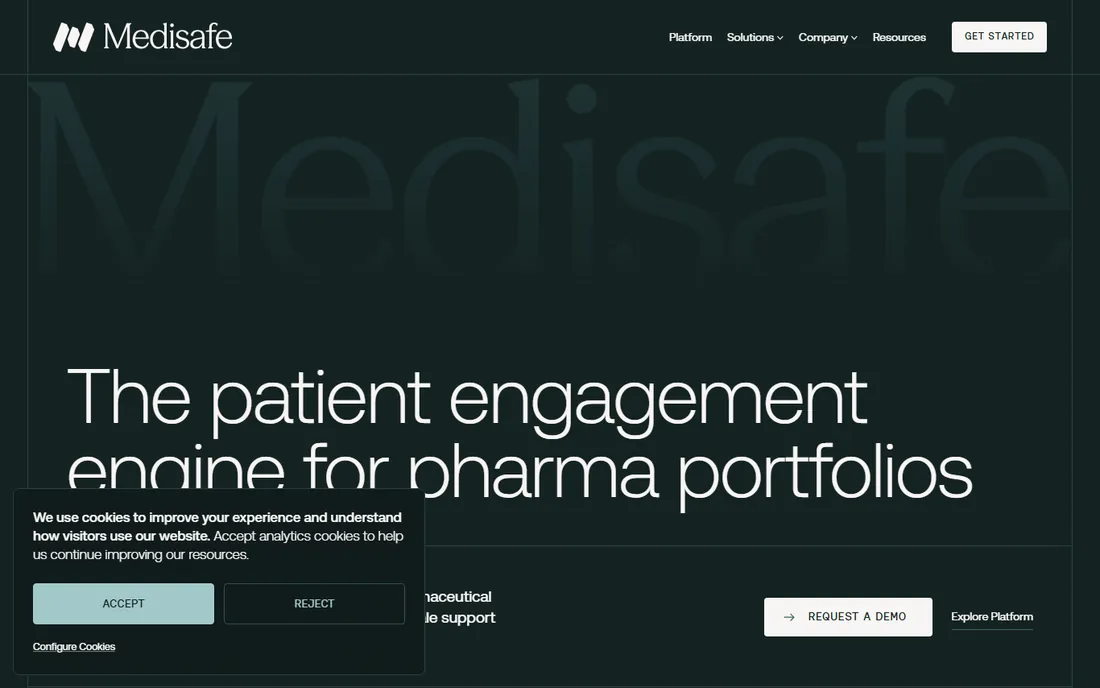
Medisafe built its reputation on reminders that actually get taken. The app nags intelligently: if you miss a dose, it follows up, and it warns you before you run out so refills happen on time. Drug interaction checking flags risky combinations, which matters when your stack mixes prescriptions with supplements. Caregivers can get notified when a dose is missed, a feature families managing an older parent's regimen rely on.
The pricing changed in 2026 and you should know about it. The free tier now covers only 2 medications, down from unlimited, which pushes anyone with a real supplement stack toward Premium at $4.99 per month or $39.99 per year. The company's homepage has also shifted toward its pharmaceutical business, though the consumer app is still actively maintained. If your regimen is small, the free tier works; if it is not, compare against the genuinely free options below before paying.
What we like- Excellent reminder engine with snooze and refill alerts
- Drug interaction warnings
- Caregiver syncing
Watch out for- Free tier now capped at 2 medications
- Some advanced reports need Premium
Starting price$0
Free planYes (free forever, per the vendor)
MyTherapy's pitch is simple: everything free, forever. There is no premium tier gating features, no medication cap, and no subscription upsell inside the app. You get reminders, a health diary for symptoms and measurements like blood pressure or weight, and adherence reports you can print or email to your doctor. For someone managing prescriptions alongside a supplement routine, that combination at zero cost is hard to argue with.
The tradeoff is polish. The design is functional rather than delightful, and if you want to know the actual vitamin D or magnesium content of what you take, MyTherapy tracks the dose schedule, not the nutrition. It answers "did I take it" rather than "what did it give me." Pair it with a nutrition app if you need both, or accept it as the competent free workhorse it is.
What we like- Completely free with no medication limit
- Adherence reports you can share with your doctor
- Symptom and measurement tracking
Watch out for- Interface feels clinical rather than friendly
- Supplement-specific nutrition data is thin
Starting price$0 (Premium is $5.99/month or $39.99/year)
Free planYes
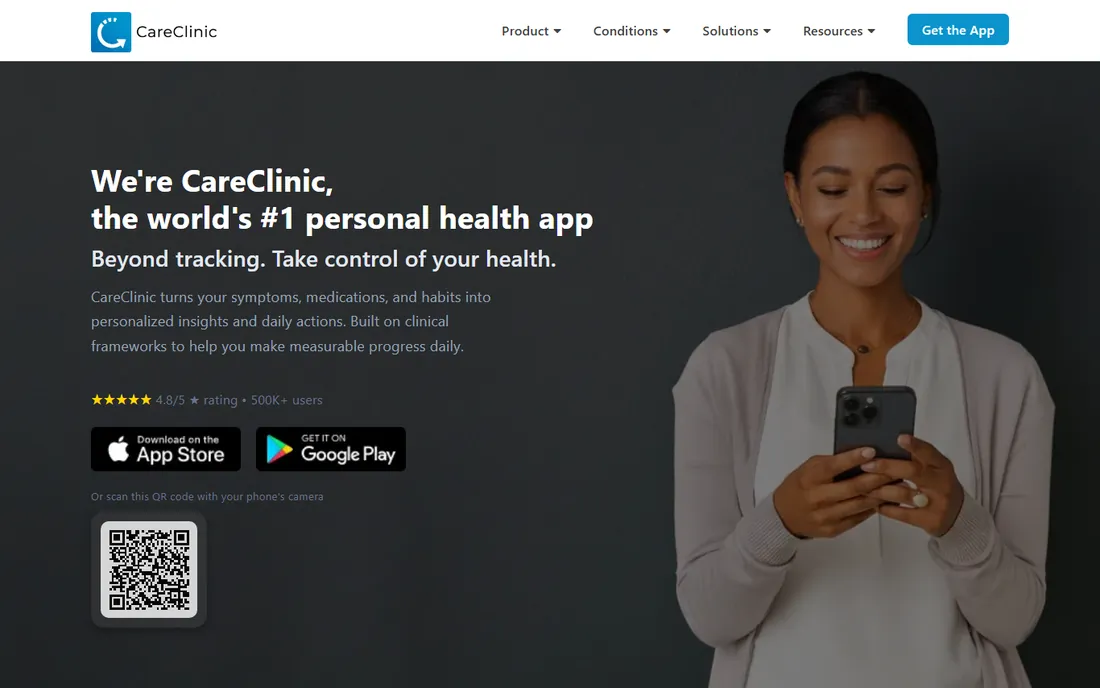
CareClinic treats your supplement routine as part of a bigger health picture. Alongside medication reminders, it logs symptoms, mood, sleep, pain, and custom measurements, then shows correlations: did the new magnesium actually line up with better sleep scores? That question is the whole reason many people track supplements, and most reminder apps never help you answer it. The free tier is functional, with Premium at $5.99 per month or $39.99 per year opening up deeper reports.
Because it does so much, the supplement tracking itself is less specialized than Cronometer's nutrition database. Setting up a detailed vitamin stack takes more manual entry here. Think of CareClinic as a health journal that happens to remind you about pills, rather than a supplement database with a journal attached. If your goal is understanding what your regimen does for you, that framing is exactly right.
What we like- Tracks meds, symptoms, mood, and measurements in one diary
- Medication reminders included
- Useful correlation reports
Watch out for- Broader focus means supplement tracking is one module among many
- Premium needed for the best reports
Starting priceSee website
Free planYes (free edition)
Dosecast is the minimalist of the group. It does one job, reminding you to take doses on complicated schedules (every other day, three times weekly, cycling on and off), and it does it without accounts, dashboards, or gamification. Setup takes minutes, and the app stays out of your way afterward. A free edition covers the basics, with a Pro version adding features for heavier users.
The honest caveats: the design shows its age, and we could not verify current Pro pricing from the vendor's site, so treat the cost as "check before you commit." There is no nutrition database and no health journaling. If you want a no-fuss alarm for your pills and nothing else, Dosecast delivers; if you want insight into your regimen, look at Cronometer or CareClinic instead.
What we like- Dead simple to set up
- Handles complex recurring schedules
- Lightweight on older phones
Watch out for- Dated design
- Premium pricing not published clearly, so costs are uncertain
#5
Cronometer
Best for: Tracking vitamins and minerals from food and supplements
Visit cronometer.com
Starting price$0 (Gold is $10.99/month or $59.99/year)
Free planYes
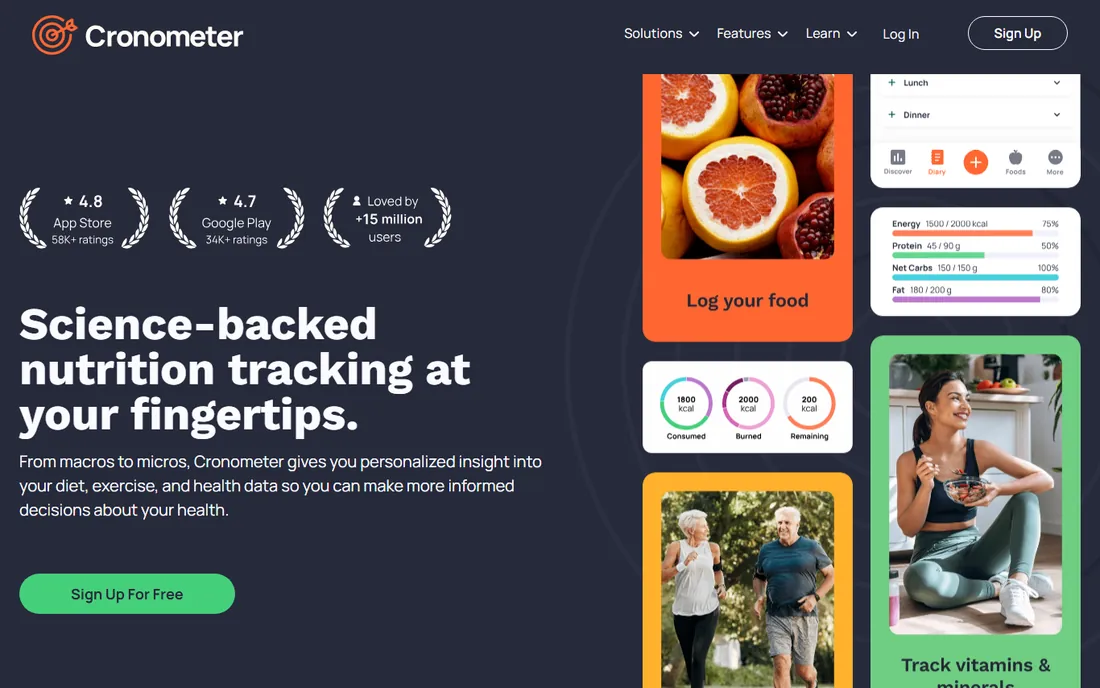
Cronometer is the only app here that tells you what your supplements actually contribute. Its database tracks dozens of micronutrients, so you can see total vitamin D from food plus your supplement, spot where you are doubling up, and avoid megadose overlap. Barcode scanning makes logging packaged supplements fast, and custom entries handle anything obscure. The free tier is genuinely useful, not a demo.
The cost is effort. Cronometer is a food diary at heart, so getting the full picture means logging meals, not just pills. If you only want dose reminders, that is overkill. But for the buyer asking "am I getting too much of anything," nothing else on this list answers with data. Gold at $10.99 per month or $59.99 per year adds fasting timers, custom charts, and priority support, but the free plan covers the core nutrition tracking.
What we like- Most detailed micronutrient database available
- Barcode scanning
- Custom supplement entries with full nutrient profiles
Watch out for- Food-logging focus means more daily effort
- Best features (like fasting timers) sit behind Gold
Starting price$0 (Premium is $79.99/year)
Free planYes
MyFitnessPal earns its spot because it is already on millions of phones. If you log meals there, adding supplements keeps everything in one place, and the database recognizes most commercial products by name. It syncs with the usual fitness trackers and apps, so your nutrition, activity, and supplement data live together. The free plan covers basic logging.
Depth is the weakness. Micronutrient detail is thinner than Cronometer's, and the app never really designed around supplement regimens; vitamins are an attachment to the food diary, not a first-class feature. Premium at $79.99 per year is also the most expensive subscription on this list, and most of what it adds (macro goals, meal plans) has nothing to do with supplements. Use MyFitnessPal if you are already there; switch to Cronometer if supplements are the point.
What we like- Huge food and supplement database
- Most people already have it installed
- Integrates with fitness trackers
Watch out for- Supplement tracking is shallow compared to Cronometer
- Premium is the priciest subscription here
Starting price$1.99 (one-time purchase)
Free planNo
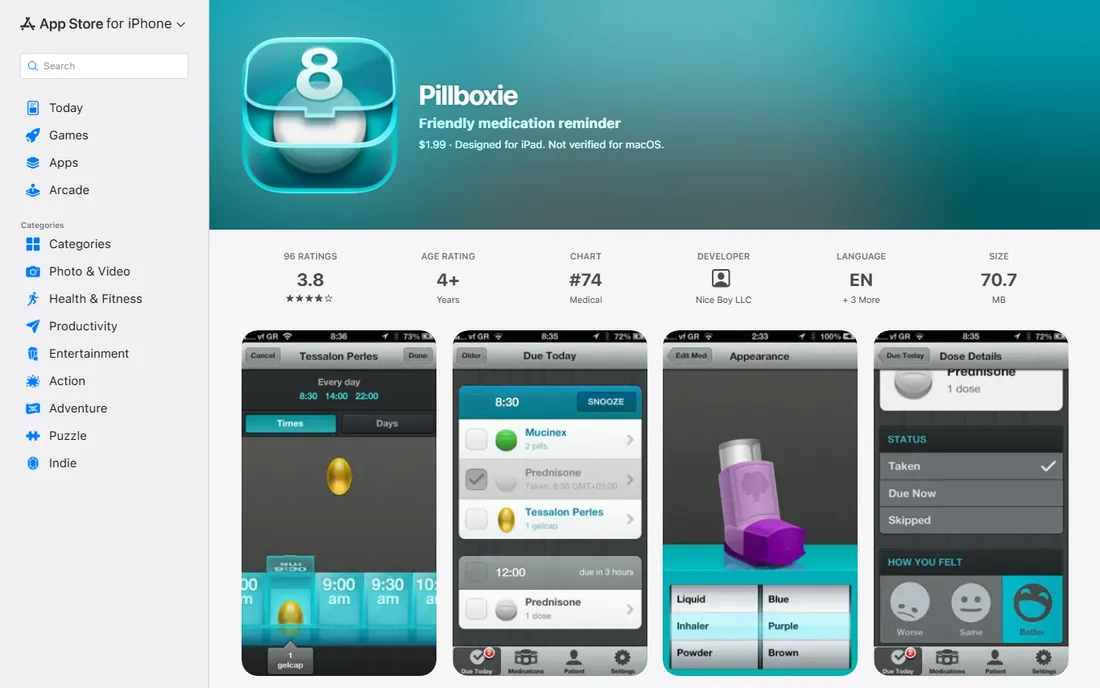
Pillboxie takes a charming approach: your screen looks like a pillbox, and you drag pills to mark doses taken. For visual thinkers and older users, that metaphor clicks faster than any list-based reminder. It costs $1.99 once, with no subscription, no account, and no ads, and it works fully offline.
Now the serious warning. The app has not been updated since 2017, which is an eternity in iOS years. It may still run on your phone, or it may break with the next iOS update, and there is no developer to fix it. There is no vendor website either; the App Store listing is the product page. Buy it only if you verify it runs on your current iPhone, and have a backup plan (MyTherapy is free) for the day it stops working.
What we like- Visual pillbox metaphor is intuitive
- No subscription and no account
- Works offline
Watch out for- Not updated since 2017, so compatibility is a gamble
- IPhone only
Starting price$0
Free planYes (free for unlimited medications)
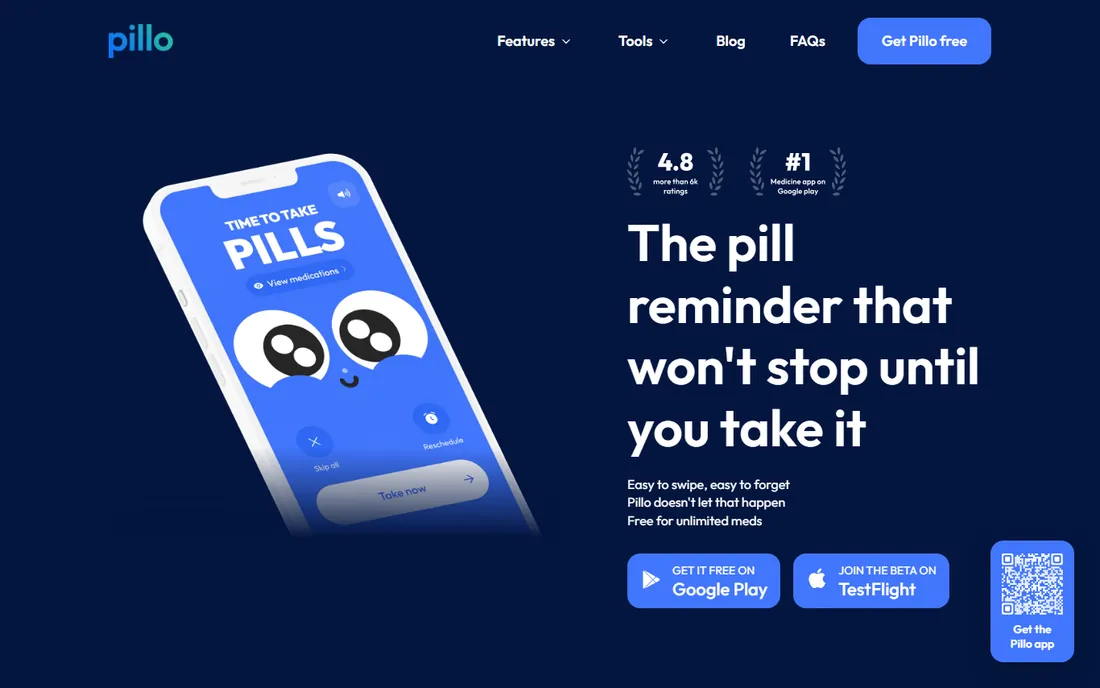
Pillo is the direct answer to Medisafe's 2026 free-tier squeeze: unlimited medication tracking, free, in a modern app. If you left Medisafe over the 2-medication cap, this is the first place to look. The interface is clean, setup is quick, and user ratings are strong at 4.8 with a user base the company puts above half a million.
Being newer means a thinner feature set. You will not find Medisafe's drug interaction warnings or caregiver ecosystem here, and the company's long-term business model is less proven than incumbents with paid tiers. But for the core job, reminders for an unlimited list of meds and supplements at zero cost, it delivers. Verify the features you need exist before migrating a complex regimen, since newer apps sometimes lack edge-case scheduling options.
What we like- Unlimited medications free
- Clean modern interface
- High user ratings
Watch out for- Newer and less proven than Medisafe
- Fewer advanced features like interaction checking
How we chose
We defined the buyer as someone managing a daily vitamin or supplement routine who wants help remembering doses and understanding their intake. We opened each vendor's homepage and pricing page in October 2026, and we used app store listings where the vendor has no website, which is the case for Pillboxie. Prices come from the vendors themselves; where we could not verify a current price, we wrote "See website" rather than guessing. We favored apps with a genuinely usable free tier, checked public reviews on the App Store, Google Play, and Reddit for complaints about paywalls and bugs, and excluded anything discontinued or merged into another product.
When a nutrition app beats a pill reminder
These are two different jobs, and buying the wrong type wastes your time. A pill reminder (Medisafe, MyTherapy, Pillo, Dosecast, Pillboxie) answers "did I take it and when is the next one." A nutrition tracker (Cronometer, MyFitnessPal, partly CareClinic) answers "what am I actually getting and is it too much." Most supplement buyers need the first; the people who benefit from the second are those stacking multiple products with overlapping ingredients, where double-dosing vitamin A or iron is a real risk.
The practical move is to start with the reminder, since adherence is the problem almost everyone has. Add Cronometer later if you start wondering about totals. Running both is normal: MyTherapy or Pillo for the schedule, Cronometer for the monthly audit of what your stack adds up to.
Matching the app to your routine
A short daily multivitamin needs almost nothing: any free reminder works, and paying would be wasted money. Pillo or MyTherapy cover this at zero cost with no medication caps to worry about.
A complex stack with cycling schedules (five days on, two days off, or rotating products) needs flexible scheduling logic. Dosecast handles odd recurrences well, and Medisafe's Premium tier manages complex regimens with refill tracking. Test your actual schedule during the free trial before paying, because every app handles edge cases slightly differently.
If prescriptions mix with supplements, interaction checking matters. Medisafe is the only app here with serious drug interaction warnings, which justifies its Premium price for households juggling both. Also consider who else needs visibility: caregivers managing a parent's medications should weigh Medisafe's or MyTherapy's sharing features over a solo user's preferences.
Finally, check platform and longevity. Pillboxie's 2017 last-update date is the extreme case, but any app can stagnate. Prefer apps with active 2026 updates, and confirm the app runs on your exact phone and OS version before building a routine around it. Export your medication list periodically; most of these apps offer CSV or PDF export, and having your own copy means a discontinued app never strands your data.
Frequently asked questions
What is the best free supplement tracker app?
MyTherapy and Pillo both offer unlimited medication tracking free with no subscription. MyTherapy adds health diary features, while Pillo has a more modern interface. Either beats paying for a basic reminder.
Can these apps track vitamins from food as well as pills?
Cronometer does this best, showing combined micronutrient totals from food and supplements. MyFitnessPal offers a lighter version of the same idea. Pure reminder apps like Medisafe and Dosecast track schedules only, not nutrition.
Do supplement tracker apps check for drug interactions?
Medisafe includes drug interaction warnings, which is rare in this category. Most other apps do not. No app replaces a pharmacist: if you take prescriptions alongside supplements, confirm interactions with your pharmacist or doctor directly.
Why did Medisafe's free plan get worse?
In January 2026 Medisafe capped its free tier at 2 medications, pushing heavier users toward Premium at $4.99 per month or $39.99 per year. Free alternatives like Pillo and MyTherapy still offer unlimited tracking.
Is Pillboxie still safe to use?
It may still work, but the app has not been updated since 2017, so compatibility with current iPhones is uncertain and bugs will never be fixed. Verify it runs on your phone before relying on it, and keep a backup like MyTherapy.
Should I track supplements in a fitness app instead?
If you already log food in MyFitnessPal or Cronometer, adding supplements there keeps everything together and shows nutrient totals. If you only need reminders, a dedicated app like Pillo or MyTherapy is simpler and free.
Sources we checked (8)
- https://medisafe.com/
- https://www.mytherapyapp.com
- https://careclinic.io/
- https://dosecast.com/
- https://cronometer.com/
- https://www.myfitnesspal.com
- https://itunes.apple.com/us/app/pillboxie/id417367089?mt=8
- https://pillo.care
Is your product missing or out of date?
We review this list regularly. Vendors can request a listing, send updated pricing or ask about featured placement.

Shihab Mia · Founder, Rankite
Shihab has spent more than a decade helping SaaS and e-commerce brands grow through search. He writes Rankite's software buying guides from pricing pages, documentation and public user reviews. More about Shihab.