How we make this list: we compare pricing pages, product documentation and public user reviews. Rankite is independent; if a vendor ever pays for a featured spot, that listing is clearly labeled Partner.
Key takeaways
- YNAB and EveryDollar suit zero-based budgeters; Goodbudget suits envelope-budget purists who prefer manual entry.
- Tiller is the pick if you live in spreadsheets and want to own your data outright.
- Free options are real: Goodbudget, EveryDollar, PocketSmith and CountAbout all offer free tiers or trials.
- Bank sync is convenient but not required; manual entry builds awareness that sync can quietly erode.
Quick comparison
| Tool | Best for | Starting price | Free plan |
|---|
 Quicken Simplifi Quicken Simplifi | hands-off budgeting with investment tracking | See website | Free trial (7 days) |
 YNAB YNAB | zero-based budgeting with a method | $14.99/month (or $109/year) | Free trial (34 days) |
 Tiller Money Tiller Money | spreadsheet budgeting in Sheets or Excel | From $8.25/month (billed annually) | Free trial (30 days) |
 PocketSmith PocketSmith | long-range cash-flow forecasting | From $14.95/month | Yes |
 Goodbudget Goodbudget | digital envelope budgeting | From $10/month | Yes |
 EveryDollar EveryDollar | Ramsey-style zero-based budgets | $17.99/month (or $79.99/year) | Yes |
 CountAbout CountAbout | budget tracking at a very low price | From $9.99/year | Free trial (15 days) |
 Banktivity Banktivity | Mac and iOS users wanting desktop software | From $59.99/year | Free trial (30 days) |
Is your product missing or out of date?
We review this list regularly. Vendors can request a listing, send updated pricing or ask about featured placement.
The best personal bookkeeping software
#1
Quicken Simplifi
Best for: hands-off budgeting with investment tracking
Visit quicken.com
Starting priceSee website
Free planFree trial (7 days)
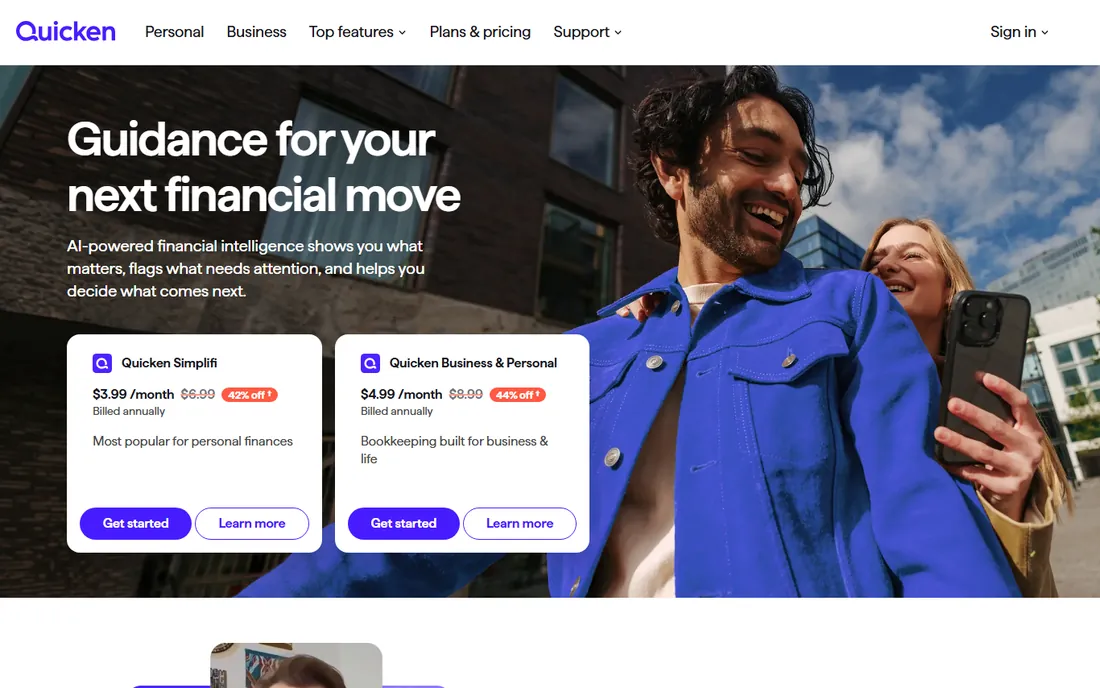
Simplifi is Quicken's modern answer to budgeting: a mobile and web app that builds a spending plan from your actual income and expenses, then adjusts as spending changes. It does not force one budgeting religion on you. The dashboard surfaces cash flow, top spending categories, upcoming bills and net worth in widgets you can rearrange, and investment tracking sets it apart from pure budgeting apps.
The tradeoff is commitment. There is no free version, only a short trial, and Quicken's pricing has shifted enough over the years that you should confirm the current rate on their site before deciding. Simplifi is the best fit for someone who wants Quicken's institutional depth without Quicken Classic's desktop complexity, and who is willing to pay for it.
What we like- Automatic categorization with customizable watchlists
- Tracks investments, bills and subscriptions in one dashboard
- Connects to over 14,000 financial institutions
Watch out for- No permanent free tier
- Reports lack deep customization
- Pricing changes often, so verify before subscribing
Starting price$14.99/month (or $109/year)
Free planFree trial (34 days)
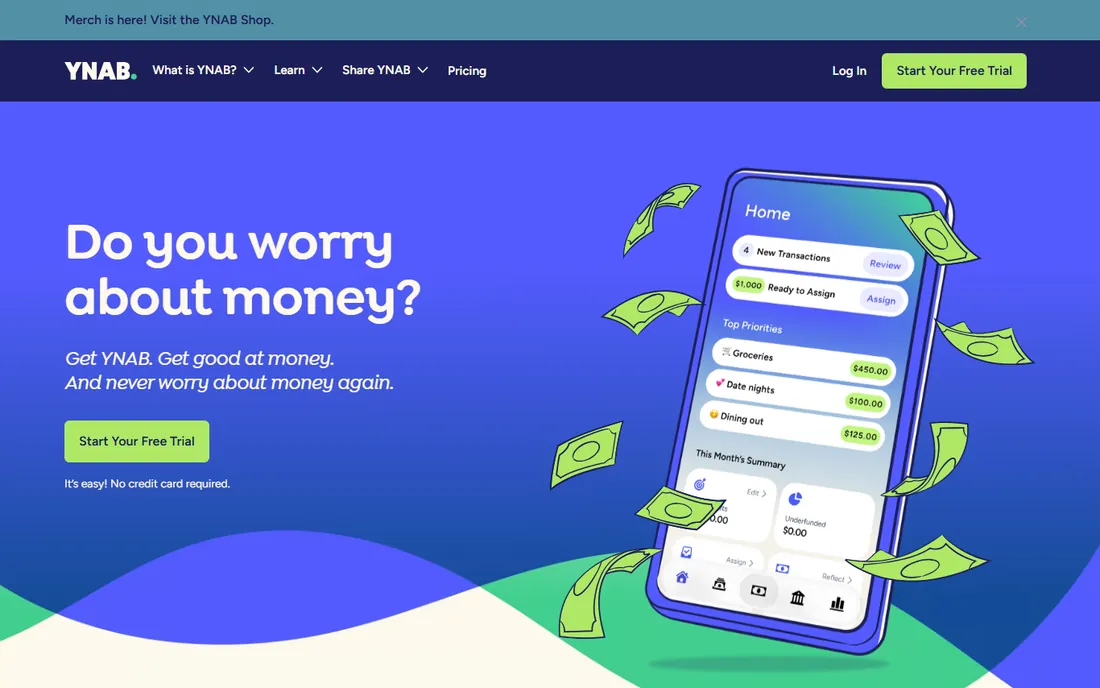
YNAB sells a method, not just software, and that is why its users are unusually loyal. Every dollar is assigned a job, you embrace your true expenses by funding irregular bills monthly, and you roll with the punches instead of blowing up the budget when plans change. People who stick with it for three months routinely report breaking the paycheck-to-paycheck cycle.
The price is the highest in this list, and the method is work: YNAB fails for people who want the app to do everything passively. But for households carrying debt or anyone whose money evaporates between paydays, the discipline pays for itself. The 34-day trial is long enough to run a full budget cycle before deciding.
What we like- The four-rule method genuinely changes spending habits
- Every dollar gets a job, which ends paycheck-to-paycheck drift
- Excellent educational material and community
Watch out for- The priciest option here
- The method demands active participation
- Bank sync occasionally needs manual fixes
#3
Tiller Money
Best for: spreadsheet budgeting in Sheets or Excel
Visit tiller.com
Starting priceFrom $8.25/month (billed annually)
Free planFree trial (30 days)
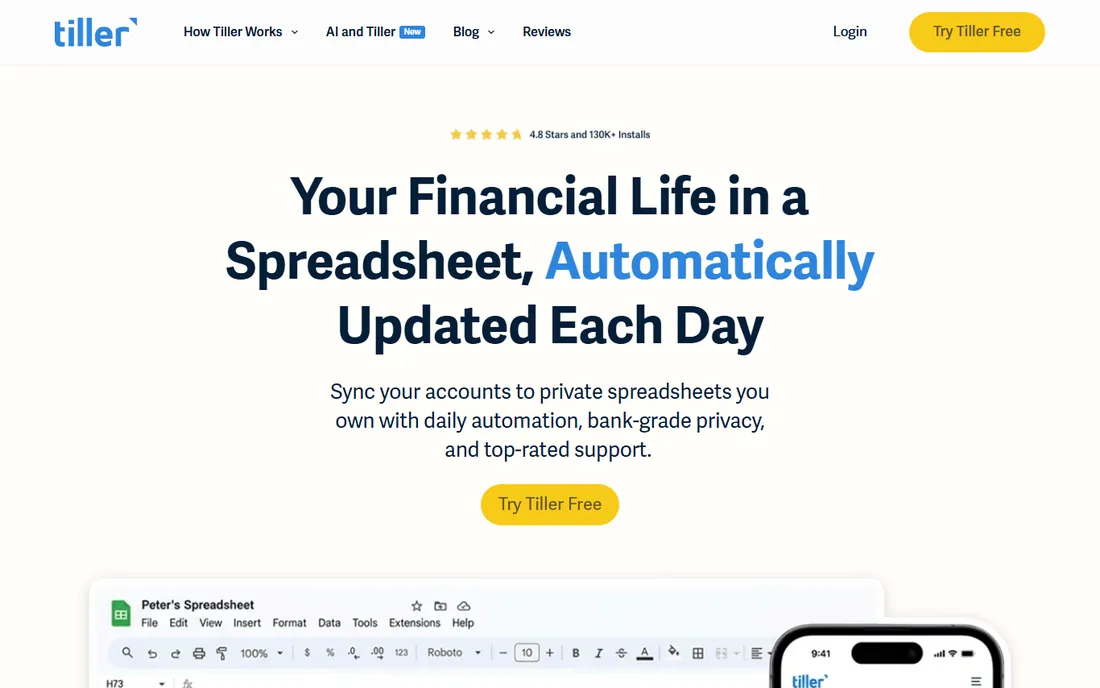
Tiller feeds your bank transactions automatically into Google Sheets or Excel every day, and from there you build whatever budget you want. Templates cover the basics, and AutoCat applies your own categorization rules with a consistency no app's AI quite matches. Because the data is yours in a file, you never worry about a vendor redesign or shutdown taking your history with it.
The catch is that you must enjoy spreadsheets. There is no polished mobile app, the initial setup takes an afternoon, and anything beyond the templates is on you. Tiller is the best choice for analytically minded users who find every other app too rigid and who like the idea that their financial data outlives the subscription.
What we like- Your data lives in a spreadsheet you own forever
- AutoCat rules categorize with precision
- Endlessly customizable for power users
Watch out for- No dedicated mobile app
- Setup takes real effort
- You are the support department for your own formulas
Starting priceFrom $14.95/month
Free planYes
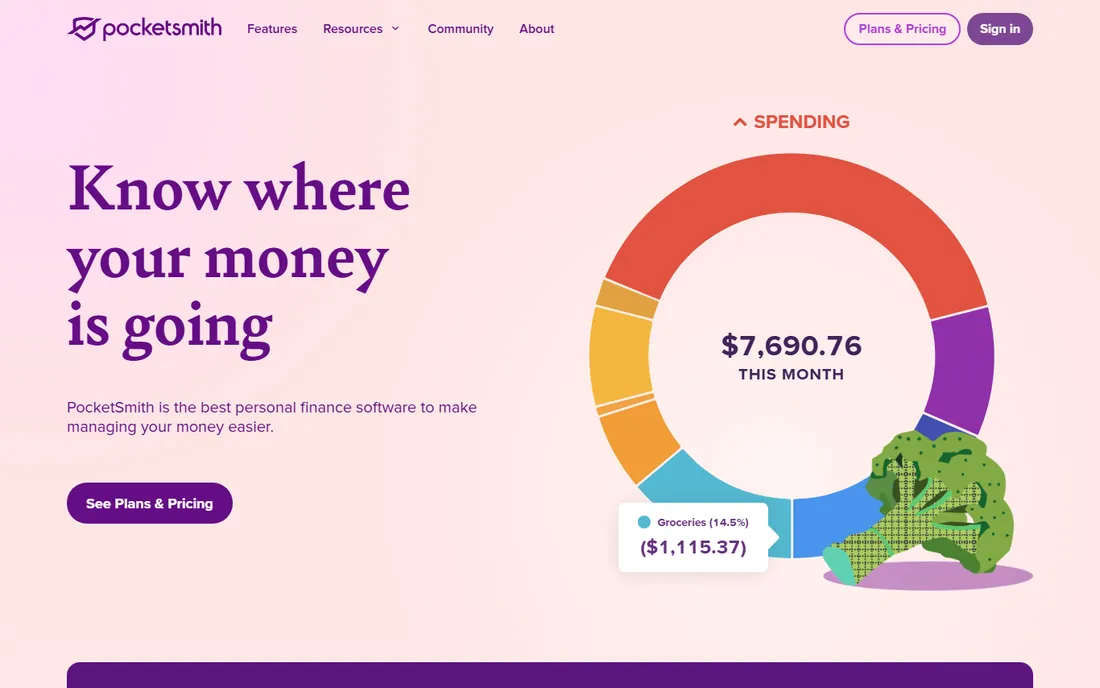
PocketSmith answers the question other apps dodge: where will my money be in six months? Its calendar projects your balance forward using scheduled bills, income and budgets, so you can see a shortfall coming in November while it is still fixable. Scenario modeling lets you test decisions like a job change or a big purchase against your future cash flow.
The interface takes longer to learn than Simplifi or YNAB, and automatic bank feeds depend on your region. The free plan is genuinely useful for manual budgeting, though. PocketSmith fits planners and freelancers with irregular income who think in timelines rather than monthly buckets.
What we like- The calendar-based cash-flow forecast is the best in class
- Scenario modeling shows future balances years out
- Free plan covers basic budgeting
Watch out for- The interface has a learning curve
- Bank sync coverage varies by country
- The best features sit on higher tiers
Starting priceFrom $10/month
Free planYes
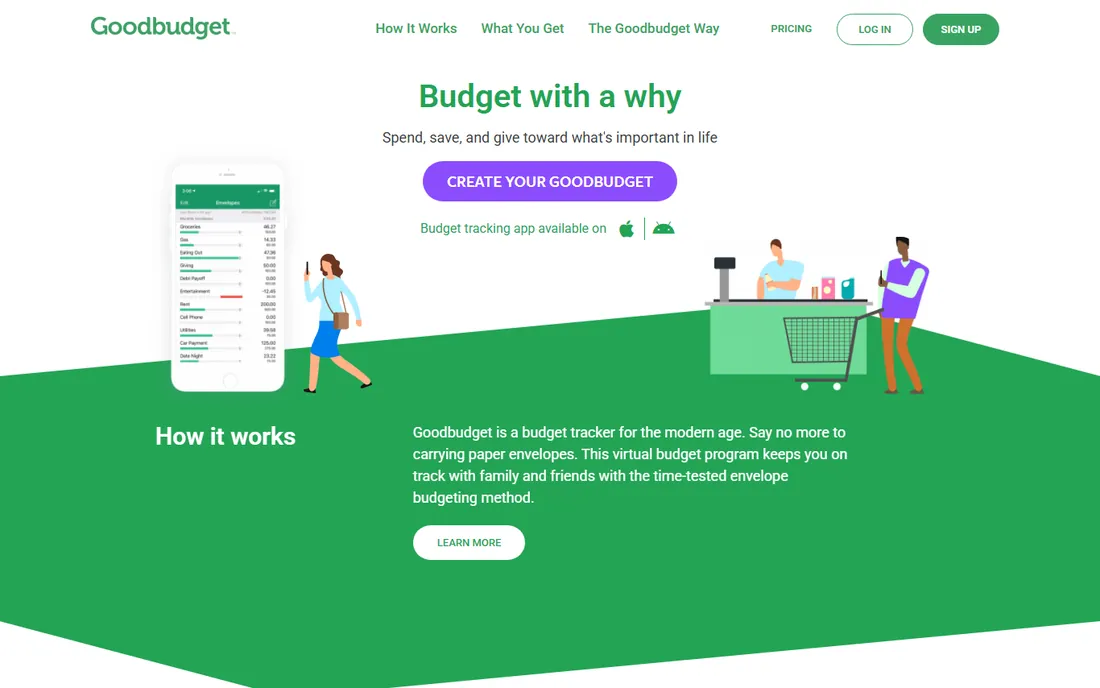
Goodbudget digitizes the envelope system: divide each paycheck into envelopes for groceries, rent, fun money and the rest, then spend from the envelopes. There is no bank connection by design. You enter transactions manually, which sounds like a drawback until you realize it makes every purchase a conscious decision. Couples like the shared syncing, which keeps both partners looking at the same envelopes.
The free plan covers one year of history and limited envelopes, enough for many users indefinitely. Premium raises the limits. Goodbudget is for people who have tried automatic trackers and still overspent, because the friction of manual entry is exactly the point.
What we like- The envelope method is simple and proven
- The free plan is generous for individuals
- Syncs across devices for household sharing
Watch out for- No automatic bank sync on any plan
- Manual entry is the whole philosophy
- Reporting is basic
Starting price$17.99/month (or $79.99/year)
Free planYes
EveryDollar is Dave Ramsey's budgeting app, and it does one thing: a zero-based budget where income minus expenses equals zero each month. Setup takes minutes, the interface is the cleanest in this category, and the free version handles manual-entry budgeting completely. If you follow Ramsey's baby steps for debt payoff, the app slots into that system naturally.
Premium adds automatic bank transactions, which is where the value concentrates for most users. There is no investment or net-worth tracking to speak of. EveryDollar is the right pick for debt-focused budgeters who want the simplest possible monthly plan and do not need a full financial dashboard.
What we like- The simplest zero-based budget setup available
- Free tier covers manual budgeting well
- The Ramsey ecosystem offers debt-payoff structure
Watch out for- Bank sync requires Premium
- Investment tracking is absent
- The app nudges you toward Ramsey's paid ecosystem
Starting priceFrom $9.99/year
Free planFree trial (15 days)
CountAbout is the quiet bargain of personal finance software. Basic costs less per year than most rivals charge per month, and Premium with automatic bank downloads still costs less annually than a single month of YNAB. It is also the only web-based tool that imports historical data from Quicken or Simplifi, which makes it the natural refuge for Quicken users fleeing subscription fatigue.
You feel the price in polish. The interface looks like it was designed a decade ago, investment tracking is thin, and initial setup requires more patience than modern apps demand. But the company does not sell your data and does not show ads. For cost-conscious users who want the essentials and nothing else, CountAbout is unmatched value.
What we like- The cheapest paid option by a wide margin
- Imports history from Quicken and Simplifi
- No ads and no data selling
Watch out for- The interface looks dated
- Investment features are weak
- Setup takes some patience
Starting priceFrom $59.99/year
Free planFree trial (30 days)
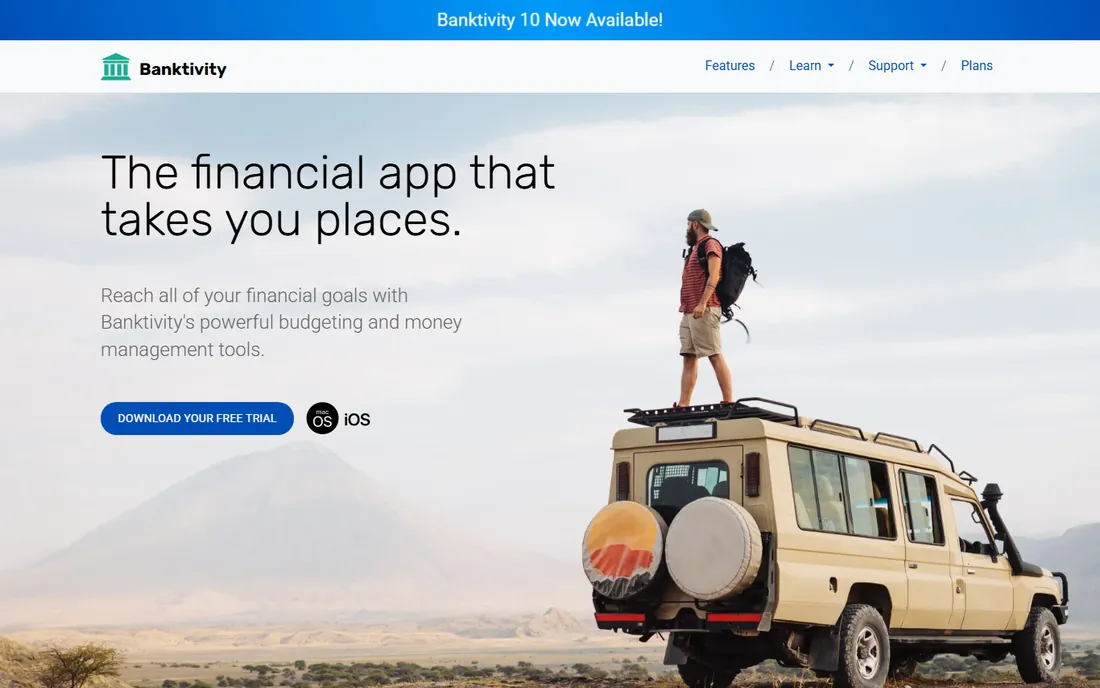
Banktivity is built for the Apple household. The Mac and iPhone apps are native, fast and well designed, with envelope and traditional budgeting, detailed reports and real investment tracking. Direct-access connections pull transactions from thousands of institutions, and your data lives on your devices rather than in someone else's cloud.
The limitation is the platform: there is no Windows or Android version, so mixed-device households are out of luck. Bank sync requires the subscription tier. Banktivity is the clear choice for Mac-first users who want desktop-class personal finance software and are happy to pay desktop prices for it.
What we like- Native Mac and iOS apps with excellent design
- Direct-access bank connections
- Strong budgeting, reports and investment tracking
Watch out for- Apple-only, no Windows or Android
- Subscription required for bank sync
- Overkill if you only need simple budgeting
What to check before you commit
Sync or manual entry
Automatic bank sync saves time but creates a subtle problem: when you never touch a transaction, you stop noticing your spending. Manual entry apps like Goodbudget keep you engaged at the cost of a few minutes a day. Decide which failure mode worries you more, automation blindness or data-entry fatigue, and choose accordingly.
The method matters more than the app
YNAB works because of its four rules, not its interface. Envelope budgeting works because of the envelopes, not the app. Before comparing features, pick the budgeting philosophy that fits your temperament: zero-based, envelopes, pay-yourself-first, or simple tracking. Then choose the app that implements it best.
Count the real cost
Monthly prices hide the annual total. A $15-per-month app costs $180 a year, which is real money for a budgeting tool. Check whether the free tier actually covers your needs, whether annual billing discounts apply, and whether you will still be paying in year three. CountAbout exists at $10 a year precisely because this math bothers people.
Data portability
Ask how you get your history out. Tiller wins outright since your data is already a spreadsheet. Apps with CSV export are fine. Apps that lock years of your financial life behind a subscription you must keep paying deserve extra scrutiny, especially after the Mint shutdown reminded everyone that products can disappear.
How we chose
We compared vendor pricing pages, feature documentation and public feedback from review sites and personal finance communities to assemble this list. We weighted budgeting method fit, bank sync reliability, pricing transparency, data portability and value for individuals and households rather than businesses. We did not perform hands-on testing. Tools whose homepages could not be verified were excluded, and one vendor URL note: eight homepages in this article were confirmed through search results because direct page fetches were rate-limited at research time.
What Mint's shutdown taught personal finance apps
When Intuit shut down Mint in early 2024 and moved users to Credit Karma, millions of people learned that a free tool can vanish with their decade of data attached. The lesson reshaped buyer behavior: data export and portability now rank alongside features in buying decisions, and apps like Tiller and CountAbout market explicitly against lock-in. It also explains the pricing you see above. Sustainable personal finance software costs money to run, and the apps charging honest subscriptions are the ones most likely to still exist in five years. Free is fine for starting out, but pay for the tool that holds your financial history once it matters.
Frequently asked questions
Is personal bookkeeping software different from accounting software?
Yes. Bookkeeping apps track household budgets, bills, cash flow and net worth. Accounting software like QuickBooks handles business invoicing, payroll and taxes. Some households run both, but a personal app is simpler and cheaper for family finances.
Do I really need to connect my bank accounts?
No. Manual-entry apps like Goodbudget work well without any connection, and some users prefer it for awareness and privacy. Bank sync saves time and catches forgotten transactions. If you choose sync, prefer apps that use established aggregation providers and offer two-factor authentication.
Which app is best for couples?
Goodbudget syncs envelopes between partners on the free plan, which makes it the easiest couples pick. YNAB also works well for households that budget together. The deciding factor is whether both partners will actually open the app; the simpler the app, the better the odds.
Can these apps replace a financial advisor?
No. They track and organize your money, which is valuable, but they do not give personalized investment or tax advice. Use them to understand your cash flow, then bring that clarity to an advisor if you need planning help.
What is the cheapest good option?
CountAbout, at under $10 a year for Basic, is the cheapest credible paid option. Goodbudget and EveryDollar both have genuinely useful free tiers. Start free, and only pay when you have outgrown the free limits.
Sources we checked (11)
- https://quicken.com/
- https://youneedabudget.com/
- https://tiller.com/
- https://pocketsmith.com/
- https://goodbudget.com/
- https://everydollar.com/
- https://countabout.com/
- https://banktivity.com/
- https://www.thepennyhoarder.com/budgeting/simplifi-app/
- https://robberger.com/quicken-alternatives/
- https://tiller.com/tiller-vs-quicken-simplifi/
Is your product missing or out of date?
We review this list regularly. Vendors can request a listing, send updated pricing or ask about featured placement.

Shihab Mia · Founder, Rankite
Shihab has spent more than a decade helping SaaS and e-commerce brands grow through search. He writes Rankite's software buying guides from pricing pages, documentation and public user reviews. More about Shihab.