How we make this list: we compare pricing pages, product documentation and public user reviews. Rankite is independent; if a vendor ever pays for a featured spot, that listing is clearly labeled Partner.
Key takeaways
- Stripe (2.9% + 30c online) is the default for online businesses: best developer tools and global coverage.
- Square (2.6% + 10c in-person) wins for retail, food and services: free POS software with transparent flat rates.
- High-volume businesses (10k+/month) should price interchange-plus: Helcim, Stax (99/month) and Payment Depot (49/month) beat flat rates at scale.
- The rate is not the whole cost: monthly fees, hardware, chargebacks and payout timing decide the real bill.
Quick comparison
| Tool | Best for | Starting price | Free plan |
|---|
 Stripe Stripe | Online businesses and platforms | 2.9% + 30c per online transaction | No (pay per transaction) |
 Square Square | Retail, food and in-person services | 2.6% + 10c in-person | No (pay per transaction) |
 PayPal PayPal | Businesses wanting the trusted PayPal button | 2.99% + 49c (PayPal Checkout) | No (pay per transaction) |
 Helcim Helcim | Interchange-plus with honest pricing | Interchange-plus (see website) | No |
 Stax Stax | High-volume subscription model | 99/month + interchange | No |
 Payment Depot Payment Depot | Membership-based wholesale rates | 49/month membership + interchange | No |
 Adyen Adyen | Growing businesses going global | Interchange + fee (custom) | No |
 Dharma Merchant Services Dharma Merchant Services | Fair interchange-plus pricing | Interchange-plus (see website) | No |
 Toast Toast | Restaurants needing POS plus payments | 2.99% + 15c (in-person) | No |
Is your product missing or out of date?
We review this list regularly. Vendors can request a listing, send updated pricing or ask about featured placement.
The best payment processing software for small business
Run the numbers on a 50,000 dollar month: at 2.9 percent plus 30 cents, processing costs about 1,600 dollars. At interchange-plus, maybe 1,100. That 500 dollar monthly gap is why payment processing deserves real comparison, not just the provider your POS vendor bundles. These nine cover the honest options.
Starting price2.9% + 30c per online transaction
Free planNo (pay per transaction)
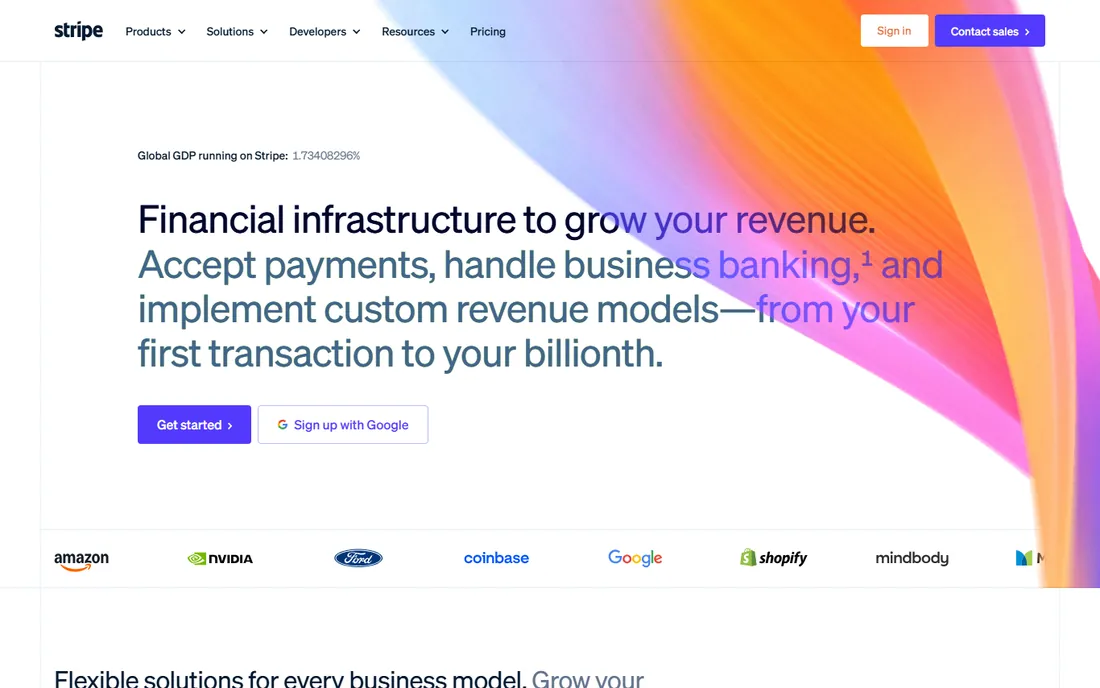
Stripe is the online default. The 2.9 percent plus 30 cents rate is the baseline everyone compares against, and the API, docs and ecosystem are the best in the business: subscriptions via Billing, fraud via Radar, in-person via Terminal, marketplaces via Connect. International coverage is unmatched for a small business going global.
The honest catch is the flat rate at scale and risk management. High-volume businesses overpay versus interchange-plus, and Stripe's fraud holds can freeze funds with little warning. For online businesses under ~80k/month in volume, the simplicity and tooling win. Above that, price interchange-plus against it.
What we like- Best developer tools and documentation in payments
- Global coverage with 135-plus currencies
- Huge built-in ecosystem (Billing, Radar fraud, Terminal)
Watch out for- Flat rate gets expensive at volume
- Account holds and reserves frustrate some businesses
Starting price2.6% + 10c in-person
Free planNo (pay per transaction)
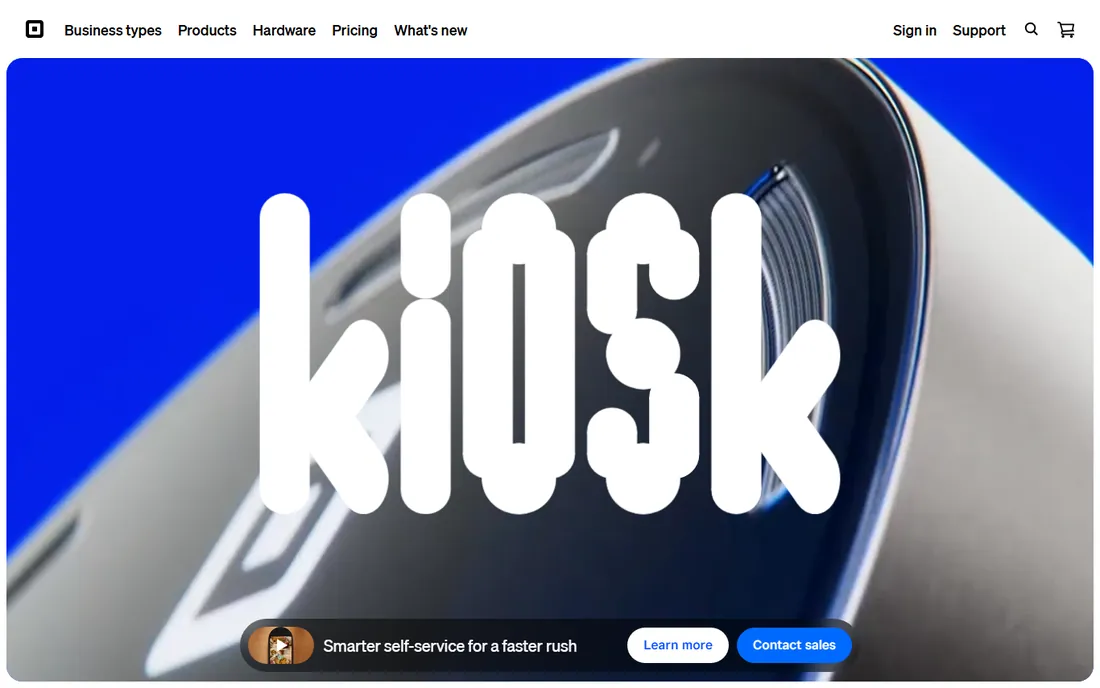
Square owns in-person small business payments. The free POS app handles sales, inventory, employees and reporting; the card reader is cheap and the rates (2.6% + 10c in-person) are transparent with no monthly fee. Coffee shops, salons, food trucks and retailers run their whole operation on it.
The catch is online and scale. The online rate matches Stripe's without Stripe's developer depth, and high-volume sellers overpay versus interchange-plus. Some sellers report sudden account holds. For in-person businesses processing under ~100k/year, Square's simplicity is unbeatable. Past that, do the interchange math.
What we like- Free POS software that is genuinely good
- Transparent flat rates with no monthly fee
- Hardware ecosystem from free reader to full register
Watch out for- Online rate (2.9% + 30c) matches Stripe with fewer developer tools
- Account stability complaints from some sellers
#3
PayPal
Best for: Businesses wanting the trusted PayPal button
Visit paypal.com
Starting price2.99% + 49c (PayPal Checkout)
Free planNo (pay per transaction)
PayPal converts because customers trust it. The 2.99 percent plus 49 cents rate is high, but the PayPal button lifts conversion for businesses whose customers hesitate at unfamiliar checkouts. Setup takes minutes, payouts are fast, and the buyer network is enormous.
The honest catch is cost and control. The rate is the highest standard rate on this list, and PayPal's risk holds are legendary: frozen funds for weeks with limited recourse. Use PayPal as an option alongside a primary processor, not as the only processor. The conversion lift is real; so is the risk.
What we like- The checkout button customers trust most
- Massive buyer network with buyer protection
- Fast setup with no merchant account needed
Watch out for- Among the highest rates here
- Account freezes and holds are the industry's most complained about
Starting priceInterchange-plus (see website)
Free planNo
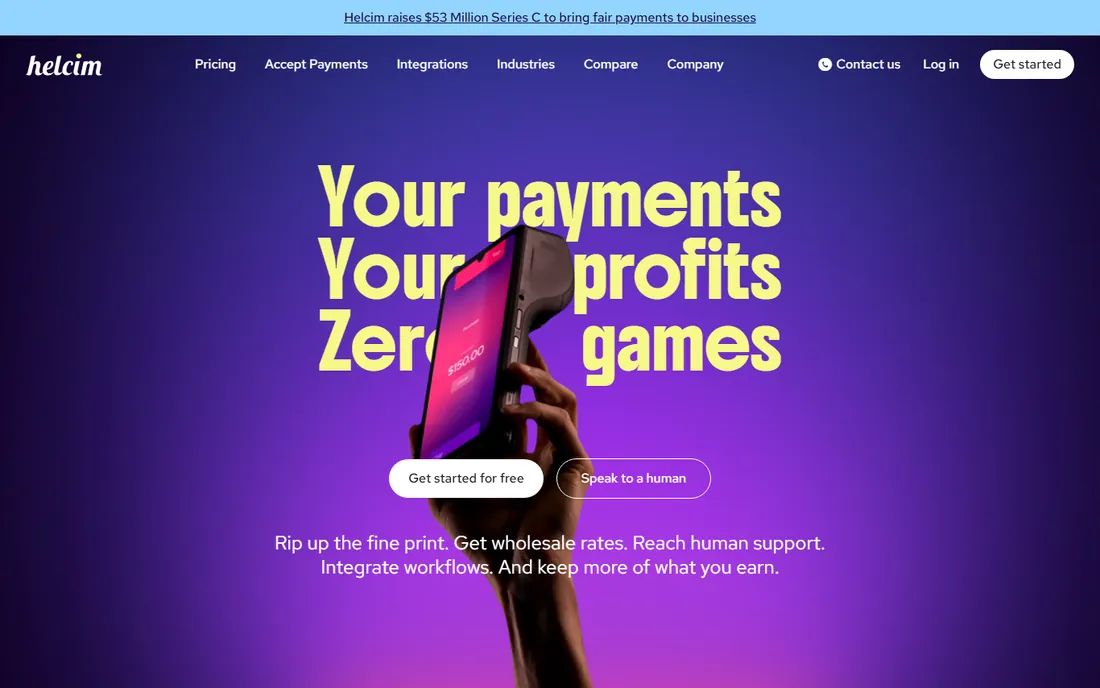
Helcim is the honest-pricing pick. Interchange-plus means you pay the card networks' cost plus Helcim's published margin: no tiered-rate games, no hidden markups. There is no monthly fee on the standard plan, and the invoicing, virtual terminal and online checkout tools cover small business needs well.
The catch is the ecosystem. Fewer integrations than Stripe, less hardware than Square, smaller support team than the giants. Businesses that value pricing transparency over platform breadth choose Helcim. Those needing deep integrations may find it thin.
What we like- True interchange-plus pricing with published margins
- No monthly fee on the base plan
- Good online invoicing and virtual terminal tools
Watch out for- Smaller brand: fewer integrations than Stripe or Square
- Hardware options are thinner
Starting price99/month + interchange
Free planNo
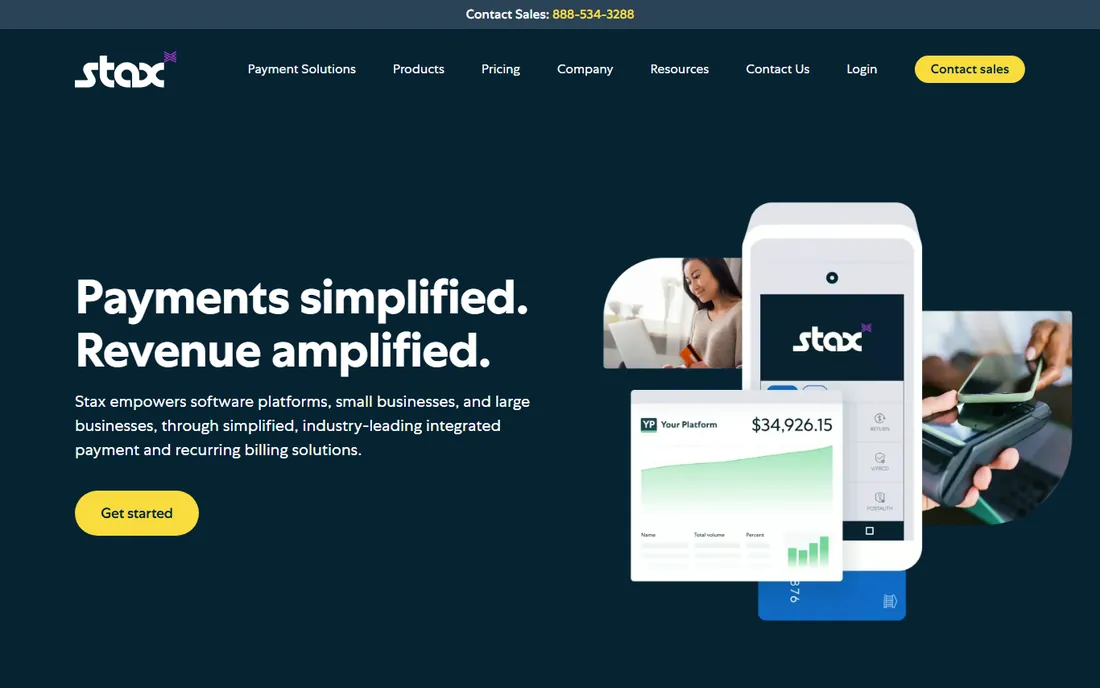
Stax (formerly Fattmerchant) flips the model: pay $99 per month, then pay pure interchange with zero markup. For a business processing $50k/month, the savings versus 2.9% flat are dramatic (often $500+/month). The billing, invoicing and analytics tools are solid.
The honest catch is the floor. At $5k/month in volume, the $99 fee erases the savings; seasonal businesses pay it in dead months too. This is strictly a volume play. Run your actual volume through the math: above ~$10k/month it usually wins, below that it loses.
What we like- Zero markup over interchange: the subscription replaces percentage markups
- Strong for businesses over ~10k/month
- Good invoicing and billing tools
Watch out for- The 99/month fee punishes low-volume months
- Less suited to tiny or seasonal businesses
Starting price49/month membership + interchange
Free planNo
Payment Depot is the Costco model: $49 per month membership, then wholesale interchange-plus rates with no markup games. For businesses in the $5k-$50k/month band, it often beats both flat-rate processors and Stax's higher subscription. No long-term contracts and published pricing keep it honest.
The catch is simplicity of pitch versus breadth of product. The feature set (invoicing, virtual terminal, gateways) is competent but not Stripe-grade. Buyers who want wholesale rates without Stax's $99 commitment land here. Verify the membership math at your volume before joining.
What we like- Wholesale interchange-plus at a lower membership fee ($49/month)
- No contracts with price-lock promises
- Good for mid-volume businesses
Watch out for- Membership model confuses some buyers
- Smaller feature set than Stripe or Square
Starting priceInterchange + fee (custom)
Free planNo
Adyen is the global grow-up platform: one contract and integration covering online, in-store and mobile payments across 150-plus currencies with local payment methods. Interchange-plus pricing keeps costs honest at volume, and the data and fraud tools are enterprise-grade. Businesses expanding internationally graduate to Adyen.
The honest catch is the on-ramp. Minimums and a sales-led process exclude the smallest businesses, and the platform assumes payments competence. For US-only small businesses, it is overkill. For businesses going global, it replaces a patchwork of regional processors.
What we like- Single global platform: one integration for online, in-person and 150+ currencies
- Interchange-plus pricing that scales
- Enterprise-grade fraud and data tools
Watch out for- Built for scale: small businesses face minimums and a sales process
- Less hand-holding than Square
Starting priceInterchange-plus (see website)
Free planNo
Dharma is the values pick that also prices fairly. Interchange-plus pricing with transparent margins, B-Corp certification, and a reputation for honest support. Small businesses that care where their money goes get competitive rates without the hard sell.
The catch is scale of ecosystem. Fewer integrations and less brand recognition than the leaders. The rates are fair but not always the absolute lowest. For businesses that want honest pricing from a company they feel good about, Dharma delivers.
What we like- Transparent interchange-plus with a values-driven company
- B-Corp with charitable giving
- Good support reputation
Watch out for- Smaller processor with fewer integrations
- Not the cheapest at every volume tier
Starting price2.99% + 15c (in-person)
Free planNo
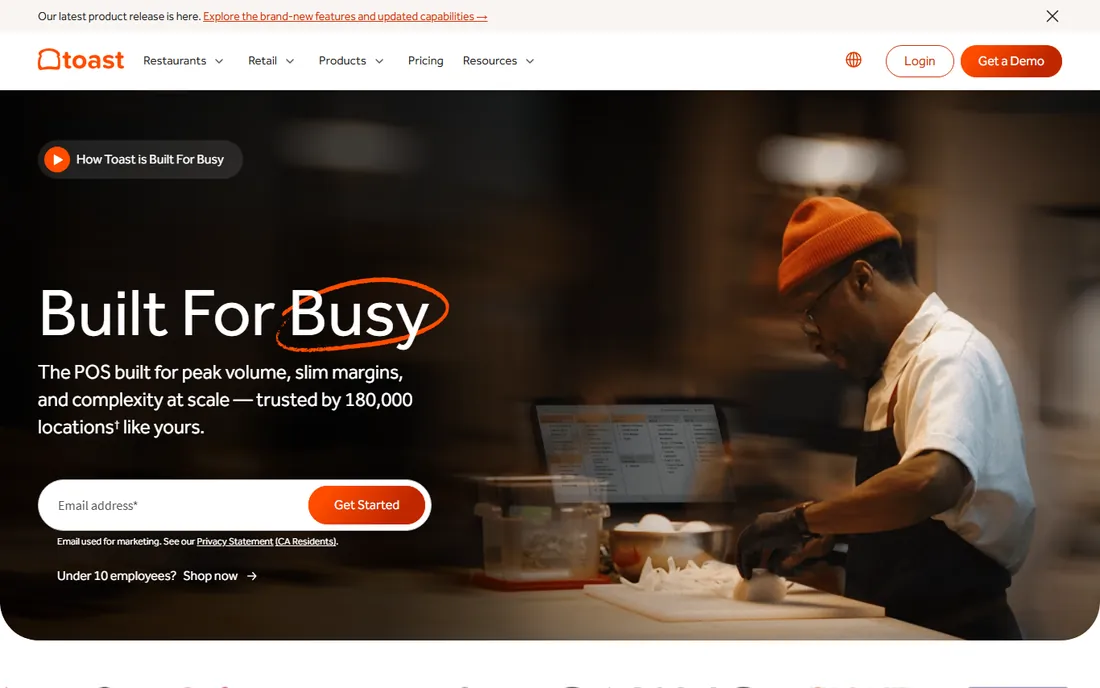
Toast is the restaurant standard: POS, online ordering, kitchen display, payroll and payments in one system built for food service. The 2.99 percent plus 15 cents in-person rate bundles processing with the platform every restaurant needs anyway. New restaurants get running fast with hardware and software designed together.
The honest catch is the rate and the lock-in. 2.99% + 15c is expensive at volume, and leaving Toast means replacing the whole system. High-volume restaurants should price the processing separately against interchange-plus. For most independent restaurants, the operational value outweighs the rate premium.
What we like- Purpose-built restaurant POS: tables, tickets, online ordering, payroll
- Payments integrated with no separate processor needed
- Strong restaurant feature depth
Watch out for- The 2.99% + 15c rate is high versus interchange-plus
- Hardware and software lock-in to the Toast ecosystem
Flat rate vs interchange-plus: the 10k rule
Under ~$10k/month in card volume, flat-rate processors (Stripe, Square) win on simplicity: predictable costs, no monthly fees, no statements to decode. The rate premium is small in dollars and the simplicity is worth it.
Above ~$10k/month, price interchange-plus. Helcim (no monthly fee), Payment Depot ($49/month) and Stax ($99/month) strip the markup to interchange plus a small margin or subscription. The monthly savings at $30k volume typically run $200-$600: real money that compounds yearly. Get three months of statements and ask each provider for a side-by-side; honest ones will do it.
What to check before you sign
Start with the effective rate, not the advertised rate. Pull three months of processing statements and compute total fees divided by total volume: that is your real number. Compare it against quotes the same way. Advertised rates exclude the fees that matter: monthly minimums, PCI fees, statement fees, batch fees and chargeback fees.
Then check the contract terms. Month-to-month with no early termination fee is the standard you should demand; legacy processors still push multi-year leases on overpriced hardware. Never lease a terminal: buy it outright or use a free reader. The ETF and lease are where bad deals hide.
Finally, verify payout timing and reserves. Next-day funding is standard; holds and reserves are the risk. Ask what triggers a hold, how long funds can be held, and what the appeal process is. Stripe, PayPal and Square all hold funds sometimes; the difference is how they communicate it.
How we chose
We started with the searches owners actually run: payment processing for small business, Stripe vs Square and cheapest credit card processing. For each candidate we checked the vendor's own pricing page, confirmed current rates, and compared fee structures, contract terms and fit against public reviews on G2, Capterra and small business forums. Where a price could not be verified on the vendor's page, we wrote "See website" rather than guessing.
Frequently asked questions
How much does credit card processing cost a small business?
Typical effective rates run 2.5% to 3.5% of volume on flat-rate processors (Stripe, Square, PayPal). Interchange-plus providers cost interchange (roughly 1.5%-2.5% depending on cards) plus a small margin. On $50k/month, the gap between flat and interchange-plus is often $300-$600/month.
Stripe vs Square: which is better?
Stripe for online businesses (better APIs, global coverage, subscription billing). Square for in-person businesses (free POS, simple hardware, transparent in-person rates). Many businesses use both: Stripe online, Square in-store.
What is interchange-plus pricing?
You pay the card networks' interchange fee (set by Visa/Mastercard, varies by card type) plus the processor's fixed margin. It is transparent and cheaper at volume than flat-rate pricing, but the statements are harder to read. Helcim, Dharma and Payment Depot offer it to small businesses.
Are there monthly fees for payment processing?
Flat-rate processors (Stripe, Square, PayPal) charge no monthly fee: you pay per transaction. Subscription models (Stax $99/month, Payment Depot $49/month) charge monthly but cut the per-transaction markup. Avoid processors stacking monthly fees on top of high markups.
Can I negotiate processing rates?
With interchange-plus providers, sometimes: the margin is negotiable at volume. With flat-rate processors (Stripe, Square), no: the rate is the rate. Your best negotiation is switching: get competing quotes on your actual statements and let providers compete.
How do I avoid payment processing scams?
Red flags: leased hardware, multi-year contracts with termination fees, "free" equipment, tiered pricing you cannot decode, and reps who will not put the effective rate in writing. Legitimate providers (everyone on this list) publish rates and offer month-to-month terms.
Sources we checked (9)
- https://stripe.com/pricing
- https://squareup.com/us/en/payments
- https://www.paypal.com/us/webapps/mpp/merchant-fees
- https://www.helcim.com/pricing/
- https://www.staxpayments.com/pricing/
- https://www.paymentdepot.com/pricing/
- https://www.adyen.com/pricing
- https://www.dharmams.com/pricing/
- https://www.toasttab.com/pricing
Is your product missing or out of date?
We review this list regularly. Vendors can request a listing, send updated pricing or ask about featured placement.

Shihab Mia · Founder, Rankite
Shihab has spent more than a decade helping SaaS and e-commerce brands grow through search. He writes Rankite's software buying guides from pricing pages, documentation and public user reviews. More about Shihab.