How we make this list: we compare pricing pages, product documentation and public user reviews. Ratings come from G2, Capterra or Trustpilot, with the date we checked them.
Key takeaways
- Multi-carrier software pays off from the second carrier onward, when rate comparison by hand becomes slow and error-prone.
- ShipStation suits multichannel sellers that need automation, while Shippo and EasyPost suit lean teams and developer-led teams.
- Label cost is only part of the bill: shipment limits, own-carrier fees, branded tracking, and returns features change the total.
- Easyship suits cross-border sellers, Pirate Ship suits low-volume USPS and UPS shippers, and AfterShip suits post-purchase tracking.
- Test with real orders, real package sizes, and real destinations, because a rate that looks cheap for a light parcel may not hold for heavier or rural shipments.
Quick comparison
| Tool | Best for | Starting price | Free plan |
|---|
 ShipStation | Multichannel sellers | $14.99 per month | Free trial (30 days) |
 Shippo | Lean ecommerce teams | $0 per month | Yes |
 EasyPost | Developer-led shipping | $0 per month | Yes |
 Easyship | Cross-border sellers | $0 per month | Yes |
 Sendcloud | European and multichannel SMBs | $0 per month | Yes |
 ShipEngine | Shipping APIs | $0 per month | Yes |
 Pirate Ship | Low-volume USPS and UPS | $0 per month | Yes |
 AfterShip | Tracking and returns | $9 per month | Yes |
 Veeqo | Amazon and multichannel sellers | $0 per month | Yes |
Is your product missing or out of date?
We review this list regularly. Vendors can request a listing, send updated pricing or ask about featured placement.
The best multi carrier shipping software
Starting price$14.99 per month
Free planFree trial (30 days)
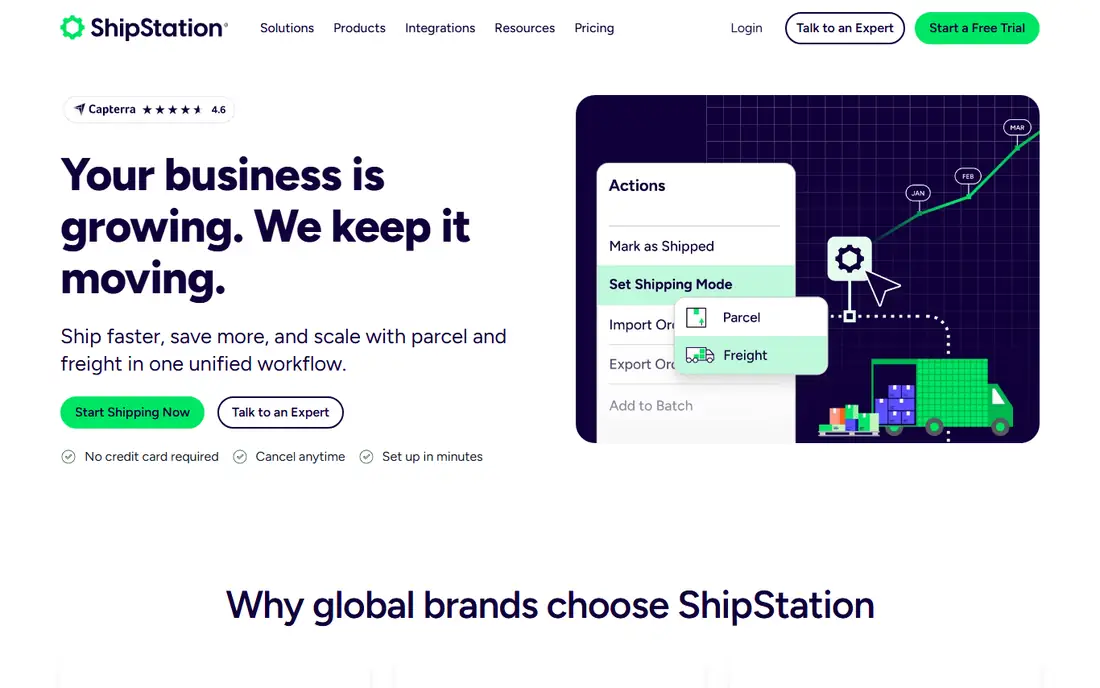
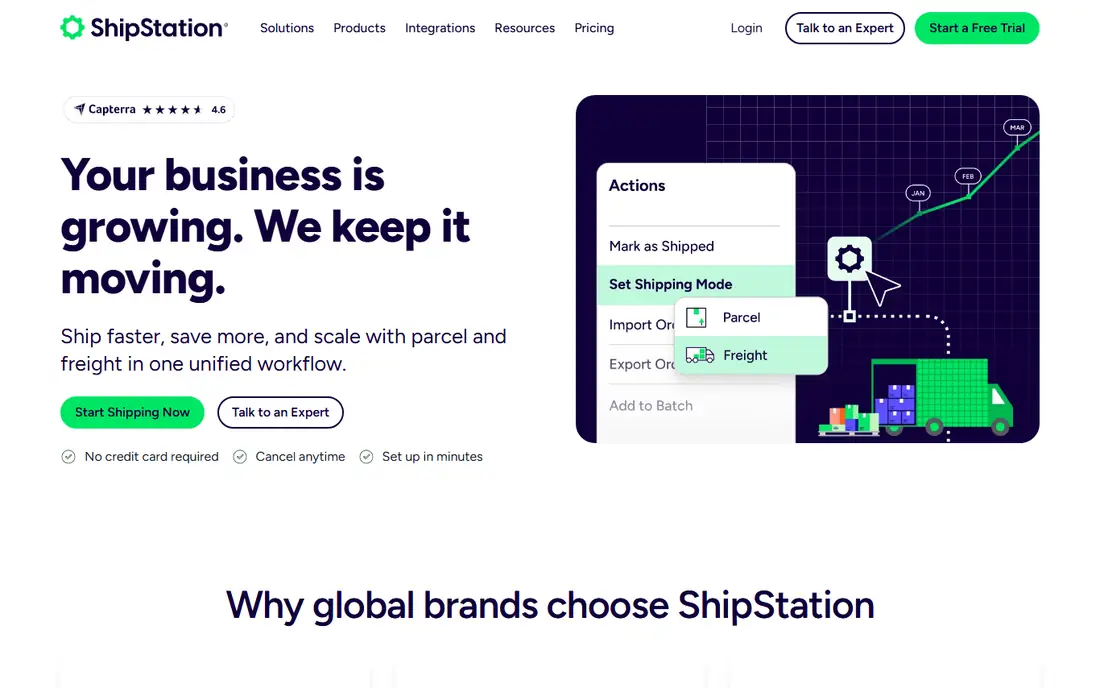
ShipStation is the workhorse for sellers that take orders from several channels each morning and need to turn them into labels without retyping addresses. Orders import from stores and marketplaces, automation rules assign carriers and services, and batch printing clears a queue of parcels in one pass. That workflow matters most when a team ships dozens or hundreds of orders a day and cannot afford to handle each one by hand.
The entry plan starts at $14.99 per month for 50 shipments, so volume is the first thing to check. A seller that passes that limit moves up a tier, and own-carrier accounts require Standard or higher plans, which changes the rate picture. ShipStation suits growing multichannel sellers that value automation and control, and it is more software than a seller shipping a handful of parcels a week needs.
What we like- Strong order import and automation
- Wide carrier and channel coverage
- Batch label printing
Watch out for- Shipment limits on entry plan
- Own-carrier accounts need higher plans
- Costs rise with volume
#2Shippo
Best for: Lean ecommerce teams4.2/5 on
G2 (77 reviews, checked Oct 2026)
Visit goshippo.com
Starting price$0 per month
Free planYes
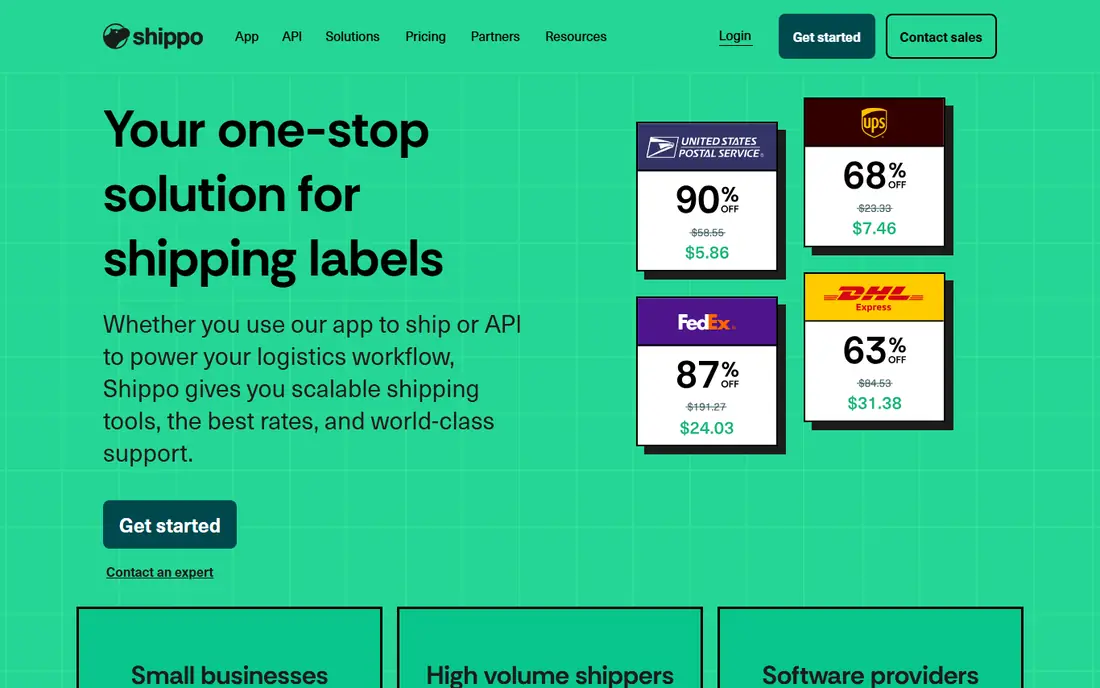
Shippo gives small sellers a simple path to multi-carrier labels without a monthly fee to start. The free Starter plan covers up to 30 labels per month, and the app connects to stores, compares rates across carriers, and prints labels in a few clicks. An API is available for teams that want to build shipping into their own checkout or order system, which keeps Shippo useful as a seller grows past the dashboard stage.
The limits show up at volume and at branding. Paid Pro starts at $17 per month on monthly billing for the lowest shipment tier, and branded tracking sits on higher plans, so a brand that wants a fully custom tracking page should price that tier from the start. Shippo suits lean direct-to-consumer brands under about 1,000 orders a month that want low fixed costs and pay mainly for postage.
What we like- Free Starter plan
- Simple label workflow
- API for custom builds
Watch out for- Free plan covers 30 labels per month
- Branded tracking needs higher plans
- Own-carrier fees apply on some tiers
#3EasyPost
Best for: Developer-led shipping4.2/5 on
G2 (122 reviews, checked Oct 2026)
Visit easypost.com
Starting price$0 per month
Free planYes
EasyPost is shipping infrastructure rather than a traditional dashboard app. Developers call its API to get rates, buy labels, track parcels, and manage addresses across more than 100 carriers, then build the exact workflow their store or warehouse needs. The free tier covers up to 3,000 labels per month, with a per-label charge beyond that, which keeps early costs tied to volume rather than to seats.
The trade-off is effort. A team without developer time will get less from EasyPost than from ShipStation or Shippo, because the power sits in the API and in custom logic for rate shopping and routing. EasyPost suits developer-led brands, marketplaces, and logistics platforms that want shipping as a building block, not as a fixed app with fixed screens.
What we like- API-first design
- Wide carrier library
- Free tier up to 3,000 labels per month
Watch out for- Needs developer time to get full value
- Dashboard is thinner than ShipStation
- Support for non-technical teams is lighter
#4Easyship
Best for: Cross-border sellers4.4/5 on
G2 (182 reviews, checked Oct 2026)
Visit easyship.com
Starting price$0 per month
Free planYes
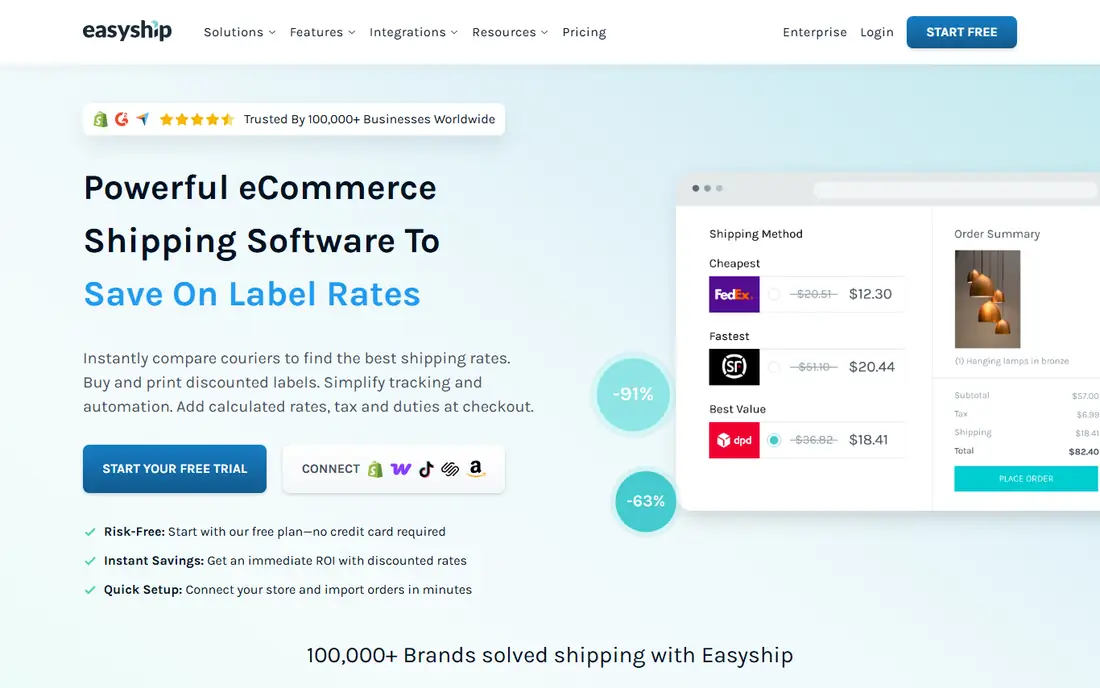
Easyship suits sellers that ship across borders and need duties, taxes, and customs paperwork handled in the same place as the label. The platform compares rates across hundreds of courier services worldwide, calculates landed costs so buyers see the full price, and generates the customs documents that international parcels require. That combination reduces the two most common cross-border problems: surprise charges for buyers and parcels held up by missing paperwork.
The free plan covers up to 50 shipments, and Plus starts at $29 per month for higher volume and more features. Returns are partial rather than a full self-service portal, so a brand with heavy international returns may still need a returns tool alongside Easyship. For a direct-to-consumer brand expanding into new countries, Easyship is a practical first multi-carrier choice.
What we like- Strong international carrier coverage
- Landed cost and customs documents
- Free plan for low volume
Watch out for- Paid Plus starts at $29 per month
- Returns handling is partial
- Rates vary by destination and service
Starting price$0 per month
Free planYes
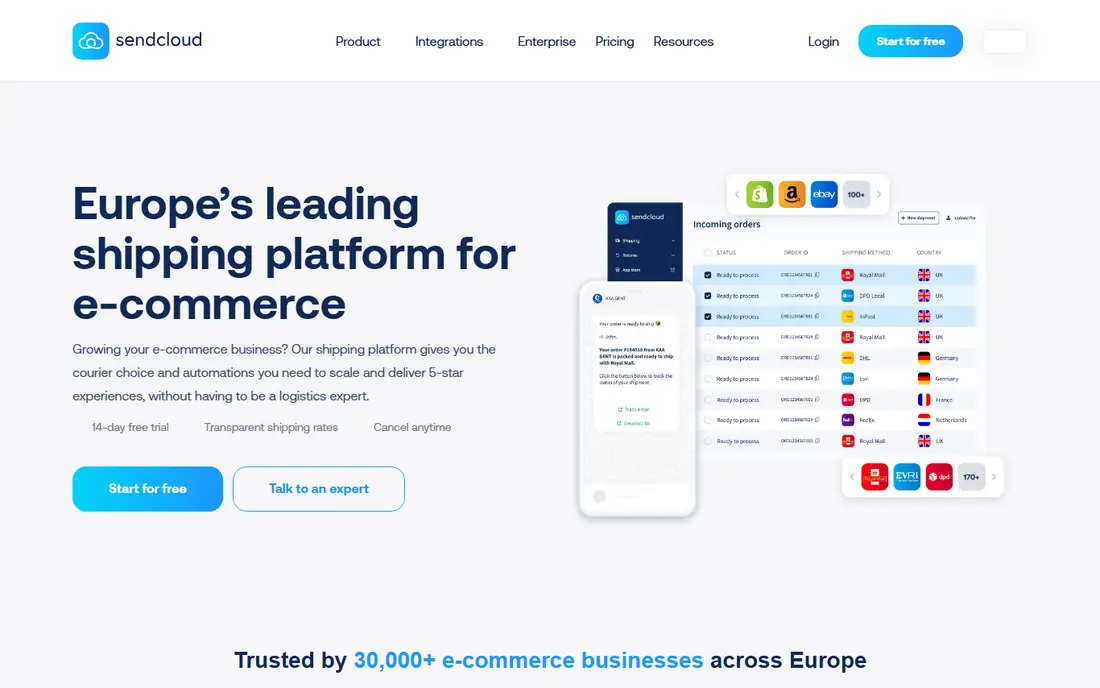
Sendcloud is the multi-carrier pick for small ecommerce teams that sell heavily in Europe. It connects stores to carriers across European markets, prints labels in bulk, and adds branded tracking pages and a returns portal that cut customer service messages about delivery status. The free plan lets a small shop start without a subscription, and paid plans scale by shipment volume.
US sellers should check carrier coverage before choosing Sendcloud, because its strength is European networks rather than US domestic depth. Paid plans are also priced in euros, so US buyers should convert the cost and check billing terms. Sendcloud suits European SMBs and cross-border sellers with a European base, and it is a weaker first pick for a purely US domestic operation.
What we like- Broad European carrier coverage
- Branded tracking and returns
- Easy store connections
Watch out for- US carrier depth is thinner than US-first tools
- Paid plans priced in euros
- Enterprise depth is limited
Starting price$0 per month
Free planYes
ShipEngine gives developers a single API for rates, labels, tracking, and address validation across many carriers, which is why platforms and larger sellers embed it inside their own systems. A marketplace, an order system, or a warehouse app can offer multi-carrier shipping without building and maintaining dozens of carrier integrations itself. That abstraction is the product, and it saves real engineering time over a year of carrier changes.
Small sellers should not pick ShipEngine as a first dashboard. It assumes a team can build and maintain the surrounding workflow, and its branding now sits close to ShipStation API, so buyers should confirm the current plan and terms on the vendor site. ShipEngine suits developer teams and platforms that want shipping infrastructure, while ShipStation suits sellers that want a ready-made dashboard.
What we like- Clean shipping API
- Address validation and tracking
- Works inside larger platforms
Watch out for- Now tied to ShipStation API branding
- Needs developer resources
- No full dashboard experience for small sellers
#7Pirate Ship
Best for: Low-volume USPS and UPS4.5/5 on
G2 (24 reviews, checked Oct 2026)
Visit pirateship.com
Starting price$0 per month
Free planYes
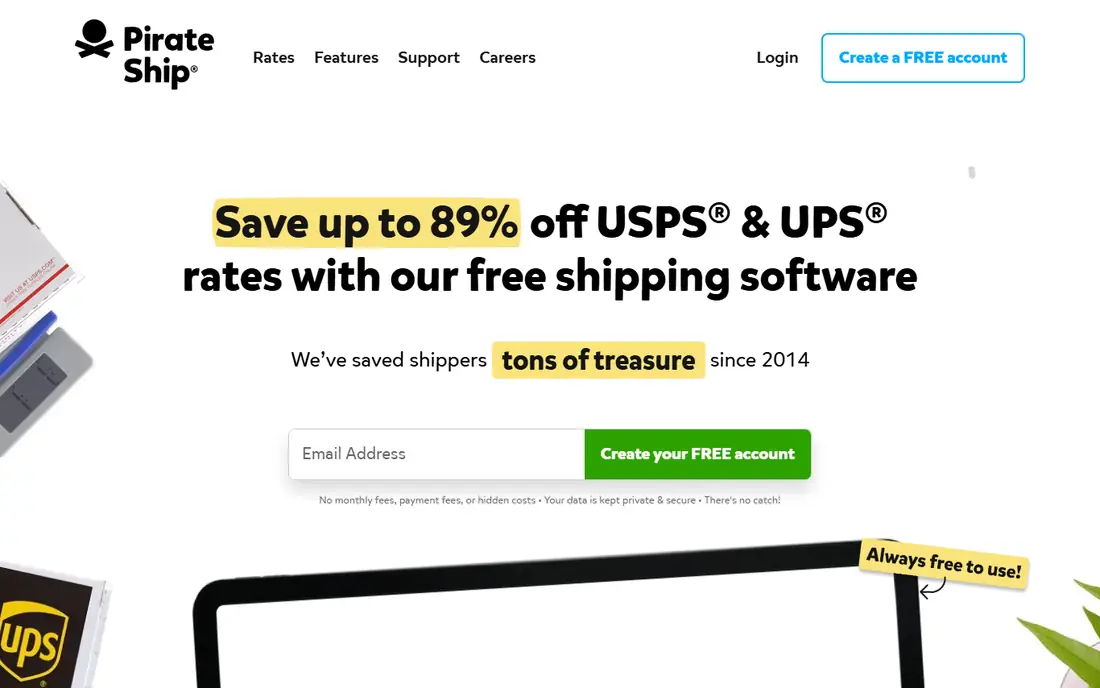
Pirate Ship is the simplest deal in this list: free software, discounted USPS and UPS labels, and no monthly fee. A small seller, a hobby shop, or a business that ships a few parcels a week can buy labels, print them, and track parcels without committing to a subscription or a shipment tier. That zero fixed cost makes it the default pick for sellers under about 500 orders a month who mainly use USPS or UPS.
The limit is carrier range. Pirate Ship covers USPS and UPS only, so a seller that needs FedEx, DHL, or regional carriers must use another tool for those parcels. There is also no API and limited automation, so high-volume or multi-channel sellers will outgrow it. Pirate Ship wins on cost for narrow carrier needs, and loses when true multi-carrier routing matters.
What we like- Free software
- Discounted USPS and UPS labels
- No monthly fee or shipment minimum
Watch out for- Only USPS and UPS
- No API
- Limited automation and branding
#8AfterShip
Best for: Tracking and returns4.7/5 on
G2 (311 reviews, checked Oct 2026)
Visit aftership.com
Starting price$9 per month
Free planYes
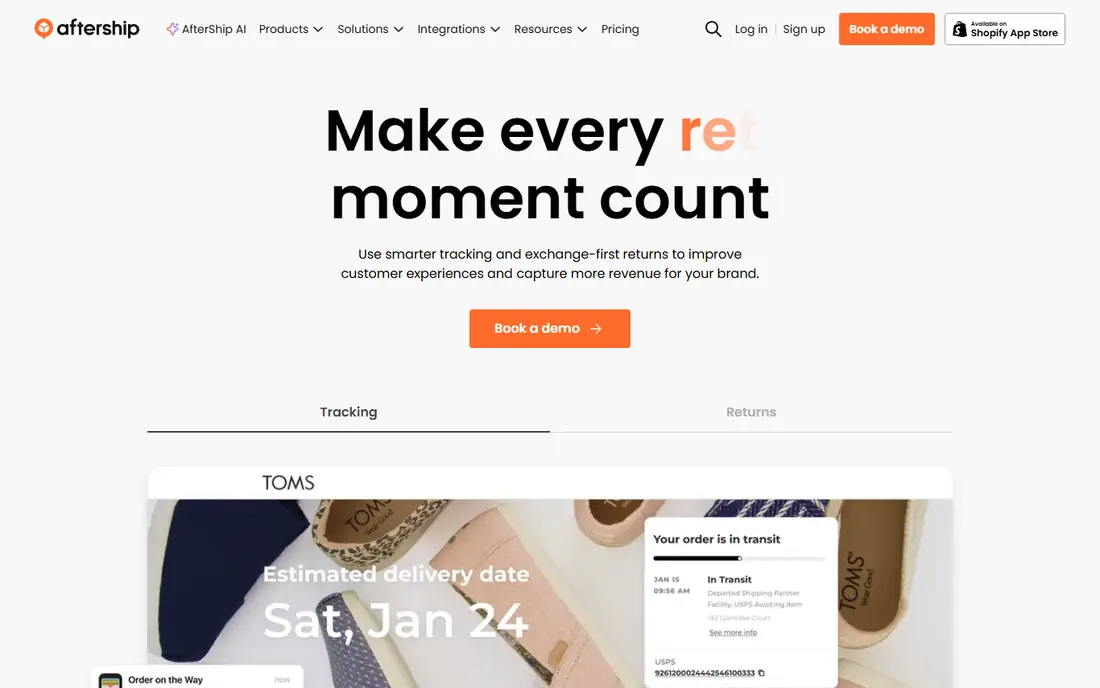
AfterShip starts from the post-purchase side of shipping rather than from the label. It tracks parcels across many carriers, sends proactive delivery notifications, and gives buyers a branded tracking page that cuts "where is my order" messages. Returns and exchanges support then closes the loop, so a brand can manage delivery and returns in one system instead of handling them in email and spreadsheets.
AfterShip is not the strongest label tool in this list. It does connect to label carriers through AfterShip Shipping, but sellers that need deep rate shopping and batch label automation may still prefer ShipStation or Shippo for fulfillment, with AfterShip layered on top for tracking. Paid plans start at $9 per month, with a free plan for low volume, so the tracking layer is affordable even for small brands.
What we like- Tracking across many carriers
- Branded tracking pages
- Returns and exchanges support
Watch out for- Label coverage is thinner than label-first tools
- Some features need paid add-ons
- Pricing changed in 2026
#9Veeqo
Best for: Amazon and multichannel sellers4.5/5 on
G2 (47 reviews, checked Oct 2026)
Visit veeqo.com
Starting price$0 per month
Free planYes
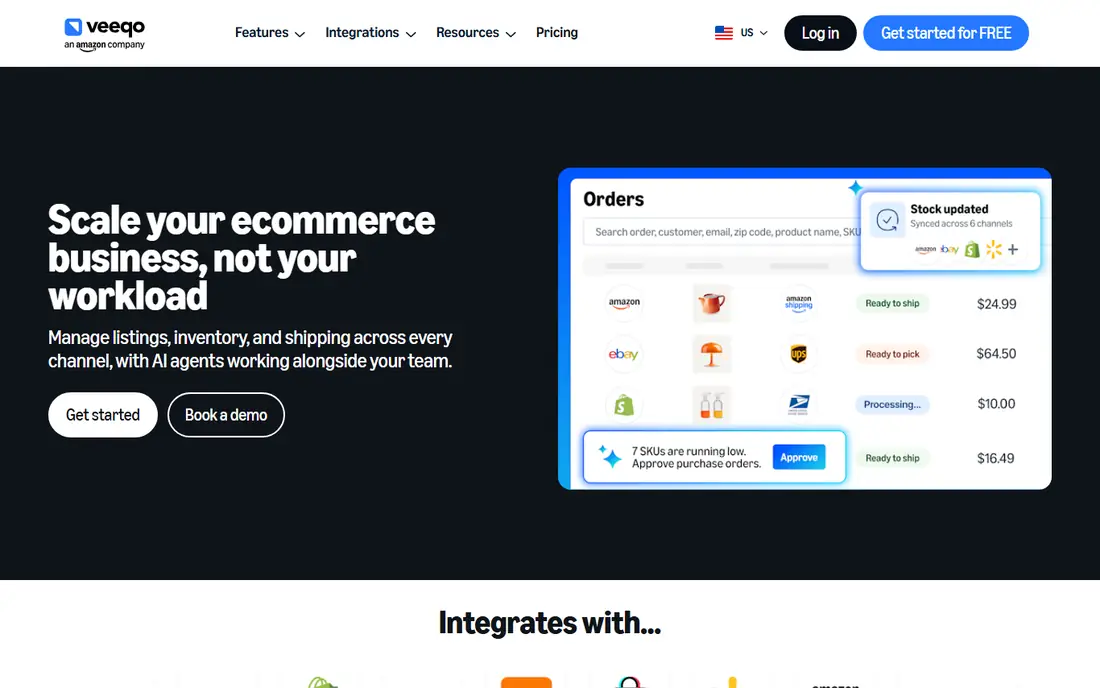
Veeqo gives Amazon and multichannel sellers a free shipping and inventory tool that syncs orders across channels and prints discounted labels for UPS, USPS, FedEx, and DHL. For a seller already managing Amazon plus a store and another marketplace, that single order view saves time that would otherwise go to checking three dashboards. Inventory sync also helps prevent overselling when the same stock sits in several channels.
The trade-off is focus. Veeqo is built around marketplace and multichannel selling, so a brand with complex warehouse, freight, or B2B shipping needs may find its depth thinner than ShipStation or an enterprise platform. Some advanced features sit on paid tiers, so sellers should confirm which features their volume actually needs. For Amazon-led sellers that want free multi-carrier labels, Veeqo is a strong starting point.
What we like- Free for multichannel sellers
- Inventory and order sync
- Discounted labels for major carriers
Watch out for- Amazon-centric feature set
- Some advanced features need paid tiers
- Support depth varies by plan
How we chose
We compared vendor pricing pages, product documentation, and public reviews on G2, Capterra, and Reddit, and we weighed carrier coverage, rate shopping, label workflow, tracking, returns, and fit by order volume. We favored tools that connect a store to several carriers through one system, and we left out single-carrier portals and pure freight tools. Prices reflect vendor pages and pricing checks from October 2026, so confirm shipment limits and own-carrier fees before buying, since postage itself is always extra.
Choosing by volume and carrier mix
Start with two numbers: orders per month, and carriers the business actually uses. A seller under 500 orders a month with USPS and UPS only can run on Pirate Ship for free. A seller at 1,000 orders across three channels needs automation and batch printing, which points to ShipStation or Shippo. A developer-led brand should shortlist EasyPost or ShipEngine, and a cross-border brand should shortlist Easyship.
Read the shipment limits before the price
Entry plans often cap shipments, labels, or tracked parcels, and passing that cap moves the seller to a higher tier. Check whether the cap counts orders, labels, or shipments, whether returns count against it, and whether own-carrier accounts cost extra on the plan. A plan that looks cheap at 50 shipments can cost twice as much at 200, so model the price at next quarter's volume, not at today's volume.
Frequently asked questions
What is multi-carrier shipping software?
It is software that connects one store or warehouse to several carriers through a single system, so each order can be rated, routed, labeled, and tracked without logging into separate carrier portals. It replaces manual rate comparison and gives one view of shipments across carriers.
When does multi-carrier software pay off?
From the second carrier onward, or the first time a single carrier fails during peak season. One carrier is fine for a very small seller, but rate differences, coverage gaps, and service failures make a second and third carrier valuable as volume grows.
Is free shipping software really free?
The software can be free, but postage is not. Free plans usually cap labels or shipments per month, and some charge fees for own-carrier labels or for branded tracking. Check the cap and the fee schedule, then add postage to get the true monthly cost.
Should a seller use its own carrier accounts or the platform's rates?
Platform rates suit small sellers that want discounts without negotiating contracts. Own-carrier accounts suit larger sellers with negotiated rates, because they keep those rates while gaining multi-carrier routing. Check which plans allow own accounts, since some entry plans do not.
How do returns work with multi-carrier software?
Some tools include a self-service returns portal, while others only print return labels. Sendcloud and AfterShip offer stronger returns features, while Shippo and Easyship offer partial returns support. Test the returns flow with a real order before committing, since returns drive many customer service contacts.
Can shipping software handle international orders?
Yes, but depth varies. Easyship and Sendcloud handle cross-border duties, taxes, and customs documents more fully than US-first label tools. Confirm which destinations, services, and document types are covered for the countries the business actually ships to.
Sources we checked (9)
- https://www.shipstation.com/pricing/
- https://goshippo.com/pricing/
- https://www.easypost.com/pricing/
- https://www.easyship.com/pricing/
- https://www.sendcloud.com/pricing/
- https://www.shipengine.com/pricing/
- https://www.pirateship.com/
- https://www.aftership.com/pricing/
- https://www.veeqo.com/pricing/
Is your product missing or out of date?
We review this list regularly. Vendors can request a listing, send updated pricing or ask about featured placement.

Shihab Mia · Founder, Rankite
Shihab has 5+ years in B2B and SaaS SEO. He writes Rankite's software buying guides from pricing pages, documentation and public user reviews. More about Shihab.