How we make this list: we compare pricing pages, product documentation and public user reviews. Rankite is independent; if a vendor ever pays for a featured spot, that listing is clearly labeled Partner.
Key takeaways
- There is no all-in-one winner. The best results come from combining a kanji tool (WaniKani or Anki), a grammar tool (Bunpro or LingoDeer) and listening practice (Pimsleur or JapanesePod101).
- WaniKani is the closest thing to a solved kanji problem: about 2,000 kanji taught through mnemonics and spaced repetition, with a free trial of the first three levels.
- For pure speaking confidence before a trip, Pimsleur's audio lessons still beat every app-based alternative, though the subscription costs more.
- Budget learners can go far on free tiers. Duolingo, Anki and the free levels of Bunpro and JapanesePod101 cover the basics without spending anything.
- Check what each subscription actually includes before paying annually. Lesson libraries, offline access and JLPT-specific content vary widely between plans.
Quick comparison
| Tool | Best for | Starting price | Free plan |
|---|
 WaniKani WaniKani | Mastering kanji with mnemonics | $9/month | Yes, first 3 levels |
 Bunpro Bunpro | Grammar and JLPT preparation | $5/month | Yes, limited |
 Pimsleur Pimsleur | Audio-based speaking and listening | $14.95/month | Free trial (7 days) |
 JapanesePod101 JapanesePod101 | Listening lessons for every level | From $4/month | Yes, limited |
 Duolingo Duolingo | Building a daily study habit | Free | Yes |
 LingoDeer LingoDeer | Structured beginner grammar | $14.99/month | Yes, first lesson |
 Rocket Japanese Rocket Japanese | One-time purchase comprehensive course | $149.95 one-time | Free intro lessons |
 Rosetta Stone Rosetta Stone | Immersive image-based learning | $15.99/month | Free trial (3 days) |
 Busuu Busuu | Writing practice with community feedback | See website | Yes |
 Anki Anki | Custom spaced-repetition flashcards | Free | Yes |
Is your product missing or out of date?
We review this list regularly. Vendors can request a listing, send updated pricing or ask about featured placement.
The best japanese language learning software
Starting price$9/month
Free planYes, first 3 levels
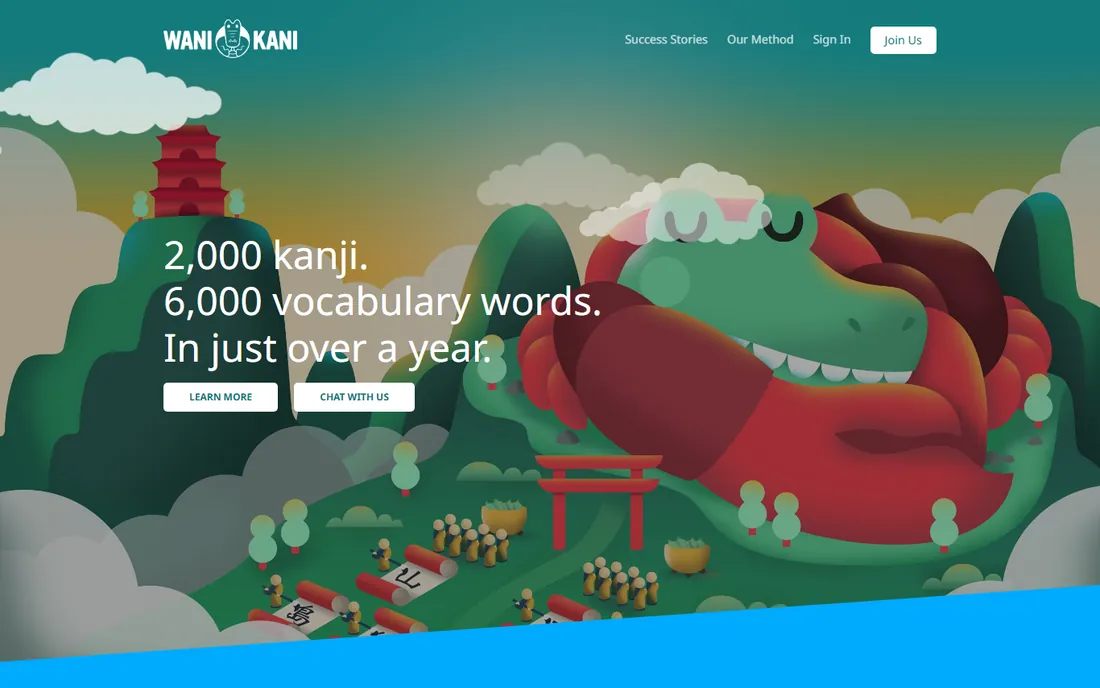
WaniKani exists to solve exactly one problem: the roughly 2,000 joyo kanji standing between you and reading Japanese. Built by the team behind Tofugu, it teaches radicals first, then builds kanji from those radicals, then vocabulary from the kanji, all through vivid mnemonics and a spaced repetition system that schedules reviews for you. Learners who stick with it consistently report reading ability they could not get from textbooks.
The trade is scope. WaniKani teaches no grammar, no listening and no speaking, so it must be paired with something else. The fixed pace also frustrates fast learners who want to sprint through early levels. But for the specific job of making kanji stick, nothing else is as deliberately engineered.
What we like- Teaches radicals, kanji and vocabulary in a proven sequence
- Memorable mnemonics for every character
- Spaced repetition scheduling is automatic
Watch out for- Covers kanji and vocabulary only, no grammar
- The pace is fixed and can feel slow
- The mnemonics do not click for everyone
Starting price$5/month
Free planYes, limited
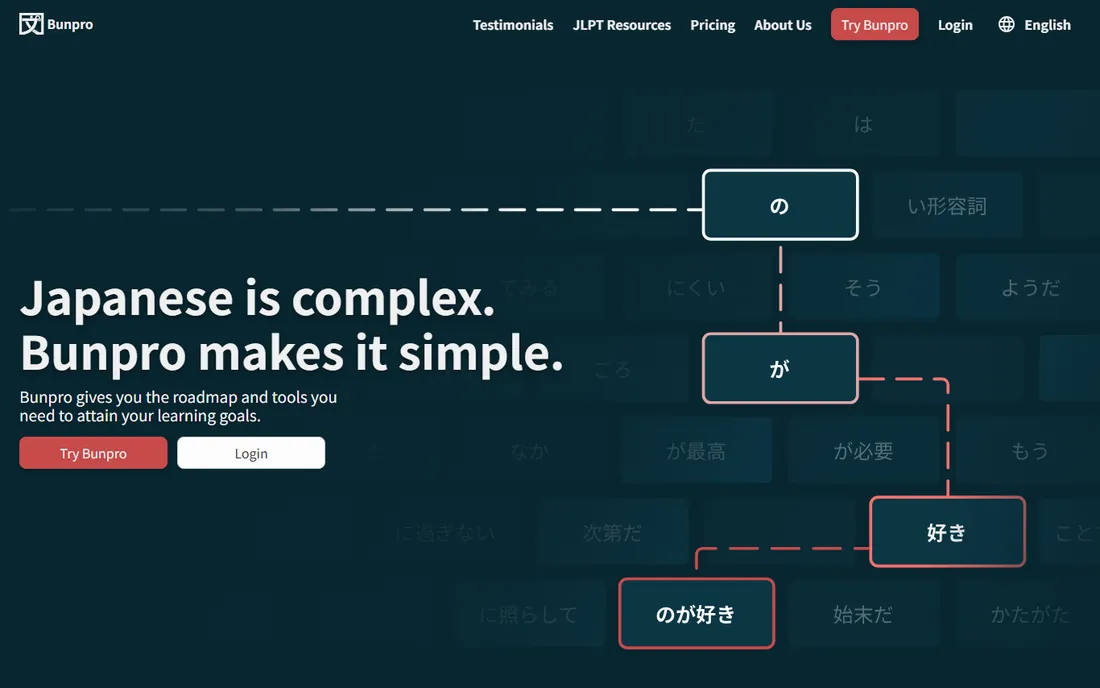
Think of Bunpro as WaniKani for grammar. It breaks Japanese grammar into discrete points ordered by JLPT level, teaches each with short explanations and example sentences, then drills them on a spaced repetition schedule. For learners preparing for the JLPT, it turns the vague goal of "learn grammar" into a trackable checklist with review timing handled automatically.
The explanations lean concise, so beginners often pair Bunpro with a textbook or video series for the first pass through a concept. It also does little for listening or speaking. At $5 a month, though, it is the cheapest structured grammar path available, and the free tier lets you test the method before paying.
What we like- Grammar points organized by JLPT level
- Spaced repetition for grammar, not just vocabulary
- Links each point to external explanations
Watch out for- Explanations are concise rather than deep
- The interface is functional, not beautiful
- Speaking and listening practice are minimal
Starting price$14.95/month
Free planFree trial (7 days)

Pimsleur has been teaching languages through audio since before apps existed, and the method still works. Thirty-minute lessons walk you through real conversations, prompting you to respond aloud with graduated intervals that cement recall. Learners consistently report that Pimsleur graduates can actually hold basic conversations, which is more than most app users can claim.
You pay for that effectiveness. The audio-only plan starts at $14.95 a month and Premium at $19.95, and the program barely touches reading or kanji. Billing complaints also surface regularly in reviews, so watch renewal settings. For speaking confidence before a trip or a move, it remains the strongest single investment.
What we like- Proven audio method builds real conversational ability
- 30-minute lessons fit commutes
- Strong pronunciation focus from the first lesson
Watch out for- Among the priciest options here
- Reading, writing and kanji get little attention
- The lesson format can feel repetitive
Starting priceFrom $4/month
Free planYes, limited

JapanesePod101 is less a course than a library: thousands of short audio and video lessons organized by level, each with transcripts, vocabulary lists and cultural notes. The format suits commuters and multitaskers, and the sheer volume means you will not run out of material for years. The basic plan starts around $4 a month, making it one of the cheapest serious options.
The size is also the weakness. New users face a wall of content with no clear path, and the site's aggressive discount popups test everyone's patience. Premium and Premium Plus tiers add features but multiply the price. Used as a listening supplement with a clear level filter, it is excellent value.
What we like- Enormous library of audio and video lessons from absolute beginner to advanced
- Lesson notes, flashcards and line-by-line breakdowns
- Affordable basic plan
Watch out for- The lesson catalog is so large it can overwhelm
- The hard-sell marketing annoys many users
- Premium tiers cost several times the basic plan
Starting priceFree
Free planYes
Duolingo's Japanese course will not make you fluent, and it does not pretend otherwise. What it does is get absolute beginners reading hiragana and katakana within weeks and keep them studying daily through the most effective habit machinery in language learning. For the first month or two, that habit matters more than depth.
The ceiling arrives fast. Kanji coverage is thin, grammar explanations are minimal, and some sentences sound odd to native ears. Treat Duolingo as the on-ramp and the daily warm-up, not the vehicle, and it earns its place in the stack.
What we like- Free tier covers hiragana, katakana and basic grammar
- The streak system genuinely keeps people studying
- Short lessons fit any schedule
Watch out for- Shallow on kanji and real grammar explanation
- Sentences can feel unnatural
- The free tier carries ads and limited mistake allowances
Starting price$14.99/month
Free planYes, first lesson
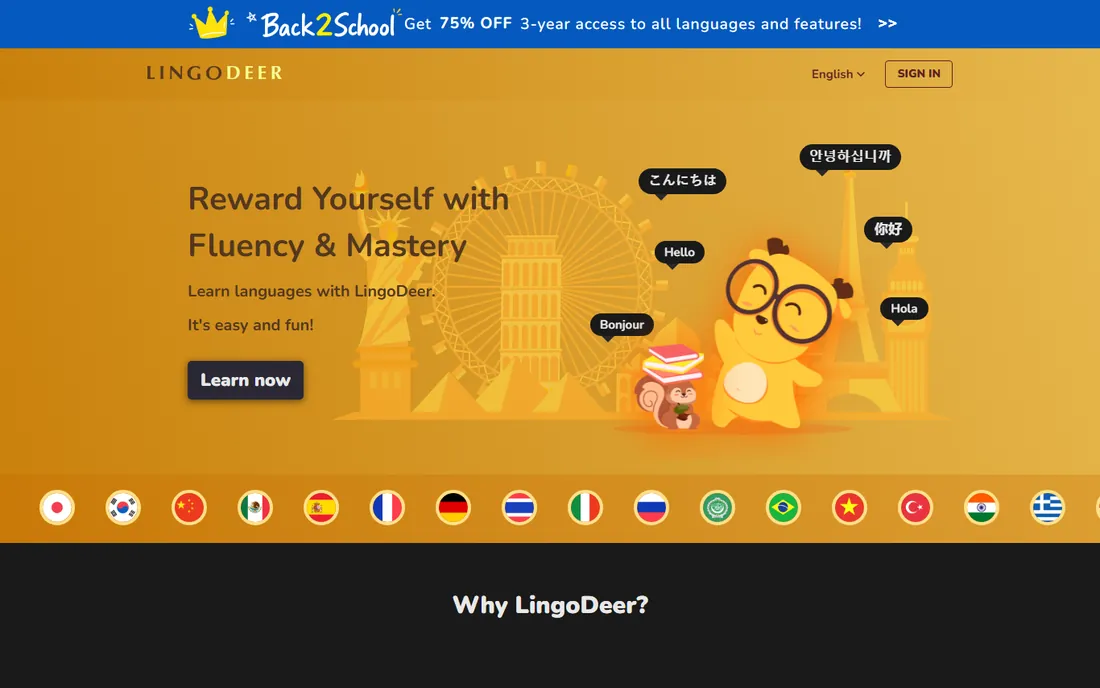
LingoDeer built its reputation on doing what Duolingo does not: explaining grammar properly. Its Japanese course was designed for the language's actual structure, with clear notes on particles, verb conjugations and politeness levels, all voiced by native speakers. Beginners who want to understand why sentences work, not just memorize them, progress faster here than in gamified alternatives.
The course peters out around the intermediate level, so long-term learners will outgrow it. At $14.99 a month it also costs more than deeper tools. But as a structured first six months with real grammar instruction, it is one of the best starting points available.
What we like- Grammar explanations written specifically for Asian languages
- Native-speaker audio throughout
- Structured path from kana to intermediate
Watch out for- Content tops out around intermediate
- Subscription is pricey for the depth offered
- Japanese is one of many languages, not the sole focus
Starting price$149.95 one-time
Free planFree intro lessons
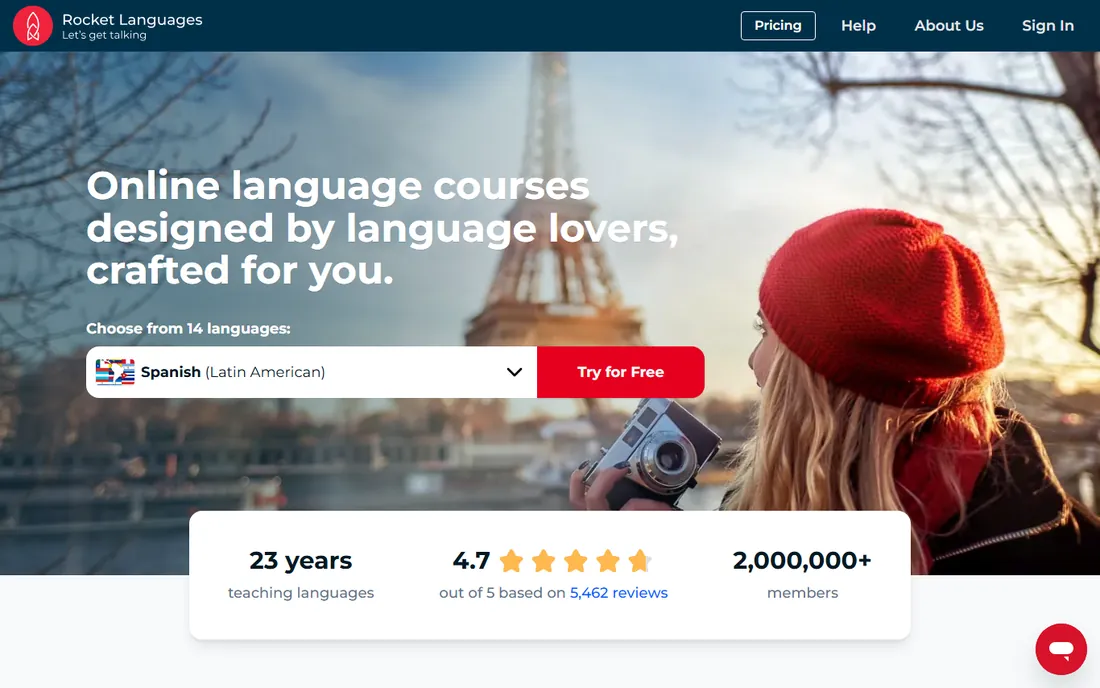
Rocket Japanese is the anti-subscription option: pay $149.95 once and keep the full course forever. It covers all four skills with interactive audio lessons, language and culture modules, writing practice and voice recognition that scores your pronunciation. For learners who hate recurring charges, the math is attractive after about ten months versus mid-priced subscriptions.
The interface shows its age, and the later levels do not match the polish of the early ones. But the content is solid, the lifetime model is honest, and free intro lessons let you judge the teaching style before committing. It is the best buy-it-once course in Japanese.
What we like- One payment, lifetime access, no subscription
- Covers speaking, listening, reading and writing
- Voice recognition for pronunciation practice
Watch out for- Large upfront cost
- The interface feels dated next to newer apps
- Advanced content is thinner than the beginner material
Starting price$15.99/month
Free planFree trial (3 days)
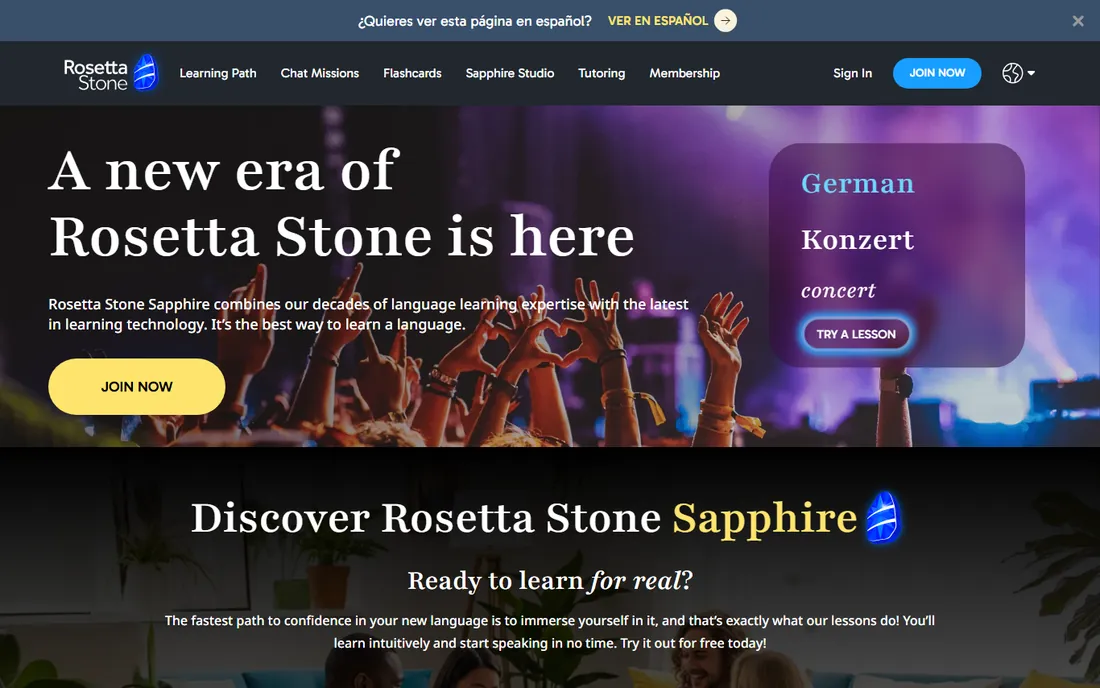
Rosetta Stone's immersion approach teaches without a word of English: pictures, audio and deduction. For pronunciation and basic vocabulary it works, and the speech recognition gives every lesson a speaking component. A lifetime purchase option exists for commitment-phobic subscribers.
Analytical learners often bounce off it. With no grammar explanations, Japanese particles and verb forms must be absorbed purely by pattern, which is slow and sometimes misleading. The Japanese course also receives less attention than the flagship European languages. It suits intuitive learners who want a gentle, translation-free start.
What we like- Immersion method builds intuition without translation
- Speech recognition throughout
- Lifetime purchase option available
Watch out for- No explicit grammar explanations frustrate analytical learners
- Japanese content feels less developed than Spanish or French
- The method is slow for reading
Starting priceSee website
Free planYes
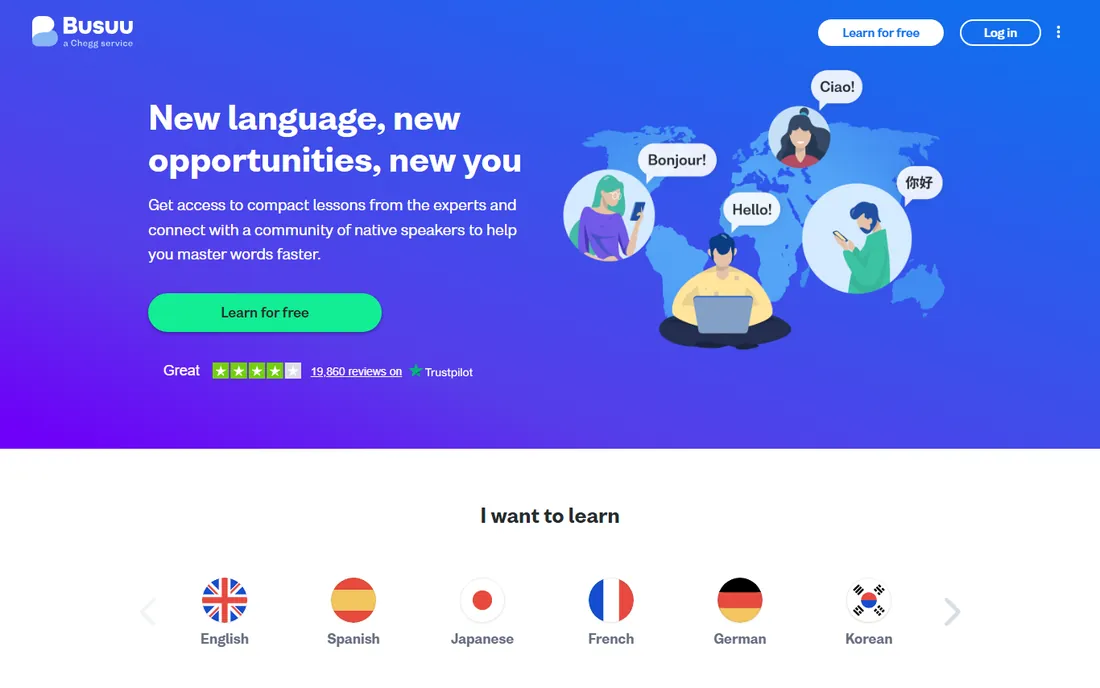
Busuu's standout feature is its community: submit written or spoken exercises and native speakers correct them, usually within hours. That human feedback loop is something no algorithm replicates, and it makes Busuu the best pick here for practicing written Japanese with real corrections. The courses follow CEFR levels, which helps goal-setting.
Japanese gets less content love than Busuu's European languages, and the free tier gates much of the good stuff. Pricing is also oddly hard to pin down before creating an account. As a writing-practice supplement to a kanji and grammar core, though, the community feedback is genuinely valuable.
What we like- Community corrections give real human feedback on writing
- Structured CEFR-aligned courses
- Offline mode on mobile
Watch out for- Japanese is not its strongest language
- The free tier is limited
- Premium pricing is hard to find before signup
Starting priceFree
Free planYes
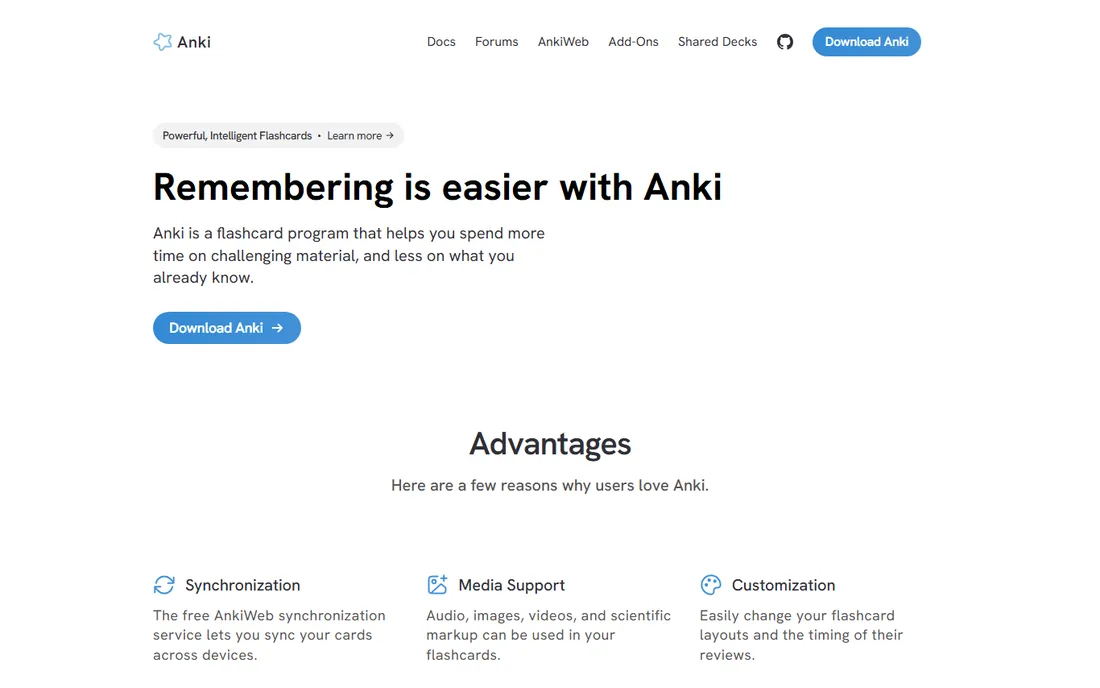
Anki is the power tool behind many fluent learners. Its spaced repetition algorithm is more sophisticated than any commercial app's, and the ecosystem of free shared decks covers JLPT vocabulary, kanji, sentences and grammar. With audio, images and custom card templates, you can build exactly the review system you need.
The cost is paid in setup time, not money. Anki's interface looks like lab software, the sync and deck options confuse beginners, and a bad shared deck wastes weeks. Learners who invest an afternoon learning it often end up replacing two or three paid apps. The iOS app is paid; desktop and Android are free.
What we like- The most powerful spaced repetition system available
- Thousands of free shared Japanese decks
- Fully customizable cards with audio and images
Watch out for- The interface is intimidating and dated
- Setup takes real effort
- Quality of shared decks varies widely
How we chose
We mapped the actual skills Japanese requires (kana, kanji, grammar, listening, speaking, JLPT preparation) and looked for the strongest software in each lane rather than pretending one app covers everything. We read current pricing pages and plan details, checked lesson library sizes and level coverage, and weighed long-term learner reports from Reddit communities and review sites about which tools people still use after a year. Discontinued apps and courses with no meaningful 2026 updates were excluded.
Picking the right method for your goal
Match the tool to the outcome you want. Travelers who need spoken Japanese fast should weight Pimsleur and JapanesePod101 heavily and treat kanji as optional. JLPT takers need the opposite: WaniKani for kanji, Bunpro for grammar, and Anki decks built from past test vocabulary.
Beginners benefit most from structure. LingoDeer or Rocket Japanese gives the first months a spine, with Duolingo as a daily habit layer. Intermediate learners usually need to drop the gamified apps and move toward native materials, using Bunpro and Anki to fill the gaps that immersion exposes.
Watch the subscription math. Several tools here offer lifetime or one-time purchases that beat subscriptions within a year for committed learners. Annual plans also discount heavily over monthly billing, but only commit annually after a month of actual use, since the tool you enjoy in week one is not always the tool you use in month six.
The failure mode of Japanese self-study is not picking the wrong app. It is picking five apps, using each for a week, and quitting. A stack that lasts has three properties: one primary course that sets the daily agenda, one drill tool for the weak spot (usually kanji or grammar), and a hard time cap.
A workable default: LingoDeer or Rocket Japanese as the course, WaniKani for kanji, and twenty minutes of Pimsleur or JapanesePod101 during a commute. That is about an hour a day with clear roles for each tool. Add Busuu's community corrections once writing starts, and Anki only if you enjoy tinkering.
Review the stack quarterly. When an app's lessons feel like review rather than learning, graduate from it instead of grinding. The goal is Japanese, not app completion percentages.
Frequently asked questions
How long does it take to learn Japanese with apps?
Reaching conversational basics typically takes six to twelve months of daily study; reading newspapers or passing JLPT N2 usually takes two to four years. Apps accelerate the early stages but cannot replace the thousands of hours of exposure advanced levels require.
Can I learn Japanese with just Duolingo?
Duolingo builds a good foundation in kana and basic phrases, but it will not get you past the beginner level on its own. Pair it with a kanji tool like WaniKani and a grammar resource like Bunpro once the basics are comfortable.
What is the best app for learning kanji?
WaniKani is the most purpose-built option, teaching around 2,000 kanji through mnemonics and spaced repetition. Anki with a good shared deck is the free alternative and offers more control, at the cost of setup effort.
Is Pimsleur worth the price for Japanese?
If your priority is speaking and listening, yes. Its audio method produces conversational ability faster than app-based alternatives. If your priority is reading or the JLPT, the money works harder in WaniKani and Bunpro.
Do I need to learn hiragana and katakana first?
Yes. Both kana systems are non-negotiable foundations, and most quality courses assume them within the first weeks. Romaji-only study creates a ceiling you will have to tear down later.
Which is better for JLPT preparation, Bunpro or textbooks?
They serve different roles. Bunpro excels at drilling grammar points on a schedule so they stay memorized; textbooks explain concepts more deeply on first encounter. Most successful test-takers use both.
Sources we checked (15)
- https://preply.com/en/blog/best-app-to-learn-japanese/
- https://preply.com/en/blog/best-websites-to-learn-japanese/
- https://www.topconsumerreviews.com/best-japanese-lessons/reviews/pimsleur
- https://www.top10.com/language-learning/japanese-learning
- https://vocal.media/futurism/i-tested-9-japanese-learning-apps-in-2026-here-are-my-honest-picks
- https://www.wanikani.com
- https://bunpro.jp
- https://www.pimsleur.com
- https://www.japanesepod101.com
- https://www.duolingo.com
- https://lingodeer.com/
- https://rocketlanguages.com/
- https://www.rosettastone.com
- https://www.busuu.com
- https://apps.ankiweb.net
Is your product missing or out of date?
We review this list regularly. Vendors can request a listing, send updated pricing or ask about featured placement.

Shihab Mia · Founder, Rankite
Shihab has spent more than a decade helping SaaS and e-commerce brands grow through search. He writes Rankite's software buying guides from pricing pages, documentation and public user reviews. More about Shihab.