How we make this list: we compare pricing pages, product documentation and public user reviews. Rankite is independent; if a vendor ever pays for a featured spot, that listing is clearly labeled Partner.
Key takeaways
- Course creation platforms split into two models: hosted platforms where you build your own branded school (Thinkific, Teachable, Kajabi, LearnWorlds, Podia) and marketplaces where you sell to an existing audience (Udemy).
- Thinkific is the best overall for creators building an owned academy with courses, communities and memberships in one place.
- Teachable is the most approachable for beginners; Kajabi is the all-in-one for established creators running a knowledge business with marketing built in.
- LearnWorlds suits interactive, branded academies with SCORM support; Podia suits creators selling courses plus downloads and memberships simply.
- Heights Platform fits coaches focused on student outcomes; Coursebox turns documents and prompts into structured courses fast with AI.
Quick comparison
| Tool | Best for | Starting price | Free plan |
|---|
 Thinkific Thinkific | creators building a branded academy they own | See website | Yes |
 Teachable Teachable | beginners who want to launch fast | See website | Yes |
 Kajabi Kajabi | established creators running a full knowledge business | See website | No |
 LearnWorlds LearnWorlds | interactive courses and branded corporate academies | See website | No |
 Podia Podia | creators who want simple all-in-one selling | See website | No |
 Udemy Udemy | creators with no audience who need marketplace discovery | Free to list | Yes |
 Heights Platform Heights Platform | coaches and creators obsessed with student results | See website | No |
 Coursebox Coursebox | turning documents into courses with AI | See website | No |
Is your product missing or out of date?
We review this list regularly. Vendors can request a listing, send updated pricing or ask about featured placement.
Starting priceSee website
Free planYes
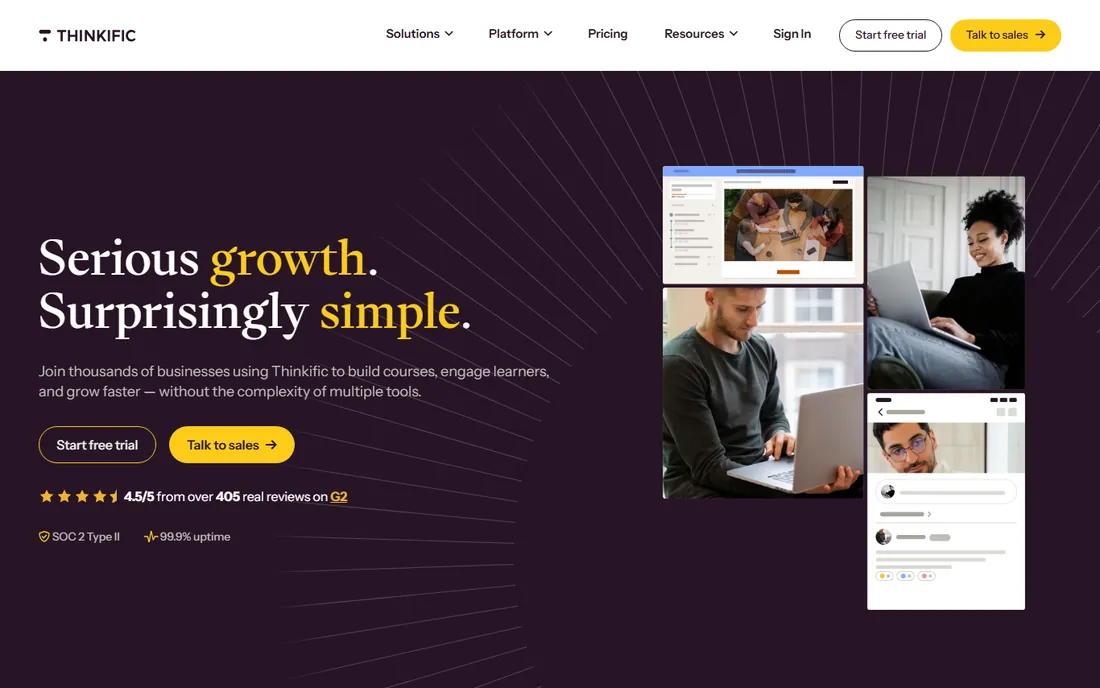
Thinkific is the best overall choice for creators who want to build and sell a learning business under their own brand. Courses, communities, memberships, digital downloads and selling tools run in one platform with no transaction fees on paid plans. The student experience is clean and the builder is approachable.
Marketing automation and funnels are lighter than Kajabi's, so creators with heavy marketing needs pair it with email tools. A free plan lets you start. For a mid-stage creator building an owned academy, Thinkific is the balanced pick.
What we like- No transaction fees on paid plans
- Courses, communities and memberships in one
- Clean student experience
Watch out for- Marketing features lighter than Kajabi
- Advanced design needs workarounds
Starting priceSee website
Free planYes
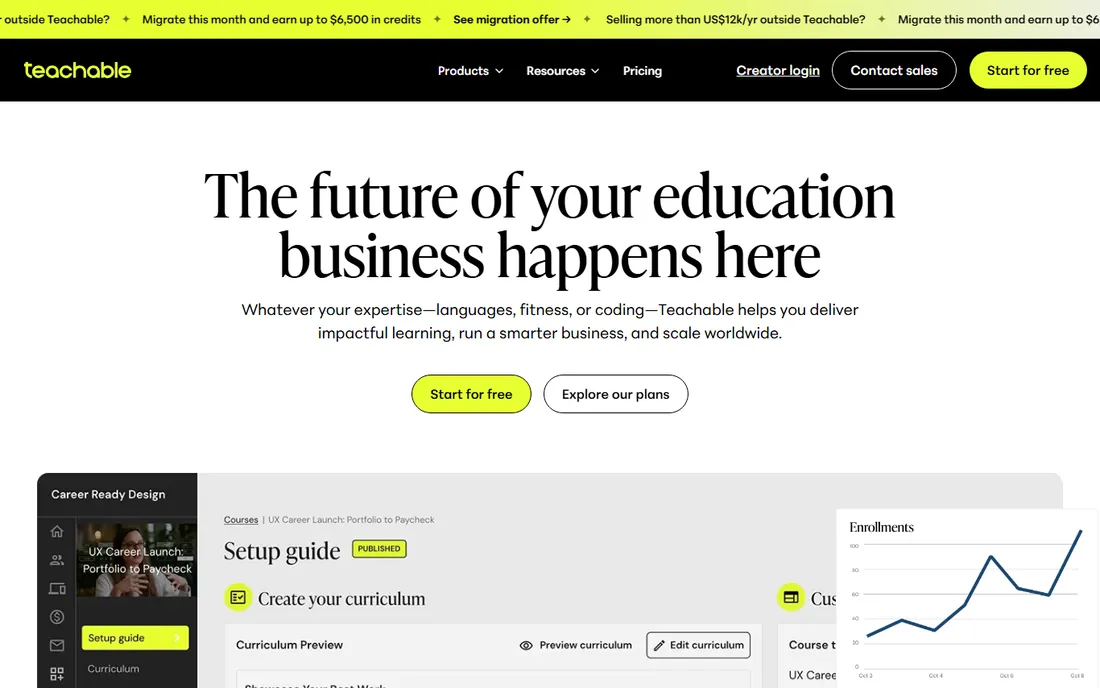
Teachable is the most approachable choice for a first course. Upload content, set a price, and the platform handles checkout, sales tax, EU VAT and payouts to creators. The free plan lets beginners validate an idea before spending anything.
Lower plans carry transaction fees, and design flexibility is limited compared to Thinkific or LearnWorlds. Pricing is published with monthly and annual options. For an entrepreneur launching a first course without technical help, Teachable removes every excuse.
What we like- Easiest launch path
- Clean checkout
- Handles sales tax and payouts
Watch out for- Transaction fees on lower plans
- Less design flexibility
#3
Kajabi
Best for: established creators running a full knowledge business
Visit kajabi.com
Starting priceSee website
Free planNo
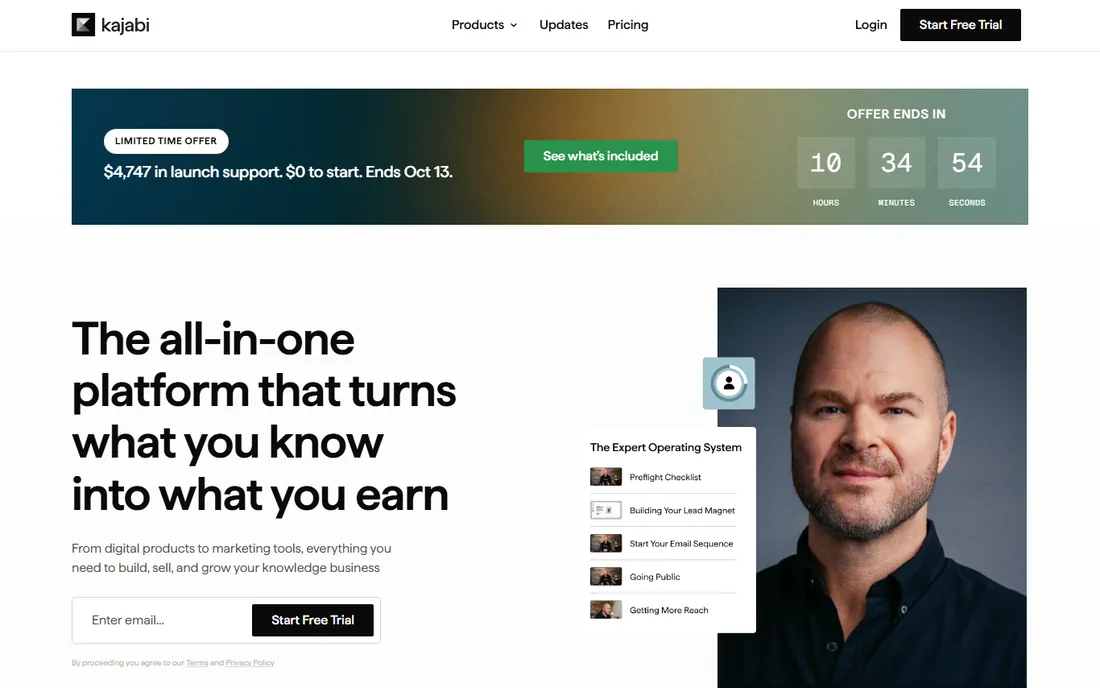
Kajabi is not a course platform with marketing bolted on; it is a business platform for knowledge creators. Courses, coaching, communities, email marketing, funnels, pipelines and a website run in one system with zero transaction fees. Established creators with real revenue consolidate their stack on it.
The starting price is the highest here, and beginners do not need this much platform. There is no free tier. For a creator doing five figures a month who wants one system instead of five subscriptions, Kajabi is the all-in-one answer.
What we like- Courses, email, funnels, website and automations in one
- Proven at scale
- Zero transaction fees
Watch out for- Highest starting price
- More platform than beginners need
Starting priceSee website
Free planNo
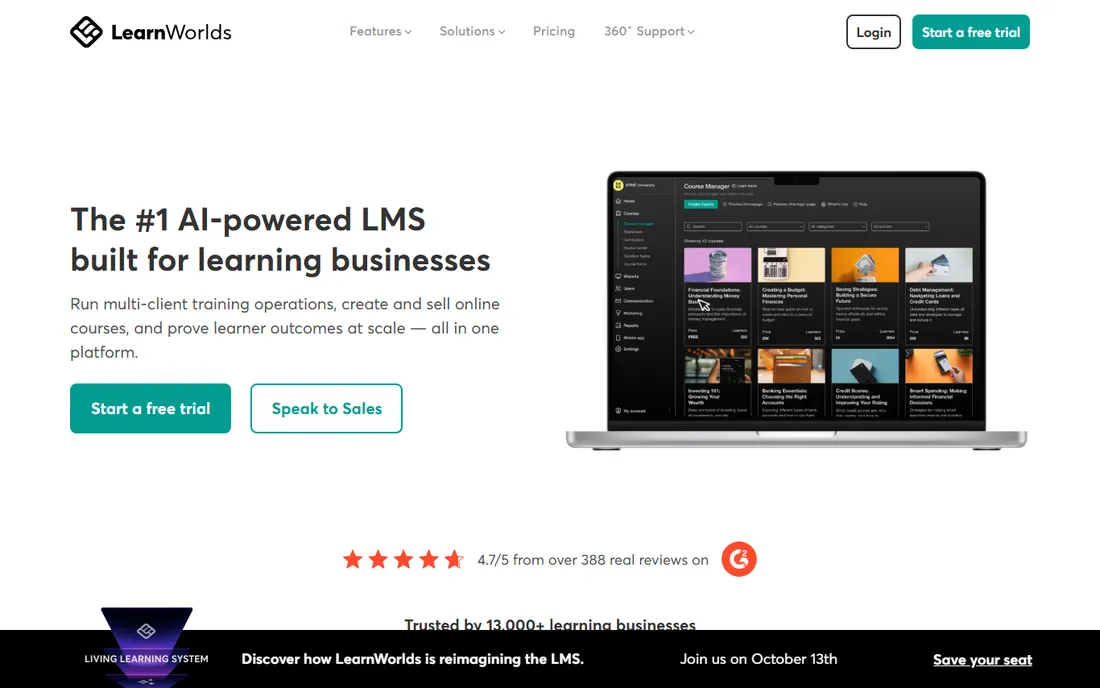
LearnWorlds is strongest when the learning experience matters: interactive video with embedded questions, branded academies, SCORM support for corporate training, certificates and deep analytics. Companies building training academies and creators selling premium interactive courses get the most from it.
There is no free plan, and the advanced features take time to master. Pricing is published. For corporate learning teams and creators where engagement and completion rates drive the business, LearnWorlds is the engagement pick.
What we like- Interactive video
- SCORM support
- White-label academies
- Certificates and analytics
Watch out for- No free plan
- Learning curve for advanced features
#5
Podia
Best for: creators who want simple all-in-one selling
Visit podia.com
Starting priceSee website
Free planNo
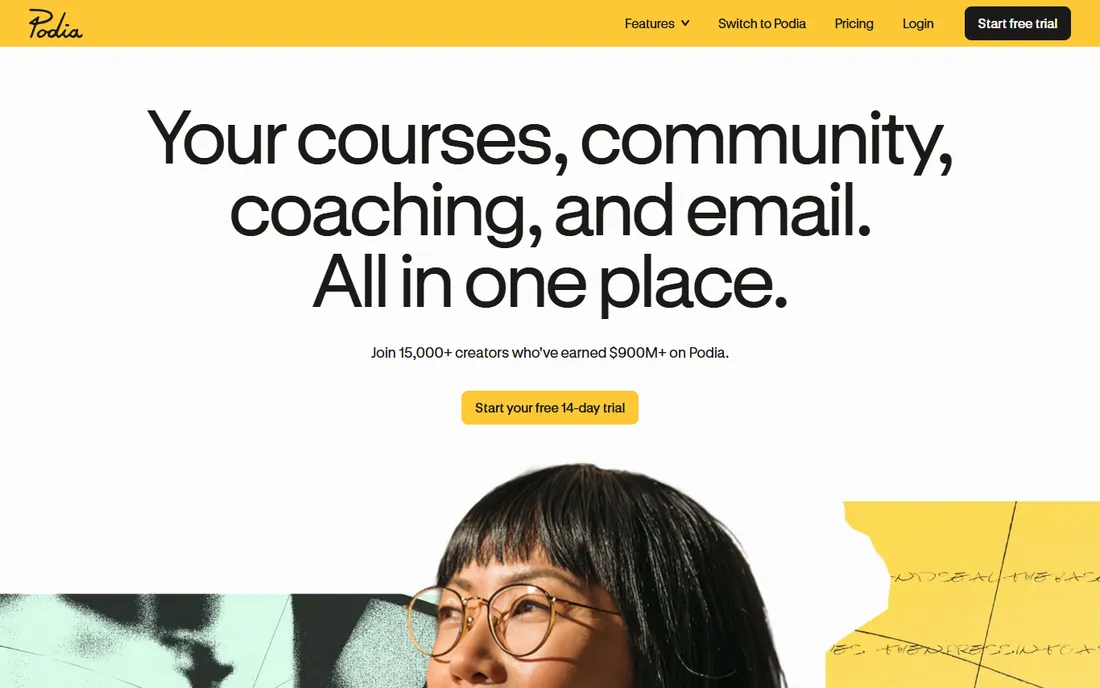
Podia serves creators who sell more than courses: ebooks, downloads, webinars, memberships and email marketing run in one simple platform with no transaction fees. Setup is genuinely fast, and the pricing is straightforward.
Course design depth trails Thinkific and LearnWorlds, and the third-party ecosystem is smaller. For a creator with a mixed digital product catalog who values simplicity over sophistication, Podia is the easy choice.
What we like- Courses, downloads, webinars, memberships and email in one
- Simple setup
- No transaction fees
Watch out for- Less course-design depth
- Smaller ecosystem
#6
Udemy
Best for: creators with no audience who need marketplace discovery
Visit udemy.com
Starting priceFree to list
Free planYes
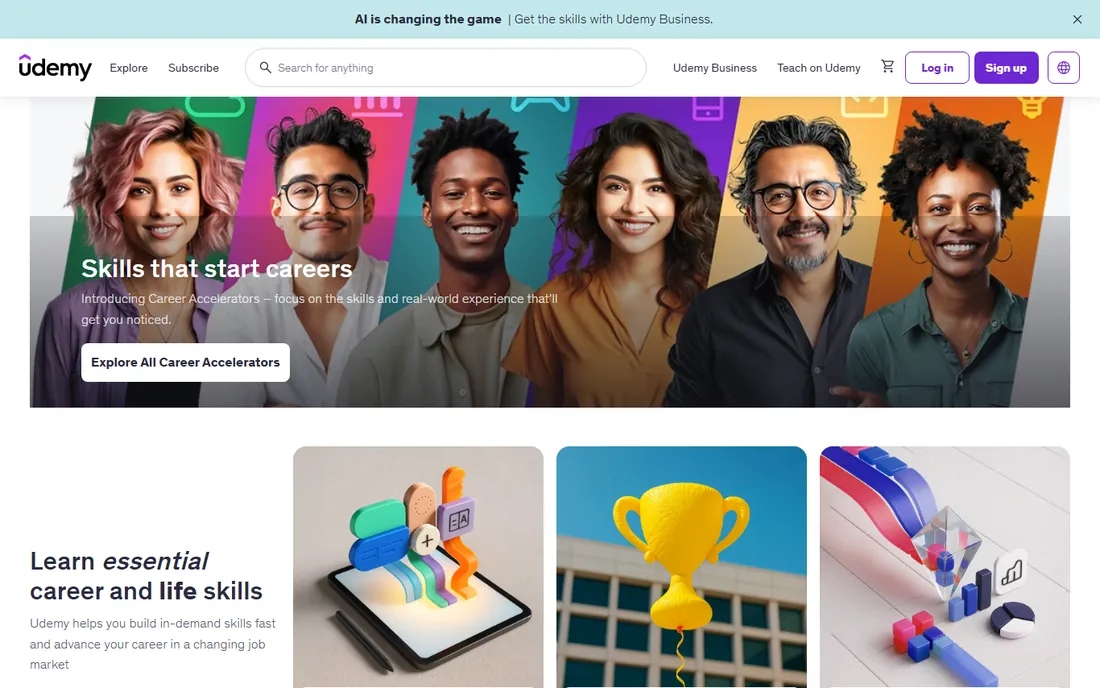
Udemy inverts the model: instead of building your own school, you publish into a marketplace with tens of millions of learners. Listing is free, and Udemy handles hosting, payments and discovery. For a creator with expertise and no audience, it is the fastest path to first students.
The trade is steep: Udemy takes a large revenue share on marketplace sales, controls pricing through its discount culture, and you get no branding or student relationship. Use Udemy for reach and validation; build on your own platform for the real business.
What we like- Massive existing audience
- Free to publish
- Handles all infrastructure
Watch out for- Heavy revenue share on marketplace sales
- No pricing or branding control
- Discount culture
Starting priceSee website
Free planNo
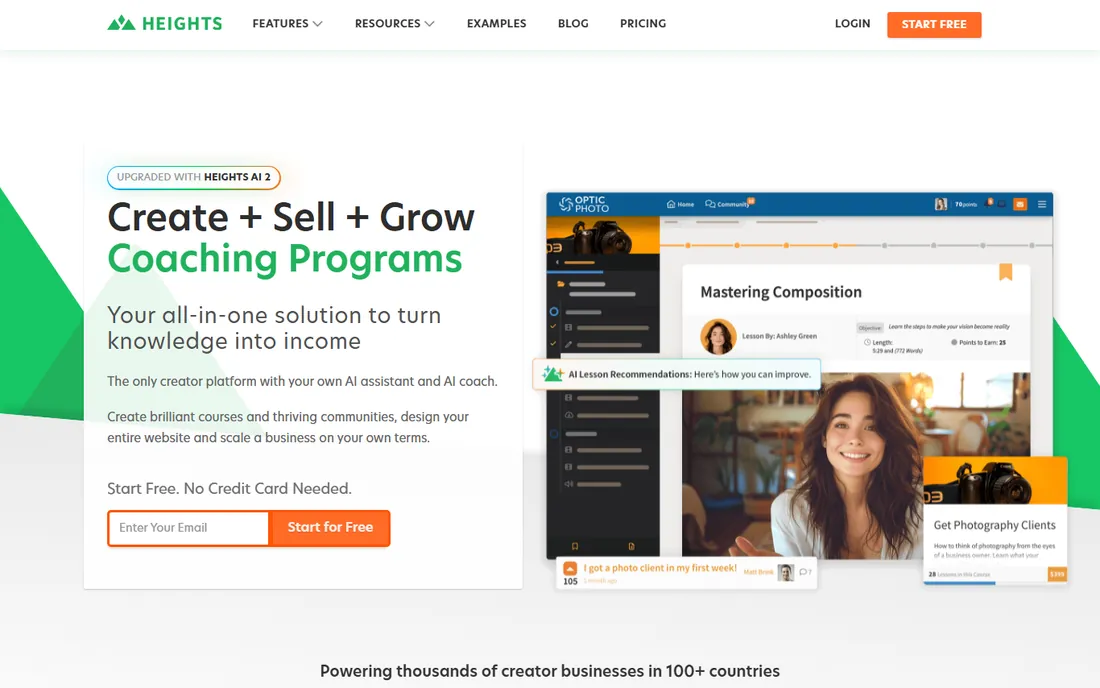
Heights Platform is designed for coaches and creators who sell transformation, not content. Projects, challenges, community and gamification structure the student journey around outcomes, and the AI helps draft the course and coach the business. Zero transaction fees keep the economics clean.
The positioning is niche: it is a coaching platform that hosts courses, not a general course platform. Pricing is not published. For a coach whose business depends on client results and community, Heights is purpose-built.
What we like- Built around projects, challenges and outcomes
- Community and gamification
- AI course drafting
Watch out for- Niche positioning
- Pricing not published
Starting priceSee website
Free planNo
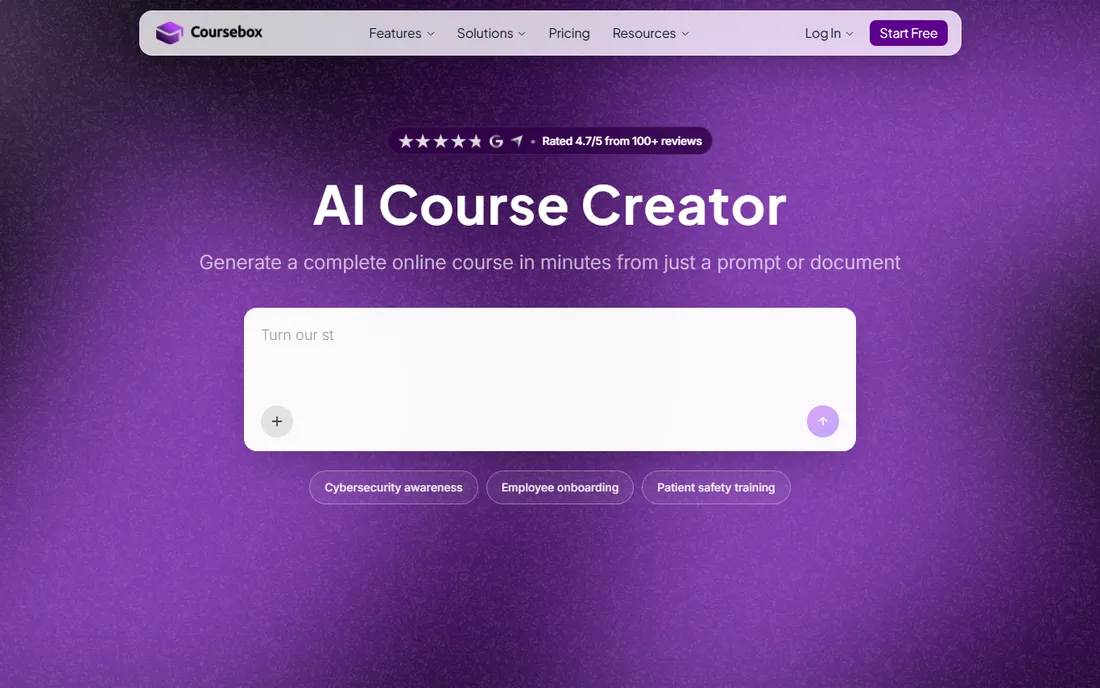
Coursebox does one thing well: it turns documents, videos and prompts into structured courses with AI-generated lessons, quizzes and assessments. Corporate training teams converting existing materials into e-learning get the fastest results. The speed from source material to finished course is remarkable.
AI-generated content needs review against learning objectives, factual accuracy and tone, especially for professional or compliance training. Brand control is lighter than the hosted platforms. For rapid conversion of existing knowledge into courses, Coursebox is the speed pick.
What we like- Fastest path from documents to structured course
- AI-generated quizzes and content
- Good for corporate training
Watch out for- AI output needs expert review
- Less brand control than hosted platforms
What to check before you buy
First, decide marketplace versus owned platform. Marketplaces give you audience and take control and margin. Owned platforms give you control and margin and demand you find the audience. Most serious creators use both: Udemy for discovery, an owned platform for the real business.
Second, count the transaction fees. Some platforms take a cut of every sale on lower plans; others charge zero fees but cost more monthly. Model your expected revenue: at real volume, a higher monthly fee with zero transaction fees usually wins.
Third, verify what "all-in-one" actually includes. Email marketing, communities, funnels and websites vary wildly in quality between platforms. List the tools you would otherwise pay for separately and check whether the platform's versions are good enough to replace them.
Fourth, test the student experience. Enroll in a sample course on each finalist as a student. Completion rates decide the business, and the platform's mobile experience, video player and progress tracking shape them. The best authoring tools mean nothing if students do not finish.
Pricing the course itself
The platform fee is not the pricing decision that matters; your course price is. Creators underprice chronically, anchoring on Udemy's discount culture instead of the transformation they sell. A course that saves a business ten hours a month is worth far more than $49, and pricing it there attracts the students who value it least.
Research what your audience already pays for: books, coaching, tools, conferences. Price against the outcome, not the content volume. Then choose the platform whose fees and positioning support that price. Premium courses need owned platforms with full branding; volume plays can live on marketplaces. The platform should fit the price, not the other way around.
The platform is the storefront. The audience is the business. Start building the audience before you need it: teach in public, answer questions in communities, and collect emails from day one. When the course launches, the platform choice will be a detail, not a gamble.
How we chose
We selected course platforms that exist today and cover real creator jobs: owned academies, marketplaces, all-in-one businesses, interactive learning and AI-generated courses. Pricing facts come from vendor pages and documentation checked in October 2026; vendors that do not publish pricing are listed as See website. Confirm live pricing with each vendor.
The audience comes first
The platform decision is secondary to the audience decision. A great course on the perfect platform sells nothing without students. Before you compare features, validate demand: a waitlist, pre-sales, or at minimum an audience that has asked for the course.
Creators fail by building the course first and finding the audience after. Reverse it. Teach the material live or in a community, collect the questions, then turn the proven content into a course on the platform that fits. The platform is the storefront. The audience is the business.
Frequently asked questions
What is the best platform to sell online courses?
It depends on your stage. Beginners start with Teachable's ease or Udemy's audience. Growing creators build owned academies on Thinkific or LearnWorlds. Established creators consolidate on Kajabi. There is no single best; there is the best fit for your audience and revenue.
How much does it cost to create and sell an online course?
Platform costs range from free (Udemy listing, Teachable and Thinkific free plans) to $149+ a month for Kajabi. Add transaction fees on lower plans. The bigger costs are usually content production and audience building, not the platform.
Should I sell on Udemy or my own platform?
Use both for different jobs. Udemy gives discovery and first students at the cost of margin and control. Your own platform gives margin, branding and student relationships at the cost of finding the audience yourself. Start on Udemy for validation; build owned for the business.
Do course platforms take a percentage of my sales?
Some do on lower-tier plans; most charge zero transaction fees on paid plans. Udemy's marketplace takes a large share. Always model the fees at your expected revenue before choosing.
What is SCORM and do I need it?
SCORM is a standard that lets course content run inside corporate learning management systems. You need it if you sell training to companies with their own LMS. LearnWorlds and corporate authoring tools support it; creator platforms vary.
How long does it take to create an online course?
Traditional production takes weeks to months. AI tools like Coursebox compress the drafting phase to days. But the real timeline driver is your expertise and content readiness: organized knowledge becomes a course fast; unorganized knowledge does not.
Sources we checked (5)
- https://www.unite.ai/uz/best-ai-online-course-creation-platforms/
- https://digitaldefynd.com/IQ/online-course-creation-platforms/
- https://www.iseazy.com/comparative/best-platforms-for-creating-online-courses/
- https://woocommercify.com/blog/best-platform-sell-online-courses/
- https://circle.so/blog/best-ai-tools-for-creating-online-courses
Is your product missing or out of date?
We review this list regularly. Vendors can request a listing, send updated pricing or ask about featured placement.

Shihab Mia · Founder, Rankite
Shihab has spent more than a decade helping SaaS and e-commerce brands grow through search. He writes Rankite's software buying guides from pricing pages, documentation and public user reviews. More about Shihab.