How we make this list: we compare pricing pages, product documentation and public user reviews. Rankite is independent; if a vendor ever pays for a featured spot, that listing is clearly labeled Partner.
Key takeaways
- IT security splits into endpoint detection and response for businesses (CrowdStrike, SentinelOne, Sophos, Microsoft Defender for Business) and antivirus for smaller needs (Bitdefender, Norton, ESET, Malwarebytes).
- Microsoft Defender for Business is the value default for companies already on Microsoft 365; many never need anything else.
- CrowdStrike and SentinelOne lead on autonomous threat response, but they are priced for organizations with real security budgets.
- Kaspersky faces US sales restrictions; American buyers should confirm availability before evaluating it.
Quick comparison
| Tool | Best for | Starting price | Free plan |
|---|
 CrowdStrike CrowdStrike | enterprise endpoint protection | See website | No |
 SentinelOne SentinelOne | autonomous endpoint security | See website | No |
 Microsoft Defender Microsoft Defender | Microsoft 365 businesses | See website | Yes |
 Bitdefender Bitdefender | small business antivirus | See website | Free trial |
 Malwarebytes Malwarebytes | malware removal and protection | See website | Yes |
 Sophos Sophos | managed-friendly security | See website | Free trial |
 Norton Norton | small business and personal | See website | Free trial |
 ESET ESET | lightweight endpoint protection | See website | Free trial |
 Kaspersky Kaspersky | global endpoint protection | See website | Free trial |
 Trend Micro Trend Micro | business security suites | See website | Free trial |
Is your product missing or out of date?
We review this list regularly. Vendors can request a listing, send updated pricing or ask about featured placement.
The best IT security software
Starting priceSee website
Free planNo
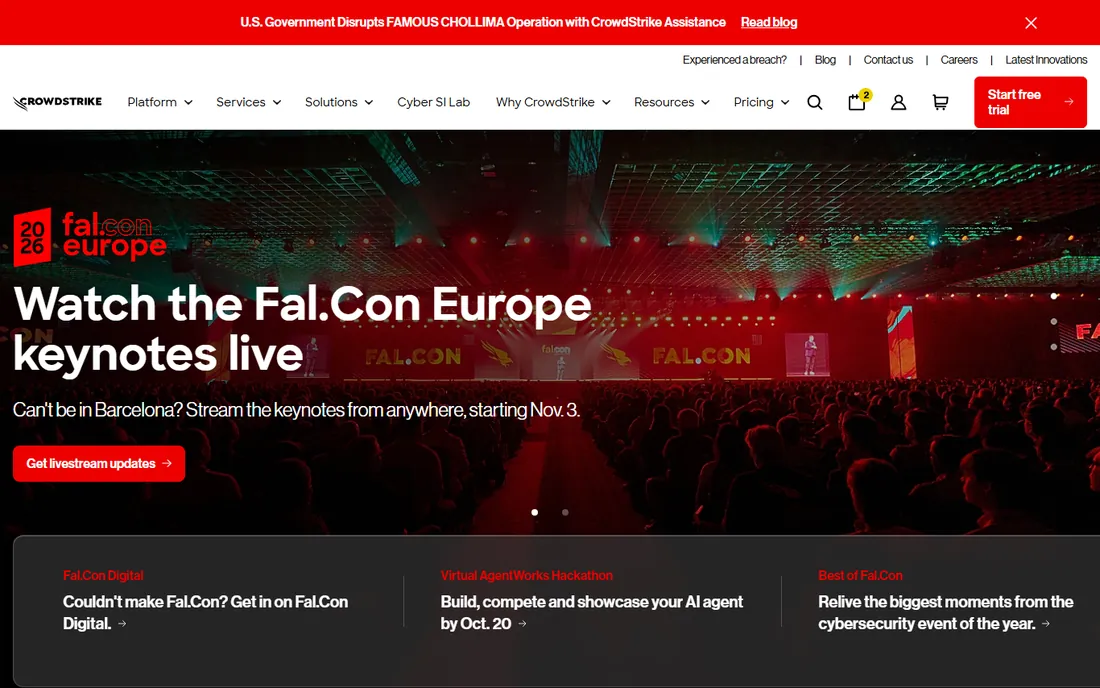
CrowdStrike Falcon is the endpoint security platform that defines the enterprise category. The cloud-native architecture means a lightweight agent on every device and the heavy analysis in the cloud, with threat intelligence drawn from attacks seen across millions of endpoints. Detection, investigation and response happen in one console.
The platform's strength is the combination of prevention, detection and managed response. Falcon Prevent stops known and unknown malware with machine learning, Falcon Insight gives security teams full endpoint visibility and Falcon OverWatch adds human threat hunting. For organizations facing serious adversaries, this is the benchmark.
The honest catch is cost and complexity. CrowdStrike is priced for enterprises and mid-market companies with security budgets, not for ten-person shops. It also assumes someone knows how to run it; the platform's power is wasted without security expertise. For large organizations that can afford both, it is the category leader.
What we like- Industry-leading threat intelligence
- Cloud-native platform
- Fast incident response
Watch out for- Premium pricing
- Needs security expertise to get full value
Starting priceSee website
Free planNo
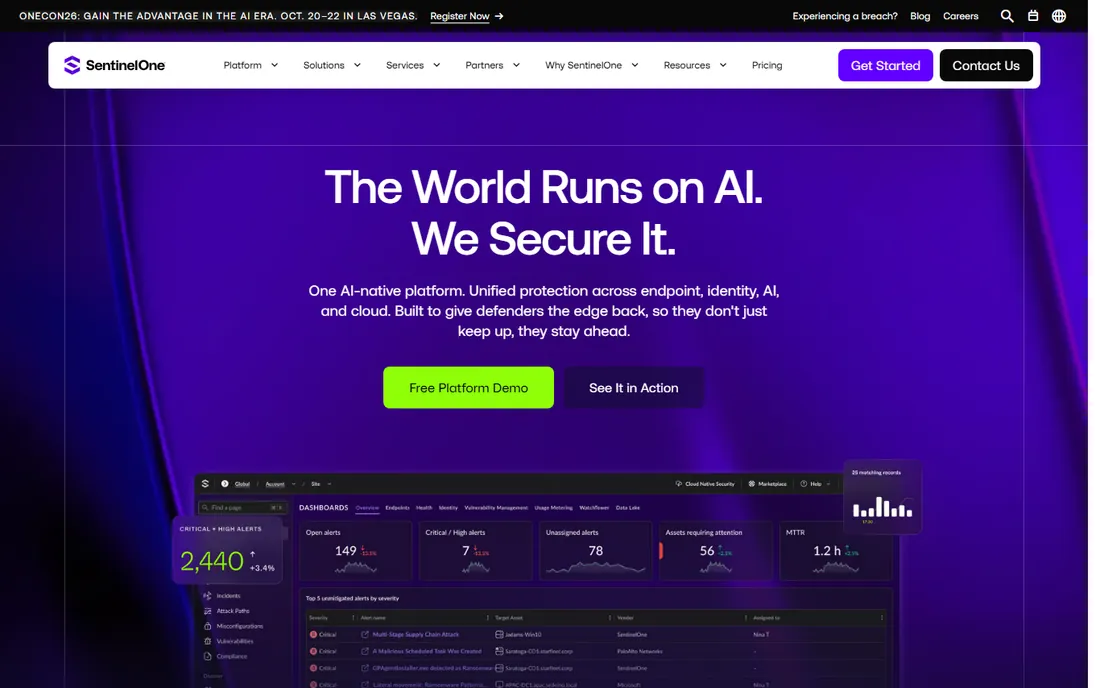
SentinelOne's pitch is autonomy: the Singularity platform detects threats and responds on its own, including rolling back ransomware encryption automatically. The single agent covers endpoint, cloud and identity, and the Storyline feature reconstructs attacks into readable timelines that analysts can actually understand.
The ransomware rollback is the standout. When ransomware encrypts files, SentinelOne can reverse the changes automatically, which turns a disaster into an incident. The autonomous response also helps lean security teams: the platform acts in seconds without waiting for a human. Performance impact on endpoints is low.
The trade-off is price and ecosystem. Like CrowdStrike, this is enterprise-priced software, and the third-party integration ecosystem is smaller than CrowdStrike's. For organizations that want strong protection without a large SOC team, the autonomy argument is compelling. For those with deep CrowdStrike investments, switching needs justification.
What we like- Autonomous threat response with rollback
- Strong ransomware protection
- Single agent
Watch out for- Enterprise pricing
- Smaller ecosystem than CrowdStrike
Starting priceSee website
Free planYes
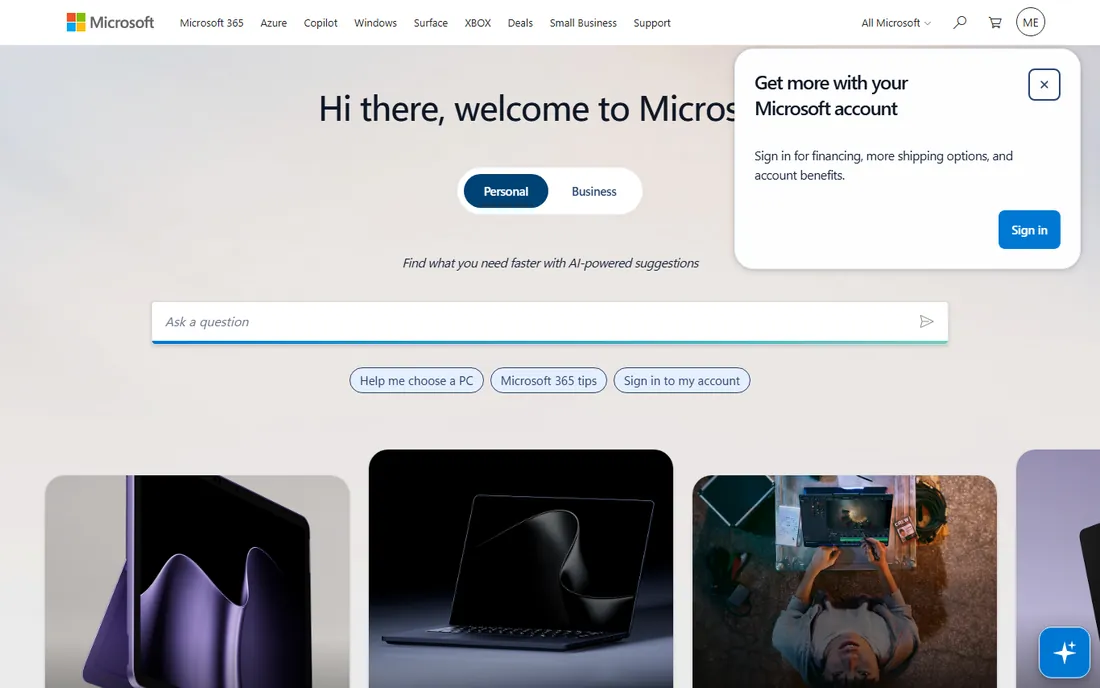
Microsoft Defender for Business, included with Microsoft 365 Business Premium and available standalone, is the security software most small and mid-size businesses should evaluate first. It is already on every Windows device, integrates with the Microsoft 365 admin center and adds centralized management, threat and vulnerability management and automated investigation.
The value argument is hard to beat. Companies already paying for Microsoft 365 Business Premium get enterprise-grade endpoint protection without another vendor, another agent or another console. The protection quality has improved dramatically over the years and now competes with commercial products in independent tests.
The honest limits are the ecosystem lock-in and management. Getting the most from Defender for Business means managing devices through Intune or the 365 admin center, and organizations outside the Microsoft world get less value. Mac and mobile coverage exists but is thinner than Windows. For Microsoft shops, start here before buying anything else.
What we like- Built into Windows and Microsoft 365
- No extra agent
- Excellent value
Watch out for- Management needs Intune or similar
- Best inside the Microsoft ecosystem
Starting priceSee website
Free planFree trial
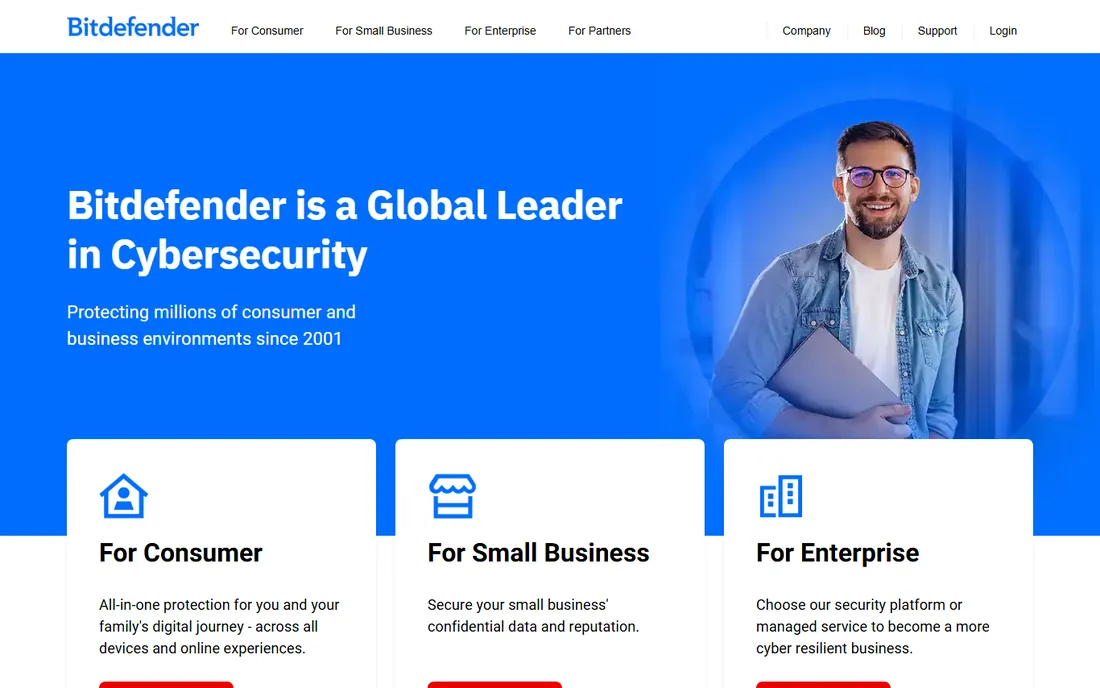
Bitdefender consistently scores at the top of independent antivirus tests, and the business products package that protection into affordable plans for small and mid-size companies. GravityZone, the business platform, adds centralized management, patching and encryption to the core antivirus engine.
The appeal is protection per dollar. Small businesses get genuinely excellent malware protection, web filtering and device control without enterprise pricing. The system impact is low, which matters on older office PCs. The consumer products are also strong for personal use and very small teams.
The catch is the category ceiling. Bitdefender is excellent antivirus, but it is not an EDR platform in the CrowdStrike sense; advanced threat hunting and autonomous response are not its game. The consumer products push upsells aggressively. For businesses that need solid protection without a security team, it is the sweet spot.
What we like- Top test scores for protection
- Low system impact
- Affordable business plans
Watch out for- Upsell prompts on consumer tiers
- Business features trail EDR leaders
Starting priceSee website
Free planYes
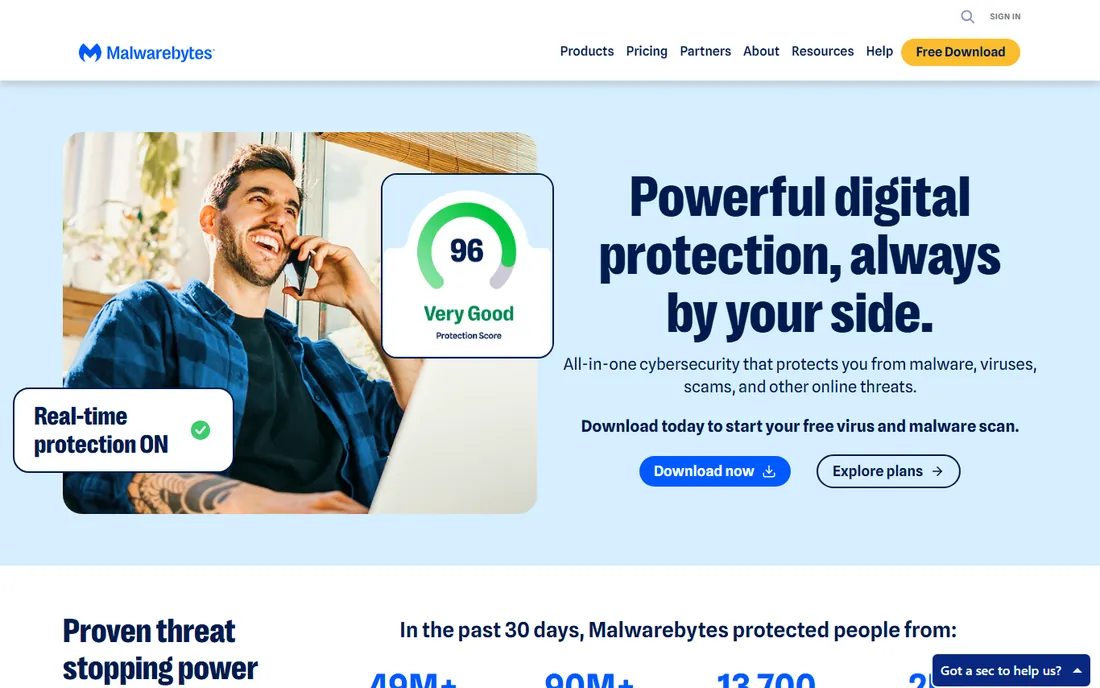
Malwarebytes built its reputation as the tool that removes what other antivirus misses. The free version is the industry's go-to second opinion scanner: download it, scan, remove the infection. The premium and business products add real-time protection, ransomware protection and centralized management.
The strength is remediation. When a machine is already infected, Malwarebytes is often the tool that cleans it. The business products (Nebula platform) give small teams cloud-managed protection that is easy to deploy and simple to run. It plays well alongside other security products as a complementary layer.
The honest limits are the free tier and depth. The free version only scans on demand; real-time protection needs the paid product. The business platform is simpler than EDR leaders, which is fine for small teams but not for serious security operations. Use it as the cleanup tool everyone should have, and evaluate the business product for small offices.
What we like- Excellent at removing existing infections
- Free version for manual scanning
- Simple to use
Watch out for- Free version lacks real-time protection
- Business platform is basic
Starting priceSee website
Free planFree trial
Sophos Intercept X is the endpoint product in a synchronized security lineup that includes firewalls, email security and mobile protection. The pitch is that the products share intelligence: an endpoint detection can trigger a firewall response automatically. Managed service providers love it, and it shows in the channel-friendly pricing and tools.
The synchronized security story is real for companies that buy the stack. The management console (Sophos Central) covers endpoints, servers and mobile from one place, and the anti-ransomware features include CryptoGuard behavioral analysis. For MSPs managing many small clients, the multi-tenant tools are excellent.
The trade-off is polish and positioning. The interface feels less modern than CrowdStrike or SentinelOne, and as a pure endpoint product it competes in a crowded field. It shines brightest as part of the Sophos ecosystem or through an MSP. Evaluate it as a platform, not just an antivirus.
What we like- Synchronized security across products
- Popular with MSPs
- Good management console
Watch out for- Interface can feel dated
- Pricing varies by channel
Starting priceSee website
Free planFree trial
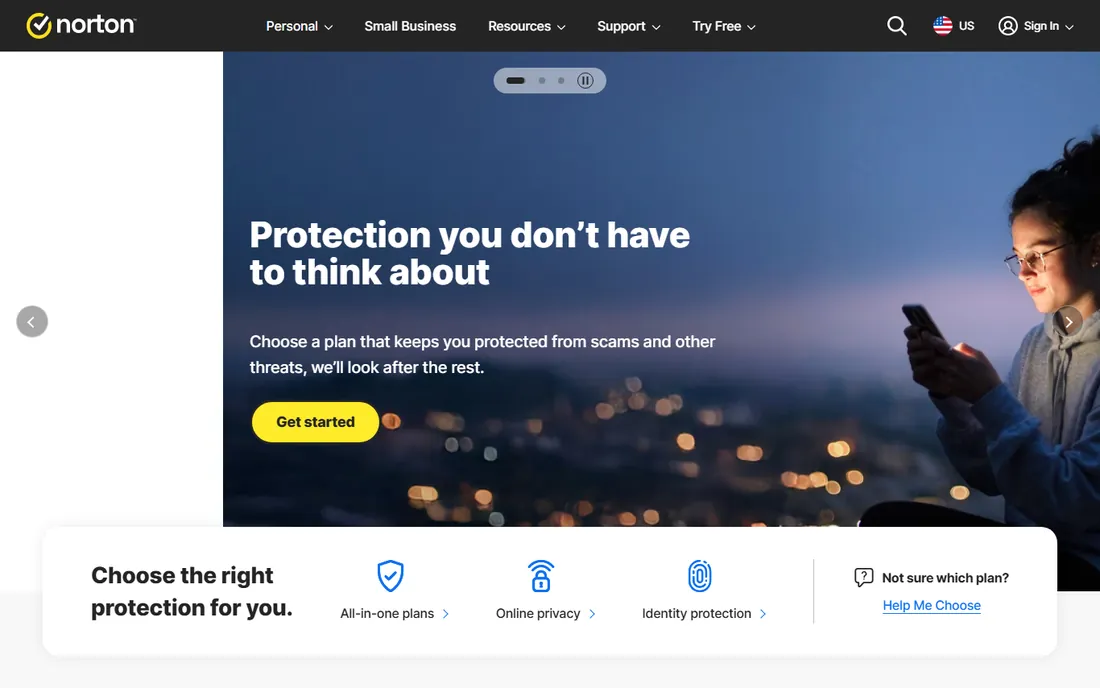
Norton, now part of Gen Digital, is the consumer security brand that also serves very small businesses. Norton Small Business packages antivirus, firewall and web protection for up to 20 devices with cloud management, and the consumer products bundle VPN, password manager and identity monitoring.
The appeal is simplicity and availability. Anyone can buy it, install it and be protected in minutes. The protection quality is solid, and the bundles add value for users who want VPN and identity features in one subscription. For micro-businesses without IT staff, the simplicity matters.
The honest complaints are the business practices and depth. Norton is notorious for aggressive upsells and renewal pricing, and the business management console is basic compared with real business products. It is not an EDR platform. For personal use and tiny teams it works; growing businesses should graduate to Bitdefender, Sophos or Defender for Business.
What we like- Long track record
- Bundled VPN and identity features
- Easy to buy and deploy
Watch out for- Upselling and renewals are aggressive
- Business management is basic
Starting priceSee website
Free planFree trial
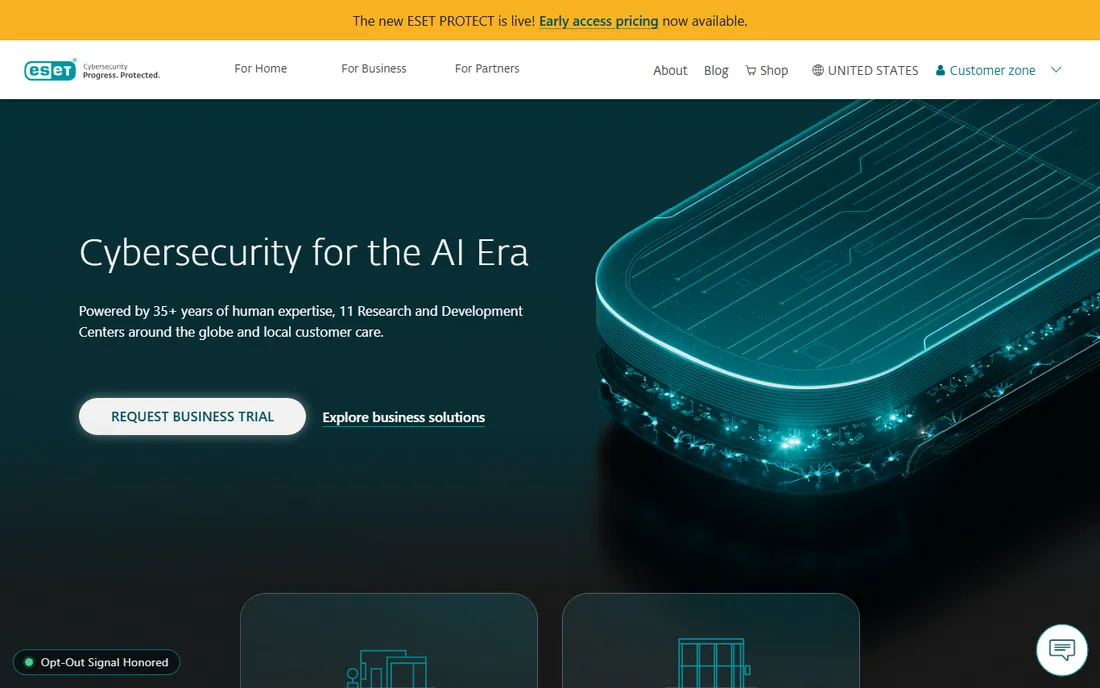
ESET Protect is the endpoint security platform for people who care about performance. The scanning engine is famously light on system resources, which makes it the choice for older hardware, virtual desktops and anyone who notices when antivirus slows the machine. Detection quality is consistently strong in independent tests.
The business platform adds cloud management, encryption, patch management and EDR capabilities in the higher tiers. Licensing is straightforward and affordable, and the on-premise management option appeals to organizations that want control. It runs on Windows, macOS, Linux, Android and iOS.
The trade-off is the experience. The interface is technical and assumes the administrator knows what they are doing; it is not the friendliest console here. The advanced EDR features sit in the top tiers. For performance-sensitive environments and technical teams, it is an excellent value. For non-technical buyers, the learning curve is real.
What we like- Very low system impact
- Strong detection
- Good value licensing
Watch out for- Interface is technical
- Advanced features need higher tiers
Starting priceSee website
Free planFree trial
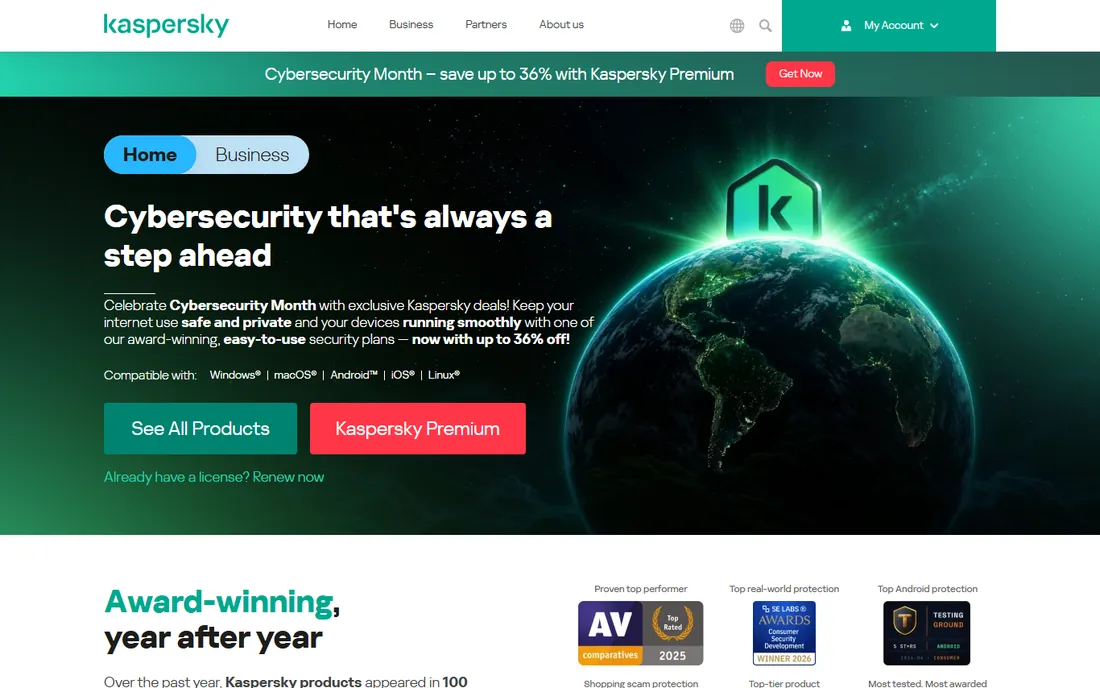
Kaspersky's endpoint protection has long ranked among the best in independent tests, with a full range from consumer antivirus to enterprise EDR and threat intelligence. The technology is excellent and the pricing is competitive. One critical note for American buyers: Kaspersky faces US government sales restrictions, and availability in the United States is limited; confirm the current situation before evaluating.
Outside that caveat, the product merits are real. The detection engine is consistently top-rated, the business products cover endpoint, server, cloud and industrial systems, and the management tools are mature. Global organizations outside the US continue to deploy it widely.
The honest assessment is that the buying decision is now geopolitical as much as technical. Organizations subject to US regulations or with US government customers should look elsewhere. Everyone else should evaluate the technology on its merits while staying current on the regulatory picture. We list it because it remains a major global product.
What we like- Top-tier detection engine
- Full product range
- Competitive pricing
Watch out for- US sales restrictions
- Geopolitical concerns for some buyers
Starting priceSee website
Free planFree trial
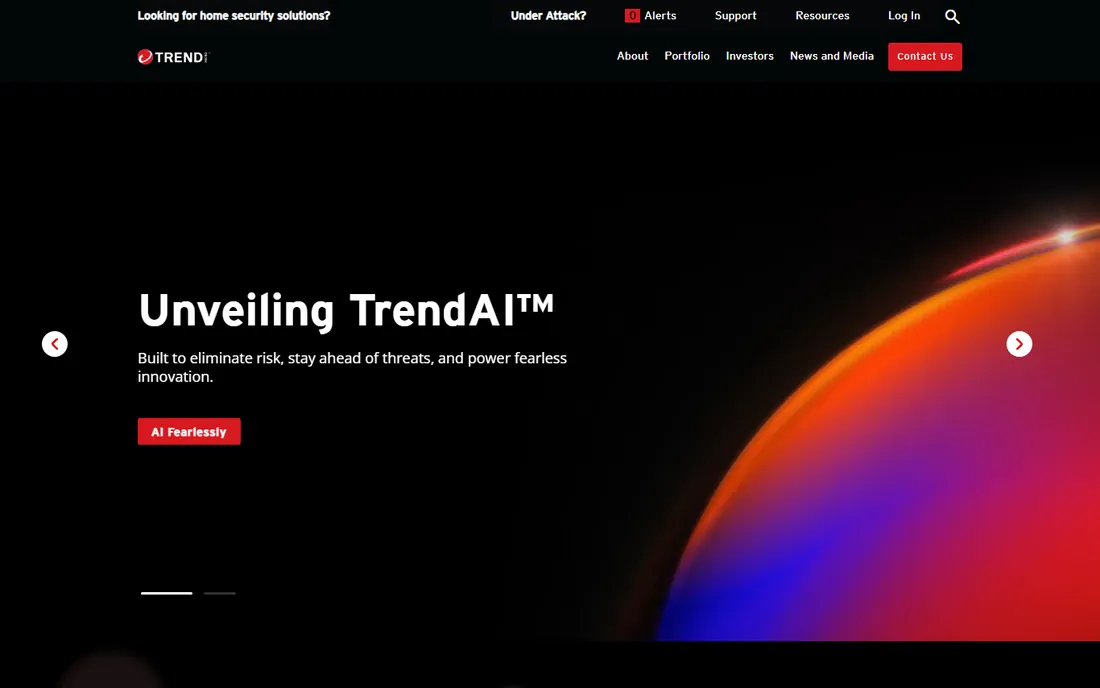
Trend Micro Worry-Free Services is the small business security suite, while Apex One and the Vision One platform serve larger organizations with EDR, email security and cloud protection. The company is particularly strong in Asia-Pacific and has a long enterprise track record globally.
The breadth is the story. Few vendors cover endpoint, email, cloud workloads and network security as completely, and the Vision One platform unifies detection across them. Small businesses get a straightforward suite; enterprises get a real XDR platform. Email security is a particular strength, which matters since email remains the top attack vector.
The trade-off is complexity and brand perception. The product lineup takes effort to navigate, and in Western markets the consumer brand overshadows the enterprise capability. Evaluate the business products on their own merits. For organizations wanting one vendor across endpoint, email and cloud, Trend Micro deserves a look.
What we like- Broad product range
- Strong in Asia-Pacific
- Good email and cloud security
Watch out for- Interface complexity
- Consumer brand weaker than business
EDR vs. antivirus: what you are actually buying
Antivirus asks "is this file known bad?" and blocks it. EDR (endpoint detection and response) asks "is this behavior suspicious?" and investigates it. The tools on this list span both: Norton, Bitdefender's core and ESET Protect Entry are antivirus-plus; CrowdStrike, SentinelOne and Sophos Intercept X Advanced are EDR.
The practical difference shows up after something gets through. Antivirus either blocked it or it did not. EDR records what happened, contains the damage, helps you understand the attack and often reverses it. That capability costs more and needs more skill to operate.
The buying rule: if you have no security staff, buy the best managed or autonomous protection you can afford and consider an MSP. If you have a security team, buy EDR and use it. Buying EDR without anyone to run it is like buying a race car without a driver; buying antivirus for a company facing targeted attacks is bringing the wrong tool.
What to check before you buy
Start with your threat model and team. A ten-person company needs different security than a hospital or a bank. Second, check independent test results from AV-TEST and SE Labs rather than vendor claims; the reputable vendors publish their scores. Third, trial the management console, because you will live in it; a powerful product with an unusable console fails in practice.
Fourth, verify platform coverage for every device type you own, including Macs, mobile and servers. Fifth, check the performance impact on your oldest machines. Finally, understand the renewal pricing before you buy; several vendors on this list discount year one and raise year two. Get the renewal price in writing.
How we chose
We compared vendor product pages, independent test results and public review sources, then confirmed every homepage was live in October 2026. Microsoft's site failed one check and passed on retry. Where we could not verify a vendor-published price we say so. Nothing here reflects hands-on testing; assessments come from documentation, feature lists, independent test scores and public user feedback.
Frequently asked questions
What is the best IT security software for small business?
Microsoft Defender for Business (if you use Microsoft 365), Bitdefender GravityZone and Sophos are the usual shortlist. They balance protection, manageability and price for teams without dedicated security staff. Avoid consumer-only products once you pass a handful of employees.
Do I need EDR or is antivirus enough?
For most small businesses, good antivirus plus sensible practices is enough. EDR becomes worth it when you face real risk: regulated data, valuable IP, or enough endpoints that incidents are a matter of when. If you buy EDR, make sure someone can operate it or buy it managed.
Is Windows Defender enough?
For personal use, yes, it is genuinely good now. For business, use Defender for Business (the managed version), not the unmanaged consumer default. Centralized management, reporting and policy control are what make it business-ready.
How much does business endpoint security cost?
Roughly a few dollars per device per month for antivirus-grade products, more for EDR platforms. Enterprise EDR is quote-based and costs significantly more. Always confirm renewal pricing, not just the first-year discount.
Can one product protect everything?
No single product covers every threat. Endpoint protection is one layer; add email security, backups, patching, multi-factor authentication and user training. The vendors that sell platforms (Microsoft, Sophos, Trend Micro) cover more layers in one purchase, which simplifies small-team security.
Sources we checked (10)
- https://www.crowdstrike.com
- https://www.sentinelone.com
- https://www.microsoft.com
- https://www.bitdefender.com
- https://www.malwarebytes.com
- https://sophos.com
- https://norton.com
- https://www.eset.com
- https://kaspersky.com
- https://trendmicro.com
Is your product missing or out of date?
We review this list regularly. Vendors can request a listing, send updated pricing or ask about featured placement.

Shihab Mia · Founder, Rankite
Shihab has spent more than a decade helping SaaS and e-commerce brands grow through search. He writes Rankite's software buying guides from pricing pages, documentation and public user reviews. More about Shihab.