How we make this list: we compare pricing pages, product documentation and public user reviews. Rankite is independent; if a vendor ever pays for a featured spot, that listing is clearly labeled Partner.
Key takeaways
- SailPoint is the IGA category leader for complex enterprises; Saviynt is the strongest cloud-native challenger with converged identity security.
- Microsoft shops should evaluate Entra ID Governance before third parties; Okta's governance story works best for Okta-centric environments.
- CyberArk brings privileged-access DNA to governance; Omada and One Identity suit European and mid-market needs respectively.
- IGA projects succeed or fail on implementation: budget as much for services and process work as for the license itself.
Quick comparison
| Tool | Best for | Starting price | Free plan |
|---|
 SailPoint SailPoint | Large enterprises needing proven IGA at scale | See website | Free trial |
 Saviynt Saviynt | Cloud-native identity security and governance convergence | See website | Free trial |
 Microsoft Entra ID Governance Microsoft Entra ID Governance | Organizations standardized on Microsoft 365 and Azure | See website | Free trial |
 Okta Okta | Okta-centric environments adding governance | See website | Free trial |
 CyberArk CyberArk | Privileged access security extended into governance | See website | Free trial |
 One Identity One Identity | Organizations wanting a broad IAM portfolio | See website | Free trial |
 Omada Omada | Best-practice IGA delivered as SaaS | See website | No |
 Ping Identity Ping Identity | Identity platform buyers wanting governance included | See website | Free trial |
Is your product missing or out of date?
We review this list regularly. Vendors can request a listing, send updated pricing or ask about featured placement.
The best identity governance software
Identity governance and administration (IGA) answers who has access to what, whether they should, and how access gets granted and removed. It is the compliance backbone (SOX, HIPAA, ISO 27001) and the operational engine of joiner-mover-leaver processes. Eight platforms, from category leaders to portfolio players.
Starting priceSee website
Free planFree trial
SailPoint built the modern IGA category: Identity Security Cloud (and IdentityIQ for self-hosted) covers lifecycle automation, access requests, certifications, separation-of-duties and AI-driven recommendations across cloud and on-premise systems. For large, complex, regulated enterprises, it remains the default evaluation and usually the winner on functional depth.
The honest costs are implementation and price. SailPoint projects are measured in months and need experienced integrators; this is not software you switch on. But organizations that complete the journey get the most complete governance platform in the market, with the ecosystem to support it.
What we like- Category-defining depth in access certification, provisioning and analytics
- Handles the most complex hybrid environments
- Massive partner and community ecosystem
Watch out for- Implementation is a major project
- Pricing reflects market leadership
#2
Saviynt
Best for: Cloud-native identity security and governance convergence
Visit saviynt.com
Starting priceSee website
Free planFree trial
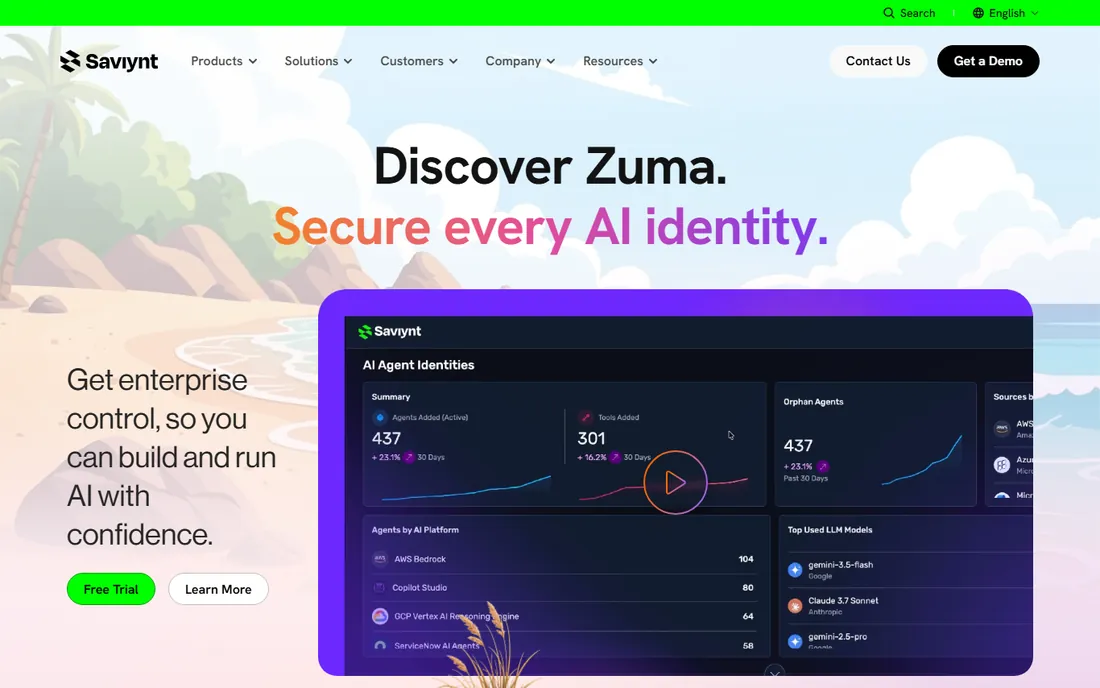
Saviynt's pitch is convergence: identity governance, privileged access management and application access governance on a single cloud platform, so access decisions span human, machine and AI identities consistently. Its analytics-driven certifications and risk-based controls appeal to security-led buyers, and analyst recognition has been consistently strong.
The honest caveat is that convergence is both the strength and the evaluation burden: you are assessing a platform, not a point tool. Pricing is enterprise. But organizations wanting one identity security control plane rather than stitched-together products find Saviynt's architecture the most coherent.
What we like- Converged IGA, PAM and application GRC on one cloud platform
- Strong AI-driven access intelligence
- Recognized leader across analyst reports
Watch out for- Enterprise pricing
- Breadth can mean longer evaluations
#3
Microsoft Entra ID Governance
Best for: Organizations standardized on Microsoft 365 and Azure
Visit microsoft.com
Starting priceSee website
Free planFree trial
If your identities live in Entra ID (formerly Azure AD), Microsoft's governance features (access reviews, Privileged Identity Management, entitlement management, lifecycle workflows) deliver real IGA without a third party. The integration is the product: governance policies apply where the identities and apps already are, and licensing bundles favor Microsoft-committed organizations.
The honest boundary is the ecosystem edge. Heterogeneous estates with significant non-Microsoft systems get less depth than SailPoint or Saviynt provide. But the first question for any Microsoft shop is whether Entra ID Governance already covers the need; many find it does, at a fraction of third-party cost.
What we like- Native integration with Entra ID, M365 and Azure
- Access reviews, PIM and entitlement management included
- Bundled economics for Microsoft shops
Watch out for- Best inside the Microsoft ecosystem
- Less depth for heterogeneous non-Microsoft estates
#4
Okta
Best for: Okta-centric environments adding governance
Visit okta.com
Starting priceSee website
Free planFree trial
Okta's Identity Governance and Access Management offering extends its identity platform into certifications, access requests and lifecycle automation. Organizations already running Okta for SSO and lifecycle get governance with minimal new integration, and the workflow engine handles complex joiner-mover-leaver processes well.
The honest comparison is against specialists: on pure IGA depth (complex certifications, mainframe connectors, advanced SoD), SailPoint and Saviynt go further. But governance adequacy plus platform consolidation is a legitimate strategy, and for Okta shops the incremental cost is attractive.
What we like- Identity Governance and Lifecycle Management extend the leading identity platform
- Strong workflow automation
- Excellent SaaS app coverage
Watch out for- Governance depth trails pure-play IGA leaders
- Best value for existing Okta customers
#5
CyberArk
Best for: Privileged access security extended into governance
Visit cyberark.com
Starting priceSee website
Free planFree trial
CyberArk comes at governance from privileged access: its Identity Security Platform secures human and machine identities with PAM depth nobody matches, and its governance capabilities (certifications, lifecycle, compliance) extend that control plane. Organizations where privileged risk dominates (finance, critical infrastructure) value the unified approach.
The honest framing is emphasis. Buyers wanting pure-play IGA depth compare carefully against SailPoint; buyers wanting identity security with privileged strength find CyberArk's story compelling. Evaluate it when your governance project is really a privileged-access project wearing compliance clothes.
What we like- Unmatched privileged access management heritage
- Identity security platform spanning workforce and privileged
- Strong for high-risk access scenarios
Watch out for- Governance is part of a broader platform story
- Pricing is enterprise
Starting priceSee website
Free planFree trial
One Identity (part of Quest Software) offers the portfolio play: Identity Manager for governance, Safeguard for privileged access, Active Roles for AD management, from a single vendor relationship. AD-heavy organizations and existing Quest customers get a coherent story with one throat to choke.
The honest trade-off is focus. Best-of-breed buyers may prefer specialists in each category, and the cloud-native IGA momentum sits with SailPoint and Saviynt. But for organizations that value vendor consolidation and have AD at the center, One Identity's breadth is the argument.
What we like- Full IAM suite (IGA, PAM, AD management) from one vendor
- Strong in Active Directory-centric environments
- Quest Software backing and support
Watch out for- Portfolio breadth can complicate the buying decision
- Cloud-native momentum trails leaders
Starting priceSee website
Free planNo
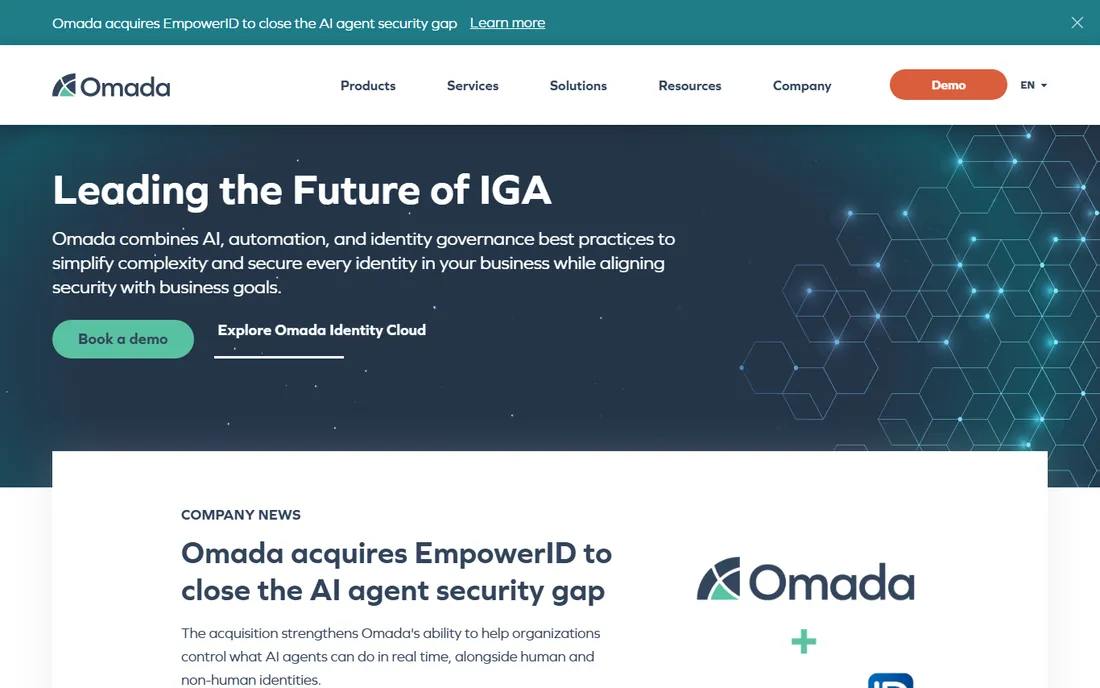
Omada has practiced identity governance since 2000, and its Identity Cloud packages that experience as a SaaS IGA solution: full hire-to-retire lifecycle, policy and role management, attestation and audit-ready reporting, delivered without heavy infrastructure. European enterprises and regulated industries form its core.
The honest position is scale. Omada's global partner ecosystem is smaller than SailPoint's, which matters for multinational rollouts. But buyers who value a opinionated best-practice implementation over a build-it-yourself platform often reach value faster with Omada.
What we like- Mature IGA best-practice framework with SaaS delivery
- Strong European presence and references
- Complete lifecycle and attestation workflows
Watch out for- Smaller global footprint than the giants
- Quote-based pricing
Starting priceSee website
Free planFree trial
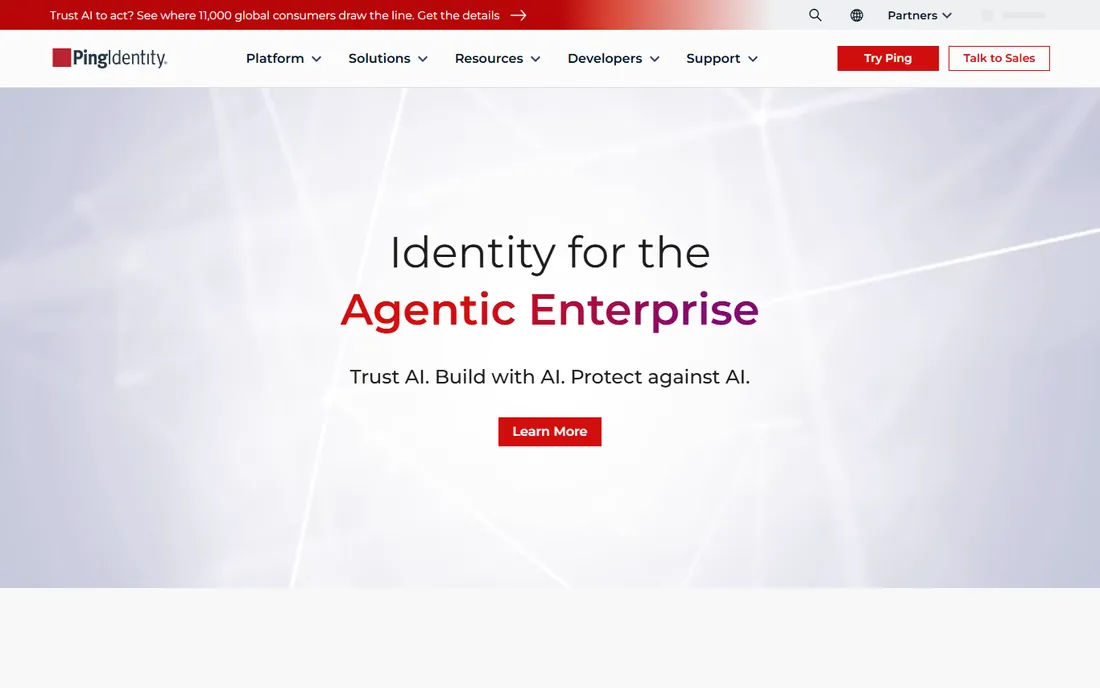
Ping Identity (which combined with ForgeRock) offers identity across workforce and customer use cases, with governance capabilities in the portfolio. Organizations standardizing on Ping for authentication and directory services can extend into governance without adding vendors.
The honest note is the merger: ForgeRock's technology is now part of Ping Identity, and buyers should evaluate the current unified portfolio rather than legacy product lines. For Ping-centric environments, the platform consolidation argument is real; pure-play IGA buyers compare depth carefully.
What we like- Broad identity platform (workforce, customer, governance)
- Strong in complex authentication scenarios
- ForgeRock's IGA heritage now in the portfolio
Watch out for- Post-merger portfolio still settling
- Governance depth varies by product line
How we chose
We selected established IGA platforms with real enterprise adoption, covering pure-play leaders, cloud-native challengers, ecosystem plays (Microsoft, Okta) and portfolio vendors. We weighed governance depth (certifications, lifecycle, SoD), deployment options, ecosystem fit and implementation realism. Pricing comes from each vendor's own pricing page; unverifiable plans are marked "See website." No hands-on testing was performed.
What to look for before you buy
Map your identity estate first. Cloud-only, hybrid, mainframe, AD-centric: the estate determines which vendors fit. A vendor perfect for cloud SaaS may struggle with your legacy systems, and that discovery should happen in the trial, not after signing.
Pilot the certification process. Access reviews are where IGA lives or dies; run a real campaign with real managers during evaluation. If reviewers hate the experience, the compliance value evaporates regardless of feature lists.
Budget implementation honestly. IGA projects need process design, connector configuration, role modeling and change management. Services often match license cost; underbudgeting implementation is the most common failure mode.
Finally, check the connector catalog against your actual applications. Every vendor claims hundreds of connectors; verify yours specifically, including versions and provisioning depth (read-only versus full lifecycle).
Running access reviews people do not hate
Access certifications are the most visible part of identity governance and the most resented when done badly. Managers faced with 300-line spreadsheets of usernames rubber-stamp them, which defeats the purpose. Good review design gets real decisions instead of real resentment.
Scope reviews ruthlessly. Reviewing every account's every entitlement quarterly burns out reviewers and teaches them to approve blindly. Focus frequent reviews on high-risk access (financial systems, production data, admin rights) and review standard access less often. Risk-based scoping is both more secure and more humane than blanket reviews.
Give reviewers context, not just names. A reviewer deciding on "jsmith - SAP_ALL" needs to know what SAP_ALL allows, when it was last used, and whether the person's role still needs it. IGA tools that show last-used dates, peer comparisons and role context turn guessing into deciding. If your review campaign cannot show usage data, fix the data feeds before running the campaign.
Schedule around the business, not the audit calendar. Dumping a 500-item certification on managers during quarter close guarantees rubber-stamping. Smaller, more frequent campaigns (monthly slices by department or system) get better attention than annual monsters. The auditors accept continuous review evidence; the tradition of the annual big-bang review is habit, not requirement.
Close the loop on revocations. The classic failure: reviewers flag access for removal, and nothing happens because no ticket was created or nobody owned it. The IGA tool should generate the deprovisioning task automatically and track it to completion. Measure time-to-revoke as a KPI; access flagged but never removed is worse than no review, because it documents that you knew.
Treat reviewers as users to serve. Short guidance ("approve if the person still needs this for their current role; reject if unsure and we will follow up"), sensible defaults, mobile-friendly review screens and a responsive help contact all raise decision quality. The review is a human judgment task; design it like one.
Frequently asked questions
What is identity governance and administration (IGA)?
IGA manages digital identities' access: who gets access to what, automated provisioning and deprovisioning, periodic access reviews (certifications), and policy enforcement like separation of duties. It is the compliance and operational backbone of identity security.
What is the difference between IAM, IGA and PAM?
IAM is the umbrella (all identity management). IGA focuses on governance: access reviews, lifecycle, compliance. PAM secures privileged accounts specifically. Modern platforms increasingly converge all three.
How long does an IGA implementation take?
Typically 6 to 18 months for enterprise deployments, depending on application count, process maturity and data quality. SaaS and best-practice approaches (Omada) can be faster; complex global rollouts run longer.
Do small companies need identity governance software?
Formal IGA suits regulated or larger organizations. Smaller companies often cover the basics with their identity provider's lifecycle features (Entra ID, Okta, Google Workspace) plus periodic manual access reviews.
What is access certification?
A periodic review where managers or application owners confirm their people's access is still appropriate. It is the core compliance control in IGA and the feature whose usability most determines program success.
Can IGA replace manual provisioning?
Largely yes for standard scenarios: HR-driven joiner-mover-leaver automation handles the bulk. Exceptions, contractors and privileged access still need human workflows, which good IGA platforms provide rather than eliminate.
Sources we checked (8)
- https://www.sailpoint.com
- https://www.saviynt.com
- https://www.okta.com
- https://www.microsoft.com
- https://www.cyberark.com
- https://www.oneidentity.com
- https://www.omadaidentity.com
- https://www.pingidentity.com
Is your product missing or out of date?
We review this list regularly. Vendors can request a listing, send updated pricing or ask about featured placement.

Shihab Mia · Founder, Rankite
Shihab has spent more than a decade helping SaaS and e-commerce brands grow through search. He writes Rankite's software buying guides from pricing pages, documentation and public user reviews. More about Shihab.