How we make this list: we compare pricing pages, product documentation and public user reviews. Rankite is independent; if a vendor ever pays for a featured spot, that listing is clearly labeled Partner.
Key takeaways
- Strava ($79.99/year) and MyFitnessPal ($79.99/year) are the best fitness tracker app picks for runners and for nutrition tracking, each with a usable free tier.
- Fitbit, Garmin Connect, Samsung Health, and Apple Fitness+ pair best with their own hardware; pick the app that matches the device you own.
- WHOOP skips the free tier and targets recovery-obsessed athletes with a subscription-only model.
- Free options are strong: FitOn, Nike Training Club, Garmin Connect, and Samsung Health cost nothing and cover workouts, steps, and sleep.
- Start with the free tier for a month, then pay only for the specific feature you miss.
Quick comparison
| Tool | Best for | Starting price | Free plan |
|---|
 Fitbit Fitbit | everyday activity tracking with Fitbit hardware | See website | Yes |
 Strava Strava | runners and cyclists | $79.99/year | Yes (free tier with activity tracking and feed) |
 MyFitnessPal MyFitnessPal | food and calorie logging | $79.99/year | Yes (free tier with food logging) |
 Garmin Connect Garmin Connect | Garmin watch owners | Free | Yes (fully free) |
 Samsung Health Samsung Health | Samsung and Android users | Free | Yes (fully free) |
 WHOOP WHOOP | recovery and strain coaching | See website (subscription-based; hardware included) | No |
 Apple Fitness+ Apple Fitness+ | guided workouts for Apple users | See website | Free trial (trial available for new subscribers) |
 FitOn FitOn | free workout classes | Free | Yes (free core app; optional Pro upgrade) |
 Nike Training Club Nike Training Club | free guided training programs | Free | Yes (fully free) |
Is your product missing or out of date?
We review this list regularly. Vendors can request a listing, send updated pricing or ask about featured placement.
The best fitness tracker apps
#1
Fitbit
Best for: everyday activity tracking with Fitbit hardware
Visit fitbit.com
Starting priceSee website
Free planYes
Fitbit helped define this category, and the app remains one of the easiest to live with. Steps, sleep stages, heart rate, and active minutes land in one clean dashboard, and the daily goals feel achievable rather than punishing. Setup takes minutes, and the sleep tracking is consistently rated among the best in the business.
The catch is hardware. The app is a thin experience without a Fitbit tracker or Pixel Watch feeding it data, so this pick only makes sense if you own or plan to buy the device. Fitbit Premium adds detailed sleep analysis, readiness scores, and guided programs. Pricing changes often enough that checking the site beats trusting a quoted number, which is why we list it as see website.
What we like- Simple dashboard for steps, sleep, and heart rate
- Affordable trackers
- Long track record and large community
Watch out for- Best experience needs a Fitbit device or Pixel Watch
- Advanced insights sit behind Premium
- Google account required
Starting price$79.99/year
Free planYes (free tier with activity tracking and feed)
Strava is where runners and cyclists actually live. Record a run or ride with your phone or watch, and it lands in a feed where friends give kudos, segments rank your efforts against locals, and routes help you explore. The free tier covers activity recording and the social feed, which is enough for casual athletes. The $79.99/year subscription adds training plans, route builder, and deeper performance analytics.
It pairs with nearly every GPS watch on the market, including Garmin, Apple Watch, and Fitbit devices, so you are not locked into one brand of hardware. The gaps are nutrition and sleep: Strava barely touches either, so pair it with a food logging app if diet matters to your goal. For endurance training specifically, nothing else has the community.
What we like- The social network for endurance athletes
- Excellent route discovery and segments
- Works with nearly every GPS watch
Watch out for- Weak for food logging and sleep
- Subscription needed for training plans
- Competitive features can encourage overtraining
Starting price$79.99/year
Free planYes (free tier with food logging)
MyFitnessPal owns food logging. The database covers millions of foods, including restaurant items, and barcode scanning makes packaged food entries instant. It syncs with Fitbit, Garmin, Apple Health, Samsung Health, and Strava, so your exercise calories and food intake meet in one place. For weight management, the combination of logging plus device integration is the practical standard.
The free tier handles basic logging with ads. Premium at $79.99/year removes ads and adds macro goals, custom meal timing, and deeper nutrition analysis. The honest limitation is behavioral, not technical: the app works only if you log consistently, and no feature fixes that. But among food trackers, this is the one with the data and integrations to make logging as painless as it gets.
What we like- The largest food database in the category
- Barcode scanning
- Integrates with most fitness apps and trackers
Watch out for- Free tier shows ads
- Advanced features like macro goals need Premium
- Food logging still takes daily effort
Starting priceFree
Free planYes (fully free)
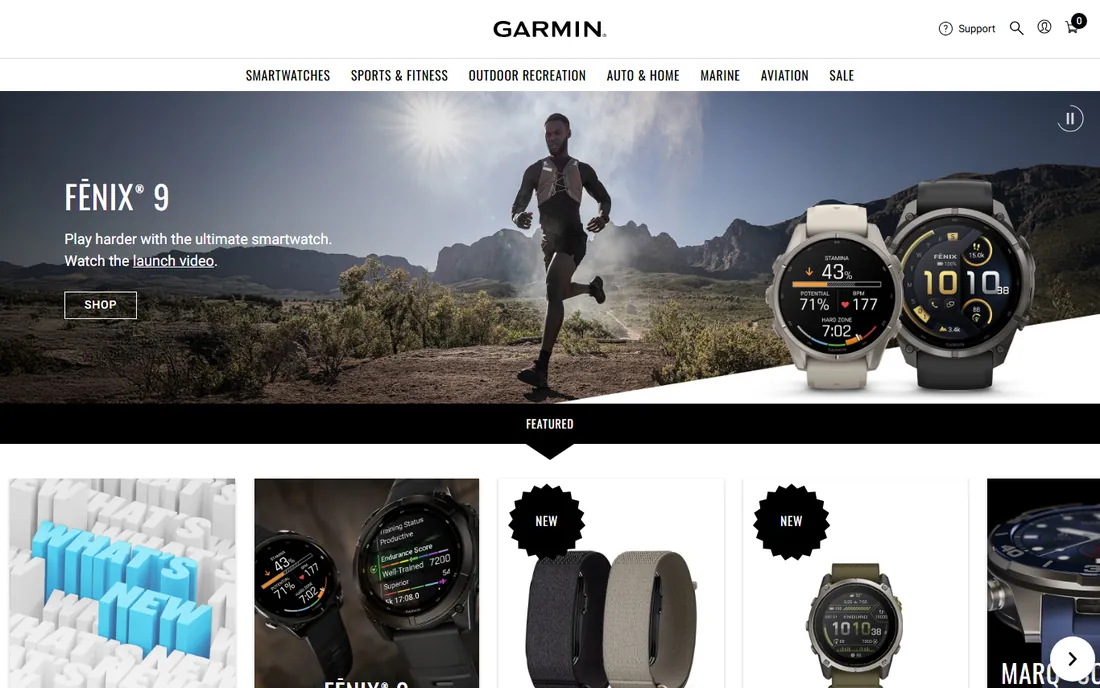
Garmin Connect is the rare fitness app that is both free and deep. Paired with a Garmin watch, it delivers training status, VO2 max estimates, recovery time, sleep analysis, and detailed workout breakdowns without any subscription. Garmin's GPS accuracy remains the benchmark for runners and cyclists, and the data nerds love the granularity.
The app is free because the business model is the hardware: without a Garmin device, Connect is an empty shell. The interface packs in a lot and can overwhelm newcomers, and Garmin watches lag Apple and Samsung on smartwatch features like apps and voice assistants. If you train seriously and own the watch, this is the best free fitness platform available. If you do not own Garmin hardware, look elsewhere.
What we like- Completely free with deep training metrics
- Best-in-class GPS accuracy
- No subscription for core features
Watch out for- Needs a Garmin device for full value
- Interface feels dense
- Smartwatch features trail Apple and Samsung
Starting priceFree
Free planYes (fully free)
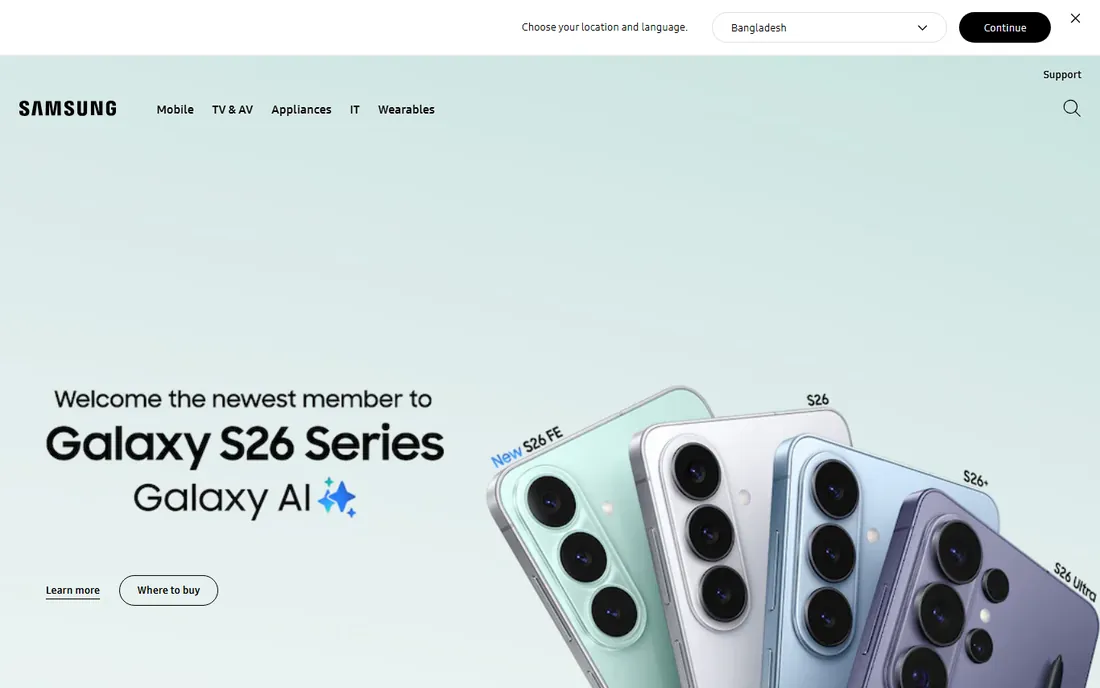
Samsung Health is the quiet default for millions of Android users. It comes on Galaxy phones, tracks steps automatically, and covers sleep, food, water, and dozens of workout types. Paired with a Galaxy Watch, it adds heart rate, blood oxygen, and body composition estimates. It costs nothing and asks for little setup.
The experience is best inside Samsung's ecosystem; on other Android phones it works but loses some integration. A few features vary by region, and the social and challenge features are thinner than Strava's or Fitbit's. For Samsung owners who want a capable tracker without another subscription, it is already on your phone. Check it before buying anything else.
What we like- Free and preinstalled on Galaxy phones
- Tracks steps, sleep, food, and water
- Works with Galaxy Watch
Watch out for- Best with Samsung hardware
- Some features region-locked
- Less social than Strava
Starting priceSee website (subscription-based; hardware included)
Free planNo
WHOOP takes a different approach: a screenless band you wear around the clock, with a subscription that includes the hardware. Every morning you get a recovery score based on sleep, heart rate variability, and resting heart rate, plus a strain target telling you how hard to train. For athletes who train by data, the recovery guidance is genuinely useful and distinct from step counting.
There is no free tier and no one-time purchase: it is subscription only, so the cost never stops. The band has no display and no built-in GPS, relying on your phone for location. Casual exercisers will find it expensive overkill; the value shows up for people who train hard enough that recovery decisions matter. Check current pricing on the site, since WHOOP adjusts its plans.
What we like- Recovery and strain scores guide daily training decisions
- No screen to distract you
- Strong among serious athletes
Watch out for- No free tier
- Subscription-only with ongoing cost
- No built-in GPS, relies on your phone
Starting priceSee website
Free planFree trial (trial available for new subscribers)
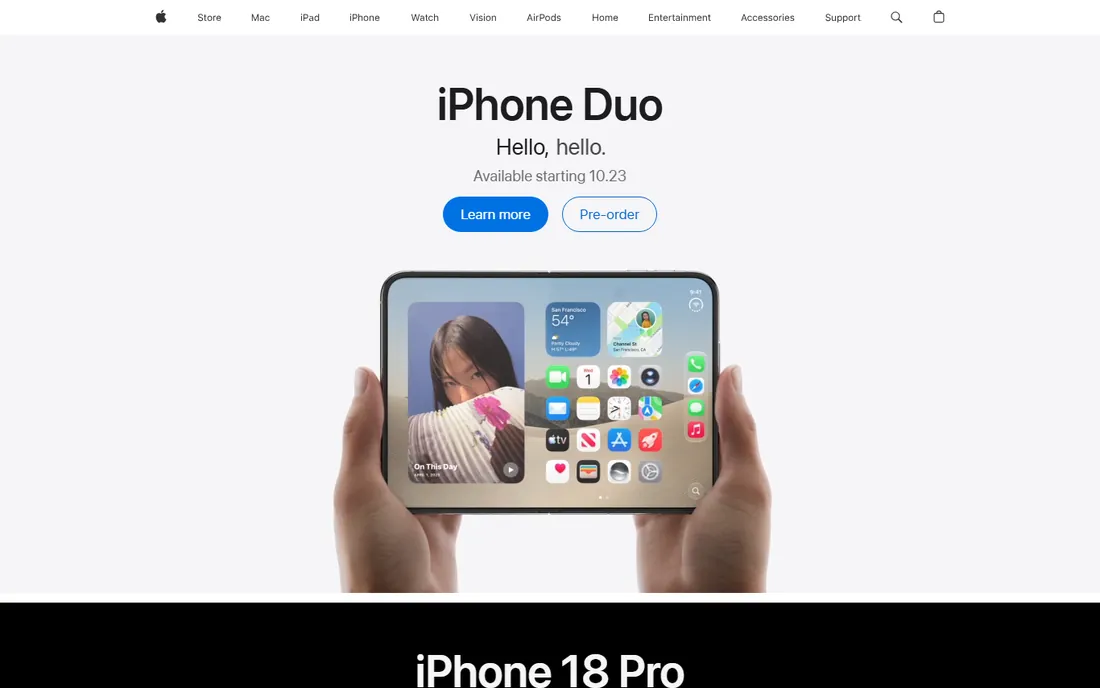
Apple Fitness+ is a guided workout service rather than a passive tracker. Professional trainers lead sessions across strength, HIIT, yoga, cycling, rowing, dance, and more, with your Apple Watch metrics displayed on screen in real time. New workouts land weekly, and the production quality is a clear step above free YouTube fitness content.
The requirements are strict: you need an Apple Watch to see live metrics, and the whole service lives inside Apple's ecosystem. There is a free trial for new subscribers, and Apple often bundles extended trials with new device purchases. Pricing is subscription-based, so check the site for current rates. For Apple households that want structured workouts without a gym, it is the polished option.
What we like- High-quality guided workouts across 12+ workout types
- Deep Apple Watch integration
- New workouts weekly
Watch out for- Needs an Apple Watch for full metrics
- Apple ecosystem only
- Music-driven format is not for everyone
Starting priceFree
Free planYes (free core app; optional Pro upgrade)
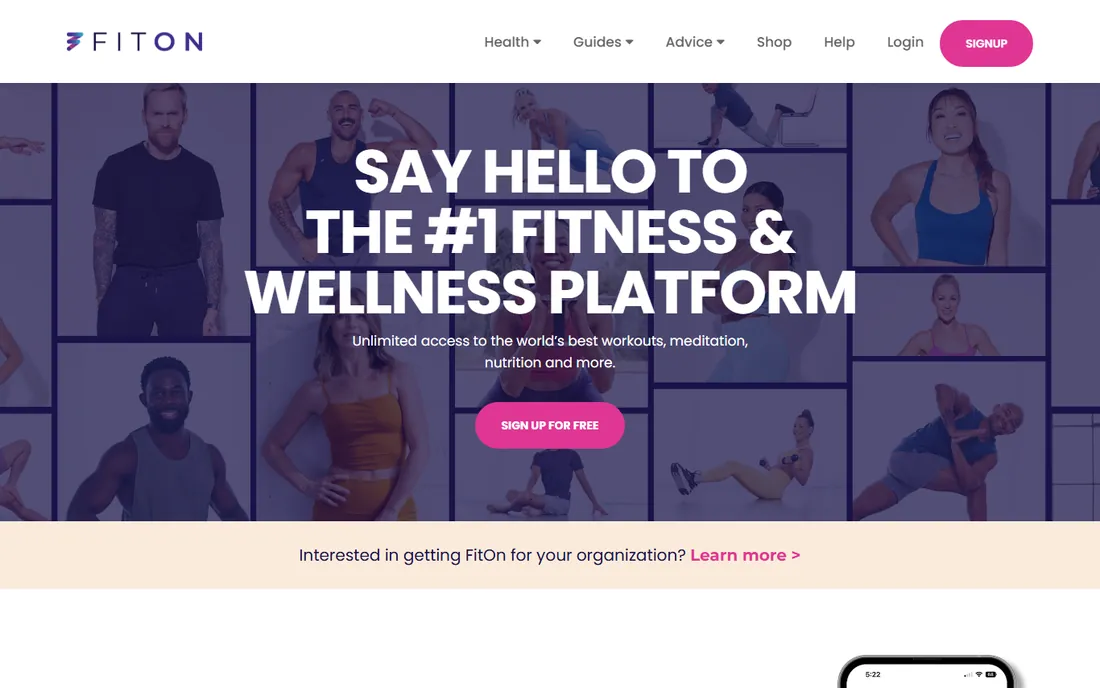
FitOn's pitch is simple: unlimited workout videos, free. Real trainers lead classes across cardio, strength, yoga, and stretching, many requiring no equipment. The app also includes meal plans and works on phones, tablets, and TVs. For a free app, the production quality and trainer roster are surprisingly strong.
An optional Pro upgrade adds personalized meal plans, offline downloads, and premium music, but the core workout library stays free. The class catalog is smaller than Apple Fitness+ or Peloton, and device integration is basic compared with Fitbit or Garmin. But as a zero-cost way to follow guided workouts at home, FitOn is hard to argue with.
What we like- Genuinely free workout videos from real trainers
- No equipment needed for many classes
- Meal plans included
Watch out for- Smaller class library than paid rivals
- Some content behind Pro
- Less device integration
#9
Nike Training Club
Best for: free guided training programs
Visit nike.com
Starting priceFree
Free planYes (fully free)
Nike Training Club offers guided workouts and multi-week training programs from Nike's trainer roster, free with no paywall. The programs cover strength, conditioning, yoga, and running preparation, with a structure that suits people who want a plan rather than random classes. Everything is free, which is remarkable for the brand behind it.
You need a Nike account, and the experience is workout guidance rather than all-day tracking: it will not count your steps or analyze your sleep. Pair it with your phone's built-in health app or a tracker for the full picture. For free, structured training from a top athletic brand, it belongs on any shortlist.
What we like- Structured training programs from Nike trainers
- No subscription or paywall
- Strong brand and workout variety
Watch out for- Nike account required
- Web presence centered on nike.com
- Fewer tracking features than dedicated trackers
How we chose
We compared fitness tracking apps that are actively maintained and widely used in 2026, using vendor sites, pricing pages, and community discussion on Reddit, app store reviews, and fitness forums. Every app had to track activity or guide workouts on an ongoing basis. We verified current pricing where possible and used "see website" where pricing changes frequently or is quote-based. We considered different users: runners, gym-goers, beginners, data-driven athletes, and budget-conscious exercisers. Nothing was tested hands-on; the picks reflect documented features, pricing, and real-world fit.
Free vs paid: where the paywall usually hits
Free tiers in this category are genuinely useful. Step counting, basic workout recording, sleep tracking, and simple food logging cost nothing almost everywhere. The paywall lands on the same handful of features: advanced analytics, personalized training plans, barcode and photo logging, and detailed recovery breakdowns.
A practical rule: use the free tier for a month and note what you wish it did. If the answer is "plan my training" or "tell me exactly what to eat," that is the paid feature worth buying. If the free tier already answers your question, keep your money. Most people overbuy here and use the same five features they had for free.
Also consider the hardware you already own. Fitbit, Garmin, WHOOP, Apple Watch, and Galaxy Watch each pair best with their own app. Switching apps without switching hardware usually means losing the metrics you care about. If you are buying a tracker too, choose the hardware and the app as a pair, not separately.
Pick the app by your goal
Losing weight starts with food, so MyFitnessPal paired with any step tracker is the practical stack. The food database and barcode scanning remove the friction that kills most diet logging, and the free tier is enough to start.
Running or cycling seriously points to Strava plus a GPS watch. Strava's segments, routes, and community keep endurance training engaging, and it syncs with Garmin, Apple Watch, and most other devices. Add Garmin Connect if you own a Garmin watch for the deeper training metrics.
General fitness without a specific sport is where the free options shine. Samsung Health or Apple Health on your phone covers daily activity, FitOn or Nike Training Club covers guided workouts, and the total cost is zero. Upgrade to Apple Fitness+ or Fitbit Premium only when you want structured programs or deeper insights.
Training like an athlete is WHOOP's territory. The recovery and strain guidance matters when you train hard enough that rest days need data behind them. It is subscription-only with no free tier, so commit only if you will actually follow the recovery scores.
Frequently asked questions
What is the best fitness tracker app overall?
It depends on your goal. Strava is best for runners and cyclists, MyFitnessPal for nutrition tracking, Garmin Connect for Garmin watch owners, and Fitbit for simple everyday tracking. There is no single winner; match the app to what you actually do.
Is there a good free fitness tracker app?
Yes. Garmin Connect, Samsung Health, FitOn, and Nike Training Club are all free and capable. Strava, MyFitnessPal, and Fitbit have free tiers that cover the basics. Start free and upgrade only when you hit a specific limit.
Do I need a fitness tracker device to use these apps?
Not always. Strava, MyFitnessPal, FitOn, Nike Training Club, and Samsung Health work fine with just your phone. Fitbit, Garmin Connect, and WHOOP need their hardware for full value, and Apple Fitness+ needs an Apple Watch for live metrics.
Which app is best for runners?
Strava, paired with a GPS watch. The segments, route discovery, and running community are unmatched. Garmin Connect adds deeper training metrics if you run with a Garmin watch.
Can these apps share data with each other?
Mostly yes. Apple Health and Google Health Connect act as hubs: Fitbit, Garmin, Strava, MyFitnessPal, and Samsung Health can all sync through them. WHOOP syncs more selectively. Check the specific integration before depending on it.
Is WHOOP worth it without being an athlete?
Probably not. WHOOP's value is recovery and strain guidance for people who train hard enough that rest decisions matter. Casual exercisers get more value from free options like Fitbit's free tier, Samsung Health, or Garmin Connect.
Sources we checked (9)
- https://www.fitbit.com/
- https://www.strava.com/
- https://www.myfitnesspal.com/
- https://www.garmin.com/
- https://www.samsung.com/
- https://www.whoop.com/
- https://www.apple.com/
- https://fitonapp.com/
- https://www.nike.com/
Is your product missing or out of date?
We review this list regularly. Vendors can request a listing, send updated pricing or ask about featured placement.

Shihab Mia · Founder, Rankite
Shihab has spent more than a decade helping SaaS and e-commerce brands grow through search. He writes Rankite's software buying guides from pricing pages, documentation and public user reviews. More about Shihab.