How we make this list: we compare pricing pages, product documentation and public user reviews. Rankite is independent; if a vendor ever pays for a featured spot, that listing is clearly labeled Partner.
Key takeaways
- Shopify is the default for grocery startups: huge app ecosystem covers subscriptions, local delivery and age verification.
- WooCommerce suits grocers wanting full control and content marketing; BigCommerce fits larger operations needing built-in B2B and multi-storefront.
- Square Online is the natural pick for stores already using Square POS; Shift4Shop offers a free-leaning plan for cost-conscious grocers.
- Grocery-specific needs (weight-based pricing, perishable handling, pickup/delivery slots) are solved by apps and extensions, so platform ecosystem depth matters most.
Quick comparison
| Tool | Best for | Starting price | Free plan |
|---|
 Shopify Shopify | Grocery startups that want the biggest app ecosystem | See website | Free trial |
 BigCommerce BigCommerce | Larger grocery operations and multi-storefront needs | See website | Free trial |
 WooCommerce WooCommerce | Grocers wanting full control and content-driven marketing | Free | Yes |
 Square Online Square Online | Brick-and-mortar grocers already using Square POS | See website | Yes |
 Wix Wix | Small grocers wanting the easiest site builder | See website | Yes |
 Shift4Shop Shift4Shop | Cost-conscious grocers avoiding monthly fees | See website | Yes |
 Ecwid Ecwid | Adding grocery ordering to an existing website | See website | Yes |
 nopCommerce nopCommerce | Developers building custom grocery commerce | Free | Yes |
Is your product missing or out of date?
We review this list regularly. Vendors can request a listing, send updated pricing or ask about featured placement.
Selling groceries online adds complications general ecommerce ignores: perishables, weight-based and unit pricing, pickup and delivery time slots, substitutions, age-restricted items and recurring staple orders. The best platform is the one whose ecosystem solves these without custom development. Eight options, compared for grocery realities.
#1
Shopify
Best for: Grocery startups that want the biggest app ecosystem
Visit shopify.com
Starting priceSee website
Free planFree trial

Shopify is the default grocery starting point because its app ecosystem already solved grocery's special problems: delivery scheduling, subscription boxes, weight-based pricing and local delivery routing all exist as installable apps. A specialty grocer, butcher or farm box service launches in days, not months.
The honest costs are stacking. The base plan plus essential grocery apps plus payment fees add up, and Shopify's own transaction fees apply without Shopify Payments. But for grocers who want to sell rather than build software, the ecosystem depth justifies the spend.
What we like- Enormous app store covers subscriptions, delivery slots, age verification and local delivery
- Easy to launch
- Scales from farm stand to chain
Watch out for- Monthly cost plus app subscriptions add up
- Transaction fees unless using Shopify Payments
Starting priceSee website
Free planFree trial

BigCommerce suits grocers outgrowing startup tools: built-in features cover more without apps, multi-storefront manages regional assortments or wholesale versus retail, and zero transaction fees matter at grocery volumes and margins. B2B tools serve the wholesale side many grocers run.
The honest trade-off is ecosystem. Fewer grocery-specific apps than Shopify means more configuration work for niche needs. But larger operations often prefer built-in capability over app sprawl, and BigCommerce's architecture rewards that preference.
What we like- Strong out-of-the-box features reduce app dependence
- Multi-storefront for regions or brands
- No transaction fees
- B2B capabilities for wholesale
Watch out for- Smaller app ecosystem than Shopify
- Learning curve for advanced features
Starting priceFree
Free planYes
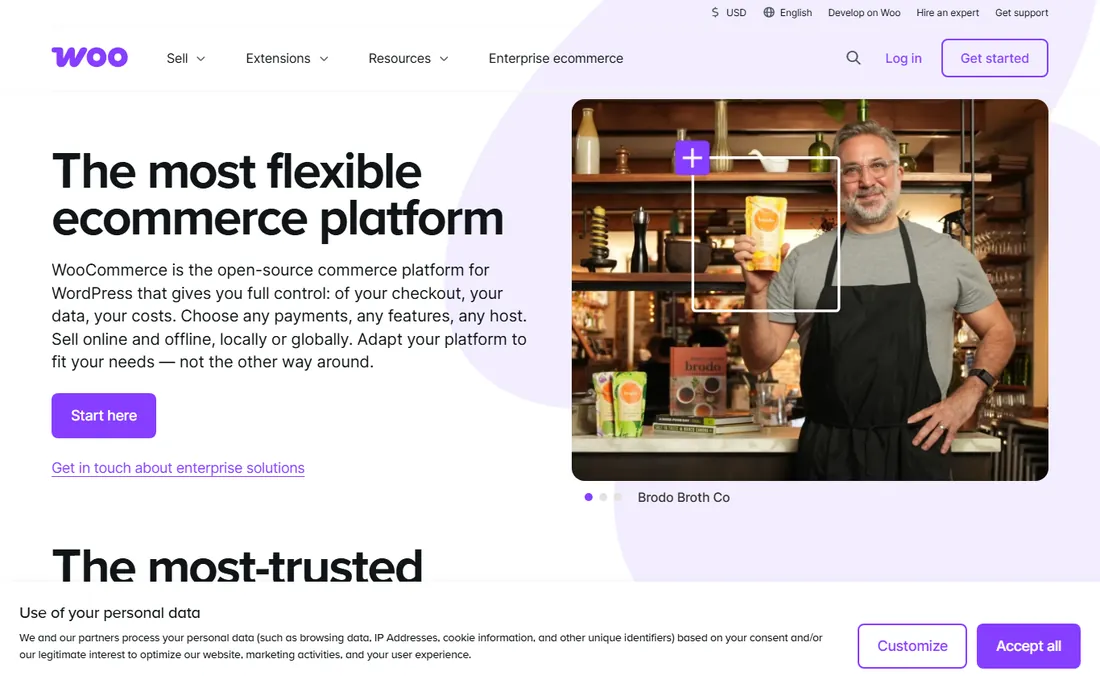
WooCommerce (on WordPress) is the control option: own your store, customize everything, publish recipes and content that rank, and choose from hundreds of extensions for bookings, subscriptions and delivery. Content-driven grocers (recipes plus shopping) get the web's best CMS with their store.
The honest burden is operations. Hosting, security, updates and backups are yours, and assembling the grocery stack from extensions takes technical confidence. But grocers with WordPress skills get unlimited flexibility at software cost near zero.
What we like- Open-source with total customization
- WordPress powers recipe content and SEO
- Huge extension marketplace
- No platform transaction fees
Watch out for- You manage hosting, security and updates
- Grocery extensions add cost and complexity
#4
Square Online
Best for: Brick-and-mortar grocers already using Square POS
Visit squareup.com
Starting priceSee website
Free planYes
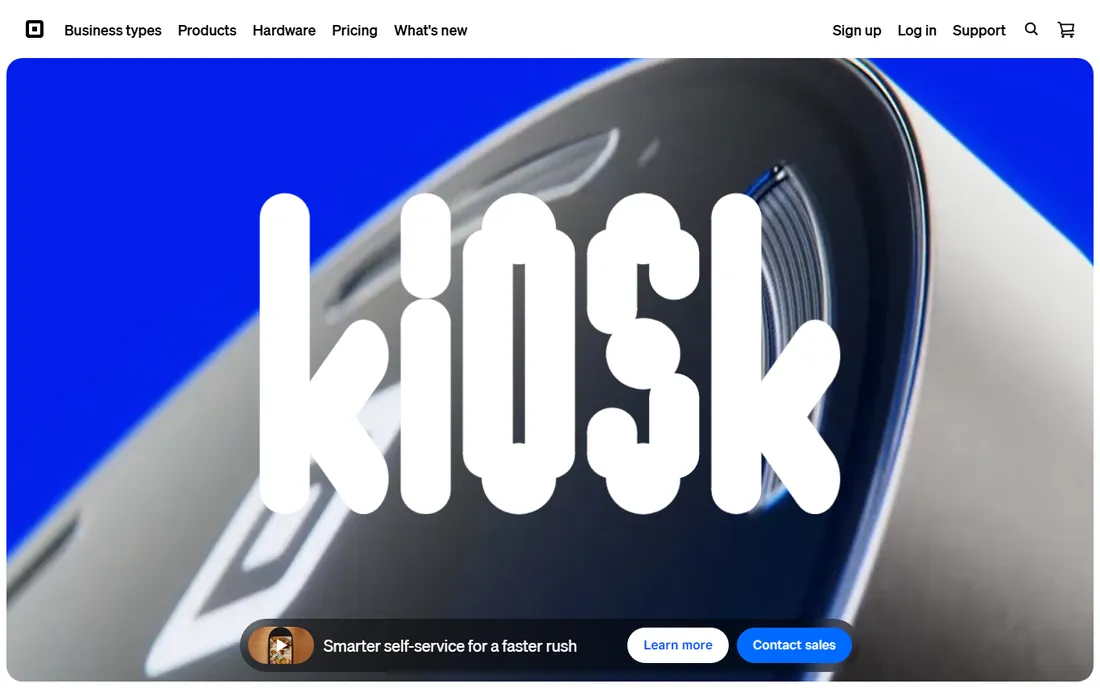
Square Online is the obvious choice for grocers already running Square at the register: inventory, orders and customers sync between store and site automatically, and pickup/delivery features fit local grocery patterns. The free plan makes the online experiment nearly costless.
The honest limits are ambition. Pure-play online grocers and large operations outgrow it; design and extension options are narrower than Shopify's. But for the neighborhood grocer adding online ordering to an existing Square setup, nothing is simpler.
What we like- Free plan available
- Inventory syncs with Square POS automatically
- Pickup and delivery options built for local stores
- Simple setup
Watch out for- Less scalable for pure-play online grocery
- Design flexibility limited
#5
Wix
Best for: Small grocers wanting the easiest site builder
Visit wix.com
Starting priceSee website
Free planYes

Wix serves the smallest grocers: a beautiful site in an afternoon with the drag-and-drop builder, ecommerce features covering basics, and scheduling tools adaptable to pickup slots. Farm stands, bakeries and specialty shops get online fast.
The honest ceiling is growth. Serious grocery operations (complex inventory, multi-location, wholesale) exceed Wix's comfort zone. But for small shops where the website is a brochure that takes orders, Wix's ease is the point.
What we like- Drag-and-drop design anyone can use
- Ecommerce plans include scheduling and subscriptions
- Free plan for testing
Watch out for- Less grocery-specific depth
- Scaling limits for serious operations
Starting priceSee website
Free planYes

Shift4Shop's hook is economics: qualifying merchants get the platform's monthly cost waived (processing through Shift4), which appeals to low-margin grocery businesses watching every dollar. The cart itself is full-featured with strong built-in tools.
The honest trade-offs are polish and ecosystem. The admin experience trails Shopify, and fewer grocery-specific apps exist. But for grocers prioritizing cost control over the newest UX, the math is compelling.
What we like- Free-leaning plans for qualifying merchants
- Full-featured cart with no transaction fees on its plans
- Solid built-in features
Watch out for- Interface less modern than leaders
- Ecosystem smaller than Shopify
#7
Ecwid
Best for: Adding grocery ordering to an existing website
Visit ecwid.com
Starting priceSee website
Free planYes
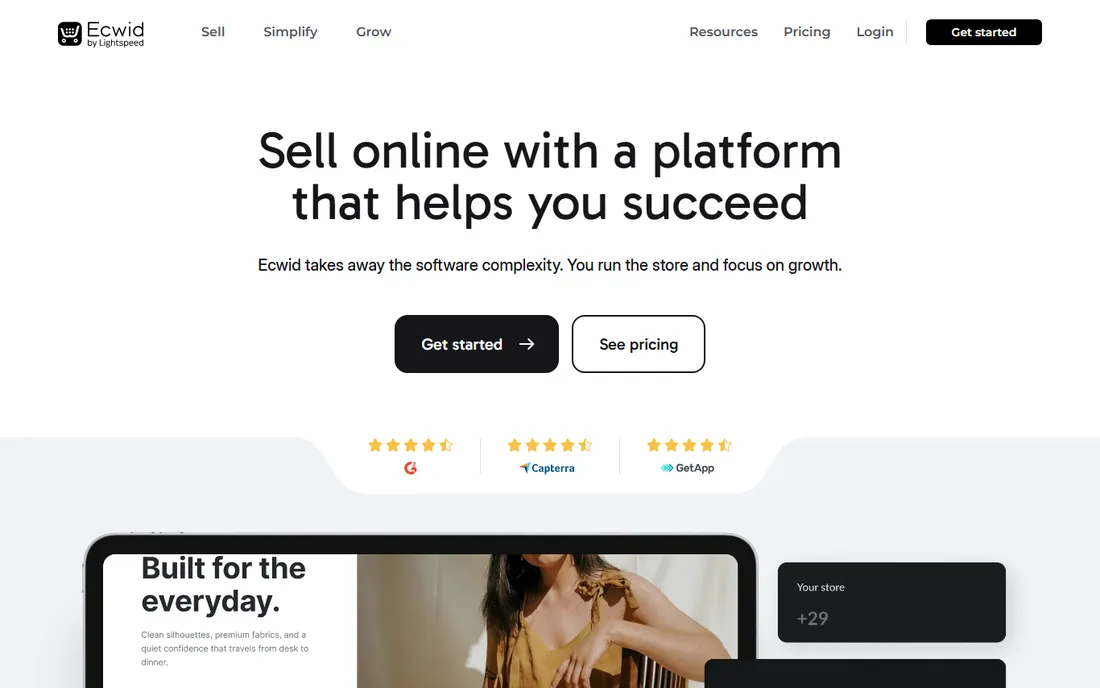
Ecwid solves a specific problem: the grocer (or restaurant, or farm) with an existing website that needs ordering added without rebuilding. Embed the store widget, manage one catalog, sell across site, social and marketplaces. The free plan covers small catalogs.
The honest framing is scope. Ecwid is a store embed, not a full commerce platform; complex grocery operations need more. But for adding online ordering to what already exists, it is the lowest-friction path.
What we like- Embeds a store into any existing site
- Free plan for small catalogs
- Multi-channel selling from one catalog
Watch out for- Less of a full website solution
- Advanced grocery features need workarounds
Starting priceFree
Free planYes
nopCommerce is the open-source .NET alternative: a complete, free commerce platform developers customize deeply, with multi-store support for grocery chains and multi-vendor capability for marketplaces. No licensing costs, full source access.
The honest requirement is expertise. You need .NET developers and hosting management; the extension marketplace is smaller than WooCommerce's. But organizations with .NET teams wanting a free, customizable grocery platform get enterprise-grade foundations without license fees.
What we like- Free, open-source .NET commerce platform
- Highly customizable
- Multi-store and multi-vendor capable
- No licensing costs
Watch out for- Needs .NET developers
- Smaller extension marketplace than WooCommerce
How we chose
We selected established ecommerce platforms usable for grocery, weighing grocery-relevant capabilities (delivery/pickup, subscriptions, perishables handling via ecosystem), pricing fairness, scalability and honest fit for different grocer profiles. We favored platforms with real grocery adoption over generic feature lists. Pricing comes from each vendor's own pricing page; unverifiable plans are marked "See website." No hands-on testing was performed.
What to look for before you buy
List your grocery-specific requirements first. Delivery zones and slots, weight/unit pricing, substitutions, age verification, recurring orders: confirm each is solved by the platform or its apps before committing, not after.
Model total cost including apps. Grocery needs subscriptions, delivery and scheduling apps whose monthly fees stack on the base plan. Price the working system, not the headline plan.
Test the mobile ordering flow. Most grocery orders happen on phones; complete a full order (with substitutions and a delivery slot) on mobile during the trial. Friction here costs real revenue.
Finally, verify POS and inventory integration. Brick-and-mortar grocers need online and in-store inventory in sync; confirm the integration depth with your actual POS before launch.
The operational realities of selling groceries online
Grocery ecommerce fails more often on operations than on software choice. The platform handles the storefront; the hard parts are inventory accuracy, fulfillment speed and margin control on perishables. Buyers evaluating the tools in this guide should weigh these realities alongside features.
Inventory accuracy is existential for grocery. Selling an item online that is out of stock in the store creates refunds, angry customers and wasted picking labor. The platform must sync with in-store inventory in near real time, or you need dedicated online-only inventory. Ask vendors how the inventory sync works, how often it updates, and what happens during the sync gap. Vague answers here predict real problems.
Substitutions are the defining grocery workflow. Shoppers accept that the specific brand of canned tomatoes might be unavailable; they do not accept a missing item with no replacement. Good grocery platforms let shoppers set substitution preferences per item (allow substitute, choose backup, no substitute) and let pickers record substitutions that adjust the charge automatically. Platforms without this force awkward phone calls and manual refunds.
Pickup and delivery logistics shape the P&L. Curbside pickup is operationally cheaper than delivery but needs staging space and staff scheduling; delivery needs drivers or a third-party partner with its own fees (typically 15 to 30 percent through marketplaces). Model the fully loaded cost per order for each method before choosing. Many grocers find pickup profitable and delivery marginal, which should influence which capability you prioritize.
Fresh and frozen fulfillment needs process, not just software. Pickers need clear routing (frozen last), temperature-safe staging, and quality checks on produce. The platform should support picker apps with item locations and substitution flows. Software cannot fix a store whose pickers wander aisles with printed lists, so budget for operational setup alongside the license.
Margins demand honest math. Grocery runs on thin margins (1 to 3 percent net is typical), and online adds picking labor, packaging and delivery costs. Successful online grocery programs charge fees, set minimums, push private label online, or accept online as a loss leader for loyalty. Run the per-order economics with your actual labor costs before launch; the platform's fee structure is only one input.
Frequently asked questions
What is the best ecommerce platform for a grocery store?
Shopify for most startups (ecosystem depth), Square Online for existing Square POS users, WooCommerce for control and content, BigCommerce for larger operations. The best follows your size and technical resources.
Can Shopify handle grocery delivery?
Yes, through apps for delivery scheduling, zones, local delivery and subscriptions. The base platform plus grocery apps covers pickup/delivery slots, recurring orders and age verification.
How do online grocery stores handle perishables?
Through delivery logistics rather than platform features: insulated packaging, delivery windows, local-only zones and order cutoffs. Platforms provide the scheduling and zone tools; operations handle the cold chain.
What about weight-based pricing for groceries?
Most platforms support it natively or via apps: price per pound/kilo with final weight adjustments. Confirm the exact workflow (estimated versus exact-weight charging) matches your products.
Is WooCommerce good for grocery?
Yes, especially for content-driven grocers: recipes and SEO on WordPress plus a customizable store. It needs more technical management than hosted platforms but offers unlimited flexibility.
How much does it cost to start an online grocery store?
Platform costs range from free (Square Online, WooCommerce software, Shift4Shop qualifying) to $30-plus monthly plus apps. The bigger costs are operations: inventory, packaging, delivery and marketing.
Sources we checked (8)
- https://www.shopify.com
- https://www.bigcommerce.com
- https://www.woocommerce.com
- https://www.squareup.com
- https://www.wix.com
- https://www.shift4shop.com
- https://www.ecwid.com
- https://www.nopcommerce.com
Is your product missing or out of date?
We review this list regularly. Vendors can request a listing, send updated pricing or ask about featured placement.

Shihab Mia · Founder, Rankite
Shihab has spent more than a decade helping SaaS and e-commerce brands grow through search. He writes Rankite's software buying guides from pricing pages, documentation and public user reviews. More about Shihab.