How we make this list: we compare pricing pages, product documentation and public user reviews. Rankite is independent; if a vendor ever pays for a featured spot, that listing is clearly labeled Partner.
Key takeaways
- MasterControl is the enterprise standard for document control in regulated manufacturing and life sciences.
- Qualio is the fastest path to a validated system for growing life science teams, live in 30 to 60 days.
- Greenlight Guru from $12,000 per year is purpose-built for medical device companies.
- Every serious option is quote-based, so budget for validation and implementation, not just licenses.
Quick comparison
| Tool | Best for | Starting price | Free plan |
|---|
 MasterControl MasterControl | Enterprise regulated document control | See website | No |
 Qualio Qualio | Growing life science teams | See website | No |
 Veeva Vault Veeva Vault | Large pharma and biotech | See website | No |
 Greenlight Guru Greenlight Guru | Medical device companies | $12,000/year | No |
 QT9 QMS QT9 QMS | Manufacturers across regulated industries | See website | Free trial |
 Intellect QMS Intellect QMS | Configurable enterprise quality | See website | No |
 ZenQMS ZenQMS | Simple validated QMS | See website | No |
 Dot Compliance Dot Compliance | Life science startups to pharma | See website | No |
 Scilife Scilife | Modular cloud QMS | See website | No |
Is your product missing or out of date?
We review this list regularly. Vendors can request a listing, send updated pricing or ask about featured placement.
The best document control software
Starting priceSee website
Free planNo
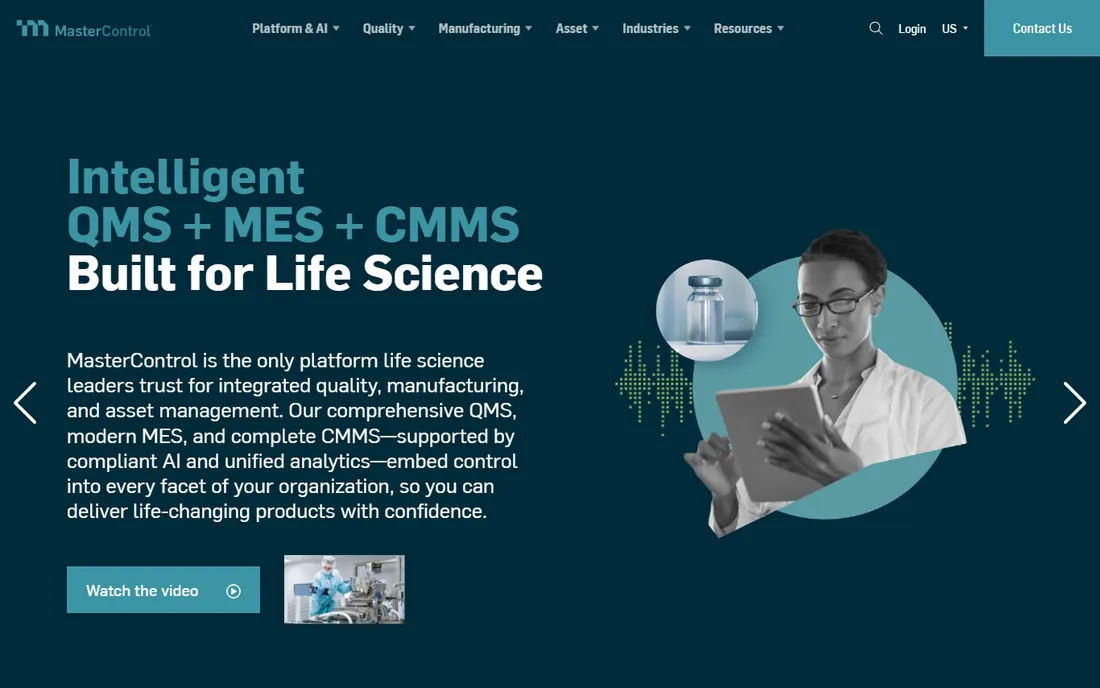
MasterControl is the document control system regulated manufacturers default to. Document management, change control, training, audits and CAPA run in one validated platform with electronic signatures, audit trails and compliance with FDA 21 CFR Part 11, EU Annex 11 and ISO standards. The company counts more than 1,100 customers across life sciences and manufacturing.
Pricing is quote-based and implementations are real projects. Smaller companies sometimes find it heavyweight. For an organization that needs to survive FDA inspections with confidence, MasterControl is the proven choice.
What we like- Audit-ready with full validation
- 1,100+ customers
- Scales from startup to global enterprise
Watch out for- Quote-based enterprise pricing
- Implementations are substantial
Starting priceSee website
Free planNo
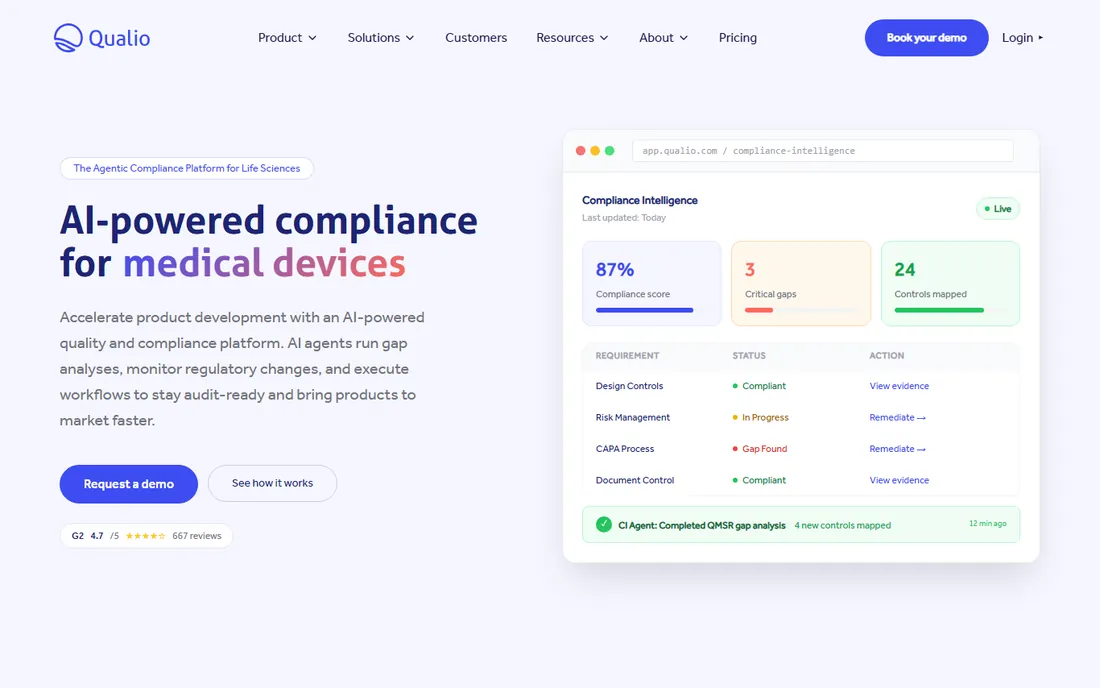
Qualio built its reputation on getting life science teams off paper fast. The interface is genuinely easy, with a built-in document editor, pre-configured compliance templates and integrations with Google Workspace and Microsoft 365. Most customers go live in 30 to 60 days, which is remarkable in this category.
Pricing is quote-based plus implementation. Very large enterprises may outgrow it. For a growing biotech or device company that needs a validated QMS this quarter rather than next year, Qualio is the pragmatic pick.
What we like- Intuitive interface
- Live in 30 to 60 days
- Built-in document editor
Watch out for- Quote-based pricing
- Less depth than enterprise suites
Starting priceSee website
Free planNo
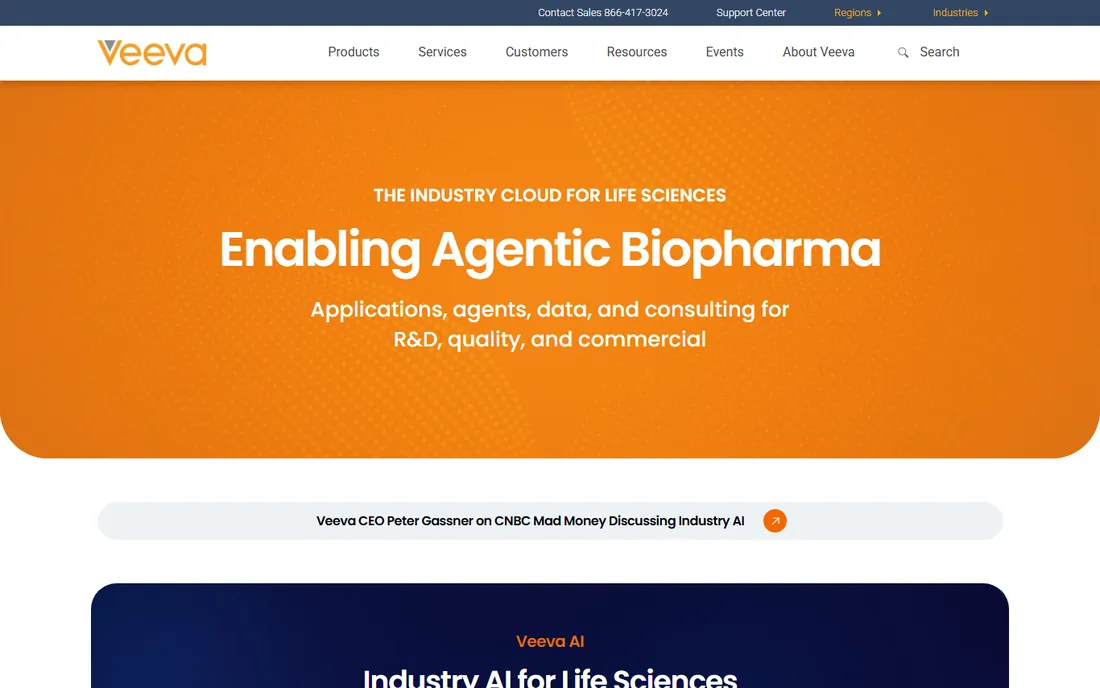
Veeva Vault QualityDocs and the wider Vault platform serve large pharmaceutical and biotech companies with a unified cloud for documents, quality processes, training and regulatory content. GxP-ready workflows, AI-assisted trend analysis and integration across the Vault suite make it powerful at scale.
Pricing is premium and quote-based. The value concentrates for companies already using Veeva for clinical or regulatory. For large life science enterprises standardizing on one cloud, Veeva Vault is the strategic choice.
What we like- Unified quality cloud for life sciences
- GxP-ready
- Deep industry footprint
Watch out for- Premium pricing
- Best value inside the Veeva ecosystem
Starting price$12,000/year
Free planNo
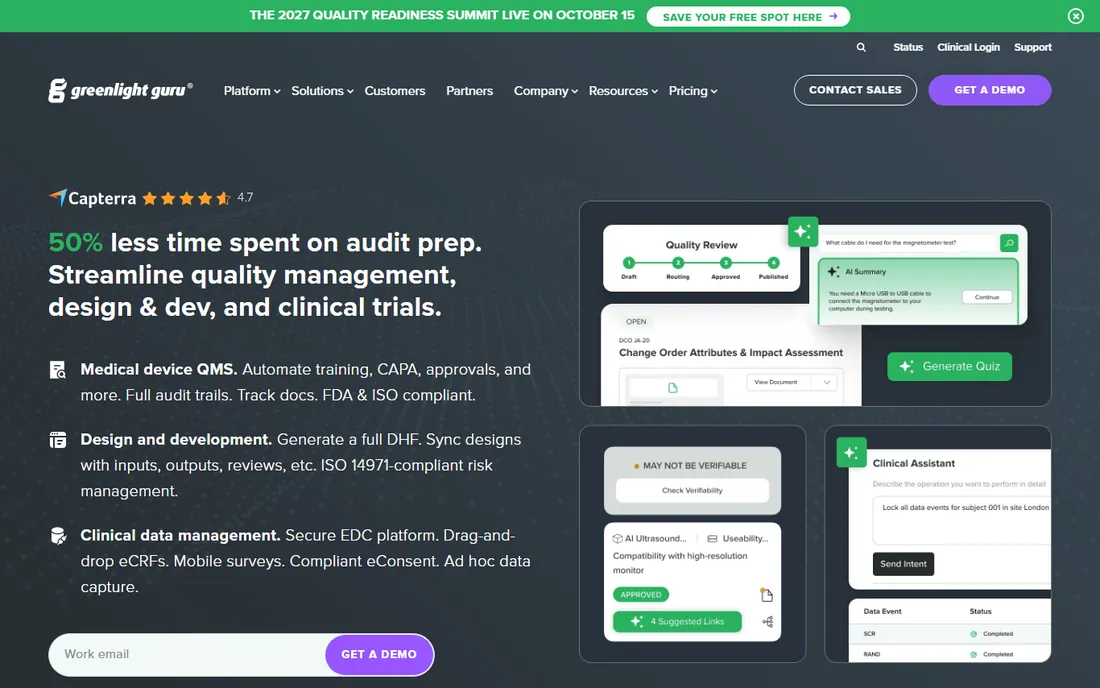
Greenlight Guru does one industry deeply: medical devices. Document control connects to design controls, risk management, CAPA and training in workflows shaped around FDA QSR and ISO 13485. Subscriptions start at $12,000 per year with implementation additional, and standard rollouts take 2 to 8 weeks.
Companies outside medical devices should look elsewhere; the specialization is the point. For a device company that wants software that speaks its regulatory language from day one, Greenlight Guru is the focused choice.
What we like- Purpose-built for medical devices
- Design controls included
- Fast implementation
Watch out for- Medical device focus limits other industries
- Implementation costs extra
Starting priceSee website
Free planFree trial
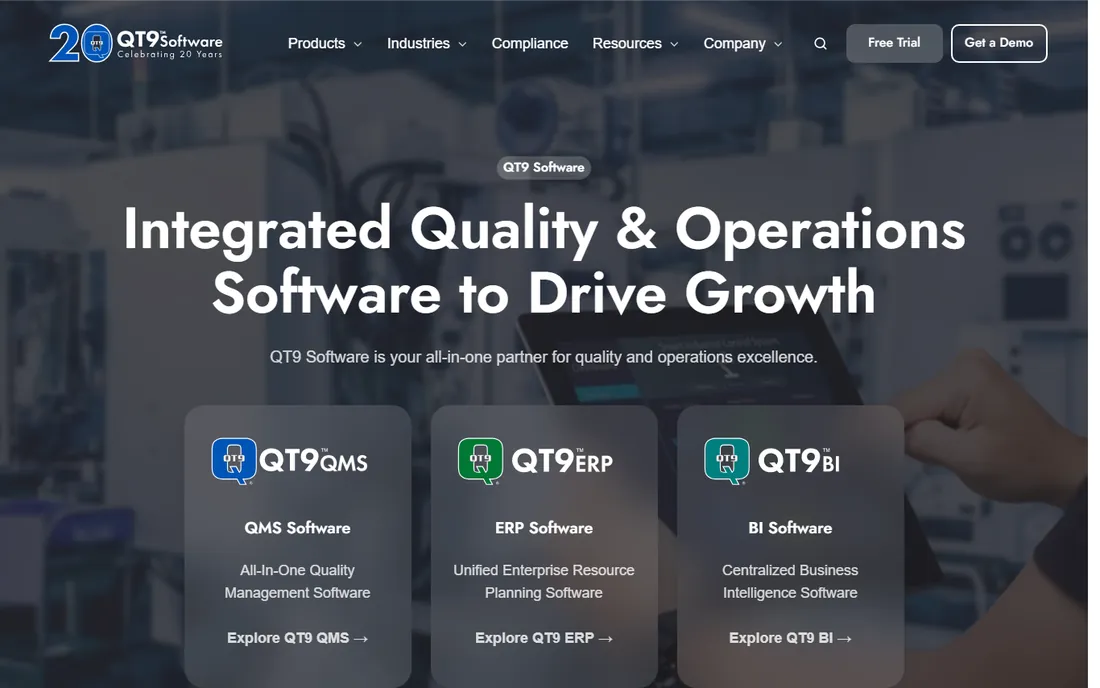
QT9 QMS serves manufacturers in pharmaceuticals, medical devices, aerospace and other regulated industries. Document control handles Office documents, PDFs, SolidWorks and AutoCAD files natively, which matters for engineering-heavy shops. CAPA, audits, training and calibration round out the suite.
The interface is functional rather than beautiful. Pricing is quote-based with a free trial available. For a manufacturer that needs CAD-aware document control without enterprise complexity, QT9 is a solid mid-market option.
What we like- Controls Office, PDF and CAD files
- Broad industry coverage
- Free trial available
Watch out for- Interface less modern than cloud-native rivals
- Quote-based pricing
Starting priceSee website
Free planNo
Intellect offers a no-code platform for building quality workflows, with document control as part of a broad QMS covering CAPA, audits, training, supplier quality and more. Aerospace and complex manufacturers value the configurability: processes adapt to the company rather than the reverse.
Deep configuration needs skilled administrators, and buying is enterprise-style with quotes. For organizations with unusual processes that off-the-shelf QMS cannot fit, Intellect's flexibility is the argument.
What we like- Highly configurable no-code platform
- Strong for aerospace and complex manufacturing
- Broad QMS coverage
Watch out for- Configuration needs expertise
- Enterprise sales process
Starting priceSee website
Free planNo
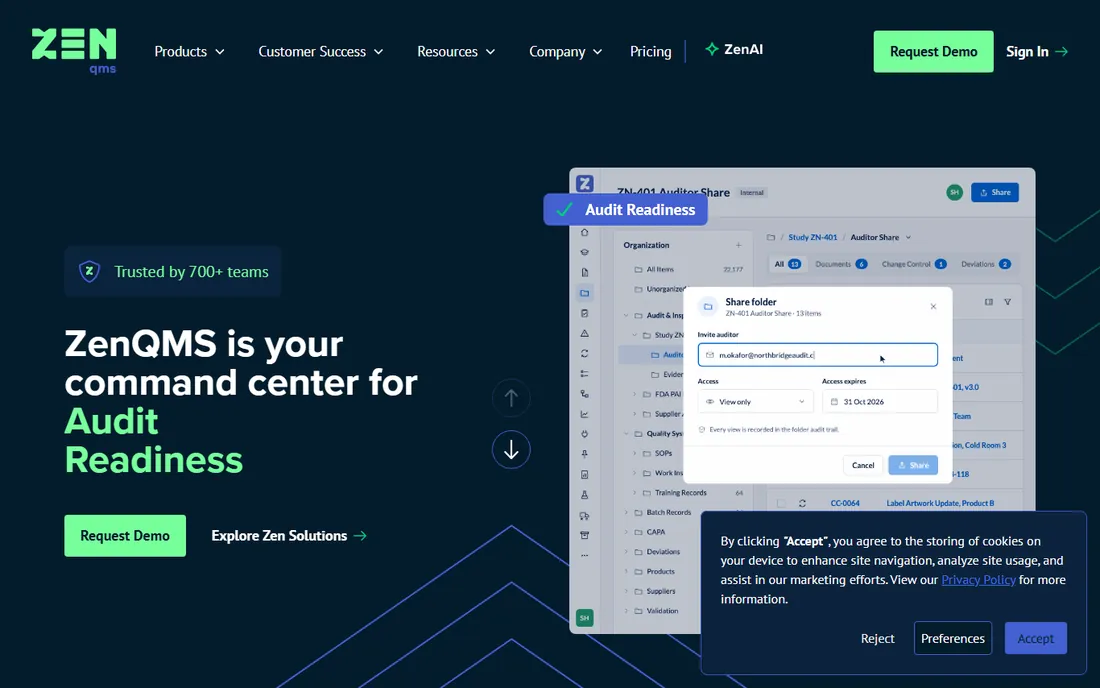
ZenQMS aims to make validated quality management simple. Document control, training, CAPA, audits and change control come with validation documentation included at no extra charge, and pricing avoids per-user complexity. Go-live in three months or less is the target.
Feature depth trails MasterControl and Veeva. For small to mid-size life science companies that want compliance without a full-time QMS administrator, ZenQMS keeps things manageable.
What we like- Easy to use
- Validation materials included
- No per-user pricing games
Watch out for- Less depth than enterprise suites
- Smaller vendor
Starting priceSee website
Free planNo
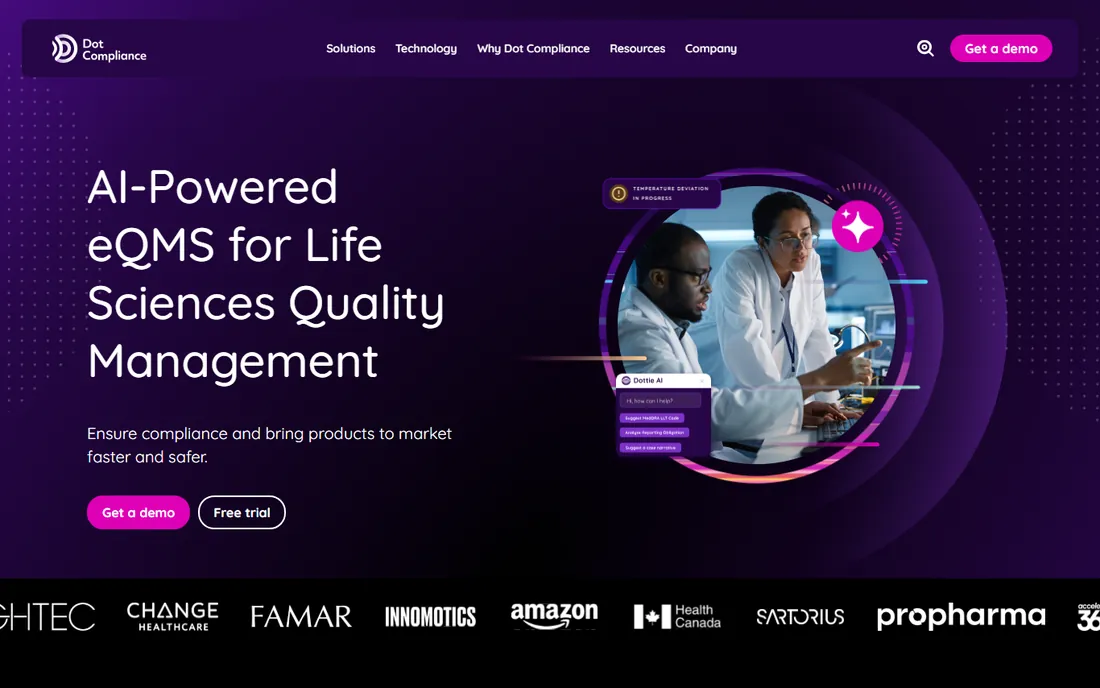
Dot Compliance provides a cloud QMS for life science companies from biotech startups to global pharma. Document control, training, CAPA and change management come with full validation packages, and the platform scales as the company grows through clinical stages to commercial.
Pricing is quote-based. Brand recognition trails MasterControl and Veeva, so reference checks matter. For a life science company planning growth from startup to commercial, Dot Compliance offers a path without replatforming.
What we like- Full validation packages
- Scales from startup to global
- Life science focus
Watch out for- Quote-based pricing
- Smaller brand than leaders
Starting priceSee website
Free planNo
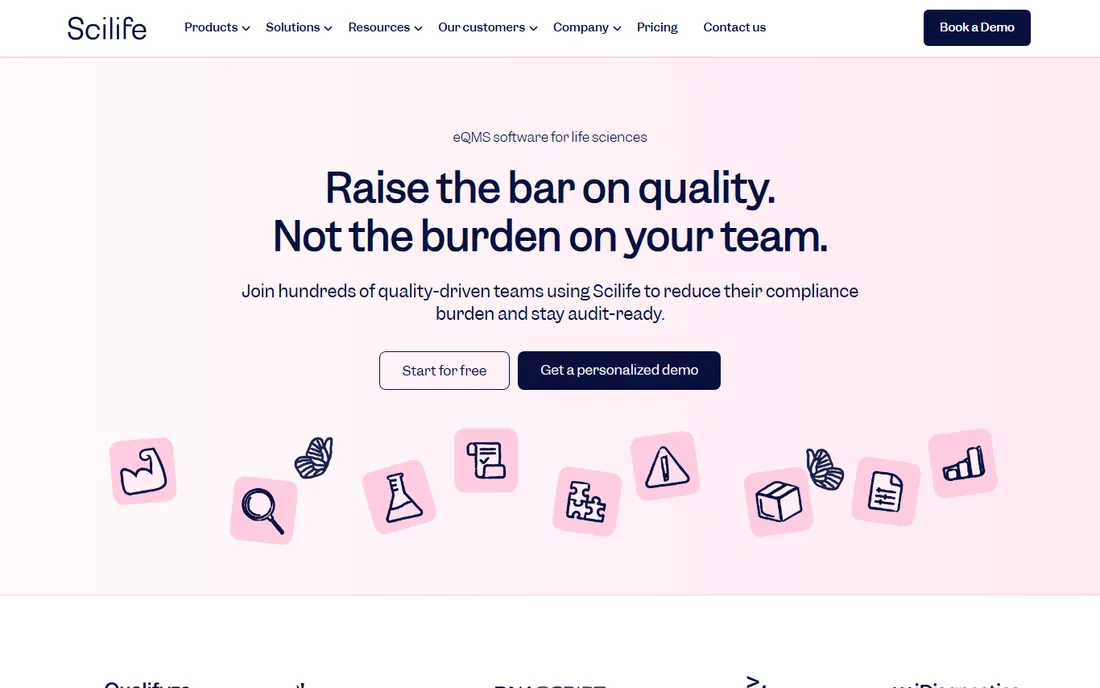
Scilife offers a modular cloud QMS where companies adopt document control, CAPA, training and other modules as needed. A signed GAMP 5 validation package comes on day one, and Microsoft Entra ID sign-in plus Office integration fit Microsoft-centric teams.
The vendor is newer than category leaders. Pricing is quote-based. For life science teams that want to start with document control and add modules over time, the modular approach controls both cost and complexity.
What we like- Modular design
- Signed GAMP 5 validation package
- Microsoft 365 integration
Watch out for- Newer vendor
- Quote-based pricing
Validation: the cost nobody puts on the pricing page
Document control software for regulated industries must be validated: documented proof that it does what it claims. Some vendors include validation packages (ZenQMS, Scilife, Dot Compliance); others sell them separately or expect you to validate yourself. Ask exactly what validation deliverables come with the subscription and what they cost. A cheap license with a six-figure validation project is not cheap.
What auditors actually check
Version control with no uncontrolled copies. Approval workflows with electronic signatures. Training records proving people read the current SOP version. Audit trails showing who changed what and when. Periodic review schedules. During demos, ask the vendor to walk an auditor's path: find the current version of an SOP, show its approval history, and prove who was trained on it. If that takes more than a few clicks, keep looking.
Change control workflows that auditors respect
Document control is really change control: the disciplined process of proposing, reviewing, approving and implementing changes to controlled documents. Auditors do not just check that you have procedures; they trace individual changes through the entire workflow looking for gaps. The workflow that satisfies them has a consistent shape. A change request describes what needs changing and why, with a business justification. Impact assessment identifies every affected document, process and training requirement. Reviewers from each affected function sign off. Approval comes from the designated authority. Implementation updates the documents, trains the affected people, and sets the effective date. The software should enforce this sequence, not merely allow it. If users can skip steps, auditors will find the skipped steps.
Electronic signatures are where many implementations stumble. FDA 21 CFR Part 11 (and its equivalents elsewhere) requires signatures to be attributable, legible, original, and linked to the specific record version signed. The practical requirements: unique user credentials (no shared logins, ever), signatures applied within the system (not pasted images), and a clear record of what was signed, when, and in what role. Test this in the trial by walking a document through the full signature workflow and then inspecting the audit trail. Can you prove who signed version 3 versus version 4? Can you prove the signer saw the current version? If the answers require interpretation, the implementation is wrong.
Training linkage is the requirement everyone forgets until the audit finding. When a controlled document changes, the people who work to that document must be trained on the new version before it takes effect. The software should connect document revisions to training assignments automatically: new version approved, training tasks generated for the affected roles, effective date held until training completes. Manual training tracking in spreadsheets alongside electronic document control is a red flag auditors love to find. During evaluation, change a test document and verify that training tasks appear for the right people without manual intervention. This single integration prevents more findings than any other feature.
Periodic review keeps the system honest. Controlled documents need review on a schedule (annually or biennially is typical) even when nothing changed, to confirm they still reflect reality. The software should track review due dates, notify owners, and record the review outcome: confirmed current, revised, or retired. Documents that miss review deadlines should escalate visibly. Auditors routinely sample for overdue reviews because they indicate a system running on autopilot. A clean periodic review record signals a living quality system; a backlog of overdue reviews signals the opposite.
Deviation handling completes the picture. When reality diverges from the controlled document (and it will), there must be a controlled way to handle it: document the deviation, assess impact, get approval, and either correct the process or change the document. Uncontrolled deviations (sticky notes on the procedure, verbal workarounds) are audit findings waiting to happen. The software should make the right path easy: a deviation form linked to the affected document, with the same review and approval discipline as a planned change. Organizations that handle deviations well turn them into improvement opportunities. Organizations that hide them turn them into findings.
Frequently asked questions
What is document control software?
Software that manages controlled documents (SOPs, work instructions, forms) through their lifecycle: creation, review, approval, distribution, training and archival. In regulated industries it provides the audit trails and electronic signatures inspectors require.
How much does document control software cost?
Greenlight Guru starts at $12,000 per year. Most others are quote-based, ranging from tens of thousands for mid-market to six figures for enterprise, plus implementation and validation. Always get the all-in first-year number.
What is 21 CFR Part 11 compliance?
FDA regulations for electronic records and signatures in life sciences. Compliant software provides audit trails, electronic signatures, access controls and validation documentation. If you sell to the US life science market, this is usually mandatory.
How long does implementation take?
Cloud-native tools like Qualio and Greenlight Guru go live in 1 to 3 months. Enterprise platforms like MasterControl and Veeva take 3 to 12 months depending on scope. Data migration and validation, not installation, drive the timeline.
Can we use SharePoint or Google Drive instead?
Many companies start there, but shared drives lack true version control, approval workflows, training linkage and audit trails. Inspectors notice. Dedicated document control software exists because drives fail audits.
Do we need document control if we are not FDA regulated?
ISO 9001 and most quality standards still require controlled documents. Even unregulated companies benefit from version control and approval workflows once document chaos costs real time.
How we chose
We compared the document control systems regulated companies actually buy, from mid-market cloud tools to enterprise suites. Pricing is quote-based across most of the category; we publish figures where vendors disclose them. We weighted validation support, audit readiness, implementation speed and fit for different company sizes. No hands-on testing was performed; assessments rest on vendor documentation and public reviews.
Sources we checked (11)
- https://www.mastercontrol.com/
- https://www.qualio.com/
- https://www.veeva.com/
- https://www.greenlight.guru/
- https://qt9software.com/
- https://www.intelx.com/
- https://www.zenqms.com/
- https://www.dotcompliance.com/
- https://www.scilife.io/
- https://wloger.com/best-eqms-for-ophthalmic-device-companies-in-2026-8-platforms-ranked.shtml
- https://techbullion.com/best-eqms-for-samd-and-digital-health-companies-in-2026-8-platforms-ranked/
Is your product missing or out of date?
We review this list regularly. Vendors can request a listing, send updated pricing or ask about featured placement.

Shihab Mia · Founder, Rankite
Shihab has spent more than a decade helping SaaS and e-commerce brands grow through search. He writes Rankite's software buying guides from pricing pages, documentation and public user reviews. More about Shihab.