How we make this list: we compare pricing pages, product documentation and public user reviews. Rankite is independent; if a vendor ever pays for a featured spot, that listing is clearly labeled Partner.
Key takeaways
- LivePlan is the best-known option and the easiest for first-time founders, with guided writing and solid financial forecasting.
- Upmetrics and IdeaBuddy suit founders who want modern templates plus AI help drafting each section.
- PlanGuru and Enloop lean toward the numbers: serious budgeting and forecasting for finance-minded founders.
- Bizplan and PlanBuildr focus on speed, getting a presentable plan together fast for accelerators and lenders.
- Business Plan Pro and Ultimate Business Planner are the old-school desktop options for founders who want a one-time purchase.
Quick comparison
Is your product missing or out of date?
We review this list regularly. Vendors can request a listing, send updated pricing or ask about featured placement.
The best business plan software for startups
Starting priceSee website
Free planNo
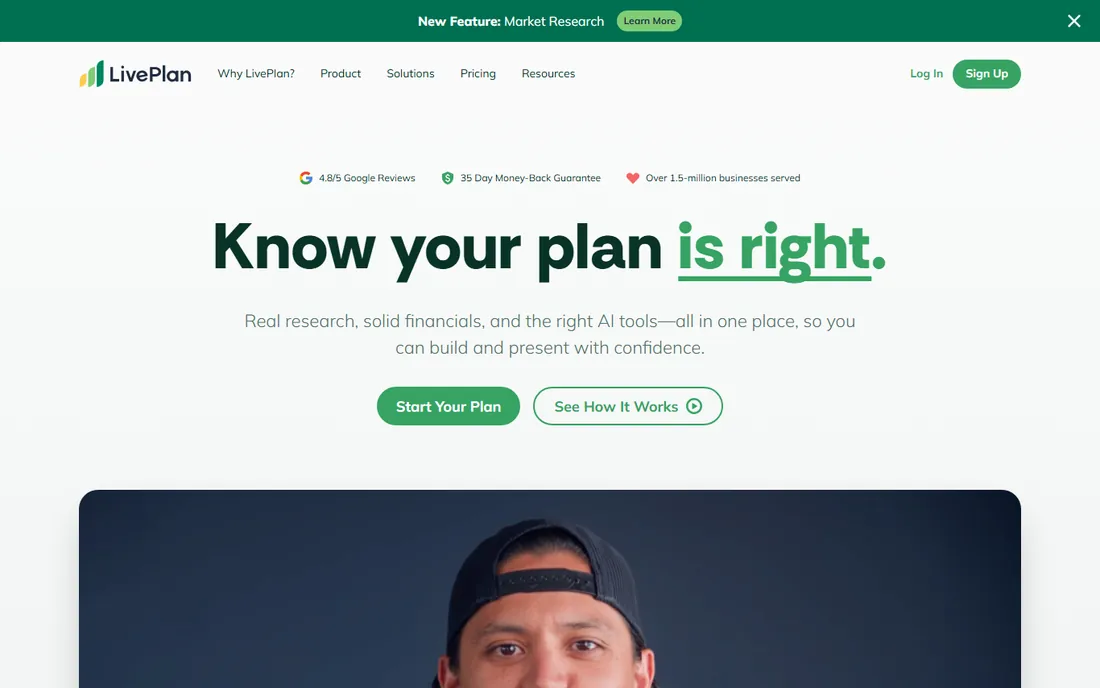
Nobody writes a great business plan on the first try, and LivePlan is built around that fact. The software walks founders through each section with prompts, examples, and short video guidance, then connects the narrative to real financial forecasts: profit and loss, cash flow, and balance sheet. Because it comes from Palo Alto Software, the company behind the original Business Plan Pro, lenders and Small Business Development Centers know the output format.
The subscription model is the main complaint. You pay monthly or annually for as long as you need the plan, and the guided structure that helps beginners can feel restrictive to experienced founders. Still, for a first-time founder facing a bank loan application or an accelerator deadline, LivePlan remains the safest recommendation.
What we like- Guided step-by-step writing
- Strong financial forecasting
- Trusted by lenders and SBA offices
Watch out for- Subscription only
- Templates can feel formulaic
Starting priceSee website
Free planNo
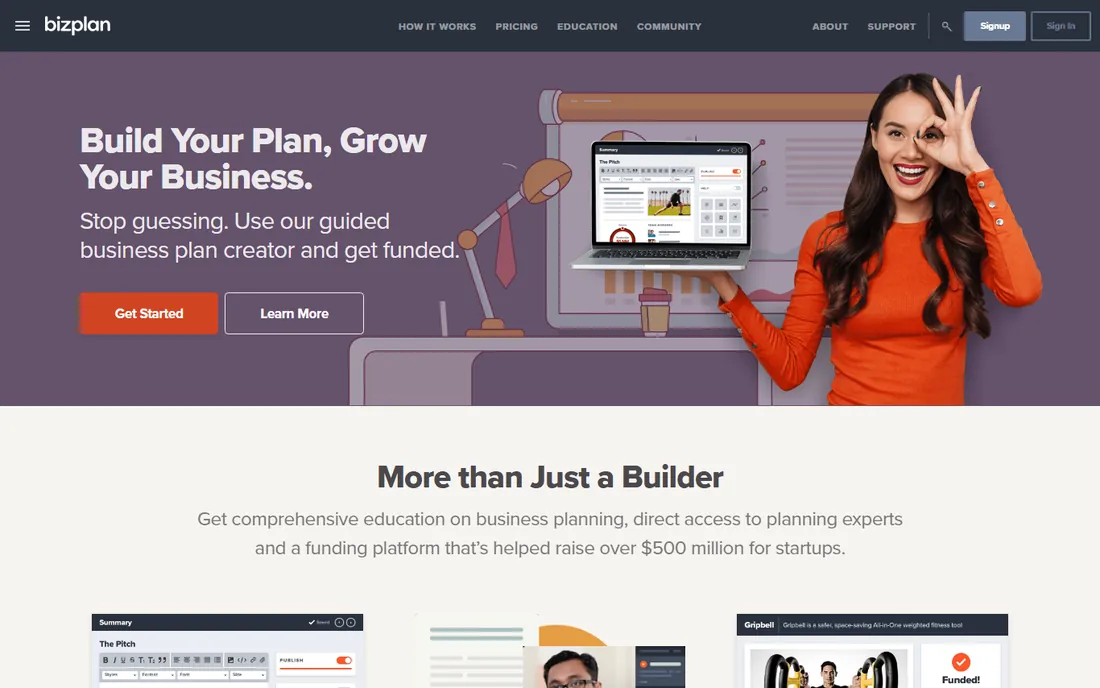
Bizplan, from the team behind Startups.com, treats the business plan as a fundraising document first and a planning exercise second. The drag-and-drop builder assembles sections quickly, and the platform adds fundraising-specific tools like a fundability assessment. The output looks modern, which matters when the plan goes to investors or partners.
Financial modeling is lighter than LivePlan or PlanGuru, so finance-heavy founders may find it thin. The template range is also narrower. Where Bizplan earns its place is speed and presentation: if you need a credible, good-looking plan this week, it gets you there with less friction than the deeper tools.
What we like- Drag-and-drop builder
- Fundraising tools included
- Clean modern output
Watch out for- Fewer forecasting options
- Smaller template library
Starting priceSee website
Free planYes
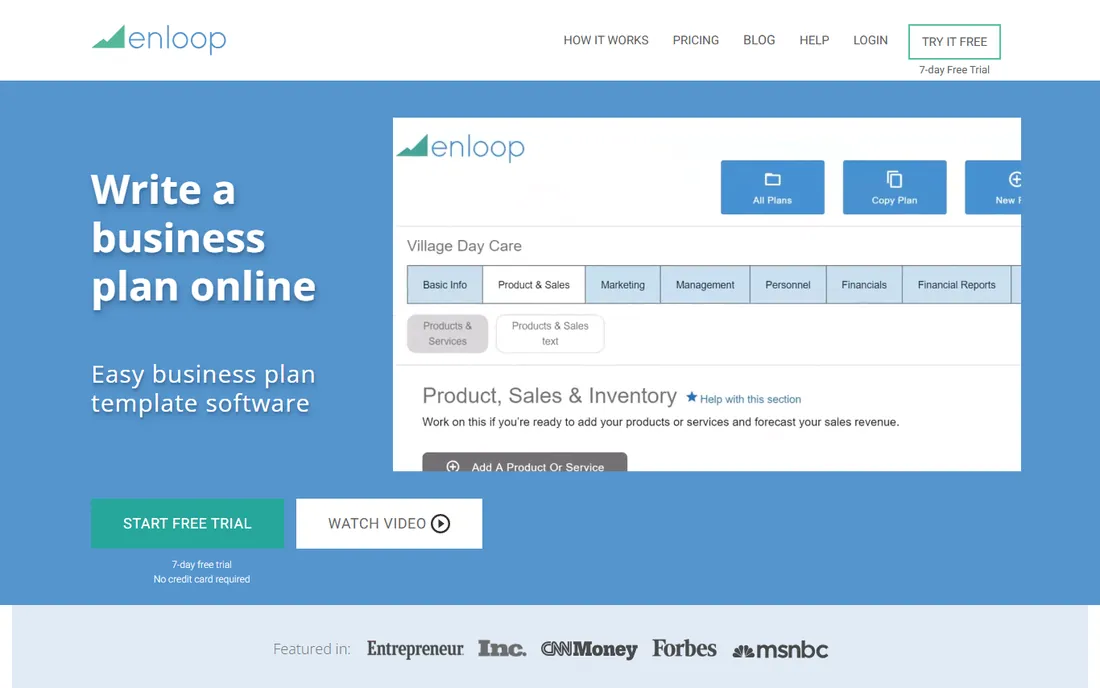
Enloop's trick is automation. Enter your business details and it generates financial forecasts, ratios, and a basic plan structure without you touching a spreadsheet. It even scores your plan's performance and compares it against industry benchmarks. There is a genuinely free tier, which is rare in this category.
The writing side is the weak point. If you need help articulating your market, strategy, and story, Enloop offers less hand-holding than LivePlan or Upmetrics. Think of it as a financial engine with a plan attached, not a writing coach. For founders who already know their story and just need credible numbers fast, it is efficient and cheap.
What we like- Auto-generates financial statements
- Free basic plan
- Performance scoring
Watch out for- Writing guidance is thin
- Interface is dated
Starting priceSee website
Free planNo

PlanGuru is the tool accountants recommend when the numbers have to be right. It handles budgeting, forecasting, and financial reporting with a depth the consumer-oriented planners cannot match: multi-year projections, departmental budgets, consolidations across entities, and detailed ratio analysis. Many CPA firms use it with clients, which tells you who it is really for.
That depth is also the barrier. A non-finance founder will find PlanGuru demanding, and it is overkill for a simple one-page plan. Choose it when the financial model is the point: raising institutional money, managing multiple entities, or working with an accountant who already speaks PlanGuru.
What we like- Deep financial modeling
- Consolidations and multi-entity support
- Trusted by accountants
Watch out for- Overkill for simple plans
- Learning curve for non-finance founders
Starting priceSee website
Free planNo
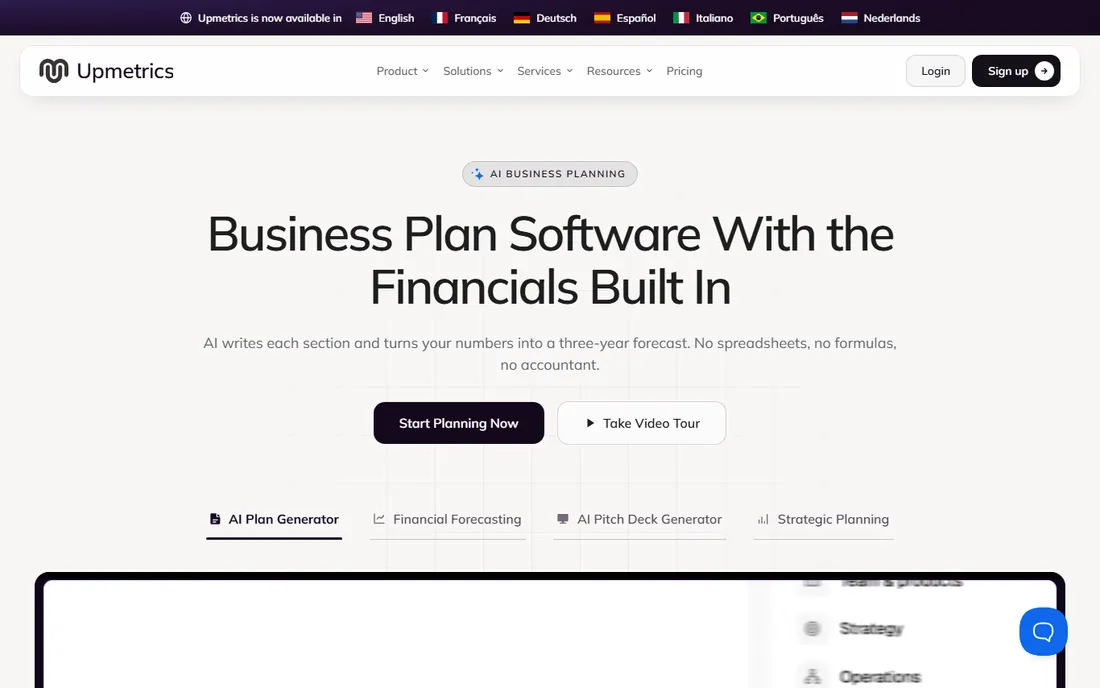
Upmetrics is the modern answer to LivePlan. It offers hundreds of industry-specific templates, a guided builder, and an AI assistant that drafts sections from your inputs. The financial forecasting tools are solid, and collaboration features let co-founders and advisors work on the plan together. The interface feels current, which matters when you will spend hours inside it.
As with any AI-assisted writing, the drafts need a human pass. Generic AI text in a business plan is easy for an experienced reader to spot, so treat the assistant as a starting point. Pricing is subscription-based. For founders who want contemporary design and do not mind editing AI output, Upmetrics is a strong pick.
What we like- 400+ templates
- AI writing assistant
- Good financial forecasting
Watch out for- Subscription only
- AI output needs editing
Starting priceSee website
Free planNo
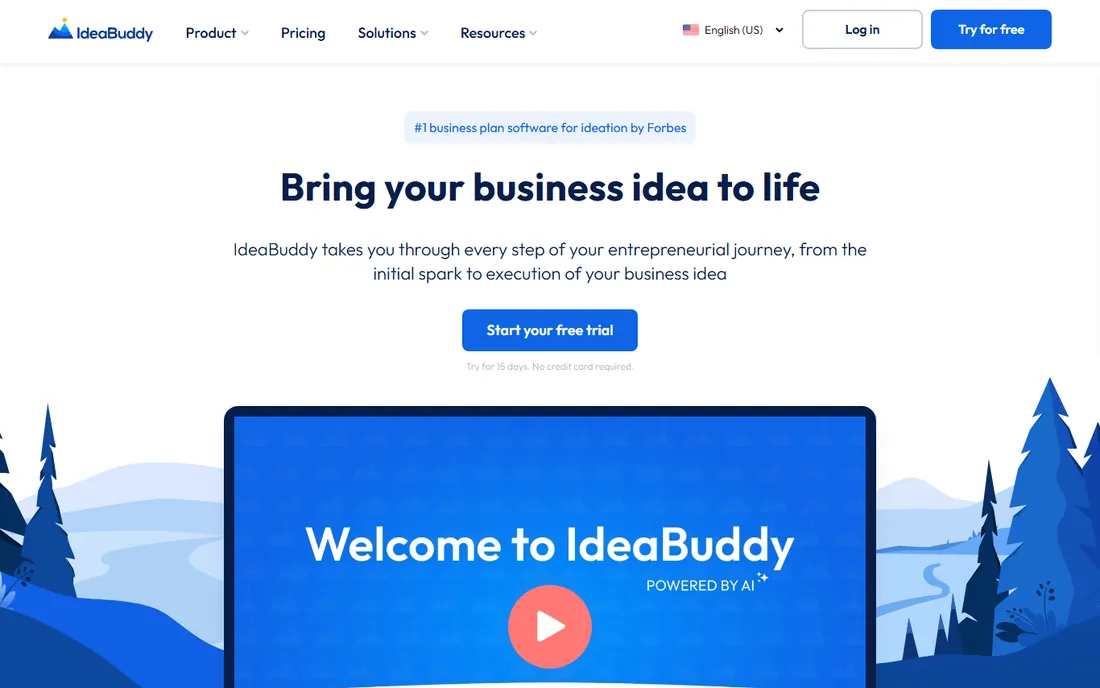
IdeaBuddy starts one step earlier than most planners: before the business plan, it helps you validate the idea itself with a business model canvas and structured brainstorming. Once the idea holds up, the same platform walks you through turning it into a full plan with financial projections. That two-stage flow fits pre-launch founders who are still shaping the concept.
The financial modeling is lighter than PlanGuru or LivePlan, and the company is newer with a shorter track record. But for a founder at the idea stage, validation before planning is the right order of operations, and IdeaBuddy is one of the few tools that treats it that way.
What we like- Idea validation canvas
- Step-by-step plan builder
- Good for pre-launch founders
Watch out for- Less depth on financials
- Newer and less proven
Starting priceSee website
Free planNo
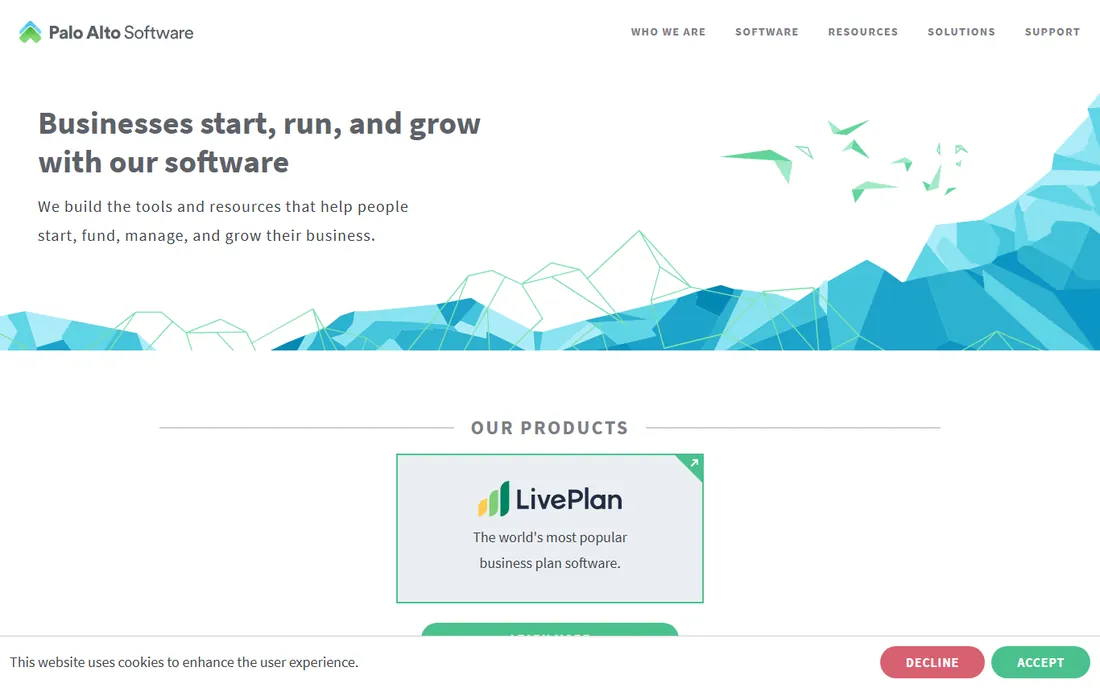
Business Plan Pro is the grandparent of this entire category, from Palo Alto Software. It has been helping founders write plans since the 1990s, and its library of over 500 sample plans remains unmatched. Unlike most tools here, it is traditional desktop software with a one-time purchase, which appeals to founders who dislike subscriptions.
The interface shows its age, and the Windows focus limits Mac users. But the fundamentals are sound: guided writing, financial forecasting, and an enormous example library to learn from. If you want to own your software outright and do not care about modern design, it still does the job it was built for.
What we like- The original business plan software
- Huge example library
- One-time purchase
Watch out for- Dated interface
- Windows-focused
Starting priceSee website
Free planNo
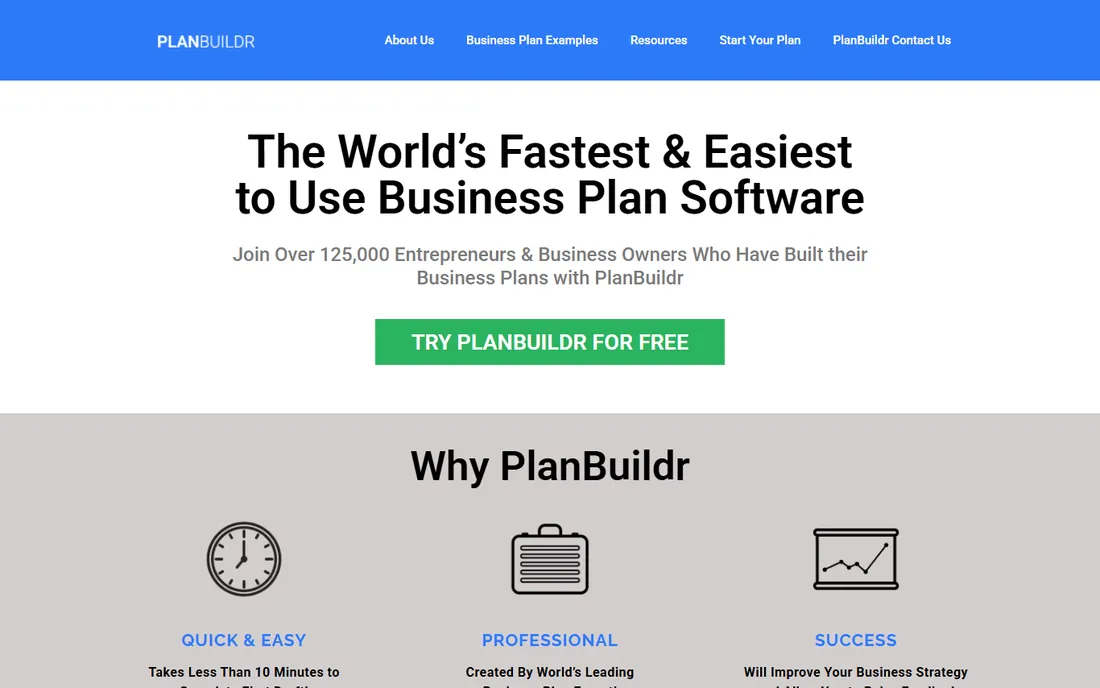
PlanBuildr leans fully into AI: describe your business, answer some questions, and it generates a complete business plan draft. For founders who stare at a blank page and freeze, that is genuinely useful. The whole process can take under an hour, and the structure covers the standard sections lenders and programs expect.
The catch is quality. AI-generated plans read as generic until a founder rewrites them with real specifics about their market, customers, and numbers. Treat PlanBuildr as a first-draft machine, not a finished product. Used that way, it is the fastest route from zero to a workable draft on this list.
What we like- Generates full plans from prompts
- Very fast
- Simple workflow
Watch out for- Output needs heavy editing
- Limited customization
Starting priceSee website
Free planNo
Ultimate Business Planner, from Atlas Business Solutions, is one of the last traditional options: pay once, install it, and write your plan without a monthly bill. The software explains each section as you go, includes financial wizards, and produces clean printed plans suitable for banks. For a founder writing one plan for one loan application, the economics make sense.
Like Business Plan Pro, it is not modern software. The design is dated and updates are infrequent. But not every founder needs a cloud platform with AI. If you want a straightforward tool you buy once and own, this is one of the few remaining choices.
What we like- One-time purchase, no subscription
- Guided explanations
- Prints professional plans
Watch out for- Dated design
- Limited ongoing updates
Guided writing versus a blank page
The biggest predictor of whether you finish your plan is how much structure the tool provides. First-time founders should favor guided builders (LivePlan, Upmetrics, IdeaBuddy) with prompts and examples. Experienced founders who know the format can save money with lighter tools. An unfinished plan helps nobody, so pick the tool you will actually complete.
Financial forecasts lenders believe
Banks and investors skim the narrative and study the numbers. The software should produce proper financial statements: profit and loss, cash flow, and balance sheet, with assumptions you can defend. Auto-generated numbers (Enloop, PlanBuildr) are a starting point, not a finished forecast. If the numbers matter for fundraising, use a deeper tool or work with an accountant.
Output format and sample plans
Check what the finished plan looks like before you buy. Some tools export clean PDFs ready for a bank; others produce documents that need reformatting. A large library of sample plans in your industry (Business Plan Pro leads here) is worth more than generic templates when you are learning the format.
Subscription versus one-time purchase
Most modern planners are subscriptions: you pay for as long as you need the plan, then cancel. Desktop tools like Business Plan Pro and Ultimate Business Planner charge once. If you are writing a single plan for a loan application, one-time software is cheaper. If the plan is a living document you will update for years, a subscription with cloud access makes more sense.
How we chose
We focused on software designed for startup business planning in 2026: guided writing, financial forecasting, and credible output for lenders and investors. We evaluated vendor documentation, pricing pages, template quality, and long-term reputation, and we included both modern subscription platforms and traditional one-time-purchase software. We excluded generic AI chatbots, consulting services, and free article templates that are not real planning tools. No vendor paid for placement, and we did not write test plans for this guide.
Do investors still read business plans?
It depends on the investor. Banks and the SBA still want formal plans for loans, and many accelerators and grant programs require them. Venture capitalists, on the other hand, usually prefer a pitch deck and traction data over a 40-page document. The practical advice: write the plan because the discipline of writing it improves your thinking, keep it updated as a management tool, and derive your pitch deck and loan applications from it. The software matters less than the clarity of the thinking, but good software makes the thinking easier to organize.
Frequently asked questions
What is the best business plan software for a first-time founder?
LivePlan is the safest default: guided writing, examples, and financial forecasts in one place, with a format lenders recognize. Upmetrics is the modern alternative with AI help. Either one will get a beginner from blank page to finished plan.
Is there free business plan software?
Enloop offers a free tier with basic auto-generated plans, which is genuinely useful. The SBA also provides free planning guidance and templates. Free options work for simple plans, but paid tools give you better financial modeling and more professional output for loan applications.
How long does it take to write a business plan with software?
With a guided tool and your numbers ready, a solid first draft takes a weekend. AI-assisted tools like PlanBuildr can produce a draft in under an hour, but expect several more hours of editing to make it credible. Rushing the financial section is the most common mistake; give the numbers real thought.
Do I need business plan software or just a template?
Software earns its keep in two places: the financial forecasts and the guidance. A free template gives you headings; software like LivePlan or PlanGuru builds proper financial statements and checks your math. If you are comfortable in spreadsheets, a template plus your own model can work. If not, software is worth the cost.
Can business plan software help me get a loan?
It helps you produce what lenders ask for: a structured plan with financial projections in a format they recognize. LivePlan's SBA-friendly output is one reason for its popularity. But software does not improve your creditworthiness or your business fundamentals. It makes your case clearly; the business still has to be sound.
Sources we checked (9)
- https://www.liveplan.com
- https://www.bizplan.com
- https://enloop.com
- https://planguru.com
- https://upmetrics.co
- https://ideabuddy.com
- https://www.paloalto.com
- https://planbuildr.com
- https://www.ultimatebusinessplanner.com
Is your product missing or out of date?
We review this list regularly. Vendors can request a listing, send updated pricing or ask about featured placement.

Shihab Mia · Founder, Rankite
Shihab has spent more than a decade helping SaaS and e-commerce brands grow through search. He writes Rankite's software buying guides from pricing pages, documentation and public user reviews. More about Shihab.
 LivePlan
 Bizplan
 Enloop
 PlanGuru
 Upmetrics
 IdeaBuddy
 Business Plan Pro
 PlanBuildr
 Ultimate Business Planner