How we make this list: we compare pricing pages, product documentation and public user reviews. Rankite is independent; if a vendor ever pays for a featured spot, that listing is clearly labeled Partner.
Key takeaways
- Enumerate (formerly TOPS Software) and Vantaca lead full-featured HOA management for professional managers.
- AppFolio and Buildium bring strong property management platforms with HOA capabilities.
- PayHOA serves self-managed associations that need simplicity and affordability.
- Condo Control, BuildingLink, and FrontSteps focus on resident experience and communication.
- CINC Systems covers HOA accounting depth for firms that live in the numbers.
Quick comparison
Is your product missing or out of date?
We review this list regularly. Vendors can request a listing, send updated pricing or ask about featured placement.
The top HOA software
Starting priceSee website
Free planNo
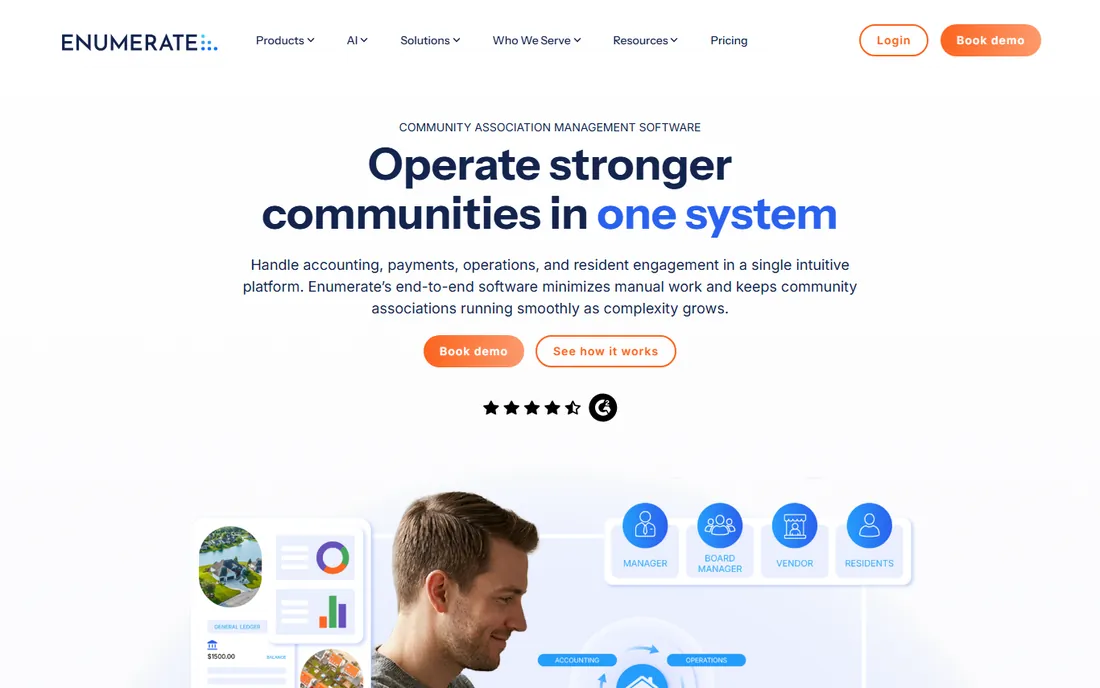
Enumerate, formerly known as TOPS Software, has served community associations for decades: assessment billing and collection, work orders, violations, architectural requests, and owner portals in one platform. Thousands of associations and management companies run on it. The accounting depth (fund accounting, budgets, financials) matches how HOAs actually operate.
The interface reflects its long history rather than modern design trends. Pricing targets professional managers. But for full-featured HOA management with proven accounting, Enumerate's experience in the specific weirdness of community associations (assessments, violations, ARC requests) is unmatched.
What we like- Purpose-built for HOAs
- Deep accounting
- Long industry history
Watch out for- Interface reflects its age
- Enterprise pricing
Starting priceSee website
Free planNo
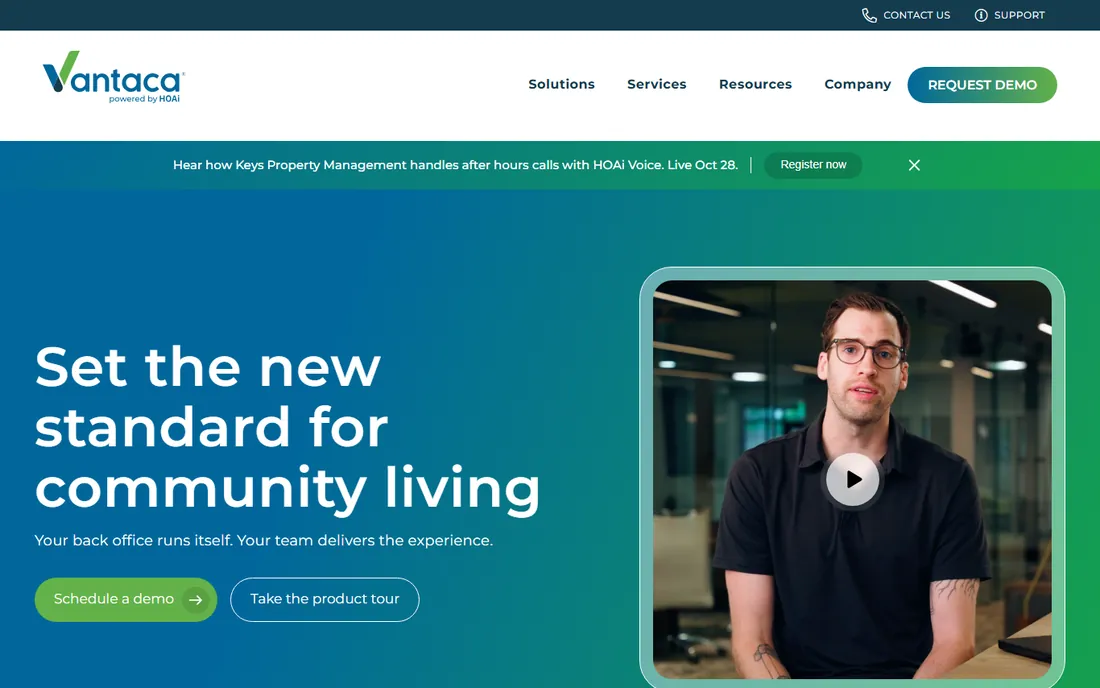
Vantaca brings modern software design to HOA management: assessment processing, homeowner portals, work orders, and violations with automation that reduces manual work. Management companies appreciate the cleaner workflows and the pace of development. It suits firms that want current technology rather than legacy systems.
It lacks the decades of history of Enumerate or CINC. Pricing targets professional management companies. But for managers choosing software for the next decade rather than living with the last one, Vantaca's modern platform and automation focus make a strong case.
What we like- Modern interface
- Strong automation
- Good for growing managers
Watch out for- Newer than legacy players
- Pricing for professionals
Starting priceSee website
Free planNo
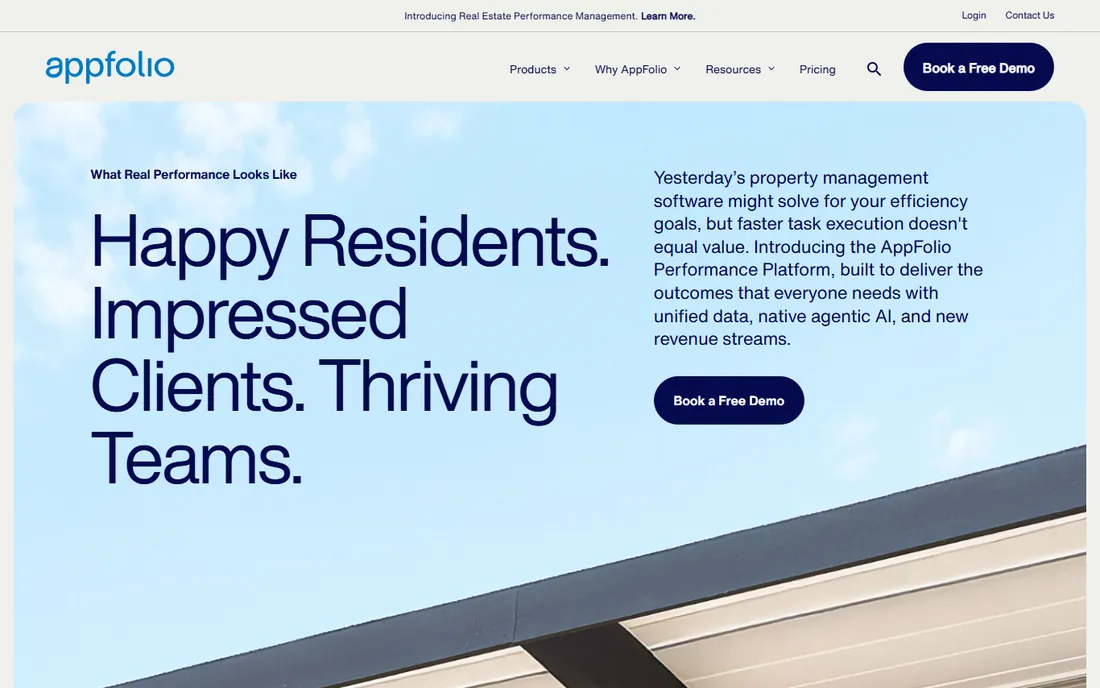
AppFolio's property management platform handles HOA and community association management alongside its rental strengths: online payments, owner portals, maintenance, and communication in a polished, mobile-friendly package. Managers handling both rentals and associations get one system. The AI features (leasing assistance, automation) show where the platform is heading.
HOA-specific workflows are less deep than the pure HOA players. Pricing is premium. But for mixed portfolios, AppFolio's quality and unified platform beat running separate systems. The user experience (for managers, owners, and residents) is the best here.
What we like- Excellent platform
- Strong mobile apps
- AI features
Watch out for- HOA is secondary to rentals
- Premium pricing
Starting priceSee website
Free planNo
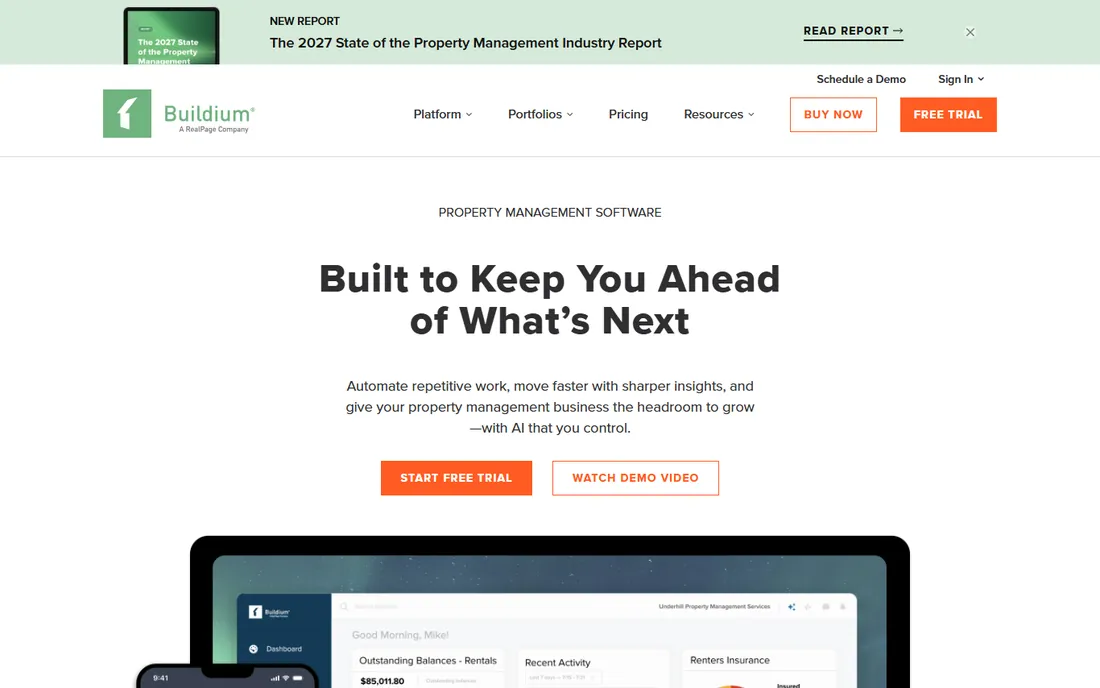
Buildium serves smaller property managers well: straightforward accounting, online payments, maintenance tracking, and owner portals at accessible prices. Small HOA managers get professional software without enterprise cost or complexity. The learning curve is gentle.
HOA-specific features (violations, ARC, fund accounting depth) trail the specialists, and large portfolios outgrow it. But for small managers and self-managed associations stepping up from spreadsheets, Buildium's simplicity and price hit the sweet spot. It does the essentials reliably.
What we like- Affordable
- Easy to learn
- Good for small portfolios
Watch out for- Less HOA-specific depth
- Limited at scale
Starting priceSee website
Free planNo
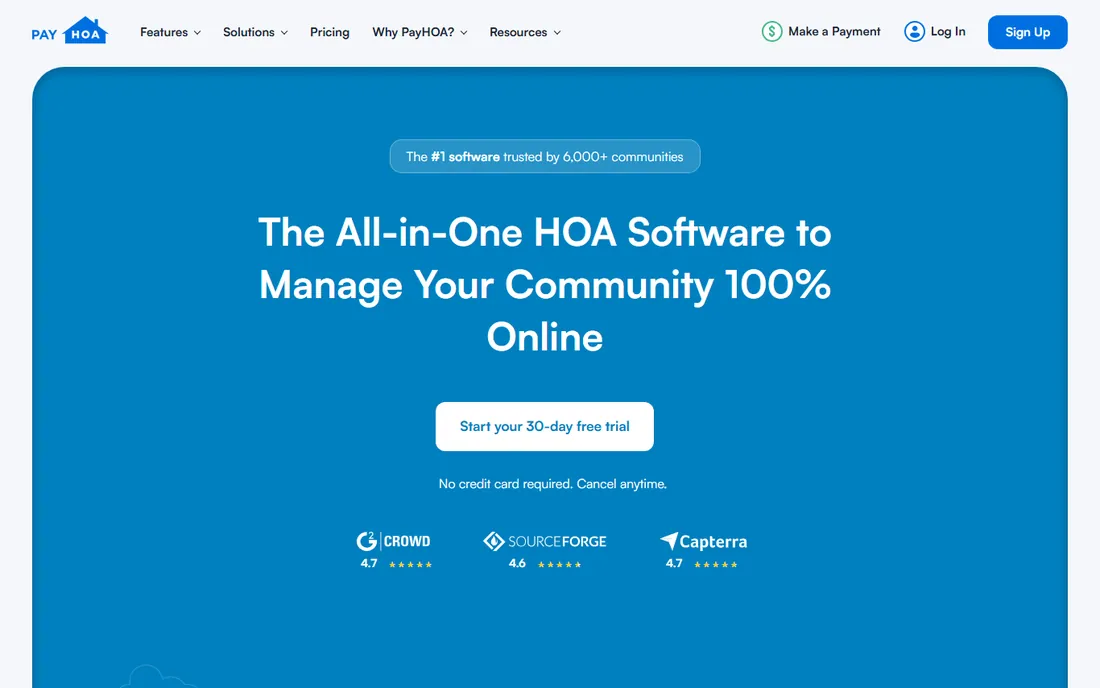
PayHOA is designed for self-managed associations: the volunteer board treasurer who needs assessment collection, expense tracking, and owner communication without hiring a management company. The pricing is accessible, the interface assumes non-professionals, and setup is quick. It fills the gap between spreadsheets and professional software.
Professional managers need more depth. But most American HOAs are self-managed, and they have been underserved by enterprise software. PayHOA's focus on the volunteer board is exactly right for its audience. Simplicity is the feature.
What we like- Built for self-managed
- Very affordable
- Simple
Watch out for- Less for professional managers
- Fewer advanced features
Starting priceSee website
Free planNo
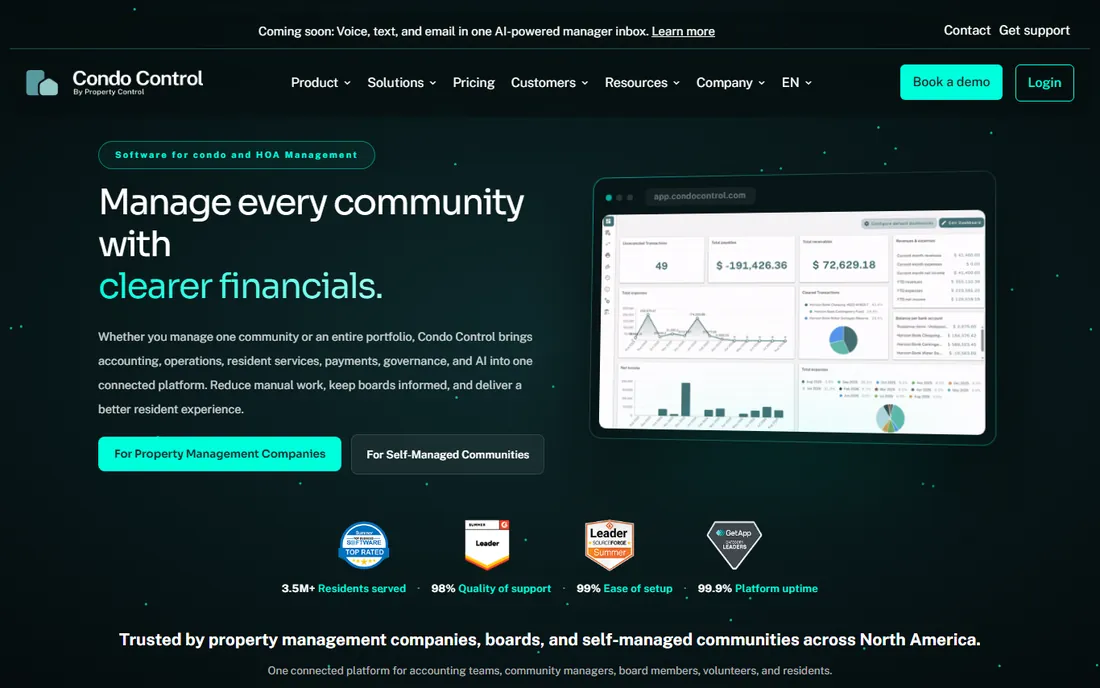
Condo Control excels at the resident experience: announcements, amenity bookings, visitor management, and service requests through portals and apps residents actually use. Urban condos and large communities value the communication depth. The platform reduces the front-desk burden measurably.
Accounting and assessment depth trail the full management platforms; pair it with accounting software for complete operations. But resident satisfaction increasingly decides management contracts, and Condo Control's communication tools directly improve it. Happy residents renew.
What we like- Great communication tools
- Amenity booking
- Resident-focused
Watch out for- Less accounting depth
- Condo/urban focus
Starting priceSee website
Free planNo
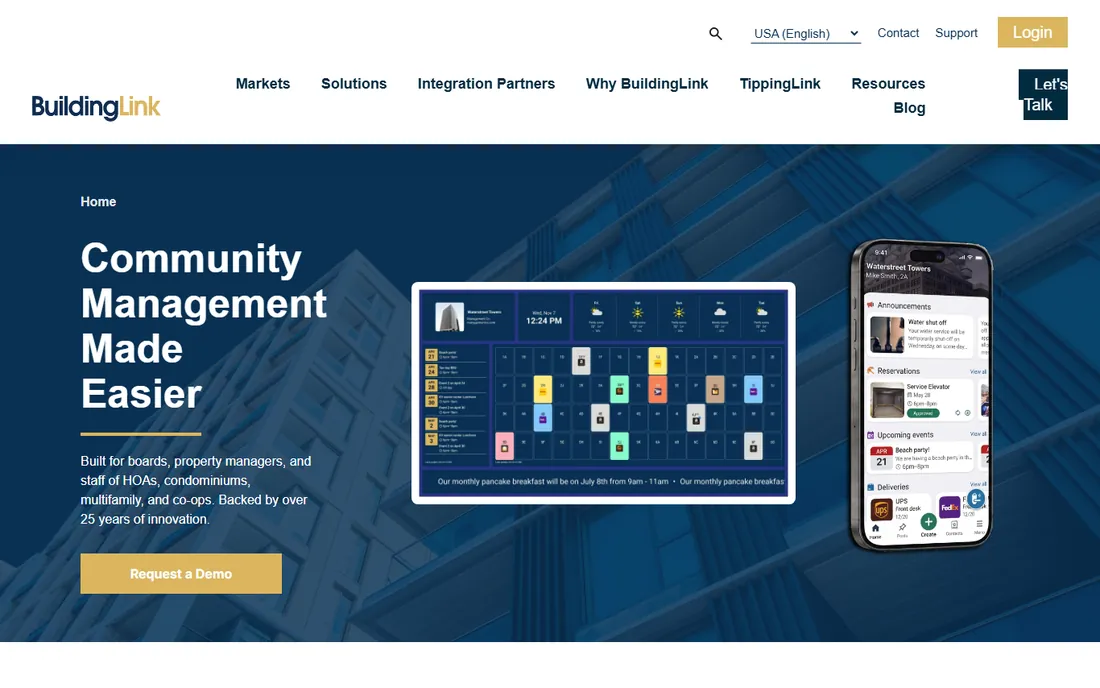
BuildingLink manages the physical building: front desk operations, package tracking, maintenance requests, amenity reservations, and resident communication for condos and large residential buildings. The operational depth (key tracking, move management, incident reports) suits staffed buildings. It has served the industry for years.
HOA financial management is thinner; it complements rather than replaces accounting platforms. But for the day-to-day running of residential buildings, BuildingLink's operational focus addresses what property staff actually do all day. Operations software for operations people.
What we like- Deep building operations
- Front desk tools
- Established
Watch out for- Building-focused
- Less HOA accounting
Starting priceSee website
Free planNo
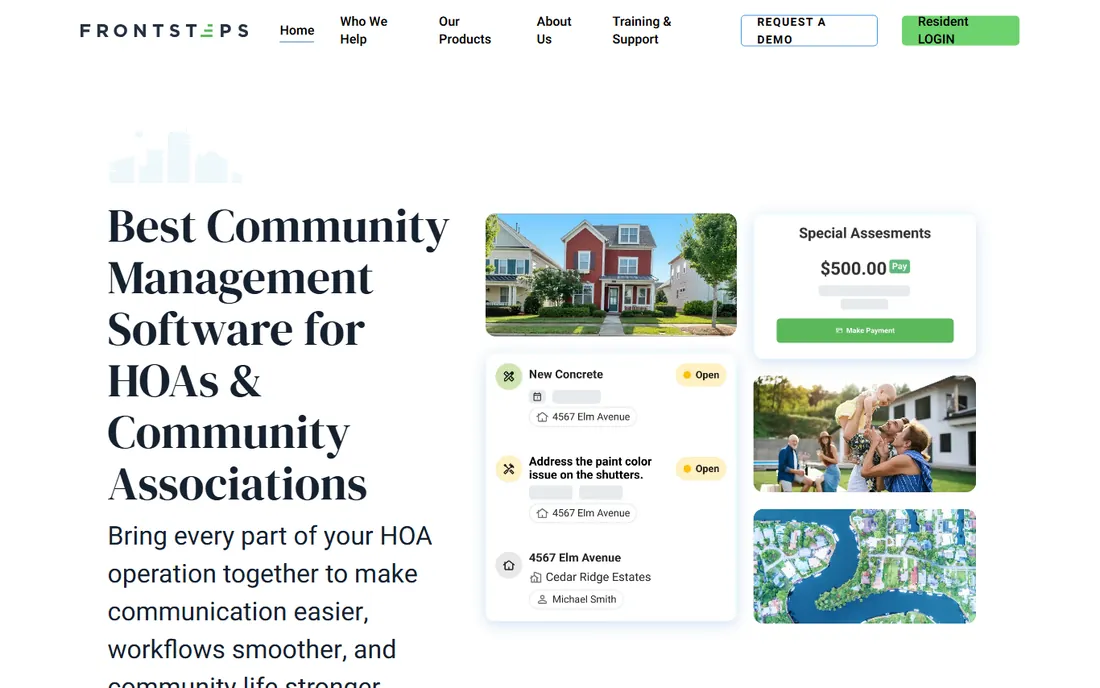
FrontSteps combines community management with engagement: homeowner portals, payments, communication, and integrations with gate and security systems. Planned communities value the combination of association management and physical security. The platform covers the suburban HOA use case well.
The broad focus means less depth in any single area than specialists. Pricing varies by community size. But for communities where the gate, the pool, and the assessments all need managing, FrontSteps's integrated approach covers the reality of community living.
What we like- Strong community features
- Payments
- Security integration
Watch out for- Broad focus
- Pricing varies
Starting priceSee website
Free planNo
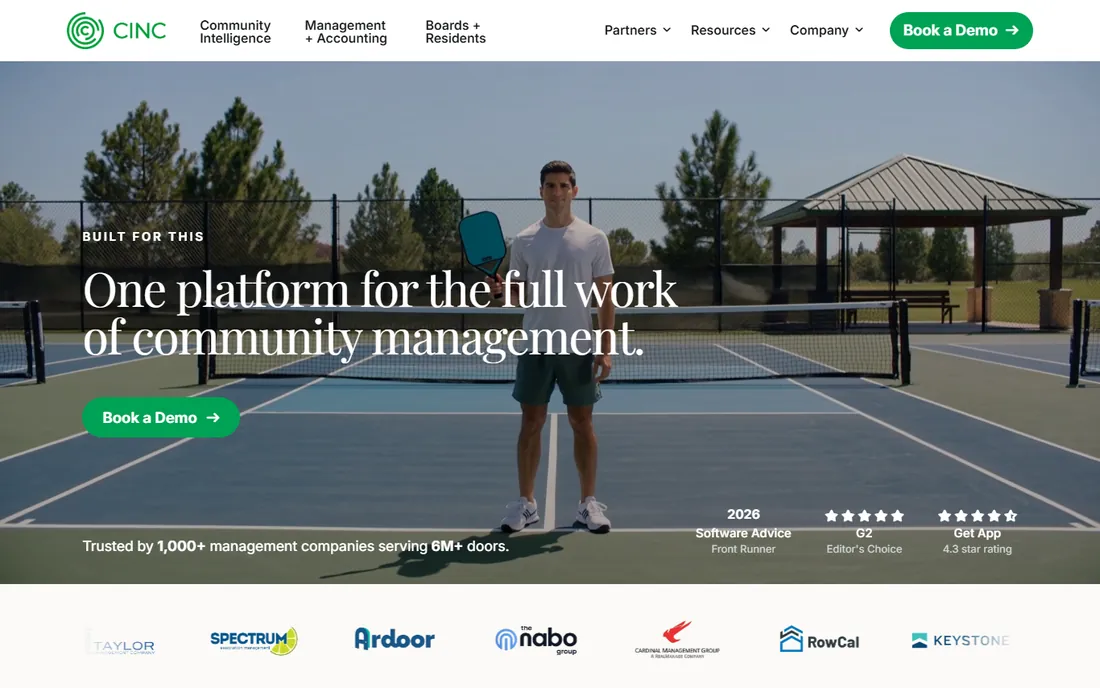
CINC Systems is the accountant's HOA software: deep fund accounting, bank integrations, financial reporting, and assessment management built for firms where the numbers must be exactly right. Management companies that prioritize financial accuracy choose CINC for the back office. The reliability reputation is strong.
The interface is traditional and resident-facing features are thinner than modern platforms. But accounting is the foundation everything else stands on; pretty portals mean nothing if the books are wrong. For firms that live in the financials, CINC's depth justifies the traditional interface.
What we like- Excellent accounting
- Bank integration
- Trusted by managers
Watch out for- Interface is traditional
- Less resident-facing polish
Self-managed versus professionally managed
The HOA software market splits by who runs the association. Self-managed HOAs (volunteer boards) need simplicity and affordability: PayHOA, Buildium, or even the communication tools. Professionally managed portfolios need depth, automation, and scale: Enumerate, Vantaca, CINC, AppFolio. Mismatches cause most dissatisfaction: enterprise software frustrates volunteer treasurers, and simple tools break under professional portfolios. Be honest about which you are. And consider the transition path: associations that start self-managed sometimes hire professional management as they grow, and the software should survive that change. Cloud platforms with role-based access adapt to either model; desktop software tied to one treasurer's computer does not. Choose software for the association you will be in three years, not just the one you are today. The cost of migrating mid-stream (data cleanup, retraining, resident confusion) far exceeds any savings from picking the cheapest option now. And note the trend: resident expectations keep rising (they compare your portal to their bank's app), which pushes even self-managed associations toward better software.
What to check before you choose
Assessment billing and collection
The core job: accurate assessment billing, online payments, late fee handling, and collections workflow. Verify the payment options (ACH, card), fee structures, and how delinquencies escalate. This is where HOA software earns its keep; test it thoroughly.
Owner and resident portals
Residents judge the software by the portal: paying assessments, submitting requests, booking amenities, and communicating with the board. Test the portal as a resident would, on a phone. A clunky portal generates support calls that defeat the software's purpose.
Violations and architectural review
HOA-specific workflows (violation tracking with letters and photos, ARC request processing) separate real HOA software from generic property tools. Verify these workflows match your community's processes. Generic tools handle rent; HOAs need violations and ARC. Walk through a complete violation lifecycle in the demo, from first report to resolution, before you commit.
Accounting and financial reporting
Boards need accurate financials: fund accounting, budget vs. actual, delinquency reports, and audit-ready books. Verify the accounting depth and export options. If your CPA dreads the software's reports, the software is wrong regardless of its other features. Ask to see sample financials during demos, and have your treasurer or accountant review them before signing. Clean, professional financial statements also build owner confidence: transparent finances reduce the suspicion and conflict that plague many associations.
How we chose
We selected HOA and community association software with real user bases in 2026, from full management platforms to focused tools. We evaluated HOA-specific features, accounting depth, resident experience, and fit for self-managed versus professionally managed associations. We excluded generic property tools without HOA depth and discontinued products. No vendor paid for placement, and we did not run trial associations.
Frequently asked questions
What is HOA software?
Software that helps homeowners associations (and condo associations) manage operations: collecting assessments, tracking violations and maintenance, communicating with residents, managing documents, and handling accounting. It serves both professional management companies and self-managed volunteer boards.
How much does HOA software cost?
It varies widely: self-managed tools run tens of dollars monthly per association; professional platforms price per unit or per door monthly, scaling with portfolio size. Enterprise implementations cost more. Model the cost per unit against your assessment income; the software should cost a small fraction of collections.
Can our HOA self-manage with software?
Many do: tools like PayHOA are built for volunteer boards. Self-management works for smaller, simpler communities with engaged volunteers. Larger communities or those with significant amenities, legal issues, or apathetic owners usually benefit from professional management. The software helps either way but does not replace judgment.
What is the difference between HOA and property management software?
HOA software handles community-specific needs: assessments (not rent), violations, architectural review, and owner (not tenant) relationships. Property management software focuses on rentals: leasing, tenant screening, and rent collection. Some platforms (AppFolio, Buildium) do both; specialists do one deeply. Match the software to your actual operation.
How do we get residents to use the portal?
Make it the easiest way to do essential tasks: pay assessments, submit requests, book amenities. Communicate the benefits clearly, offer brief training (a one-page guide or short video), and keep improving based on feedback. Adoption follows usefulness; a portal that only hosts documents nobody reads will stay empty. Start with the highest-value actions (paying assessments online saves everyone time and reduces delinquency), then expand to requests and amenities once the payment habit is established. Celebrate early wins publicly: when online payment adoption hits milestones, tell the community. Momentum matters more than features.
Sources we checked (9)
- https://goenumerate.com/
- https://www.vantaca.com
- https://www.appfolio.com
- https://www.buildium.com
- https://www.payhoa.com
- https://www.condocontrol.com
- https://www.buildinglink.com
- https://frontsteps.com
- https://cincsystems.com/
Is your product missing or out of date?
We review this list regularly. Vendors can request a listing, send updated pricing or ask about featured placement.

Shihab Mia · Founder, Rankite
Shihab has spent more than a decade helping SaaS and e-commerce brands grow through search. He writes Rankite's software buying guides from pricing pages, documentation and public user reviews. More about Shihab.
 Enumerate
 Vantaca
 AppFolio
 Buildium
 PayHOA
 Condo Control
 BuildingLink
 FrontSteps
 CINC Systems