How we make this list: we compare pricing pages, product documentation and public user reviews. Rankite is independent; if a vendor ever pays for a featured spot, that listing is clearly labeled Partner.
Key takeaways
- OneTrust is the enterprise standard: the broadest privacy platform with the deepest compliance coverage.
- Securiti, BigID, and DataGrail focus on data discovery and automated privacy workflows.
- Transcend, Ketch, and Mine take a modern, automation-first approach to consent and DSARs.
- Osano (which absorbed WireWheel) and Didomi specialize in consent management done right.
- The right choice depends on company size, data complexity, and which regulations apply.
Quick comparison
| Tool | Best for | Starting price | Free plan |
|---|
 OneTrust OneTrust | Enterprise privacy platform | See website | No |
 Securiti Securiti | Data-centric privacy | See website | No |
 BigID BigID | Data discovery at scale | See website | No |
 Transcend Transcend | Automated privacy workflows | See website | No |
 DataGrail DataGrail | Privacy automation | See website | No |
 Ketch Ketch | Programmatic privacy | See website | No |
 Osano Osano | Consent management | See website | No |
 Mine Mine | DSAR automation | See website | No |
 Didomi Didomi | Consent plus preference | See website | No |
Is your product missing or out of date?
We review this list regularly. Vendors can request a listing, send updated pricing or ask about featured placement.
The best data privacy management software
Starting priceSee website
Free planNo
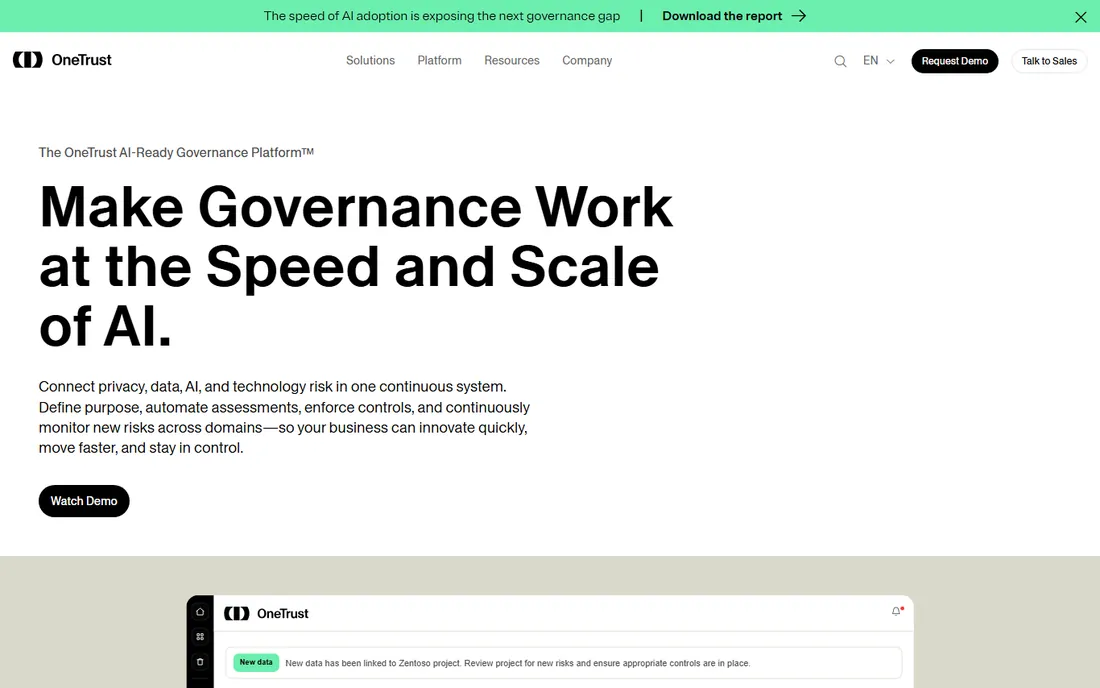
OneTrust is the most comprehensive privacy management platform: consent management, data subject requests, data mapping, risk assessments, and regulatory tracking across GDPR, CCPA, and dozens of other frameworks. Large enterprises standardize on it because it covers the full privacy program, not just one workflow. The regulatory content stays current as laws evolve.
Pricing and complexity reflect the enterprise positioning; smaller companies find it heavy. But for organizations with serious privacy obligations across multiple jurisdictions, OneTrust's breadth means one platform instead of several. It is the default enterprise answer.
What we like- Broadest feature set
- Deep regulatory coverage
- Trusted by enterprises
Watch out for- Enterprise pricing
- Complexity
Starting priceSee website
Free planNo
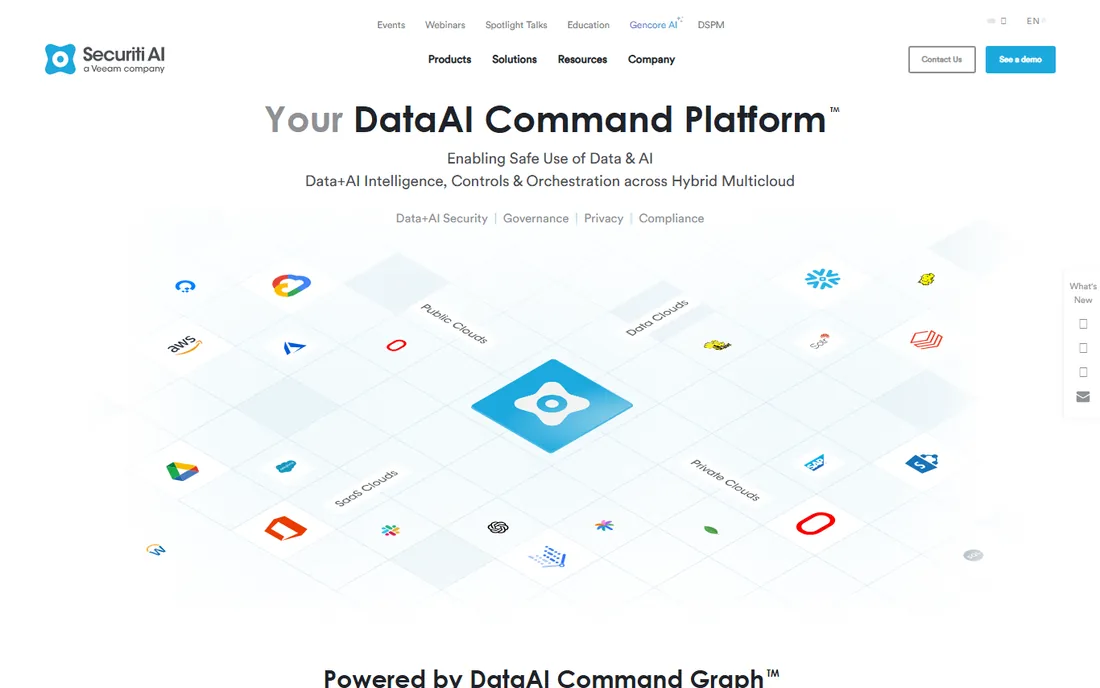
Securiti approaches privacy from the data: AI discovers and classifies personal data across systems, then powers consent, DSAR fulfillment, and data mapping from that foundation. The unified approach means the privacy program reflects actual data reality rather than spreadsheet guesses. Automation handles the repetitive compliance work.
Enterprise pricing and implementation effort apply. But the data-first philosophy addresses privacy's hardest problem (knowing what data you actually have). Organizations with complex data estates find Securiti's discovery capabilities the foundation everything else builds on.
What we like- AI-powered data discovery
- Unified privacy ops
- Strong automation
Watch out for- Enterprise pricing
- Implementation effort
Starting priceSee website
Free planNo
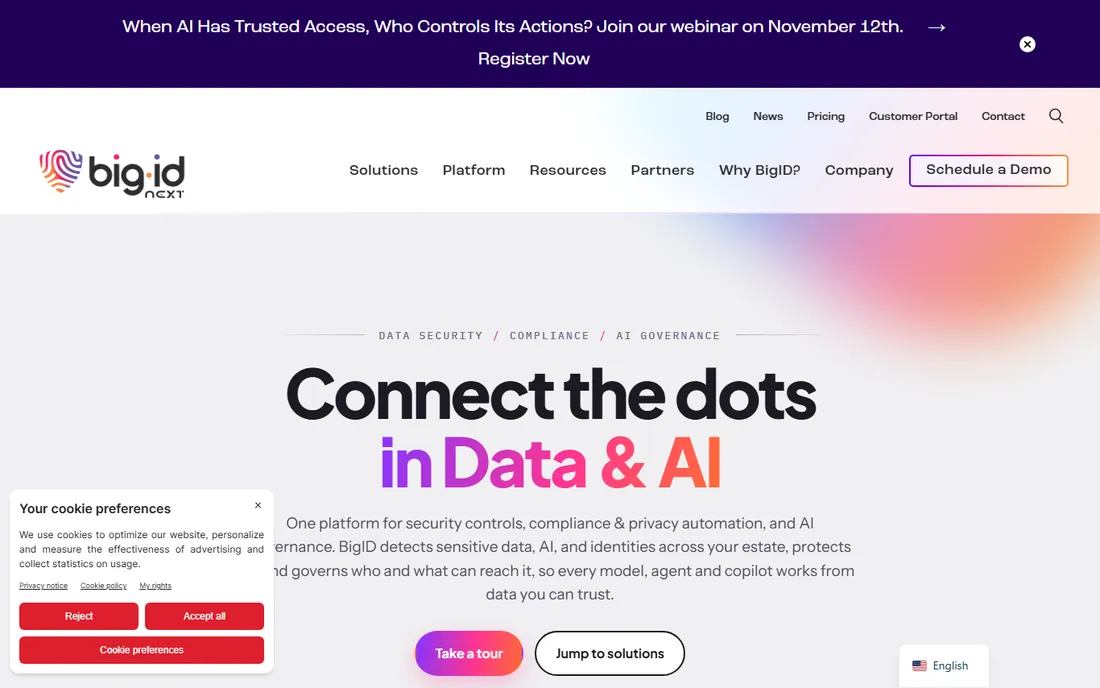
BigID's strength is finding and classifying data at massive scale: machine learning identifies personal and sensitive data across structured and unstructured sources, cloud and on-premises. Privacy teams use it as the discovery engine; security and governance teams use the same platform for their needs. The scale is genuinely impressive.
Privacy workflow features (DSARs, consent) are less central than in pure privacy platforms; pair BigID with workflow tools for complete coverage. But as the "know your data" layer, it is best-in-class. You cannot protect data you cannot find.
What we like- Powerful discovery and classification
- Scales enormously
- ML-driven
Watch out for- Enterprise focus
- Privacy workflows less central
Starting priceSee website
Free planNo
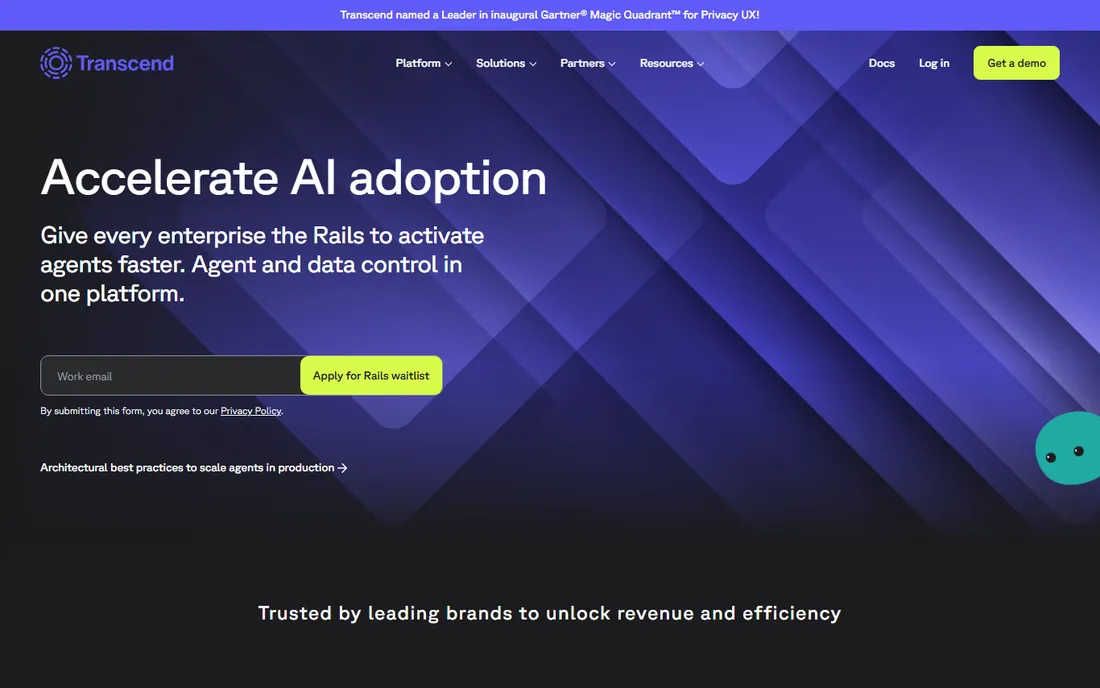
Transcend automates the privacy workflows that consume teams: data subject requests fulfilled across systems via API integrations, consent synchronized everywhere, data mapping maintained automatically. The developer-friendly design means engineering teams actually implement it rather than working around it. Modern companies appreciate the API-first approach.
As a newer company, some enterprise features are still maturing. But the automation quality is high: DSARs that took weeks happen in days. For tech-forward companies that want privacy infrastructure (not just a dashboard), Transcend's engineering-led approach stands out.
What we like- Excellent DSAR automation
- Modern API-first design
- Good developer experience
Watch out for- Newer company
- Enterprise features maturing
Starting priceSee website
Free planNo
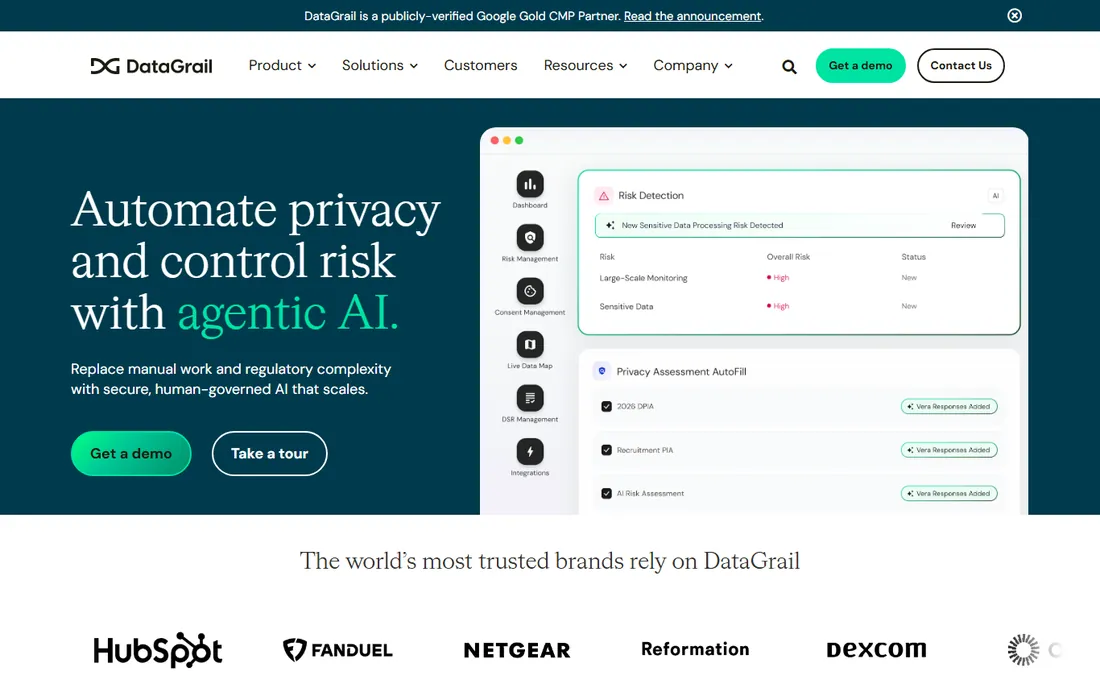
DataGrail focuses on making privacy programs run: hundreds of integrations connect to the SaaS tools holding personal data, DSARs execute across them automatically, and the system of record stays current. Mid-market companies get enterprise-grade automation without enterprise complexity. The integration library is the key asset.
Giant enterprises with exotic systems may need more. But for the typical SaaS-using company, DataGrail's integration-first approach covers the actual data estate. It is the practical choice for companies that want privacy automation working this quarter.
What we like- Strong integration library
- Good DSAR handling
- Mid-market friendly
Watch out for- Less for giant enterprises
- Narrower than OneTrust
Starting priceSee website
Free planNo
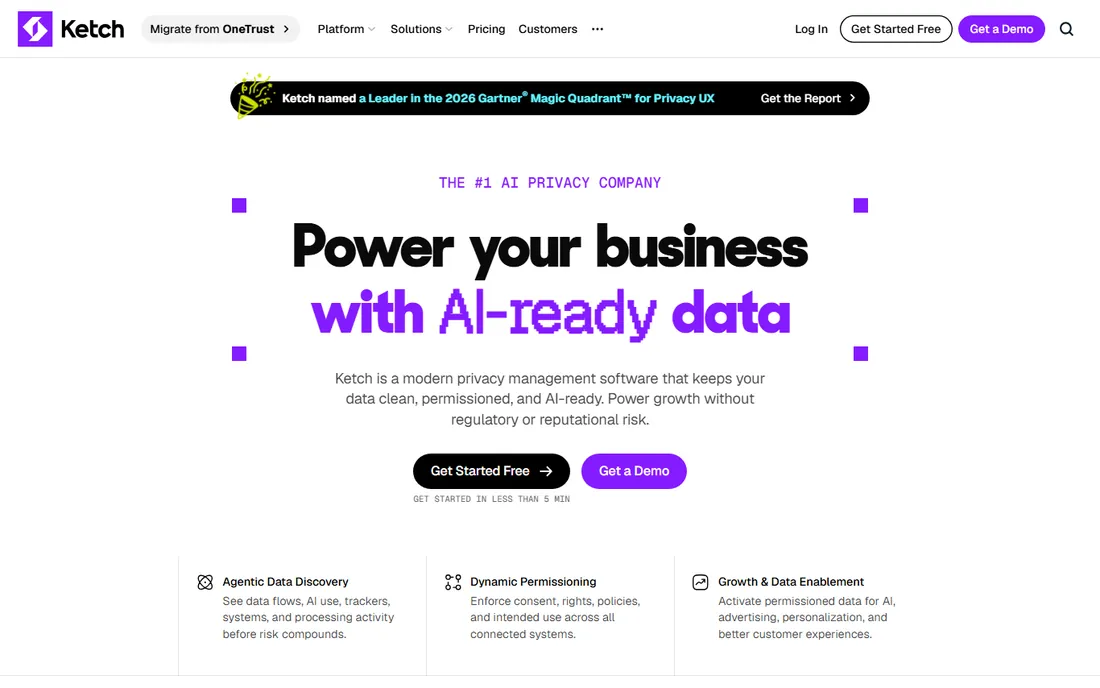
Ketch treats privacy as infrastructure: a data control plane that orchestrates consent, preferences, and rights across systems programmatically. The approach suits companies that want privacy embedded in their architecture rather than bolted on. Flexible deployment (including self-hosted options) addresses data sovereignty concerns.
The concepts take study; this is not plug-and-play software. But for organizations building privacy into their systems deliberately, Ketch's architectural approach is more sustainable than dashboard tools. It is privacy engineering, not just privacy management.
What we like- Consent orchestration
- Data control plane
- Flexible deployment
Watch out for- Conceptually dense
- Newer market position
Starting priceSee website
Free planNo
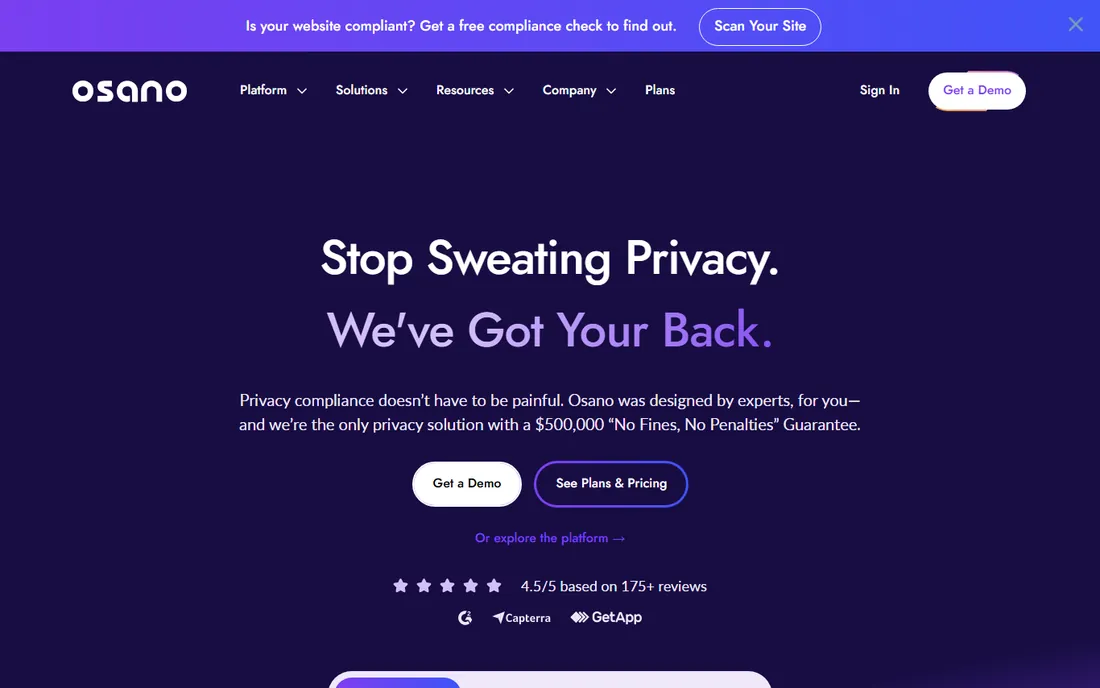
Osano does consent management exceptionally well: cookie consent, mobile app consent, and data subject requests with an interface both visitors and privacy teams appreciate. The acquisition of WireWheel strengthened its enterprise assessment capabilities. Mid-market companies get polished privacy tooling without enterprise overhead.
Broader governance features (risk assessments, deep data mapping) trail OneTrust. But consent is where most companies start, and Osano starts there better than anyone. For websites and apps needing compliant, user-friendly consent, it is the top pick.
What we like- Excellent consent platform
- Absorbed WireWheel
- Good for mid-market
Watch out for- Broader privacy features thinner than OneTrust
Starting priceSee website
Free planNo
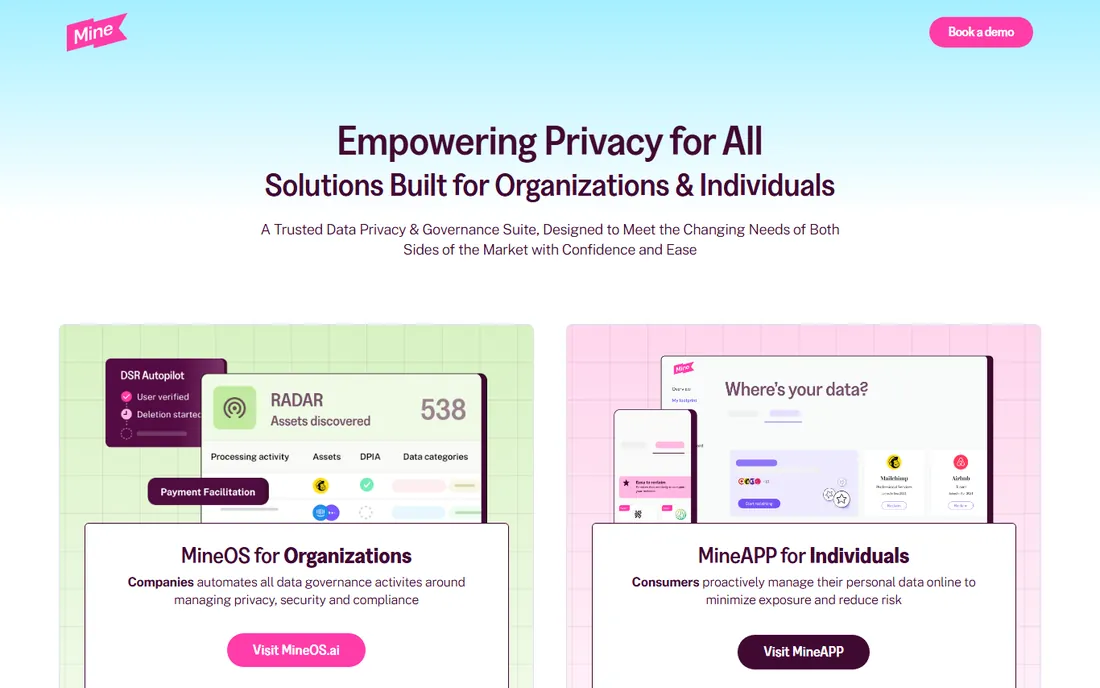
Mine (at saymine.com) automates the tedious parts of privacy compliance: discovering data across SaaS tools, handling data subject requests, and maintaining records of processing. The approach is accessible: smaller companies get real privacy automation without hiring a privacy team first. Consumer-facing tools (see what companies hold your data) built brand awareness.
Enterprise depth and scale trail the bigger platforms. But for growing companies facing their first serious privacy obligations, Mine's accessible automation covers the essentials. It makes privacy compliance achievable rather than aspirational.
What we like- Automated data mapping
- Good DSAR workflows
- Accessible pricing
Watch out for- Smaller company
- Less enterprise depth
Starting priceSee website
Free planNo
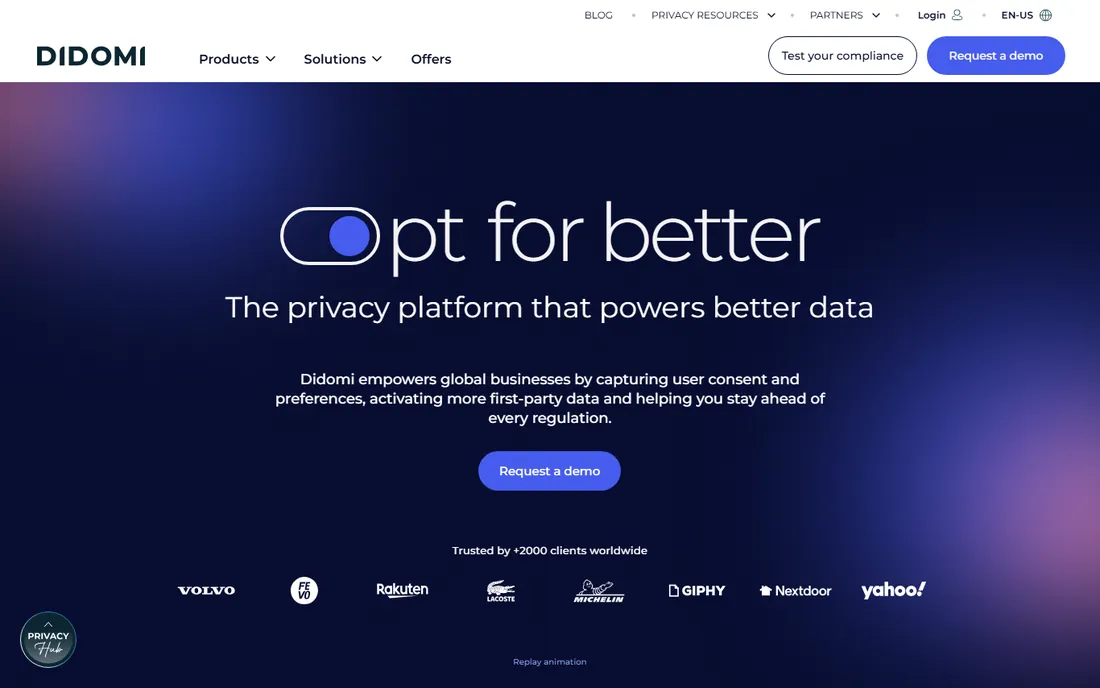
Didomi, from France, excels at consent and preference management: GDPR-grade consent collection, preference centers where users control their data choices, and the compliance infrastructure behind them. European companies value the regulatory home-field advantage. The preference center approach goes beyond compliance into customer trust.
US brand recognition is lower, and the scope is narrower than full privacy platforms. But consent done well is both a legal requirement and a trust signal. For companies where the user relationship matters, Didomi's preference-first philosophy turns compliance into an asset.
What we like- Strong consent management
- Preference centers
- European expertise
Watch out for- Less known in the US
- Narrower scope
Start from your obligations, not the software
Privacy software buying goes wrong when it starts with features. Start with obligations: which regulations apply (GDPR, CCPA/CPRA, and the growing list of US state laws), what data you hold and where, and what rights you must honor (access, deletion, portability, opt-out). Then map obligations to capabilities: consent management for websites, DSAR automation for request volumes, data discovery for unknown estates, assessments for new processing. The tools on this list cluster around different obligations; matching yours to their strengths prevents both under-buying (fines) and over-buying (shelfware). A focused data map, even in a spreadsheet, is worth more than any vendor demo.
What to check before you buy
Integration with your actual systems
Privacy automation only works if it connects to the systems holding personal data. List your SaaS tools, databases, and data warehouse, then verify native integrations. API-based tools (Transcend, Ketch) suit engineering teams; integration libraries (DataGrail) suit SaaS-heavy companies. Gaps become manual work.
DSAR volume reality
Data subject request volumes vary enormously. A handful monthly needs simple workflows; hundreds need serious automation. Model your expected volume (it grows as awareness grows) and verify the tool handles it. The DSAR workflow trial should use your real systems, not the vendor's demo data.
Regulatory coverage specifics
"Supports GDPR and CCPA" is table stakes; the question is depth. Which specific requirements does each module address? How quickly do new laws get supported? How does the vendor track the proliferating US state laws? The regulatory content team matters as much as the software.
Consent user experience
Consent banners affect every visitor. Test the actual user experience: clarity, loading performance, mobile behavior, and accessibility. Bad consent UX hurts conversion and trust; good consent UX (Osano, Didomi) can be a differentiator. Do not let legal choose the banner without design input.
How we chose
We selected data privacy management tools with real user bases in 2026, from enterprise platforms to focused automation tools. We evaluated privacy workflow coverage, data discovery, consent management, integrations, and fit for different company sizes. We excluded pure cookie banner plugins, generic GRC tools without privacy depth, and acquired products folded into others (WireWheel, now part of Osano). No vendor paid for placement, and we did not run trial implementations.
Frequently asked questions
What is a DSAR?
A Data Subject Access Request: an individual's legal right to know what personal data a company holds about them (and to request deletion, correction, or portability). GDPR, CCPA, and similar laws grant these rights. Companies must respond within set timeframes (typically 30-45 days). Manual DSAR handling does not scale; automation tools exist because of this.
Do small companies need privacy management software?
It depends on data and jurisdiction. A small company with a website collecting EU visitor data needs compliant consent at minimum (Osano or Didomi cover this affordably). Companies processing significant personal data need DSAR workflows. The fines apply regardless of size, though enforcement prioritizes larger offenders. Start with consent and grow from there.
What is the difference between consent management and privacy management?
Consent management handles the collection of user permissions (cookie banners, preference centers). Privacy management is broader: data mapping, DSARs, assessments, retention, and regulatory compliance. Consent tools (Osano, Didomi) solve the visible part; privacy platforms (OneTrust, Securiti) cover the program. Most companies need both eventually.
How do these tools find personal data?
Through discovery and classification: scanning databases, file stores, and SaaS applications for patterns indicating personal data (names, emails, IDs, financial data), often with machine learning. BigID and Securiti lead here. Discovery is the foundation: deletion requests and data maps are unreliable without knowing where the data lives.
Can privacy software guarantee compliance?
No. Software automates workflows and maintains records, but compliance depends on processes, decisions, and legal judgment. The tools make a good privacy program efficient; they do not create one from nothing. Pair the software with clear ownership (a DPO or privacy lead) and legal guidance for your specific obligations. Start with a thorough data inventory workshop involving your engineering, marketing, and operations teams: list every system that touches personal data before evaluating vendors. The inventory makes vendor demos concrete instead of hypothetical, and it often reveals quick wins (unused tools holding data, redundant trackers) that improve privacy before any purchase.
Does it cover GDPR and CCPA?
Enterprise privacy platforms cover both, plus emerging US state laws. Smaller tools may only handle one framework well. If you operate internationally, confirm coverage for each jurisdiction before committing.
Sources we checked (9)
- https://www.onetrust.com
- https://securiti.ai
- https://transcend.io
- https://www.datagrail.io
- https://www.osano.com
- https://bigid.com
- https://www.ketch.com
- https://www.saymine.com
- https://www.didomi.io
Is your product missing or out of date?
We review this list regularly. Vendors can request a listing, send updated pricing or ask about featured placement.

Shihab Mia · Founder, Rankite
Shihab has spent more than a decade helping SaaS and e-commerce brands grow through search. He writes Rankite's software buying guides from pricing pages, documentation and public user reviews. More about Shihab.