How we make this list: we compare pricing pages, product documentation and public user reviews. Rankite is independent; if a vendor ever pays for a featured spot, that listing is clearly labeled Partner.
Key takeaways
- Brilliant Directories is the all-in-one leader: memberships, payments, and SEO in one platform.
- eDirectory suits ambitious directory projects with its deep feature set and mobile apps.
- GeoDirectory and Directorist are the WordPress answers for owners who want to build on WordPress.
- Ideal Directories, UltimateWB, Directories Pro, and MetaLocator cover budget launches, custom builds, and location search.
Quick comparison
Is your product missing or out of date?
We review this list regularly. Vendors can request a listing, send updated pricing or ask about featured placement.
The best business directory software
Starting priceSee website
Free planFree trial
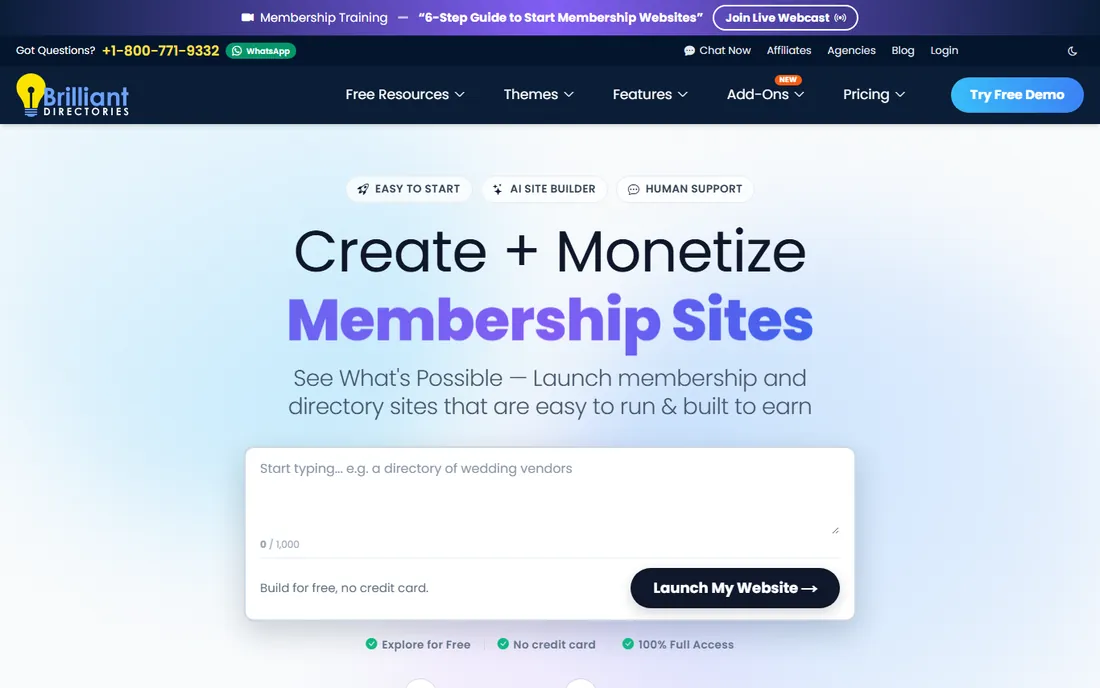
Brilliant Directories is the most complete hosted platform for building membership directories. Listings, member management, subscription billing, lead generation, email marketing, and SEO tools come in one system, so owners run the business without stitching tools together.
The monetization features are the point: recurring memberships, premium listings, pay-per-lead, and advertising all work natively. The platform is built for directories as businesses, not just websites with listings.
The monthly subscription is real money, and deep customization requires learning the platform's structure. But for entrepreneurs launching directory businesses who want everything working on day one, Brilliant Directories is the fastest path to revenue.
What we like- Memberships, payments, and content in one
- Strong SEO features
- Active development
Watch out for- Monthly cost adds up
- Advanced customization takes learning
Starting priceSee website
Free planNo
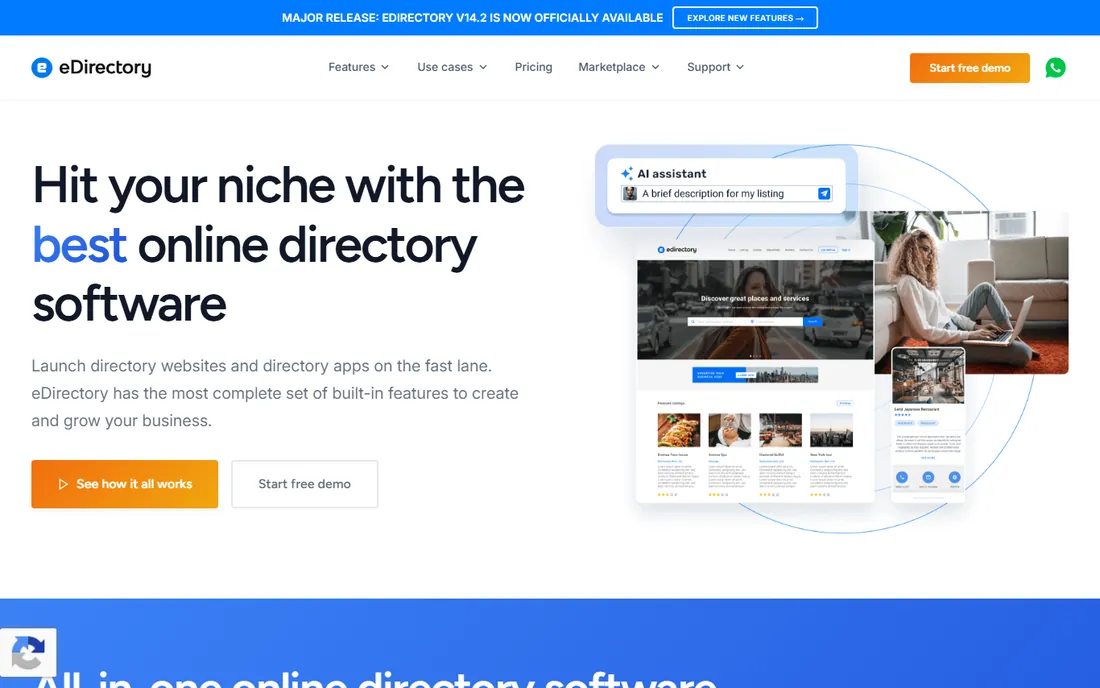
eDirectory targets ambitious directory projects with a comprehensive feature set: advanced search, multilingual support, mobile apps, event management, classifieds, and articles alongside the core directory. Global directories with complex needs find it fits.
The mobile app offering stands out; few directory platforms provide native apps. For directories where mobile usage dominates, that is a genuine advantage.
Pricing sits above the budget options, and the breadth means a learning curve. But directory owners planning significant scale, multiple languages, or mobile-first audiences get a platform built for those ambitions.
What we like- Deep feature set
- Multilingual
- Mobile apps available
Watch out for- Higher price point
- Steeper learning curve
Starting priceSee website
Free planFree trial
GeoDirectory turns WordPress into a directory platform with impressive location features. The geospatial search, radius filtering, and map integrations are the best in the WordPress directory world, making it ideal for local and geographic directories.
WordPress owners keep their existing site, theme, and plugins, adding directory functionality rather than migrating platforms. The add-on ecosystem extends into payments, reviews, claims, and events.
It requires WordPress comfort; non-technical owners may struggle with the setup and the add-on decisions. Premium add-ons accumulate in cost. But for WordPress-based local directories, the mapping and search quality justify the effort.
What we like- Powerful WordPress integration
- Excellent maps
- Scalable
Watch out for- Needs WordPress expertise
- Premium add-ons add up
Starting priceSee website
Free planFree trial
Directorist is the modern WordPress directory plugin with a focus on ease and flexibility. Drag-and-drop field builders, multiple directory types on one site, and clean designs make it approachable for owners who want results without developer help.
The extension model covers monetization, bookings, and advanced features, letting directories grow from simple listings to full businesses. Page builder compatibility means designs match the rest of the WordPress site.
It is newer than GeoDirectory with a smaller track record at extreme scale. Some advanced features require paid extensions. But for WordPress owners wanting a current, flexible directory plugin, Directorist is the modern choice.
What we like- Modern WordPress plugin
- Drag-and-drop fields
- Good extension model
Watch out for- Newer than GeoDirectory
- Some features need extensions
Starting priceSee website
Free planNo
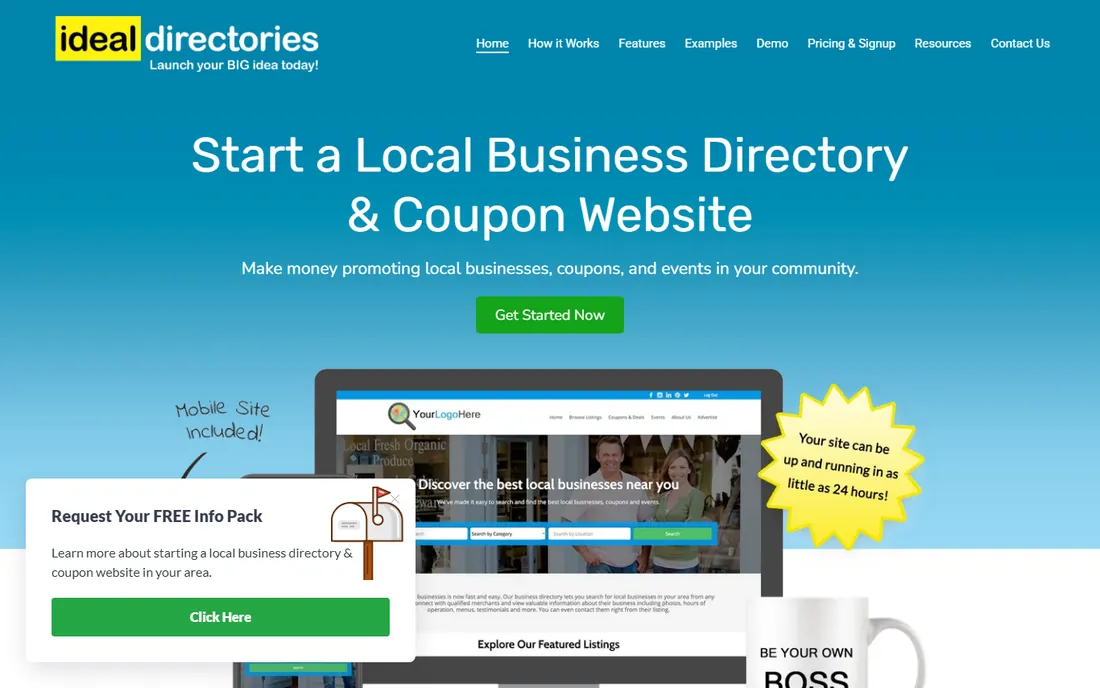
Ideal Directories (Brilliant Local) offers the fastest affordable path to a local directory website. The setup is streamlined, the local directory features (coupons, events, local SEO) are built in, and the price respects small budgets.
Owners launching a city or niche local directory get a working site quickly without technical skills. The focus on local means the features match what local directories actually need.
Customization is limited compared to the bigger platforms, and scaling to complex models may require migration later. But as a low-risk way to test a directory business idea, the affordability and speed are compelling.
What we like- Affordable
- Quick to launch
- Local directory focus
Watch out for- Limited customization
- Smaller feature set
Starting priceSee website
Free planNo
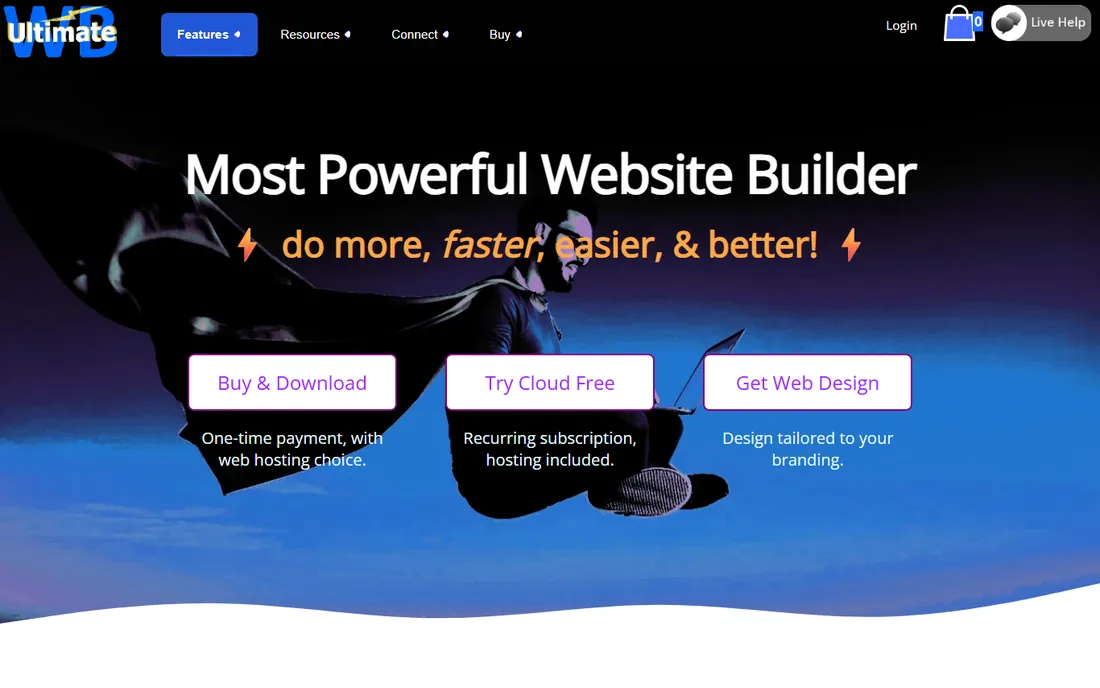
UltimateWB is a website builder platform with strong directory capabilities for owners who want custom builds they fully own. The one-time purchase model contrasts with the subscriptions dominating this category.
Technical owners appreciate the control: customize deeply, host anywhere, and never pay monthly fees. The built-in apps cover directories, memberships, and commerce with unusual flexibility for the price.
It demands technical comfort; non-developers will struggle. You handle hosting, updates, and security. But for builders who want ownership and customization without ongoing platform fees, UltimateWB is the independent choice.
What we like- Highly customizable
- You own the software
- One-time purchase
Watch out for- Requires technical skill
- You handle hosting
Starting priceSee website
Free planFree trial
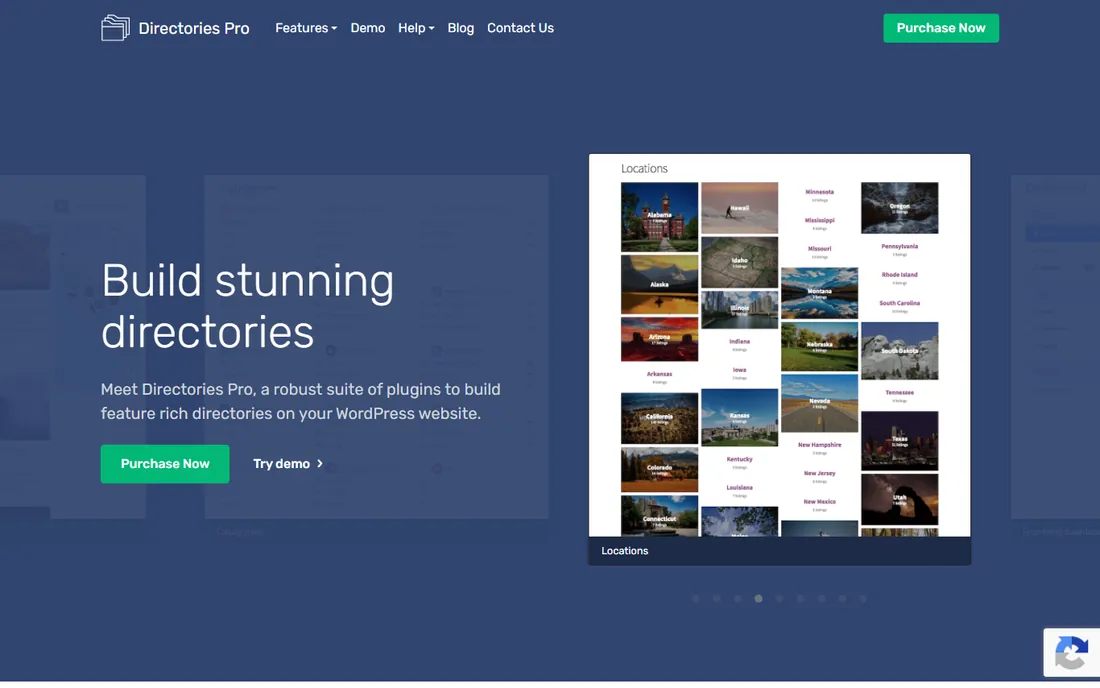
Directories Pro offers contemporary directory websites with less fuss: modern templates, straightforward setup, and the core features (listings, search, memberships) done well. Owners who prioritize looking current find it refreshing.
The value proposition is simplicity at a fair price. Launch quickly, manage easily, and present a professional directory without the learning curve of the bigger platforms.
As a newer platform, the community and third-party resources are smaller. Extreme customization needs may exceed it. But for standard directory projects where modern design and ease matter most, it deserves consideration.
What we like- Modern design
- Easy setup
- Good value
Watch out for- Newer platform
- Smaller community
Starting priceSee website
Free planFree trial
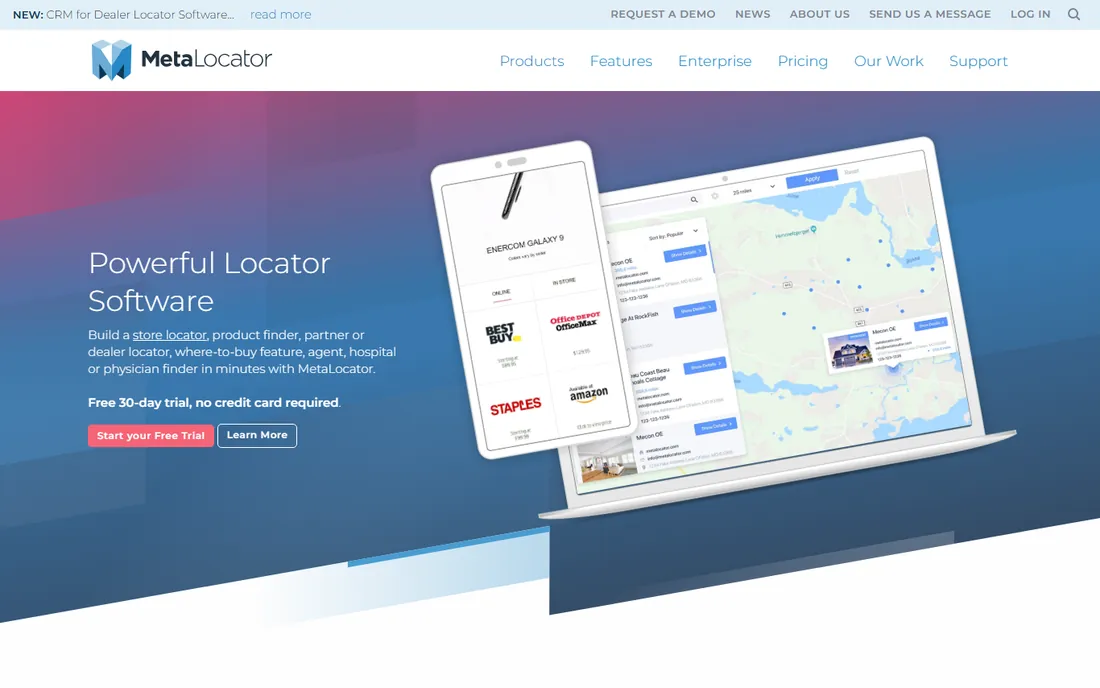
MetaLocator specializes in the store locator use case: brands, franchises, and dealer networks that need customers to find nearby locations. The feature depth for this specific job, search, mapping, geocoding, analytics, exceeds general directory tools.
The analytics show how customers use the locator, informing location and marketing decisions. Implementation is quick, with interfaces that embed in existing websites.
It is a locator, not a membership directory; user accounts, subscriptions, and content features are thin. Pricing scales with location count. But for the "find a store near me" job, specialization beats generalization.
What we like- Purpose-built for locators
- 300+ features
- Strong analytics
Watch out for- Locator-focused, not full directories
- Pricing per location
Choosing the right architecture
Hosted platforms (Brilliant Directories, eDirectory, Directories Pro, Ideal Directories) get you launched fastest with everything included. You trade monthly fees and some control for speed and simplicity. Most directory entrepreneurs should start here.
WordPress plugins (GeoDirectory, Directorist) suit owners already on WordPress who want directory features inside their existing site. You keep your theme and content, gaining directory functionality. The trade is technical responsibility.
Custom and self-owned options (UltimateWB, MetaLocator for its niche) serve specific needs: full ownership or specialized locator functionality. Choose these when the standard paths genuinely do not fit.
Making the directory profitable
Directories make money through memberships, premium listings, advertising, and lead generation. Whatever platform you choose, plan the revenue model before building; the features you need depend on how you will charge.
Traffic is the prerequisite. Directory SEO, local content, and claimed listings drive the visitors that make memberships valuable. The best software cannot save a directory nobody visits.
Start narrow. A directory for one city or one niche beats a general directory with thin coverage. Depth in a small market creates the value that attracts paying members; breadth without depth attracts no one.
Launching your directory: the first 90 days
The software is ready in days; the business takes months. Days 1 to 30: build the foundation. Configure the platform, design the listing structure, and seed the directory with initial listings. Aim for enough listings that the site looks alive, not empty.
Days 31 to 60: drive the first traffic. Publish local content, claim and optimize the Google Business Profile, and start outreach to businesses for claimed listings. The goal is the first trickle of organic visitors.
Days 61 to 90: monetize carefully. Once traffic exists, introduce paid tiers to new signups first, then to existing free members with clear value. The directories that rush monetization before traffic stall; the ones that build audience first convert steadily.
SEO for directory websites
Directory SEO is a specific discipline. Each listing page should target its natural keywords: business name plus location, category plus city. The platforms here generate SEO-friendly URLs and schema markup, but the content quality determines rankings.
Unique content per listing separates successful directories from thin ones. Encourage detailed business descriptions, collect reviews, and add original local content. Directories with duplicate or sparse listings struggle against Google's own business profiles.
Build location and category pages as landing experiences, not just lists. A well-crafted "plumbers in Austin" page with useful content outranks a bare list every time. The directory that helps visitors decide wins the traffic.
How we chose
We compared software for building business directory websites, based on vendor documentation, practitioner discussion, and reviews on software directories. We covered hosted platforms, WordPress plugins, budget options, and the locator specialist, because directory projects vary widely in ambition and technical resources. Pricing is often tiered or quote-based, so we link to vendors for current numbers.
Frequently asked questions
How much does it cost to start a directory website?
Hosted platforms run monthly subscriptions from budget to premium tiers; WordPress plugins range from free cores to paid add-on bundles. Budget for the first year of platform costs plus marketing; the software is usually the smaller expense compared to building traffic.
Can I migrate between directory platforms later?
Painfully. Listings, user accounts, and SEO equity do not transfer cleanly. Choose assuming you will stay for years. If migration is ever needed, plan it as a rebuild with redirects, not an export-import.
How do directories get their initial listings?
Common approaches: manual research and entry, claiming and enhancing public business data, partnerships with local organizations, and freemium models where basic listings are free. The initial database is real work regardless of software.
Do I need mobile apps for my directory?
Usually not initially. Responsive websites serve most directory users well. eDirectory's app offering matters for directories where mobile dominates and engagement justifies the investment. Start web-first; add apps when usage demands.
What is the biggest reason directories fail?
No traffic strategy. Owners build the directory and wait for visitors who never come. Successful directories invest in SEO, content, and outreach from day one. The software is maybe twenty percent of the success equation.
How long until a directory makes money?
Expect 6 to 18 months of building before meaningful revenue, depending on niche and effort. Directories are slow-start businesses; the traffic compound takes time. Budget accordingly and do not quit in month four.
Should listings be free or paid from the start?
Freemium usually wins: free basic listings build the database and traffic, paid tiers monetize businesses that want visibility. Pure paid models struggle to reach critical mass; pure free models never monetize.
Sources we checked (8)
- https://www.brilliantdirectories.com/
- https://www.edirectory.com/
- https://www.geodirectory.com/
- https://directorist.com/
- https://www.idealdirectories.com/
- https://www.ultimatewb.com/
- https://directoriespro.com/
- https://www.metalocator.com/
Is your product missing or out of date?
We review this list regularly. Vendors can request a listing, send updated pricing or ask about featured placement.

Shihab Mia · Founder, Rankite
Shihab has spent more than a decade helping SaaS and e-commerce brands grow through search. He writes Rankite's software buying guides from pricing pages, documentation and public user reviews. More about Shihab.
 Brilliant Directories
 eDirectory
 GeoDirectory
 Directorist
 Ideal Directories
 UltimateWB
 Directories Pro
 MetaLocator