How we make this list: we compare pricing pages, product documentation and public user reviews. Rankite is independent; if a vendor ever pays for a featured spot, that listing is clearly labeled Partner.

Key takeaways
- Substack is the fastest way to start a paid newsletter, but its 10% cut of revenue gets expensive once you pass a few thousand dollars a month.
- beehiiv and Ghost charge flat fees and take 0% of revenue, which makes them cheaper than Substack for publications earning over $500 a month.
- WordPress.org is the only option with full ownership of the site, the data and the revenue stack, at the cost of handling hosting, updates and security.
- Medium and Vocal.Media pay writers from their own reader pools, so you need no audience of your own, but payouts are small and platforms control distribution.
Quick comparison
| Tool | Best for | Starting price | Free plan |
|---|
 Substack Substack | paid newsletters with zero upfront cost | $0 (10% fee on paid subscriptions) | Yes |
 beehiiv beehiiv | newsletters that stack ads, subscriptions and boosts | $49 per month (billed annually) | Yes |
 Ghost Ghost | independent publications that want zero platform fees | $15 per month (billed annually) | Free trial (14 days) |
 WordPress.org WordPress.org | full ownership of the site, data and revenue | $0 (software free, hosting separate) | Yes |
 Medium Medium | writers earning from an existing reader pool | $5 per month (membership) | Yes |
 Kit Kit | creators monetizing through email funnels and digital products | $39 per month (billed monthly) | Yes |
 Vocal.Media Vocal.Media | per-read payouts with no audience required | $9.99 per month (Vocal+ optional) | Yes |
 Squarespace Squarespace | design-led blogs with memberships and courses | $19 per month | Free trial (14 days) |
 Wix Wix | simple blogs with built-in marketing tools | $17 per month (billed annually) | Yes |
Is your product missing or out of date?
We review this list regularly. Vendors can request a listing, send updated pricing or ask about featured placement.
The best blog platforms for monetization
Starting price$0 (10% fee on paid subscriptions)
Free planYes
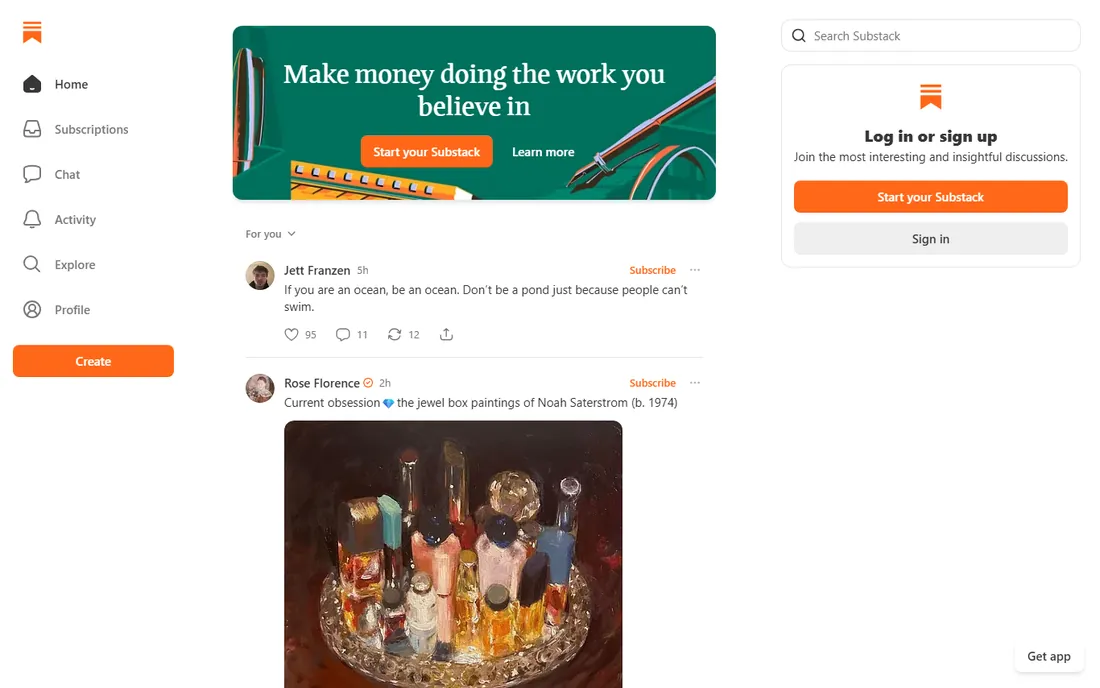
Substack lets you publish a newsletter in minutes and turn on paid subscriptions whenever you are ready. There are no tiers, no subscriber caps and no monthly bill while you grow a free audience. Substack also recommends publications to readers, which gives writers with no existing list a genuine head start.
The catch is the fee structure. Once you switch on paid subscriptions, Substack keeps 10% of every payment, on top of Stripe processing fees of about 2.9% plus $0.30 per transaction. On a $5,000 month that is $500 to Substack plus roughly $175 to Stripe, while flat-fee platforms cost a fraction of that. Substack also owns the reading experience, so branding options are thin and moving your publication elsewhere later takes real effort.
Choose Substack if you want the lowest possible barrier to a paid newsletter and you value its built-in readership. Once paid revenue passes a few hundred dollars a month, compare the 10% cut against flat-fee platforms, because the fee scales with your success.
What we like- Free to start with no subscriber cap
- Built-in discovery through recommendations
- Handles payments, email delivery and archives
Watch out for- 10% platform fee on paid revenue is steep at scale
- Limited site customization
- You rent the audience relationship
#2
beehiiv
Best for: newsletters that stack ads, subscriptions and boosts
Visit beehiiv.com
Starting price$49 per month (billed annually)
Free planYes
beehiiv was built as a direct answer to Substack's revenue cut. You pay a flat monthly fee based on subscriber count and keep 100% of paid subscription revenue, minus Stripe processing. It also runs a native ad network where advertisers bid for placements, plus a boosts marketplace where publications pay you per subscriber for recommendations.
The pricing math favors beehiiv once you earn real money. At 1,000 subscribers the Lite plan is $49 a month billed annually, and Pro is $95, and that stays flat while revenue grows. Past 50,000 subscribers the monthly price climbs steeply, so large lists should model costs against expected income. The built-in website is serviceable for a newsletter home but not a replacement for a full content site.
Pick beehiiv if you run a newsletter-first business and want subscriptions plus ad revenue without giving up a percentage. It suits publishers who will use the recommendation network and ad marketplace.
What we like- 0% platform fee on paid subscriptions
- Built-in ad network for sponsor revenue
- Free plan covers up to 2,500 subscribers
Watch out for- Pricing jumps sharply as the list grows past 50,000
- Website builder is basic next to WordPress
- Paid plans needed for real monetization features
#3
Ghost
Best for: independent publications that want zero platform fees
Visit ghost.org
Starting price$15 per month (billed annually)
Free planFree trial (14 days)
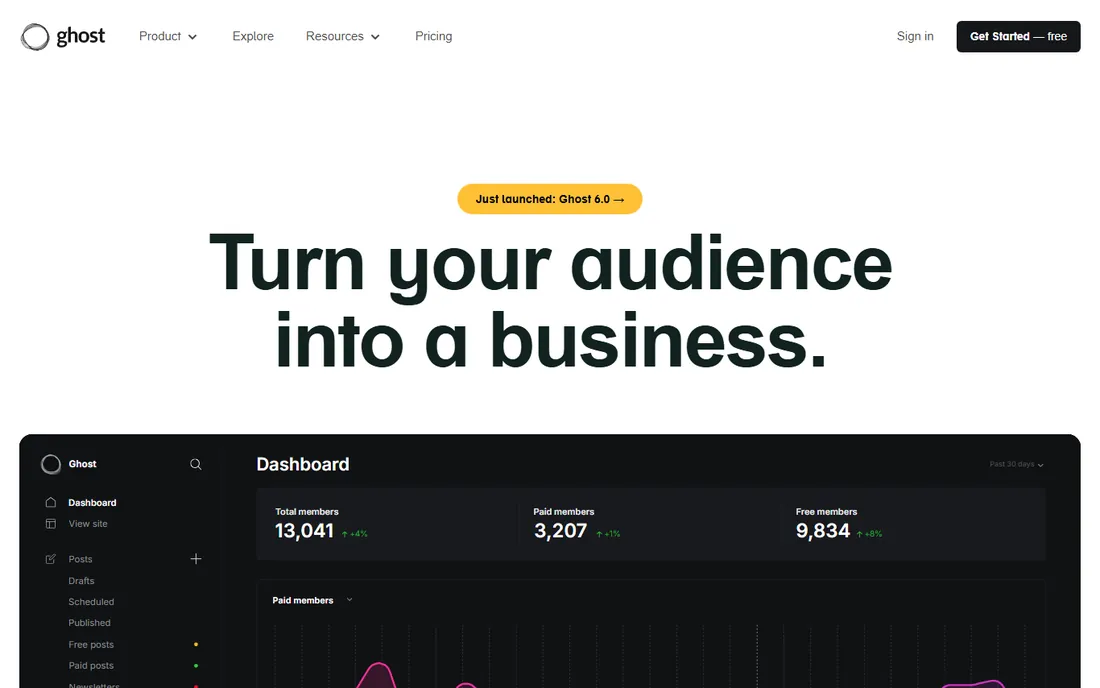
Ghost is the independent publisher's platform. The hosted service charges a flat monthly fee tied to member count and takes no cut of your revenue. The software itself is open source, so you can self-host it for free and pay only for a server. Memberships, paid subscriptions and newsletters all come built in, without plugins.
Pricing changed in 2026. The Starter plan is now $15 a month billed annually (up from $9), covering up to 500 members. That is still cheap compared to a percentage cut once revenue grows. The trade-off is ecosystem size. Ghost has far fewer themes and integrations than WordPress, and advanced customization usually means editing themes or code. Support runs on documentation and forums rather than phone lines.
Ghost fits publishers who want to own their platform and keep every dollar of revenue. It works best for subscription businesses where the flat fee stays small next to income, and for technically comfortable users who may self-host to cut costs further.
What we like- 0% transaction fees on all plans
- Open source with a free self-hosted option
- Clean editor with memberships and newsletters built in
Watch out for- Managed hosting starts at $15 a month with no permanent free tier
- Smaller theme and plugin ecosystem than WordPress
- Paid member features need Stripe
Starting price$0 (software free, hosting separate)
Free planYes
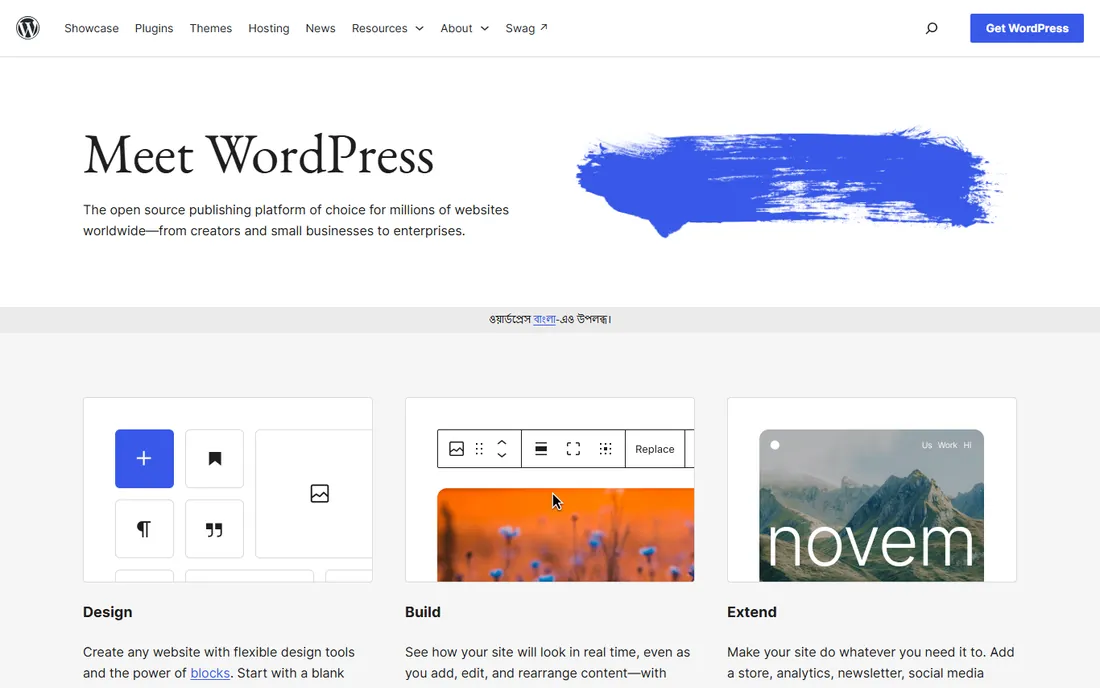
WordPress.org is the self-hosted software that powers a huge share of the web's blogs, and it costs nothing to download. Monetization is whatever you build: display ads, paid memberships with plugins like MemberPress, digital product sales with WooCommerce, affiliate content or sponsored posts. No platform takes a cut because there is no platform in the middle.
That freedom comes with real responsibility. You pay for hosting, apply updates, and fix things when a plugin conflicts. Setup time is measured in hours or days, especially once you add membership and payment plugins. But the result is an asset you fully control, with portable data and no risk of a platform changing its fees under you.
Choose WordPress.org when the blog is a long-term business asset rather than an experiment. It is the right call for publishers who want multiple revenue streams, full SEO control and zero platform risk, and who accept the maintenance work that comes with ownership.
What we like- Software is free and open source
- Unlimited monetization options via plugins
- You own the domain, content and subscriber data
Watch out for- You handle hosting, updates, backups and security
- Costs add up with premium themes and plugins
- No built-in newsletter or payment flow
#5
Medium
Best for: writers earning from an existing reader pool
Visit medium.com
Starting price$5 per month (membership)
Free planYes
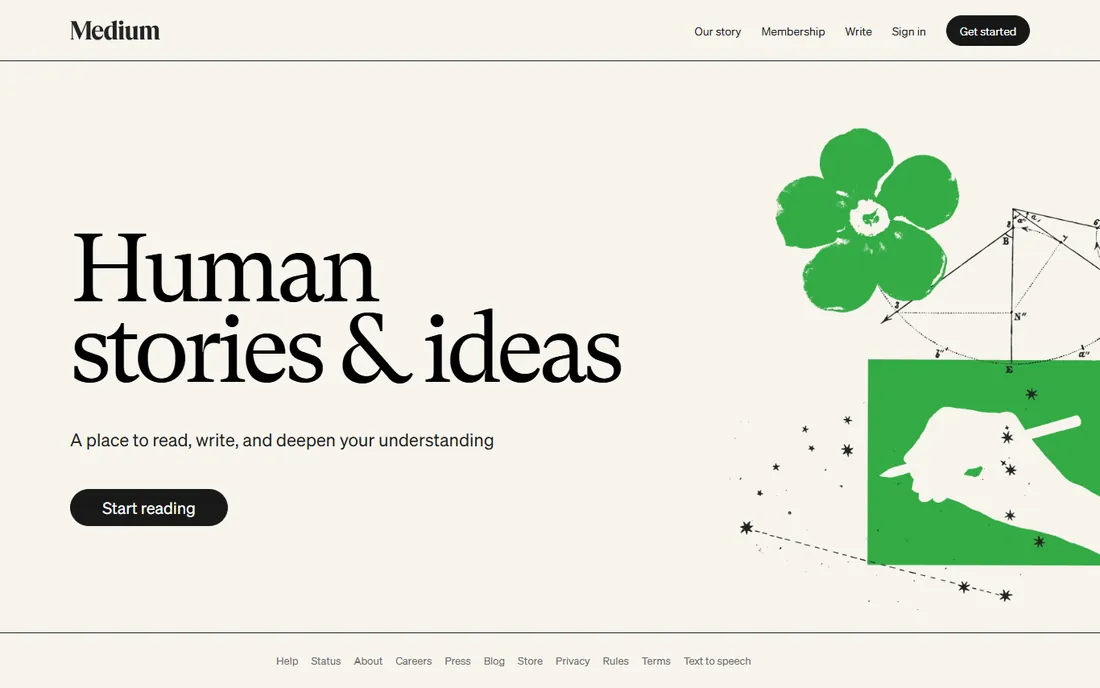
Medium pays writers through its Partner Program, which shares membership revenue based on how much paying members read and engage with paywalled stories. Publishing is free, and stories can reach Medium's large built-in readership with no promotion on your part. There is no site to maintain and no plugins to update.
The program tightened in 2026. Eligibility now asks for an active membership ($5 a month or $50 a year) and a track record of published stories, a response to low-quality content flooding the platform. Payouts are not a fixed rate per view. They move with member reading time, referrals and formula changes, and established writers have reported sharp swings when Medium adjusts the math. You also build on rented land: followers and distribution belong to Medium.
Medium suits writers who want to earn from writing alone, with no interest in running a publication business. Treat Partner Program income as a bonus layer on top of work you would publish anyway, not as a dependable primary revenue stream.
What we like- Free to publish with a large built-in audience
- Partner Program pays for member reading time
- No hosting or maintenance work
Watch out for- Payouts depend on an opaque engagement formula
- 2026 rules require consistent publishing history to join
- You cannot export the audience
#6
Kit
Best for: creators monetizing through email funnels and digital products
Visit kit.com
Starting price$39 per month (billed monthly)
Free planYes
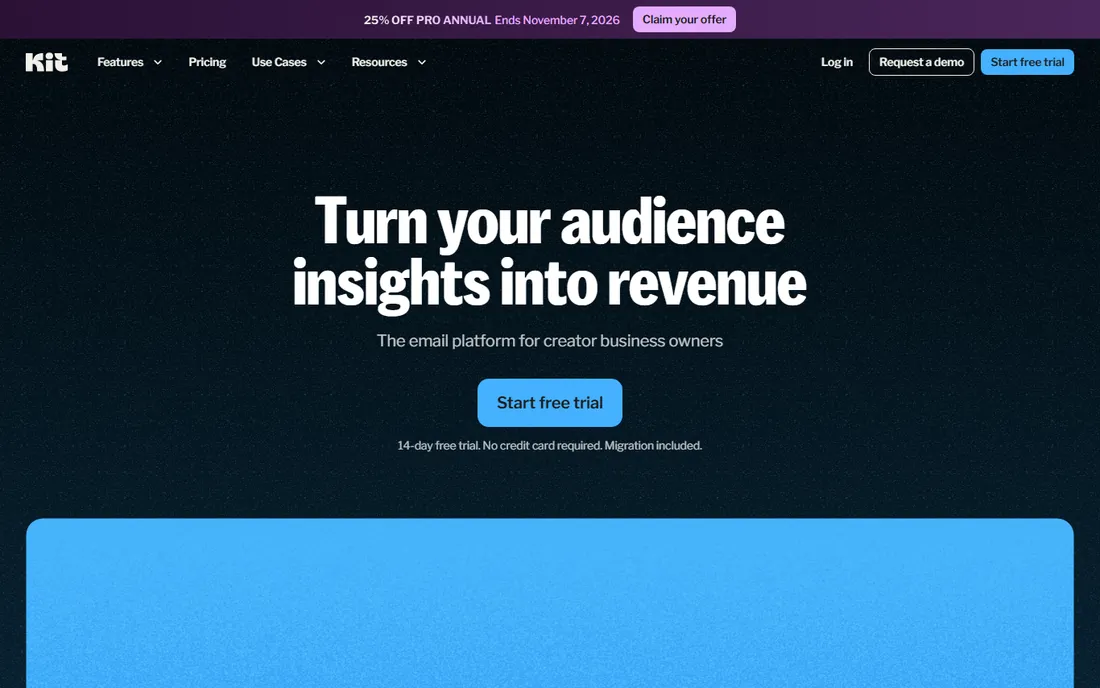
Kit, formerly ConvertKit, is an email platform rather than a blogging tool, but it earns its place because email is where many creators actually make money. The free Newsletter plan covers up to 10,000 subscribers with unlimited broadcasts, landing pages and forms. Paid Creator plans start at $39 a month for up to 1,000 subscribers ($33 billed annually) and add unlimited automations, sequences and integrations.
Monetization runs through funnels and products. Kit Commerce lets you sell digital products, paid newsletters and subscriptions at a 0.6% transaction fee plus card processing, far below Substack's 10%. The visual automation builder handles welcome sequences, launches and follow-ups. The catch is that Kit is not a place to publish a blog. You pair it with a site on WordPress, Ghost or similar, and paid pricing rises with list size.
Pick Kit if your monetization plan centers on email: selling courses, ebooks or paid newsletters to a list you own.
What we like- Free plan covers up to 10,000 subscribers
- Visual automation builder for sales funnels
- Commerce features with a low 0.6% transaction fee
Watch out for- Not a blog platform, needs a separate site
- Paid plans scale with subscriber count
- Free plan limits automations
Starting price$9.99 per month (Vocal+ optional)
Free planYes
Vocal.Media pays writers directly for reads: $3.80 per 1,000 reads on the free plan, or $6.00 per 1,000 reads with the Vocal+ membership at $9.99 a month. There is no audience threshold to start earning, and readers can tip stories. Themed writing challenges with cash prizes give active writers another way to earn.
The honest math is sobering. At $3.80 per thousand reads, a story with 10,000 reads earns $38. Vocal lacks Medium's domain authority and built-in readership, so most writers must promote their own work to get reads at all. Vocal+ raises the rate but adds a monthly cost that only pays off with consistent traffic.
Vocal.Media fits writers who want a simple per-read payout without building a publication or an email list. It rewards volume and self-promotion, and it works best as a side channel rather than a primary income source.
What we like- Pays per 1,000 reads with no follower requirement
- Free to publish
- Writing challenges offer extra prize money
Watch out for- Low per-read rates
- Traffic depends heavily on your own promotion
- Platform has far less reach than Medium
Starting price$19 per month
Free planFree trial (14 days)
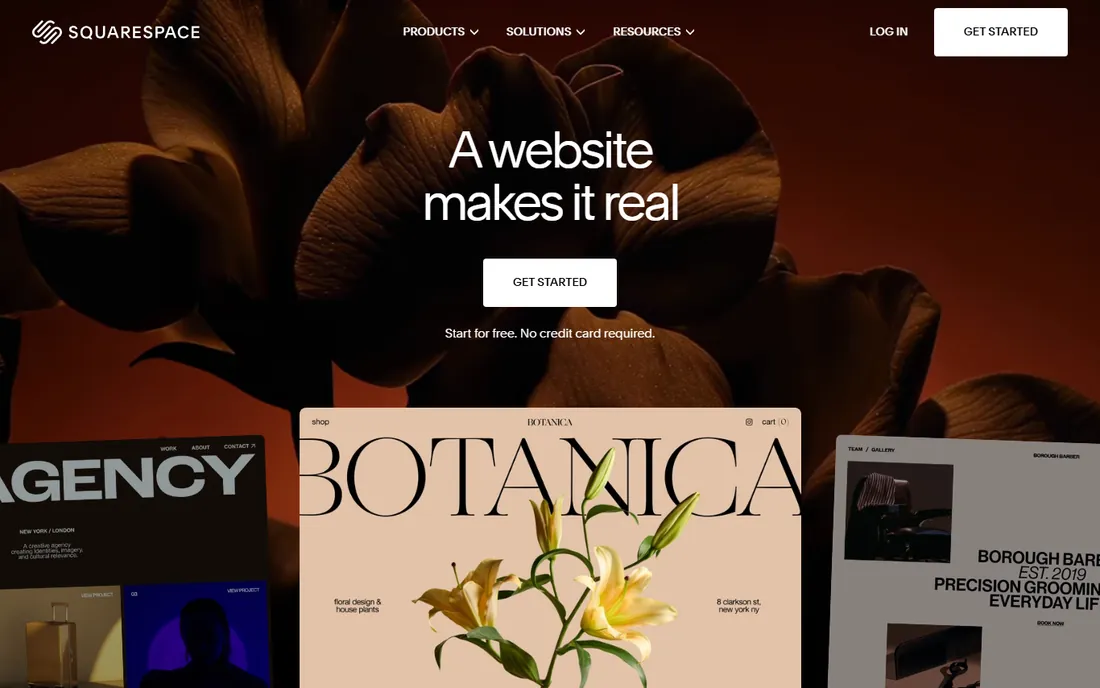
Squarespace bundles a good-looking blog with monetization features in one subscription starting at $19 a month after a 14-day trial. Member Areas let you gate content behind paid subscriptions, and you can sell courses, digital downloads and services from the same site. Everything is hosted and maintained for you.
As a monetization platform it is a compromise. The blog editor and SEO controls are fine but not as deep as WordPress, and the template system trades flexibility for consistency. There is no free tier, only the trial, and leaving Squarespace later means rebuilding elsewhere since there is no real site export.
Choose Squarespace when design quality matters and you want one bill covering the blog, memberships and a small store. It suits solo creators and small businesses that value simplicity over maximum control.
What we like- Polished templates with no design skills needed
- Member areas and paywalled content built in
- Hosting, security and support included
Watch out for- No permanent free plan
- Blogging features are thinner than WordPress
- Exporting a site later is painful
#9
Wix
Best for: simple blogs with built-in marketing tools
Visit wix.com
Starting price$17 per month (billed annually)
Free planYes
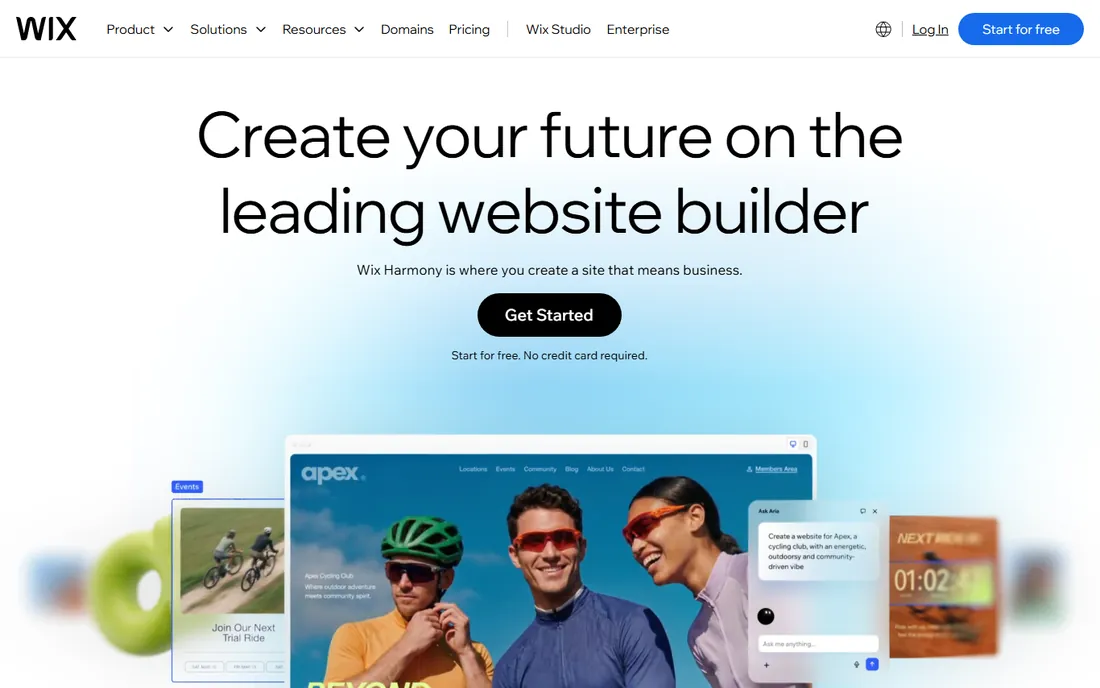
Wix offers the gentlest on-ramp on this list: a real free plan with the drag-and-drop editor, AI site builder and hosting. Paid plans start with Light at $17 a month billed annually, which removes Wix ads and connects a custom domain. Higher tiers add ecommerce, subscriptions, bookings and email marketing.
For monetization, Wix handles memberships, digital products and service bookings well enough for a small operation. It is weaker for ad-driven blogs: placing and managing display ads is clunkier than on WordPress, and the platform's SEO ceiling sits below self-hosted alternatives. Once you pick a template you cannot switch it without rebuilding, and there is no clean way to export the site.
Wix fits beginners who want a blog plus simple paid offerings, like coaching, bookings or a small digital store, without touching code or hosting.
What we like- Genuine free plan for getting started
- Drag-and-drop builder with 2,000+ templates
- Built-in email marketing, bookings and payments
Watch out for- Free plan shows Wix ads and uses a Wix subdomain
- Template cannot be switched after building
- Display-ad monetization is awkward
How we chose
We did not run hands-on trials for this roundup. Instead we read each vendor's current pricing page and help documentation, checked feature lists for monetization tools like paywalls and ad networks, and scanned public reviews on G2 and Capterra plus creator discussions on Reddit for recurring complaints about fees and payouts.
The biggest mistake is picking a platform for its editor and discovering later that its fee structure eats your margin. Decide how you will earn before you compare features.
Subscriptions and memberships
If readers pay you directly, compare the platform's cut against flat-fee alternatives at your expected revenue. Substack's 10% is cheap at $200 a month in subscriptions and punishing at $10,000. Ghost, beehiiv and WordPress with a membership plugin all charge flat fees that stay fixed as revenue grows. Kit's commerce fee of 0.6% is the lowest percentage option for selling subscriptions through email.
Advertising
For display ads you need a platform that lets you place ad code freely, which points to WordPress.org or Ghost. beehiiv's built-in ad network is the exception: it brings advertisers to you, which suits newsletter publishers who do not want to sell sponsorships themselves. Medium and Vocal.Media pay from their own reader pools instead, so there is no ad inventory to manage but also no ad rates to negotiate.
Affiliate links and digital products
Affiliate links work on almost every platform here, since the payout happens off-platform. Email lists on Kit or beehiiv convert affiliate offers far better than rented audiences on Medium, because you control the send. For selling ebooks, templates or courses, Kit Commerce, Squarespace, Wix and WordPress with WooCommerce all offer native checkout. Watch transaction fees: they range from 0% on Ghost and beehiiv to 10% on Substack.
Fees and payout details that change the math
A platform's headline price rarely tells the full cost story. Payment processing, usually around 2.9% plus $0.30 per transaction through Stripe, applies on top of platform fees nearly everywhere. Annual billing typically saves 15 to 30%.
Also check data portability before you commit. Exporting subscribers and content from Ghost, WordPress and Kit is straightforward, while leaving Medium, Substack or Squarespace takes noticeably more work. Choose with the exit in mind.
Frequently asked questions
Do I need an existing audience to monetize a blog?
No, but the platform choice changes. Medium, Vocal.Media and Substack all provide some built-in discovery. WordPress, Ghost and beehiiv give you more control and better margins but expect you to drive your own traffic.
Which platform takes the smallest cut of my earnings?
Ghost and beehiiv take 0% of subscription revenue on paid plans, and WordPress.org takes nothing at all since you run the software. Kit charges 0.6% on commerce sales. Substack takes 10%, the highest flat cut on this list.
Can I run ads and paid subscriptions on the same blog?
Yes on WordPress.org, Ghost and Squarespace, where you control the layout and paywalls. beehiiv combines subscriptions with its own ad network. Substack supports paid subscriptions but not third-party display ads, and Medium and Vocal.Media do not allow you to place your own ads.
Is it better to own my email list or build on a platform?
Owning the list wins for most monetization plans. Platforms can change fees and rules, as Medium's 2026 eligibility tightening showed. Tools like Kit and beehiiv make the list itself the asset, while Medium and Vocal.Media keep the audience relationship.
Can I switch platforms later without losing everything?
You can move content and subscriber lists between WordPress, Ghost, Kit and beehiiv with moderate effort. Leaving Medium, Vocal.Media, Squarespace or Wix is harder: followers and design do not transfer, so you rebuild distribution from scratch. Choose with the exit in mind.
Sources we checked (17)
- https://wordpress.org/
- https://ghost.org/
- https://substack.com/
- https://www.beehiiv.com/
- https://www.beehiiv.com/blog/email-marketing-pricing
- https://medium.com/
- https://medium.com/@techverdict/newsletter-platforms-guide-2026-beehiiv-vs-substack-vs-kit-and-the-fee-math-a2e2b1a3a251
- https://creatormailstack.com/guides/beehiiv-for-creators
- https://www.techedt.com/ghost-adds-social-syndication-and-analytics-in-major-6-0-update
- https://kit.com/
- https://www.emailtooltester.com/en/reviews/convertkit/pricing/
- https://squarespace.com/
- https://www.nogentech.org/squarespace-website-builder-review/
- https://www.wix.com/
- https://www.business.com/reviews/wix/
- https://vocal.media/
- https://vocal.media/futurism/write-publish-and-earn-on-vocal-media-all-you-need-to-know
Is your product missing or out of date?
We review this list regularly. Vendors can request a listing, send updated pricing or ask about featured placement.

Shihab Mia · Founder, Rankite
Shihab has spent more than a decade helping SaaS and e-commerce brands grow through search. He writes Rankite's software buying guides from pricing pages, documentation and public user reviews. More about Shihab.