How we make this list: we compare pricing pages, product documentation and public user reviews. Ratings come from G2, Capterra or Trustpilot, with the date we checked them.
Key takeaways
- Duolingo and Memrise offer the most useful free tiers for beginners, with gamified lessons and vocabulary practice.
- Russian needs alphabet time first, since Cyrillic letters, sounds, and stress patterns shape everything that follows.
- Clozemaster and LingQ suit intermediate learners who want reading and sentence practice beyond beginner lessons.
- Free apps build vocabulary and basic grammar well, but speaking practice and grammar study need extra sources.
Quick comparison
| Tool | Best for | Starting price | Free plan |
|---|
 Duolingo | Free beginner course | Free; Super $12.99 per month | Yes |
 Memrise | Free vocabulary and videos | Free; Pro $24.99 per month | Yes |
 Clozemaster | Sentence and vocabulary practice | Free; Pro $8 per month | Yes |
 LingQ | Reading and listening | Free; Premium $14.99 per month | Yes |
 Mondly | Free starter lessons | Free; Premium from $9.99 per month | Yes |
 Babbel | Structured grammar lessons | See website | Free trial |
 RussianPod101 | Audio lessons and culture | Free; Premium plans available | Yes |
 Beelinguapp | Parallel text reading | Free; Premium plans available | Yes |
Is your product missing or out of date?
We review this list regularly. Vendors can request a listing, send updated pricing or ask about featured placement.
The best free apps to learn Russian
#1Duolingo
Best for: Free beginner course4.5/5 on
G2 (145 reviews, checked Oct 2026)
Visit duolingo.com
Starting priceFree; Super $12.99 per month
Free planYes
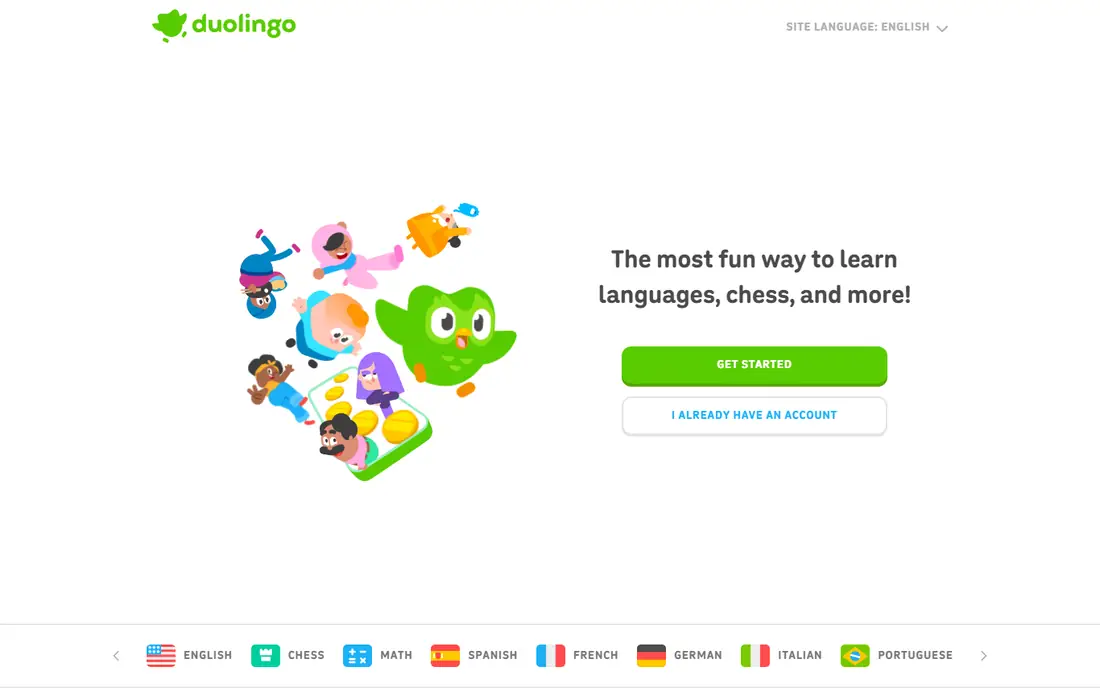
Duolingo is the best free starting point for Russian because the core course is free and follows a clear path from the Cyrillic alphabet to basic sentences. Lessons run five to ten minutes, with exercises in vocabulary, listening, sentence building, and reading, plus streaks that support a daily habit. For a beginner, that structure removes the hardest decision, which is what to study next, and the free tier covers the main course content.
The free limits are ads and hearts, which cap mistakes before a wait or an ad break, and Super removes those limits with offline access. Duolingo also teaches less conversation and grammar depth than a structured course, so it suits habit and vocabulary first. Pair it with a grammar guide and speaking practice as you progress, and use the free tier for at least a few weeks before deciding whether Super is worth it.
What we like- Free core Russian course
- Short gamified lessons
- Alphabet and basic grammar in a clear path
Watch out for- Ads and hearts in the free tier
- Limited conversation practice
- No proficiency certificate
Starting priceFree; Pro $24.99 per month
Free planYes
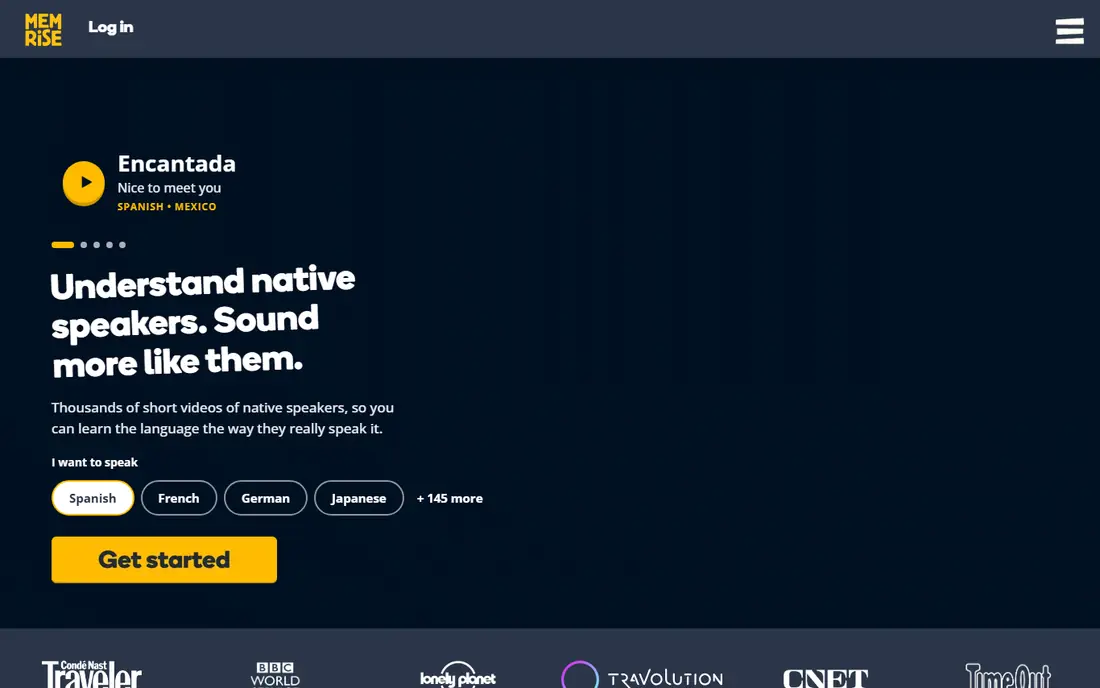
Memrise teaches Russian vocabulary through short lessons, native speaker videos, and spaced repetition, which helps words stick through repeated recall at increasing intervals. The free tier covers base lessons, so a learner can build a core vocabulary of everyday words and phrases without paying. Videos of native speakers saying words in context also help with listening and pronunciation, which text-only flashcards miss.
Memrise is not a complete guided course from alphabet to fluency, and full vocab lessons, videos, and speaking practice sit behind Pro. That makes it a strong supplement rather than a sole course: use Duolingo for structure, Memrise for vocabulary, and a grammar source for rules. Test the free lessons first, and pay for Pro only if you use the full video and speaking features regularly.
What we like- Free base lessons
- Native speaker videos for context
- Spaced repetition for vocabulary recall
Watch out for- Pro needed for full lessons and videos
- Not a complete guided course
- Some content quality varies
Starting priceFree; Pro $8 per month
Free planYes
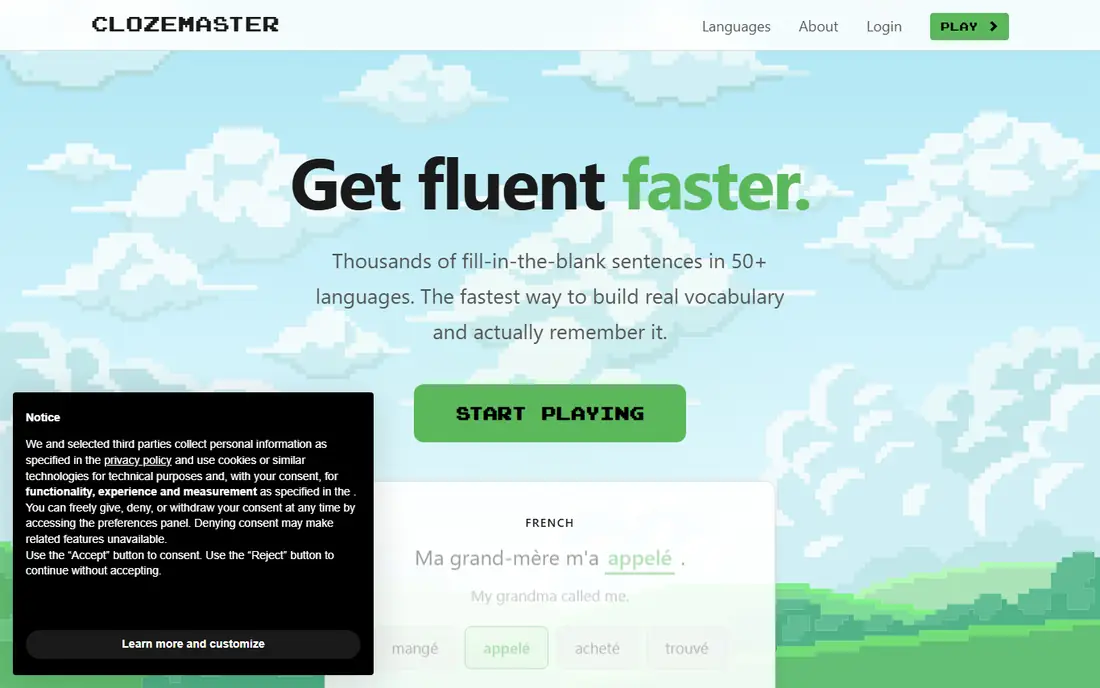
Clozemaster teaches vocabulary through sentences with a missing word, which forces you to use context, grammar, and word form, not just recall a single translation. That sentence-level practice suits learners who already know the alphabet and basic words and want to move toward reading real Russian. A cloze-listening mode plays the sentence first, so you practice listening before seeing the text, which helps with stress and sound patterns.
The format is repetitive by design, and Clozemaster does not teach grammar rules or hold conversations, so it works best as a daily drill alongside a course. The free tier covers core play, while Pro adds stats, favorite sentences, and customization for $8 per month. Use Clozemaster for ten minutes a day after a Duolingo or Memrise session to turn isolated words into sentence understanding.
What we like- Free sentence practice in Russian
- Cloze listening mode for ear training
- Large sentence library
Watch out for- Sentence drills can feel repetitive
- No structured grammar teaching
- Interface is plain
Starting priceFree; Premium $14.99 per month
Free planYes
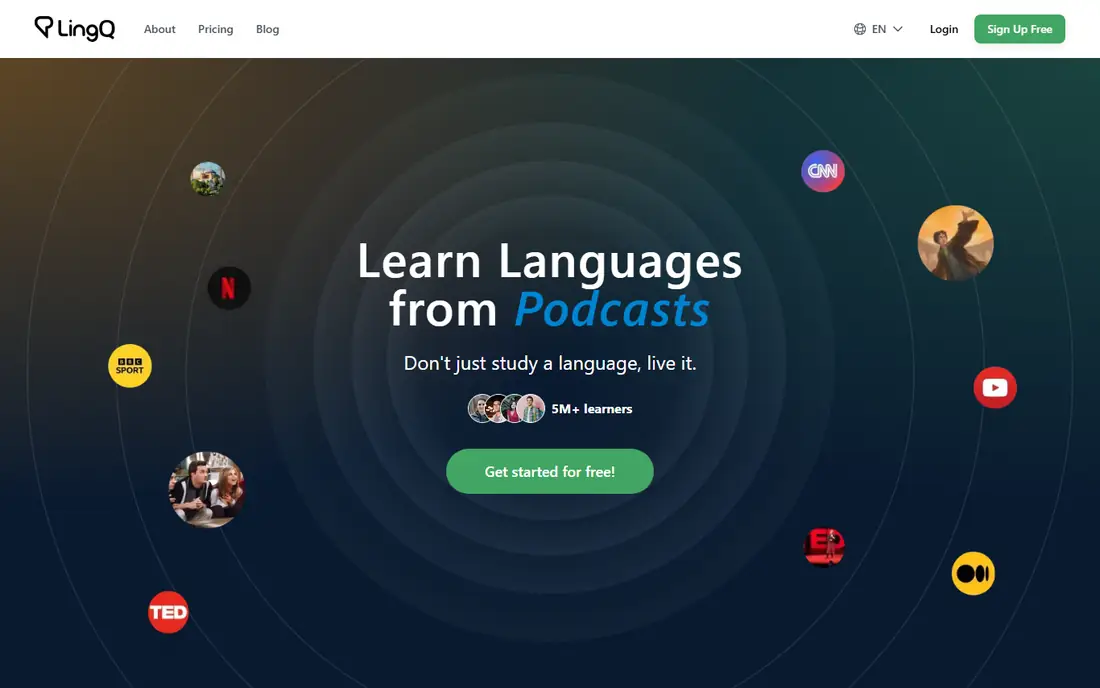
LingQ helps you learn Russian by reading and listening to real content, with matching text and audio, plus tools to save new words and review them later. The library includes beginner lessons, podcasts, interviews, and audiobooks, and you can import articles, books, or videos from the web to study content you actually care about. That input-based approach suits intermediate learners who want to move from textbook sentences to real Russian.
The free plan is limited, with a small number of saved words and imports, so serious use needs Premium at $14.99 per month. The interface also takes a session to learn, since tracking known words, saved words, and lesson stats is more complex than a simple lesson app. LingQ suits learners who already read Cyrillic and want a reading habit, paired with a beginner course for grammar.
What we like- Large library of Russian lessons with audio and text
- Import your own content
- Vocabulary tracking
Watch out for- Free plan is very limited
- Interface takes time to learn
- Premium price is high for casual learners
Starting priceFree; Premium from $9.99 per month
Free planYes
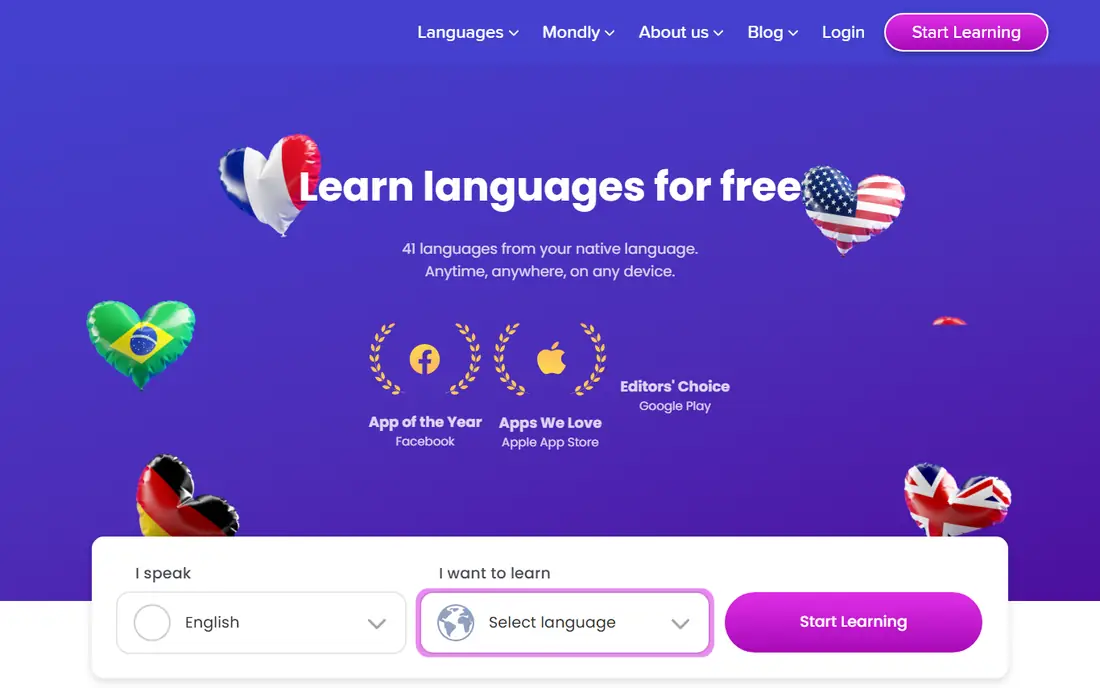
Mondly offers a free version with starter lessons in Russian, plus daily lessons, vocabulary games, and a chatbot for simple conversation practice. The lessons are short and visual, with audio from native speakers, which suits a beginner who wants a second free app alongside Duolingo. Augmented reality features add a novelty layer for some learners, though they are not essential to learning.
The free content covers only the start of the course, and paid plans from $9.99 per month open the full library. Mondly depth stays mainly at beginner to lower intermediate level, so it works best as a free trial and vocabulary supplement, not as a sole path to fluency. Use the free lessons to test whether the style suits you, then choose a deeper course for grammar and reading.
What we like- Free starter lessons
- Daily lessons and chatbot practice
- Augmented reality features for some learners
Watch out for- Free content is limited
- Depth is mainly beginner level
- Chatbot can feel gimmicky
Starting priceSee website
Free planFree trial
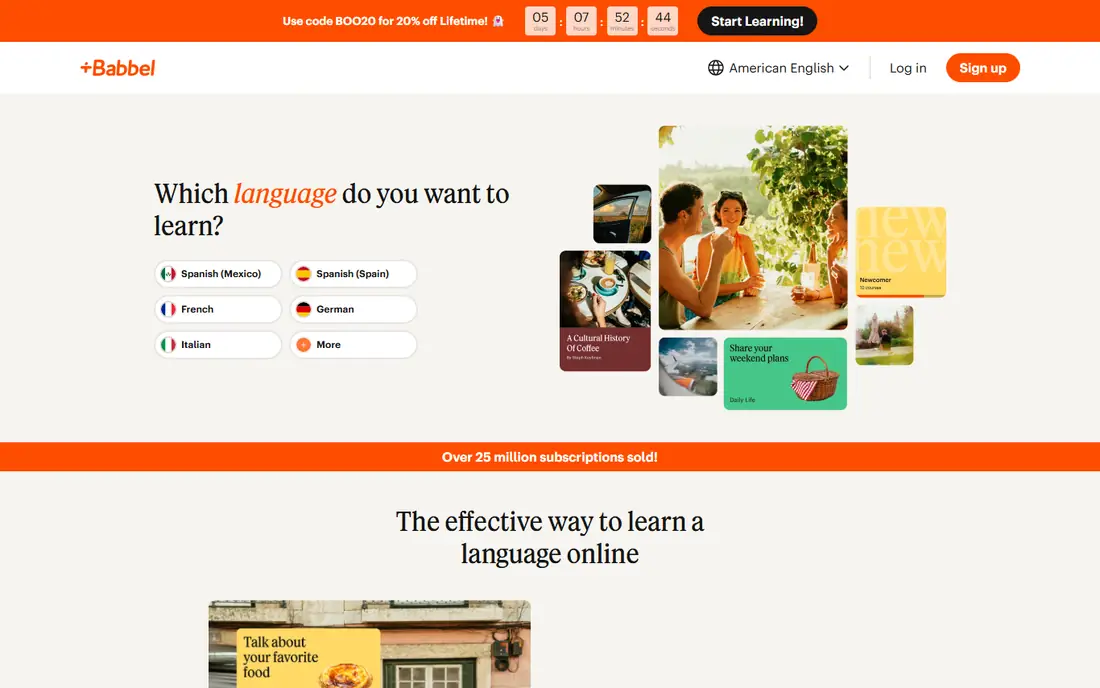
Babbel is included here because its free trial and first lessons help learners judge a structured alternative, even though it has no full free tier. Lessons run ten to fifteen minutes, with grammar explanations in English, practical dialogues, and review sessions that revisit words at intervals. That structure suits adult learners who want to understand why Russian cases, verb aspects, and word order work as they do, not just memorize phrases.
The lack of a full free tier is the limit for this list, so Babbel is best used after free apps have covered the alphabet and basic vocabulary. A trial lets you test the teaching style before paying, and the course reaches around intermediate level, after which reading, listening, and speaking practice matter more. Use Babbel as a paid step up from free apps when grammar explanations become your main need.
What we like- Clear grammar explanations
- Practical conversation lessons
- Structured path to intermediate level
Watch out for- No full free tier beyond a trial
- Lessons are less gamified
- Russian course ends around intermediate level
Starting priceFree; Premium plans available
Free planYes
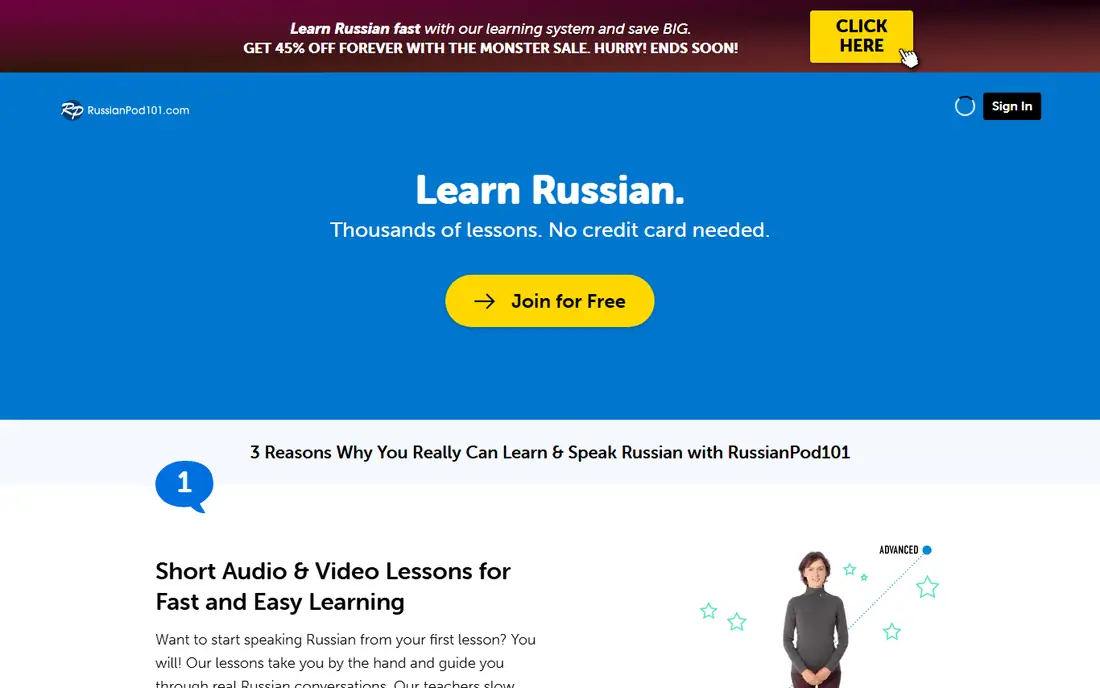
RussianPod101 offers audio and video lessons for Russian learners from beginner to advanced, with culture notes, vocabulary lists, and lesson notes that explain grammar in context. The free tier gives access to a rotating set of lessons, which is enough to test the format and build listening skills during commutes or workouts. Lessons focus on real dialogues, so you hear how Russians actually speak, including informal phrases that textbooks skip.
Full lesson notes, transcripts, and study tools sit behind Premium plans, and the website packs in many offers, which can feel busy. RussianPod101 suits learners who like audio learning and want culture context alongside language, paired with a reading app such as LingQ or a course app such as Duolingo for writing and grammar practice.
What we like- Free audio and video lessons
- Culture notes and vocabulary lists
- Lessons for beginner to advanced levels
Watch out for- Full lesson notes and tools need Premium
- Audio format suits listening more than writing
- Site can feel busy
Starting priceFree; Premium plans available
Free planYes
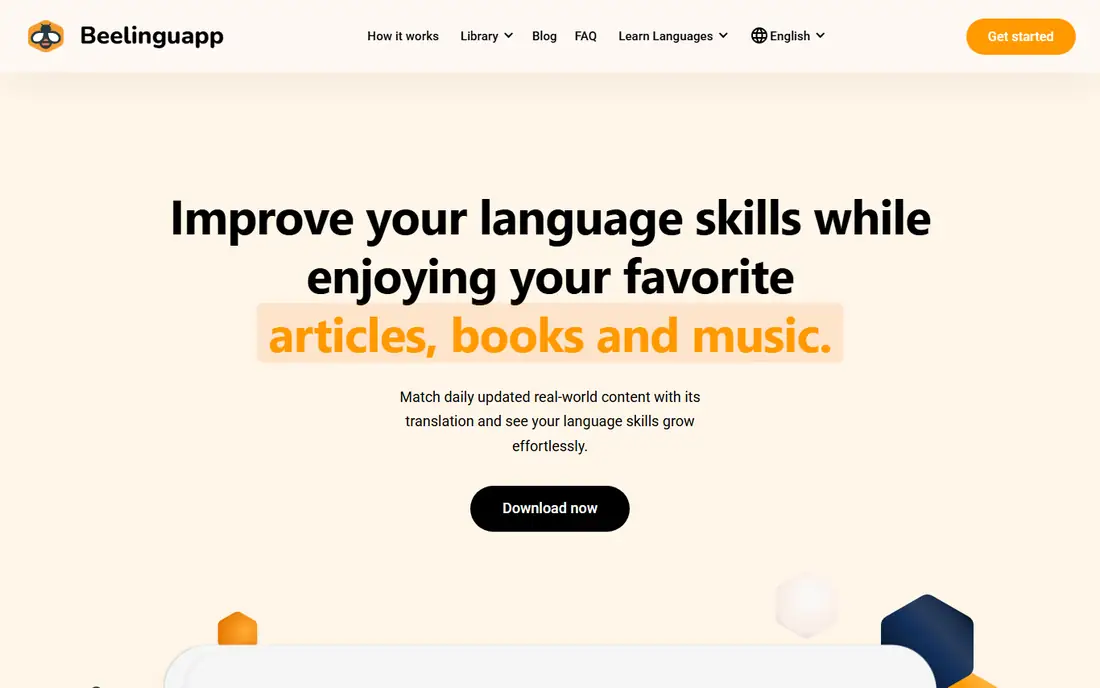
Beelinguapp shows Russian text beside an English translation, with audio narration, so you can read a story in Russian and check the meaning without switching apps. Content includes fairy tales, news, science, and novels, which gives reading practice across topics and levels. That parallel text format helps intermediate learners move from textbook sentences to longer texts, since unknown words can be checked in context.
The free tier covers a selection of texts, with full access behind Premium, and Beelinguapp offers no structured course, grammar lessons, or speaking feedback. It works best as a reading supplement after the alphabet and basic vocabulary are solid, used for ten to fifteen minutes a day alongside a course app. Pair it with listening and speaking practice, since reading alone will not build conversation skills.
What we like- Parallel Russian and English texts
- Audio narration for stories
- Fairy tales, news, and novels for reading practice
Watch out for- Free content is limited
- No structured course or grammar lessons
- Reading alone does not build speaking
How we chose
We compared Russian learning apps using vendor pricing pages, free tier details, and public reviews, focusing on whether a real free tier exists, how it covers the alphabet, vocabulary, grammar, reading, and listening. Each app had to be live today, offer Russian content, and serve a distinct learning need, from beginner habit to sentence practice to reading. We noted clearly where a free tier is limited to a trial or starter lessons, so readers do not mistake a paid course for a free one.
How to learn Russian for free without getting stuck
Start with the alphabet for one to two weeks, using Duolingo and a free alphabet chart or video series to learn Cyrillic letters, sounds, and stress. Do not skip this step, since Russian spelling, pronunciation, and word stress depend on it, and guessing from Latin letters will slow you down later. Practice writing letters by hand as well as reading them, since handwriting helps memory for a new script.
Next, build a daily routine of three short blocks: a course lesson in Duolingo, vocabulary review in Memrise or Clozemaster, and listening or reading in RussianPod101, LingQ, or Beelinguapp. Keep each block to ten minutes at first, and keep the total to about thirty minutes a day, so the habit survives busy days. Add a grammar source when cases and verb aspects start to confuse you, since free apps often explain those rules lightly.
Finally, add speaking early, even if it feels awkward. Read sentences aloud, shadow audio lessons by repeating after the speaker, and record yourself to compare sounds. Free language exchange communities and tutor trial lessons can add real conversation once you can form basic sentences. A free app can take you to a solid beginner level, but speaking, reading real texts, and grammar study are what carry you beyond it.
Frequently asked questions
Can I really learn Russian for free?
Yes, to a solid beginner level. Duolingo, Memrise, Clozemaster, and RussianPod101 offer real free tiers that cover the alphabet, vocabulary, and basic grammar. Reaching intermediate level usually needs extra reading, listening, and speaking practice, which can still be free through libraries, podcasts, and language exchanges.
How long does it take to learn the Russian alphabet?
Most learners can read Cyrillic slowly within one to two weeks of daily practice, and read more fluently within a month. Practice letters, sounds, and stress together, and write by hand as well as reading, since that combination helps memory for a new script.
Is Duolingo enough to learn Russian?
Duolingo is enough for a beginner habit, basic vocabulary, and simple sentences, but not for fluency alone. Add grammar study, reading, listening, and speaking practice as you progress, and treat Duolingo as the daily habit layer, not the whole course.
What is the hardest part of learning Russian?
Cases, verb aspects, and word stress challenge most learners, since word endings change with role in a sentence and stress can shift. A grammar guide, sentence practice in Clozemaster, and listening to native audio help more than memorizing word lists alone.
Should I learn Russian grammar or vocabulary first?
Learn both in parallel, with vocabulary first for daily use and grammar added as sentences get longer. Start with the alphabet and common words, then study cases and verb forms when you need them to build sentences you actually want to say.
Do free apps offer speaking practice?
Some offer limited speaking, such as pronunciation checks in Mondly and Memrise, but none replace real conversation. Read aloud, shadow audio lessons, and use language exchange partners or tutor trials for speaking once you can form basic sentences.
Sources we checked (8)
- https://www.duolingo.com
- https://www.memrise.com
- https://www.clozemaster.com
- https://www.lingq.com
- https://www.mondly.com
- https://www.babbel.com
- https://www.russianpod101.com
- https://www.beelinguapp.com
Is your product missing or out of date?
We review this list regularly. Vendors can request a listing, send updated pricing or ask about featured placement.

Shihab Mia · Founder, Rankite
Shihab has 5+ years in B2B and SaaS SEO. He writes Rankite's software buying guides from pricing pages, documentation and public user reviews. More about Shihab.