How we make this list: we compare pricing pages, product documentation and public user reviews. Ratings come from G2, Capterra or Trustpilot, with the date we checked them.
Key takeaways
- Only three of the 11 tools publish prices on their own websites: Techpacker (from $35 per user/month billed annually), Delogue (from €145 per user/month billed annually) and Zedonk (PLM from £166 per month paid annually). The rest quote each deal separately.
- How long setup takes varies a lot. WFX says brands can go live in 8 to 12 weeks, and Onbrand lists 2-week onboarding on its Core plan. Enterprise suites usually take months.
- An Adobe Illustrator plugin is now standard among serious fashion PLMs. Delogue only includes it from the Professional plan up.
- If you need wholesale orders, inventory and production in the same system, look at the PLM-plus-ERP tools (Uphance, Zedonk, BlueCherry, WFX) rather than a standalone PLM.
- Backbone PLM is now part of Bamboo Rose, so buyers who shortlisted Backbone should assess it through Bamboo Rose.
Quick comparison
| Tool | Best for | Starting price | Free plan |
|---|
 Centric PLM | Large brands and retailers with complex assortments | See website | No |
 Bamboo Rose | Retailers that link PLM with sourcing and planning | See website | No |
 WFX PLM | Mid-size brands that want PLM, ERP and factory tools from one vendor | See website | No |
 Lectra Kubix Link | Brands that need PLM and product content in one place | See website | No |
 BlueCherry Next PLM | Companies that want PLM tied to a fashion ERP | See website | No |
 Infor PLM for Fashion | Infor CloudSuite customers | See website | No |
 Delogue PLM | European-style mid-size brands focused on compliance | €145 per user/month (billed annually) | No |
 Onbrand PLM | US apparel teams that want a fast rollout | See website | No |
 Techpacker | Small brands and freelance designers | $35 per user/month (billed annually) | Free trial (7 days) |
 Uphance | Growing brands that want PLM inside an apparel ERP | See website | No |
 Zedonk | Designer labels with small teams | £166 per month (paid annually) | No |
Is your product missing or out of date?
We review this list regularly. Vendors can request a listing, send updated pricing or ask about featured placement.
The best PLM software for fashion brands
#1Centric PLM
Best for: Large brands and retailers with complex assortments4.3/5 on
G2 (54 reviews, checked Oct 2026)
Visit centricsoftware.com
Starting priceSee website
Free planNo
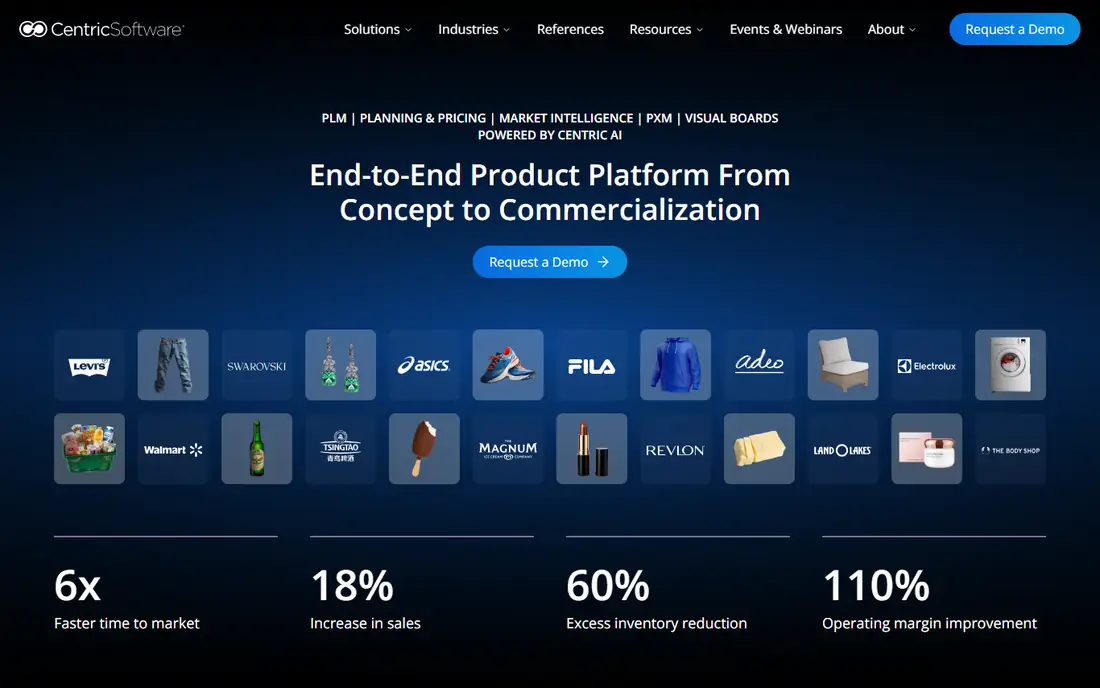
Centric is the name most fashion IT teams already know. It was built for fashion and retail first and later spread into footwear, outdoor, home goods and other consumer categories. Besides PLM, Centric sells retail planning, pricing and product content tools, so a large retailer can buy several connected modules from one vendor.
Its main strength is how many systems it connects to. WFX's side-by-side comparison, citing Centric's own material, lists 80+ ERP connections and 100+ APIs. Centric also promotes Adobe and 3D connectors, mobile apps and a separate PLM package for emerging brands. Its Agile Deployment approach averages three to four months.
The downside is the buying process. You will not find a price on the website, and you should expect a scoping process, a services contract and an internal project owner. If you have fewer than 20 people in product development, a lighter tool further down this list will probably be enough.
What we like- Deep fashion-specific product development features
- Large integration library covering ERP, CAD, 3D and PIM
- Agile Deployment method meant to shorten rollouts
Watch out for- Quote-only pricing with no public numbers
- More system than a small brand needs
#2Bamboo Rose
Best for: Retailers that link PLM with sourcing and planning4.1/5 on
G2 (39 reviews, checked Oct 2026)
Visit bamboorose.com
Starting priceSee website
Free planNo
Bamboo Rose markets TotalPLM to retailers and brands that want product development, sourcing and planning in one place. Its own materials focus on linking demand forecasting and merchandise planning to PLM. That suits retailers who run private-label programs across many vendors.
The bigger news is the Backbone acquisition. Backbone was a popular choice with mid-size apparel brands for fast tech packs and an approachable interface. Bamboo Rose bought it to strengthen the design end of its platform. If Backbone was on your shortlist, your evaluation now goes through Bamboo Rose.
The catch is clarity. During a demo, ask exactly which Backbone features are in the current product, what the roadmap is, and how pricing works for a 15-person design team compared with a national retailer.
What we like- Connects PLM with merchandise planning and sourcing
- Includes Backbone's designer-friendly front end
- Strong fit for private-label retail
Watch out for- Custom quotes only
- Buyers have to work out what the merged Backbone product looks like
Starting priceSee website
Free planNo
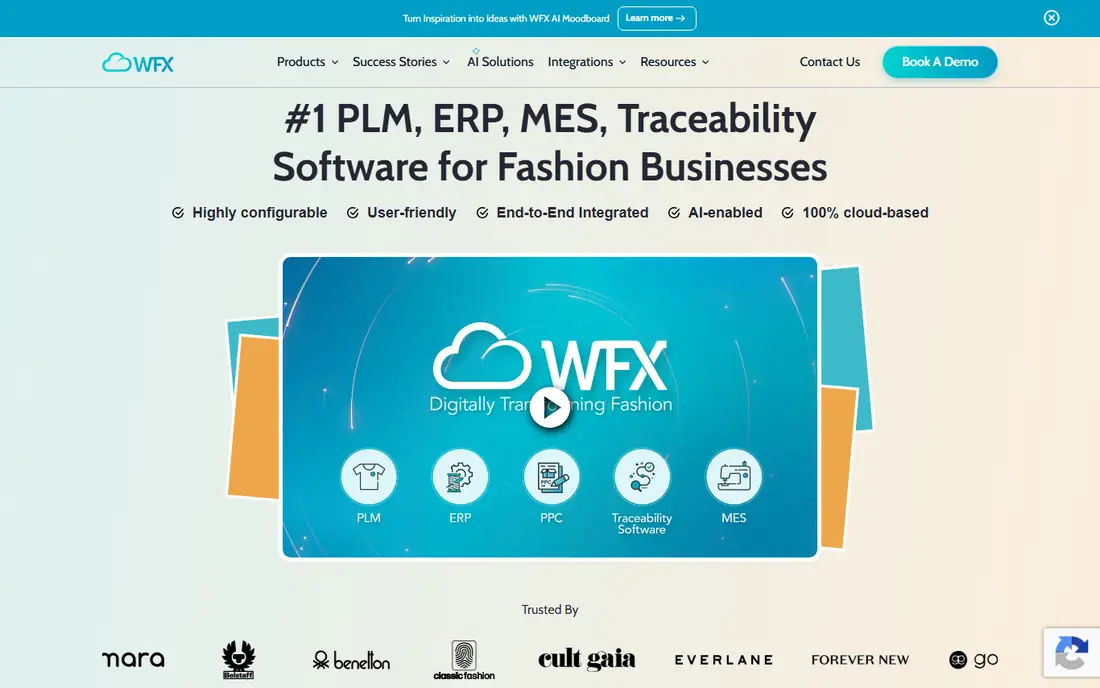
World Fashion Exchange was started by a family in fashion manufacturing in 2000. That background shows. Besides PLM, it sells apparel ERP, a smart factory MES, a cut-planning tool and a sustainability compliance module. A brand that owns or works closely with factories can run the whole chain with one vendor.
The PLM covers line planning, design, development, sampling and sourcing. Design teams can connect Adobe Illustrator, CLO3D and Browzwear, and WFX lists plug-and-play connectors for NetSuite, SAP, Sage and Shopify. Its FAQ says brands can go live in as little as 8 to 12 weeks, depending on scope.
Price is a custom quote, and WFX says so on its comparison pages. Because there are so many modules, write down which ones you actually need before the first call so the proposal stays focused.
What we like- Stated go-live in as little as 8 to 12 weeks
- Works with Adobe Illustrator, CLO3D and Browzwear
- ERP, MES and sustainability modules from the same company
Watch out for- No published pricing
- The wide product range can complicate scoping
#4
Lectra Kubix Link
Best for: Brands that need PLM and product content in one place
Visit lectra.com
Starting priceSee website
Free planNo
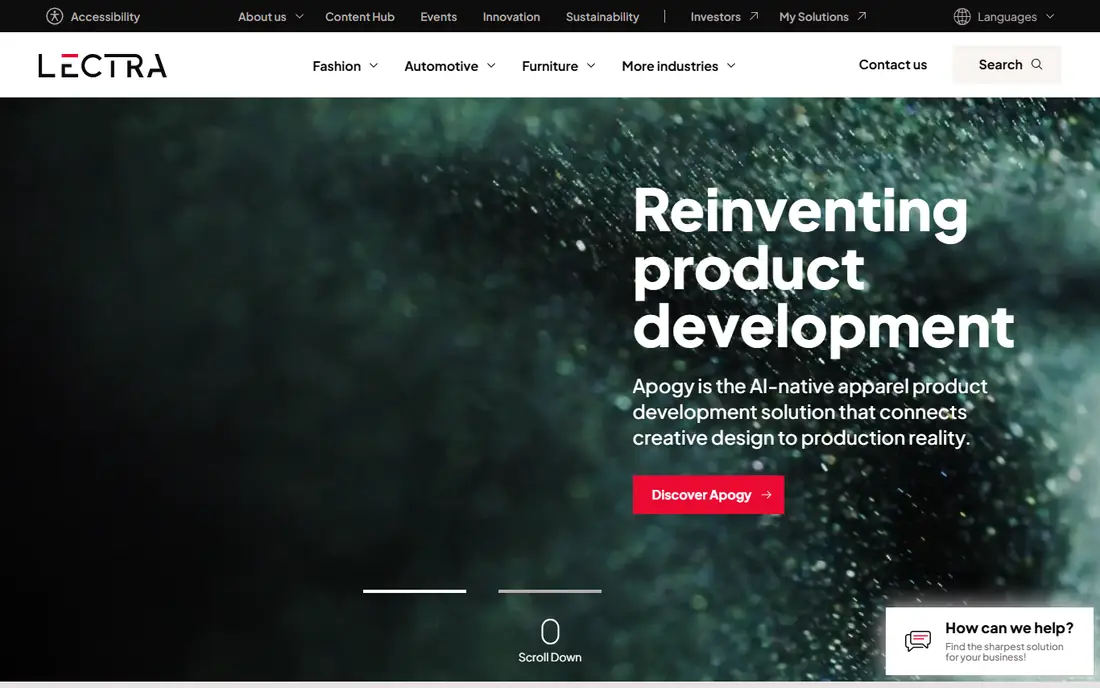
Kubix Link takes a different angle from most of this list. Lectra positions it as more than a development tool, with product information management and digital asset management built in. The same style record can feed design, sourcing, e-commerce copy and marketing assets.
That matters for brands where the e-commerce team spends hours re-keying product attributes. Lectra lists integrations with ERP, CMS, WMS, Excel, InDesign and Adobe Illustrator. It also connects to Lectra's own pattern tools, such as Modaris and Gerber AccuMark. Lectra bought Gerber Technology, so many technical design teams already use those tools.
The trade-off is fit. If your patternmakers use other CAD software and your PIM is already set up, much of Kubix Link's appeal goes away. It is a SaaS product, so ask about contract length and data export terms early.
What we like- Combines PLM, PIM and DAM in one cloud platform
- Links to Lectra's pattern and CAD tools
- Integrates with ERP, Illustrator and InDesign
Watch out for- Strongest value comes from staying inside the Lectra ecosystem
- Pricing on request only
#5
BlueCherry Next PLM
Best for: Companies that want PLM tied to a fashion ERP
Visit cgsinc.com
Starting priceSee website
Free planNo
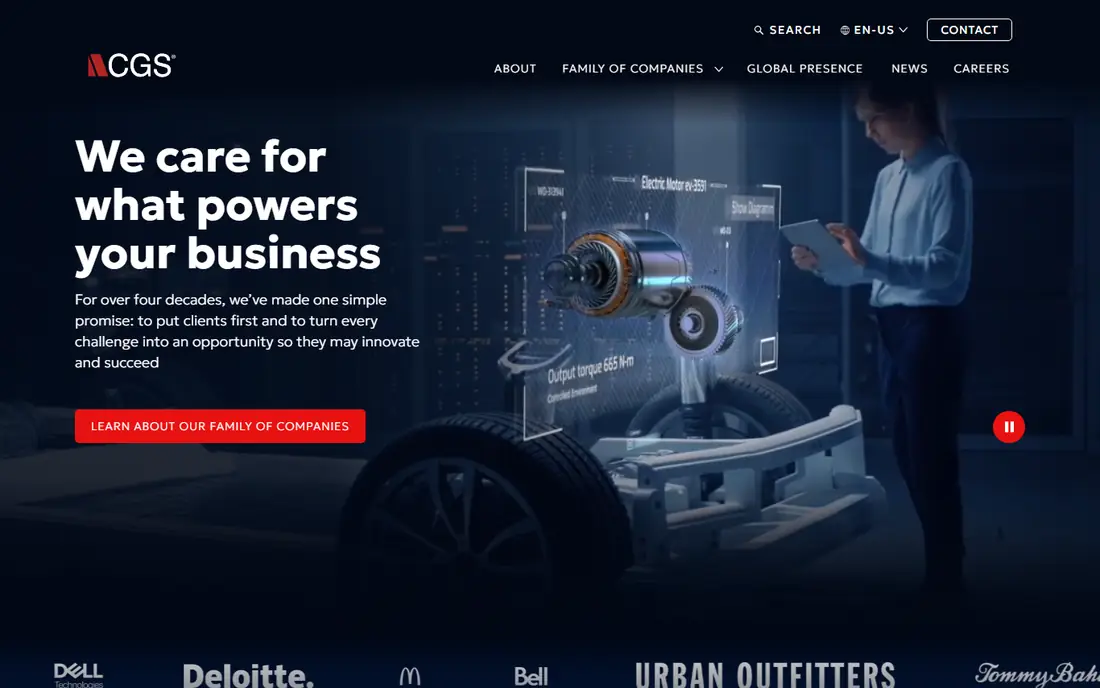
BlueCherry comes from CGS, a long-established enterprise software company. It suits brands that want product development, purchasing and ERP from one supplier. The PLM connects directly to BlueCherry ERP and e-commerce. Built-in PO management gives cost visibility before goods ship.
Two features stand out for US companies. The Illustrator plugin lets designers submit final designs without logging into the PLM. The compliance tools generate CPSIA and GCC documents and track factory audits. Children's wear and accessories brands will find the second one especially useful.
CGS says the system suits small and mid-size companies and scales to global enterprises. In practice, the case for BlueCherry is strongest when you buy the ERP too. If you plan to keep NetSuite or another ERP, compare integration costs carefully.
What we like- Two-way Adobe Illustrator plugin
- Built-in purchase order management
- Compliance documentation for CPSIA and GCC
Watch out for- Best value when paired with BlueCherry ERP
- Interface and buying process feel enterprise-oriented
#6
Infor PLM for Fashion
Best for: Infor CloudSuite customers
Visit infor.com
Starting priceSee website
Free planNo
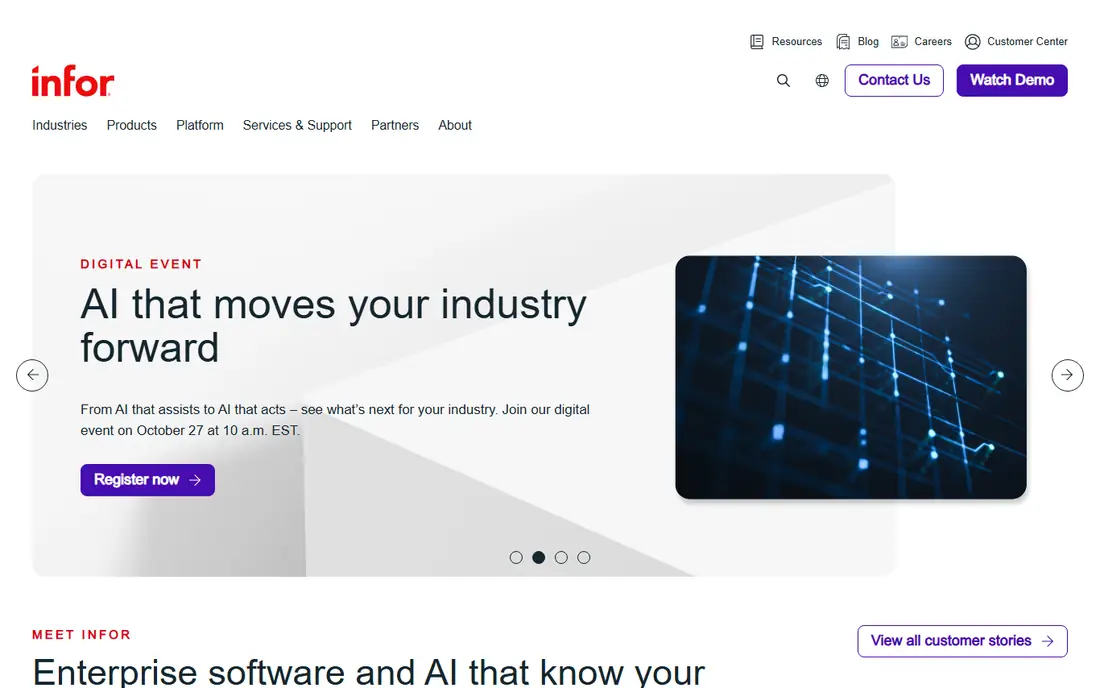
Infor's fashion PLM makes the most sense for companies that already run Infor. Its documentation describes CloudSuite PLM for Fashion as multi-tenant SaaS on Amazon Web Services. You can buy it on its own or as an add-on to Infor CloudSuite Fashion. For an existing Infor customer, that means fewer integration projects and one vendor relationship.
Infor's marketing focuses on linking creative, technical and commercial teams, with style specs, materials and costing in one record.
For a 40-person brand on Shopify and QuickBooks, Infor is probably the wrong tool. The sales process, contract structure and implementation partners are set up for larger companies. Mid-size brands not on Infor will usually get a faster return from WFX, Delogue or Onbrand.
What we like- Multi-tenant SaaS hosted on AWS
- Available standalone or as part of CloudSuite Fashion
- Enterprise-grade vendor stability
Watch out for- Little reason to choose it if you are not on Infor already
- Long enterprise sales cycle
#7
Delogue PLM
Best for: European-style mid-size brands focused on compliance
Visit delogue.com
Starting price€145 per user/month (billed annually)
Free planNo
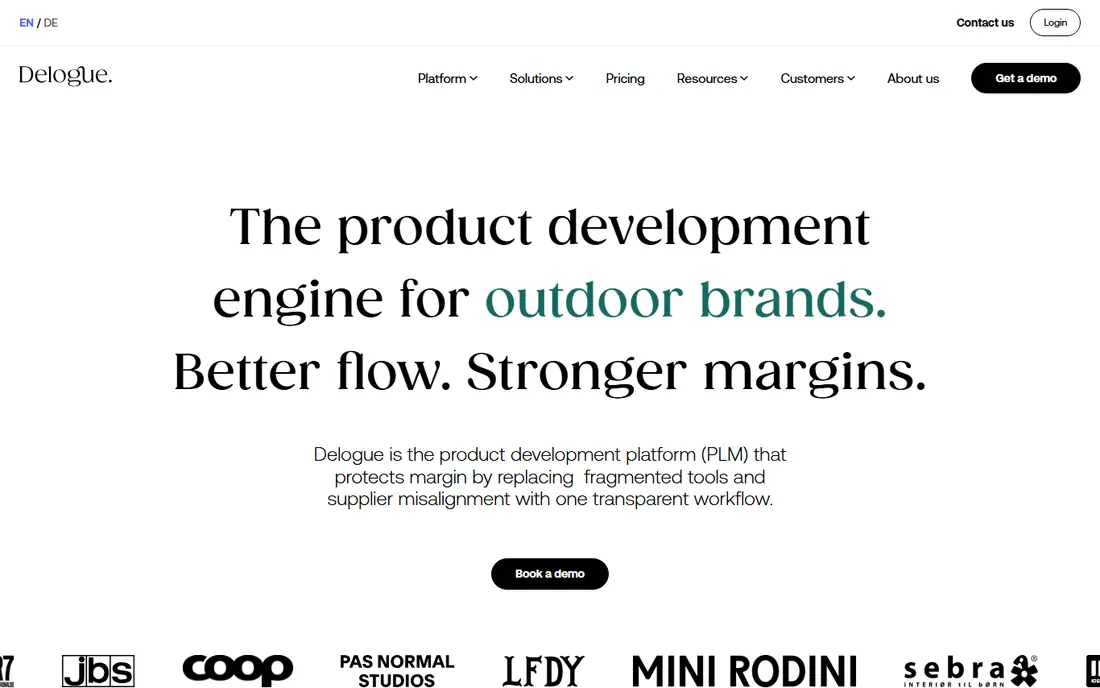
Delogue is a Danish cloud PLM, and it is one of the few that shows its prices. Essential costs €145 per user per month billed annually (€169 billed quarterly). It covers tech packs, sample management, supplier collaboration, price calculation, reports and a product data API. Professional (€199 annually) adds the Adobe Illustrator plugin, multi-language compositions, advanced size charts, a compliance module and analytics. Premium (€249 annually) is for teams of 15 or more and adds annual training, ESG consulting and a key account manager.
Delogue's focus on traceability is what sets it apart. A supplier module, priced at a flat €6,000 per year for the whole team, maps suppliers and sub-suppliers style by style and tracks certificate expiry dates. Brands selling into the EU will find that useful.
Watch the per-user maths. Five Professional seats come to about €12,000 a year before add-ons. Brands with 40+ users are moved to an Enterprise quote.
What we like- Published per-user pricing
- Unlimited suppliers on every plan
- Compliance, ESG and supply chain mapping options
Watch out for- Illustrator plugin only from Professional upward
- Priced in euros, so US costs move with the exchange rate
Starting priceSee website
Free planNo
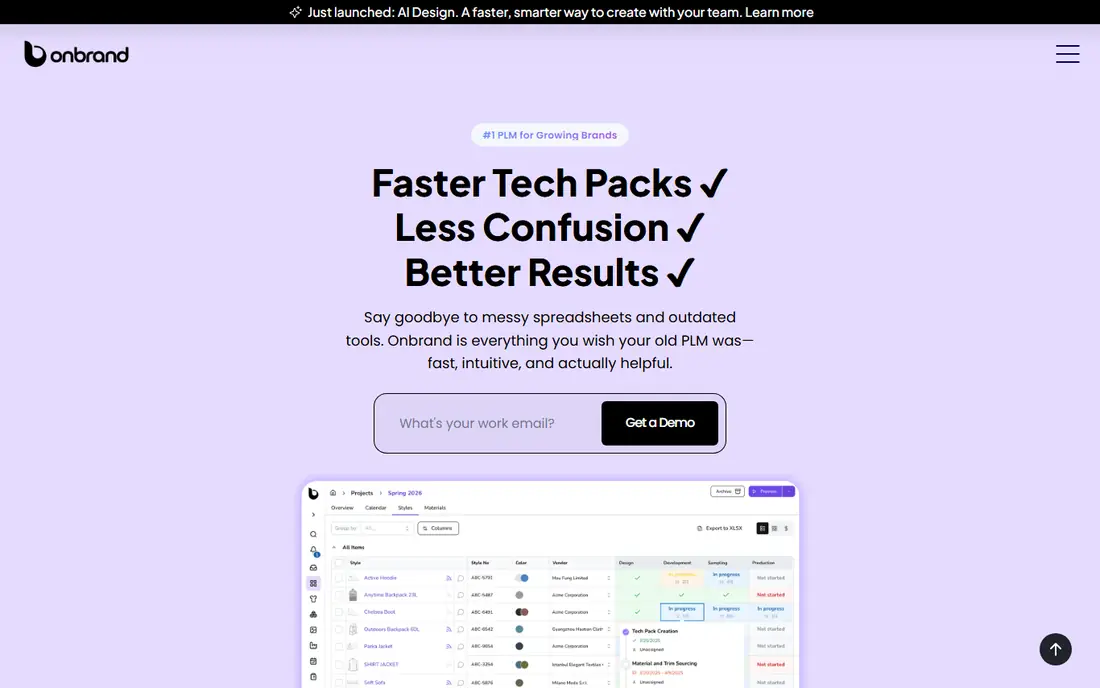
Onbrand is a newer, design-focused PLM for apparel teams that feel enterprise systems are too heavy. The Core plan includes live tech packs with comments, style and material libraries, Pantone and Coloro integration, sample feedback, dynamic line sheets, a vendor portal and the Illustrator plugin. Onbrand lists two weeks of onboarding for Core.
The Pro plan adds the features that growing brands usually need next: assortment planning, a time and action calendar, material and collection costing, API access, multi-brand support and unlimited live support. Enterprise adds role-based permissions, custom integrations and a dedicated customer success manager.
The pricing page says "Let's Talk" on every PLM tier, so you will need a demo to get a price. At least one public G2 reviewer said support was slow in their first year. Ask about response times and named contacts before you sign.
What we like- 2-week onboarding listed on the Core plan
- Vendor portal and Illustrator plugin included at entry level
- Unlimited vendor portal licenses on Pro
Watch out for- All PLM plans are quote-based
- Generative AI design is sold separately or on higher plans
#9Techpacker
Best for: Small brands and freelance designers4.5/5 on
G2 (1 reviews, checked Oct 2026)
Visit techpacker.com
Starting price$35 per user/month (billed annually)
Free planFree trial (7 days)
Techpacker is where many founders begin. The Techpack Builder plan costs $35 per user per month billed annually. Monthly billing costs twice as much. It covers modular tech pack cards, image editing, a factory collaboration hub, version tracking and one-click PDF export. You can create a usable tech pack in your first afternoon.
PLM Professional ($95 per user per month, annual) adds the tools a growing brand will want: automated grading, bill of materials libraries, line sheets, Excel export, production stages and time-and-action reports. PLM Premium ($125) adds white-label documents, Gantt reports, data backups and a dedicated support manager.
The limitation is scope. Techpacker handles specs and production tracking well, but it does not do costing across vendors, compliance or ERP-level inventory. Plan to move to a bigger system once you pass a few hundred active styles.
What we like- Transparent per-user pricing
- Free trial with no credit card
- 60-day money-back guarantee
Watch out for- Grading rules, BOM libraries and Excel export need the $95 plan
- Not built to run an entire supply chain
#10
Uphance
Best for: Growing brands that want PLM inside an apparel ERP
Visit uphance.com
Starting priceSee website
Free planNo
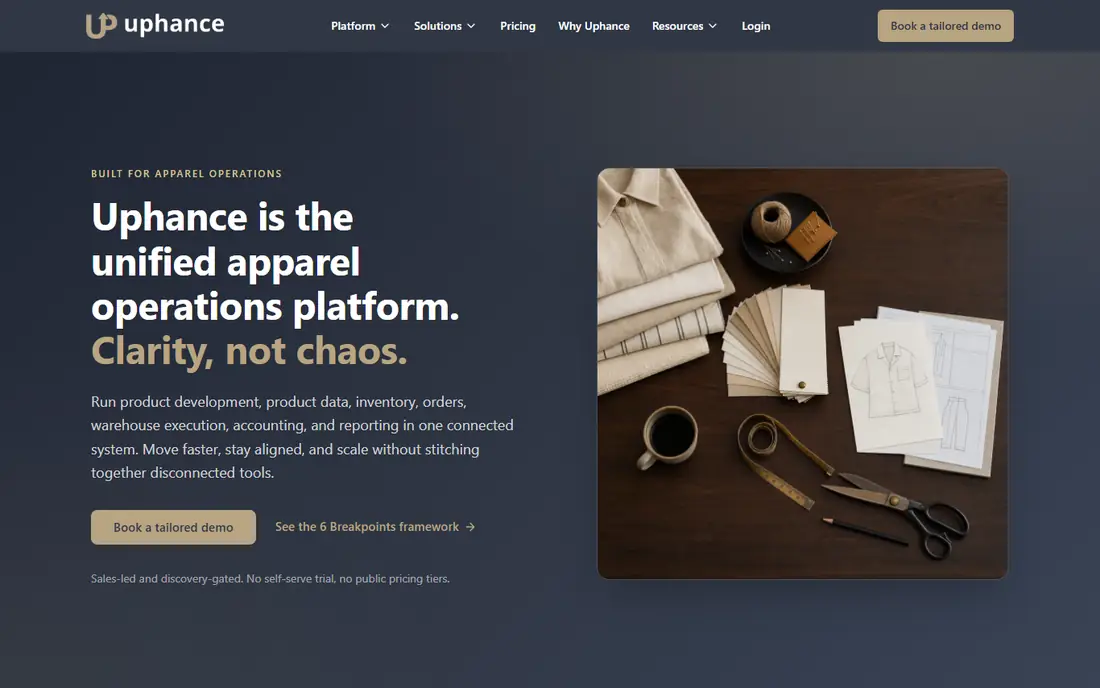
Uphance comes at PLM from the operations side. It is an apparel ERP for omnichannel brands, and its PLM module sits on the same product record as orders, inventory and production. When a trim changes, the BOM, the PO and the costing all update from one source. The usual mistake this prevents is a factory working from an old spec.
The vendor says it suits apparel brands doing $5M to $100M. It is also open that enterprise PLMs offer deeper multi-tier approval matrices and sample-round workflows. That honesty helps. If your main problem is tech packs scattered across shared drives rather than complicated approval chains, Uphance fits.
Third-party listings mention four tiers (Essentials, Plus, Premium, Enterprise), all quoted individually. Compare the total cost against a standalone PLM plus your current ERP, not against PLM alone.
What we like- PLM, inventory, orders and production on one product record
- Two-way Adobe Illustrator plugin
- Critical path calendar with flags for slipping dates
Watch out for- Shallower approval and sample-round depth than enterprise PLMs
- Pricing is quoted per tier
Starting price£166 per month (paid annually)
Free planNo
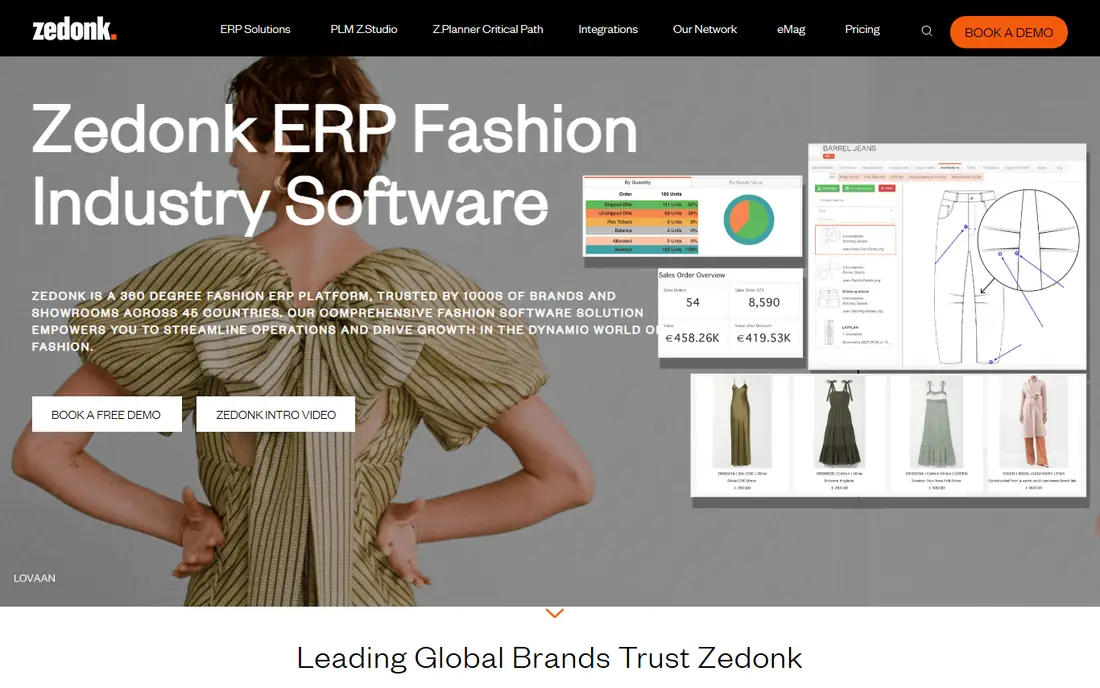
Zedonk is a London-based fashion system used by designer and contemporary labels. Its Z.Studio PLM package starts at £166 per month paid annually. It includes tech packs, measurement and grading tools, collection and stage management, inspiration boards and range planning.
What sets it apart is the modular approach. You can start with PLM and later add ERP Essential (also from £166 per month), a B2C package with Shopify integration and barcodes, or a B2B package with a digital showroom for wholesale. Zedonk also says onboarding and ongoing support come at no extra cost, which is unusual at this price.
US buyers should check support hours across time zones and whether their 3PL and accounting tools are on the integrations list. For a 3 to 10 person label selling wholesale, it is one of the cheapest ways to get PLM and order management together.
What we like- Low published entry price
- Onboarding and support included at no extra cost
- Modular add-ons for ERP, wholesale and Shopify
Watch out for- UK-based with pricing in pounds
- PLM depth is lighter than dedicated enterprise tools
How we chose
We started with a long list of fashion and apparel PLM products and kept only those that are still sold today and built for fashion product development. Generic engineering PLMs were left out. For each tool we read the vendor's own pricing page, product pages and documentation, and recorded only the prices published there. If a vendor does not publish prices, we wrote "See website" rather than guess.
We then compared features that matter to apparel teams: tech packs, BOMs, grading, sampling, costing, vendor portals, Adobe Illustrator and 3D connections, and ERP integrations. We checked stated rollout times and onboarding terms, and read public user reviews on G2 and Capterra to find recurring complaints. We did not run hands-on tests. Rankings reflect fit across company sizes, not a single score.
What to settle before you book a PLM demo
Decide whether you need PLM or PLM plus ERP
A standalone PLM handles everything up to the approved sample and PO. If your bigger problem is inventory, wholesale orders or production tracking, a combined system such as Uphance, Zedonk, BlueCherry or WFX may solve two problems with one contract. If you already run a mature ERP, choose a PLM with a proven connector to it.
Count seats honestly
Per-user pricing adds up fast. Designers, technical designers, sourcing and merchandising usually need full seats. Factories and agents often only need vendor portal access. Ask whether supplier logins are free (Delogue and Onbrand Pro both offer unlimited supplier or vendor portal access) before you multiply seats by price.
Check the design tool connection
Most design work still starts in Adobe Illustrator. Confirm that the plugin syncs both ways and is included on the plan you are buying, not one tier above. If you use CLO3D or Browzwear, ask for a live demo of that connection, not slides.
Ask about rollout, contract and exit
Get a written timeline. Vendors in this group quote anywhere from two weeks of onboarding to several months of implementation. Ask for minimum contract length, price increases at renewal, and how you can export styles, BOMs and images if you leave. A PLM full of your product history is hard to replace, so negotiate export terms while you still have leverage.
Frequently asked questions
What is PLM software in the fashion industry?
Fashion PLM is a shared system for each style's product data: sketches, tech packs, bills of materials, size specs, samples, costs and approvals. It replaces the spreadsheets and email threads that teams pass between design, sourcing and factories. Most modern options are cloud-based and include a portal for suppliers.
How much does fashion PLM software cost?
Entry tools with published prices start around $35 per user per month (Techpacker, billed annually) or £166 per month for a small-label package (Zedonk). Mid-market tools like Delogue run €145 to €249 per user per month on annual billing. Enterprise suites such as Centric, Bamboo Rose, Lectra and Infor are quote-only and usually include implementation services.
How long does it take to implement a fashion PLM?
Lightweight tools can be usable within days. Onbrand lists two weeks of onboarding on its Core plan. WFX says brands can go live in 8 to 12 weeks depending on scope. Enterprise rollouts with ERP integration and data migration often take several months.
Is Backbone PLM still available?
Backbone PLM was acquired by Bamboo Rose and is now part of that company. Brands interested in Backbone's design and tech pack features should evaluate it through Bamboo Rose. Ask which features carry over and how pricing works for smaller teams.
Do small fashion brands need PLM?
Brands with a handful of styles can manage with templates. Once you run several seasons, multiple factories or more than a few dozen active styles, version mistakes start costing money in wrong samples and delays. A low-cost tool like Techpacker or Zedonk is a sensible first step before a larger platform.
Which fashion PLM tools integrate with Adobe Illustrator?
Centric, BlueCherry, WFX, Lectra Kubix Link, Onbrand, Uphance and Delogue all list Adobe Illustrator integration. On Delogue it starts with the Professional plan. On Onbrand it is included in Core. Always confirm two-way sync on your chosen plan.
Sources we checked (18)
- https://techpacker.com/pricing/
- https://www.delogue.com/en/pricing
- https://zedonk.co.uk/pricing/
- https://www.onbrandplm.com/pricing-plm
- https://www.uphance.com/apparel-plm/
- https://www.worldfashionexchange.com/en-us/fashion-plm-software.html
- https://www.worldfashionexchange.com/comparisons/wfx-plm-vs-centric-plm
- https://www.worldfashionexchange.com/about-us
- https://www.centricsoftware.com/fashion-apparel/brands-and-retailers/
- https://www.centricsoftware.com/about-us
- https://bamboorose.com/blog/bamboo-rose-acquires-backbone-to-digitize-plm-design-process/
- https://bamboorose.com/blog/fashion-demand-forecasting/
- https://www.lectra.com/en/fashion/products/kubix-link-plm
- https://www.cgsinc.com/en/bluecherry/bluecherry-next-product-lifecycle-management-plm
- https://www.infor.com/solutions/scm/plm/fashion
- https://docs.infor.com/ifplm/16.0.12/en-us/ifplmceag/yfw1565664495242.html
- https://www.g2.com/products/backbone-plm/reviews
- https://www.g2.com/products/onbrand-onbrand-plm/reviews
Is your product missing or out of date?
We review this list regularly. Vendors can request a listing, send updated pricing or ask about featured placement.

Shihab Mia · Founder, Rankite
Shihab has 5+ years in B2B and SaaS SEO. He writes Rankite's software buying guides from pricing pages, documentation and public user reviews. More about Shihab.