How we make this list: we compare pricing pages, product documentation and public user reviews. Rankite is independent; if a vendor ever pays for a featured spot, that listing is clearly labeled Partner.
Key takeaways
- AMOS, TRAX, Ramco, and IFS Maintenix are the enterprise standards for airline maintenance.
- Veryon Tracking+ (formerly Rusada ENVISION) serves commercial and business aviation well.
- OASES and ULTRAMAIN are proven mid-market and specialist options.
- Traxxall focuses on business aviation maintenance tracking.
- Expect demos and quotes; implementations run six to twelve months.
Why MRO software is so specialized
Aviation maintenance software manages the work that keeps aircraft legally airworthy: scheduled checks, component tracking, airworthiness directives, and the maintenance records regulators demand. A missed inspection or an untracked part can ground an aircraft, so the software has to be exact.
The market is concentrated because the barriers are enormous: regulatory compliance across FAA, EASA, and other authorities, deep integration with operations and inventory, and switching costs that run into hundreds of thousands of dollars. Consolidation continues, with IFS acquiring a mid-market MRO specialist and Veryon acquiring Rusada in recent years.
Pricing is quote-based and substantial. Evaluations take months and implementations take longer. The comparisons below reflect the current market structure.
How we chose
We selected platforms with real airline or MRO customers running maintenance on them, regulatory compliance for major authorities, and current product development. We looked for engineering and planning, execution, materials management, and technical records.
We weighed the enterprise suites against mid-market and business aviation specialists because buyer size varies enormously. We noted recent acquisitions so buyers know the current ownership. Vendor claims were checked against product documentation and industry sources.

#1
Ramco Aviation
Best for: Airlines and MROs wanting modern, AI-assisted maintenance
Visit ramco.com
Starting priceSee website
Free planNo, demo available
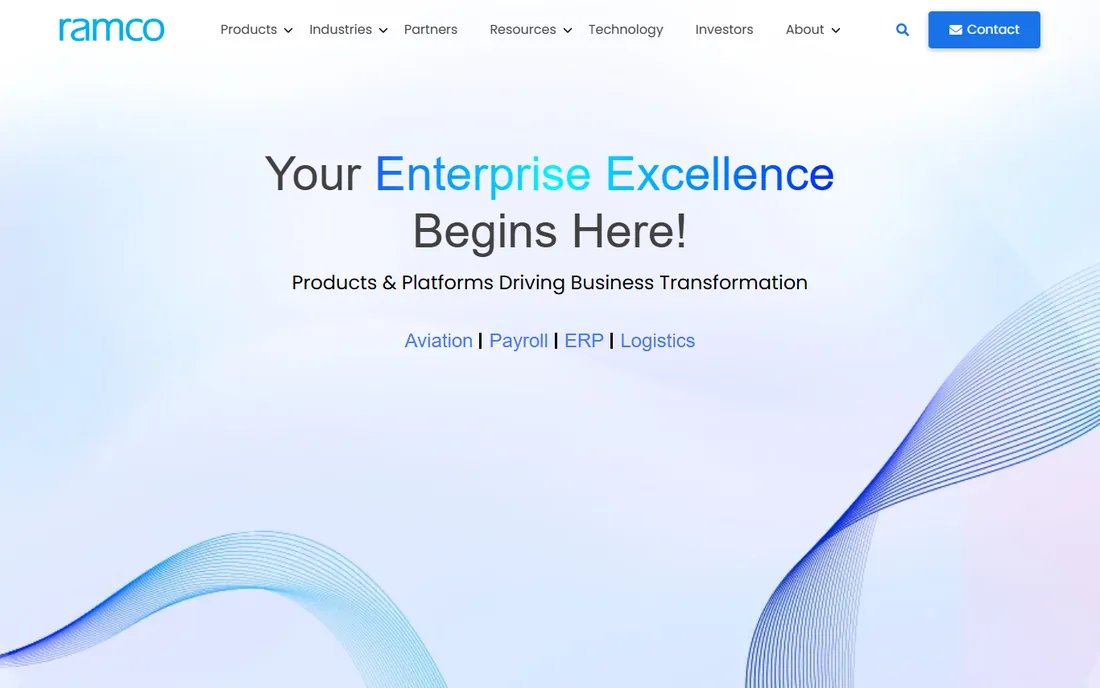
Ramco Aviation Suite covers maintenance, engineering, supply chain, and MRO operations in one platform, with a modern interface and AI-assisted workflows that stand out in a conservative market. Helicopter operators and APAC carriers are particular strengths.
The platform handles the full maintenance cycle from planning and execution to materials and finance. In-memory planning and optimization help planners build efficient work packages.
Western airlines sometimes prefer the larger installed bases of AMOS or TRAX. But for modernization-minded operators, Ramco's technology lead is real.
What we like- Modern interface with AI assistants
- Strong in APAC and helicopter segments
- Covers MRO, engineering, and materials
- Cloud or on-premise
Watch out for- Enterprise pricing
- Smaller Western installed base
- Implementation is significant

#2
IFS Maintenix
Best for: Major airlines and defense maintenance
Visit ifs.com
Starting priceSee website
Free planNo, demo available

IFS Maintenix is the maintenance solution trusted by major airlines and defense organizations for complex fleet operations. Engineering, execution, and asset management are deeply integrated, handling the scale that flag carriers require.
The mid-market MRO acquisition extended the IFS portfolio, broadening its reach. Defense maintenance, with its strict configuration control, is a particular strength.
Cost and implementation effort are enterprise-grade. For the largest and most complex operations, Maintenix is the proven choice.
What we like- Proven with major airlines and defense
- Deep engineering capabilities
- Strong asset management
- Mid-market MRO portfolio via acquisition
Watch out for- Enterprise pricing and complexity
- Implementation is long
- Overkill for small operators
#3
AMOS (Swiss AviationSoftware)
Best for: International airlines wanting the European standard
Visit swiss-as.com
Starting priceSee website
Free planNo, demo available
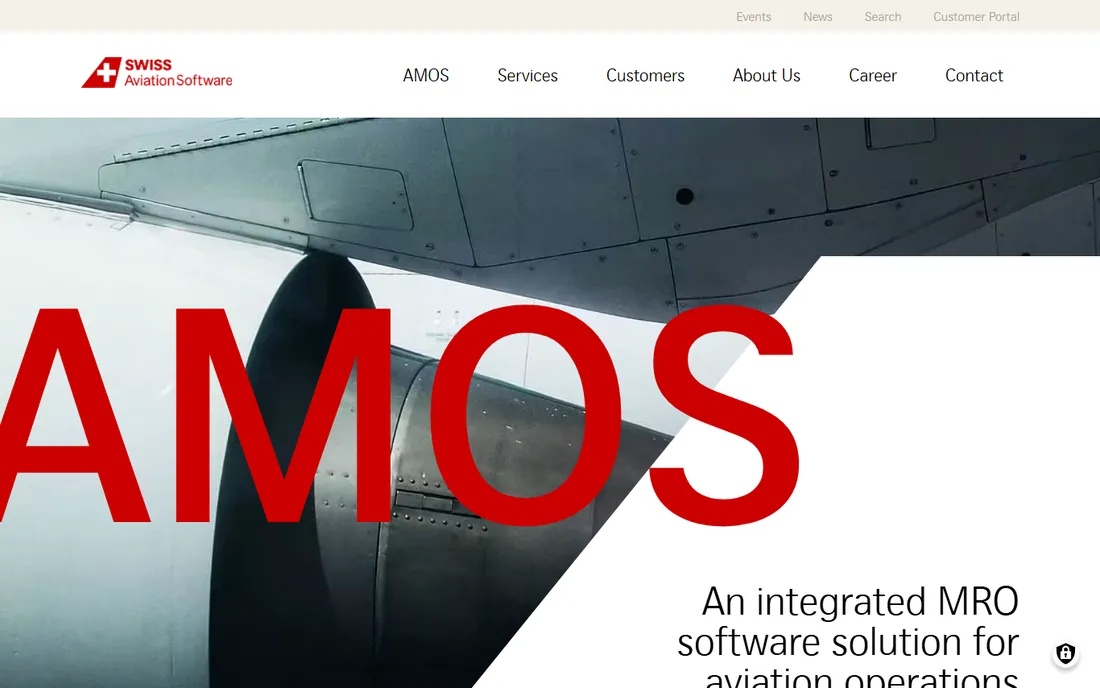
AMOS, from Swiss AviationSoftware in the Lufthansa Technik group, is the European standard for aircraft maintenance and engineering, with hundreds of airline customers. The functional coverage is comprehensive, from engineering through materials to planning.
The user community is a genuine asset: shared best practices and a large talent pool of AMOS-experienced staff. Integration with the broader Lufthansa Technik digital ecosystem adds value for group customers.
The interface feels older than Ramco's, and implementations need experienced consultants. For airlines wanting the safe, proven choice, AMOS is it.
What we like- Huge installed base of airlines
- Comprehensive M&E functionality
- Strong community
- Part of Lufthansa Technik group
Watch out for- Interface showing age in places
- Enterprise pricing
- Customization needs expertise

#4
TRAX
Best for: Airlines wanting mobility-first maintenance
Visit trax.aero
Starting priceSee website
Free planNo, demo available
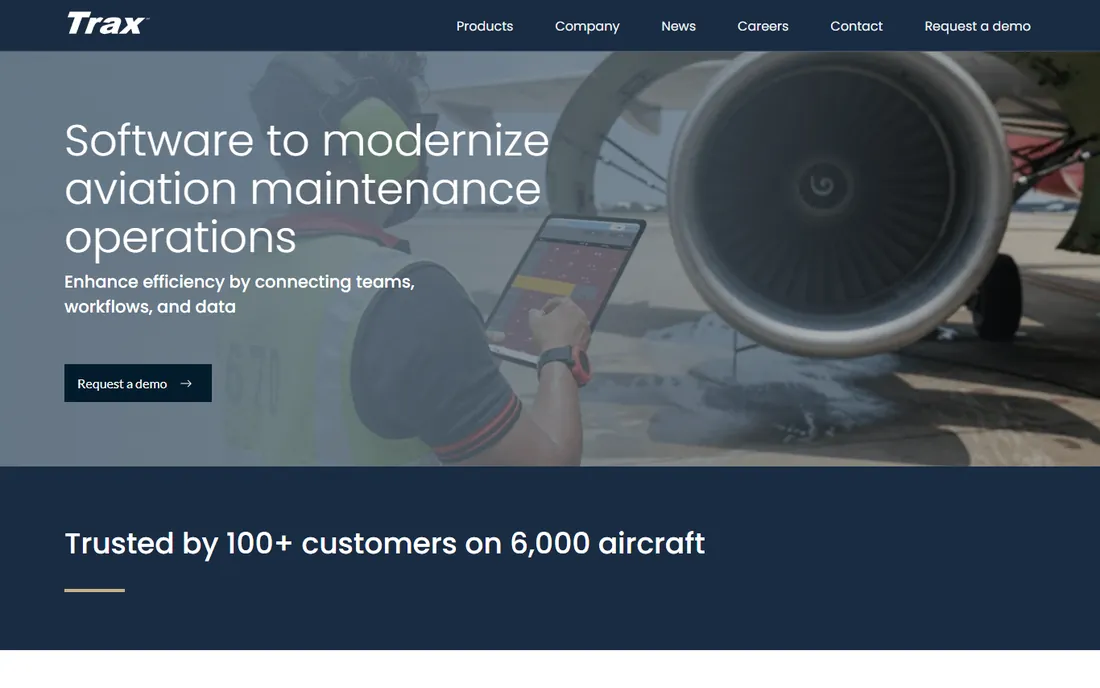
TRAX, part of AAR, emphasizes mobility: mechanics work from tablets on the hangar floor with full access to task cards, parts, and documentation. That mobile-first design is its signature strength in a market of desktop-bound rivals.
The eMRO product covers maintenance control, engineering, materials, and planning in a web-based system. Recent wins with major operators, including Delta TechOps, validate the platform at scale.
The ecosystem is smaller than AMOS's, and pricing is enterprise-grade. For operations prioritizing the mechanic experience, TRAX leads.
What we like- Strong mobile capabilities for mechanics
- Web-based architecture
- Good work package management
- Won major customers recently
Watch out for- Enterprise pricing
- Smaller ecosystem than AMOS
- Implementation needs planning

#5
Veryon Tracking+ (formerly Rusada ENVISION)
Best for: Commercial, helicopter, and business aviation operators
Visit veryon.com
Starting priceSee website
Free planNo, demo available
Veryon Tracking+, formerly Rusada ENVISION before Veryon's acquisition, serves commercial aviation, helicopter operations, MROs, and government fleets. Technical records management and regulatory compliance are particular strengths.
The Veryon platform adds publications management and technical content alongside the maintenance system, which suits operators that want records and documentation together. Helicopter and business aviation operators are the core market.
Major airlines tend toward the bigger suites. For the segments Veryon serves, it is a proven, focused choice.
What we like- Strong in business and helicopter aviation
- Good technical records
- Regulatory compliance
- Veryon platform integration
Watch out for- Less proven with major airlines
- The Rusada rebrand needs noting
- Pricing is quote-based
Starting priceSee website
Free planNo, demo available
OASES, from Commsoft, has served airlines and MROs for decades with a comprehensive maintenance system at mid-market price points. Engineering, materials, and planning coverage is solid for operators that do not need enterprise-suite scale.
The value proposition is the point: real MRO functionality without the seven-figure commitments of the top tier. Long-term customers vouch for its reliability.
Modernization lags the leaders, and the vendor is smaller. For mid-market operators prioritizing proven function over flash, OASES delivers.
What we like- Proven with mid-market operators
- Comprehensive for its tier
- Good value
- Long track record
Watch out for- Smaller vendor
- Interface dated
- Less AI and modernization than leaders
Starting priceSee website
Free planNo, demo available

ULTRAMAIN offers maintenance and engineering software with an emphasis on streamlined workflows and mobile execution. Planning tools help airlines optimize heavy checks and line maintenance efficiently.
Customers praise the support and the practical focus: the software is built around how maintenance actually gets done rather than theoretical completeness. The mobile tools serve mechanics well.
The installed base is smaller than the giants, which matters for talent availability. For operators that value usability and support, it is worth evaluating.
What we like- Streamlined workflows
- Good mobile execution
- Strong planning tools
- Well-regarded support
Watch out for- Smaller installed base
- Less brand recognition
- Enterprise depth trails leaders
Starting priceSee website
Free planNo, demo available
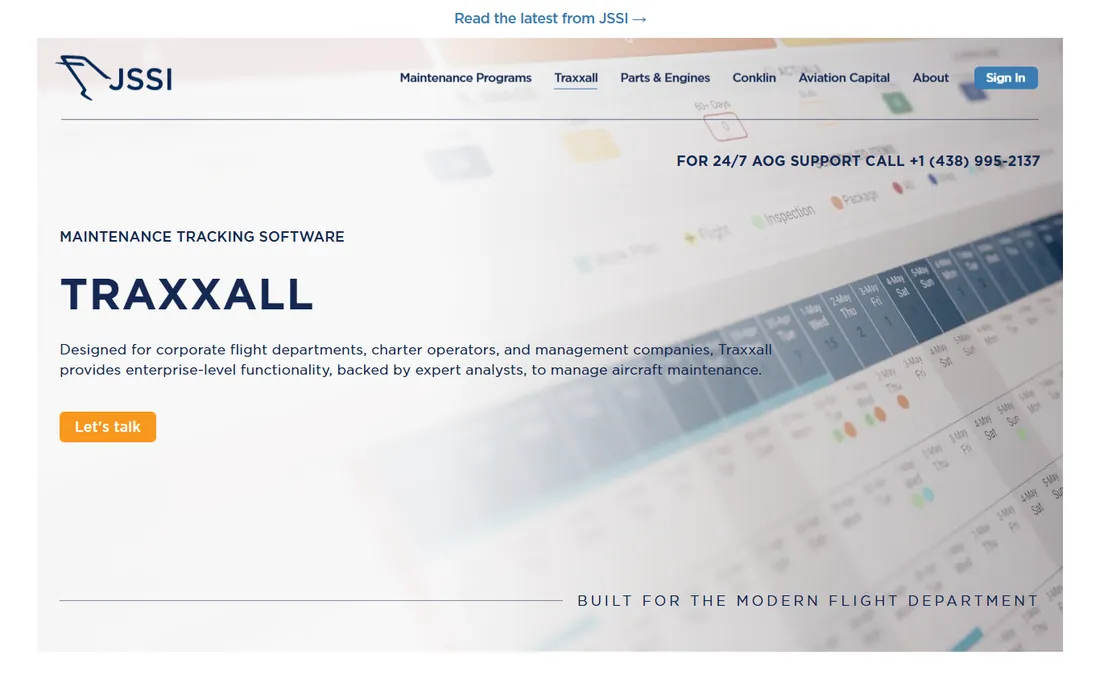
Traxxall focuses on business aviation: tracking maintenance for corporate flight departments and charter operators who need airworthiness compliance without airline-scale systems. The scope is deliberately narrower than the enterprise suites.
For small flight departments, that focus is a virtue: the software matches their actual workflows instead of burying them in airline features. Pricing reflects the segment.
Airlines and MROs should look elsewhere. Business aviation operators get a purpose-built tool at a sensible price.
What we like- Focused on business aviation
- Good maintenance tracking
- Straightforward for small flight departments
- Reasonable pricing
Watch out for- Not for airlines
- Limited MRO depth
- Smaller company
Quick comparison
| Tool | Best for | Starting price | Free plan |
|---|
| Ramco Aviation | Airlines and MROs wanting modern, AI-assisted maintenance | See website | No, demo available |
| IFS Maintenix | Major airlines and defense maintenance | See website | No, demo available |
| AMOS (Swiss AviationSoftware) | International airlines wanting the European standard | See website | No, demo available |
| TRAX | Airlines wanting mobility-first maintenance | See website | No, demo available |
| Veryon Tracking+ (formerly Rusada ENVISION) | Commercial, helicopter, and business aviation operators | See website | No, demo available |
 OASES (Commsoft) OASES (Commsoft) | Mid-market airlines and MROs | See website | No, demo available |
 ULTRAMAIN ULTRAMAIN | Airlines wanting streamlined M&E with mobile | See website | No, demo available |
 Traxxall Traxxall | Business aviation maintenance tracking | See website | No, demo available |
Is your product missing or out of date?
We review this list regularly. Vendors can request a listing, send updated pricing or ask about featured placement.
How MRO teams evaluate software
Start with your operation type. Airlines, MROs, helicopter operators, and business aviation have genuinely different needs, and the vendors above sort accordingly. Regulatory scope matters too: confirm coverage for every authority you operate under.
Run vendor demos on your own scenarios, a heavy check plan, an airworthiness directive campaign, a component life-limited part trace, because generic demos hide weaknesses. Talk to reference customers of similar size, and budget honestly for data migration: dirty data is the top cause of painful implementations.
MRO software selection mistakes
The gravest mistake is underestimating data migration. Decades of maintenance records live in legacy systems, spreadsheets, and paper, in inconsistent formats with gaps nobody documented. Dirty data in a new MRO system produces wrong maintenance due lists, which is a safety issue, not just an IT issue. Budget more time and money for data work than the vendor suggests, then add margin.
Second, letting IT choose without maintenance leadership. The mechanics, planners, and engineers who live in the system daily must drive requirements. A platform that pleases the CIO but slows the hangar floor will be worked around, and workarounds in aviation maintenance are dangerous. Put operations in charge of the evaluation.
Third, skipping the regulatory mapping. Every authority you operate under has specific record-keeping and reporting requirements. Confirm each one explicitly with reference customers under the same authorities, not just vendor assurances. A gap discovered during an audit is the most expensive kind.
Fourth, ignoring the talent question. MRO systems need administrators and users who know the specific platform. A niche product with no local talent pool means training everyone from scratch and struggling to hire. Factor the ecosystem into the decision alongside the features.
Finally, treating go-live as the end. The first year needs hypercare: dedicated support, rapid issue resolution, and continuous training as real workflows hit the system. Plan and budget for it. The implementations remembered as successes all invested heavily after launch day.
Frequently asked questions
How much does aviation MRO software cost?
Enterprise licenses typically start in the hundreds of thousands per year plus implementation, which can match the license cost. Mid-market and business aviation tools are far less. Always get a scoped quote.
How long does implementation take?
Six to eighteen months is typical for airlines, depending on fleet complexity and data quality. Smaller operators can go live faster. Data migration and training dominate the timeline.
Can these systems handle multiple regulatory authorities?
The enterprise platforms support FAA, EASA, and other authorities with configurable compliance rules. Verify your specific authorities and any local variations with each vendor.
What is the difference between MRO software and a CMMS?
A CMMS manages general maintenance work orders. Aviation MRO software adds airworthiness compliance, component life tracking, technical records, and regulatory reporting that aviation law requires.
Should we consider the recent acquisitions?
Yes, as context. Recent acquisitions, IFS in the mid-market MRO space and Veryon acquiring Rusada, changed product roadmaps and support structures. Ask each vendor how consolidation affects the product you are evaluating.
What does a typical MRO implementation team look like?
Expect a joint team: an executive sponsor, a project manager, and functional leads from engineering, planning, materials, and maintenance execution on your side, plus the vendor's implementation consultants and data migration specialists. Add IT for infrastructure and integrations, and keep auditors informed from the start. The functional leads are the critical hires; they translate real workflows into system configuration and carry credibility with the hangar floor. Understaffing the customer side is the most common resourcing mistake.
Sources we checked (0)
Is your product missing or out of date?
We review this list regularly. Vendors can request a listing, send updated pricing or ask about featured placement.

Shihab Mia · Founder, Rankite
Shihab has spent more than a decade helping SaaS and e-commerce brands grow through search. He writes Rankite's software buying guides from pricing pages, documentation and public user reviews. More about Shihab.