How we make this list: we compare pricing pages, product documentation and public user reviews. Ratings come from G2, Capterra or Trustpilot, with the date we checked them.
Key takeaways
- Sourcegraph starts near 49 dollars per user per month in guides, so the case for switching is usually cost, simplicity, or a smaller codebase.
- For small, modern, well-structured codebases, grep.app and GitHub code search cover most needs without a dedicated platform.
- For large monorepos, Greptile is the closest paid alternative, while OpenGrok, Hound, and Zoekt cover self-hosted search free.
- Sourcegraph still leads on cross-repo search depth, batch changes, and Cody AI context, so teams that use those features should compare carefully.
Quick comparison
| Tool | Best for | Starting price | Free plan |
|---|
 GitHub Code Search | GitHub-hosted teams | $4 per user/month | Yes |
 GitLab Code Search | GitLab-hosted teams | $29 per user/month | Yes |
 OpenGrok | Self-hosted cross-reference | Free, open source | Yes |
 Hound | Fast self-hosted regex search | Free, open source | Yes |
 Livegrep | Self-hosted live code search | Free, open source | Yes |
 Zoekt | Large-scale trigram indexing | Free, open source | Yes |
 grep.app | Public open-source search | Free | Yes |
 Greptile | AI codebase understanding | $29 per user/month | Free trial |
Is your product missing or out of date?
We review this list regularly. Vendors can request a listing, send updated pricing or ask about featured placement.
The best sourcegraph alternatives
Starting price$4 per user/month
Free planYes
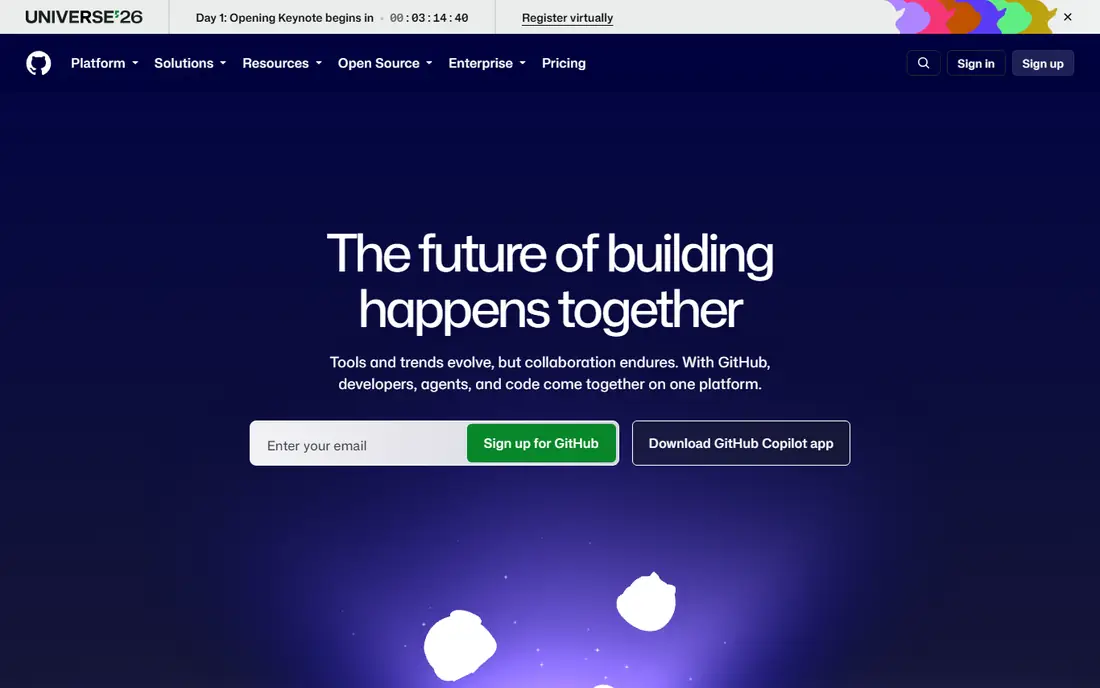
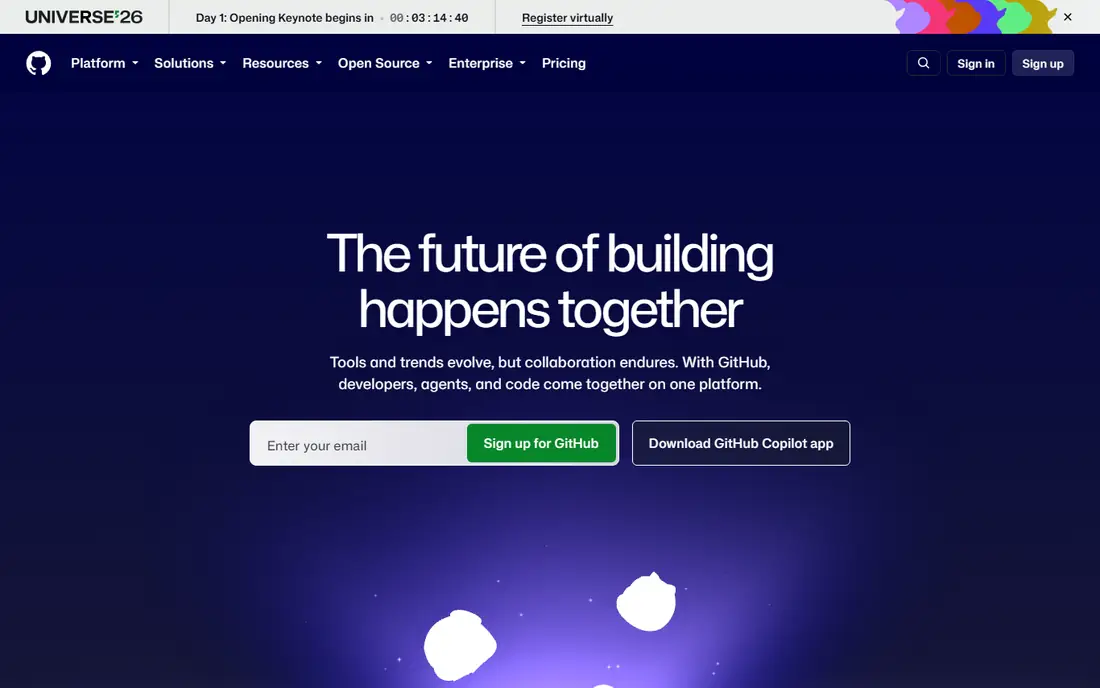
GitHub code search is the zero-setup alternative for teams already on GitHub, with symbol and regex search across hosted repositories and a huge public index for open-source exploration. Small organizations often find GitHub search covers their needs, since the code host and search live in one place with no extra indexing to run.
Cross-repo depth trails Sourcegraph, especially for large monorepos with hundreds of repositories, and batch changes across repos are missing. GitHub fits small to mid-size GitHub teams that want search without a second platform, and that do not need Sourcegraph-level cross-repo intelligence.
What we like- Built into GitHub
- No extra setup
- Symbol and regex search
- Huge public index
Watch out for- Weaker than Sourcegraph for cross-repo depth
- Private search limits vary
- No batch changes
Starting price$29 per user/month
Free planYes
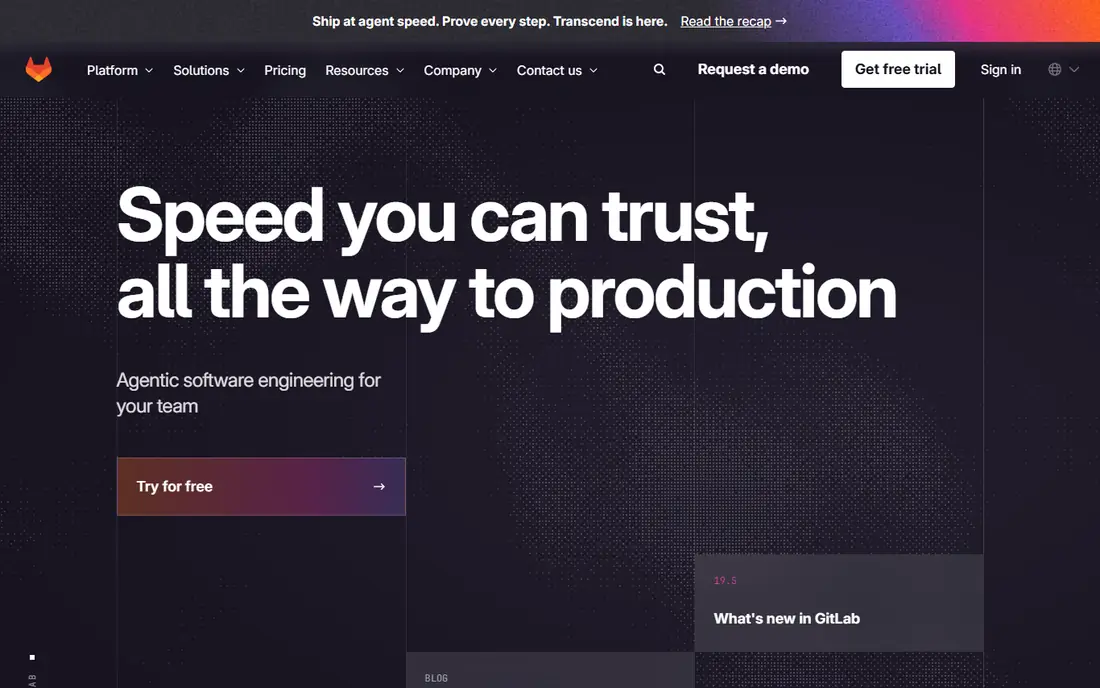
GitLab code search suits teams already on GitLab, with search integrated into the same DevOps workflow as issues, merge requests, and CI. Self-managed GitLab lets teams host search themselves, which helps regulated environments. Advanced search features sit on Premium plans near 29 dollars per user per month in guides.
Search depth at very large scale trails Sourcegraph, and the public index is smaller than GitHub. GitLab fits GitLab-standardized teams that want one platform for code hosting and search, without adding a separate search vendor.
What we like- Built into GitLab
- Integrated DevOps workflow
- Self-managed option
Watch out for- Premium pricing for advanced search
- Weaker than Sourcegraph at scale
- Smaller public index
Starting priceFree, open source
Free planYes
OpenGrok is a fast, usable source code search and cross-reference engine, written in Java, that understands program file formats and history from many version control systems. It searches full text, definitions, symbols, paths, and revision history, with online cross-reference, syntax highlighting, and a highly customizable interface through stylesheets. Plugins extend it to new languages and revision control systems.
Setup is Java-based and the interface is dated, and running it well takes operations effort for indexing and updates. OpenGrok fits teams that want a free self-hosted cross-reference tool with deep history search, and that can staff the setup. It is the classic Sourcegraph predecessor for self-hosted search.
What we like- Fast cross-reference engine
- Full text, definitions, and history search
- Highly customizable
Watch out for- Java-based setup
- Dated interface
- Needs ops effort to run well
Starting priceFree, open source
Free planYes
Hound is an extremely fast source code search engine from Etsy, built on Russ Cox trigram index research. A static React frontend talks to a Go backend that keeps an up-to-date index per repository and answers searches through a minimal API. Regex search across many repositories is fast, and setup is simple for Unix systems.
Hound is only tested on macOS and CentOS, with Windows not supported, though reports say it compiles and runs with caveats. Features are narrower than Sourcegraph, with no code intelligence or batch changes. Hound fits teams that want fast self-hosted regex search across repos, without the weight of a full platform.
What we like- Extremely fast regex search
- Trigram index
- Simple React frontend and Go backend
Watch out for- Tested mainly on macOS and CentOS
- Windows not supported
- Narrower features
Starting priceFree, open source
Free planYes
Livegrep provides live code search with an index that updates as code changes, giving fast regex results across repositories from a simple deployment. It suits teams that want a lightweight self-hosted search service without the full Sourcegraph platform, and that value live updates over deep code intelligence.
Feature set is narrower than Sourcegraph, with no Cody-style AI context, batch changes, or advanced code navigation. Operations effort covers indexing and hosting. Livegrep fits small to mid-size teams that want fast self-hosted search and can live without AI features.
What we like- Live updating index
- Fast regex search
- Simple deployment
- Open source
Watch out for- Narrower feature set
- Needs ops effort
- No AI context features
Starting priceFree, open source
Free planYes
Zoekt is the trigram-based code search index that powers Sourcegraph itself, designed for fast search across huge codebases. It scales well for large monorepos and many repositories, with efficient indexing and query performance. Teams that build their own search UI or integrate search into other tools get a proven engine free.
Zoekt alone has no polished end-user UI, so teams must add a frontend or use it inside another tool. Indexing infrastructure still needs running. Zoekt fits platform teams building custom search, and large codebases that need proven indexing scale without paying Sourcegraph prices.
What we like- Trigram index scales well
- Powers Sourcegraph itself
- Fast for huge codebases
Watch out for- Indexing infrastructure needed
- No polished UI alone
- Needs a frontend
Starting priceFree
Free planYes
grep.app offers blazing-fast regex and keyword search across millions of public GitHub repositories, with no setup and no account needed. Sourcegraph itself recommends it for open-source exploration, security research, pattern hunting, and answering whether anyone has done something before. It is free and instant for public code.
Private code is out of scope, and there is no code intelligence, batch changes, or team features. grep.app fits open-source exploration and security research, not private codebase search. Every developer should bookmark it alongside a private search tool.
What we like- Blazing-fast regex search
- Millions of public GitHub repos
- No setup
Watch out for- Public repos only
- No private code
- No code intelligence or batch changes
Starting price$29 per user/month
Free planFree trial
Greptile is the closest paid Sourcegraph alternative for AI codebase understanding, with GPT-4o-native analysis, API-based setup, and support for GitHub and GitLab. Pricing starts near 29 dollars per user per month in 2026 comparisons, versus Sourcegraph near 49 dollars, for a 20-user team. Setup takes 20 minutes in one test versus days for Sourcegraph full indexing, since Greptile needs no indexing step.
Search is less comprehensive across repos than Sourcegraph, and batch changes are missing, so large monorepo teams may still prefer Sourcegraph. Greptile fits teams that want AI code explanations and architecture insights fast, without running a full indexing platform. Its AI analysis found a circular dependency one test team had missed for months.
What we like- GPT-4o-native analysis
- API-based setup in minutes
- Self-hosted option
- GitHub and GitLab support
Watch out for- Search less comprehensive than Sourcegraph across repos
- No batch changes
- Newer vendor
How we chose
We compared these tools on search depth, cross-repo coverage, indexing model, code intelligence, batch changes, self-hosting, and price. Sourcegraph own guide to tools for companies that do not need Sourcegraph shaped the small-codebase picks, and a 2026 three-way test shaped the Greptile comparison. We favored tools with clear self-hosting or free tiers for smaller teams, and tools whose indexing model matches codebase size.
We also separated three buyer types. Public-code explorers should use grep.app, self-hosted teams should shortlist OpenGrok, Hound, Livegrep, and Zoekt, and AI-focused teams should shortlist Greptile. GitHub and GitLab search suit teams already on those hosts. The right pick follows codebase size and whether AI context or batch changes matter.
Test search on your largest repository set
Index your largest repositories in each finalist and measure time to first search, query speed, and result quality for a real question, such as tracing a payment webhook across services. Sourcegraph indexed 200 repos in about 3 hours in one test, while Greptile needed 20 minutes but searched less comprehensively. Your repo count and language mix decide which trade-off wins.
Check private versus public coverage
grep.app and similar public tools cannot search private code, so teams with private repos need a hosted or self-hosted tool. Confirm each finalist indexes all your hosts, including GitHub, GitLab, Bitbucket, and Gerrit where relevant, and that permissions respect repository access controls. A search tool that leaks private code across teams is a security failure.
Confirm batch changes and AI needs before downgrading
Sourcegraph batch changes and Cody AI context are the features most often missed after switching. If your team runs large-scale refactors through batch changes, or relies on Cody for cross-repo questions, confirm the replacement covers those workflows or accept manual work. Downgrading search to save money can cost more in engineering time if those features were load-bearing.
Frequently asked questions
Is Sourcegraph still worth it?
Yes, for large codebases that need cross-repo search depth, batch changes, and Cody AI context. Sourcegraph starts near 49 dollars per user per month in guides, and it indexed 200 repos in about 3 hours in one test with genuinely useful cross-repo results. Smaller teams often do not need that depth.
What is the best free Sourcegraph alternative?
OpenGrok, Hound, Livegrep, and Zoekt are all free and open source for self-hosted search, while grep.app is free for public code. GitHub and GitLab search are free or included for hosted teams. The best free pick depends on whether you need self-hosting, cross-reference depth, or just fast regex search.
Can Greptile replace Sourcegraph?
For AI codebase understanding on small to mid-size codebases, yes, with faster setup and lower price. For very large monorepos with deep cross-repo search and batch changes, no, since Greptile search is less comprehensive and batch changes are missing. Run both on your largest repos before deciding.
Do I need code search if I use an AI IDE?
AI IDEs such as Cursor and GitHub Copilot excel at inline help for the open file, but their search is limited to the open file and immediate dependencies in one test. Code search tools cover the whole codebase and all repos, which matters for tracing flows, finding usages, and refactoring. Most teams benefit from both. Keep both tools when the budget allows, since they solve different problems. Test the combination on one real task before dropping either.
How long does a code search migration take?
Small migrations take hours, since GitHub and GitLab search need no setup and Greptile sets up in minutes. Large self-hosted migrations take days, since indexing hundreds of repos takes hours and tuning permissions takes longer. Run the new tool alongside Sourcegraph during indexing before cutover.
Sources we checked (8)
- https://github.com
- https://gitlab.com
- https://grep.app
- https://greptile.com
- https://sourcegraph.com/blog/tools-for-companies-that-dont-need-sourcegraph
- https://dev.to/guang_diyuzhi_74b0fec2c09/sourcegraph-vs-greptile-vs-codeium-code-search-in-2026-1c7p
- https://sourceforge.net/software/code-search/saas/?sort=rating_count
- http://beyondgrep.com/more-tools/
Is your product missing or out of date?
We review this list regularly. Vendors can request a listing, send updated pricing or ask about featured placement.

Shihab Mia · Founder, Rankite
Shihab has 5+ years in B2B and SaaS SEO. He writes Rankite's software buying guides from pricing pages, documentation and public user reviews. More about Shihab.