How we make this list: we compare pricing pages, product documentation and public user reviews. Ratings come from G2, Capterra or Trustpilot, with the date we checked them.
Key takeaways
- PictureThis is the strongest all round identifier, with fast photo ID from leaves, bark, flowers, or fruit, priced at 39.99 dollars a year for full access.
- PlantNet and iNaturalist are completely free and research backed, with PlantNet focused on plants and iNaturalist covering all wildlife with community confirmation.
- Seek by iNaturalist is the best family pick: no account needed, on device identification, and challenges that turn a walk into a game.
- No app result is certain: never eat, brew, or use a plant or fungus based on an app identification alone, and confirm anything that matters with a field guide or a local expert.
Quick comparison
Is your product missing or out of date?
We review this list regularly. Vendors can request a listing, send updated pricing or ask about featured placement.
The best tree identification apps
Starting priceFree
Free planYes
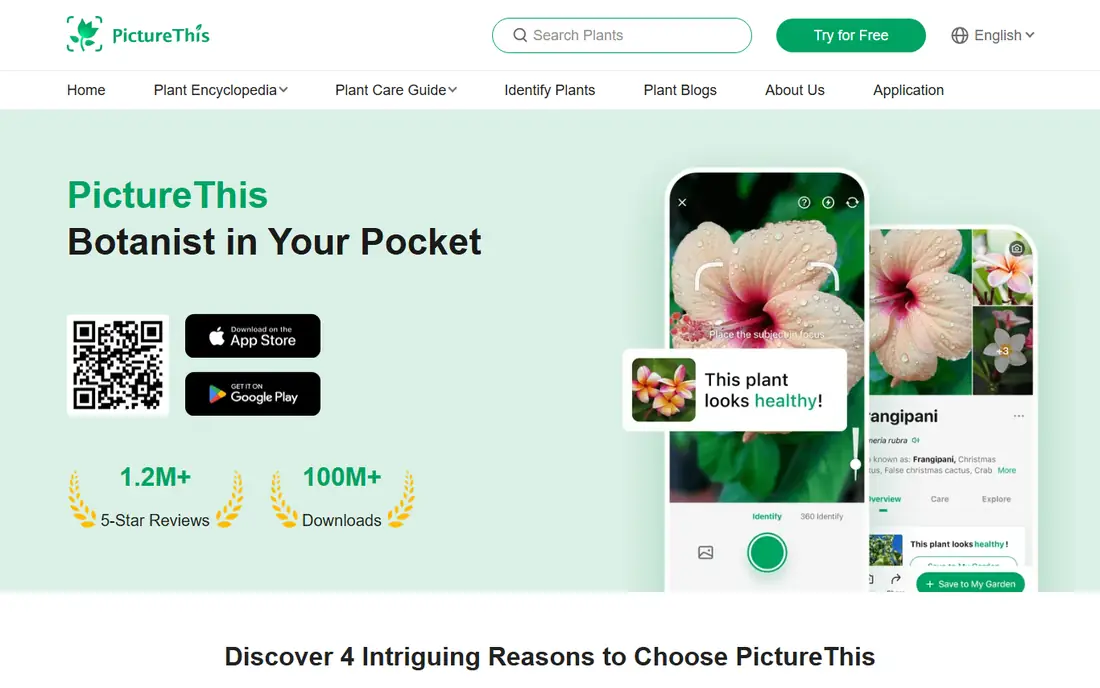
What we like- PictureThis identifies trees and plants from photos of leaves, bark, flowers, or fruit in seconds, and backs the answer with range maps, descriptions, and care information, plus plant disease checks and toxicity notes for garden plants. Its database is one of the largest in consumer apps, and results on common trees are consistently strong across 2026 comparisons. The app is free to download, with the full feature set sold as a subscription at 39.99 dollars a year in the US store.
Watch out for- The free layer limits identifications, and the subscription renews until cancelled in your store settings, a common source of surprise charges. Like every model here, it can be confidently wrong on similar species, so treat single photo answers on unfamiliar trees as provisional. Identification needs a connection, which limits deep forest use.
Starting priceFree
Free planYes
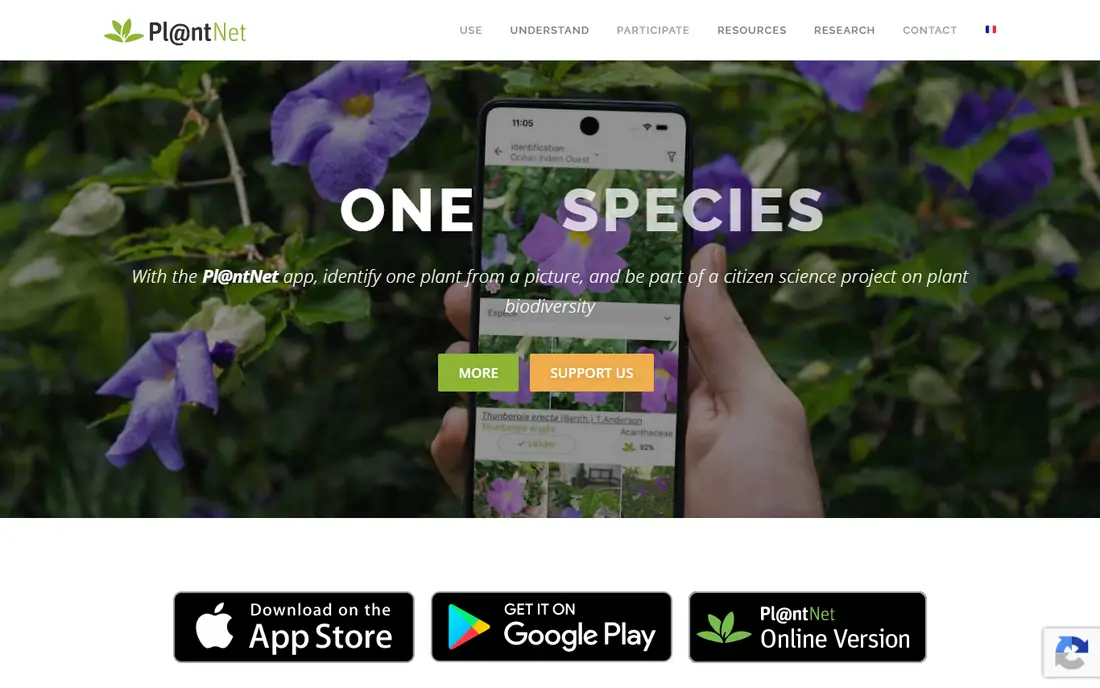
What we like- PlantNet, usually written Pl@ntNet, is a research project run by French scientific institutes including CIRAD, INRAE, Inria, and IRD, and it is completely free with no in-app purchases. You photograph a leaf, flower, fruit, or bark and it returns ranked candidate species drawn from a very large, constantly growing observation database, organised by regional floras. Identifications can work offline in supported setups, and every observation you share improves the science.
Watch out for- The interface is functional rather than polished, and results come as ranked candidates you must judge, which suits learners more than impatient users. Accuracy depends heavily on choosing the right organ and regional project. It covers plants only, so fungi and animals need another app.
Starting priceFree
Free planYes
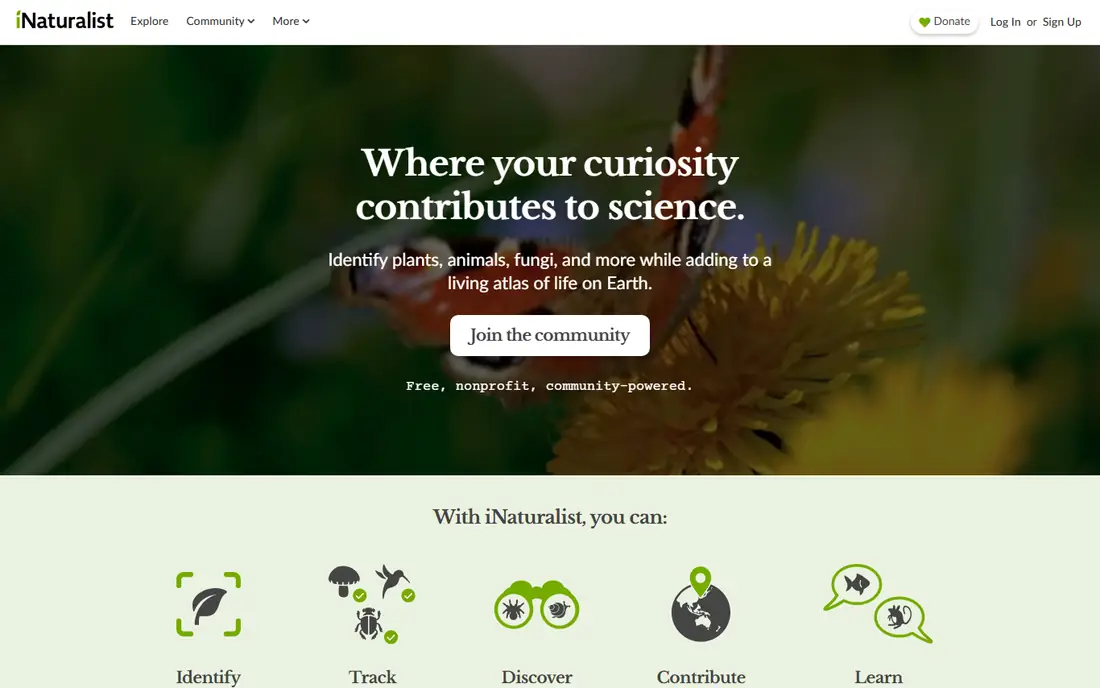
What we like- INaturalist suggests identifications from its computer vision model, then its global community of naturalists and scientists reviews observations, so a confirmed ID carries real weight. It covers trees alongside every other living thing, logs your finds on a map, and feeds genuine biodiversity research. It is free, nonprofit backed, and works worldwide, with offline suggestion packs for some regions.
Watch out for- Community confirmation takes time, so it is not the fastest answer at the tree. The app asks for an account and location data for observations, which some users prefer to limit. Its breadth means plant specific care advice is absent.
Starting priceFree
Free planYes
What we like- Seek uses iNaturalist's identification model on the device, needs no account, and keeps no sign up barrier between a child and an answer, which makes it the safest pick for family walks. Badges and monthly challenges reward spotting new species, and it identifies animals and fungi as well as trees. It is completely free.
Watch out for- Identifications are suggestions without the community review layer, so accuracy leans entirely on the model and your photo. Species detail is lighter than the full iNaturalist app. Offline behaviour depends on downloading the model for your region in advance.
Starting priceFree
Free planYes
What we like- LeafSnap grew out of research at Columbia University, the University of Maryland, and the Smithsonian, and it identifies trees from leaf photos against a curated species library, with a particular strength in the northeastern United States. The app is free, supported by advertising in its current form, and its high resolution leaf image library is a good learning reference even without a camera. For leaf in hand identification in its home region, it remains a focused tool.
Watch out for- Its species coverage is regional rather than global, so results fade outside the eastern US flora it was built on. The app has changed hands and models over the years, and current versions push care features and subscriptions in places, so check what your install actually offers. Leaf only input means winter identification is out.
Starting priceFree
Free planYes
What we like- PlantSnap identifies trees, flowers, succulents, and mushrooms from photos against a database it sizes in the hundreds of thousands of species, and pairs results with growing and care notes. A community layer lets users share finds, and pricing starts from about 21.99 dollars a year in current store listings, below PictureThis. Snap, save, and organise features suit gardeners building a record of their own plots.
Watch out for- The free tier limits snaps, and accuracy reports across reviews are more mixed than the leaders here, especially on less common species. Mushroom identification in the app must never be treated as an edibility judgement. Subscription screens appear early in the free experience.
Starting priceSee website
Free planYes
What we like- PlantIn combines identification with a care system: watering and fertilising reminders, disease diagnosis from photos, a light meter, and access to botanist consultations on paid tiers. For houseplant and garden owners, the care layer matters more day to day than identification alone, and the app covers both. Its guides and community add learning material around each plant.
Watch out for- PlantIn aims at cared for plants more than wild trees, so forest identification is a side feature rather than its strength. Its store pricing varies by region and promotion, so this guide lists see website and you should confirm the current figure in your store. Many care features sit behind the subscription.
Starting priceFree
Free planYes
What we like- Google Lens is already on most Android phones and inside the Google app on iPhone: point it at a leaf or a whole tree and it returns likely species with web references to compare. It costs nothing, covers far more than plants, and its visual matching against the open web sometimes surfaces a local match a closed database misses. For a one off question, it is the fastest tool here.
Watch out for- Lens returns web style matches rather than a judged identification, so confidence is yours to assess and results vary with photo quality. It offers no species library, no logging, and no care guidance. It needs a connection, and results pages include ads and shopping content alongside the botany.
How we chose
We compared the identification apps that 2026 plant and tree ID roundups rank highest, checking database claims, free tier behaviour, and store pricing in October 2026. We favoured apps that identify from several organs, leaf, bark, flower, and fruit, since trees are not always in leaf, and we weighted the free research backed tools heavily because their accuracy rivals the paid apps on common species. We have not quoted any vendor's headline accuracy percentage as fact: those figures come from the vendors' own tests on favourable photos. Every entry notes the limits of its model, because honest uncertainty is a feature in this category.
How to choose the right tree identification app
Match the app to the walk. Gardeners who also want care advice and disease checks should start with PictureThis or PlantIn and accept the subscription. Walkers and learners who want free, trustworthy answers should start with PlantNet for plants and iNaturalist when the question might be a fungus, a bird, or a track as well. Families should start with Seek, since no account and on device answers keep children safe and moving. LeafSnap earns its place in the eastern US, and Google Lens is the zero install fallback everywhere.
Whatever you choose, improve your odds with better inputs. Photograph a leaf close up, the bark, and any flowers, fruit, or cones, ideally in daylight, and note the habitat: wet or dry, wild or planted. Compare the app's answer against the species' range map, since a result that does not grow in your state is a wrong result. Check two apps on anything unfamiliar, and where they disagree, believe the disagreement. Above all, keep the safety rule: an app never decides what is edible or safe to touch. For that, use a regional field guide and a human expert, every time.
Frequently asked questions
How accurate are tree identification apps?
On common species with clear photos of leaves plus bark or fruit, the leading apps are right most of the time. Accuracy falls on young trees, lookalike species within a genus, poor photos, and winter conditions. Treat results as strong suggestions, and cross check anything unusual with a second app or a field guide.
What is the best free tree identification app?
PlantNet for plants alone: free, no in-app purchases, and backed by research institutes. Seek is the best free choice for families, and iNaturalist is best when you want community confirmation and a record of everything you find.
Can an app tell me if a plant or mushroom is safe to eat?
No. No consumer app can make that judgement safely. Some dangerous species closely resemble edible ones, and models confuse them. Never eat anything based on an app result: use a regional field guide and consult an experienced local expert or extension service.
Why did two apps give me different trees?
They use different models and databases, and many species genuinely resemble each other, especially within groups such as oaks, pines, and cherries. Add more photos, different organs, and your location, then compare range maps. If they still disagree, a local arboretum or extension service can settle it.
Do these apps work without a signal?
Seek identifies on the device once its model is downloaded, and PlantNet offers offline capability in supported setups. PictureThis, PlantSnap, and Google Lens need a connection. Before a remote walk, open your chosen app at home and download whatever it offers for offline use.
Sources we checked (0)
Is your product missing or out of date?
We review this list regularly. Vendors can request a listing, send updated pricing or ask about featured placement.

Shihab Mia · Founder, Rankite
Shihab has 5+ years in B2B and SaaS SEO. He writes Rankite's software buying guides from pricing pages, documentation and public user reviews. More about Shihab.
 PictureThis
 PlantNet
 iNaturalist
 Seek by iNaturalist
 LeafSnap
 PlantSnap
 PlantIn
 Google Lens