How we make this list: we compare pricing pages, product documentation and public user reviews. Ratings come from G2, Capterra or Trustpilot, with the date we checked them.
Key takeaways
- Succession planning is proactive talent building, not just naming a backup, since it develops skills, career paths, and readiness over time.
- Budget tools run 5 to 15 dollars per user per month, mid range tools run 15 to 25 dollars, and enterprise suites use custom pricing.
- Standalone tools integrate with HR systems such as BambooHR, ADP, and Workday, while enterprise suites include succession inside a broader human capital platform.
- The 9 box grid remains the standard view, placing employees by performance and potential to show who is ready now and who needs development.
- Ownership transfer and estate questions need lawyers and tax advisors, since this software covers talent readiness, not legal documents.
Quick comparison
| Tool | Best for | Starting price | Free plan |
|---|
 Workday | Enterprise HCM with succession built in | See website | No |
 SAP SuccessFactors | Large global enterprises | See website | No |
 Cornerstone OnDemand | Competency based talent pools | $15 to $25 per user per month | No |
 Lattice | Mid size teams with performance data | $5 to $15 per user per month | No |
 Fuel50 | Career pathing and internal mobility | $15 to $25 per user per month | No |
 Peoplebox | Small teams with OKR alignment | $5 to $15 per user per month | No |
 PerformYard | Simple performance plus succession | $5 to $15 per user per month | No |
 SuccessionNow | Dedicated succession planning | $275 per month | No |
Is your product missing or out of date?
We review this list regularly. Vendors can request a listing, send updated pricing or ask about featured placement.
The best succession planning software
#1Workday
Best for: Enterprise HCM with succession built in4.2/5 on
G2 (2,449 reviews, checked Oct 2026)
Visit workday.com
Starting priceSee website
Free planNo
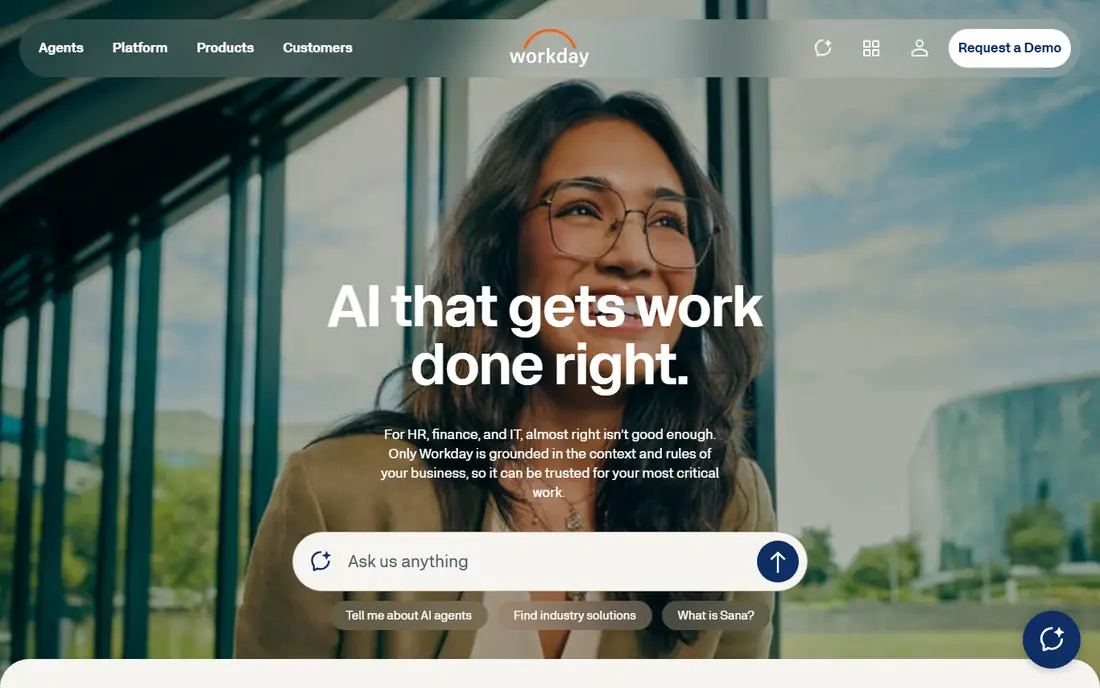
What we like- Workday includes succession planning inside its human capital suite, so talent data, performance, compensation, and learning sit in one system with native integration. Large enterprises get talent pools, readiness assessments, and workforce planning without a second vendor. The platform suits companies that already run Workday for HR and payroll, since succession data flows from records that already exist.
Watch out for- Pricing is custom and significantly higher than standalone tools, with implementation fees on top. The suite is heavy for mid size companies, and smaller teams will find the admin burden large. Customization often needs Workday specialists, which adds cost beyond the subscription.
#2SAP SuccessFactors
Best for: Large global enterprises4.1/5 on
G2 (1,656 reviews, checked Oct 2026)
Visit sap.com
Starting priceSee website
Free planNo
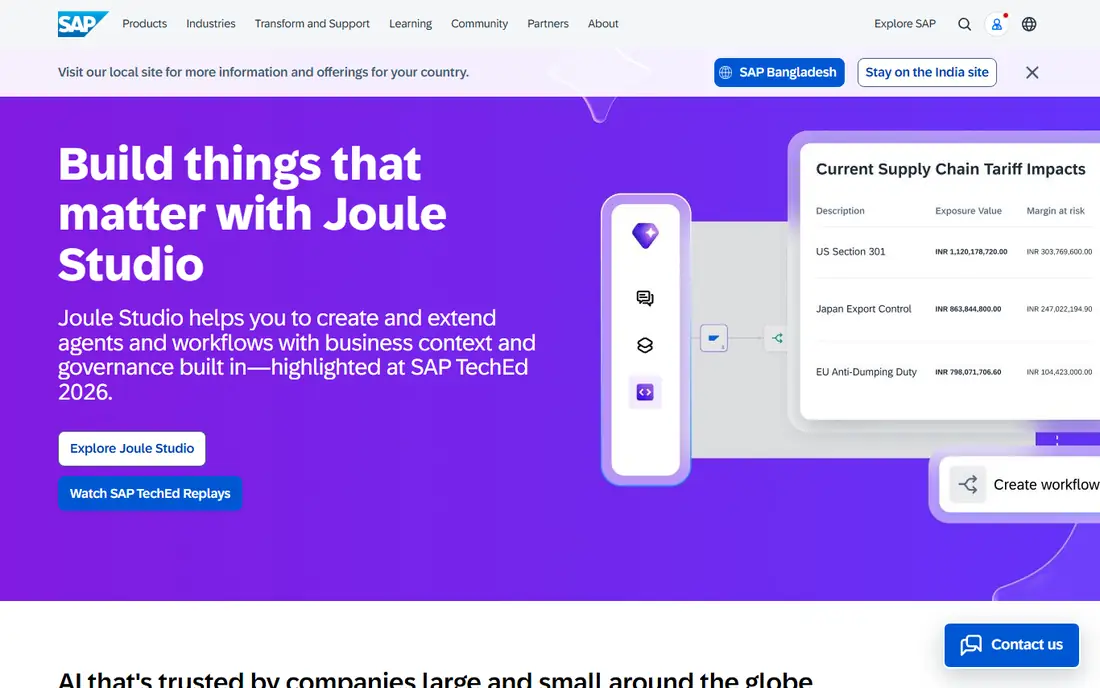
What we like- SAP SuccessFactors includes succession and development inside a global human capital suite, with talent pools, career worksheets, and readiness ratings for critical roles. Multinational companies get support for many languages, currencies, and local compliance rules. Integration with SAP payroll and finance suits enterprises already running SAP systems.
Watch out for- Pricing is custom and enterprise grade, with implementation fees that can rival the subscription. The platform is complex, and configuration takes months at large companies. Smaller teams will find the scope and cost hard to justify against standalone tools.
Starting price$15 to $25 per user per month
Free planNo
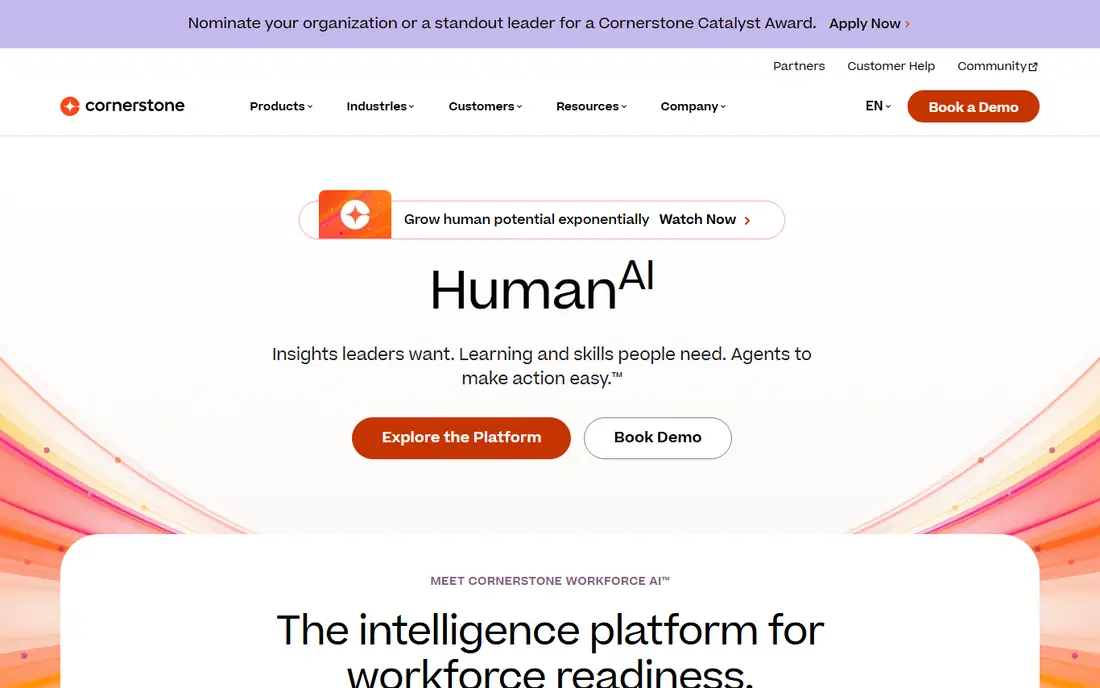
What we like- Cornerstone Succession builds competency based talent pools for critical areas of the business, making it easy to spot high potential employees and fill mission critical roles quickly. It pairs succession with learning and performance, so development plans connect directly to readiness gaps. Mid range pricing of 15 to 25 dollars per user per month suits mid size to large companies that need depth without enterprise suite costs.
Watch out for- The platform is broad, and teams that only need succession may pay for learning and content features they never use. Implementation takes longer than simpler tools, and the interface feels dense to first time users. Pricing varies by module, so the succession price alone should be confirmed in a quote.
#4Lattice
Best for: Mid size teams with performance data4.6/5 on
G2 (4,117 reviews, checked Oct 2026)
Visit lattice.com
Starting price$5 to $15 per user per month
Free planNo
What we like- Lattice pairs performance reviews, goals, and feedback with succession views, so readiness ratings draw on real performance data rather than opinion alone. Budget friendly pricing of 5 to 15 dollars per user per month suits small to mid size businesses, and integrations with HR systems such as BambooHR and Slack keep data flowing. The interface is modern and easy for managers to adopt.
Watch out for- Succession is one module among several, so depth lags dedicated tools such as SuccessionNow for complex talent pool modeling. Advanced workforce planning features sit in higher tiers. Companies without a performance review habit will get thin data for succession decisions.
Starting price$15 to $25 per user per month
Free planNo
What we like- Fuel50 focuses on career pathing and internal mobility, showing employees transparent paths to future roles and matching their skills and values to openings. That transparency improves retention, since employees who see a future inside the company are less likely to leave. Mid range pricing of 15 to 25 dollars per user per month suits mid size companies building internal pipelines.
Watch out for- The career pathing focus means pure succession features such as readiness grids are lighter than at Cornerstone or Workday. Pricing sits above budget tools, so small teams may find it steep. Value depends on employees engaging with career tools, which needs internal communication, not just software.
Starting price$5 to $15 per user per month
Free planNo
What we like- Peoplebox combines OKRs, performance, and succession views at budget pricing of 5 to 15 dollars per user per month, which suits small to mid size businesses. API connections and pre built integrations with systems such as BambooHR, ADP, and Slack avoid custom development costs. The platform is lighter than enterprise suites, so setup takes weeks rather than months.
Watch out for- The company is smaller than Workday or SAP, so enterprise buyers may worry about long term vendor stability. Advanced talent analytics lag the enterprise suites. Teams that need deep compliance or global payroll integration will need a larger platform.
#7PerformYard
Best for: Simple performance plus succession4.7/5 on
G2 (1,260 reviews, checked Oct 2026)
Visit performyard.com
Starting price$5 to $15 per user per month
Free planNo
What we like- PerformYard offers performance management with succession views at budget pricing of 5 to 15 dollars per user per month, which suits small to mid size businesses that want one simple system. The interface is straightforward, and managers can build talent pools without HR software expertise. Implementation is light, with no heavy consulting engagement.
Watch out for- Depth lags dedicated succession tools and enterprise suites, especially for complex multi level talent pools. Reporting is simpler than Cornerstone or Workday. Companies with global workforces or complex compliance needs will outgrow it.
Starting price$275 per month
Free planNo
What we like- SuccessionNow is built only for succession planning, so every feature serves HR leaders who need to grow their own leaders and avoid external hiring costs. It identifies vulnerable and at risk key roles, maps skills and development gaps, and plans knowledge transfer so departing employees pass on company specific knowledge. Flat pricing near 275 dollars per month suits companies that want predictable cost without per user math.
Watch out for- It is a point tool, so performance, payroll, and learning still live elsewhere and need integration. The flat price is high for very small teams, where a per user budget tool costs less. The vendor is smaller than enterprise suites, so buyers should check support and roadmap before committing.
How we chose
We ranked tools on succession depth, talent pool modeling, performance data integration, pricing transparency, and fit for small versus enterprise teams. Tools earned credit for 9 box views, readiness ratings, skills gap analysis, and integrations with common HR systems. We excluded generic HR tools with no dedicated succession features, and tools with no verifiable pricing. Figures come from published pricing and 2026 comparison reporting, and readers should confirm current terms directly, since per user pricing and implementation fees change.
How to choose the right succession planning software
Start by naming your critical roles, not your whole org chart, since succession planning pays off fastest on the 10 to 20 roles whose vacancy would hurt most. Next, check your performance data: if reviews are thin or irregular, a tool with strong performance features such as Lattice will improve succession data at the same time. Then decide between suite and standalone: companies already running Workday or SAP should use the built in succession module, while others should pick a standalone tool that integrates with their HR system. Confirm total cost, since many vendors charge implementation fees on top of subscription, and enterprise pricing is custom. Finally, treat the software as one half of the work: plans fail when successors get no development, no mentor, and no client introductions, so pair every named successor with a development plan and a timeline. Ownership transfer, valuation, and estate questions need lawyers and tax advisors, since talent software does not cover legal documents.
Frequently asked questions
What is the difference between succession planning and replacement planning?
Replacement planning is reactive and simply names a backup for a specific role if someone leaves. Succession planning is proactive and strategic, building a pipeline of talent by developing skills, creating career paths, and assessing readiness over time.
How much does succession planning software cost?
Budget tools for small to mid size businesses run 5 to 15 dollars per user per month, mid range tools run 15 to 25 dollars, and enterprise platforms such as Workday and SAP SuccessFactors use custom pricing that runs significantly higher, plus implementation fees.
Can succession planning software integrate with existing HR systems?
Yes. Most modern tools offer integrations with HRIS, payroll, performance, and learning systems, and enterprise suites include native integration. Standalone tools typically offer API connections and pre built integrations with systems such as BambooHR, ADP, Workday, and Slack.
What is a 9 box grid?
A 9 box grid places employees on two axes, performance and potential, creating nine boxes that show who is ready for promotion now, who needs development, and who may be at risk of leaving. It is the standard view for succession discussions.
Does succession planning software handle business ownership transfer?
No, not by itself. Talent software covers leadership readiness and development, while ownership transfer, valuation, buy sell agreements, and estate documents need lawyers, accountants, and tax advisors, since law varies by state and situation.
How often should succession plans be updated?
At least annually, and after any major change such as a departure, a reorganization, or a strategy shift. Stale plans name people who have left or been promoted, which makes the plan useless when a vacancy actually opens.
Sources we checked (0)
Is your product missing or out of date?
We review this list regularly. Vendors can request a listing, send updated pricing or ask about featured placement.

Shihab Mia · Founder, Rankite
Shihab has 5+ years in B2B and SaaS SEO. He writes Rankite's software buying guides from pricing pages, documentation and public user reviews. More about Shihab.