How we make this list: we compare pricing pages, product documentation and public user reviews. Rankite is independent; if a vendor ever pays for a featured spot, that listing is clearly labeled Partner.
Key takeaways
- Ignition disrupted SCADA with unlimited licensing and modern architecture.
- AVEVA (formerly Wonderware) remains the installed-base leader.
- Siemens WinCC and Rockwell FactoryTalk dominate their hardware ecosystems.
- VTScada offers excellent value with unlimited everything pricing.
Quick comparison
Is your product missing or out of date?
We review this list regularly. Vendors can request a listing, send updated pricing or ask about featured placement.
What SCADA software does
SCADA (Supervisory Control and Data Acquisition) monitors and controls industrial processes: factories, water plants, oil pipelines, power grids. It collects real-time data from PLCs and sensors, displays it on operator screens, logs history, raises alarms and enables control actions. Reliability and security are paramount; these systems run critical infrastructure.
Starting priceSee website
Free planNo
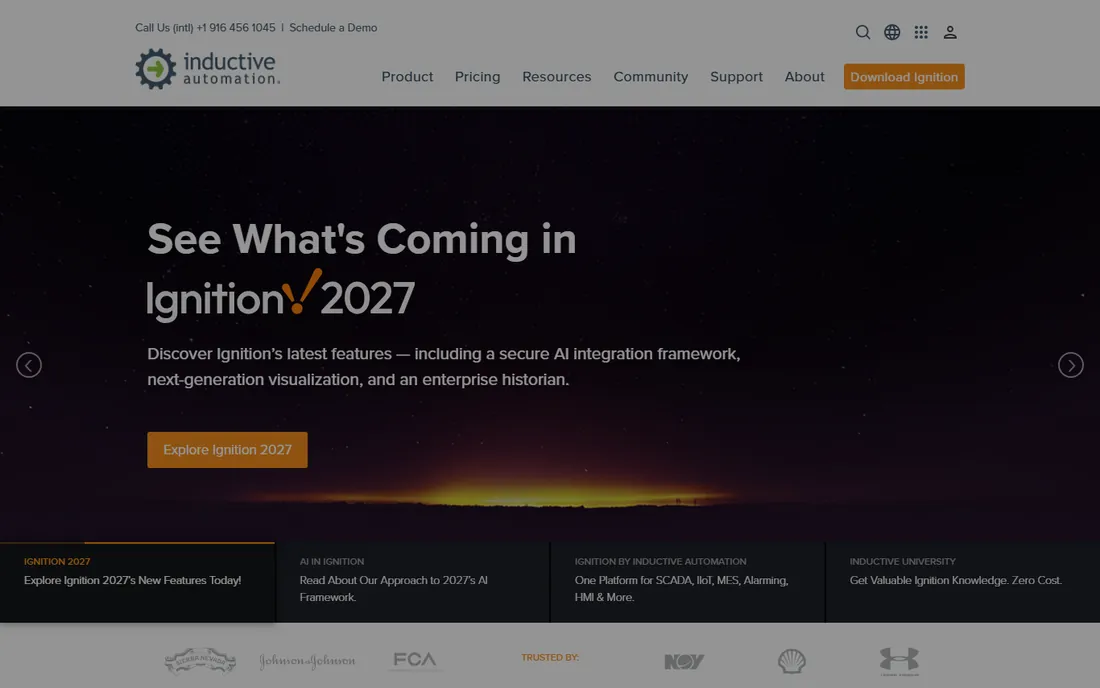
Inductive Automation's Ignition changed SCADA economics: one server license with unlimited tags, clients and connections, versus competitors' per-point pricing. Its web-based architecture deploys screens anywhere with a browser.
The community and integrator ecosystem is vibrant. Plants needing modern SCADA without tag-count anxiety choose it. Legacy protocol support trails some old-guard vendors, so verify your hardware.
What we like- Unlimited tags, clients and connections
- Modern web architecture
- Rapid development
Watch out for- Needs integrator or skilled staff
- Less legacy protocol depth
- Support tiers cost
Starting priceSee website
Free planNo

AVEVA, incorporating the Wonderware heritage and now part of Schneider Electric, remains SCADA's installed-base leader across industries. Its InTouch HMI and System Platform run countless plants worldwide.
Licensing has been complex through product transitions, and enterprise pricing reflects the position. Existing Wonderware/AVEVA shops stay for continuity; new projects compare hard against Ignition.
What we like- Massive installed base
- Deep industry libraries
- Now with Schneider Electric
Watch out for- Licensing complexity
- Legacy product transitions
- Enterprise pricing
Starting priceSee website
Free planNo
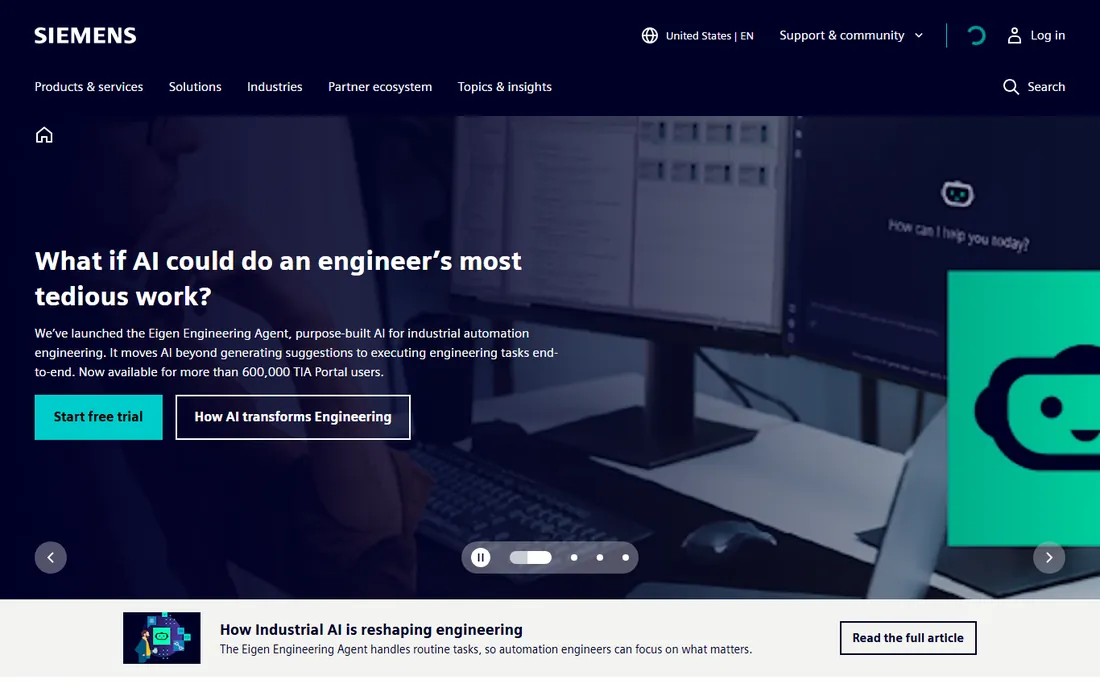
WinCC is Siemens' SCADA, deeply integrated with SIMATIC PLCs through the TIA Portal. Siemens plants get smooth engineering from PLC programming to HMI screens.
The ecosystem lock-in is real: non-Siemens hardware integrates less smoothly. Tag-based licensing costs scale with project size. Siemens-standard facilities default to it.
What we like- Native Siemens integration
- TIA Portal unity
- Strong process features
Watch out for- Siemens-centric
- Licensing by tags
- Premium pricing

#4
GE Digital
Best for: industrial asset monitoring
Visit ge.com
Starting priceSee website
Free planNo

GE Digital's offerings including iFIX and CIMPLICITY serve industrial monitoring with asset performance management strengths. The heritage in manufacturing HMI/SCADA is deep.
GE's industrial software journey has seen restructuring, so buyers should confirm roadmaps. Existing GE shops and asset-heavy industries find continuity value.
What we like- Strong asset performance focus
- IFIX heritage
- Industrial IoT integration
Watch out for- Product line evolution
- Enterprise sales
- Less new-project momentum
Starting priceSee website
Free planNo
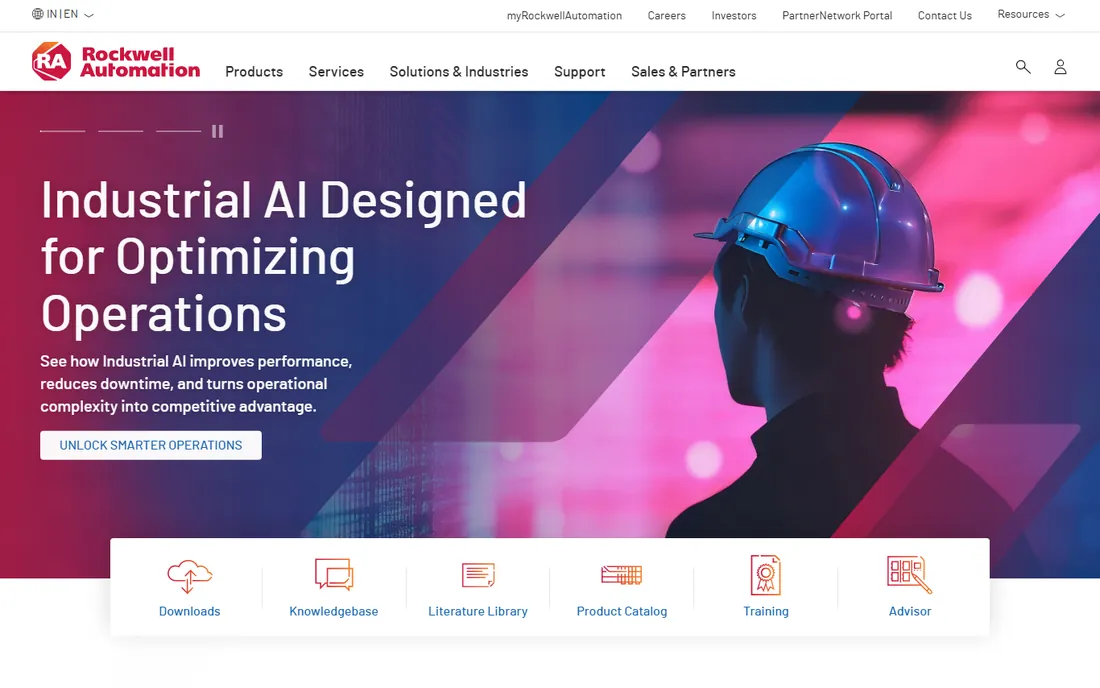
FactoryTalk View is the HMI/SCADA for Allen-Bradley control systems, dominant in North American manufacturing. Integration with ControlLogix and the Rockwell ecosystem is smooth.
As with Siemens, the value concentrates in its own hardware world. Licensing across the FactoryTalk suite needs careful planning. Allen-Bradley plants standardize here.
What we like- Native Allen-Bradley integration
- View SE/ME maturity
- Strong North American base
Watch out for- Rockwell-centric
- Licensing complexity
- Premium cost
Starting priceSee website
Free planNo
Honeywell's Experion serves process industries, oil and gas, refining and chemicals, with DCS-grade reliability and deep process libraries. Critical continuous processes trust it.
Pricing and complexity target large process facilities. Discrete manufacturers will find it oversized. For process control at scale, it is a top-tier choice.
What we like- Process industry depth
- Distributed control heritage
- High reliability
Watch out for- Enterprise pricing
- Complex
- Process-industry focus
Starting priceSee website
Free planNo
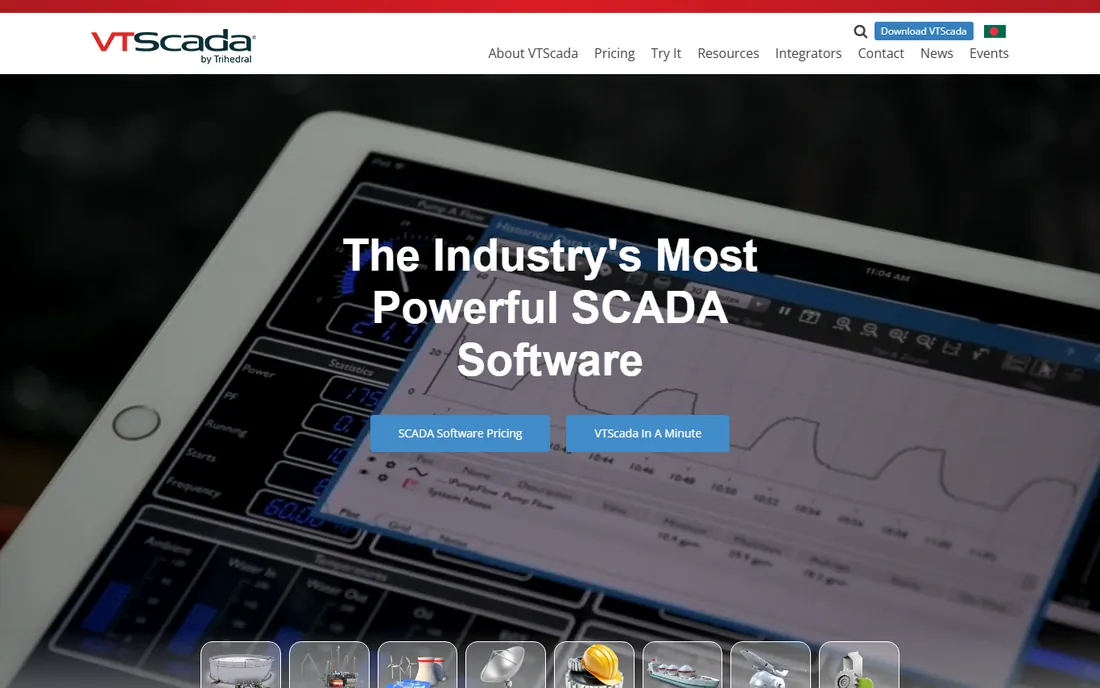
Trihedral's VTScada bundles SCADA, historian, alarming and reporting with unlimited tags in straightforward licensing. Water utilities and municipalities love the value and integrated approach.
Brand recognition trails the giants, and third-party integrations are fewer. Organizations wanting capable SCADA without licensing games get excellent value.
What we like- Unlimited tags and history
- Integrated everything
- Fair pricing
Watch out for- Smaller brand
- Less ecosystem
- Interface utilitarian
Starting priceSee website
Free planNo
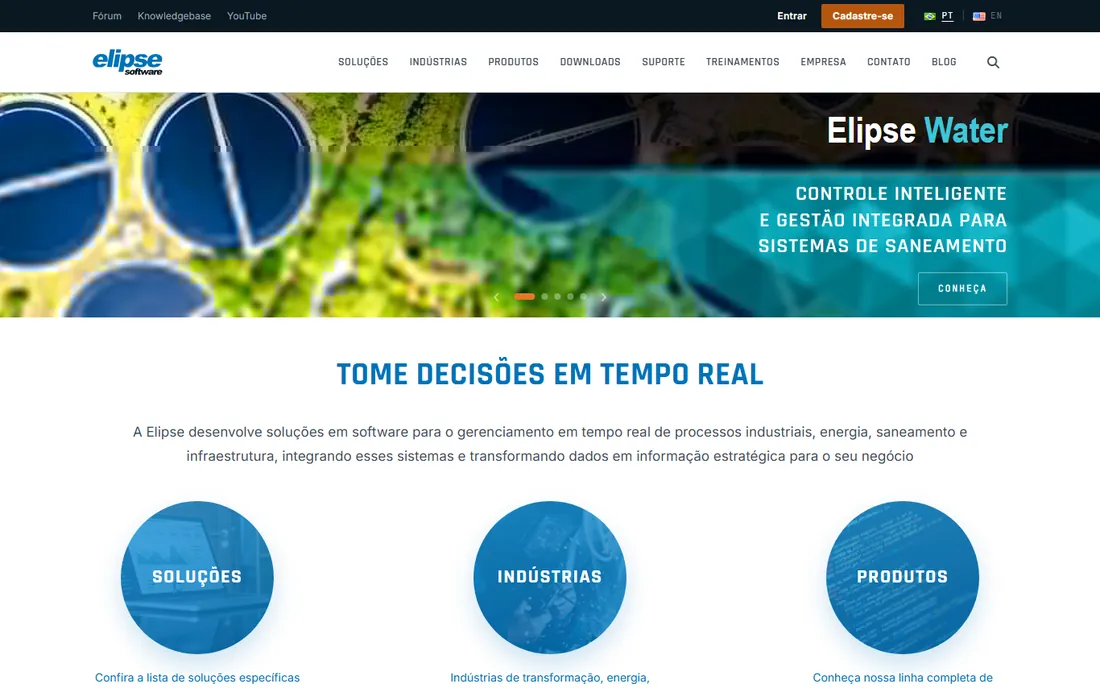
Elipse is a major SCADA vendor in Brazil and Latin America, with solid products and local support networks. Regional industries in utilities and manufacturing rely on it.
Global buyers outside Latin America will find limited presence. Within its home markets, it competes well on features and price.
What we like- Strong in Brazil and Latin America
- Good value
- Local support
Watch out for- Limited global presence
- Smaller ecosystem
- Portuguese-centric resources
How we chose
We reviewed vendor product pages, documentation and industrial automation communities. We compared protocol support, tag licensing, historian capabilities, alarming, redundancy, cybersecurity features and industry focus. We excluded pure HMI without SCADA depth. We did not claim hands-on testing.
Buying guide: choosing SCADA software
Start with your installed hardware. Siemens and Rockwell plants usually stay native; the integration value outweighs license savings. Mixed or new plants should evaluate Ignition and VTScada on economics.
Model total licensing honestly. Per-tag pricing punishes growth; unlimited licensing favors expansion. Project tag counts over five years, not day one, and include clients, historians and redundancy.
Prioritize cybersecurity. Modern SCADA needs network segmentation, patching, user authentication and audit trails. Ask vendors for security documentation and update policies; critical infrastructure cannot run vulnerable software.
The unlimited licensing shift
Ignition proved that unlimited tags and clients could win enterprise deals, pressuring the industry's per-point pricing. VTScada follows similar principles. When comparing, calculate the crossover point where unlimited beats metered for your growth plans.
SCADA cybersecurity essentials
Industrial systems are targets, and the consequences of compromise are physical. Segment OT networks from corporate IT with firewalls and data diodes where appropriate. Patch SCADA software on a tested schedule; unpatched systems are the most common entry point. Enforce unique credentials and role-based access; shared operator logins are an audit failure. Monitor for anomalies and maintain offline backups of configurations. Follow IEC 62443 for a proper security framework rather than improvising.
Planning a SCADA migration
Migrating SCADA platforms is a multi-year endeavor deserving careful planning. Start with a full inventory of tags, screens, alarms, historians and integrations; undocumented functionality is where migrations fail. Run the new system in parallel with the old during cutover, validating every critical screen and alarm before switching. Migrate in phases by plant area rather than big-bang where possible. Budget generously for integrator time, operator retraining and the inevitable discovery of forgotten features. Keep the old system available in read-only mode during transition. The goal is boring cutovers, and boring comes from preparation.
Evaluating total cost of ownership
SCADA pricing extends far beyond licenses. Factor integrator engineering time, which often exceeds software cost on complex projects. Include hardware: servers, networking, and sometimes dedicated historian machines. Training for operators and engineers is essential and recurring as staff turns over. Support contracts typically run 15 to 22 percent of license cost annually. Plan for upgrades every few years; skipping versions compounds migration pain. Downtime risk during cutover has real cost; phased migrations reduce it. When comparing unlimited licensing against per-tag pricing, model five years of growth: a system that doubles in tags can make unlimited dramatically cheaper, while a stable small system may cost less metered. Get integrators to quote the full project, not just software, before deciding.
Frequently asked questions
What is the best SCADA software?
Ignition for modern unlimited licensing, AVEVA for installed base, Siemens WinCC and Rockwell FactoryTalk within their ecosystems, VTScada for value.
How much does SCADA software cost?
From affordable VTScada and Ignition server licenses to six-figure enterprise deployments. Per-tag licensing scales with size; unlimited licensing is predictable.
What is the difference between SCADA and HMI?
HMI is the operator interface screens; SCADA is the full system including data acquisition, historians, alarming and control. HMI is part of SCADA.
Is Ignition really unlimited?
Ignition's server license includes unlimited tags, clients and connections, a deliberate break from per-point pricing. Modules and support are additional.
Which SCADA is best for water utilities?
VTScada is popular in water/wastewater for value and integrated history. Ignition and AVEVA also serve utilities well.
Do I need an integrator for SCADA?
Most serious deployments use integrators for design, programming and commissioning. Software choice and integrator choice should happen together.
How do I secure SCADA systems?
Segment OT networks from IT, patch regularly, use strong authentication, disable unused services, and monitor. Follow frameworks like IEC 62443.
What is the difference between SCADA and DCS?
SCADA supervises geographically dispersed assets like pipelines; DCS controls continuous processes within a plant like refineries. They overlap and vendors serve both.
Can SCADA run in the cloud?
Supervisory and monitoring functions increasingly run in cloud or hybrid architectures, but real-time control stays local for reliability and safety. Hybrid is the practical pattern.
How long do SCADA projects take?
Small systems deploy in weeks; plant-wide systems take months including design, programming, testing and commissioning. Budget integrator time realistically.
How do I choose a SCADA integrator?
Look for experience with your chosen platform and industry, reference sites you can visit, and engineers who ask about your process rather than just selling software. The integrator matters as much as the platform.
What is a SCADA historian?
A database optimized for time-series process data, storing years of measurements for trending, analysis and compliance. Historians are core to SCADA value beyond real-time control.
Can I trial SCADA software before buying?
Most vendors offer trials or demo versions: Ignition has a well-known free trial, VTScada offers demos. Always trial with your actual PLCs and a realistic tag count.
How do I future-proof a SCADA investment?
Prefer open protocols, avoid proprietary lock-in where possible, and choose vendors with clear roadmaps. Modular architectures let you expand without re-platforming.
What protocols do SCADA systems use?
Common ones include Modbus, OPC UA, DNP3 and EtherNet/IP. OPC UA is the modern standard for secure, platform-independent communication.
Is open-source SCADA viable?
Open-source options exist for small projects, but most industrial deployments choose commercial platforms for support, certification and liability reasons.
What is OPC UA?
The modern open standard for industrial communication, succeeding classic OPC with built-in security and platform independence. Prefer it for new integrations.
How do SCADA and IIoT relate?
IIoT adds cloud analytics and broader connectivity on top of SCADA's real-time control. Many plants run both: SCADA for operations, IIoT platforms for analytics.
What is edge computing in SCADA?
Processing data near the source for speed and resilience, syncing with central systems. Edge reduces latency and keeps local control running if connections fail.
How important is vendor support for SCADA?
Critical. Industrial systems run for decades; you need a vendor that answers the phone at 2 AM and maintains your version. Evaluate support quality alongside features.
What training do SCADA operators need?
Platform-specific operation, alarm response procedures, and basic troubleshooting. Vendors and integrators offer courses; budget ongoing training for new hires.
What is alarm management in SCADA?
Prioritizing and rationalizing alarms so operators notice what matters. Poor alarm management causes floods of nuisance alarms that hide real problems.
Sources we checked (8)
- https://www.inductiveautomation.com
- https://www.aveva.com
- https://www.siemens.com
- https://www.ge.com
- https://www.rockwellautomation.com
- https://www.honeywell.com
- https://www.trihedral.com
- https://www.elipse.com.br
Is your product missing or out of date?
We review this list regularly. Vendors can request a listing, send updated pricing or ask about featured placement.

Shihab Mia · Founder, Rankite
Shihab has spent more than a decade helping SaaS and e-commerce brands grow through search. He writes Rankite's software buying guides from pricing pages, documentation and public user reviews. More about Shihab.
 Ignition
 AVEVA
AVEVA Siemens WinCC
 Rockwell FactoryTalk
 Honeywell Experion
 VTScada
 Elipse