How we make this list: we compare pricing pages, product documentation and public user reviews. Rankite is independent; if a vendor ever pays for a featured spot, that listing is clearly labeled Partner.
Key takeaways
- Best overall: Shopify, ideal for stores that want the most supported way to sell online: huge app ecosystem.
- On price transparency, Squarespace stands out at From $19 per month after a 14-day trial, which makes budgeting straightforward.
- BigCommerce suits growing stores that want built-in features over apps, while Wix fits small sellers who want drag-and-drop simplicity.
- Trial before committing: Squarespace offers a trial so you can verify data quality on your own brand first.
- Shift4Shop is worth a look as a specialist alternative if the mainstream picks do not fit your workflow.
Quick comparison
| Tool | Best for | Starting price | Free plan |
|---|
 Shopify Shopify | Stores that want the most supported way to sell online | See website | No |
 BigCommerce BigCommerce | Growing stores that want built-in features over apps | See website | No |
 Wix Wix | Small sellers who want drag-and-drop simplicity | See website | No |
 Squarespace Squarespace | Brands where design matters as much as selling | From $19 per month after a 14-day trial | No |
 WooCommerce WooCommerce | WordPress sites that want full control of their store | Free core plugin (open source) | Yes |
 Adobe Commerce Adobe Commerce | Enterprises with complex catalog and B2B needs | See website | No |
 Ecwid Ecwid | Adding a store to an existing website cheaply | See website | Yes |
 Shift4Shop Shift4Shop | US sellers who want full features without app fees | $41 per month (unlimited plan) | No |
Is your product missing or out of date?
We review this list regularly. Vendors can request a listing, send updated pricing or ask about featured placement.
#1
Shopify
Best for: Stores that want the most supported way to sell online
Visit shopify.com
Starting priceSee website
Free planNo

Shopify is the default answer for a reason: it removes almost every technical barrier to selling online. Setup takes hours, the checkout is battle-tested, and the app store covers whatever the core platform does not. From first sale to serious scale, the path is paved.
The ecosystem is the moat. Thousands of apps, themes, developers and agencies mean any problem you hit has a documented solution. That support network is worth as much as the software.
The meter runs on apps and payment fees. Skip Shopify Payments and transaction fees bite; lean on apps and the monthly stack grows. Budget for the ecosystem, not just the plan, and Shopify remains the safest ecommerce bet.
What we like- Huge app ecosystem
- Reliable, high-converting checkout
- Easy to scale from startup to enterprise
Watch out for- Transaction fees without Shopify Payments
- Costs grow as you add apps
Starting priceSee website
Free planNo

BigCommerce takes the opposite approach to Shopify: more built in, fewer apps needed. No transaction fees, solid SEO controls and multi-channel selling come standard, which keeps the total cost predictable as you grow. A free trial lets you test drive.
For merchants who dislike app sprawl, that philosophy resonates. Discounts, gift cards, reviews and faceted search work out of the box instead of as paid add-ons.
Theme customization is less flexible and sales thresholds can push you to higher plans automatically. But if you want ecommerce depth without the app tax, BigCommerce is the strongest alternative to Shopify.
What we like- No transaction fees
- Strong built-in SEO features
- Multi-channel selling included
Watch out for- Theme design less flexible than rivals
- Annual sales thresholds can force plan upgrades
#3
Wix
Best for: Small sellers who want drag-and-drop simplicity
Visit wix.com
Starting priceSee website
Free planNo
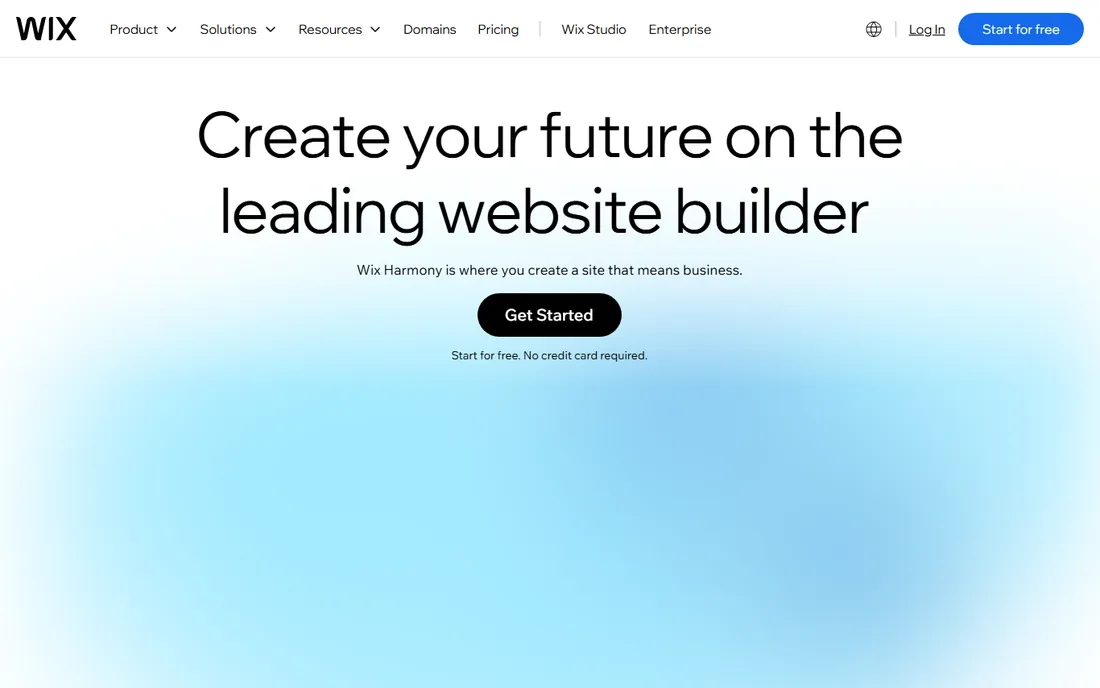
Wix is the gentlest on-ramp to selling online. The drag-and-drop builder needs no technical skill, templates look good out of the box, and hosting, domains and payments are handled together. A small store can be live in a weekend.
For sellers where the website is a brochure that also takes orders, that simplicity wins. Blogging, bookings and events sit alongside the store in one account.
Large catalogs and complex operations strain the platform, and ecommerce features trail Shopify and BigCommerce in depth. But for small sellers prioritizing ease, Wix is the friendly choice.
What we like- Very easy drag-and-drop builder
- Attractive templates
- All-in-one hosting and tools
Watch out for- Weaker for large catalogs
- Less ecommerce depth than specialists
Starting priceFrom $19 per month after a 14-day trial
Free planNo

Squarespace is for sellers whose brand is the product. The templates are the best-looking in the category, inventory management stays simple, and blogging is genuinely good for content-driven stores. Plans start at $19 a month after a 14-day trial.
Fashion, art, photography and boutique brands gravitate here because the site itself sells the aesthetic. Setup stays manageable without a developer.
Payment gateway options are narrower and advanced ecommerce features like complex shipping rules lag the specialists. High-volume operations should look elsewhere. But for design-led small stores, Squarespace is the prettiest path to checkout.
What we like- Beautiful, design-forward templates
- Simple inventory management
- Good built-in blogging
Watch out for- Fewer payment gateways
- Limited advanced ecommerce features
Starting priceFree core plugin (open source)
Free planYes
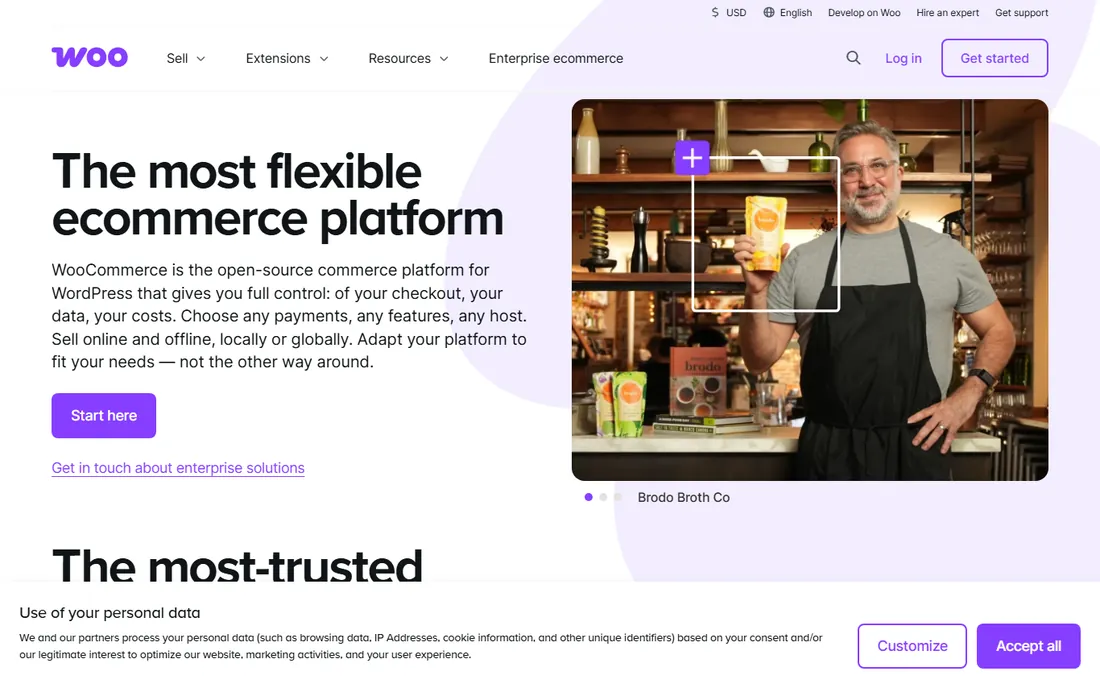
WooCommerce turns any WordPress site into a store with a free plugin, and that is just the start. Because it is open source, there are no platform limits on customization: any checkout flow, any pricing model, any integration is buildable. The extension marketplace covers the rest.
Ownership is the appeal. Your data, your code, your hosting choices. Stores with unique requirements that SaaS platforms cannot accommodate end up here.
That freedom has a maintenance cost. Hosting, security, updates and backups are your job, and premium extensions add up. Teams without technical resources should choose hosted instead. But for control freaks in the best sense, WooCommerce is unmatched.
What we like- Free, open-source core
- Total customization freedom
- Huge extension library
Watch out for- You manage hosting, security and updates
- Real costs hide in paid extensions
Starting priceSee website
Free planNo
Adobe Commerce, formerly Magento, is the enterprise heavyweight. Multi-store, multi-currency, complex B2B quoting and massive catalogs are its home turf. When requirements exceed what SaaS platforms allow, this is where companies land.
The B2B feature set is genuinely deep: custom catalogs, negotiated pricing, approval workflows and account hierarchies. Global brands run entire portfolios on it.
Everything about it is enterprise-grade, including the cost and complexity. You need developers, infrastructure and patience. Small and mid-size sellers should not apply. But for complex commerce at scale, Adobe Commerce remains the reference platform.
What we like- Extremely flexible and customizable
- Strong B2B features
- Built for global scale
Watch out for- Needs developers to implement and run
- Expensive total cost of ownership
#7
Ecwid
Best for: Adding a store to an existing website cheaply
Visit ecwid.com
Starting priceSee website
Free planYes
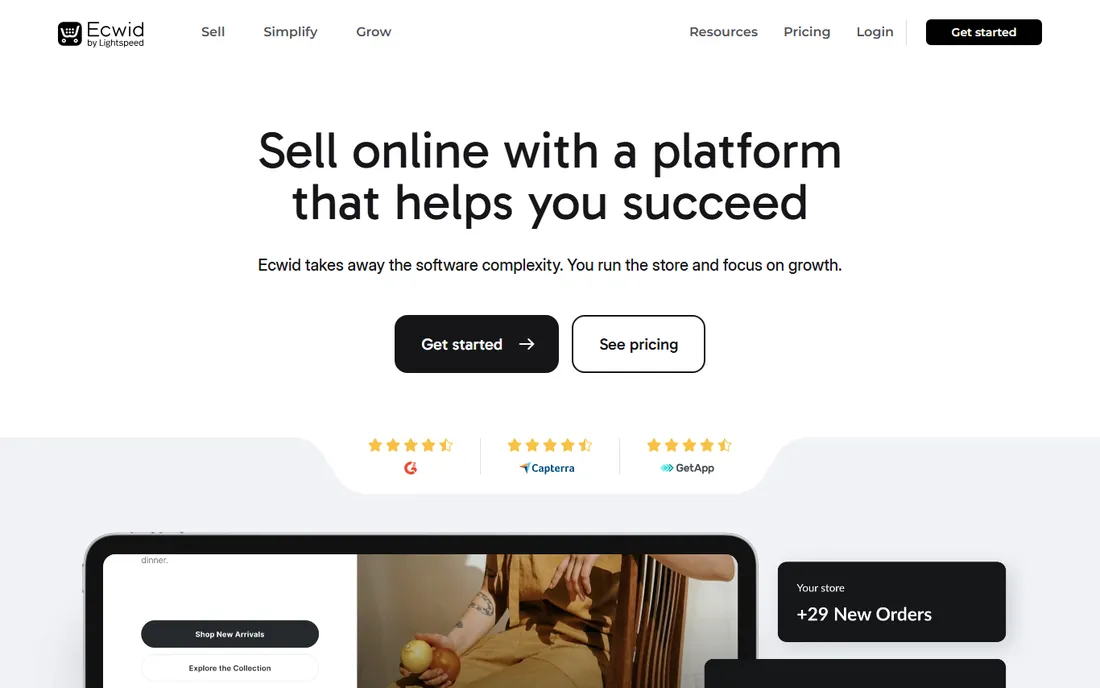
Ecwid answers a specific question: how do I add selling to the site I already have? The store embeds into any website, social page or marketplace, with a free plan covering the basics. Setup takes minutes, not a rebuild.
For small sellers, creators and local businesses, that low friction is everything. You keep your site and gain checkout, which beats migrating platforms for a handful of products.
Design control is limited and growing stores eventually want a real platform. But as the cheapest path from website to webstore, Ecwid is practical and honest.
What we like- Embeds into any existing site
- Free plan available
- Simple setup
Watch out for- Limited design control
- Advanced features cost more
Starting price$41 per month (unlimited plan)
Free planNo

Shift4Shop packs an unusual amount of ecommerce into its plans, with the unlimited tier at $41 a month covering features rivals sell as apps. For US sellers who resent the app tax, that value proposition is direct.
Built-in CRM, email marketing, rewards programs and fraud protection reduce the add-on stack. Published pricing keeps budgeting simple.
Templates lag modern design standards and the third-party ecosystem is a fraction of Shopify's. But measured on features per dollar, Shift4Shop is one of the best values for straightforward US ecommerce.
What we like- Many features built in, fewer apps needed
- Published pricing
- Full-featured unlimited plan
Watch out for- Templates feel dated
- Smaller ecosystem than Shopify
Calculate total cost, not plan price. Transaction fees, app subscriptions, and payment processing often exceed the monthly plan. A cheap plan with a 2 percent transaction fee costs more than a pricier plan at scale.
Check the features you will actually use. Built-in discounts, subscriptions, multi-currency, and B2B quoting vary enormously. List your must-haves and verify each one natively, because apps add cost and fragility.
Consider who runs the store. Non-technical teams do better on Shopify or Wix; teams with developers can exploit WooCommerce or Adobe Commerce. The best platform is the one your team will actually operate well.
Test the checkout yourself on mobile before committing. Most of your traffic is mobile, and the checkout experience varies more between platforms than the marketing pages suggest. A clunky mobile flow costs more than any feature gap.
Hidden costs that surprise new store owners
Transaction fees are the big one. A platform taking 2 percent of revenue costs far more than its monthly plan at any real volume. Using the platform's own payments usually reduces or removes these fees.
Apps are the second. Reviews, upsells, subscriptions, and loyalty each add monthly subscriptions. Audit your app stack yearly and replace paid apps with built-in features where possible.
Themes and development round it out. A custom theme or developer help for checkout changes can exceed a year of plan fees. Budget for setup, not just the subscription.
How we chose
Our method was straightforward: read the pricing pages, study the documentation, and compare what users report on G2, Capterra, and Reddit. We looked for tools that genuinely serve the category, mixed established names with strong specialists, and noted where pricing or features fell short. No sponsored placements and no invented test results.
Frequently asked questions
What are transaction fees?
Fees the platform takes per sale when you do not use its preferred payment processor. They range from 0 to 2 percent and can exceed the monthly plan cost at volume. Using the platform's own payments usually minimizes them.
What is headless commerce?
Headless commerce separates the storefront from the backend, letting developers build custom front ends while the platform handles checkout and orders. It offers maximum design freedom but needs developer resources. Most small stores do not need it.
Which ecommerce platform is cheapest?
WooCommerce has a free core but hosting and extensions add up. Among hosted options, Shift4Shop and Squarespace offer strong value at published prices. Always calculate transaction fees and apps, not just the plan price.
Can I migrate from one platform to another?
Yes, but it is a project. Products, customers, and orders migrate with tools or help; design and custom functionality need rebuilding. Plan for weeks of work and budget for professional help on complex stores.
Do I need a developer for Shopify?
Not for a standard store. Shopify is designed for non-technical owners. You need developers only for custom themes, complex integrations, or checkout customization on higher plans.
Sources we checked (8)
- https://www.shopify.com
- https://www.bigcommerce.com
- https://www.wix.com
- https://squarespace.com/
- https://woocommerce.com
- https://business.adobe.com/products/magento/magento-commerce.html
- https://www.ecwid.com
- https://shift4shop.com/
Is your product missing or out of date?
We review this list regularly. Vendors can request a listing, send updated pricing or ask about featured placement.

Shihab Mia · Founder, Rankite
Shihab has spent more than a decade helping SaaS and e-commerce brands grow through search. He writes Rankite's software buying guides from pricing pages, documentation and public user reviews. More about Shihab.