How we make this list: we compare pricing pages, product documentation and public user reviews. Rankite is independent; if a vendor ever pays for a featured spot, that listing is clearly labeled Partner.
Key takeaways
- Enable is the category's dedicated rebate platform, built for distributors, buying groups and manufacturers with complex trading agreements.
- Vistex and SAP suit enterprises already running SAP, where rebate agreements post straight into the ERP with no reconciliation layer.
- Model N is the life-sciences specialist (chargebacks, government pricing); everyone else should skip it.
- Pricing is opaque across the whole category: every vendor here quotes custom, so budget for implementation services, not just the license.
Quick comparison
| Tool | Best for | Starting price | Free plan |
|---|
 Enable Enable | Distributors and buying groups with complex trading agreements | See website (custom quote) | No |
 Vistex Vistex | Enterprises running SAP with buy-side and sell-side programs | See website (custom quote) | No |
 e-bate e-bate | Mid-market distributors managing supplier rebates | See website (custom quote) | No |
 Zilliant Zilliant | Manufacturers combining pricing discipline with rebates | See website (custom quote) | No |
 Vendavo Vendavo | Large B2B firms unifying pricing, quoting and rebates | See website (custom quote) | No |
 Model N Model N | Pharma and medtech rebate and revenue management | See website (custom quote) | No |
 Pricefx Pricefx | Companies treating rebates as part of pricing strategy | See website (custom quote) | No |
 SAP SAP | SAP shops with standard rebate agreement types | See website (custom quote) | No |
 Conga Conga | Companies already on Conga for CPQ or contracts | See website (custom quote) | No |
Is your product missing or out of date?
We review this list regularly. Vendors can request a listing, send updated pricing or ask about featured placement.
The best rebate management software
Picture the finance team at a mid-size distributor in month-end close. Three analysts are reconciling rebate claims against supplier agreements stored in spreadsheets, email threads and one person's memory. Two suppliers dispute the numbers. The accruals are guesses. This is the problem rebate management software exists to kill, and the nine tools below do it from different directions: dedicated rebate platforms, pricing suites with rebate modules, and ERP-native functionality.
#1
Enable
Best for: Distributors and buying groups with complex trading agreements
Visit enable.com
Starting priceSee website (custom quote)
Free planNo
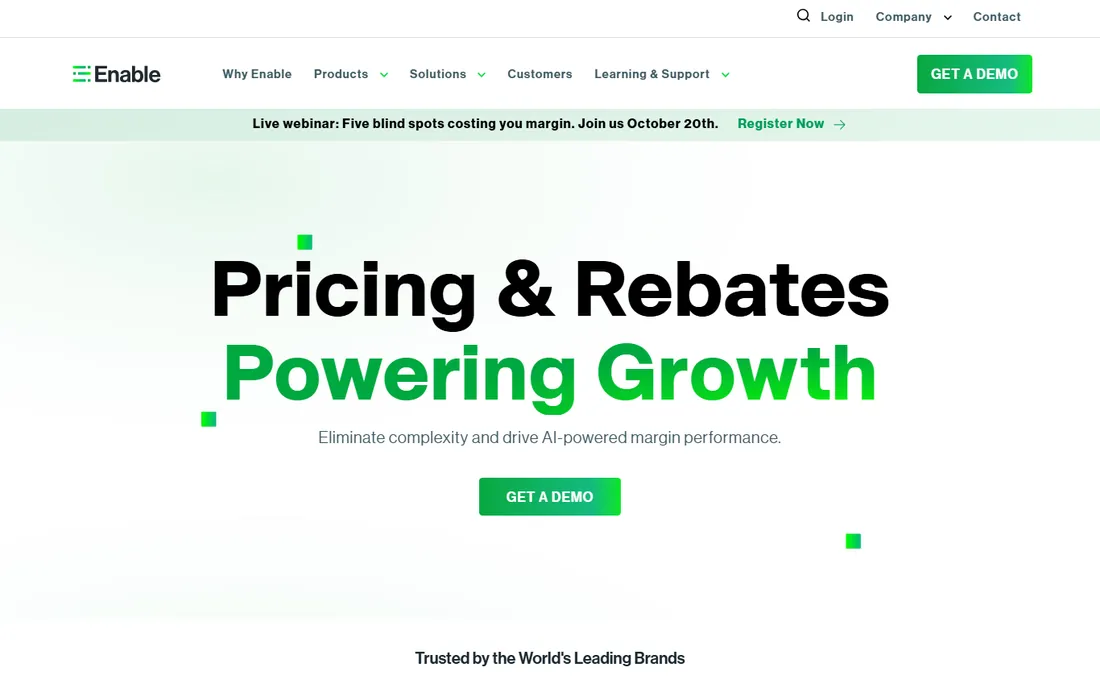
Enable was built for rebates first, not as a module of something bigger. The platform handles rebate deal creation, real-time calculation, claims, forecasting and a trading-partner portal where distributors and suppliers collaborate on the same numbers. It also absorbed Flintfox's pricing capabilities, so pricing and rebates live together instead of in disconnected systems.
Pricing is custom-quoted, and Enable's customer base skews toward distributors, buying groups and manufacturers with complex trading agreements. Implementation is a real project, not a signup. If rebates are your core problem rather than a line item in a bigger suite, start here.
What we like- Built for rebates first, not as a module of something bigger
- Real-time calculation engine with forecasting
- Trading-partner portal where both sides see the same numbers
Watch out for- Custom pricing and a sales-led process
- Implementation is a real project, not a signup
- Customer base skews toward distribution and manufacturing
#2
Vistex
Best for: Enterprises running SAP with buy-side and sell-side programs
Visit vistex.com
Starting priceSee website (custom quote)
Free planNo
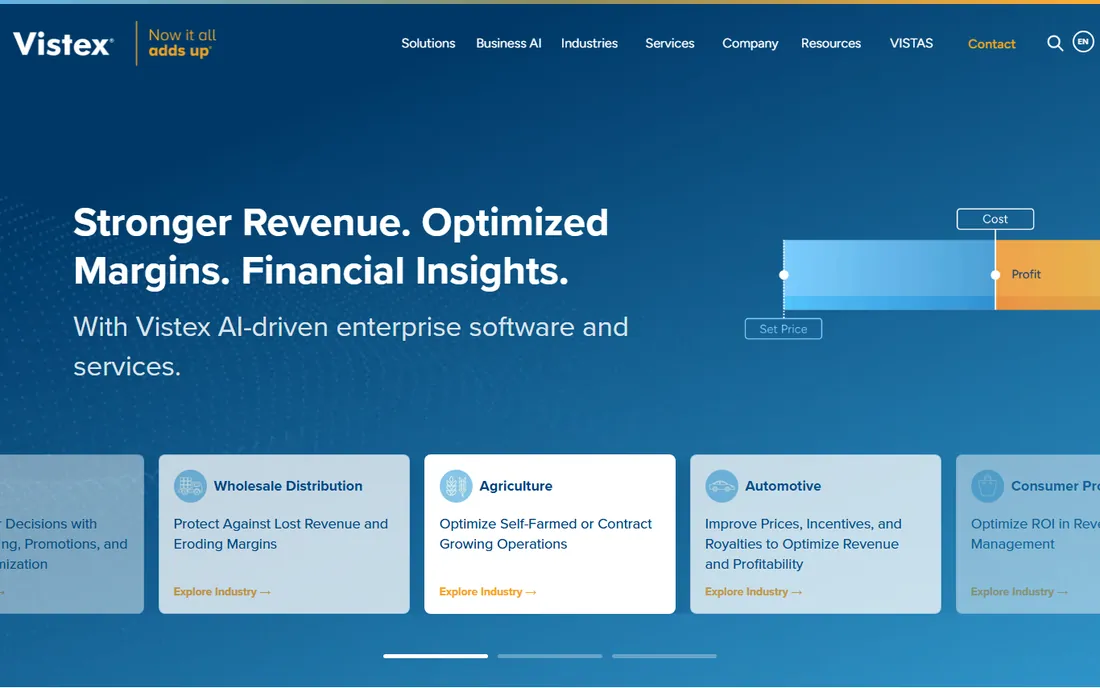
Vistex runs inside SAP environments as the revenue management layer for pricing, rebates, royalties and incentives. Companies that already run SAP choose Vistex because rebate agreements post straight into the ERP, with no reconciliation layer between the deal and the ledger. Buy-side and sell-side programs are managed in one place.
That SAP-native design is also the limitation: Vistex makes most sense for SAP shops, and pricing is custom with services-heavy implementations. For enterprises managing complex programs at scale, it is the established answer. Everyone else should look at standalone platforms.
What we like- SAP-native design, so rebate agreements post straight into the ERP
- Covers pricing, rebates, royalties and incentives together
- Long enterprise track record
Watch out for- Makes most sense for SAP shops
- Custom pricing with services-heavy implementations
- Overkill outside complex enterprise programs
#3
e-bate
Best for: Mid-market distributors managing supplier rebates
Visit e-bate.io
Starting priceSee website (custom quote)
Free planNo
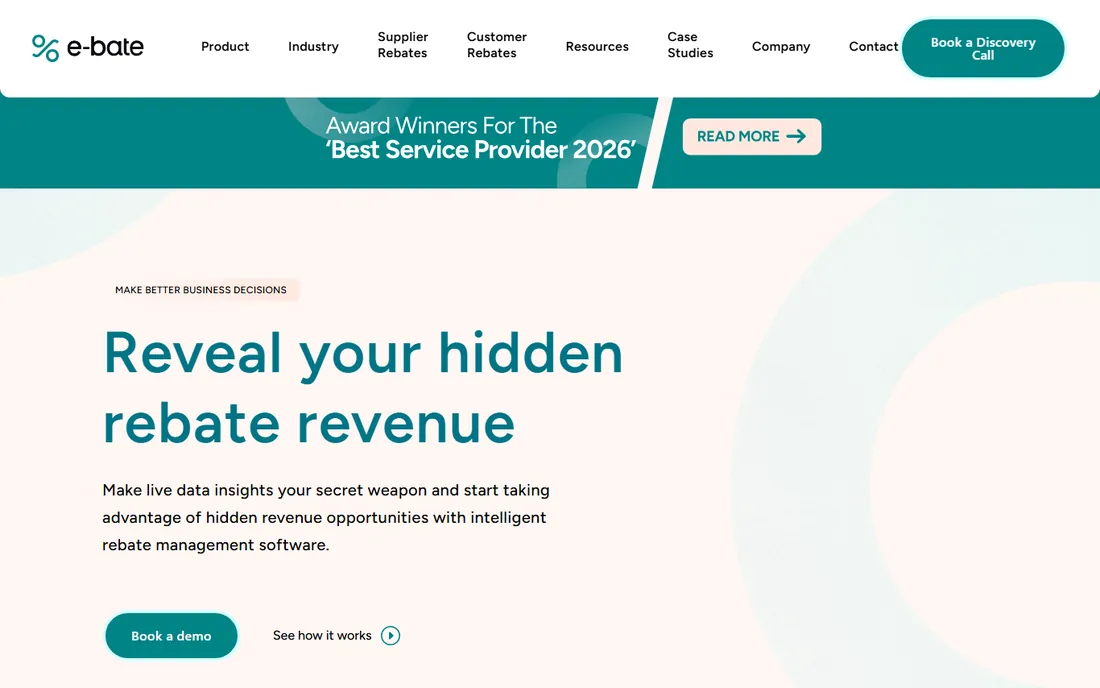
e-bate is the specialist for trading-partner rebates: distributors, wholesalers and buying groups that pay and collect rebates across hundreds of supplier agreements. Its portal lets both sides see the same calculations, which kills the disputes that eat finance teams' time. Real-time calculation and forecasting are built for this world, not adapted from customer pricing.
The company is UK-based, founded in 2017, and pricing is custom-quoted. e-bate suits distributors and buying groups whose rebate world is supplier agreements rather than customer pricing. The trading-partner portal is the feature to evaluate in a demo.
What we like- Specialist in trading-partner rebates for distributors and buying groups
- Portal gives both sides one view of calculations
- UK-based vendor with a focused product
Watch out for- Custom pricing
- Narrower scope than the enterprise suites
- Smaller vendor, so check support coverage for your region
#4
Zilliant
Best for: Manufacturers combining pricing discipline with rebates
Visit zilliant.com
Starting priceSee website (custom quote)
Free planNo
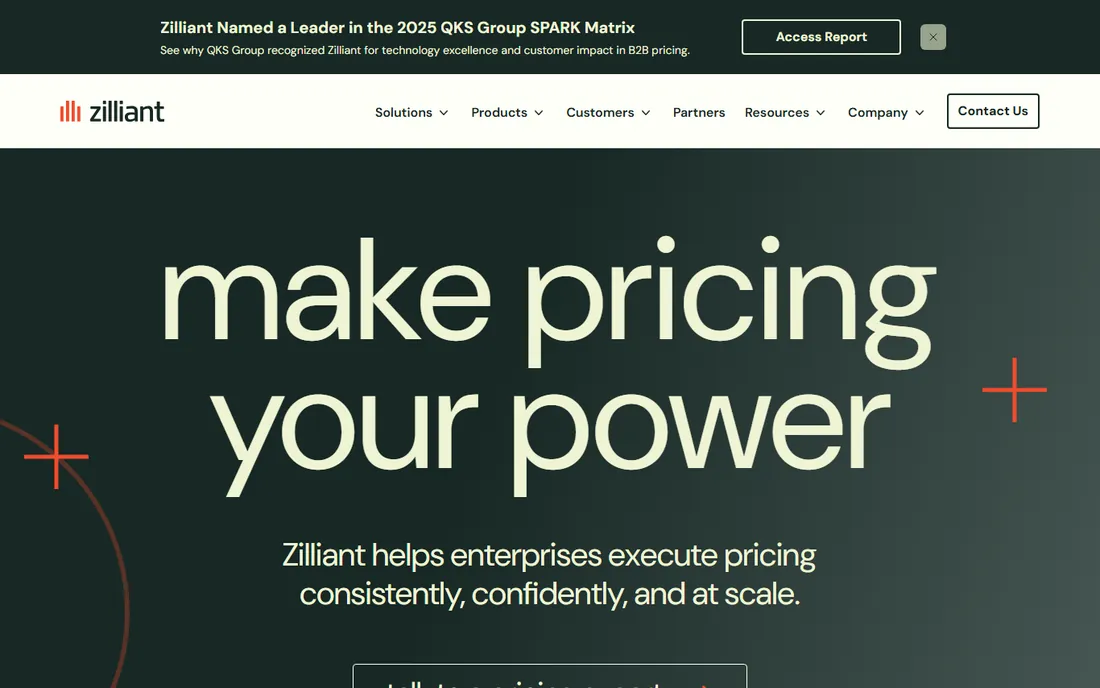
Zilliant comes at rebates from the pricing side: price optimization, price management and rebate handling for manufacturers and distributors, with AI-driven guidance for commercial teams. The rebate module sits inside a broader commercial platform rather than standing alone, which suits companies managing the whole price waterfall.
Pricing is custom, and Zilliant's strength is B2B pricing discipline more than pure rebate administration. Companies whose problem is margin leakage across pricing and rebates together get the most value. Pure rebate administrators may find dedicated platforms simpler.
What we like- Rebates inside a broader pricing platform with AI-driven guidance
- Strong in B2B price optimization for manufacturers and distributors
- Recognized by analyst firms
Watch out for- Custom pricing
- Rebate depth is thinner than dedicated platforms
- Best value comes from using the pricing suite, not rebates alone
#5
Vendavo
Best for: Large B2B firms unifying pricing, quoting and rebates
Visit vendavo.com
Starting priceSee website (custom quote)
Free planNo
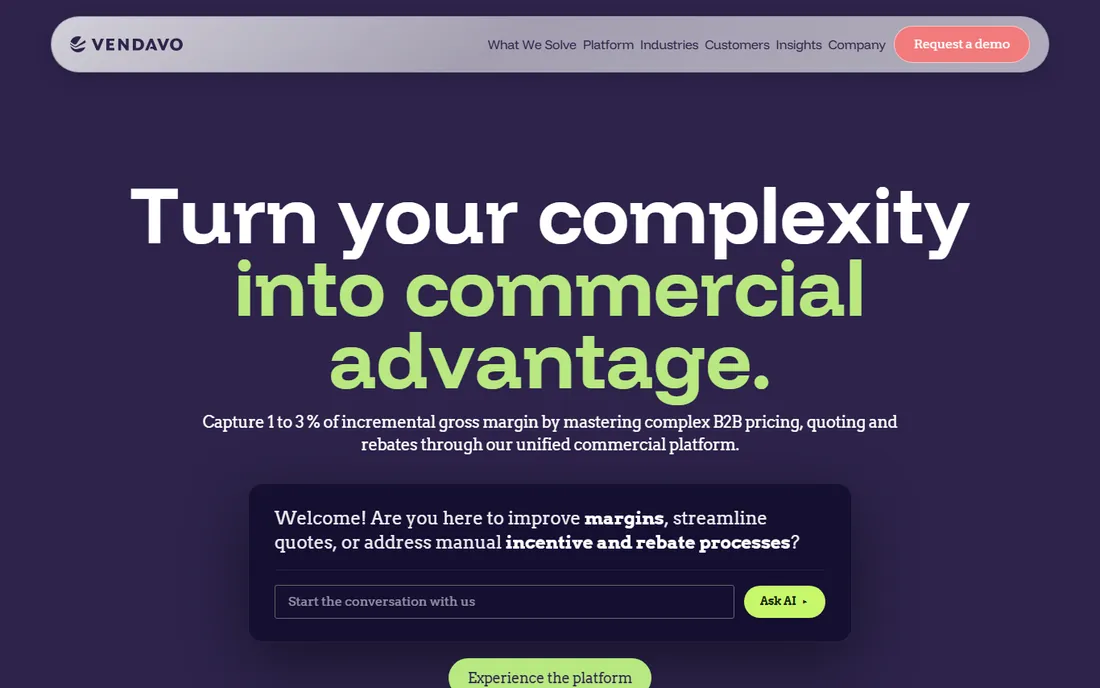
Vendavo's pitch is commercial excellence in one platform: price management, optimization, quoting, agreements and rebates, with AI embedded across it. The rebate and incentives module targets enterprises tired of running rebate programs in spreadsheets next to the quoting system. One data model across pricing and rebates is the architectural argument.
Like the other enterprise suites here, pricing is custom-quoted and implementations are substantial. Vendavo fits large B2B manufacturers and distributors that want pricing, quoting and rebates governed together. Standalone rebate needs are better served by specialists.
What we like- Rebates governed alongside pricing, quoting and agreements in one platform
- Embedded AI for margin analysis
- Built for enterprise scale and complexity
Watch out for- Custom pricing with substantial implementations
- Enterprise-shaped, so smaller companies pay for scope they will not use
- Rebate module is one part of a big suite
#6
Model N
Best for: Pharma and medtech rebate and revenue management
Visit modeln.com
Starting priceSee website (custom quote)
Free planNo
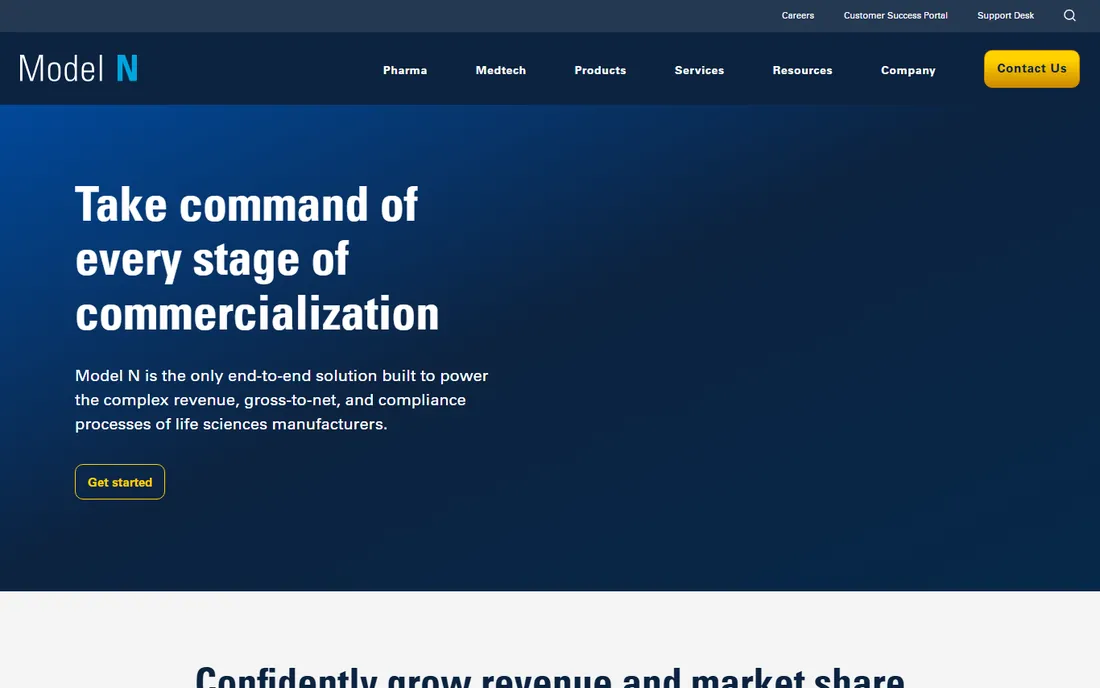
Model N is the life-sciences answer to revenue management: contracts, pricing, rebates, gross-to-net and regulatory compliance for pharma and medtech manufacturers. Rebate administration here means chargebacks, Medicaid and government pricing rules, not distributor volume tiers. The compliance depth is the reason companies buy.
That specialization is the whole point, and also the boundary. Pricing is custom, and Model N makes no sense outside life sciences. Inside it, the regulatory coverage is unmatched by the generalist platforms.
What we like- Built for life-sciences revenue processes end to end
- Handles chargebacks, government pricing and gross-to-net
- Deep regulatory compliance coverage
Watch out for- Custom pricing
- Makes no sense outside life sciences
- Enterprise-only in practice
#7
Pricefx
Best for: Companies treating rebates as part of pricing strategy
Visit pricefx.com
Starting priceSee website (custom quote)
Free planNo
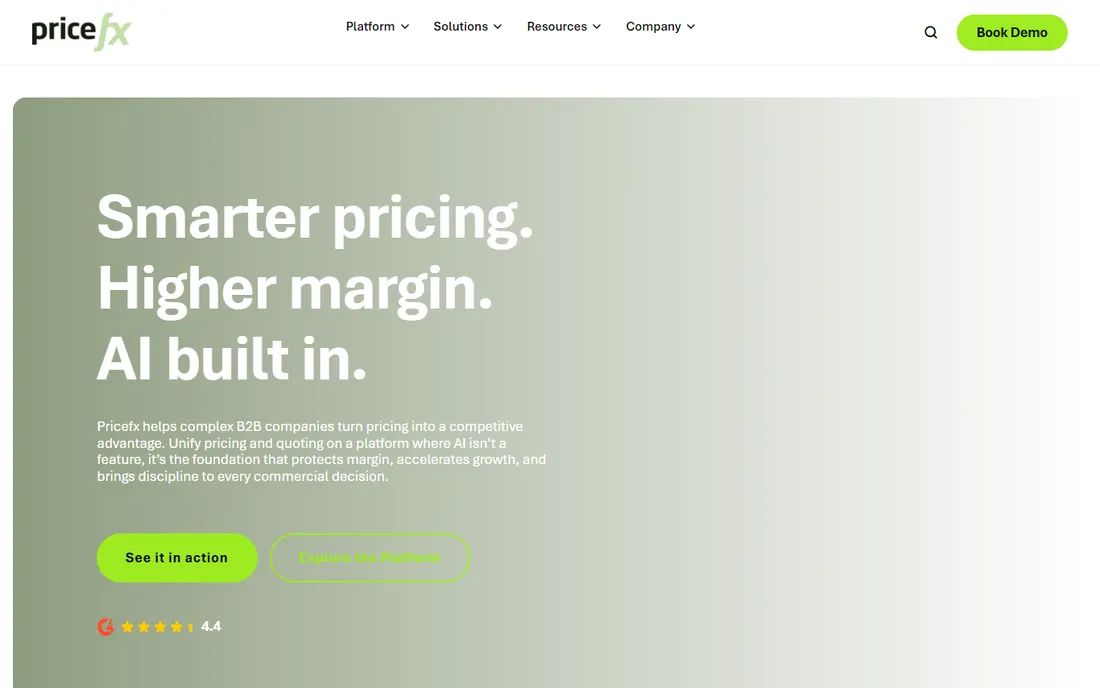
Pricefx manages rebates as part of its pricing platform: agreements, rebates and promotions alongside price optimization and quoting, with AI agents that flag margin leaks. It suits companies that think of rebates as one lever in pricing strategy rather than a back-office process. The platform's strength is analytics applied across the whole price waterfall.
Pricing is custom-quoted. Pricefx's heritage is pricing science, so rebate management inherits strong analytics but less of the trading-partner collaboration focus that specialists like Enable and e-bate lead with. Evaluate it when pricing and rebates need one owner.
What we like- Rebates managed alongside price optimization, quoting and agreements
- AI agents flag margin leaks
- Strong analytics heritage from pricing science
Watch out for- Custom pricing
- Less trading-partner collaboration focus than rebate specialists
- Rebate depth varies by use case
#8
SAP
Best for: SAP shops with standard rebate agreement types
Visit sap.com
Starting priceSee website (custom quote)
Free planNo
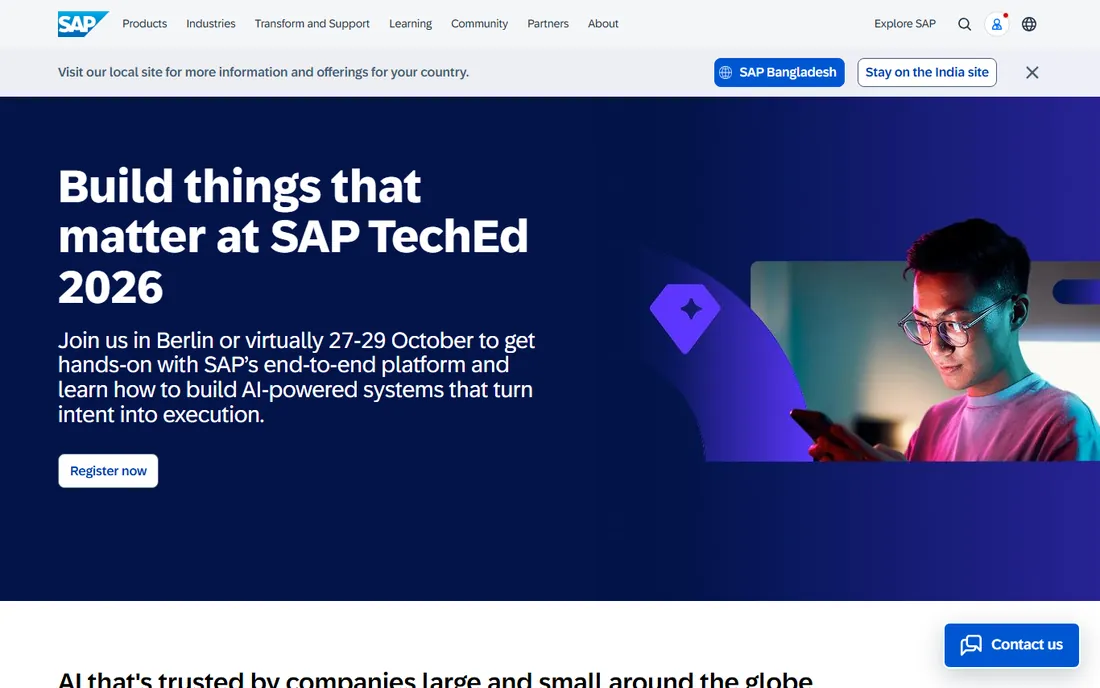
SAP handles rebates natively through settlement management in S/4HANA: rebate agreements, accruals and settlements post directly in the ERP. For companies already running SAP, there is no integration project, no reconciliation, and no second system of record. Standard rebate agreement types are covered well out of the box.
The trade-off is flexibility. SAP's rebate functionality bends less than dedicated platforms when deals get exotic. Pricing comes as part of the SAP footprint, which means an enterprise contract conversation. If you are on SAP and your rebate types are standard, start here before buying anything else.
What we like- Rebate agreements, accruals and settlements handled natively in S/4HANA
- No integration project and no second system of record
- Standard agreement types covered well
Watch out for- Less flexible than dedicated platforms for exotic deal structures
- Pricing comes as part of an enterprise SAP contract
- Customization needs SAP expertise
#9
Conga
Best for: Companies already on Conga for CPQ or contracts
Visit conga.com
Starting priceSee website (custom quote)
Free planNo
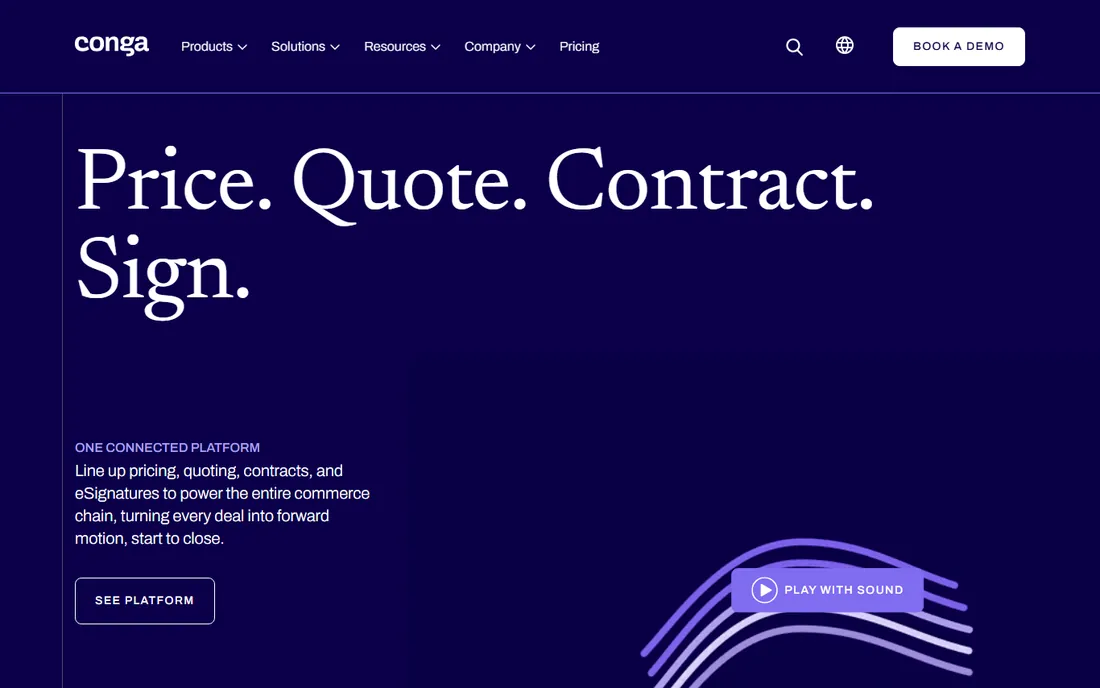
Conga added rebates to its revenue lifecycle platform, which already covers pricing, CPQ, contracts and document automation. The logic is straightforward: rebate terms live in the same contracts the platform manages, so accruals and payouts follow the agreement without rekeying. For companies already running Conga for quoting or contract lifecycle management, that continuity is the selling point.
Rebates are a newer addition to a platform built around quoting and contracts, so depth varies by use case. Pricing is custom-quoted. Conga fits companies already using it for CPQ or CLM that want rebate terms managed alongside the contracts that define them.
What we like- Rebate terms managed alongside the contracts that define them
- Part of a unified pricing-to-signature platform
- No rekeying between agreements and payouts
Watch out for- Rebates are a newer addition to a CPQ and contract platform
- Depth varies by use case
- Custom pricing
Why rebate projects stall
The software is rarely the reason rebate projects fail. The first killer is agreement data: rebate terms live in PDFs, emails and spreadsheets, and nobody wants to be the person who digitizes three years of supplier contracts. Vendors can migrate the data, but someone has to find it and confirm it first. Projects that start with a data cleanup phase finish; projects that skip it stall.
The second killer is scope creep between buy-side and sell-side. Customer rebates (sell-side) and supplier rebates (buy-side) are different workflows with different owners, and trying to launch both at once doubles the stakeholder count. Pick the side that hurts more, prove value there, then expand. The third is treating the project as IT's job. Rebate logic belongs to finance and commercial teams; if they are not writing the test cases, the system will calculate correctly and still be wrong.
How we chose
We started with the categories buyers search: rebate management software, rebate management system and trade promotion management. For each candidate we opened the vendor's own site, confirmed the product exists and fits the category, and weighed features, ERP fit and company-size fit against public reviews on G2 and Capterra and practitioner discussion on Reddit. Every vendor in this category quotes custom pricing, so all prices are marked "See website" rather than guessed. We mixed dedicated rebate platforms with pricing suites and ERP-native options so the list covers real buying situations.
Questions to ask every rebate vendor
Ask whether the platform handles your side of the table: buy-side (supplier rebates you collect), sell-side (customer rebates you pay), or both. The workflows differ, and some vendors are built for one. Ask how accruals post to your ERP and whether the integration is a certified connector or a custom project. That answer determines half the implementation cost.
Ask for a reference customer in your industry and your size band, then ask that customer how long implementation really took and what surprised them. Ask how the platform handles your most complicated agreement type, not the standard ones in the demo. Ask what happens to pricing at renewal, and whether trading partners pay for portal access. Finally, ask who owns the data model for rebate terms: if every agreement type needs professional services to configure, your total cost is much higher than the license.
Frequently asked questions
What is rebate management software?
Software that administers rebate agreements end to end: creating deals, calculating accruals in real time, processing claims, settling payouts and forecasting liability. It replaces the spreadsheets and email threads most companies use to track what they owe and what they are owed. Some platforms are dedicated to rebates; others include rebates as a module in pricing or ERP suites.
How much does rebate management software cost?
Every vendor in this category quotes custom pricing based on agreement volume, users and integration scope. Expect an enterprise-style annual contract plus implementation services. Dedicated platforms like Enable and e-bate can be more approachable for mid-market distributors than the big suites, but get a written quote with implementation broken out before comparing.
What is the difference between buy-side and sell-side rebates?
Sell-side rebates are what you pay your customers for hitting volume or growth targets. Buy-side rebates are what your suppliers pay you under purchasing agreements. Distributors often manage both. The workflows differ (claims come from different directions, approvals sit with different teams), so confirm the platform handles your side before shortlisting.
Can rebates be managed in the ERP alone?
Partly. SAP handles standard rebate agreements natively through settlement management, and that is enough for companies with straightforward deal types. Dedicated platforms add real-time calculation, forecasting, trading-partner portals and handling for complex tiered agreements that ERPs struggle with. If your rebate types are standard and you run SAP, the ERP may be enough.
How long does a rebate management implementation take?
It depends on agreement complexity and data readiness more than on the software. Simple deployments with clean agreement data move faster; enterprises migrating years of supplier contracts should plan for a multi-phase project. Ask each vendor for a reference timeline from a customer in your size band, and start the agreement-data cleanup before signing.
Do trading partners need to use the software too?
Not necessarily, but portals help. Platforms like Enable and e-bate offer trading-partner portals where suppliers and distributors see the same calculations, which cuts disputes. Partners typically access the portal without a full license, but confirm whether portal access carries a cost before you commit.
Sources we checked (11)
- https://enable.com/
- https://vistex.com/
- https://www.e-bate.io
- https://zilliant.com/
- https://vendavo.com/
- https://modeln.com/
- https://pricefx.com/
- https://www.sap.com
- https://conga.com/
- https://www.g2.com/categories/rebate-management
- https://www.capterra.com/rebate-management-software/
Is your product missing or out of date?
We review this list regularly. Vendors can request a listing, send updated pricing or ask about featured placement.

Shihab Mia · Founder, Rankite
Shihab has spent more than a decade helping SaaS and e-commerce brands grow through search. He writes Rankite's software buying guides from pricing pages, documentation and public user reviews. More about Shihab.