How we make this list: we compare pricing pages, product documentation and public user reviews. Ratings come from G2, Capterra or Trustpilot, with the date we checked them.
Key takeaways
- Product design covers two worlds: physical products that need industrial design and engineering, and digital products that need UX, research, and software design.
- The best firms prototype early and test with real users, which reduces the risk of launching a product nobody wants.
- Research depth separates great firms from good ones: firms that study users in context make better decisions than firms that start with styling.
- Awards look impressive but say less than shipped products in your category, so ask for work in your industry and talk to past clients.
- Budget and seniority trade off directly: famous firms cost more and may staff your project with junior designers unless you negotiate the team.
Quick comparison
| Tool | Best for | Starting price | Free plan |
|---|
 IDEO | Human-centered innovation at scale | See website | No |
 Frog | Reinvention and experience design | See website | No |
 Smart Design | Products, services, and experiences people love | See website | No |
 Whipsaw | Consumer electronics and physical products | See website | No |
 Ammunition | Industrial design with brand depth | See website | No |
 Designit | Humanity-centered experience innovation | See website | No |
 Work & Co | Digital products for major brands | See website | No |
 Clay | UX design and branding for digital products | See website | No |
Is your product missing or out of date?
We review this list regularly. Vendors can request a listing, send updated pricing or ask about featured placement.
The best product design companies
Starting priceSee website
Free planNo
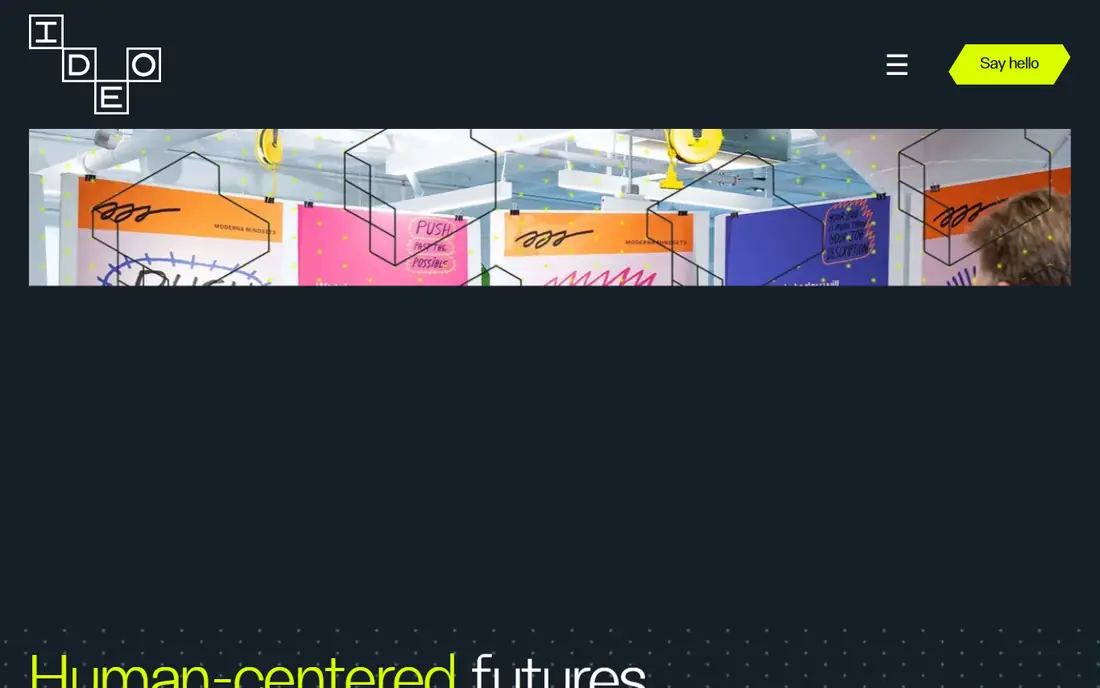
IDEO pioneered human-centered design and design thinking, and for nearly 50 years it has helped leaders create products, services, and organizations that shape markets. Its process runs through inspiration, ideation, and implementation: understanding people first, generating and testing many ideas, then prototyping rapidly with real users. Its work spans healthcare experiences, financial services, education systems, and AI-era products, and it also trains client teams to build innovation capability themselves.
IDEO's scale and reputation come with premium pricing, and smaller projects can feel process-heavy relative to a boutique studio. For organizations facing an ambiguous, high-stakes product question, where the right thing to build is unclear, IDEO's research depth and track record make it the safest premium choice.
What we like- Nearly 50 years of human-centered design practice
- Works across healthcare, finance, education, and technology
- Builds client innovation capability
Watch out for- Premium pricing
- Large-firm structure can feel process-heavy for small projects
Starting priceSee website
Free planNo
Frog positions itself as a reinvention and experience partner, helping companies navigate new technologies and sustainability goals with design that spans products, services, and brands. Its recent work includes human-centered robotics concepts, healthcare experience design, and guidance on agentic commerce, reflecting a practice that thinks beyond single products to whole systems. As part of Capgemini Invent, it can connect design work to technology implementation at enterprise scale.
That enterprise scale means frog is less suited to a startup's first product than to a company reinventing an existing line or entering a new category. For large organizations that need design tied to business reinvention, frog is a strong global partner.
What we like- Global reinvention partner across physical and digital
- Strong work in AI, robotics, and healthcare
- Part of Capgemini Invent
Watch out for- Enterprise orientation
- Broad scope can dilute pure product design focus
Starting priceSee website
Free planNo
Smart Design is a strategic design and innovation firm that works alongside clients to understand people, reframe challenges, and design products, services, and experiences that people recommend to friends. Its published work includes the Gatorade Gx ecosystem for athletic performance, safe virtual reality experiences for tweens with Meta, and large-scale energy transition work with EPRI, showing range from consumer products to complex systems.
Smart Design keeps a lower public profile than the biggest names, so buyers should ask directly for case work in their category. For teams that want a collaborative, mid-size partner with real range across physical and digital, Smart Design is a strong choice.
What we like- Works side by side with clients on products, services, and experiences
- Notable work in sports, energy, and consumer tech
- New York studio
Watch out for- Smaller public profile than IDEO or frog
- Project scope varies widely
Starting priceSee website
Free planNo
Whipsaw is a product design, brand, digital experience, and go-to-market studio whose core strength is physical products: consumer electronics, medical devices, and lifestyle hardware. Its client list includes Google, Amazon, Nike, Samsung, Logitech, Uber, Meta, Ford, and Cisco, and its testimonials praise hands-on work, from traveling with teams to observe real-world use to turning proofs of concept into commercial-ready products. Its process covers launching something new, evolving a product for its next generation, and defining what comes next.
Whipsaw's heart is hardware, so software-only teams will find less fit here. For companies building a physical product where ergonomics, materials, and manufacturing matter as much as looks, Whipsaw is one of the best studios in the US.
What we like- Deep consumer electronics and medical device work
- Partners include Google, Samsung, Nike, and Logitech
- Design through launch support
Watch out for- Physical-product focus means less digital product depth
- Premium studio pricing
Starting priceSee website
Free planNo
Ammunition is a design studio founded by Robert Brunner, known for work on Beats products including Powerbeats Pro 2 and Solo Buds, plus consumer products spanning coffee systems, air quality, water, cooking, and wearables. Its strength is pairing industrial design with brand: products that look distinctive because the brand story and the physical form were designed together. Its portfolio shows a consistent ability to make everyday products feel premium.
As a boutique, Ammunition takes on fewer projects than the large firms, and its selectivity means not every inquiry becomes an engagement. For consumer brands that need a product and a brand designed as one thing, Ammunition is a standout choice.
What we like- Iconic consumer product work including Beats
- Design plus brand under one roof
- Founder-led studio with deep Silicon Valley roots
Watch out for- Boutique scale limits capacity for very large programs
- Selective about projects
Starting priceSee website
Free planNo
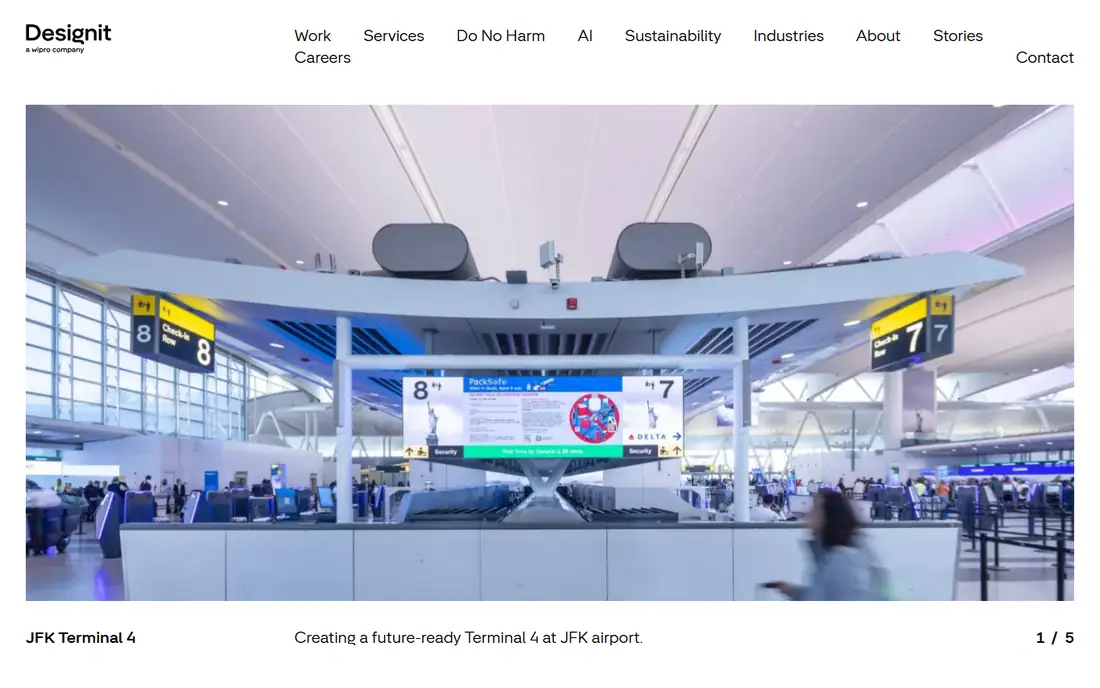
Designit is an experience innovation company that blends a humanity-centered approach with technology to solve complex problems, using innovation, experience design, and brand work to bring ideas to life. Its Do No Harm framework evaluates and mitigates negative effects at every project stage, from definition to launch, which appeals to organizations in regulated or socially sensitive sectors. With studios worldwide, including Oslo, it serves clients across industries and regions.
Designit's consultancy breadth means teams wanting hands-on industrial design for a single gadget may find its approach more strategic than they need. For organizations that need product, service, and brand thinking joined up, with attention to long-term impact, Designit is a thoughtful partner.
What we like- Humanity-centered approach with a Do No Harm framework
- Global studios
- Innovation, experience, and brand work together
Watch out for- Consultancy breadth can feel abstract for teams wanting pure industrial design
- Enterprise leaning
#7
Work & Co
Best for: Digital products for major brands
Visit work.co
Starting priceSee website
Free planNo
Work & Co is a digital product agency that solves complex problems through design and technology, trusted by companies including Apple, Google, and Nike. Its recent work includes digital redesigns for fashion brands, AI-powered platforms for materials science, and health products for Pfizer, and its AI hub tracks its growing practice in agentic software delivery. Because it builds the products it designs, clients get a team that owns both experience and engineering.
Work & Co's enterprise client base implies engagement sizes beyond most startups, and it does not do physical industrial design. For companies building a major digital product, app, or platform where design quality and engineering must match, Work & Co is among the best in the field.
What we like- Digital product work trusted by Apple, Google, and Nike
- Strong AI product practice
- Design and technology under one roof
Watch out for- Enterprise client base means high engagement sizes
- Less physical product work
#8Clay
Best for: UX design and branding for digital products4.6/5 on
G2 (234 reviews, checked Oct 2026)
Visit clay.global
Starting priceSee website
Free planNo
Clay is a UX design and branding agency in San Francisco that builds digital products by blending AI, design, and technology, with senior designers crafting websites and apps that feel human rather than merely functional. Its team handles user research, product strategy, branding, UX and UI design, usability testing, prototyping, and development, plus an in-house content studio. Cofounders oversee every project, engagement models include time and materials, fixed fee, and retainer, and its client history includes Coinbase, Uber, and other companies that grew into category leaders.
Clay's remote-first model, with team members across the US, Europe, and Southeast Asia, works well for most clients but suits teams that want daily in-person studio time less well. For startups and enterprises building a digital product where brand and UX must be designed together, Clay is a strong, senior-led choice.
What we like- Senior UX designers and cofounders on every project
- Branding plus product design in one team
- Flexible engagement models
Watch out for- Remote-first model suits some clients less than an on-site studio
- Smaller than global consultancies
How we chose
We selected firms with documented product design work across physical and digital categories, favoring studios whose shipped products and client lists are public and whose process includes user research and prototyping. We balanced famous consultancies with specialist studios so that both large programs and focused product efforts have options. Pricing is project-based across this market, so every starting price is listed as "See website." We did not commission design work ourselves, so treat portfolio claims as starting points for reference checks.
What to check before you hire
Start with category fit. Ask for three shipped products in your category and talk to those clients about schedule, budget accuracy, and how the firm handled problems. Next, pin down the team: who leads the work day to day, how senior are they, and will they stay through launch? Confirm scope boundaries: research, industrial design, engineering support, and manufacturing handoff should be itemized, since "product design" means different things at different firms.
Agree on intellectual property and prototyping costs up front, including who owns CAD files, prototypes, and design systems. Set stage gates with kill criteria: if user testing shows the concept fails, you want a firm that says so early rather than one that polishes a weak idea. Finally, visit the studio when possible: how a team works together in person tells you more than any pitch deck.
Frequently asked questions
What does a product design company do?
A product design company researches users, defines product concepts, designs form and interaction, prototypes, tests, and often supports engineering and manufacturing handoff. Physical product firms add industrial design, materials, and ergonomics, while digital firms add UX research, interface design, and software development.
How much does product design cost?
Costs range from tens of thousands of dollars for a focused digital product sprint to hundreds of thousands or more for a full physical product program with tooling support. Most firms price by project or retainer after a discovery phase, so request a scoped proposal rather than comparing hourly rates.
Should I hire a famous firm or a boutique studio?
Famous firms bring research depth, process, and credibility with retailers and investors, while boutiques often give more senior attention and move faster. Choose based on your risk: ambiguous, high-stakes programs favor famous firms, while well-defined products often get better value from specialists.
What is the difference between industrial design and UX design?
Industrial design shapes physical products: form, materials, ergonomics, and manufacturing. UX design shapes digital products: research, flows, interfaces, and usability. Many modern products need both, which is why firms that cover hardware and software together are valuable.
How long does a product design project take?
A focused digital redesign can take six to twelve weeks, while a new physical product from research through manufacturing-ready design often takes six to eighteen months. Timelines depend on testing rounds, regulatory requirements, and tooling, so ask for a phased schedule with decision points.
Sources we checked (8)
- https://www.ideo.com
- https://www.frog.co
- https://smartdesignworldwide.com
- https://www.whipsaw.com
- https://ammunitiongroup.com
- https://www.designit.com
- https://work.co
- https://clay.global
Is your product missing or out of date?
We review this list regularly. Vendors can request a listing, send updated pricing or ask about featured placement.

Shihab Mia · Founder, Rankite
Shihab has 5+ years in B2B and SaaS SEO. He writes Rankite's software buying guides from pricing pages, documentation and public user reviews. More about Shihab.