How we make this list: we compare pricing pages, product documentation and public user reviews. Rankite is independent; if a vendor ever pays for a featured spot, that listing is clearly labeled Partner.
Key takeaways
- Pricefx, PROS, Vendavo and Zilliant are the enterprise price optimization leaders, each with distinct industry strengths.
- Competera, Pricen and Quicklizard bring AI-driven pricing to e-commerce and retail without enterprise overhead.
- Prisync and Price2Spy focus on competitor price monitoring, the foundation of responsive pricing.
- Omnia Retail bridges monitoring and dynamic repricing for online retailers.
Quick comparison
| Tool | Best for | Starting price | Free plan |
|---|
 Pricefx Pricefx | Enterprise price optimization on cloud | See website | No |
 PROS PROS | AI-powered pricing for large enterprises | See website | No |
 Vendavo Vendavo | B2B price management and CPQ | See website | No |
 Zilliant Zilliant | B2B pricing intelligence | See website | No |
 Competera Competera | AI pricing for e-commerce | See website | Free trial |
 Prisync Prisync | Competitor price monitoring | See website | Free trial |
 Price2Spy Price2Spy | Price monitoring and repricing | See website | Free trial |
 Pricen Pricen | AI pricing for retailers | See website | Free trial |
 Omnia Retail Omnia Retail | Dynamic pricing for online retail | See website | No |
 Quicklizard Quicklizard | AI price optimization for e-commerce | See website | No |
Is your product missing or out of date?
We review this list regularly. Vendors can request a listing, send updated pricing or ask about featured placement.
The best pricing software
Starting priceSee website
Free planNo
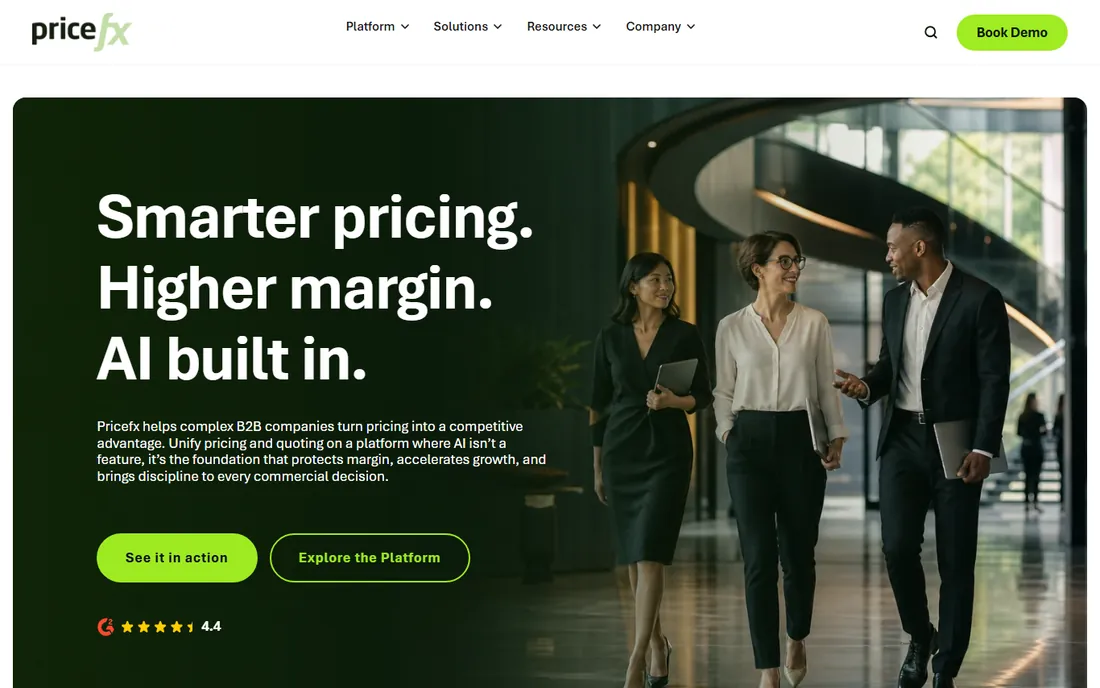
Pricefx delivers enterprise price optimization as cloud-native SaaS: price setting, optimization, quoting and analytics without on-premises infrastructure. Both B2B and B2C companies use it, and the analytics help pricing teams move from gut feel to data. The SaaS model shortens deployment versus legacy platforms.
Enterprise pricing and implementation apply, and the value needs a pricing function mature enough to use it. But for organizations ready to professionalize pricing on modern architecture, Pricefx's cloud-native design is the contemporary choice.
What we like- Cloud-native price optimization
- Strong B2B and B2C coverage
- Good analytics
Watch out for- Enterprise pricing and implementation
- Needs pricing maturity
- Complexity
#2
PROS
Best for: AI-powered pricing for large enterprises
Visit pros.com
Starting priceSee website
Free planNo
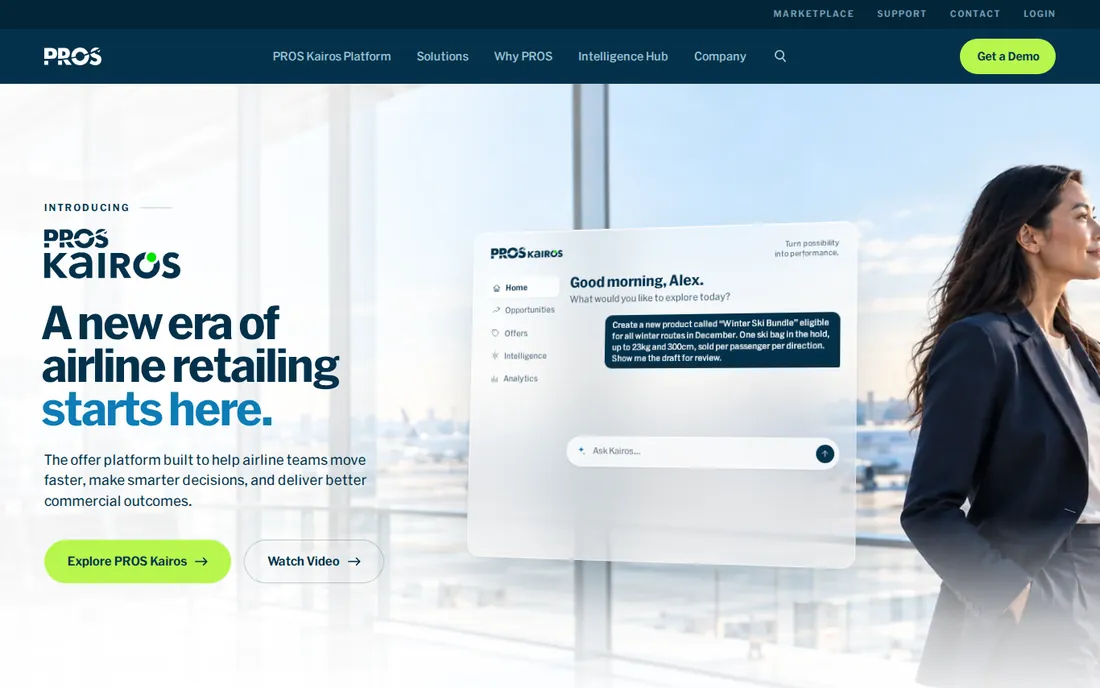
PROS built its reputation on pricing science: AI models that optimize prices across millions of SKUs and transactions. Airlines, manufacturers and distributors with complex pricing challenges use it to capture margin systematically. The ROI case is well documented in its core industries.
This is enterprise software with enterprise pricing, implementation and expertise requirements. Smaller companies should look elsewhere. But for large enterprises where pricing is a profit lever, PROS's science depth is unmatched.
What we like- Deep AI pricing science
- Strong in airlines, manufacturing and distribution
- Proven ROI
Watch out for- Enterprise pricing and sales
- Implementation is significant
- Complexity needs expertise
Starting priceSee website
Free planNo
Vendavo serves B2B pricing complexity: negotiated contracts, customer-specific pricing, rebates and CPQ in one platform. Manufacturers and distributors with thousands of customer-price combinations get the structure to manage them profitably. The deal-level visibility changes negotiations.
Pricing and implementation are enterprise, and the B2B focus means less for retailers. But for B2B companies where every deal is priced differently, Vendavo's purpose-built depth beats generic tools.
What we like- B2B price management depth
- CPQ integration
- Strong for manufacturers and distributors
Watch out for- Enterprise pricing
- B2B focus limits retail
- Implementation effort
Starting priceSee website
Free planNo
Zilliant focuses on B2B pricing intelligence: analytics that show where money is left on the table and guide better pricing decisions. Distributors and manufacturers use it to align prices with customer value and willingness to pay. The insights are actionable rather than academic.
Enterprise pricing applies, and the value needs decent data to work with. But for B2B companies that suspect their pricing is inconsistent, Zilliant's analytics quantify the opportunity convincingly.
What we like- Strong price optimization analytics
- Good for distributors
- Actionable insights
Watch out for- Enterprise pricing
- Narrower than suite vendors
- Needs data maturity
Starting priceSee website
Free planFree trial
Competera brings AI pricing to e-commerce without enterprise overhead. The platform combines competitor price data with demand modeling to recommend optimal prices, updating as markets move. Mid-market online retailers get capabilities that were once enterprise-only.
The e-commerce focus means less for B2B. Results depend on catalog data quality. But for online retailers competing on price in dynamic markets, Competera's AI-driven approach is the accessible path to optimization.
What we like- AI-driven pricing for online retail
- Competitor data built in
- Accessible for mid-market
Watch out for- E-commerce focus
- Enterprise features vary
- Needs catalog data quality
Starting priceSee website
Free planFree trial
Prisync monitors competitor prices across the web, giving e-commerce teams the visibility to respond. Tracking, alerts and reporting cover the monitoring fundamentals well, and getting started is straightforward. For many retailers, knowing competitor prices is half the pricing battle.
It monitors rather than optimizes; pricing decisions remain human. Coverage varies by market and site. But as the foundation of responsive pricing, Prisync's monitoring is solid and affordable.
What we like- Solid competitor price tracking
- Easy to start
- Good reporting
Watch out for- Monitoring only, not optimization
- Coverage varies by market
- Pricing tiers
Starting priceSee website
Free planFree trial
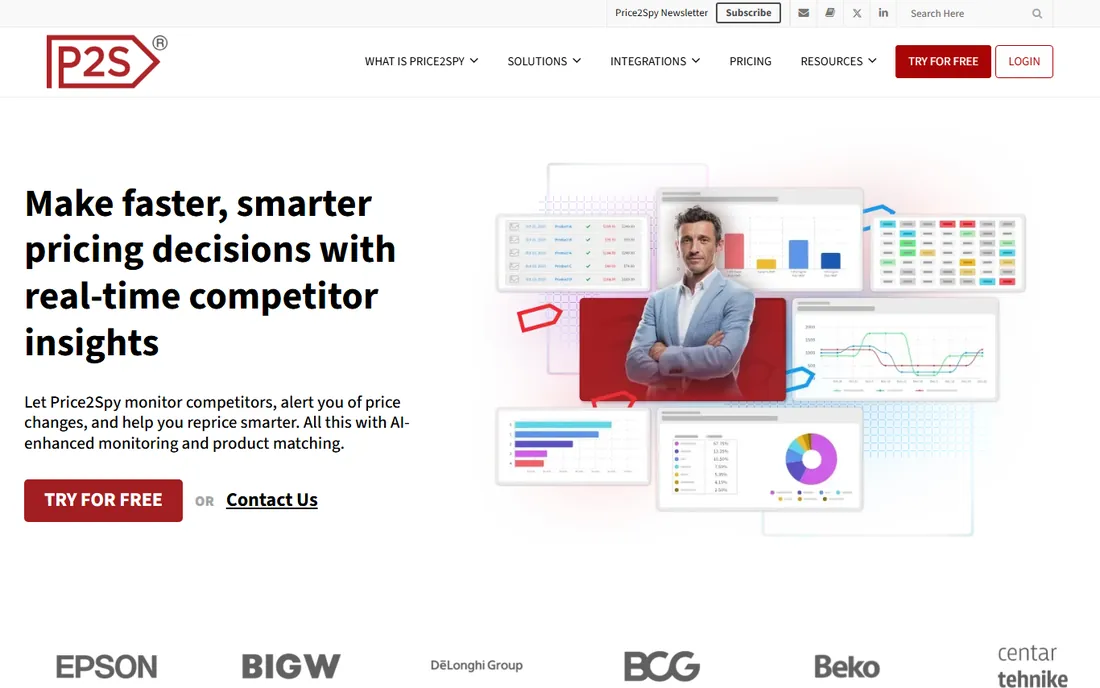
Price2Spy combines price monitoring with repricing rules: track competitors, then automatically adjust prices within guardrails. Marketplace sellers and retailers get responsive pricing without manual constant attention. The flexibility suits varied business models.
The interface is functional rather than polished, and repricing is rules-based rather than AI-optimized. But for the practical job of staying competitive automatically, Price2Spy's monitoring-plus-rules formula works.
What we like- Monitoring plus repricing rules
- Good for marketplaces
- Flexible
Watch out for- Interface is functional
- Optimization is rules-based
- Support tiers vary
Starting priceSee website
Free planFree trial

Pricen, formerly Sniffie, offers AI-driven pricing for retailers: demand-aware recommendations that balance margin and competitiveness. The modern interface and retail focus suit e-commerce teams that find enterprise tools heavy.
The rebrand is still settling in the market, and the vendor is smaller than the leaders. Results need good data. But for retailers wanting AI pricing without enterprise procurement, Pricen's accessible approach fits.
What we like- AI-driven price recommendations
- Retail-focused
- Modern interface
Watch out for- Formerly Sniffie, rebrand settling
- Smaller vendor
- Needs data quality
Starting priceSee website
Free planNo
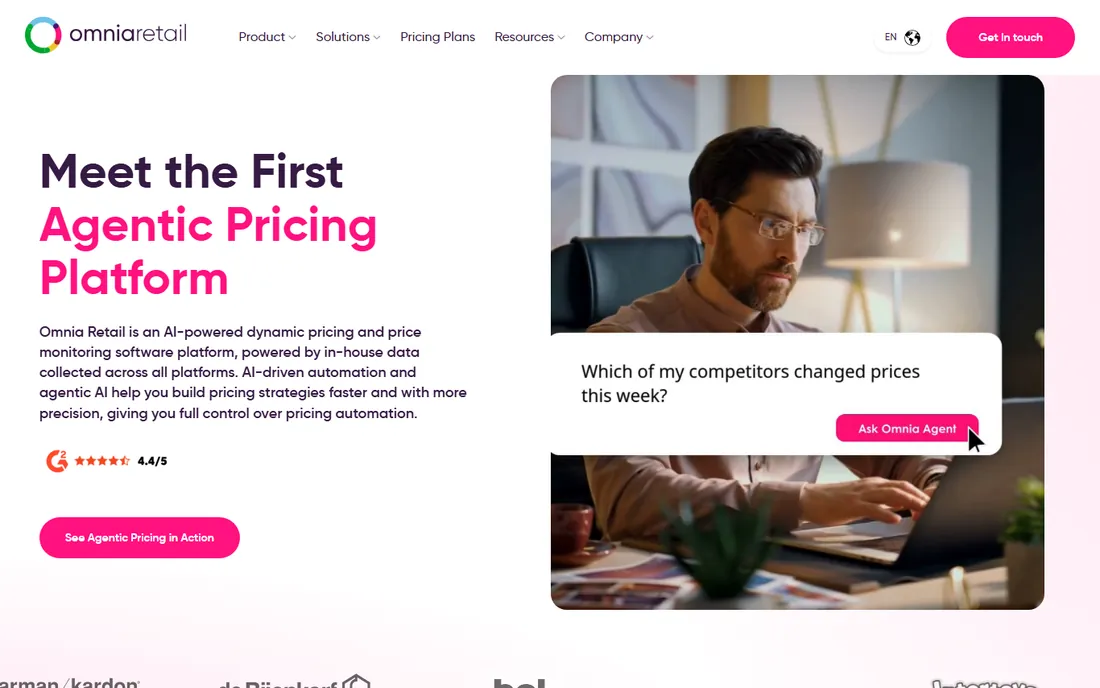
Omnia Retail automates dynamic pricing for online retailers with large assortments: algorithms adjust prices continuously based on competition, demand and business rules. European retail adoption is strong, and the automation handles scale humans cannot.
The enterprise orientation and quote pricing suit larger retailers. Small assortments gain less. But for online retailers managing thousands of SKUs in competitive markets, Omnia's automation is the scale answer.
What we like- Dynamic pricing automation
- Good for large assortments
- Proven in European retail
Watch out for- Enterprise orientation
- Pricing by quote
- Needs assortment scale
Starting priceSee website
Free planNo

Quicklizard applies AI to e-commerce price optimization with business-rule guardrails: algorithms propose, rules constrain, margins stay safe. Fashion and retail adopters value the balance of automation and control. Implementation is faster than enterprise platforms.
Quote-based pricing and the retail focus narrow the audience. But for e-commerce companies wanting AI optimization with human guardrails, Quicklizard's balanced approach works.
What we like- AI optimization with business rules
- Good for fashion and retail
- Fast implementation
Watch out for- Pricing by quote
- Retail focus
- Smaller brand
How we chose
We covered enterprise price optimization, B2B pricing, e-commerce AI pricing and competitor monitoring. Each product was verified as currently offered, noting Sniffie's rebrand to Pricen. Pricing is quote-based across most of this category, so we marked it honestly. We weighed optimization depth, industry fit, ease of implementation and value. No vendor paid for placement and we claimed no hands-on testing.
Optimization vs monitoring
These solve different problems. Monitoring tools like Prisync and Price2Spy track competitor prices so humans can respond. Optimization platforms like Pricefx, PROS and Competera recommend or set prices using demand models and business rules. Many retailers need both: monitoring for awareness, optimization for action.
Start with monitoring if pricing is currently manual and reactive. The visibility alone improves decisions. Move to optimization when the assortment or transaction volume exceeds human capacity, or when margin analysis shows systematic opportunity. Buying optimization before the data and processes are ready wastes the investment.
What to check before you choose
Assess data readiness honestly. Price optimization needs clean transaction history, cost data and product attributes. Garbage in means garbage recommendations. Audit the data before buying the platform.
Define the pricing authority. Who approves algorithm recommendations, what guardrails constrain automation, and how exceptions are handled determine whether the system gets used or overridden. And model the ROI concretely: a 1% margin improvement on revenue is the business case, so quantify it before committing.
Organizational readiness for price optimization
Price optimization software fails more often from organizational unreadiness than from bad algorithms. The first readiness question is data: clean transaction history, accurate costs, product hierarchies and competitor data. Companies that cannot produce reliable margin by product are not ready for optimization; they need data cleanup first. An honest data audit before purchase saves a failed implementation.
The second question is pricing authority. Who currently sets prices, and will they accept algorithmic recommendations? Sales teams that have priced by relationship for decades often resist centralized pricing. The successful pattern gives sales guardrails rather than removing discretion: the system recommends, sales can deviate within bands, exceptions need approval. This preserves accountability while capturing most of the optimization value.
Change management needs executive sponsorship with teeth. Pricing touches revenue directly, so every stakeholder has an opinion and most have a veto in practice. The sponsor must resolve the inevitable conflicts: finance wants margin, sales wants volume, marketing wants positioning. Without clear decision rights, the project debates itself to death.
Start with a category pilot, not the full assortment. Pick a segment with good data, stable demand and engaged category managers. Prove the lift, document the process, then expand. The pilot also reveals the real maintenance load: models need monitoring, guardrails need tuning, exceptions need handling. Pricing optimization is a capability to operate, not a project to complete. Companies that treat it as ongoing operations succeed; those expecting set-and-forget software do not.
Frequently asked questions
What is price optimization software?
Software that analyzes transaction data, costs, competitor prices and demand signals to recommend or set optimal prices. Enterprise platforms use AI models; simpler tools use rules. The goal is capturing margin systematically rather than by intuition.
How much does pricing software cost?
Enterprise price optimization is priced by quote, typically tens of thousands annually and up. E-commerce tools offer more accessible pricing with trials. Competitor monitoring starts cheapest. Always model ROI against margin improvement potential.
What is the difference between Pricefx and PROS?
Both are enterprise price optimization leaders. Pricefx emphasizes cloud-native SaaS architecture and broad B2B/B2C coverage. PROS emphasizes deep pricing science with strength in airlines, manufacturing and distribution. The choice often follows industry fit.
Do I need pricing software or just competitor monitoring?
Monitoring suffices when pricing decisions are few and human judgment dominates. Optimization pays when assortments are large, transactions numerous, or analysis shows systematic margin leakage. Many companies start with monitoring and graduate to optimization.
What happened to Sniffie?
Sniffie rebranded to Pricen, with the website moving to pricen.ai. The AI-driven retail pricing product continues under the new name. Existing customers were transitioned to the new branding.
Sources we checked (10)
- https://www.pricefx.com
- https://pros.com
- https://www.vendavo.com
- https://zilliant.com
- https://competera.ai
- https://prisync.com
- https://www.price2spy.com
- https://www.pricen.ai
- https://www.omniaretail.com
- https://www.quicklizard.com
Is your product missing or out of date?
We review this list regularly. Vendors can request a listing, send updated pricing or ask about featured placement.

Shihab Mia · Founder, Rankite
Shihab has spent more than a decade helping SaaS and e-commerce brands grow through search. He writes Rankite's software buying guides from pricing pages, documentation and public user reviews. More about Shihab.