How we make this list: we compare pricing pages, product documentation and public user reviews. Ratings come from G2, Capterra or Trustpilot, with the date we checked them.
Key takeaways
- Jira keeps requirements and agile tracking disciplined, free for up to 10 users.
- Figma brings design into the life cycle with developer handoff, from $15 an editor a month.
- GitHub anchors version control and pull-request culture with a free plan.
- Jenkins and Sonar enforce CI and code quality gates; both free to start.
- Selenium automates regression testing; Datadog and PagerDuty close the loop on monitoring and incident response.
Quick comparison
| Tool | Best for | Starting price | Free plan |
|---|
 Jira Jira | Agile planning and disciplined requirement tracking | $8.60/user/month | Yes |
 Figma Figma | Collaborative design with clean developer handoff | $15/editor/month | Yes |
 GitHub GitHub | Version control and pull-request code review culture | $4/user/month | Yes |
 Jenkins Jenkins | Open-source CI automation teams can own completely | Free | Yes |
 Sonar Sonar | Code quality and security gates before merge | See website | Yes |
 Selenium Selenium | Automated browser testing at any scale | Free | Yes |
 Datadog Datadog | Full-stack observability from infrastructure to users | $15/host/month | Yes |
 PagerDuty PagerDuty | Incident response and disciplined on-call management | See website | Yes |
Is your product missing or out of date?
We review this list regularly. Vendors can request a listing, send updated pricing or ask about featured placement.
Starting price$8.60/user/month
Free planYes
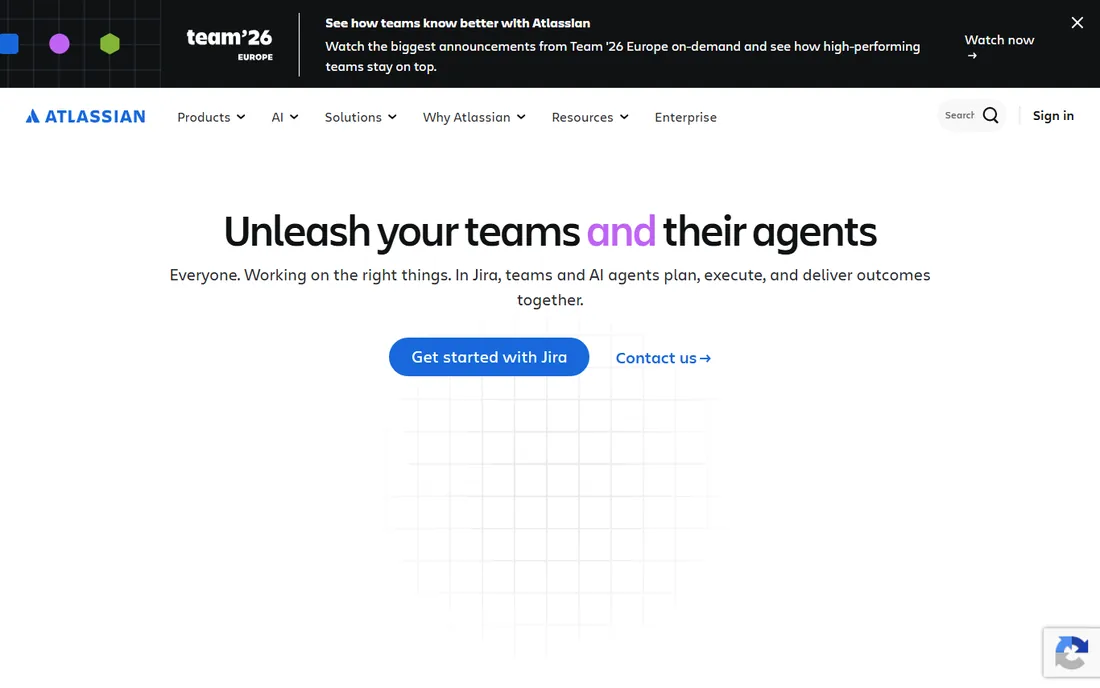
Every best-practice SDLC starts with visible, prioritized work. Jira remains the default for agile teams: backlogs capture requirements, sprints sequence them and boards make progress visible. Atlassian Intelligence now suggests tasks to keep big ideas moving.
The integrations matter as much as the boards. Linking commits, branches and pull requests to Jira issues creates end-to-end traceability from requirement to release, which is the backbone of audit-ready development. The free plan covers small teams fully.
The honest watch-outs are familiar. Jira grows complex, permissions and workflows need governance, and the per-user price adds up at scale. For planning discipline, nothing else is as proven.
What we like- The industry standard for agile boards, backlogs and sprints
- Free for up to 10 users
- Deep links to code through Bitbucket, GitHub and IDE integrations
Watch out for- Configuration sprawl in large instances
- JQL learning curve
- Costs grow with team size
#2
Figma
Best for: Collaborative design with clean developer handoff
Visit figma.com
Starting price$15/editor/month
Free planYes
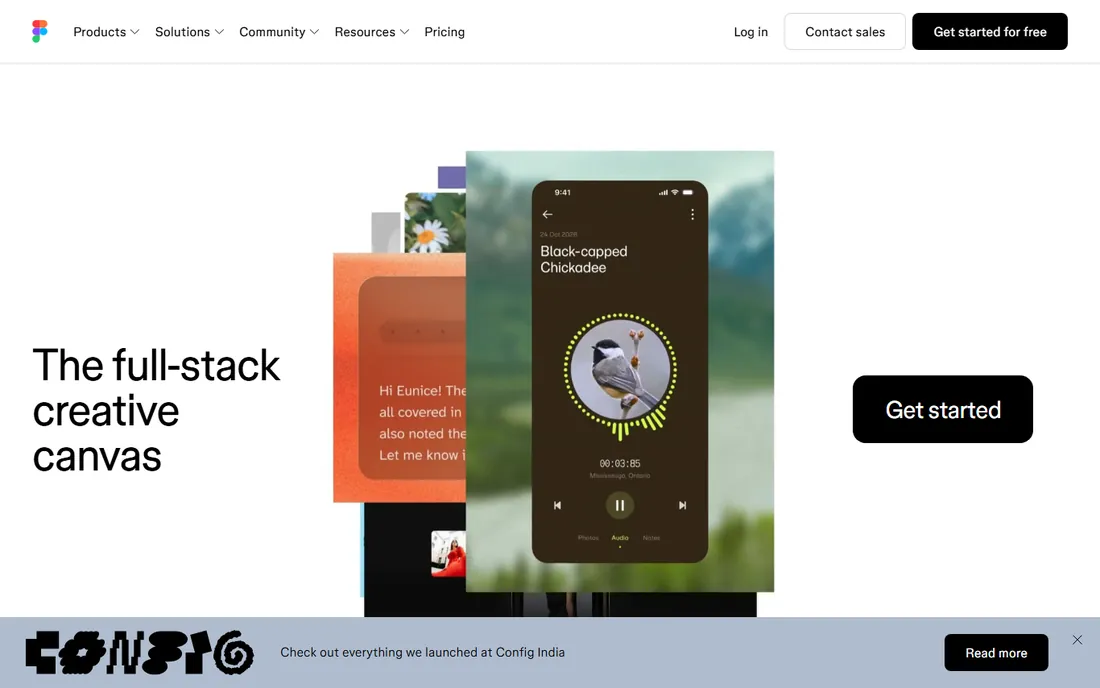
Design is an SDLC phase that many teams skip or silo. Figma's best practice contribution is shared context: designers, product managers and engineers work in the same files, and dev mode hands off specs, assets and code directly into the build workflow.
The platform now layers AI agents that document design systems and implement feedback, keeping design and code in sync. Commenting and multiplayer editing replace the handoff email chains that used to lose intent.
The catches are pricing and scope. Editors cost from $15 a month each on Professional, and Figma covers design, not the rest of the life cycle. For teams that treat UI as part of engineering quality, it belongs in the chain.
What we like- One canvas where design and development align
- 95% of the Fortune 500 uses it
- Dev tools that take designs to production
Watch out for- Per-editor pricing on the Professional tier
- Desktop app performance on huge files
- Design-only, needs pairing with engineering tools
#3
GitHub
Best for: Version control and pull-request code review culture
Visit github.com
Starting price$4/user/month
Free planYes
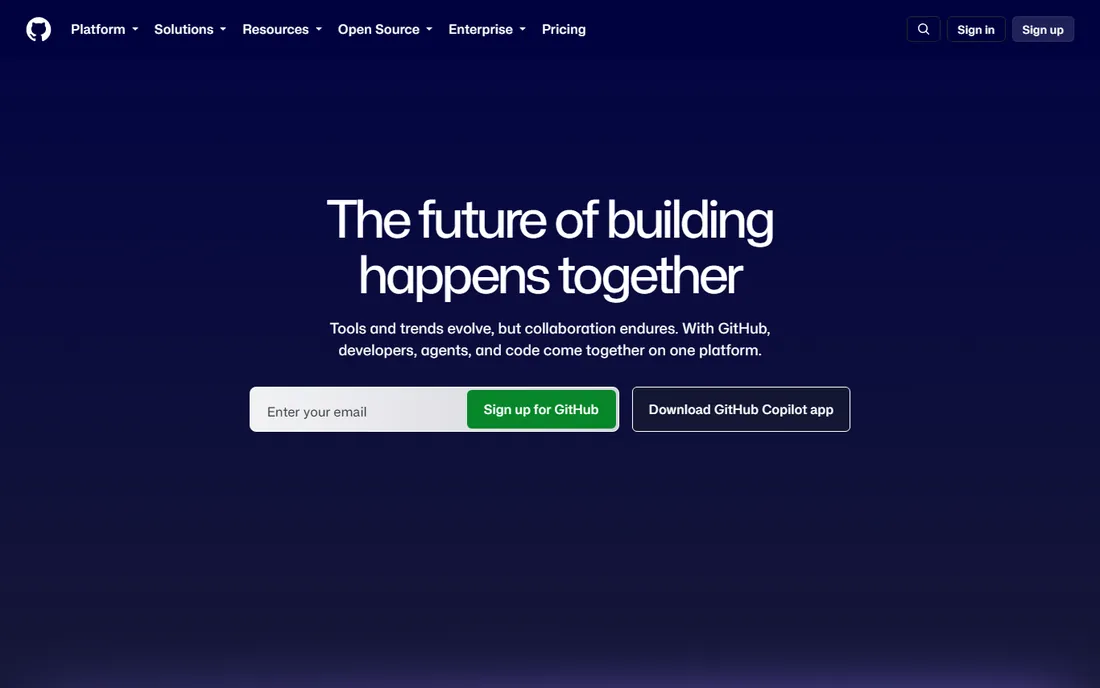
Trunk-based development, branch policies and mandatory code review are best practices that GitHub makes structural. Pull requests put discussion next to the code, and branch protection rules prevent unreviewed merges from reaching main.
GitHub Actions extends the same platform into CI, so tests run on every push, and Copilot Autofix now remediates vulnerabilities in place. From first commit to deployment, teams can run the whole life cycle without switching tools.
The honest limits are cost layers and scale. Advanced security and larger runners sit on paid tiers, and the free tier's Actions minutes are modest. As the collaboration backbone of modern SDLC, it is the safest default.
What we like- The global standard for Git hosting and collaboration
- Pull requests enforce review before merge
- Actions add CI/CD without leaving the platform
Watch out for- Advanced security features cost extra
- Large monorepos need tuning
- Free tier limits Actions minutes
#4
Jenkins
Best for: Open-source CI automation teams can own completely
Visit jenkins.io
Starting priceFree
Free planYes
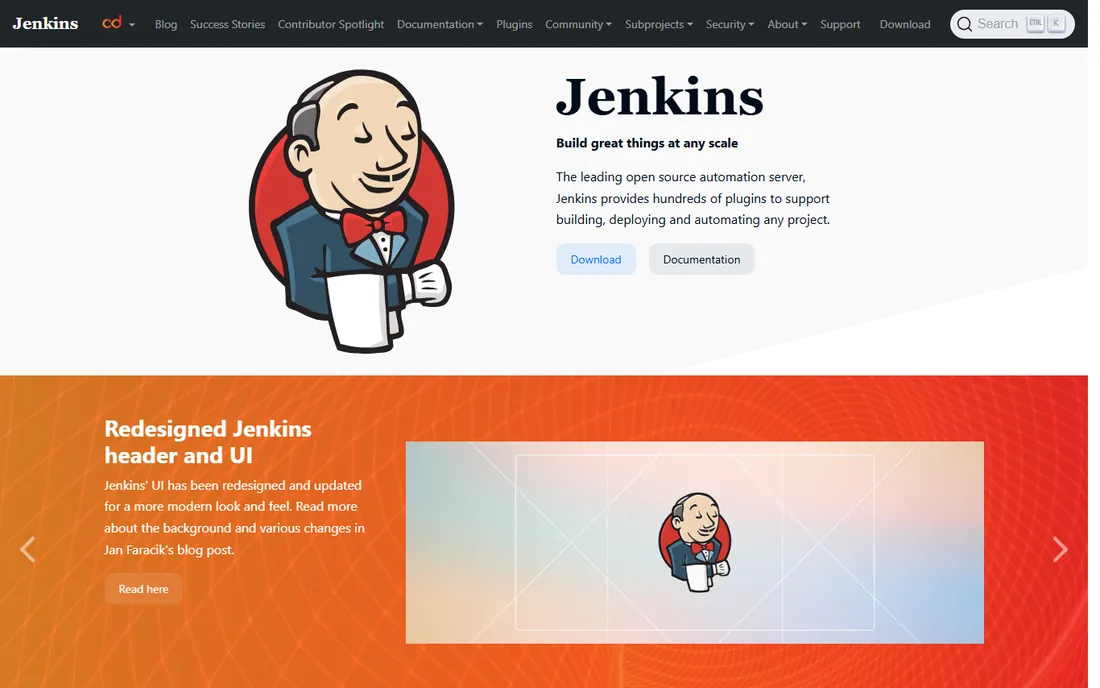
Continuous integration is the practice that catches integration bugs while they are cheap, and Jenkins is the tool that democratized it. Every commit triggers builds and tests automatically, with pipelines defined as code in Jenkinsfiles that live with the source.
The plugin ecosystem connects practically every tool in the delivery toolchain, and distributed agents scale builds across platforms. Self-hosting means full control over data, agents and secrets.
The honest price is operational. Jenkins needs administrators, upgrades and care, and its web interface shows its age. Teams that want to own their CI completely accept the trade.
What we like- Free and open source with 2,300-plus plugins
- Runs anywhere, integrates with everything
- Distributed builds across many machines
Watch out for- Self-hosted maintenance burden
- Pipeline-as-code has a learning curve
- UI feels dated next to cloud CI
Starting priceSee website
Free planYes
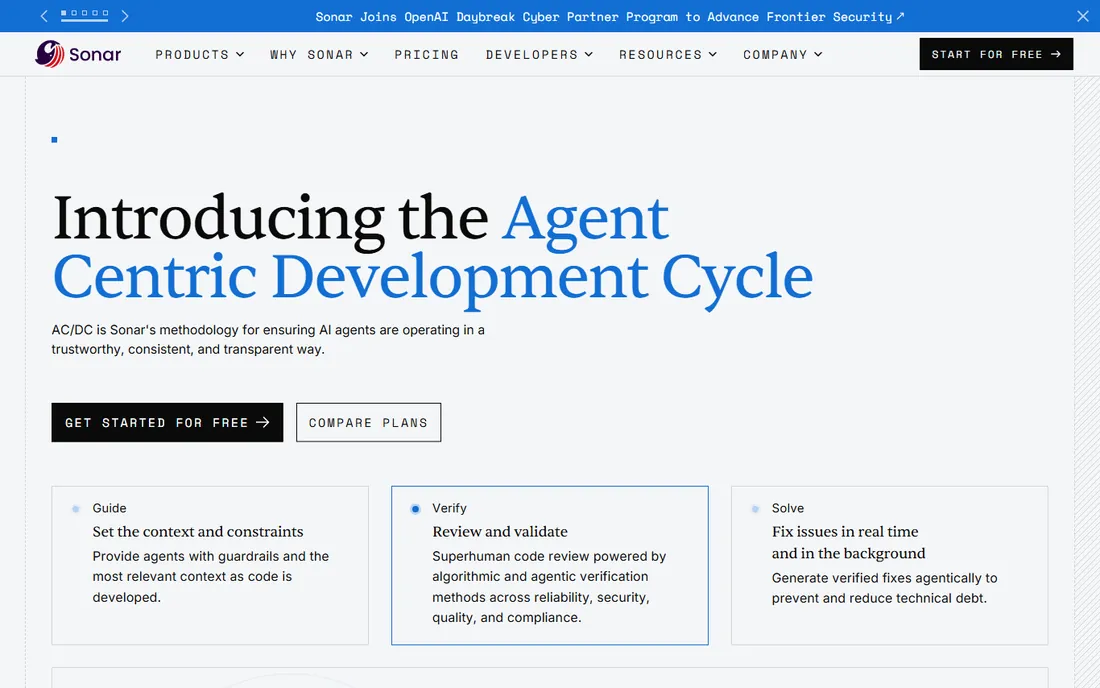
Automated code review is the best practice that keeps velocity from degrading quality. SonarQube scans every commit for bugs, vulnerabilities and code smells, and quality gates fail builds that do not meet the bar, so bad code never reaches production.
The platform now positions itself as the verification layer for AI-generated code: neutral, rigorous review regardless of whether a human or agent wrote it. Advanced security add-ons cover supply-chain and dependency risk.
The catches are pricing opacity and tuning. The commercial tiers are not plainly priced on the site, and rule sets need calibration to avoid noise. For quality gates that the whole team trusts, it is the leader.
What we like- Zero-trust multi-layered code verification
- Trusted by 7 million-plus developers
- Quality gates that block bad code from merging
Watch out for- Pricing not published plainly on the site
- Tuning rules takes effort
- Enterprise features need server deployment
Starting priceFree
Free planYes
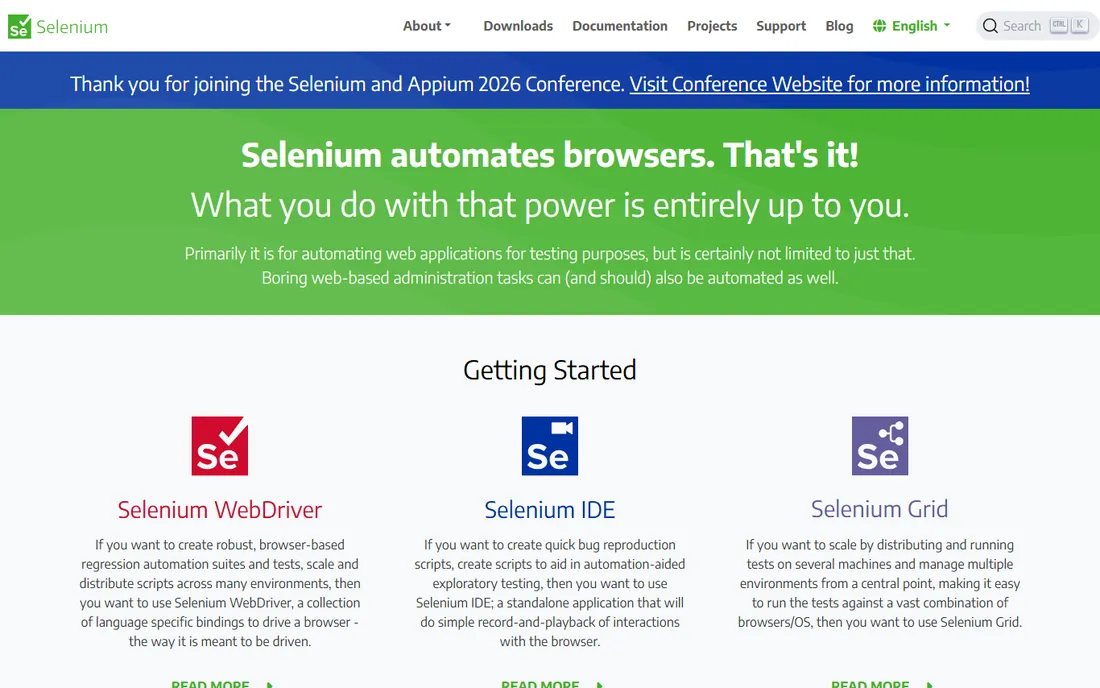
Regression testing is the SDLC practice teams promise and skip. Selenium WebDriver makes it real: scripts drive real browsers across environments, catching the breakage that manual QA never has time for. Selenium Grid scales execution across machines from a central point.
The project stays actively maintained, with Selenium 4.51 released in October 2026, and documentation now addressing how to fix the wrong patterns AI agents write. For a free tool, the ecosystem depth is unmatched.
The honest costs are maintenance and flakiness. Browser tests break when UIs change, and Selenium provides no reporting or scheduling of its own. Teams that invest in stable locators and a Grid get enormous value for zero license cost.
What we like- Free open-source browser automation
- WebDriver drives real browsers the way users do
- Grid distributes tests across machines and environments
Watch out for- Tests need maintenance as UIs change
- No built-in reporting or orchestration
- Record-and-playback IDE suits only simple cases
Starting price$15/host/month
Free planYes
Monitoring is the life cycle phase that feeds the next one: production telemetry tells the next sprint what to fix. Datadog unifies infrastructure monitoring, APM, log management, security and real-user monitoring, with Bits AI agents that investigate and remediate issues.
Synthetic monitoring proactively tests critical application features, so teams find breakage before users do. The unified view shortens the loop from incident to root cause to fix.
The honest trade-offs are pricing and depth. The product catalog is broad and billing scales with ingestion, so costs need watching. For observability that covers the whole stack, it is the market reference.
What we like- Infrastructure, APM, logs and security in one platform
- AI agents that investigate and remediate
- Synthetic and real-user monitoring
Watch out for- Pricing complexity across many products
- Costs scale with data volume
- Setup depth takes time
How we chose
We mapped the SDLC phases, planning, design, build, code quality, test, deploy, monitor and maintain, and selected the tool that best embodies accepted best practice at each stage. We verified each homepage and drew on public documentation, 2026 project releases and established pricing from vendor pricing pages. We did not test any tool hands-on.
Turning practices into habits
Tools only help when the practices are non-negotiable. Require pull-request reviews on every merge, with branch protection enforcing it. Run the CI pipeline on every commit, and let quality gates fail builds that miss coverage or introduce vulnerabilities. Schedule regression suites nightly rather than before releases.
Close the loop between phases. Link requirements to commits, incidents to follow-up stories and monitoring alerts to sprint backlog items. The SDLC improves only when production feedback reaches planning.
Start with the phase that hurts most. Teams drowning in regressions start with Selenium; teams shipping broken features start with Sonar. One enforced practice beats eight aspirational ones.
Every team agrees on code review, testing and monitoring. The ones that actually do them are the ones where the tool makes skipping harder than complying. Branch protection blocks the unreviewed merge. Quality gates fail the insecure build. The pager enforces the on-call rotation. Best practice in the software development life cycle is therefore a tooling question: pick the enforcement point, automate it and let the habit follow.
Frequently asked questions
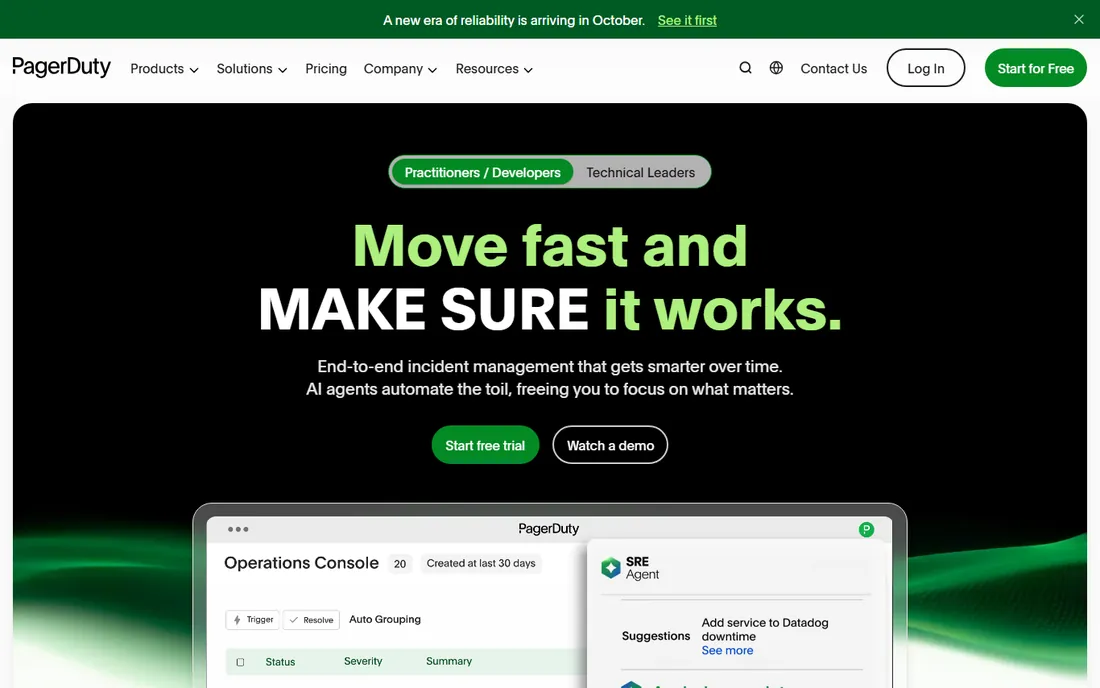
What are the best practices in the software development life cycle?
The core practices are visible requirements and agile planning, design review with developer handoff, version control with mandatory code review, continuous integration on every commit, automated code quality gates, regression testing, full-stack monitoring and disciplined incident response.
Which tools support SDLC best practices?
Jira for planning, Figma for design, GitHub for version control and reviews, Jenkins for CI, Sonar for code quality gates, Selenium for test automation, Datadog for observability and PagerDuty for incident response together cover the full life cycle.
How much do SDLC tools cost?
Jenkins and Selenium are free and open source. Jira starts around $8.60 a user a month, Figma around $15 an editor a month, GitHub Team at $4 a user a month and Datadog around $15 a host a month. Sonar and PagerDuty publish limited pricing, so check their sites.
Are there free SDLC tools?
Yes. Jenkins, Selenium and Sonar's community offerings are free and open source, and Jira, Figma, GitHub, Datadog and PagerDuty all offer free tiers. A small team can run a disciplined SDLC on free plans alone.
What is the most important SDLC best practice?
Continuous integration with automated quality gates. Catching integration bugs and vulnerabilities at commit time is an order of magnitude cheaper than catching them in testing or production.
How do AI coding agents change SDLC best practices?
They raise the stakes on verification. Practices like mandatory code review, quality gates and static analysis become more important, not less, because generated code needs the same enforcement as human code. Sonar now positions itself explicitly as the verification layer for agent-written code.
Sources we checked (9)
- https://www.atlassian.com
- https://www.figma.com
- https://github.com
- https://jenkins.io/
- https://www.sonarsource.com
- https://selenium.dev/
- https://datadoghq.com/
- https://pagerduty.com/
- https://github.com/techdeveloper-org/claude-workflow-engine/blob/HEAD/SRS.md
Is your product missing or out of date?
We review this list regularly. Vendors can request a listing, send updated pricing or ask about featured placement.

Shihab Mia · Founder, Rankite
Shihab has 5+ years in B2B and SaaS SEO. He writes Rankite's software buying guides from pricing pages, documentation and public user reviews. More about Shihab.