How we make this list: we compare pricing pages, product documentation and public user reviews. Rankite is independent; if a vendor ever pays for a featured spot, that listing is clearly labeled Partner.
Key takeaways
- Snipe-IT is the most loved open-source IT asset manager, and the easiest to deploy.
- GLPI combines asset management with helpdesk for full IT operations.
- OCS Inventory plus FusionInventory automate discovery of what you own.
- NetBox, RackTables and OpenDCIM specialize in network and data center assets.
- CMDBuild, i-doit and Open-AudIT cover configuration management and auditing depth.
Quick comparison
Is your product missing or out of date?
We review this list regularly. Vendors can request a listing, send updated pricing or ask about featured placement.
The best open source asset management software
Starting priceFree
Free planYes
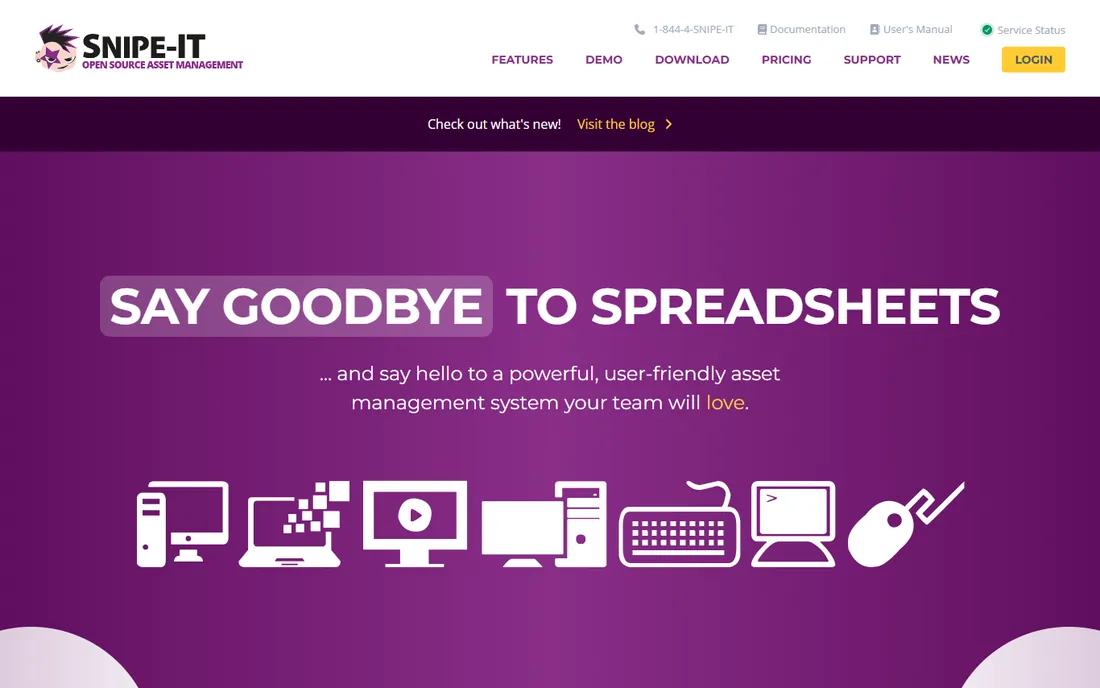
Snipe-IT is the open-source IT asset manager people actually enjoy: track hardware, software licenses, accessories and consumables through their lifecycle, check assets in and out, manage depreciation and warranties. The Docker deployment is quick, the interface is modern, and the documentation is excellent. Thousands of organizations run it.
Automated discovery needs pairing with tools like OCS or the paid integrations. CMDB depth trails the enterprise suites. But for the core job, knowing what you own, where it is and who has it, Snipe-IT's combination of ease and completeness is unmatched in open source.
Snipe-IT's depreciation and warranty tracking turn asset data into financial planning: know replacement needs before they become emergencies. The custom fields and Asset Models adapt to any hardware type. LDAP integration syncs users for checkouts. The hosted version funds development while the self-hosted stays free: the sustainability model works, which matters for software you bet operations on.
Snipe-IT's API enables integration with ticketing and monitoring: assets connect to the operational stack. The Slack and email notifications keep teams informed. The active development means features arrive regularly. For the open-source asset manager, it is the clear leader.
What we like- The easiest full-featured ITAM to deploy
- Great asset lifecycle tracking
- Active community
Watch out for- Discovery needs integrations
- Advanced CMDB is lighter
- Hosted version costs
Starting priceFree
Free planYes
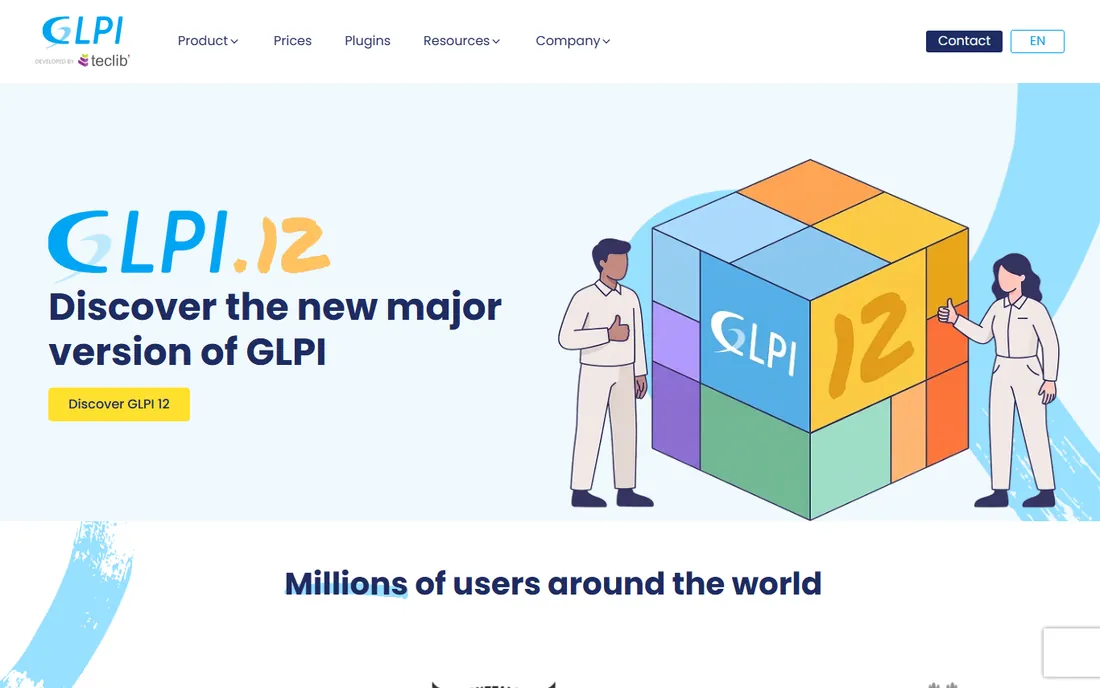
GLPI manages the full IT operation: inventory and assets alongside ticketing, problems, changes and projects. The plugin ecosystem extends it enormously. Large organizations, especially in Europe and public sector, run serious operations on GLPI. The combination means the helpdesk and the asset database stay consistent.
The interface packs a lot densely, setup deserves planning, and some documentation assumes French familiarity. But as a free ITIL-aligned platform covering assets and service, GLPI's breadth has no open-source equal.
GLPI's marketplace of plugins extends into project management, knowledge bases and more: the platform grows with needs. The SLA and escalation management professionalize the helpdesk side. Inventory via FusionInventory or OCS feeds the asset database automatically. For organizations wanting ITIL-aligned operations free, the breadth is unmatched in open source.
GLPI's dashboard widgets give each role the right view: technicians, managers and admins see what matters. The recurring tickets automate scheduled maintenance. For ITIL-aligned teams, the process support is the reason.
What we like- Asset management plus full helpdesk
- Huge plugin ecosystem
- Proven at scale
Watch out for- Interface is dense
- Setup takes planning
- French roots show in docs
Starting priceFree
Free planYes
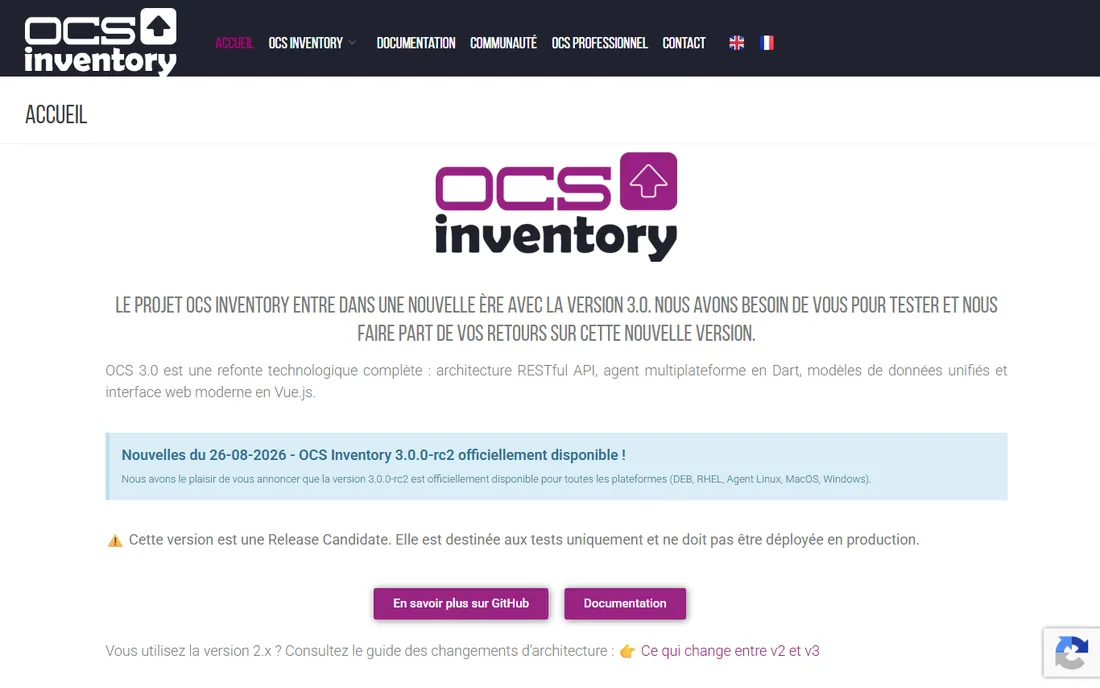
OCS Inventory NG discovers what you own: agents report hardware, software, network and configuration details to a central server automatically. The inventory depth, every installed application, every hardware component, feeds asset management with truth instead of manual entry. It is free and proven.
Agents must be deployed and maintained across the fleet, the interface is dated, and it inventories more than it manages lifecycles. Pair it with Snipe-IT or GLPI: OCS discovers, the asset manager governs. Together they are the classic free ITAM stack.
OCS Inventory's software deployment features push packages to agents: the inventory tool doubles as lightweight deployment. The network discovery finds unmanaged devices. Database of hardware benchmarks contextualizes specs. Paired with GLPI or Snipe-IT, it completes the classic free stack: discover with OCS, manage with the asset platform.
OCS Inventory's agent deployment via GPO scales to thousands: the rollout is manageable. The database performance handles large fleets. For Windows-heavy environments, the coverage is comprehensive.
What we like- Excellent agent-based discovery
- Detailed hardware and software inventory
- Free forever
Watch out for- Agents to deploy and maintain
- Interface is dated
- Asset management is inventory-focused
Starting priceFree
Free planYes
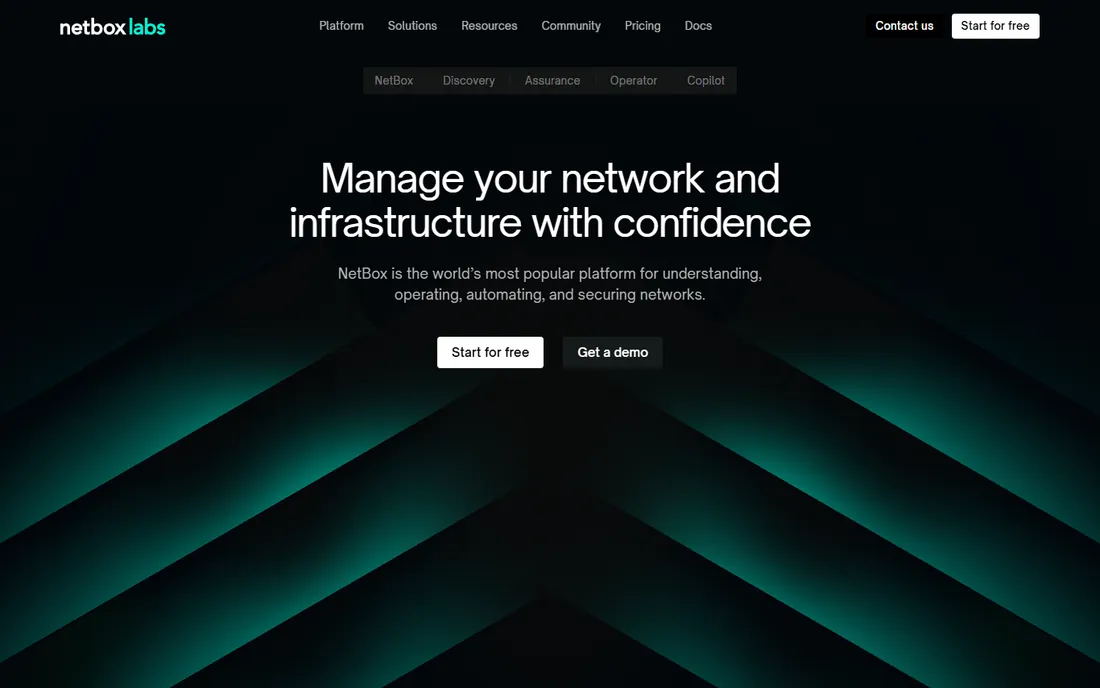
NetBox, now backed by NetBox Labs, is the network team's source of truth: IP addresses, racks, devices, cables, circuits and VLANs modeled precisely with an API-first design. Network automation builds on it. The open-source core remains free and excellent.
It documents networks, not laptops; general IT asset management needs other tools. Operators should be technical. But for network infrastructure truth, NetBox replaced spreadsheets industry-wide and keeps winning.
NetBox's API-first design means automation builds on the source of truth: provisioning scripts read the network state programmatically. The change logging provides the audit trail networks need. Plugins extend into DNS, monitoring and more. For network automation initiatives, NetBox is the foundation the industry standardized on.
NetBox's tenancy features model multi-customer infrastructure: MSPs and enterprises segment cleanly. The wireless management covers the often-forgotten domain. For source-of-truth ambitions, the modeling is the foundation.
What we like- The standard for network documentation
- IPAM, DCIM and circuits
- API-first design
Watch out for- Network-focused, not general ITAM
- Needs technical operators
- Learning curve
Starting priceFree
Free planYes
CMDBuild is the configurator's CMDB: model any asset and relationship, build workflows around changes, manage the configuration items that define your infrastructure. Complex environments with custom needs get a framework rather than a fixed schema.
Flexibility costs simplicity: configuration is a real project needing expertise. But organizations whose asset reality does not fit standard tools find CMDBuild's modeling power essential.
CMDBuild's workflow engine routes asset changes through approvals: the governance suits regulated environments. The GIS integration maps assets geographically. READY2USE configurations accelerate common deployments. For organizations whose asset reality is complex and custom, the modeling framework is the answer.
CMDBuild's reporting engine produces the compliance evidence auditors want: the documentation is thorough. The mobile interface works in the field. For regulated asset management, the rigor helps.
What we like- Flexible CMDB modeling
- Workflow engine
- Good for complex environments
Watch out for- Complex to configure
- Interface is utilitarian
- Needs expertise
Starting priceFree
Free planYes
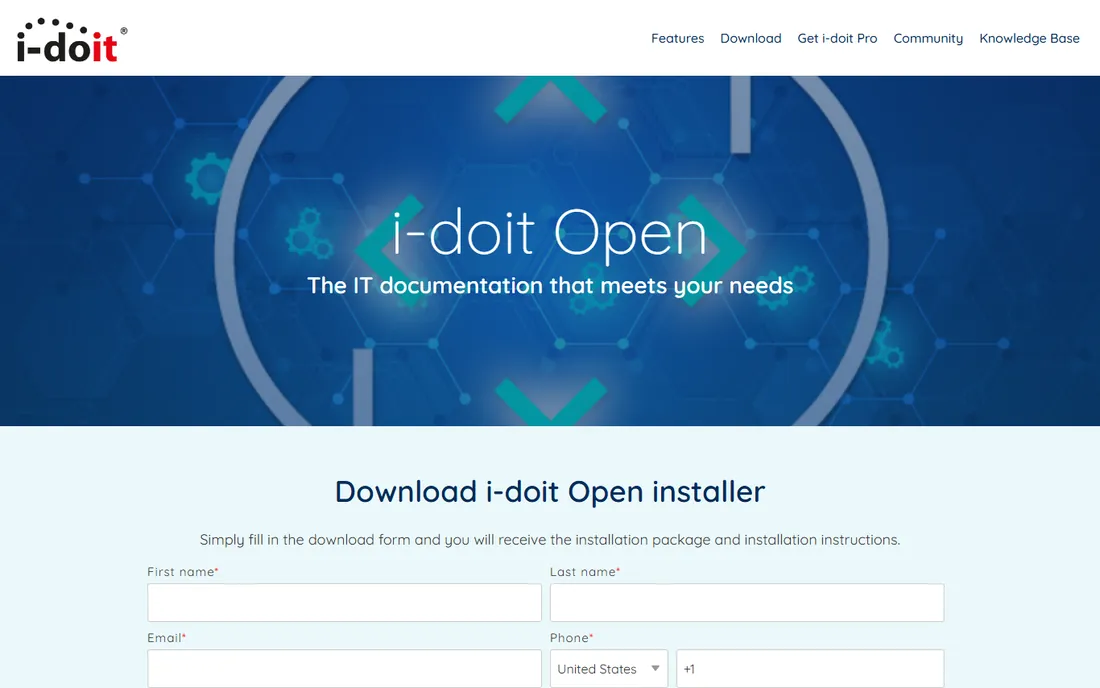
i-doit documents IT comprehensively: every asset, its relationships, its documentation, in a structured CMDB. The open version covers the core well; the pro version adds depth. Organizations needing audit-grade documentation choose it.
The open edition trails pro features, the interface is information-dense, and support leans German. But for documentation-first asset management, i-doit's thoroughness stands out.
i-doit's relationship mapping shows dependencies visually: impact analysis before changes. The documentation depth satisfies auditors. CMDB reports export for compliance. For documentation-first IT management, the thoroughness is the value.
i-doit's import wizards handle the initial data load: getting started is faster than expected. The API connects to discovery tools. For documentation projects, the structure guides the work.
What we like- Thorough IT documentation
- CMDB with relationships
- Open version available
Watch out for- Open version lags pro
- Interface is dense
- German roots in support
Starting priceFree
Free planYes
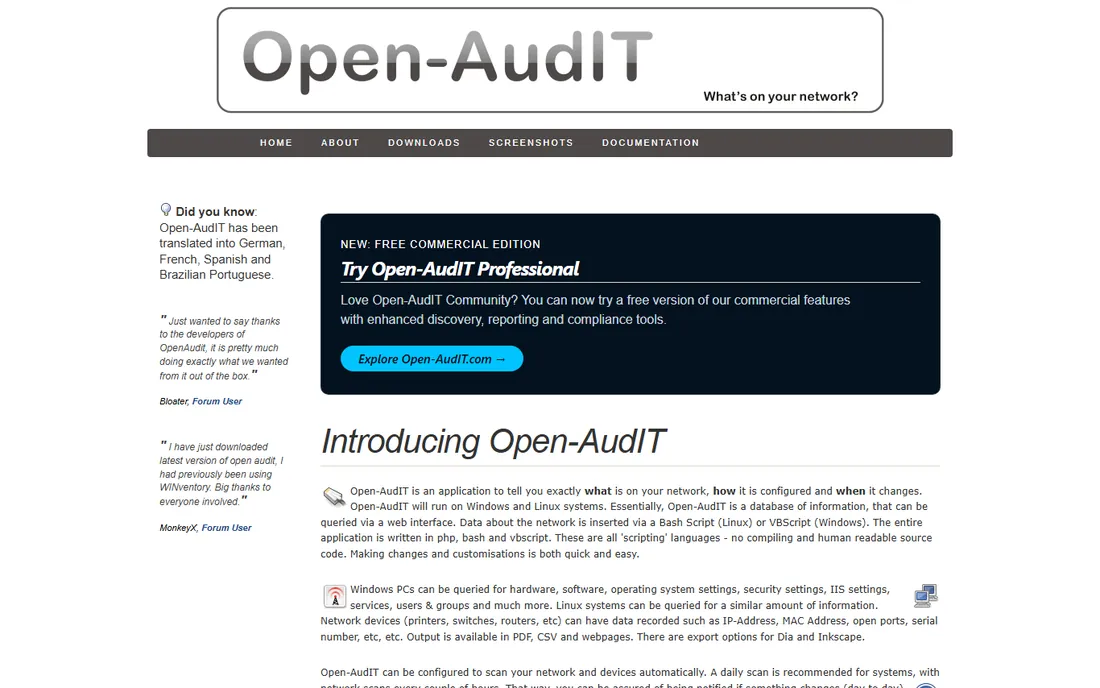
Open-AudIT discovers and audits without agents: scan the network, inventory what responds, track changes and licenses. The agentless approach suits environments where deploying agents is impractical. Reporting covers compliance needs.
The community is smaller than OCS's, the interface is basic, and advanced features sit in the paid version. But for agentless auditing, it fills the gap cleanly.
Open-AudIT's scheduled audits track changes over time: the drift detection catches unauthorized modifications. License compliance reporting covers software audits. The agentless approach suits locked-down environments. For audit-driven IT, the scheduled truth-telling is essential.
Open-AudIT's dashboards visualize the discovered estate: the visibility is immediate. The alerting catches unauthorized changes. For security-conscious IT, the change detection is the value.
What we like- Agentless network discovery
- Good auditing and reporting
- Straightforward
Watch out for- Smaller community
- Interface is basic
- Advanced features need paid
Starting priceFree
Free planYes
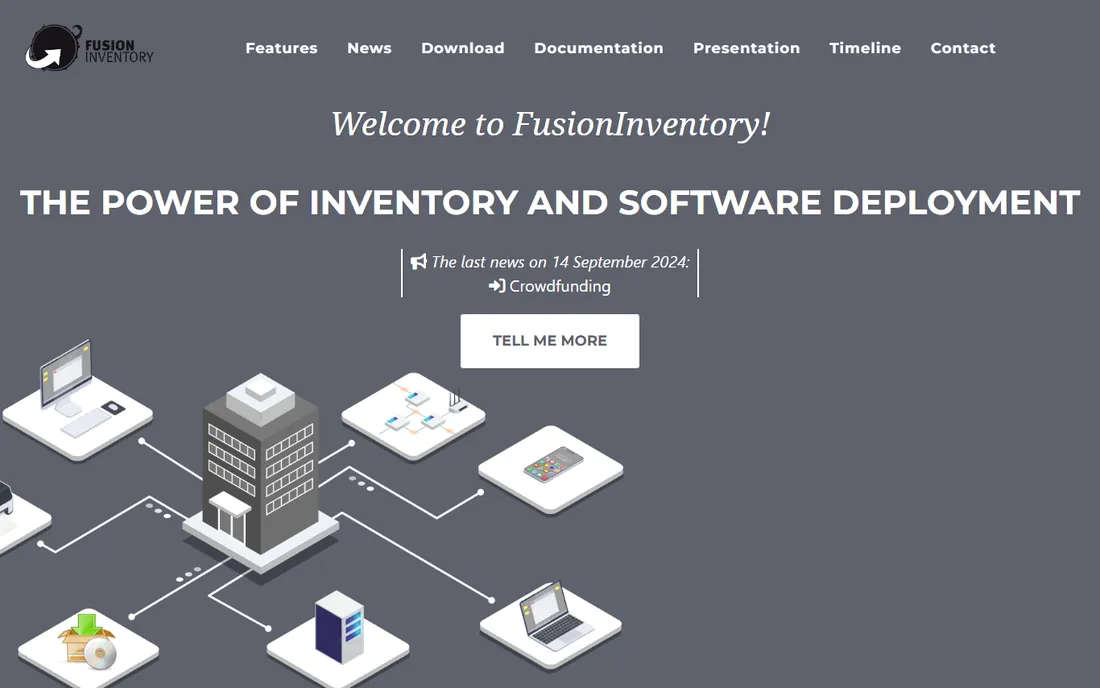
FusionInventory provides the agents: inventory, deployment and network discovery agents that feed GLPI and other managers. The GLPI integration is the classic pairing. Development stays active with good protocol support.
It is a component, not a system; you need the manager alongside. But as the discovery arm of the free ITAM stack, FusionInventory's agents are excellent.
FusionInventory's network discovery maps the infrastructure without agents: switches, printers and devices inventoried. The deploy module pushes software. Wake-on-LAN reaches powered-off machines. As GLPI's discovery arm, it keeps the asset database honest.
FusionInventory's task scheduling staggers discovery across the network: the load stays manageable. The remote inventory reaches disconnected sites. For distributed fleets, the architecture works.
What we like- Excellent inventory agents
- Integrates with GLPI
- Active development
Watch out for- Agent-focused, not standalone ITAM
- Setup needs care
- Documentation varies
Starting priceFree
Free planYes
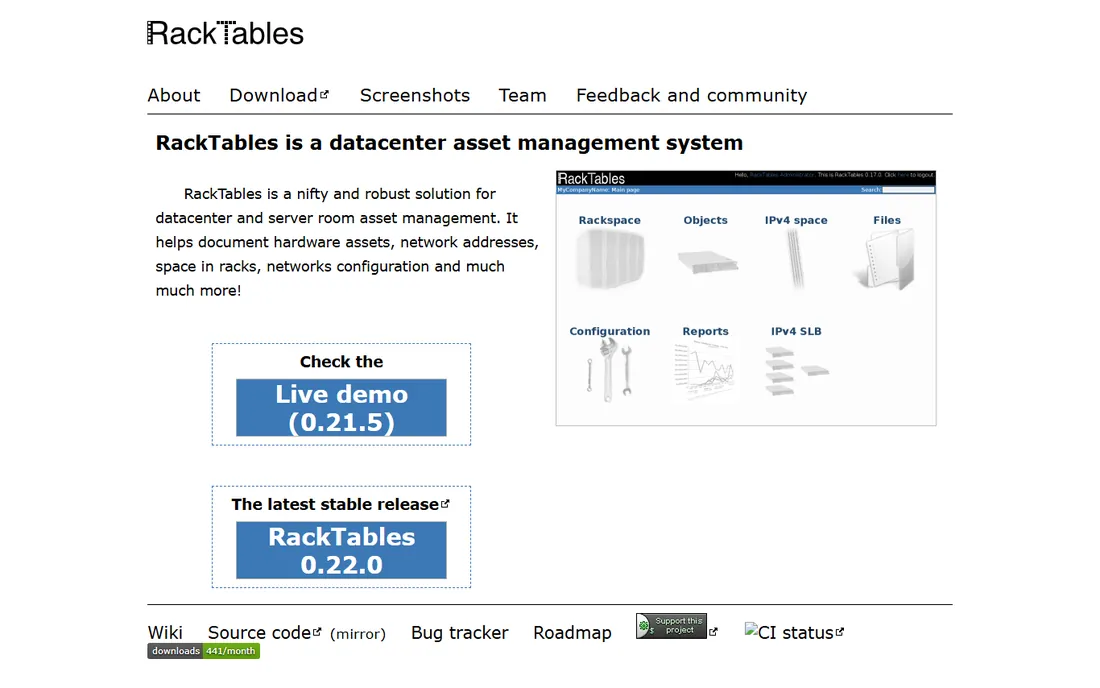
RackTables documents the data center: racks, servers, ports and connections in a purpose-built tool. It is simple, stable and does its job without ceremony. Small data centers get organized fast.
Development moves slowly and the interface is dated. The focus stays narrow. But for rack-level truth on a budget of zero, RackTables remains perfectly serviceable.
RackTables' simplicity is its longevity: the focused tool does rack documentation without ceremony. The IPv4/IPv6 management covers addressing. It runs on minimal resources. For small data centers, the no-nonsense approach still works fine.
RackTables' search finds assets instantly: the speed is refreshing. The permission model controls access sensibly. For the focused job, it remains excellent.
What we like- Purpose-built for rack management
- Simple and reliable
- Free forever
Watch out for- Dated interface
- Narrow focus
- Development is slow
Starting priceFree
Free planYes
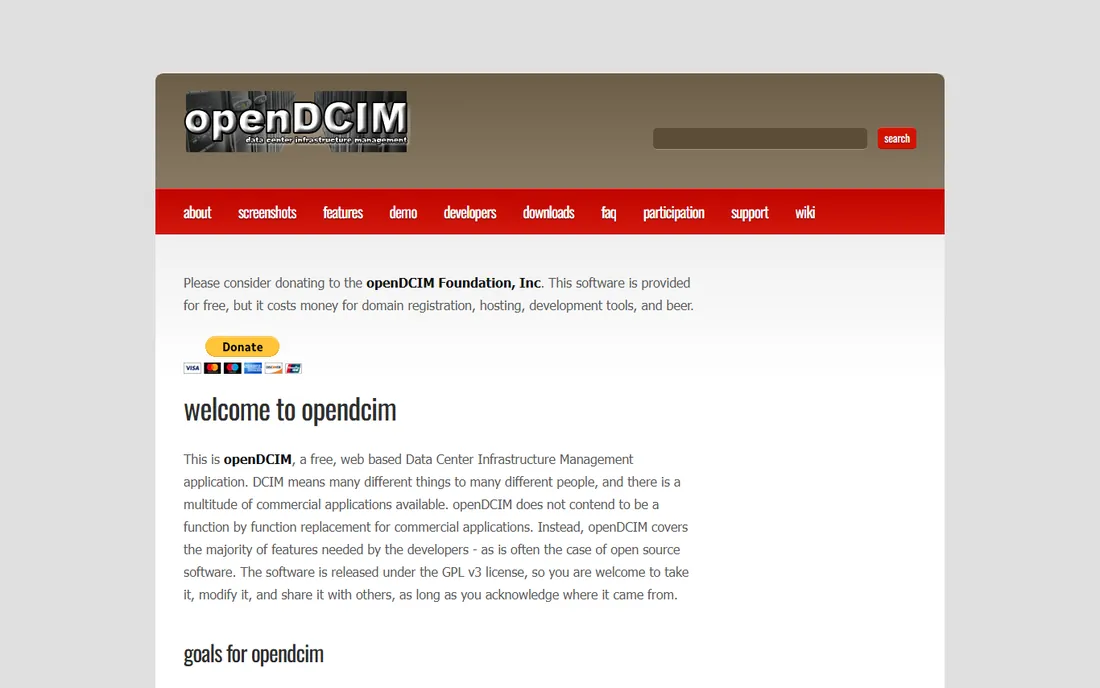
OpenDCIM manages the data center: space, power, cooling capacity and asset placement with the depth commercial DCIM charges for. Operators track capacity and plan placements free. The functionality is genuinely comprehensive.
The interface shows its age, setup needs someone technical, and the community is small. But as free DCIM, the value is remarkable for operators willing to invest setup effort.
What we like- Full data center infrastructure management
- Power and space tracking
- Free
Watch out for- Interface is dated
- Setup needs expertise
- Smaller community
How we chose
We selected actively maintained open-source tools for IT asset management, from general ITAM to network and data center specialties. We verified each project's site and status, replacing Ralph, whose project site is gone, with the maintained OpenDCIM. We favored tools with real deployments and communities.
Building the free ITAM stack
The classic combination is discovery plus management: OCS Inventory or FusionInventory agents discover, Snipe-IT or GLPI manages. Add NetBox for network truth. This stack, all free, rivals commercial tools costing six figures.
The cost is expertise and time: deployment, agent rollout, data hygiene and maintenance. Budget a skilled admin's attention, because free software with neglected data is worse than spreadsheets. Start with discovery, prove the data, then build management on truth.
Frequently asked questions
What is the best free asset management software?
Snipe-IT for general IT assets, GLPI for assets plus helpdesk, OCS Inventory for discovery. Most organizations combine discovery with management.
Is open source really free?
The software is free; the costs are servers, implementation time and ongoing maintenance. For most organizations this still beats commercial licensing substantially.
Can open source handle enterprise scale?
Yes. GLPI and Snipe-IT run in large organizations. The limits are operational expertise, not software capability. Commercial support options exist for most.
How do I migrate from spreadsheets?
Export and clean the data first, then import into the chosen tool, then deploy discovery to verify and fill gaps. Expect the cleanup to take longer than the import.
What about software license management?
Snipe-IT and GLPI track licenses; dedicated SAM tools handle compliance depth. For most organizations, the built-in license tracking suffices.
Do these integrate with helpdesks?
GLPI includes one. Snipe-IT integrates via API. The ecosystem connects through standard integrations and webhooks.
Sources we checked (10)
- https://snipeitapp.com/
- https://www.glpi-project.org/en/
- https://ocsinventory-ng.org/?lang=fr
- https://netboxlabs.com/products/netbox/
- https://www.cmdbuild.org/en
- https://i-doit.org/en/
- https://www.open-audit.org/
- https://fusioninventory.org/
- https://www.racktables.org/
- https://opendcim.org/
Is your product missing or out of date?
We review this list regularly. Vendors can request a listing, send updated pricing or ask about featured placement.

Shihab Mia · Founder, Rankite
Shihab has spent more than a decade helping SaaS and e-commerce brands grow through search. He writes Rankite's software buying guides from pricing pages, documentation and public user reviews. More about Shihab.
 Snipe-IT
 GLPI
GLPI OCS Inventory
 NetBox
 CMDBuild
 i-doit
 Open-AudIT
 FusionInventory
 RackTables
 OpenDCIM