How we make this list: we compare pricing pages, product documentation and public user reviews. Rankite is independent; if a vendor ever pays for a featured spot, that listing is clearly labeled Partner.
Key takeaways
- GoodTime is the leader for high-volume interview coordination with smart automation.
- Prelude excels at candidate experience with scheduling that feels effortless.
- Calendly at $12 per user per month is the simple option for small teams doing straightforward interview booking.
- Paradox adds conversational AI that schedules interviews over chat and text.
Quick comparison
| Tool | Best for | Starting price | Free plan |
|---|
 GoodTime GoodTime | High-volume interview coordination | See website | No |
 Prelude Prelude | Candidate experience | See website | No |
 ModernLoop ModernLoop | Collaborative hiring teams | See website | No |
 Paradox Paradox | AI conversational scheduling | See website | No |
 HireVue HireVue | Video interviewing plus scheduling | See website | No |
 Spark Hire Spark Hire | Video screening workflow | See website | Free trial |
 Calendly Calendly | Simple interview booking | $12/user/month | Free plan |
 Phenom Phenom | Enterprise hiring platform | See website | No |
 Yello Yello | Campus and high-volume recruiting | See website | No |
Is your product missing or out of date?
We review this list regularly. Vendors can request a listing, send updated pricing or ask about featured placement.
The best interview scheduling software
Starting priceSee website
Free planNo
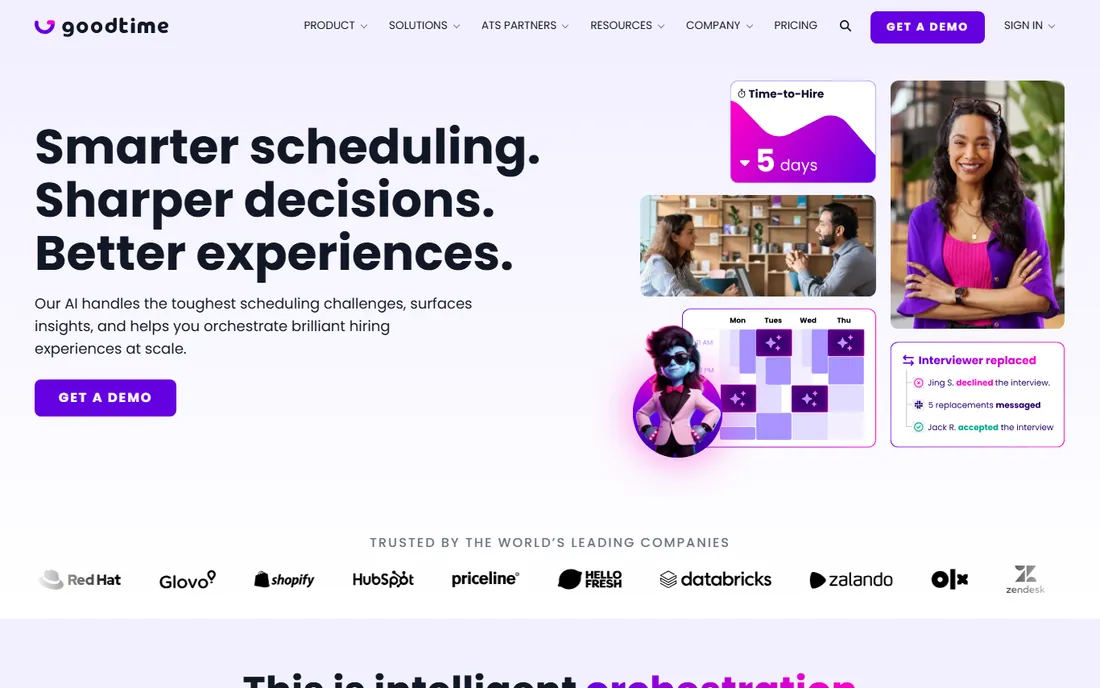
GoodTime automates the painful parts of interview scheduling: finding times across interviewers, sending invites, rescheduling, and balancing interviewer load. For companies doing hundreds of interviews monthly, it replaces most coordinator busywork. Integrations with major ATS platforms keep everything synced.
Pricing is quote-based and aimed at mid-market and enterprise hiring volumes. Smaller teams will find it oversized. For talent teams where scheduling is a full-time job, GoodTime automates most of it.
What we like- Intelligent automation reduces coordinator work
- Strong ATS integrations
- Interviewer load balancing
Watch out for- Quote-based pricing
- Geared toward high-volume teams
Starting priceSee website
Free planNo
Prelude focuses on the candidate's experience of scheduling: elegant self-scheduling, smart reminders that cut no-shows, and coordination that feels human rather than robotic. Recruiters get automation without the experience feeling automated.
Pricing requires a conversation. The feature set is narrower than GoodTime's coordination depth. For companies where candidate experience is a competitive advantage, Prelude's polish shows.
What we like- Beautiful candidate-facing scheduling
- Reduces no-shows
- Thoughtful automation
Watch out for- Quote-based
- Narrower than full-suite platforms
Starting priceSee website
Free planNo
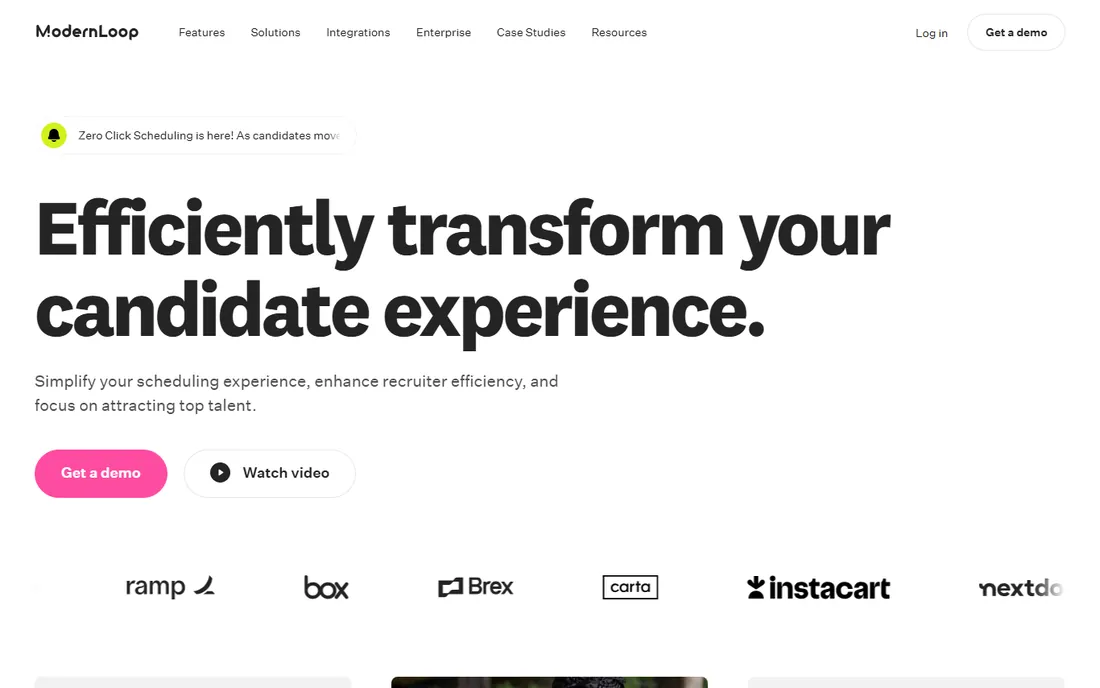
ModernLoop coordinates the interviewers, not just the calendar: panel scheduling, interviewer prep, feedback collection and debrief organization. Hiring managers get visibility without chasing people. The interface is clean and modern.
The vendor is smaller than GoodTime or Paradox, so reference checks matter. Pricing is quote-based. For collaborative hiring cultures where interviewer coordination is the bottleneck, ModernLoop fits.
What we like- Streamlines interviewer collaboration
- Good for panel interviews
- Clean interface
Watch out for- Smaller vendor
- Quote-based pricing
Starting priceSee website
Free planNo
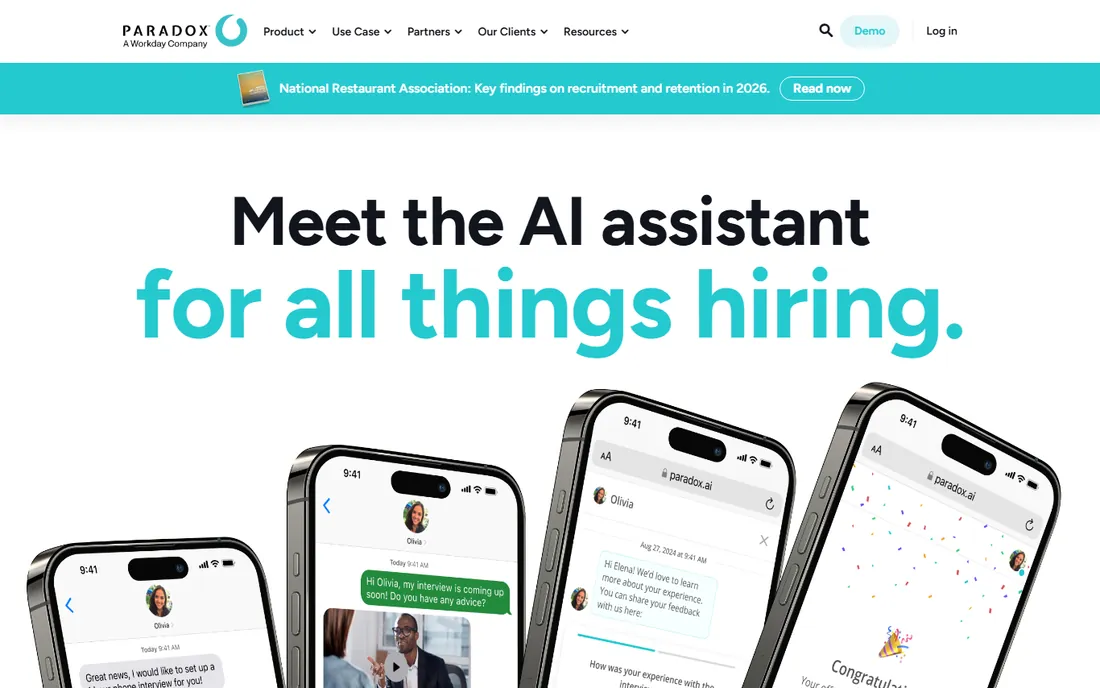
Paradox's Olivia is an AI assistant that converses with candidates over chat, text and WhatsApp: screening, answering questions and scheduling interviews automatically. For hourly and high-volume hiring, where candidates apply from phones at midnight, the conversational approach converts better than email links.
Pricing is enterprise and quote-based. White-collar executive hiring may prefer human touch. For retail, hospitality, healthcare and warehouse hiring at scale, Paradox's automation is transformative.
What we like- Olivia AI assistant schedules over chat and text
- Great for hourly hiring
- 24/7 responsiveness
Watch out for- Enterprise pricing
- Conversational UI is not for every role
Starting priceSee website
Free planNo
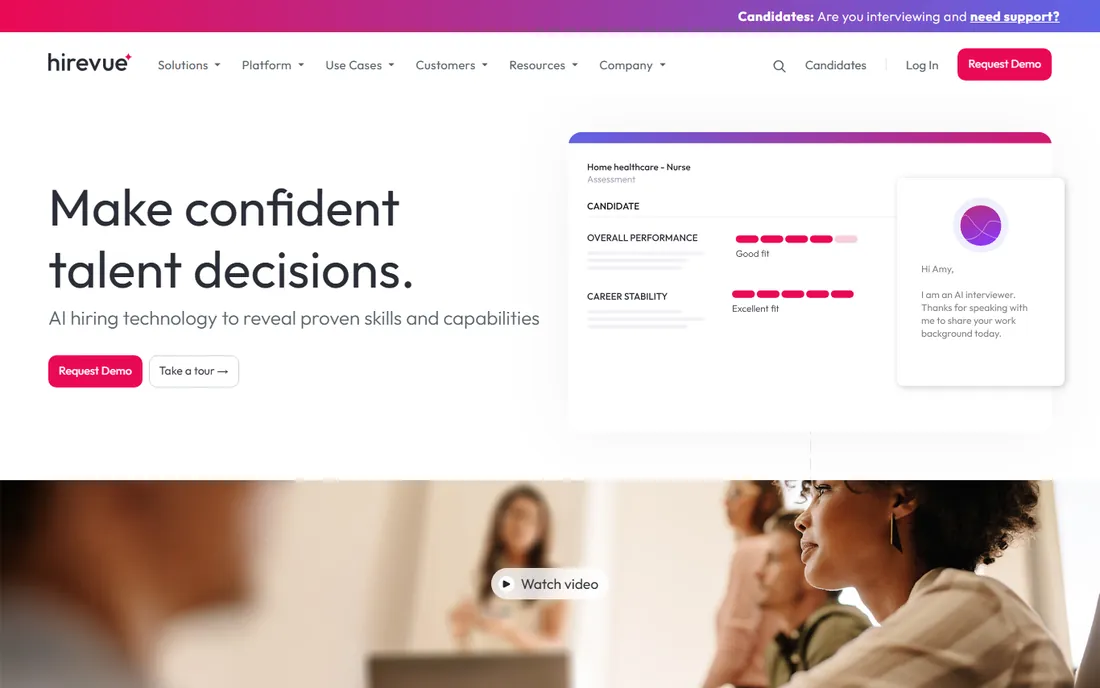
HireVue combines video interviewing (live and on-demand) with interview scheduling and AI-powered assessments. Candidates record answers on their own time; hiring teams review, score and schedule next steps. Large enterprises use it for consistent global hiring.
Pricing is quote-based enterprise. AI assessment features require governance and validation for bias. For high-volume hiring that starts with video screening, HireVue's integrated platform covers the funnel.
What we like- Video interviews plus scheduling
- AI assessments
- Enterprise proven
Watch out for- Quote-based
- AI hiring features need careful governance
Starting priceSee website
Free planFree trial
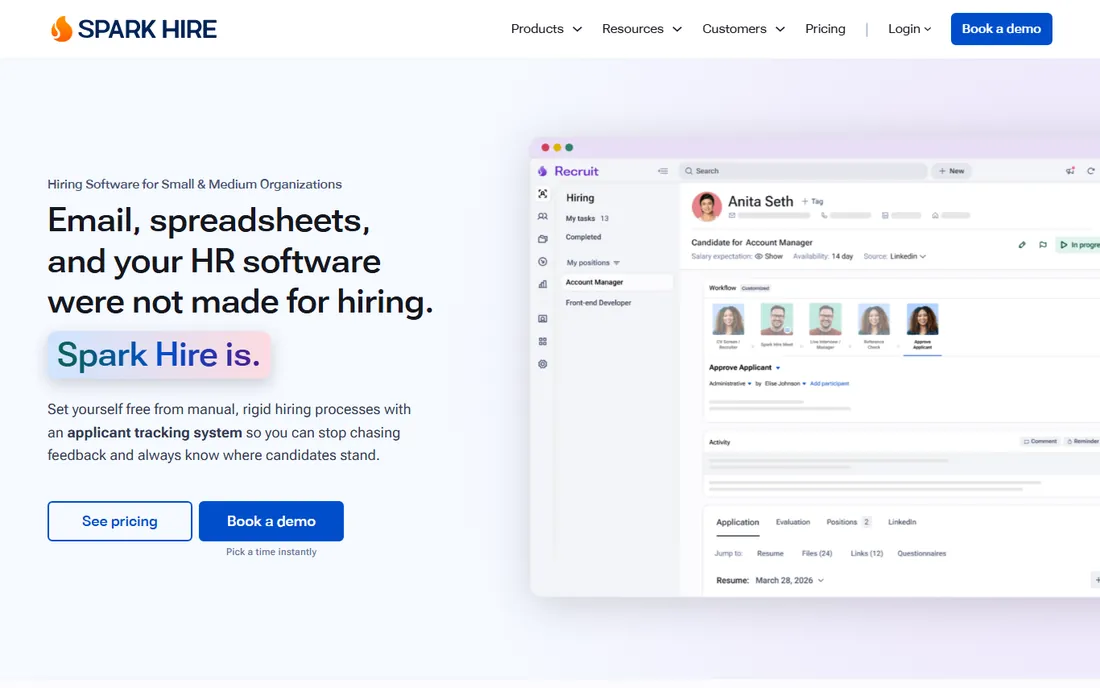
Spark Hire popularized one-way video interviews: candidates record answers to your questions, and you review them before scheduling live interviews. It is simpler and more affordable than HireVue, with a free trial to start.
Scheduling automation is lighter than GoodTime or Prelude. For small to mid-size companies adding video screening before live interviews, Spark Hire is the accessible entry.
What we like- Simple one-way video interviews
- Affordable entry
- Easy for candidates
Watch out for- Scheduling features lighter than specialists
- Smaller platform
Starting price$12/user/month
Free planFree plan
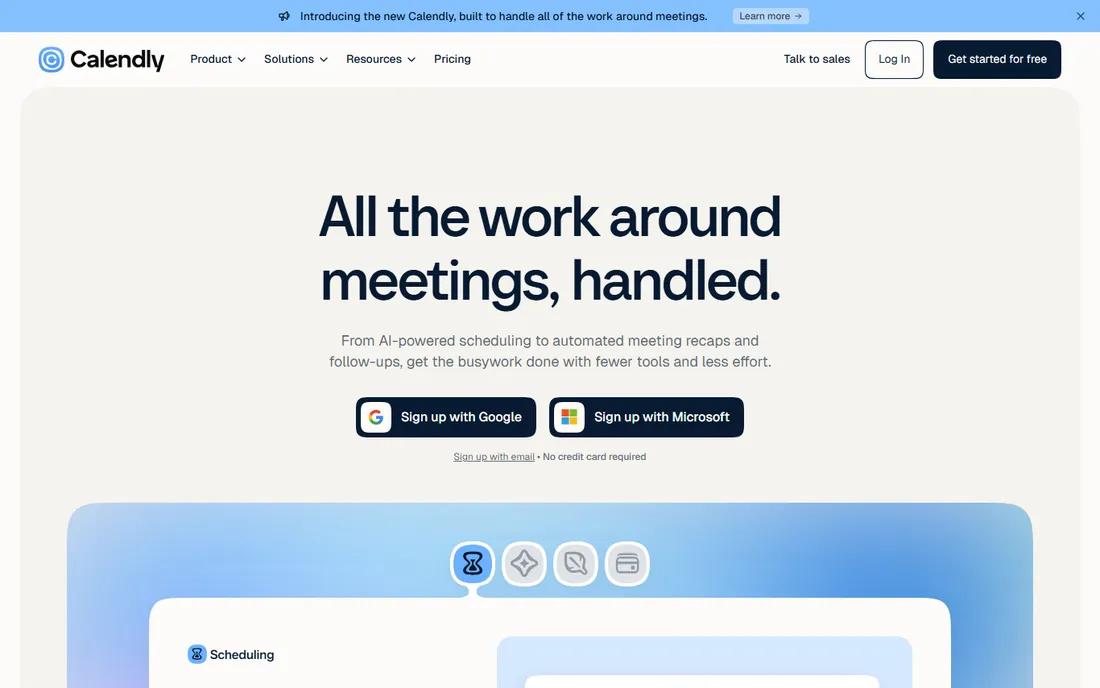
Calendly is the scheduling tool everyone already understands: share a link, candidates pick a time, invites and reminders go out. The free plan handles basic booking; Standard at $12 per user per month adds team features and integrations. Deployment takes minutes.
It is not recruiting software: no interviewer load balancing, no ATS workflow depth, no panel coordination intelligence. At scale, coordinators still do manual work. For small teams doing straightforward phone screens and hiring manager chats, Calendly is enough.
What we like- Everyone knows it
- Free tier works
- Dead simple to deploy
Watch out for- Not recruiting-specific
- No ATS depth
- Manual coordination at scale
Starting priceSee website
Free planNo
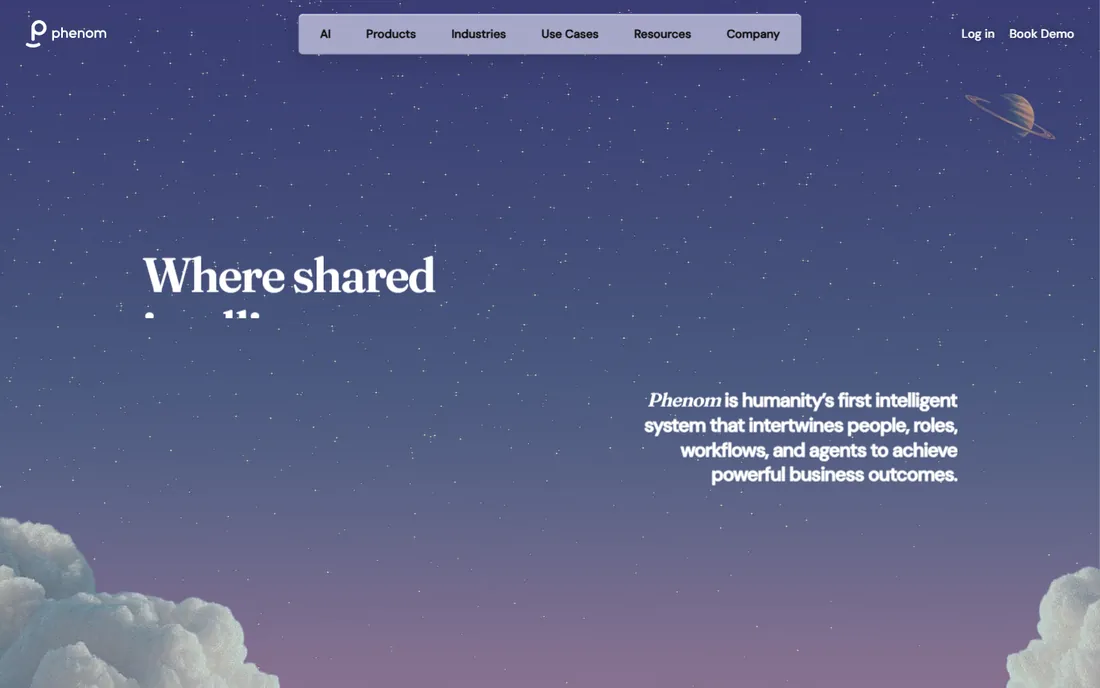
Phenom is a talent experience platform covering career sites, CRM, AI matching and interview scheduling. Scheduling automation lives inside the broader platform, benefiting from the same candidate data. Large enterprises standardize on it for end-to-end hiring.
Pricing is enterprise and quote-based. Buying Phenom for scheduling alone makes little sense. For enterprises choosing a hiring platform, the integrated scheduling is a strong component.
What we like- Full talent experience platform
- AI scheduling inside
- Strong enterprise footprint
Watch out for- Enterprise pricing
- Scheduling is one module of many
Starting priceSee website
Free planNo
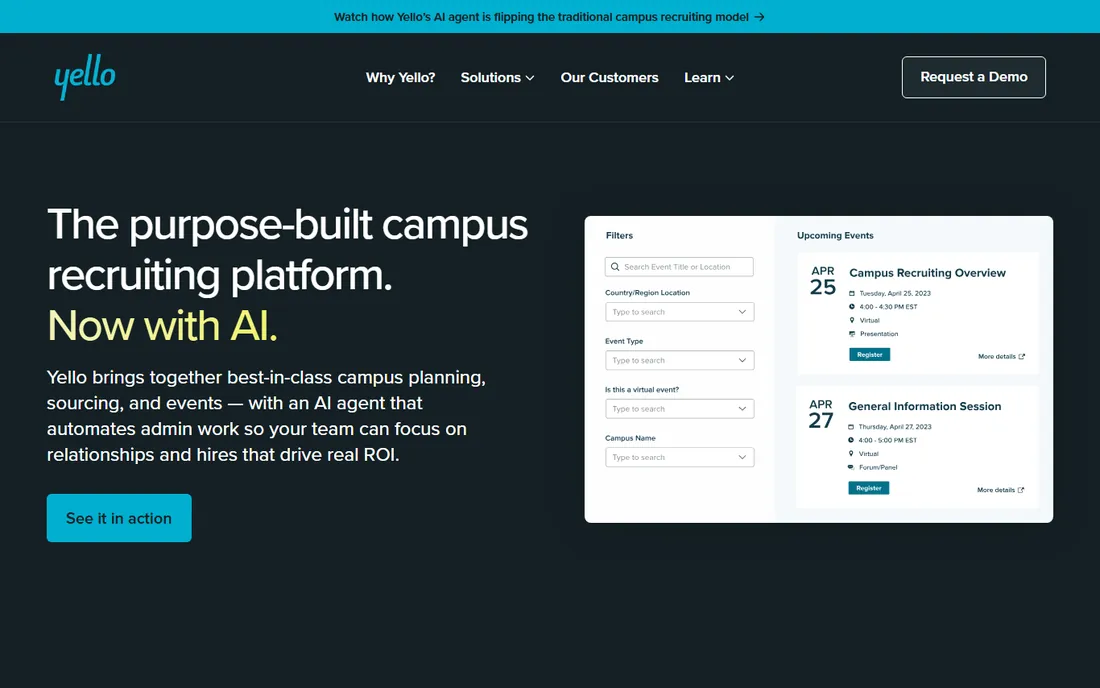
Yello serves campus recruiting and high-volume hiring: career fair follow-up, event management and interview scheduling tuned for recruiting at scale. University relations teams get workflows built for their world.
The campus focus means less for experienced-hire pipelines. Pricing is quote-based. For companies hiring hundreds of graduates annually, Yello's specialized workflows beat general tools.
What we like- Built for campus recruiting
- Event and interview scheduling
- High-volume workflows
Watch out for- Niche focus
- Quote-based pricing
What good interview scheduling automates
The full job: finding availability across interviewers, sending candidate self-scheduling links, booking rooms and video links, sending reminders, handling reschedules, collecting feedback, and syncing everything to the ATS. Tools that only do calendar links (Calendly) solve step two. Dedicated platforms automate the whole chain. Audit where your coordinators spend time before buying; the answer determines which tier you need.
Reducing no-shows
No-shows waste interviewer time and slow hiring. What works: SMS reminders in addition to email, easy rescheduling links (a candidate who can reschedule in one click does not ghost), calendar holds immediately at booking, and human-feeling confirmation messages. Prelude and Paradox emphasize this; every tool here should at minimum send automated reminders.
Interviewer load balancing: the hidden burnout driver
Interview scheduling tools optimize for the candidate and the recruiter, but the interviewers pay the hidden cost. In most companies, a small group of reliable interviewers carries a disproportionate load while others rarely interview. The reliable ones burn out, interview quality drops, and hiring managers complain about both speed and signal. Load balancing is the systematic fix, and the better scheduling platforms support it directly. The principle: distribute interviews fairly across qualified interviewers, accounting for their other commitments, not just their calendar availability. Someone with back-to-back project deadlines should interview less this month even if their calendar shows openings.
Start by defining interviewer pools properly. Each hiring stage needs a pool of qualified interviewers, and pools need depth: at least three to four people per stage for active hiring, more for high-volume roles. Shallow pools (one or two people per stage) create bottlenecks and burnout simultaneously. Track interviews per interviewer per month and publish the numbers internally; transparency alone corrects most imbalances because managers did not realize the skew. Set sane maximums: more than five or six interviews a week degrades both the interviewer's day job and their interviewing quality. The scheduling tool should enforce or at least surface these limits when auto-assigning.
Shadow programs expand pools sustainably. New interviewers should shadow two or three real interviews, then reverse-shadow (lead while an experienced interviewer observes), before joining the pool solo. This takes effort but it is the only way pools grow without quality collapse. Pair the program with the scheduling system: mark trainees in the pool so the tool schedules them appropriately (always paired, never solo). Recognize interviewing in performance reviews; if it counts for nothing, people avoid it and the load concentrates on the conscientious. Companies that treat interviewing as valued work maintain deep pools effortlessly.
Protect focus time structurally. Interviewers need preparation time before and debrief time after; back-to-back interviews with no buffer produce shallow evaluations. Configure the scheduling tool to add buffers automatically (15 minutes before, 15 after is a good default) and to respect no-interview blocks. Encourage interviewers to block deep-work days where the tool cannot schedule them at all. The best scheduling automation respects these boundaries; the worst treats humans as infinitely available calendar slots. During implementation, interview the interviewers about their preferences. A system designed around their constraints gets their cooperation; one imposed on them gets their resentment.
Review load distribution quarterly alongside hiring metrics. Correlate interviewer load with hiring outcomes: overloaded interviewers show declining score differentiation (everyone gets a yes or everyone gets a no) and slower feedback submission. These are quality signals worth tracking. Also watch for demographic skew in who carries the load; diverse interview panels produce better hiring decisions, but only if the burden is shared. Load balancing is not just operational efficiency; it is quality control for the hiring process itself. The scheduling tool provides the mechanism, but the management commitment to fairness makes it work.
Frequently asked questions
How much does interview scheduling software cost?
Calendly starts at $12 per user per month with a free tier. Dedicated platforms (GoodTime, Prelude, ModernLoop, Paradox) are quote-based, typically hundreds to thousands monthly depending on hiring volume. Enterprise suites bundle it into larger contracts.
Can interview scheduling software integrate with our ATS?
Yes. Leading tools integrate with Greenhouse, Lever, Workday, Taleo and other major ATS platforms, syncing candidates, interview stages and feedback. Confirm your specific ATS during evaluation.
Will it work for panel interviews?
Dedicated tools handle multi-interviewer panels: finding common availability, assigning rooms or video links, and collecting structured feedback. Calendly-style tools struggle here; GoodTime, ModernLoop and Prelude are built for it.
How does AI scheduling work?
Tools like Paradox use conversational AI to chat with candidates, answer questions and book interviews automatically. Others use rules-based automation for availability matching. AI chat suits high-volume hourly hiring; rules automation suits professional roles.
Can candidates reschedule themselves?
Yes, and they should be able to. Self-service rescheduling within your rules reduces no-shows and coordinator emails. Every serious tool here includes it; verify the rules are configurable.
Do we still need a recruiting coordinator?
At high volumes, yes, but their job changes from calendar Tetris to candidate experience and exception handling. Scheduling software removes the repetitive work; coordinators handle what automation cannot.
How we chose
We compared the interview scheduling tools hiring teams actually buy, from simple booking links to AI platforms. Pricing is quote-based across dedicated tools; we publish figures where available. We weighted automation depth, candidate experience, ATS integration and fit for different hiring volumes. No hands-on testing was performed; assessments rest on documentation and public reviews.
Sources we checked (9)
- https://goodtime.io/
- https://www.prelude.co/
- https://www.modernloop.com/
- https://www.paradox.ai/
- https://www.hirevue.com/
- https://www.sparkhire.com/
- https://calendly.com/pricing/
- https://www.phenom.com/
- https://yello.co/
Is your product missing or out of date?
We review this list regularly. Vendors can request a listing, send updated pricing or ask about featured placement.

Shihab Mia · Founder, Rankite
Shihab has spent more than a decade helping SaaS and e-commerce brands grow through search. He writes Rankite's software buying guides from pricing pages, documentation and public user reviews. More about Shihab.