How we make this list: we compare pricing pages, product documentation and public user reviews. Rankite is independent; if a vendor ever pays for a featured spot, that listing is clearly labeled Partner.
Key takeaways
- YNAB ($14.99/month or $109/year) is the best software for managing finances hands-on: zero-based budgeting with a method that actually changes spending behavior.
- Monarch Money ($99.99/year) is the best all-around dashboard for households that want budgeting, net worth, and investments in one polished place.
- Quicken Simplifi ($5.99/month billed annually) is the cheapest capable all-rounder, with cash-flow forecasting the others charge more for.
- Goodbudget and Rocket Money both have genuinely free tiers, making them the best starting points if you refuse to pay for budgeting software.
Quick comparison
| Tool | Best for | Starting price | Free plan |
|---|
 YNAB YNAB | Households that want a real budgeting method | $14.99 per month or $109 per year | Free trial (34 days) |
 Monarch Money Monarch Money | The complete household money dashboard | $14.99 per month or $99.99 per year | Free trial (7 days) |
 Quicken Simplifi Quicken Simplifi | Budget-conscious all-in-one tracking | $5.99 per month (billed annually) | Free trial |
 Copilot Money Copilot Money | Apple users who care about design | $13 per month or $95 per year | Free trial (1 month) |
 Rocket Money Rocket Money | Finding and killing subscriptions | Free basic tools; Premium is pay-what-you-want from about $7 per month | Yes |
 EveryDollar EveryDollar | Fans of simple zero-based budgeting | Free manual version; Premium $17.99 per month or $79.99 per year | Yes |
 Goodbudget Goodbudget | Envelope budgeting without bank links | Free for 20 envelopes; Plus $10 per month or $80 per year | Yes |
 PocketGuard PocketGuard | Knowing your safe-to-spend number | $12.99 per month or $74.99 per year | Yes |
 Empower Empower | Free net worth and investment oversight | $0 | Yes |
Is your product missing or out of date?
We review this list regularly. Vendors can request a listing, send updated pricing or ask about featured placement.
The best home accounting software
A couple in their thirties in Ohio sat down one January evening and added up where their money had gone the previous year. The number for takeout alone was higher than their car payment. They were not big spenders by any measure; the money had simply leaked out in amounts too small to notice. They started using budgeting software the next week, and within three months the takeout line had dropped by two-thirds. Nothing about their income changed. They could finally see the money.
That is the entire case for home accounting software. Most households do not have an income problem; they have a visibility problem. The best software to manage personal finances gives you that visibility with the least friction: accounts connected automatically, spending categorized without manual work, and a clear answer to "can I afford this" before you buy. The nine tools below are the realistic options for US households in 2026, from free trackers to full budgeting systems.
Pricing reflects published rates verified in October 2026.
Starting price$14.99 per month or $109 per year
Free planFree trial (34 days)
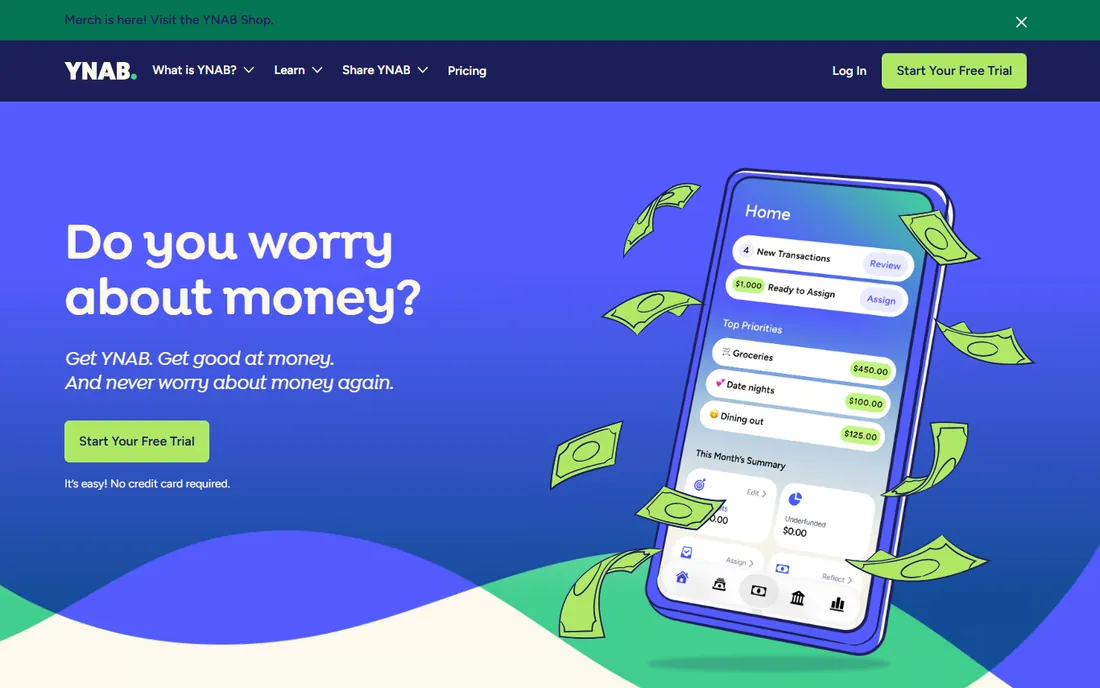
YNAB, short for You Need A Budget, is less an app than a discipline with software attached. The zero-based method requires you to assign every dollar a job before you spend it, which sounds tedious until you watch the leaks stop. Users consistently report the biggest behavior change of any tool on this list, and the company backs it with workshops and guides that teach the method, not just the buttons.
The price is the highest here and there is no free tier, so the value depends entirely on whether you work the method. Casual users who will not categorize transactions should not pay for it. The 34-day trial is long enough to know: if your spending has not visibly changed by day 30, cancel. If it has, the $109 a year pays for itself many times over.
What we like- Zero-based method genuinely changes spending habits
- Longest trial in the category at 34 days
- One subscription covers up to six people
Watch out for- No permanent free tier
- The learning curve is real for the first two weeks
- Weak on investment tracking
Starting price$14.99 per month or $99.99 per year
Free planFree trial (7 days)

Monarch Money became the default recommendation for ex-Mint users because it does the whole job in one place: linked accounts, flexible budgeting, net worth tracking, and investment visibility, wrapped in the best-designed interface in the category. Couples get shared budgets and collaboration that actually works, which is rarer than it should be. For households that want one dashboard for everything, it is the most complete option.
The 7-day trial is short, so use it actively: connect every account on day one and see whether the full picture is worth $99.99 a year to you. The Core plan covers what most households need; Plus at $199 a year adds forecasting and advanced features that only finance enthusiasts will miss. Monarch is the safe pick when you want capability without a learning curve.
What we like- Budgeting, net worth, and investments in one polished interface
- Excellent for couples managing money together
- The most popular Mint replacement for a reason
Watch out for- No free tier beyond the 7-day trial
- The Plus tier at $199 a year doubles the cost for advanced features
Starting price$5.99 per month (billed annually)
Free planFree trial

Simplifi is Quicken's modern answer to budgeting apps, and its best feature is the price: at $5.99 a month billed annually, it undercuts YNAB and Monarch by nearly half while covering the essentials. The spending plan gives you a personalized monthly budget without the rigor of zero-based methods, and the projected cash-flow view shows upcoming bills against expected income, which is genuinely useful for avoiding overdrafts.
The trade-offs are polish and brand confusion. The app works well but looks plain next to Monarch and Copilot, and Quicken's lineup of similarly named products makes it harder to know what you are buying. For households that want capable tracking at the lowest serious price, though, Simplifi is the value leader. Watch for first-year promotional pricing and confirm the renewal rate before subscribing.
What we like- Cheapest capable paid option in the category
- Strong cash-flow and bill projections
- Spending plan is simpler than zero-based budgeting
Watch out for- No permanent free tier
- The interface is less polished than Monarch or Copilot
- Quicken's brand history confuses new buyers
Starting price$13 per month or $95 per year
Free planFree trial (1 month)
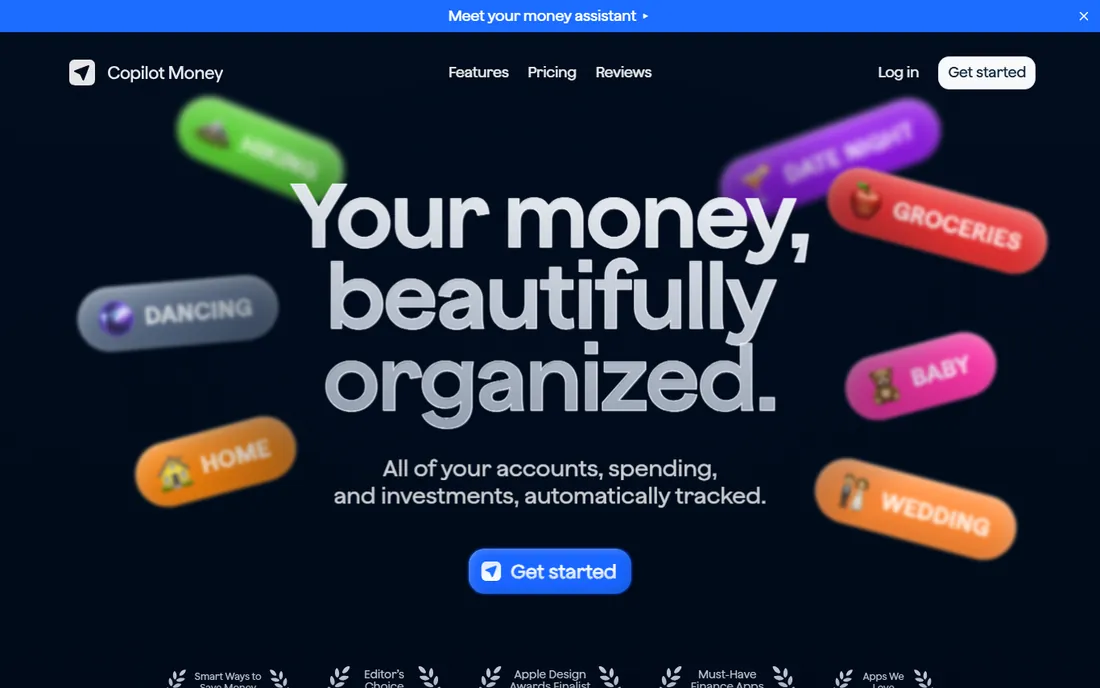
Copilot Money is the app design enthusiasts recommend to each other: fast, beautiful, and genuinely pleasant to open every day, which matters more than it sounds for a habit you need to maintain. The AI-assisted categorization learns quickly, and the month-long trial gives you real time to decide. At $95 a year it sits between Simplifi and Monarch on price.
The limitation is the ecosystem. There is no Android app and no full-featured web version, so households with mixed devices cannot share it properly. It is also a smaller company, which means slower feature development and more acquisition risk than the established players. For an all-Apple household that will actually open the app daily, it is delightful. For everyone else, the platform gap is disqualifying.
What we like- Beautiful, fast interface that makes budgeting pleasant
- Smart categorization with AI assistance
- Generous month-long trial
Watch out for- Apple-only, no Android or full web app
- Smaller company than the big names
- Investment tracking is basic
Starting priceFree basic tools; Premium is pay-what-you-want from about $7 per month
Free planYes
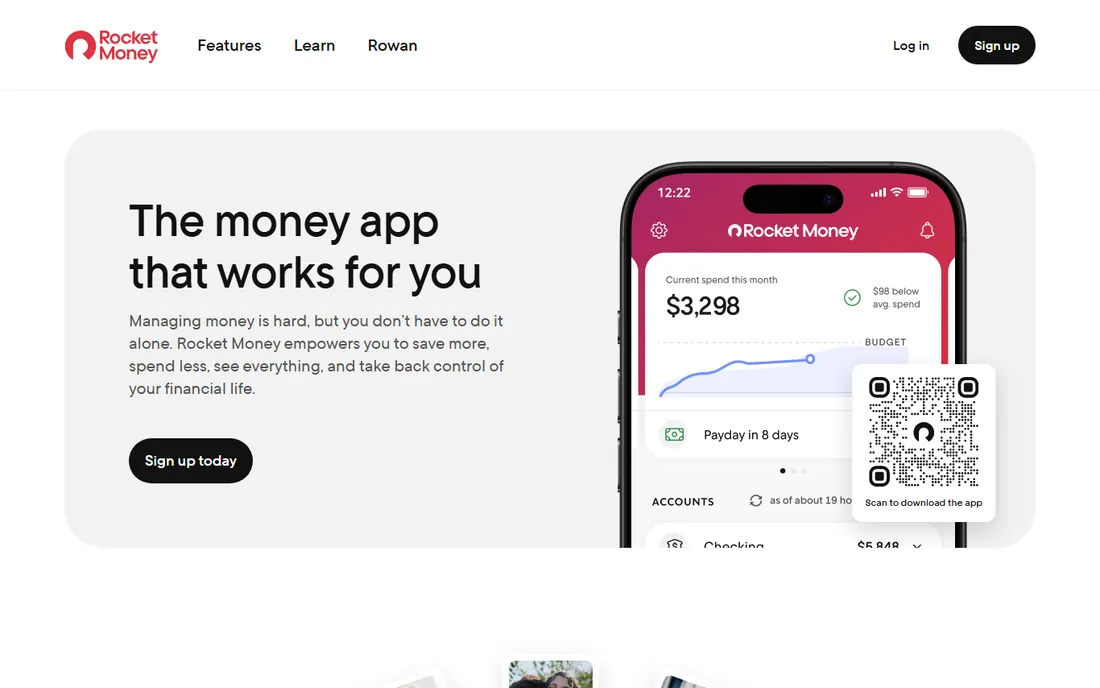
Rocket Money's free tier does something no other free tool does well: it finds your recurring subscriptions, shows what they cost you annually, and helps cancel the ones you forgot. For the average household with a dozen subscriptions, that single feature justifies the download. The Premium tier runs on a pay-what-you-want model, which is unusual and refreshingly honest.
As a full budgeting system it is thinner than YNAB or Monarch; the budgeting exists but is not the point. The bill negotiation service takes a cut of savings, so read the terms. Rocket Money is the best free starting point for managing personal finances passively, and the right complement to a real budgeting app rather than a replacement for one.
What we like- Free tier is genuinely useful
- Subscription detection and cancellation is the best in class
- Bill negotiation service can lower real bills
Watch out for- Budgeting features are thinner than dedicated apps
- Premium pricing is confusing
- The company earns from bill negotiation cuts
Starting priceFree manual version; Premium $17.99 per month or $79.99 per year
Free planYes
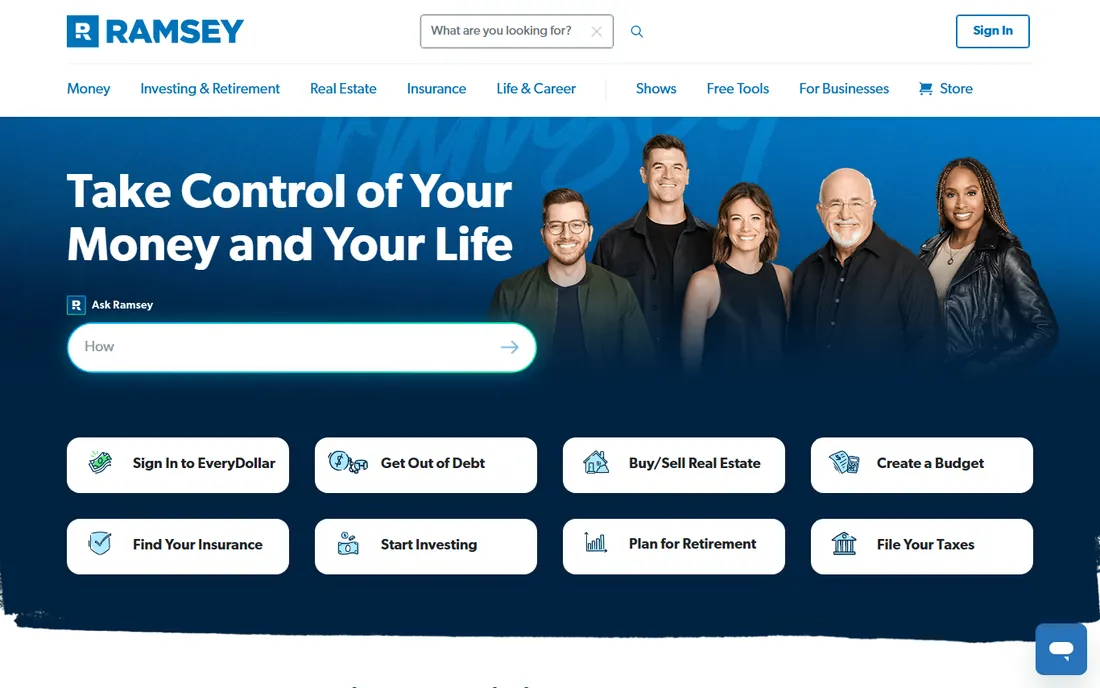
EveryDollar applies the zero-based budgeting idea with less machinery than YNAB: give every dollar a job, track it, done. The free manual-entry version is fully usable if you are willing to type in transactions, which makes it one of the few genuinely free budgeting tools. Followers of the debt snowball method will find it fits their system naturally.
The catch is that the useful version costs more than YNAB. Bank connections, which make any budgeting app actually convenient, require Premium at $17.99 a month, the highest monthly rate on this list. The annual $79.99 plan softens that considerably. EveryDollar suits budgeters who want zero-based simplicity and are comfortable with manual entry or the annual plan; monthly Premium subscribers should compare with YNAB first.
What we like- Free manual tier works forever
- Dead-simple interface with no learning curve
- Follows the popular debt payoff method
Watch out for- Premium is the priciest monthly plan here
- Bank connections require Premium
- Reporting is basic
Starting priceFree for 20 envelopes; Plus $10 per month or $80 per year
Free planYes
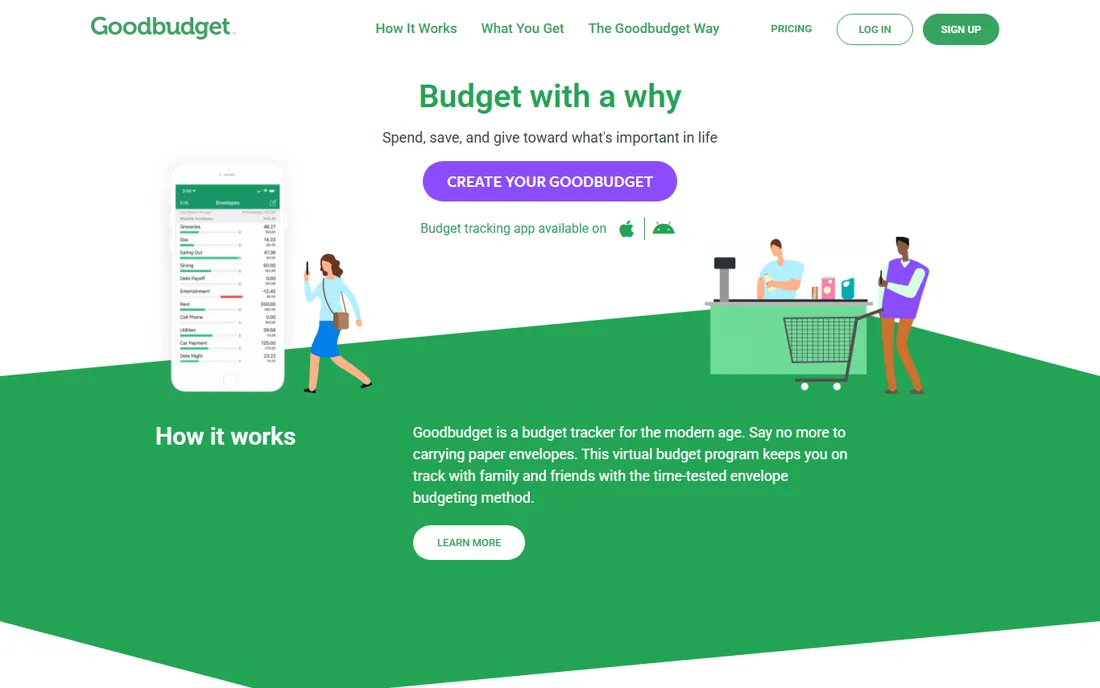
Goodbudget digitizes the envelope method: divide your money into labeled envelopes, spend from each until it is empty. The free tier includes 20 envelopes, which covers most households, and because nothing connects to your bank, there is no aggregation risk and no subscription needed to keep it working. For couples who want to share a budget and for anyone uncomfortable linking bank accounts, it is the best free option.
Manual entry is both the philosophy and the limitation. Every transaction gets typed in by hand, which builds awareness but takes discipline. The interface has not kept up with modern apps. Goodbudget is ideal for envelope-method devotees and the privacy-conscious; households that want automation should look at the connected apps above.
What we like- Free tier is generous and permanent
- Envelope method works well for cash-style budgeters
- No bank connection required, which privacy-minded users prefer
Watch out for- Manual entry is the only option
- The interface looks dated
- 20-envelope limit on free may constrain complex budgets
Starting price$12.99 per month or $74.99 per year
Free planYes
PocketGuard's entire pitch fits in one number: after bills, goals, and necessities, here is what you can safely spend today. For people who find full budgets exhausting, that single figure is more useful than any category breakdown. The app connects accounts, tracks bills, and factors savings goals into the calculation automatically.
The simplicity is also the ceiling. There is no serious budgeting methodology here, no envelope system, no zero-based planning. The free tier's two-account limit means most users hit the paywall fast. PocketGuard is the right tool for spenders who need a guardrail, not a system: one number, checked before purchases, that keeps the month on track.
What we like- The "In My Pocket" number answers the only question that matters daily
- Connects bills, goals, and spending in one view
- Limited free tier
Watch out for- Budgeting depth is shallow
- The free tier allows only 2 connected accounts
- Less well known, so fewer reviews and integrations
Starting price$0
Free planYes
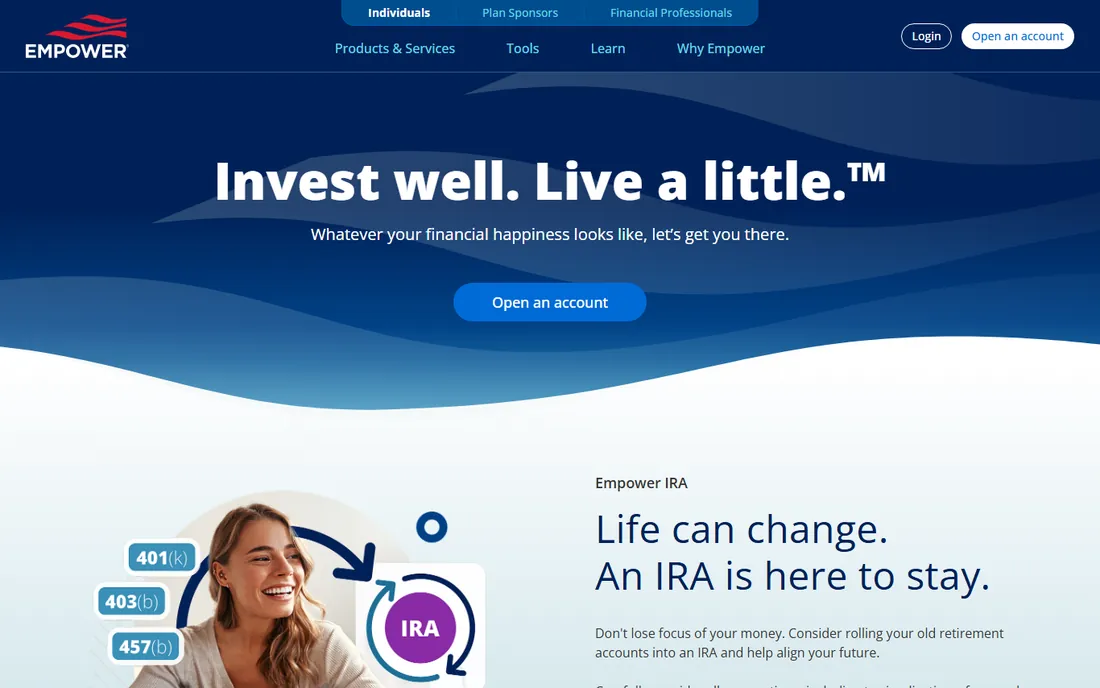
Empower, formerly Personal Capital, offers the best free financial dashboard available: link every account, see your net worth, analyze investment fees and asset allocation, all for nothing. The investment tools are genuinely sophisticated, including a fee analyzer that has saved users real money by exposing expensive funds. As a complement to a budgeting app, it is unmatched.
It is not home accounting software in the budgeting sense, and buyers should know that going in. There is no envelope system, no spending plan, no bill tracking worth mentioning. The company makes money by pitching its wealth management service to users with large balances, so expect the occasional call. Use Empower for the investment and net worth picture, paired with one of the budgeting tools above for daily spending.
What we like- Completely free dashboard with no paywall on core features
- Excellent investment fee analyzer
- Strong net worth tracking across all accounts
Watch out for- Not a budgeting tool
- The company will pitch its paid wealth management service
- Cash-flow features are minimal
How we picked this list
We focused on personal finance software that US households actually use in 2026, identified through financial publications, vendor pricing pages, and reviews on app stores and Reddit. Every tool had to be a shipping product with active development; discontinued apps were excluded. Pricing reflects rates verified from each company's own pricing page in October 2026, including promotional versus renewal pricing where vendors publish both. This is a research-based comparison, not hands-on testing.
What to check before you pay
Decide how much work you will actually do, because that determines the category. Hands-on budgeters who will categorize transactions should compare YNAB and EveryDollar. Households that want the full picture with minimal effort should compare Monarch and Simplifi. People who will not maintain any system should use Rocket Money or Empower free and skip the subscription entirely. Paying for a method you will not follow is the most common waste in this category.
Then check the renewal price, not the promotional price. Several vendors advertise discounted first-year rates that jump at renewal, and the difference can be 40 percent or more. Confirm the ongoing annual cost in writing or on the pricing page before subscribing, and set a calendar reminder two weeks before renewal.
Finally, check bank connection reliability for your specific banks. Every connected app depends on data aggregators, and some banks connect smoothly while others break repeatedly. Search recent reviews mentioning your bank before committing to a year. A budgeting app that cannot see your accounts is an expensive spreadsheet, and connection quality varies more than any feature list suggests.
The Mint-shaped hole in the market
Mint, the free budgeting app that defined the category for over a decade, shut down in 2024, and the market is still reorganizing around its absence. No single free tool has replaced it: Rocket Money and Empower cover the free tracking use case, Goodbudget covers free envelope budgeting, and the full-featured replacements all charge $50 to $110 a year. The practical takeaway is to stop waiting for a free Mint clone and pick based on what you will use. A $99-a-year tool you open daily beats a free tool you abandoned in February, because the value was never the price; it was the habit.
Frequently asked questions
What is the best software for managing finances at home?
For hands-on budgeting, YNAB at $109 a year is the most effective. For an all-around household dashboard, Monarch Money at $99.99 a year is the most complete. For the lowest price with real capability, Quicken Simplifi at $5.99 a month billed annually wins. The best choice depends on how much effort you will put in.
Is there a good free option for home accounting?
Yes. Rocket Money's free tier handles subscription tracking, Empower's free dashboard covers net worth and investments, and Goodbudget's free tier covers envelope budgeting with 20 envelopes. No free tool does everything the paid apps do, but combining two free tools covers most households.
How much should I pay for budgeting software?
Serious paid options run $48 to $144 a year. Simplifi is cheapest at about $72 a year, Monarch is $99.99, and YNAB is $109. Pay annually rather than monthly: the monthly rates cost 40 to 80 percent more over a year. Start with a free tier or trial before paying anything.
Do these apps sell my financial data?
Policies vary, and this deserves a direct check. YNAB states it does not sell user data and earns only from subscriptions. Most free apps earn from premium upsells, referrals, or adjacent services rather than data sales, but read each privacy policy before linking accounts. When the product is free, understand the business model.
Can my spouse and I share one account?
YNAB's subscription covers up to six people, Monarch is built for household collaboration, and Goodbudget syncs across devices for shared envelopes. Copilot is Apple-only, which complicates mixed-device households. Check multi-user support before subscribing if sharing matters.
What happened to Mint?
Mint shut down in 2024 after more than a decade as the dominant free budgeting app. Its users scattered across Monarch Money, Rocket Money, Empower, and YNAB. If you are looking for a direct free replacement, none exists; the closest free combinations are Rocket Money plus Empower for tracking, or Goodbudget for envelope budgeting.
Sources we checked (7)
- https://onlinetoolguides.com/best-budgeting-apps/
- https://www.moneyflock.com/contents/articles/best-budget-app-2026-ynab-monarch-everydollar-rocket-money-simplifi-goodbudget
- https://investormint.com/software-tools/simplifi-vs-monarch-vs-ynab-2026
- https://financebuzz.com/budgeting-apps?pid=1692&synd_postid=21413&synd_backlink_title=within+your+budget&synd_backlink_position=5&synd_slug=budgeting-apps
- https://dataconomy.com/2026/08/19/7-best-money-management-apps-to-take-control-of-your-finances-in-2026/
- https://www.thepennyhoarder.com/budgeting/ynab-review/
- https://www.azzysays.com/post/ynab-review
Is your product missing or out of date?
We review this list regularly. Vendors can request a listing, send updated pricing or ask about featured placement.

Shihab Mia · Founder, Rankite
Shihab has spent more than a decade helping SaaS and e-commerce brands grow through search. He writes Rankite's software buying guides from pricing pages, documentation and public user reviews. More about Shihab.